Crossing-the-Bridge Rice Noodles (过桥米线) — Yunnan Hot Broth Noodle Soup
A Yunnan specialty from Kunming, this rice noodle soup is assembled at the table with boiling broth, thin meats, vegetables, and garnishes. The rich fat-capped broth cooks each ingredient in sequence.
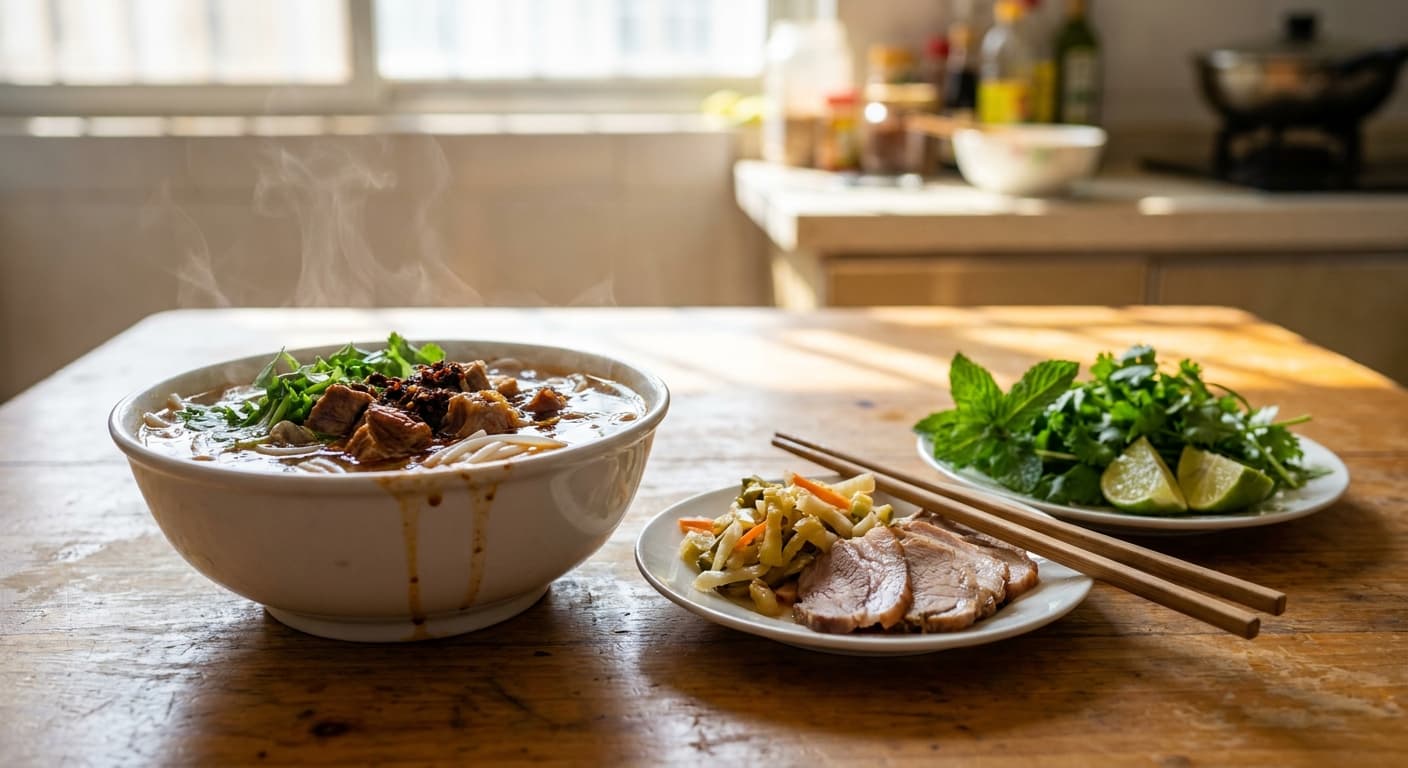
Printable Recipe Card
Servings: 4 · Total: 195 min · Difficulty: medium
Ingredients (quick list)
- 1 whole whole chicken (about 1.2 kg, excess fat kept for the broth)
- 600 g pork neck bones
- 3 l water
- 2 inch fresh ginger (sliced)
- 4 scallions (white and green parts bruised)
- 30 ml Shaoxing wine
- 10 g fine sea salt
- 30 ml rendered chicken fat (skimmed from the broth or separately rendered)
- 800 g fresh Yunnan-style rice noodles (mixian, rinsed and loosened)
- 160 g chicken breast (partially frozen for easier paper-thin slicing)
- 160 g pork tenderloin (partially frozen for easier paper-thin slicing)
- 160 g firm white fish fillet (skinless, boneless, sliced very thin)
+ 10 more in the full ingredients section below.
Steps (summary)
- Put the whole chicken, pork neck bones, water, ginger, bruised scallions, and Shaoxing wine in a tall stockpot. Bring slowly to…
- Reduce the heat to low and simmer the broth uncovered for 2 hours, keeping it at a gentle bubble rather than a rolling boil. Ad…
- Skim 30 ml of golden chicken fat from the surface of the strained broth and reserve it separately. If your broth is lean, warm…
- Place the chicken breast, pork tenderloin, and fish fillet in the freezer for 20 minutes so they firm without freezing solid. S…
- Arrange the sliced chicken, pork, fish, quail eggs, Yunnan ham, tofu skin, mung bean sprouts, baby bok choy, pickled mustard gr…
- Bring a separate pot of water to a boil and blanch the fresh rice noodles for 20 to 30 seconds, just until hot and loosened. Dr…
+ 4 more steps in the full instructions section below.
Cultural Background
Crossing-the-Bridge Rice Noodles are closely associated with Yunnan and Kunming hospitality. As Fuchsia Dunlop’s writing on Chinese cookery shows, regional noodle traditions express local ingredients, technique, and table ritual.
Equipment
💡 Tips
- Slice the meats extremely thin; thick slices will not cook safely in the serving bowl.
- Preheat the bowls with boiling water for 2 minutes, then empty them before adding noodles and broth.
- Use a rich, gelatinous broth rather than a light stock, because the body of the soup is central to the Yunnan style.
⚠️ Common Mistakes
❌ Serving the broth merely hot instead of boiling.
✅ Fix: Bring the broth to a vigorous boil just before pouring, and preheat the serving bowls so the meats and eggs cook properly.
❌ Cutting the chicken, pork, or fish too thick.
✅ Fix: Partially freeze the proteins and slice them about 2 mm thick across the grain.
❌ Adding all toppings at once.
✅ Fix: Add quail eggs and raw meats first, then vegetables and herbs after the proteins have turned opaque.
🧊 How to Store
Store broth, noodles, vegetables, and raw toppings in separate airtight containers for up to 2 days. Reheat broth to a full boil and use freshly sliced proteins for safest results.
📅 Make Ahead
Prepare and strain the broth 1 day ahead, then chill it and lift off excess fat. Wash vegetables and soak tofu skin ahead, but slice raw meats only shortly before serving.
🍽️ Pairs Well With
- Pickled mustard greens
- chile oil
- light soy sauce
- steamed greens
- hot tea.
Regional Variations
- Kunming versions often emphasize a clear chicken-pork broth with a visible layer of hot fat.
- Some Yunnan restaurants include cured ham, chrysanthemum greens, or local mushrooms as premium toppings.
- Home versions may simplify the protein selection to chicken, ham, egg, and vegetables while preserving the table-side assembly.
Ingredients
- 1 wholewhole chicken (about 1.2 kg, excess fat kept for the broth)
- 600 gpork neck bones
- 3 lwater
- 2 inchfresh ginger (sliced)
- 4scallions (white and green parts bruised)
- 30 mlShaoxing wine
- 10 gfine sea salt
- 30 mlrendered chicken fat (skimmed from the broth or separately rendered)
- 800 gfresh Yunnan-style rice noodles (mixian, rinsed and loosened)
- 160 gchicken breast (partially frozen for easier paper-thin slicing)
- 160 gpork tenderloin (partially frozen for easier paper-thin slicing)
- 160 gfirm white fish fillet (skinless, boneless, sliced very thin)
- 8quail eggs
- 60 gYunnan ham (or Jinhua ham, sliced into thin slivers)
- 80 gdried tofu skin sheets (soaked until pliable and cut into ribbons)
- 160 gmung bean sprouts
- 200 gbaby bok choy (leaves separated)
- 80 gpickled mustard greens (rinsed briefly and chopped)
- 12 sprigcilantro
- 20 mllight soy sauce
- 10 mltoasted sesame oil
- 2 tspground white pepper
🔄 Substitutions
- Yunnan ham→ Jinhua ham or unsmoked prosciutto
- fresh Yunnan-style rice noodles→ dried round rice noodles
- quail eggs→ chicken eggs
Instructions
- 1
Put the whole chicken, pork neck bones, water, ginger, bruised scallions, and Shaoxing wine in a tall stockpot. Bring slowly to a simmer over medium heat, then skim the gray foam carefully for 10 minutes so the final broth stays clean and bright.
- 2
Reduce the heat to low and simmer the broth uncovered for 2 hours, keeping it at a gentle bubble rather than a rolling boil. Add the fine sea salt during the last 20 minutes, then strain the broth through a fine sieve and reserve 1.8 liters for serving.
- 3
Skim 30 ml of golden chicken fat from the surface of the strained broth and reserve it separately. If your broth is lean, warm the chicken skin or trimmed fat from the bird in a small pan over low heat until enough clear fat renders.
- 4
Place the chicken breast, pork tenderloin, and fish fillet in the freezer for 20 minutes so they firm without freezing solid. Slice each protein across the grain into very thin pieces, about 2 mm thick, because the boiling broth must cook them quickly at the table.
- 5
Arrange the sliced chicken, pork, fish, quail eggs, Yunnan ham, tofu skin, mung bean sprouts, baby bok choy, pickled mustard greens, scallions, and cilantro on separate small plates. Keep the raw meats and eggs chilled until the moment of serving, and use separate utensils for raw and cooked foods.
- 6
Bring a separate pot of water to a boil and blanch the fresh rice noodles for 20 to 30 seconds, just until hot and loosened. Drain well and divide the noodles among 4 deep serving bowls, leaving space for the boiling broth and toppings.
- 7
Return the strained broth to a vigorous boil and season it with light soy sauce, toasted sesame oil, and ground white pepper. The broth must be fully boiling before it reaches the table, because the traditional crossing-the-bridge method depends on intense heat and a thin fat layer.
- 8
Pour 450 ml of boiling broth into each preheated bowl and spoon 7.5 ml of rendered chicken fat over the surface of each bowl. Immediately add the quail eggs first, then the chicken, pork, fish, and ham, stirring gently so the thin slices cook through in the hot broth.
- 9
Add the tofu skin, mung bean sprouts, baby bok choy, pickled mustard greens, scallions, and cilantro after the meats have turned opaque. Let the bowl stand for 2 minutes before eating so the noodles absorb the broth and the vegetables soften while staying fresh.
- 10
Serve at once while the rice noodle soup is steaming hot. Warn diners that the glossy fat layer can hide the heat of the broth, which is part of the dish’s famous table-side drama.
🪪 Recipe Passport
Cultural Background
Crossing-the-Bridge Rice Noodles are closely associated with Yunnan and Kunming hospitality. As Fuchsia Dunlop’s writing on Chinese cookery shows, regional noodle traditions express local ingredients, technique, and table ritual.
Regional Variations
Researched from multiple sources and validated by the Zaffaron editorial team. Every recipe is tested for accuracy, measurements, and cultural authenticity.
📚 Sources & Cultural References
- Fuchsia Dunlop — Every Grain of Rice — (2012)
- Alan Davidson — The Oxford Companion to Food — (1999)
Sources cited by the Zaffaron editorial team during recipe research. Cultural and culinary references supporting authenticity claims.
Nutrition per serving
Pairs well with
If you enjoyed this recipe, here are a few related Zaffaron recipes to try next.
Does your family make this differently?
Every family has their own version. Maybe your grandmother adds a secret ingredient, or your aunt has a completely different technique. Preserve your family's version — with their name on it, forever.
You Might Also Like
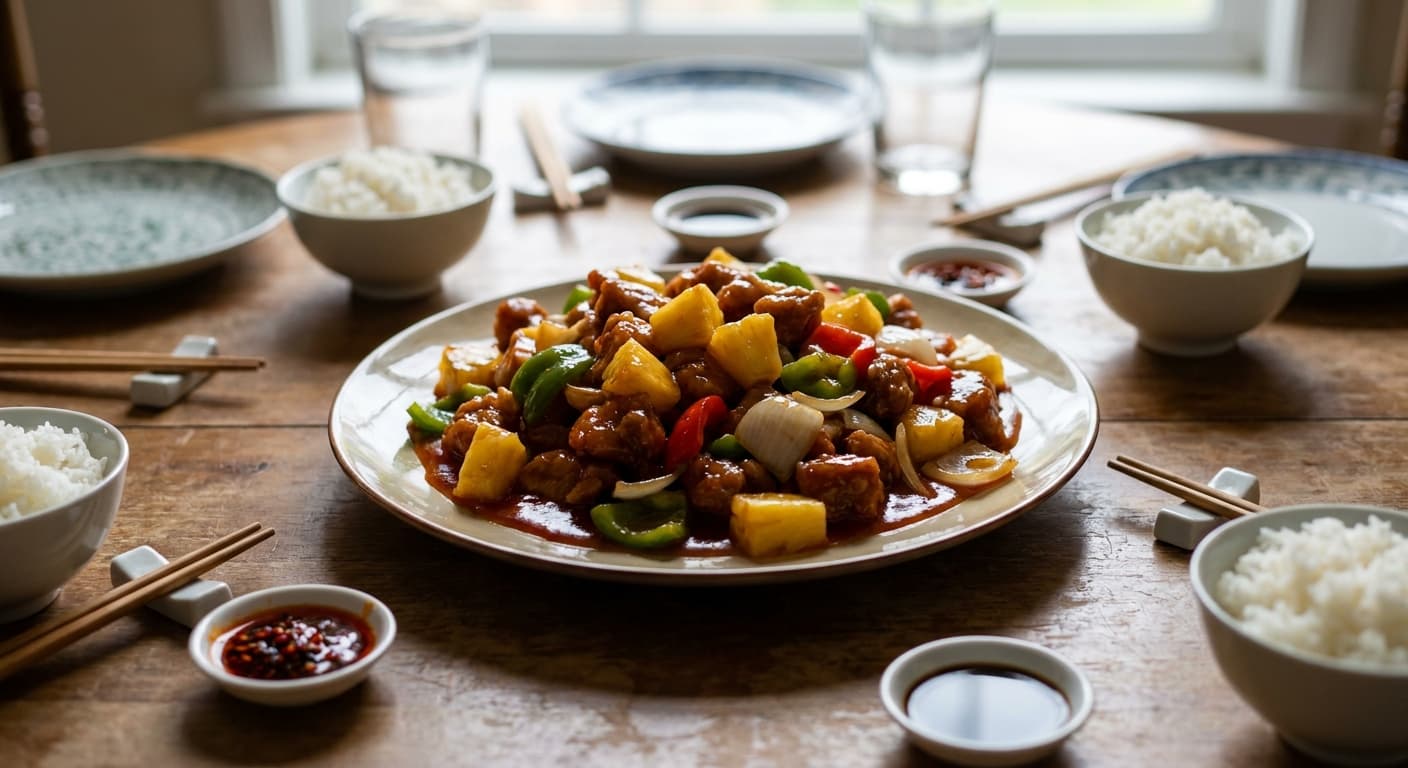
Sweet and Sour Pork (咕噜肉) — Cantonese Pork with Pineapple and Peppers
Chinese · Main Courses · 55 min
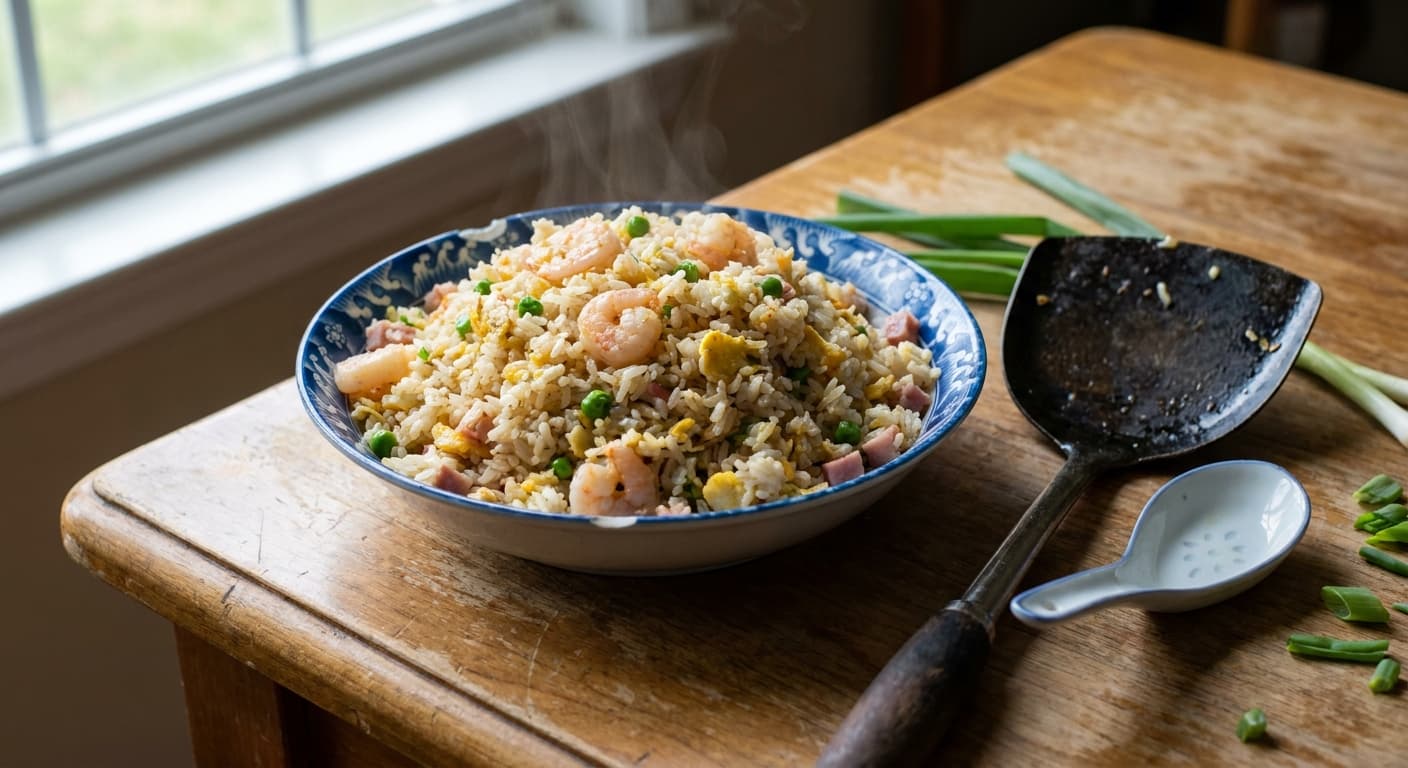
Yangzhou Fried Rice (扬州炒饭) — Classic Shrimp, Char Siu, and Egg Fried Rice
Chinese · Rice Dishes · 30 min
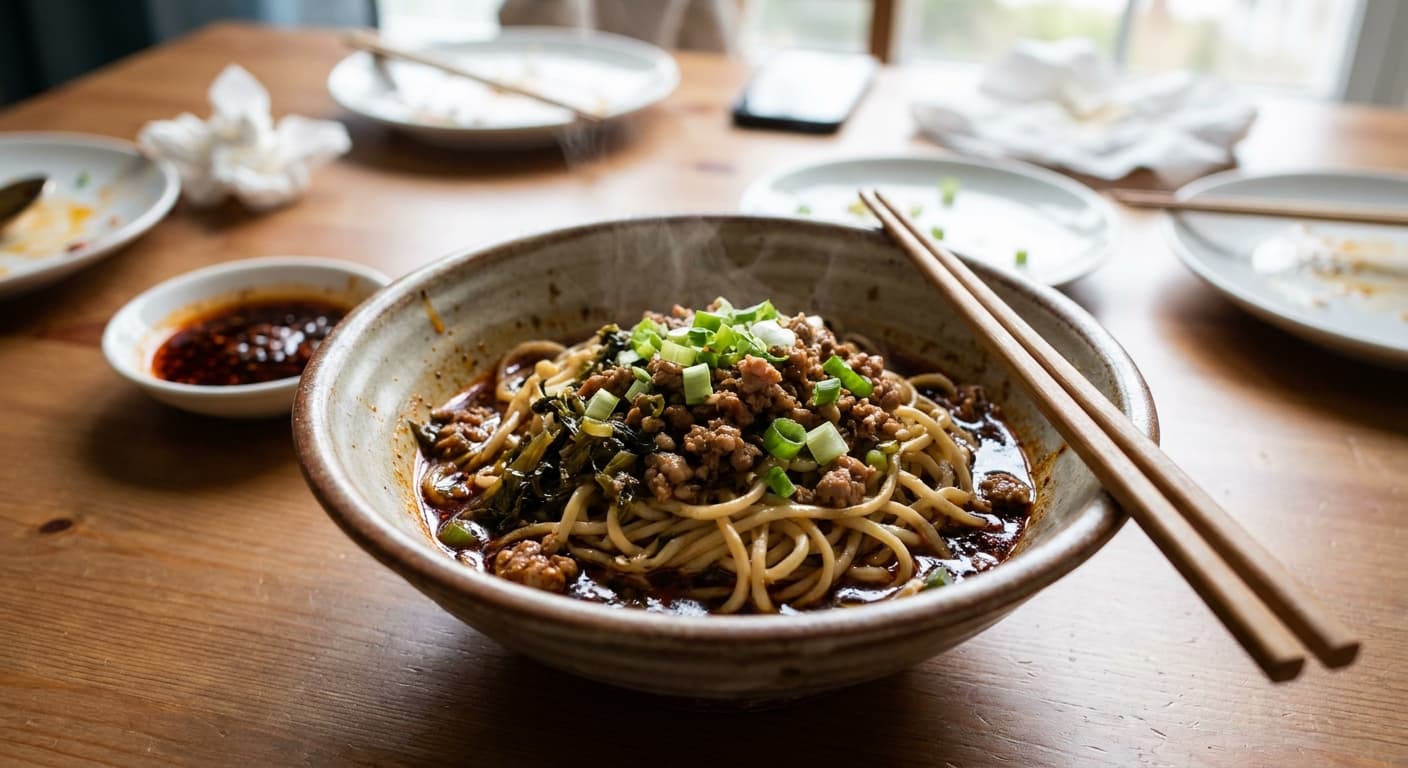
Dan Dan Noodles (担担面) — Sichuan Noodles with Spicy Sesame-Chili Pork Sauce
Chinese · Main Courses · 45 min
Ash-e Sak (آش ساک) — Golestani Spinach, Legume, and Meatball Soup
Persian · Soups · 175 min
Nigerian Egusi Soup (Ọ̀bẹ̀ Ègúsí) — Melon Seed Stew with Greens and Fish
West african · Soups · 115 min
Japanese Chicken Katsu Curry (チキンカツカレー) — Crispy Cutlet with Rich Curry Rice
Japanese · Main Courses · 65 min
Tteokbokki (떡볶이) — Spicy Korean Rice Cakes
Korean · Main Courses · 45 min
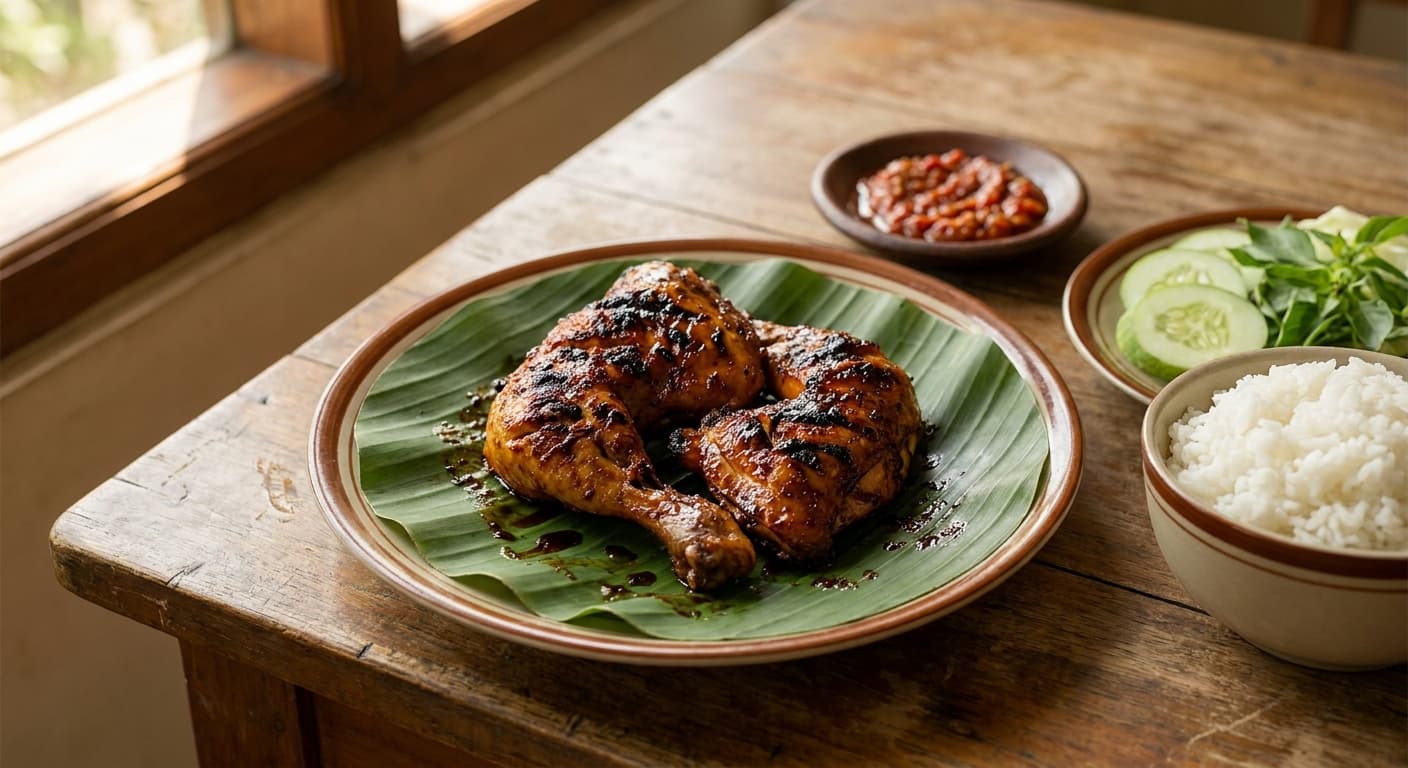
Indonesian Grilled Chicken (Ayam Bakar) — Sweet Soy-Spiced Charred Chicken
Indonesian · Main Courses · 85 min
Reviews
Cooked this recipe?
Tap the stars to rate it — that's all it takes. A few words are welcome but optional.
No ratings yet. Cooked this one? Be the first to rate it — it takes one tap.