Fasolada (Φασολάδα) — Greek White Bean Soup with Tomato and Olive Oil
Fasolada is a beloved Greek home-style bean soup built on white beans, tomato, and generous olive oil. Often called Greece’s “national dish,” it’s simple, nourishing, and meant for slow simmering and sharing.
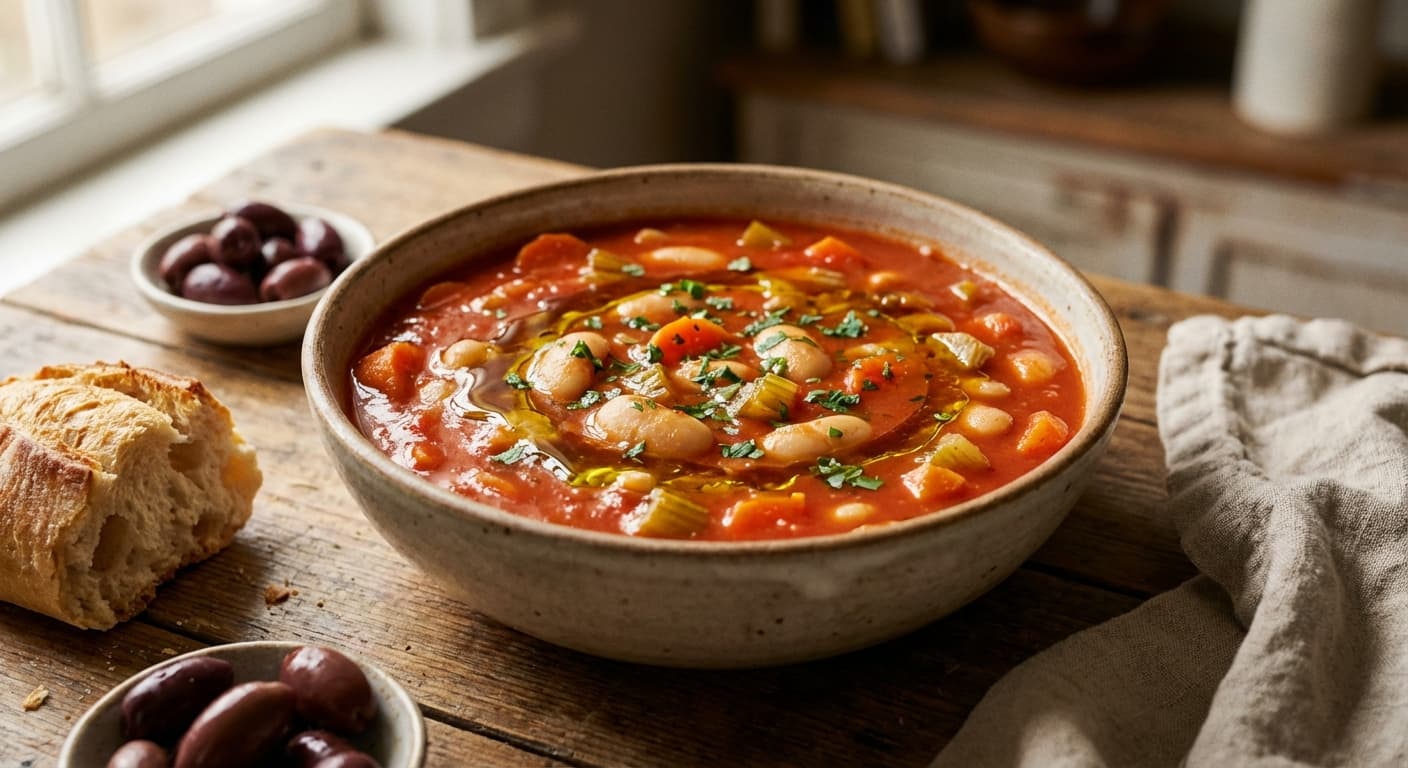
Printable Recipe Card
Servings: 6 · Total: 125 min · Difficulty: medium
Ingredients (quick list)
- 400 g Dried white beans (cannellini or navy) (picked over and rinsed)
- 1500 ml Water (for soaking)
- 1800 ml Water (for simmering)
- 200 g Yellow onion (finely diced)
- 200 g Carrots (sliced into 5 mm rounds)
- 150 g Celery stalks (sliced)
- 12 g Garlic cloves (minced (about 3 cloves))
- 90 ml Extra-virgin olive oil (divided)
- 30 g Tomato paste
- 400 g Crushed tomatoes (canned)
- 2 leaf Bay leaves
- 1 tsp Dried oregano
+ 4 more in the full ingredients section below.
Steps (summary)
- Soak the beans in 1500 ml water for 12 hours at room temperature. Drain and rinse well, then check again for any broken beans o…
- Add the soaked beans to a pot with 1800 ml fresh water and bring to a boil over high heat. Boil for 10 minutes, then reduce to…
- In a separate wide pot, warm 60 ml of the olive oil over medium heat. Add the onion, carrot, and celery and cook for 10 minutes…
- Stir in the garlic and cook for 60 seconds, just until fragrant. Add the tomato paste and cook for 2 minutes, stirring constant…
- Add the crushed tomatoes, bay leaves, oregano, 6 g of the salt, and the black pepper to the vegetable base. Simmer for 5 minute…
- Transfer the par-simmered beans (with their cooking liquid) into the tomato-vegetable pot and stir well. Bring to a gentle simm…
+ 2 more steps in the full instructions section below.
Cultural Background
Fasolada is a cornerstone of Greek home cooking and fasting-table meals, valued for its affordability and nourishment. It reflects the Mediterranean pantry—beans, tomato, olive oil—and is traditionally simmered slowly to develop deep, comforting flavor.
Equipment
💡 Tips
- For a silkier texture, keep the simmer very gentle; a hard boil can split the beans and make the broth gritty.
- Add salt in stages as written so the beans soften properly while the final seasoning stays accurate.
- Let the soup rest before serving; fasolada thickens noticeably as the beans release starch into the tomato broth.
⚠️ Common Mistakes
❌ Boiling aggressively, which breaks the beans and makes the soup muddy.
✅ Fix: Keep the heat at a gentle simmer and stir occasionally; adjust with small splashes of water if it reduces too fast.
❌ Under-cooking the tomato paste, leaving a raw, metallic taste.
✅ Fix: Cook the paste in olive oil for a full 2 minutes, stirring constantly until it darkens slightly.
❌ Seasoning only at the end, resulting in flat-tasting broth.
✅ Fix: Add salt in two stages and finish with measured vinegar or lemon for balance.
🧊 How to Store
Cool fasolada to room temperature within 2 hours, then refrigerate in a sealed container for up to 4 days. Reheat gently over low heat with 60–120 ml water to loosen, stirring often; the soup thickens as it sits and can scorch if boiled hard.
📅 Make Ahead
Soak the beans up to 24 hours ahead in the refrigerator, then drain and cook the next day. The finished soup can be made 1–2 days ahead; its flavor deepens overnight and it reheats well with a small splash of water.
🍽️ Pairs Well With
- Krusty village bread
- Kalamata olives
- feta (optional)
- Greek salad
- pickled peppers.
Regional Variations
- Northern Greece: often includes a little more carrot and celery for extra sweetness and body.
- Island style: finished with more olive oil and lemon, sometimes with a pinch of dried mint instead of oregano.
- Tavern-style: served thicker, with some beans mashed into the broth and extra pepper on top.
Ingredients
- 400 gDried white beans (cannellini or navy) (picked over and rinsed)
- 1500 mlWater (for soaking)
- 1800 mlWater (for simmering)
- 200 gYellow onion (finely diced)
- 200 gCarrots (sliced into 5 mm rounds)
- 150 gCelery stalks (sliced)
- 12 gGarlic cloves (minced (about 3 cloves))
- 90 mlExtra-virgin olive oil (divided)
- 30 gTomato paste
- 400 gCrushed tomatoes (canned)
- 2 leafBay leaves
- 1 tspDried oregano
- 10 gFine sea salt (add in two stages)
- 1 tspBlack pepper (freshly ground)
- 15 mlRed wine vinegar (for finishing)
- 15 gFlat-leaf parsley (chopped, for serving)
🔄 Substitutions
- Dried white beans (cannellini or navy)→ Great Northern beans
- Red wine vinegar→ Fresh lemon juice
- Crushed tomatoes→ Passata
Instructions
- 1
Soak the beans in 1500 ml water for 12 hours at room temperature. Drain and rinse well, then check again for any broken beans or debris before cooking.
- 2
Add the soaked beans to a pot with 1800 ml fresh water and bring to a boil over high heat. Boil for 10 minutes, then reduce to a gentle simmer and skim off any foam that rises to the surface.
- 3
In a separate wide pot, warm 60 ml of the olive oil over medium heat. Add the onion, carrot, and celery and cook for 10 minutes, stirring often, until the onion is translucent and the vegetables smell sweet rather than raw.
- 4
Stir in the garlic and cook for 60 seconds, just until fragrant. Add the tomato paste and cook for 2 minutes, stirring constantly, so it caramelizes slightly and loses its raw edge.
- 5
Add the crushed tomatoes, bay leaves, oregano, 6 g of the salt, and the black pepper to the vegetable base. Simmer for 5 minutes to concentrate the tomato and let the herbs bloom in the oil.
- 6
Transfer the par-simmered beans (with their cooking liquid) into the tomato-vegetable pot and stir well. Bring to a gentle simmer, partially cover, and cook for 60–75 minutes until the beans are creamy and tender but still intact.
- 7
Stir in the remaining 30 ml olive oil and the remaining 4 g salt, then simmer uncovered for 10 minutes to thicken the soup. If you want it thicker, mash 150 g of beans against the side of the pot and stir them back in, then simmer 3 minutes more.
- 8
Turn off the heat and stir in the red wine vinegar to brighten the flavor. Rest the soup for 10 minutes, then remove the bay leaves and serve topped with chopped parsley and an extra drizzle of olive oil if desired.
🪪 Recipe Passport
Cultural Background
Fasolada is a cornerstone of Greek home cooking and fasting-table meals, valued for its affordability and nourishment. It reflects the Mediterranean pantry—beans, tomato, olive oil—and is traditionally simmered slowly to develop deep, comforting flavor.
Regional Variations
Researched from multiple sources and validated by the Zaffaron editorial team. Every recipe is tested for accuracy, measurements, and cultural authenticity.
Nutrition per serving
Pairs well with
If you enjoyed this recipe, here are a few related Zaffaron recipes to try next.
Does your family make this differently?
Every family has their own version. Maybe your grandmother adds a secret ingredient, or your aunt has a completely different technique. Preserve your family's version — with their name on it, forever.
You Might Also Like
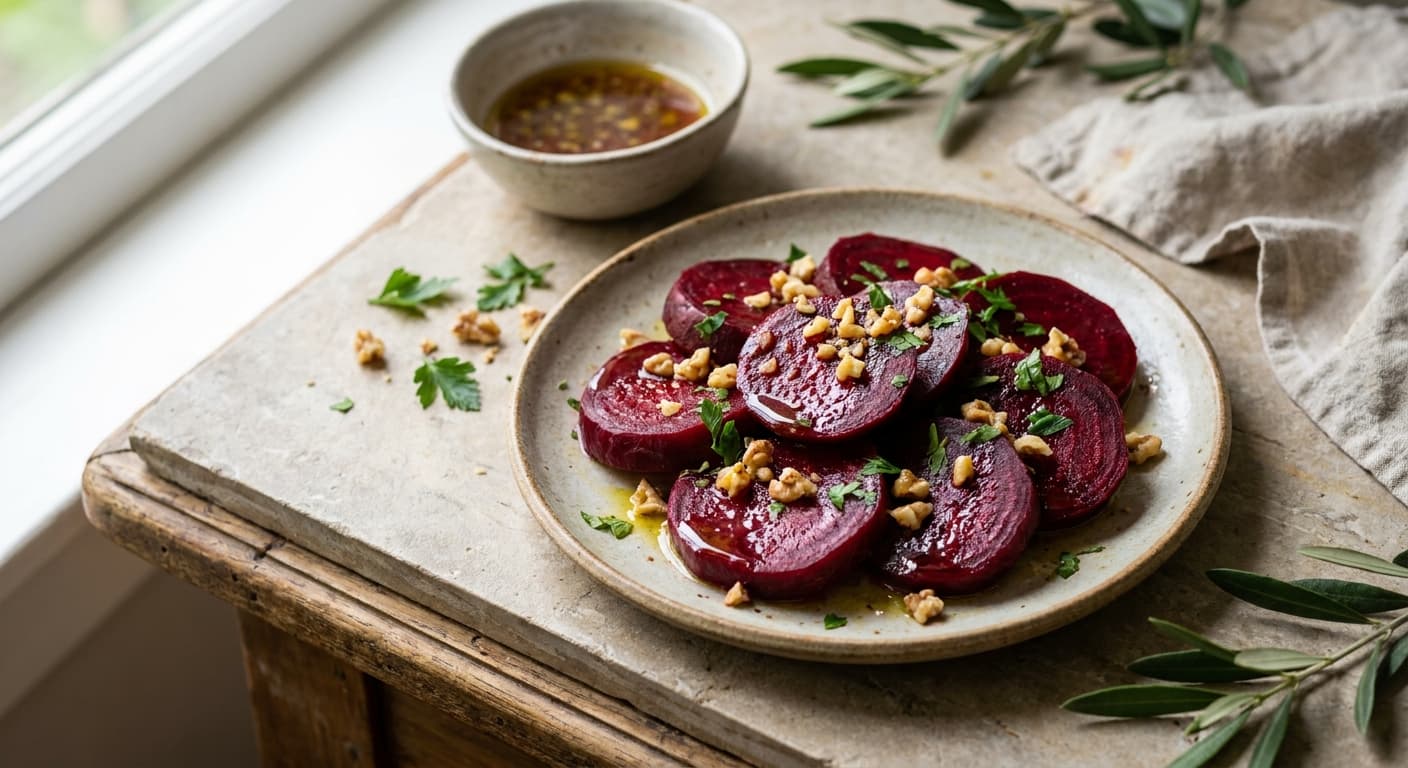
Greek Beet Salad (Παντζαροσαλάτα) — Beets with Garlic, Vinegar, and Walnut
Greek · Salads · 75 min
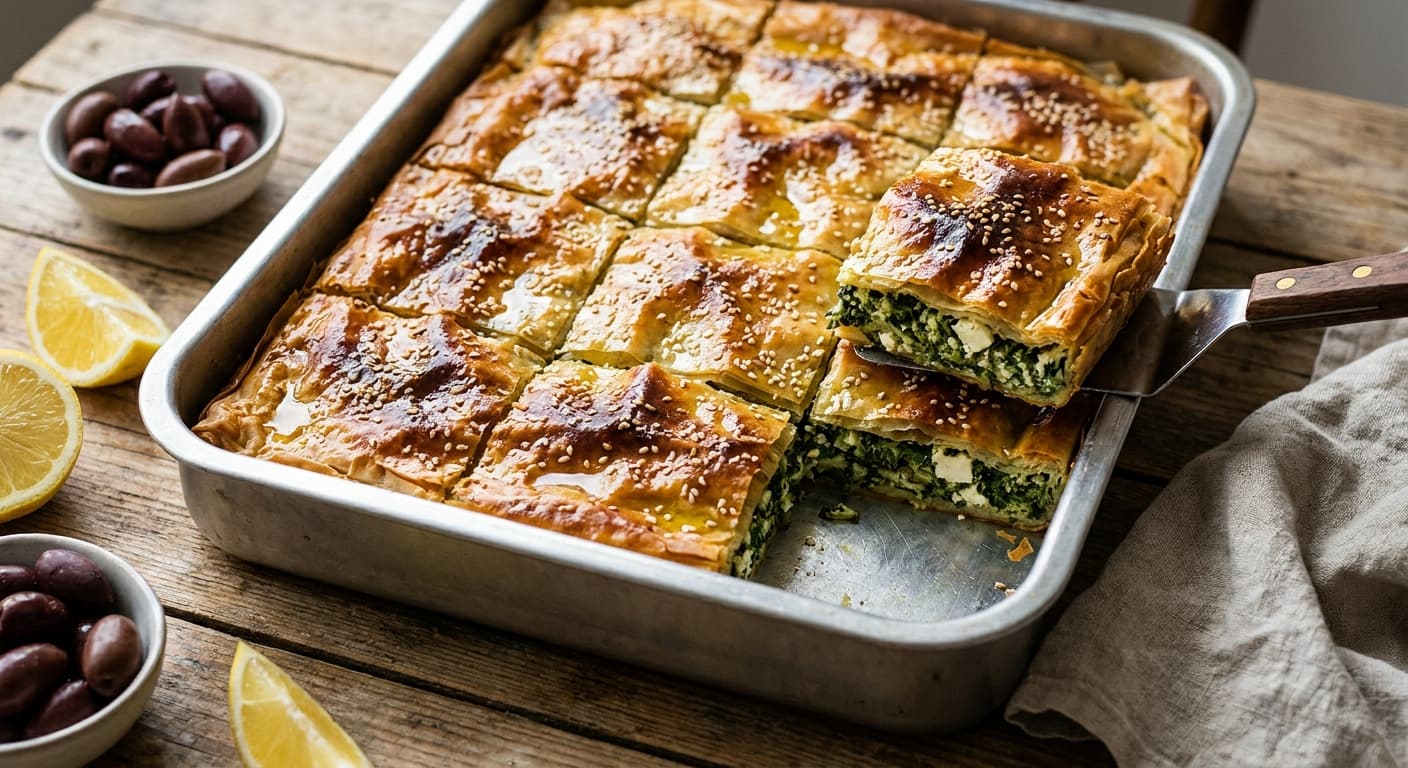
Hortopita (Χορτόπιτα) — Wild Greens Phyllo Pie with Olive Oil
Greek · Main Courses · 90 min
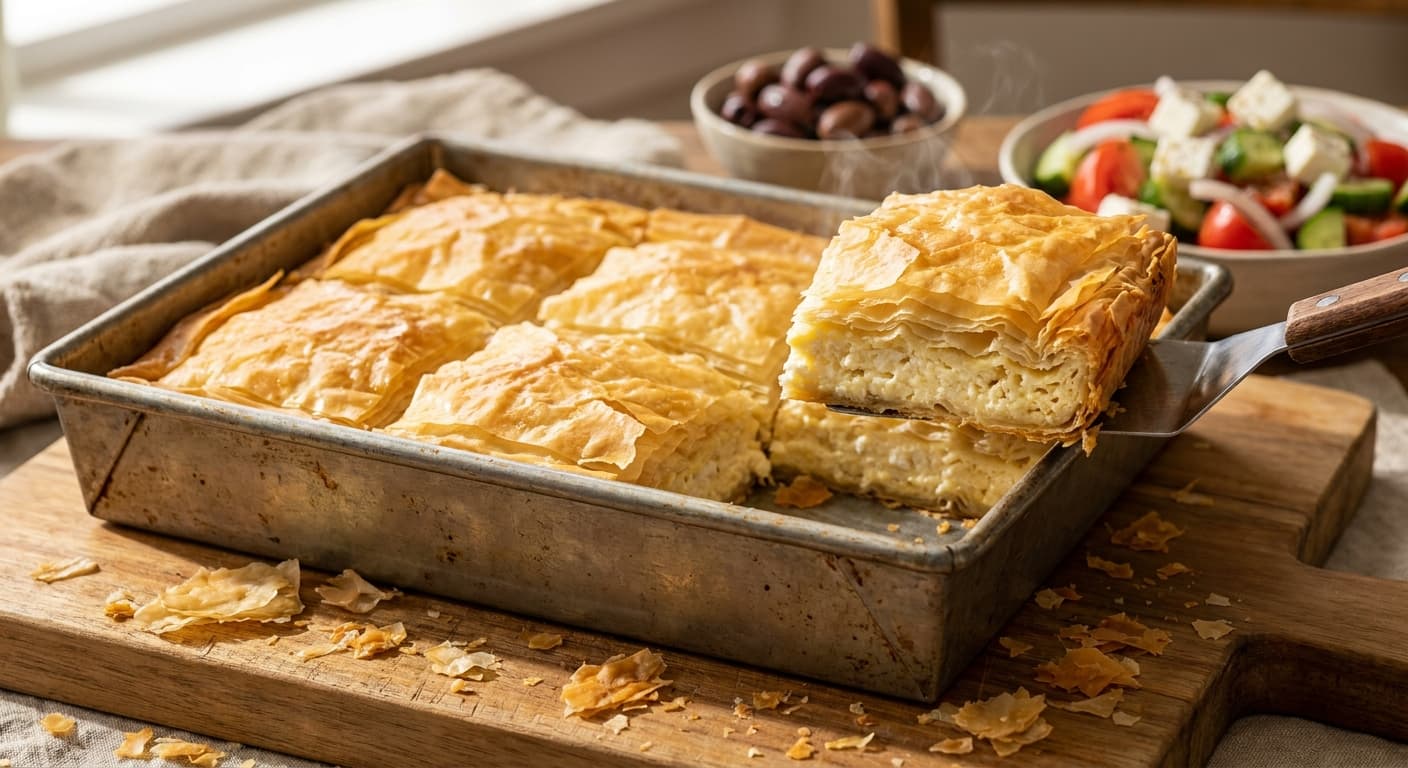
Tyropita (Τυρόπιτα) — Greek Phyllo Pie with Feta, Eggs, and Pepper
Greek · Main Courses · 70 min
Buddha Jumps Over the Wall (佛跳墙) — Fujian Banquet Treasure Soup
Chinese · Soups · 540 min
Changua (Changua) — Colombian Milk-and-Egg Breakfast Soup
Colombian · Soups · 25 min
Salgam Juice (Şalgam) — Spicy, tangy fermented black-carrot drink
Turkish · Drinks · 25 min
Spaghetti Carbonara (Spaghetti alla Carbonara) — Roman Pasta with Eggs, Pecorino, and Guanciale
Italian · Main Courses · 30 min
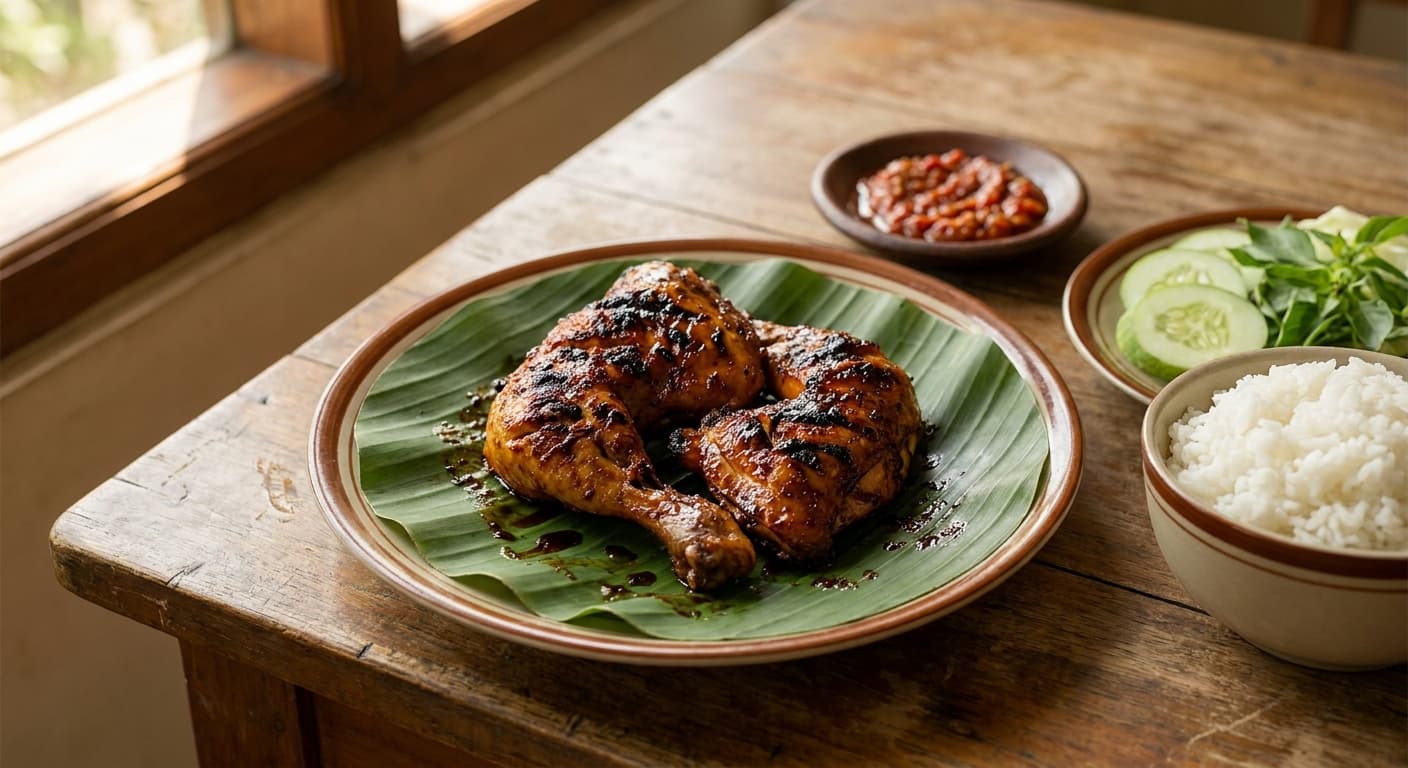
Indonesian Grilled Chicken (Ayam Bakar) — Sweet Soy-Spiced Charred Chicken
Indonesian · Main Courses · 85 min
Reviews
Cooked this recipe?
Tap the stars to rate it — that's all it takes. A few words are welcome but optional.
No ratings yet. Cooked this one? Be the first to rate it — it takes one tap.