Garides Saganaki (Γαρίδες σαγανάκι) — Greek Shrimp in Tomato and Feta Sauce
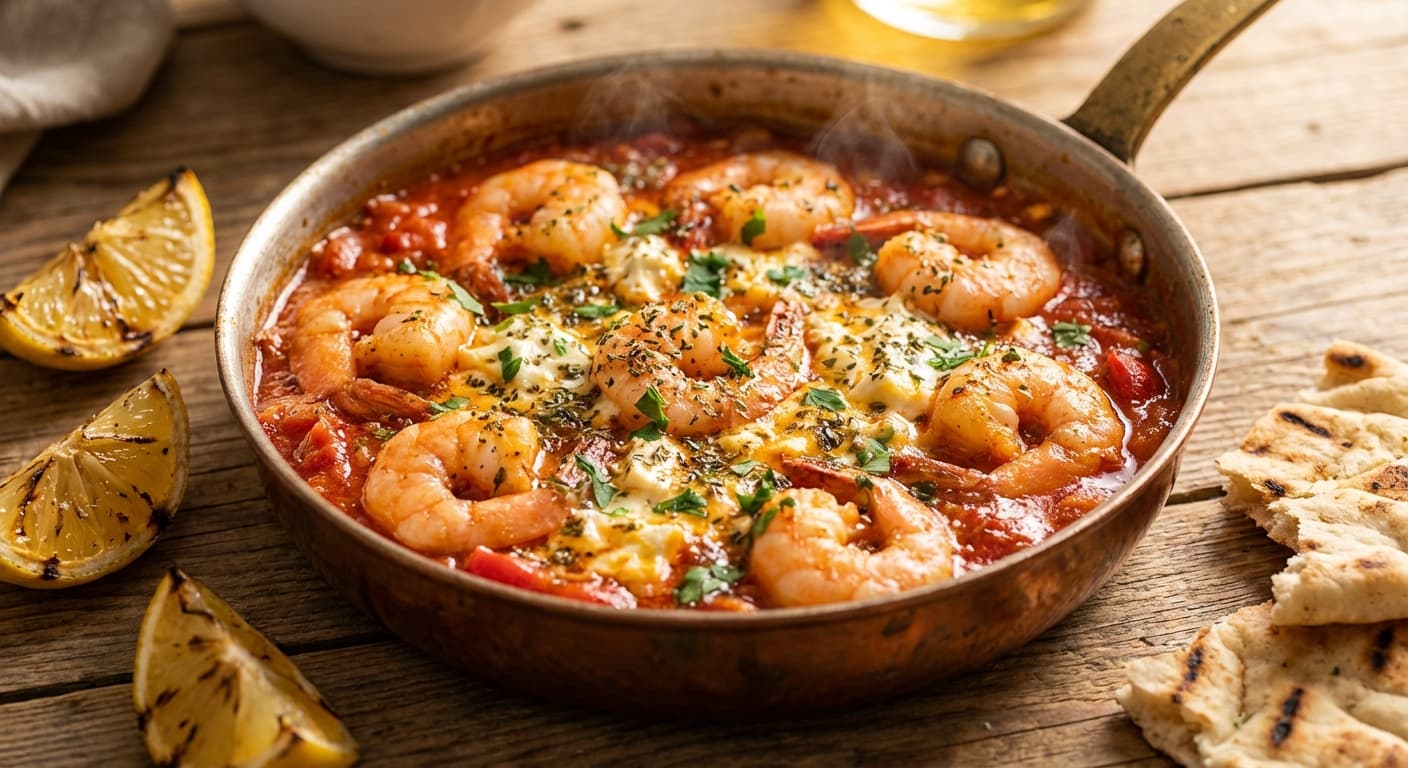
Garides saganaki is a beloved Greek taverna dish where shrimp simmer in a bright tomato sauce, finished with briny feta. Traditionally cooked in a small pan called a saganaki, it’s meant for sharing with bread and a squeeze of lemon.
Printable Recipe Card
Servings: 4 · Total: 35 min · Difficulty: medium
Ingredients (quick list)
- 600 g large shrimp, peeled and deveined (tails on optional; pat very dry)
- 30 ml extra-virgin olive oil
- 150 g yellow onion, finely chopped
- 12 g garlic cloves, minced
- 30 g tomato paste
- 120 ml dry white wine (Assyrtiko or Sauvignon Blanc)
- 400 g crushed tomatoes (canned)
- 60 ml water
- 2 tsp dried oregano
- 1 tsp sweet paprika
- 0.5 tsp red pepper flakes (mild heat)
- 1 tsp granulated sugar (balances tomato acidity)
+ 5 more in the full ingredients section below.
Steps (summary)
- Pat the shrimp very dry with paper towels so they sear instead of steaming. Season them with 0.5 tsp of the salt and 0.25 tsp o…
- Heat the olive oil in a wide skillet or saganaki pan over medium heat. Add the chopped onion and cook for 6–8 minutes, stirring…
- Add the minced garlic and cook for 30–45 seconds, just until fragrant. Stir in the tomato paste and cook for 1 minute to carame…
- Pour in the white wine and scrape the bottom of the pan to dissolve any browned bits. Simmer for 2–3 minutes until the wine red…
- Add the crushed tomatoes and the water, then season with oregano, paprika, red pepper flakes, sugar, the remaining 0.5 tsp salt…
- Nestle the shrimp into the simmering sauce in a single layer. Cook for 2 minutes, then flip or stir gently and cook 1–2 minutes…
+ 2 more steps in the full instructions section below.
Cultural Background
A staple of Greek meze culture, garides saganaki is served in tavernas as a shareable seafood plate cooked in the same small pan it’s brought to the table in. The pairing of tomato, oregano, and feta reflects classic Aegean pantry flavors.
Equipment
💡 Tips
- Use shrimp sized 16/20 or 21/25 count for the best texture; smaller shrimp overcook quickly in the hot sauce.
- Let the tomato sauce thicken before adding shrimp so the seafood cooks briefly and stays juicy.
- If your feta is very salty, rinse it quickly under cold water and pat dry before crumbling to keep the sauce balanced.
⚠️ Common Mistakes
❌ Adding shrimp before the sauce thickens.
✅ Fix: Simmer the tomato base until it coats a spoon, then add shrimp for only 3–4 minutes total cooking.
❌ Boiling the dish after adding feta.
✅ Fix: Lower the heat and let feta soften gently; high heat can make it grainy and can overcook the shrimp.
❌ Over-salting early.
✅ Fix: Hold back some salt until after feta is added, then adjust in small increments.
🧊 How to Store
Cool leftovers within 1 hour, then refrigerate in an airtight container for up to 2 days. Reheat gently in a covered skillet over low heat with 15–30 ml water to loosen the sauce; avoid boiling so the shrimp don’t turn rubbery.
📅 Make Ahead
Prepare the sauce up to 24 hours ahead and refrigerate it; rewarm it to a simmer before adding shrimp. Crumble the feta and chop parsley in advance so the final cooking takes only a few minutes.
🍽️ Pairs Well With
- Crusty bread
- grilled pita
- lemony rice
- orzo
- Greek salad
- roasted potatoes.
Regional Variations
- Santorini-style: use cherry tomatoes and a splash of local Assyrtiko for a brighter, more mineral sauce.
- Taverna baked finish: top with feta and briefly broil 2–3 minutes to lightly brown the cheese before serving.
- Ouzo twist: replace 30 ml of the wine with 30 ml ouzo for a subtle anise note.
Ingredients
- 600 glarge shrimp, peeled and deveined (tails on optional; pat very dry)
- 30 mlextra-virgin olive oil
- 150 gyellow onion, finely chopped
- 12 ggarlic cloves, minced
- 30 gtomato paste
- 120 mldry white wine (Assyrtiko or Sauvignon Blanc)
- 400 gcrushed tomatoes (canned)
- 60 mlwater
- 2 tspdried oregano
- 1 tspsweet paprika
- 0.5 tspred pepper flakes (mild heat)
- 1 tspgranulated sugar (balances tomato acidity)
- 1 tspfine sea salt (adjust after feta is added)
- 0.5 tspblack pepper, freshly ground
- 180 gfeta cheese, crumbled (Greek feta in brine preferred)
- 10 gfresh parsley, chopped
- 4 wedgelemon wedges
🔄 Substitutions
- dry white wine→ fish stock
- feta cheese→ Greek manouri cheese
- red pepper flakes→ Aleppo pepper
Instructions
- 1
Pat the shrimp very dry with paper towels so they sear instead of steaming. Season them with 0.5 tsp of the salt and 0.25 tsp of the black pepper, then set aside while you start the sauce.
- 2
Heat the olive oil in a wide skillet or saganaki pan over medium heat. Add the chopped onion and cook for 6–8 minutes, stirring often, until soft and lightly golden.
- 3
Add the minced garlic and cook for 30–45 seconds, just until fragrant. Stir in the tomato paste and cook for 1 minute to caramelize it slightly, which deepens the sauce’s flavor.
- 4
Pour in the white wine and scrape the bottom of the pan to dissolve any browned bits. Simmer for 2–3 minutes until the wine reduces by about half and the sharp alcohol aroma mellows.
- 5
Add the crushed tomatoes and the water, then season with oregano, paprika, red pepper flakes, sugar, the remaining 0.5 tsp salt, and the remaining 0.25 tsp black pepper. Bring to a gentle simmer and cook for 8–10 minutes, stirring occasionally, until the sauce thickens enough to lightly coat a spoon.
- 6
Nestle the shrimp into the simmering sauce in a single layer. Cook for 2 minutes, then flip or stir gently and cook 1–2 minutes more, just until the shrimp turn opaque and curl into a loose ‘C’ shape.
- 7
Reduce the heat to low and sprinkle the crumbled feta over the top without aggressively stirring, so you keep some creamy pockets and some distinct crumbles. Cover for 1 minute to soften the feta, then uncover and taste the sauce, adjusting salt only if needed since feta adds salinity.
- 8
Finish with chopped parsley and serve immediately with lemon wedges for squeezing at the table. Spoon plenty of sauce over each portion and provide bread for dipping so none of the feta-tomato juices are wasted.
🪪 Recipe Passport
Cultural Background
A staple of Greek meze culture, garides saganaki is served in tavernas as a shareable seafood plate cooked in the same small pan it’s brought to the table in. The pairing of tomato, oregano, and feta reflects classic Aegean pantry flavors.
Regional Variations
Researched from multiple sources and validated by the Zaffaron editorial team. Every recipe is tested for accuracy, measurements, and cultural authenticity.
Nutrition per serving
Pairs well with
If you enjoyed this recipe, here are a few related Zaffaron recipes to try next.
- Marinated Anchovies (Γαύρος μαρινάτος) — Fresh anchovies cured in vinegar, garlic, and parsley
- Greek Lamb Fricassee (Αρνί Φρικασέ) — Braised lamb with lettuce and egg-lemon sauce
- Htipiti (Χτυπητή) — Greek Roasted Red Pepper and Feta Spread
- Kolokithokeftedes (Κολοκυθοκεφτέδες) — Greek Zucchini and Feta Fritters
Does your family make this differently?
Every family has their own version. Maybe your grandmother adds a secret ingredient, or your aunt has a completely different technique. Preserve your family's version — with their name on it, forever.
You Might Also Like
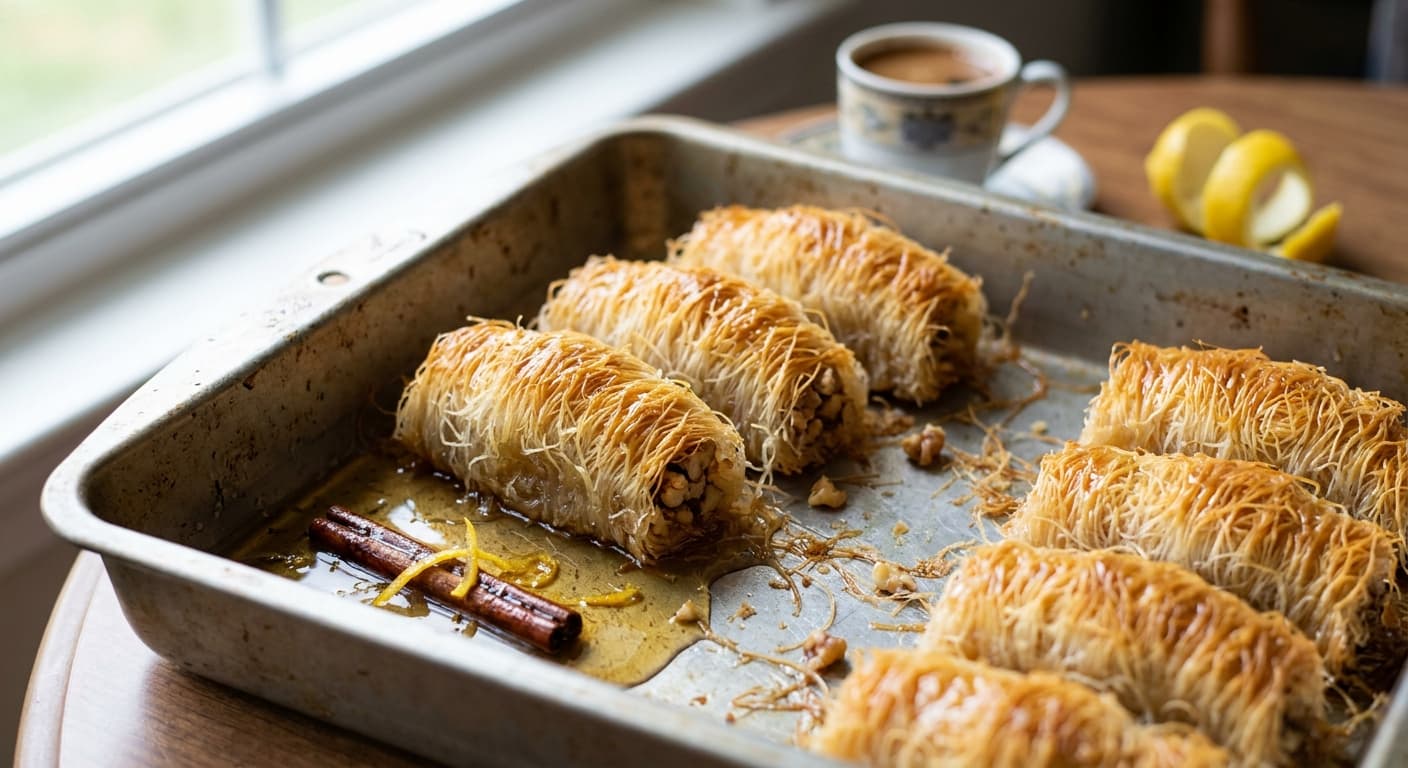
Kataifi (Κανταΐφι) — Shredded Phyllo Pastry with Walnut Filling and Syrup
Greek · Desserts · 90 min
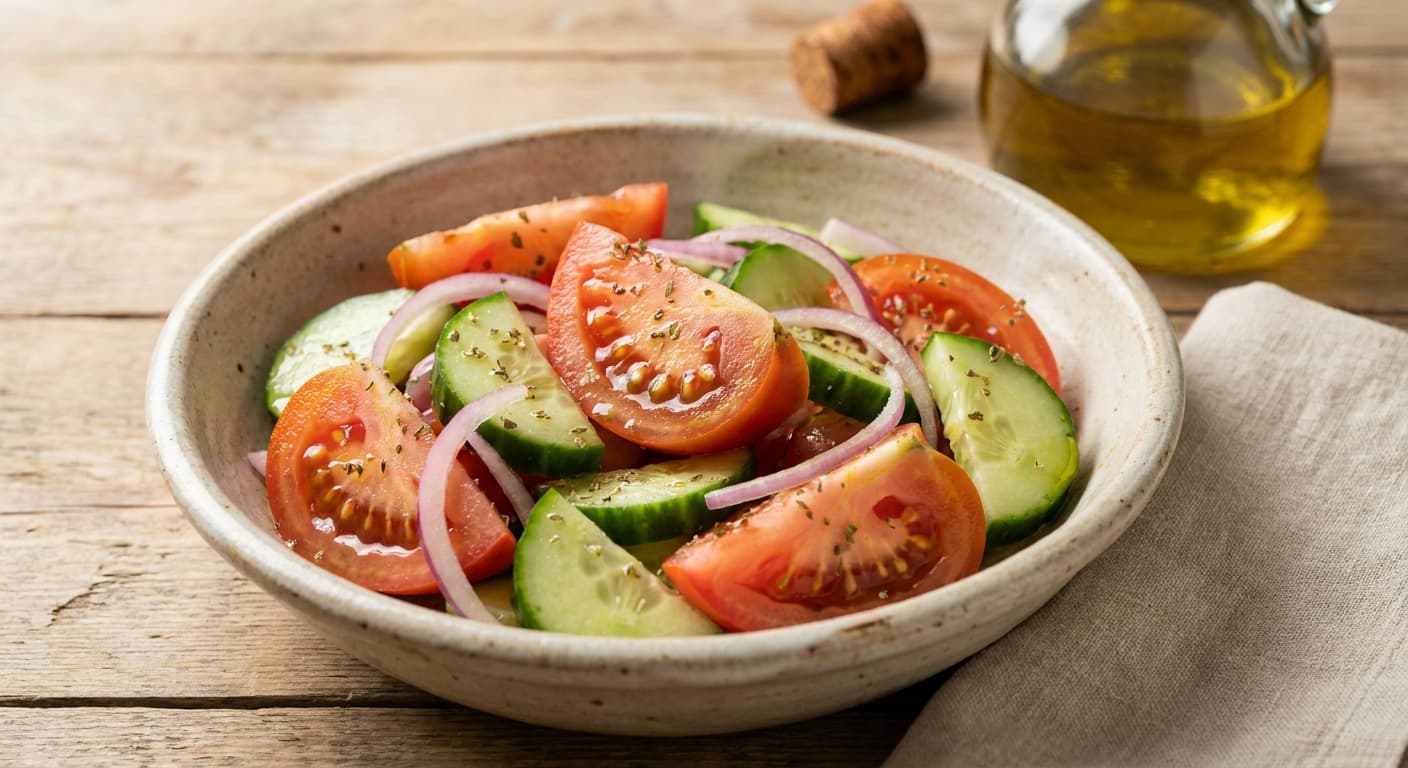
Cucumber Tomato Salad (Αγγουροντομάτα) — Greek tomato and cucumber with olive oil and oregano
Greek · Salads · 15 min
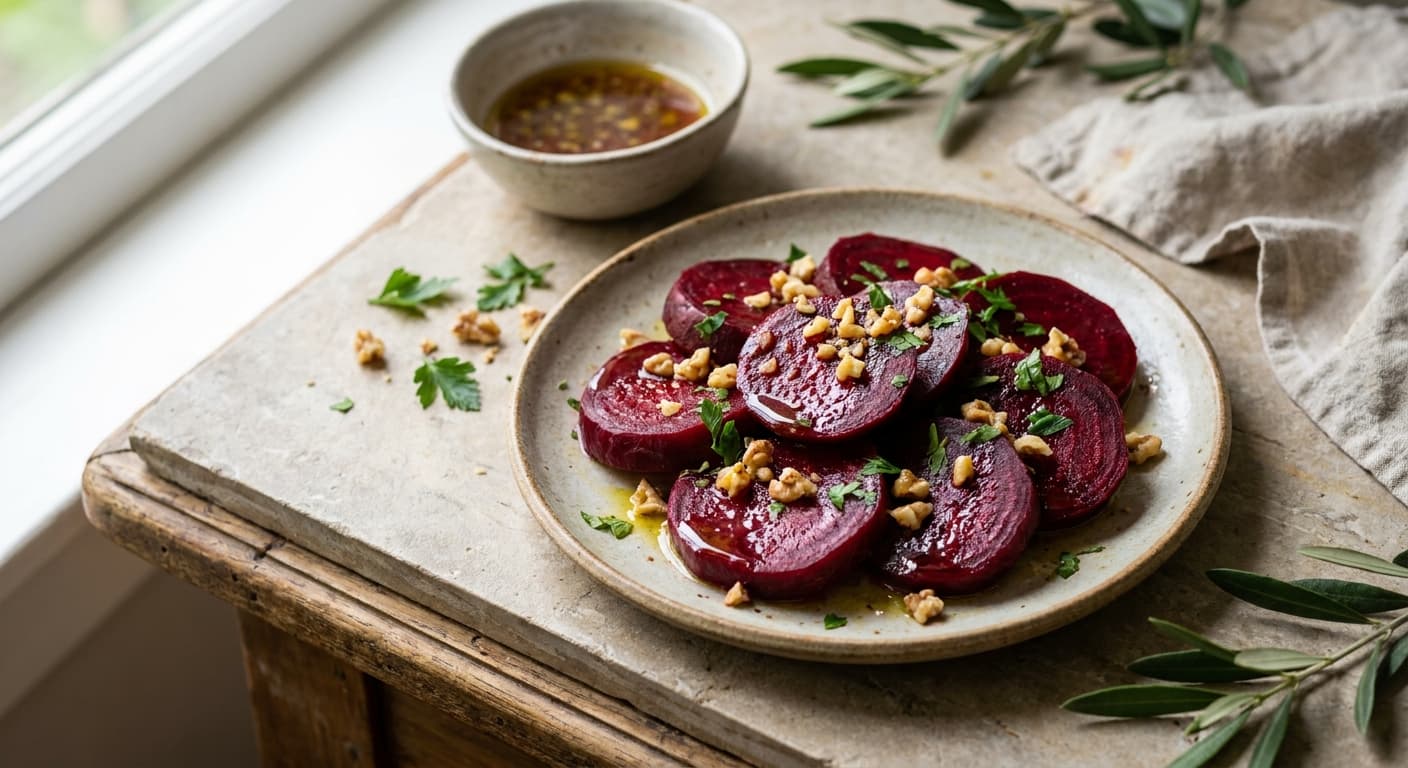
Greek Beet Salad (Παντζαροσαλάτα) — Beets with Garlic, Vinegar, and Walnut
Greek · Salads · 75 min
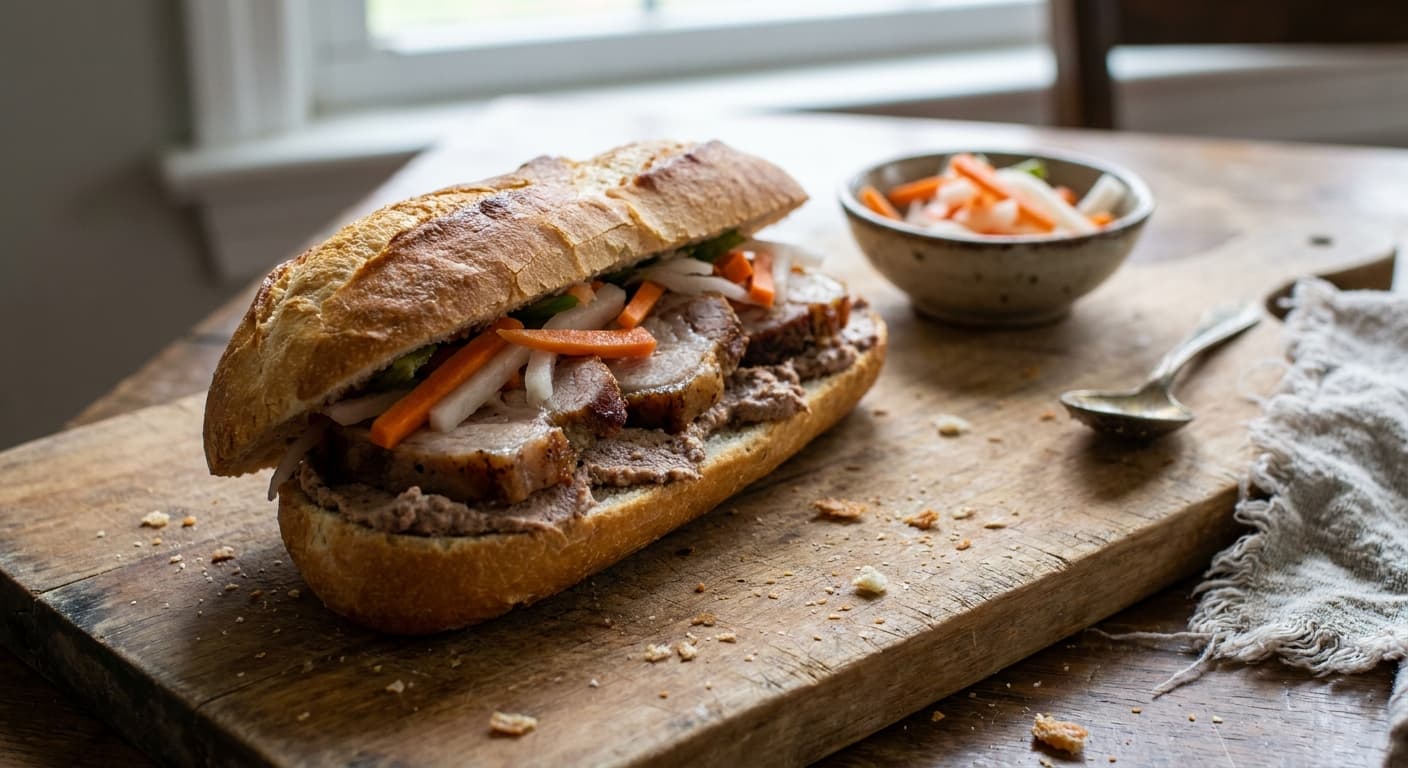
Num Pang Pate (នំប៉័ងប៉ាតេ) — Cambodian Baguette with Pate and Pickles
Cambodian · Main Courses · 60 min
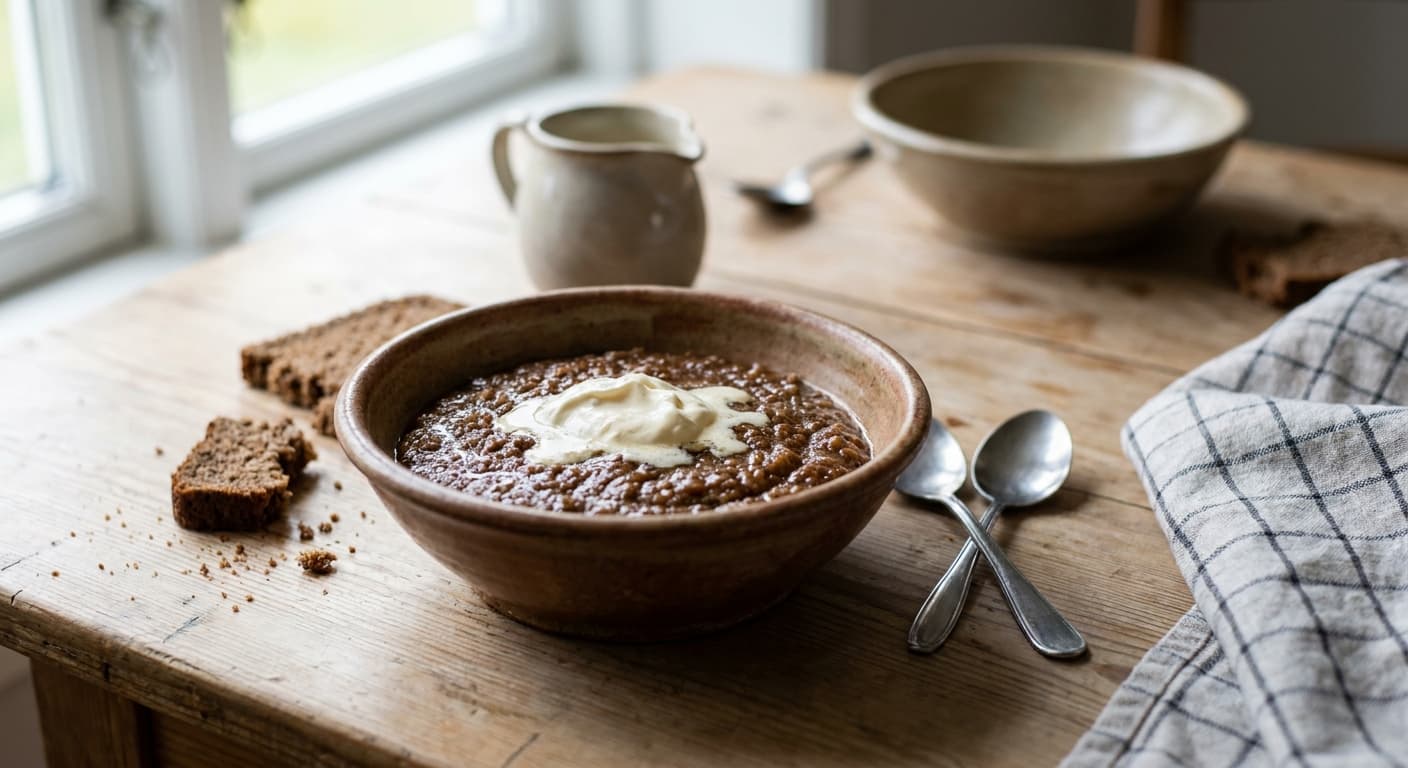
Rye Bread and Beer Porridge (Øllebrød) — Traditional Danish Breakfast
Danish · Main Courses · 65 min
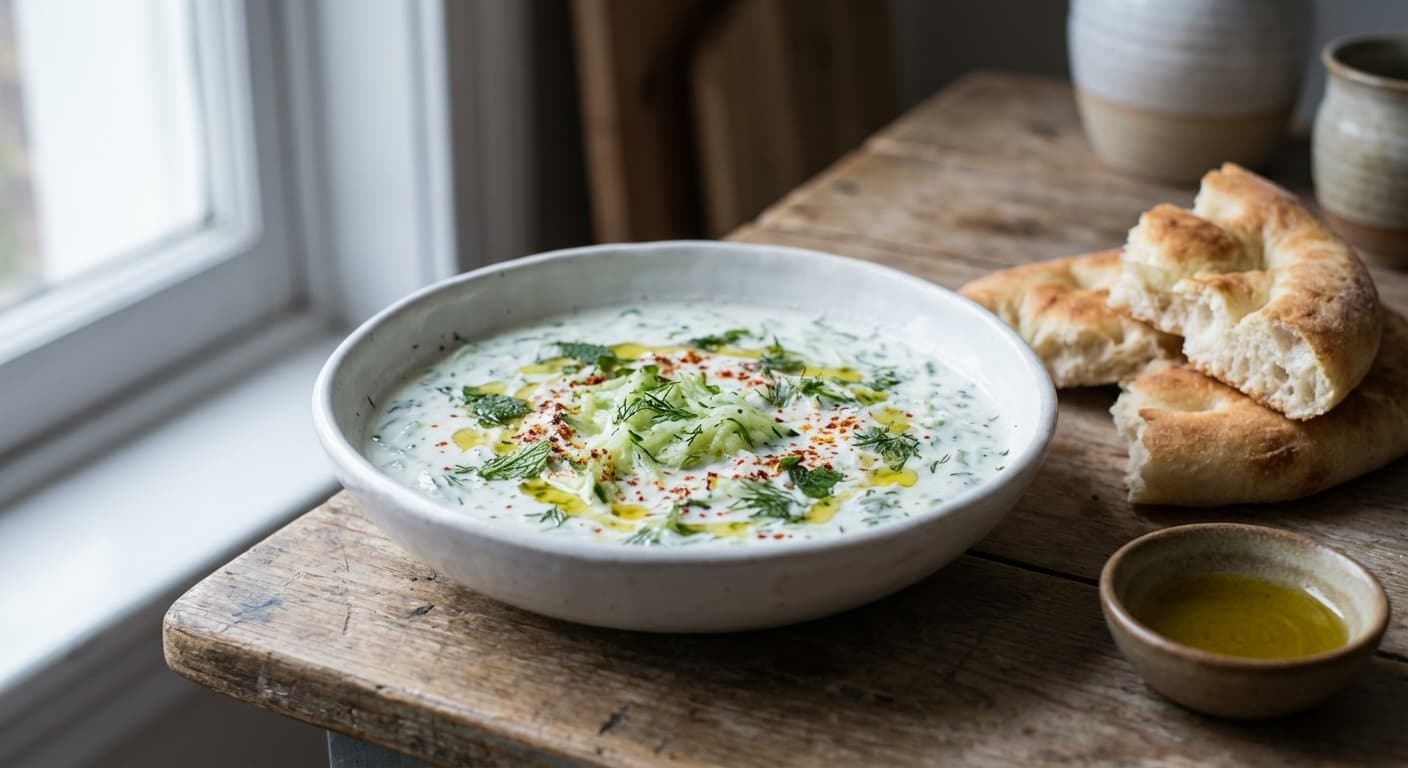
Cacık (Yoğurtlu Salatalık Mezesi) — Chilled Turkish Yogurt, Cucumber & Mint Dip
Turkish · Appetizers · 15 min
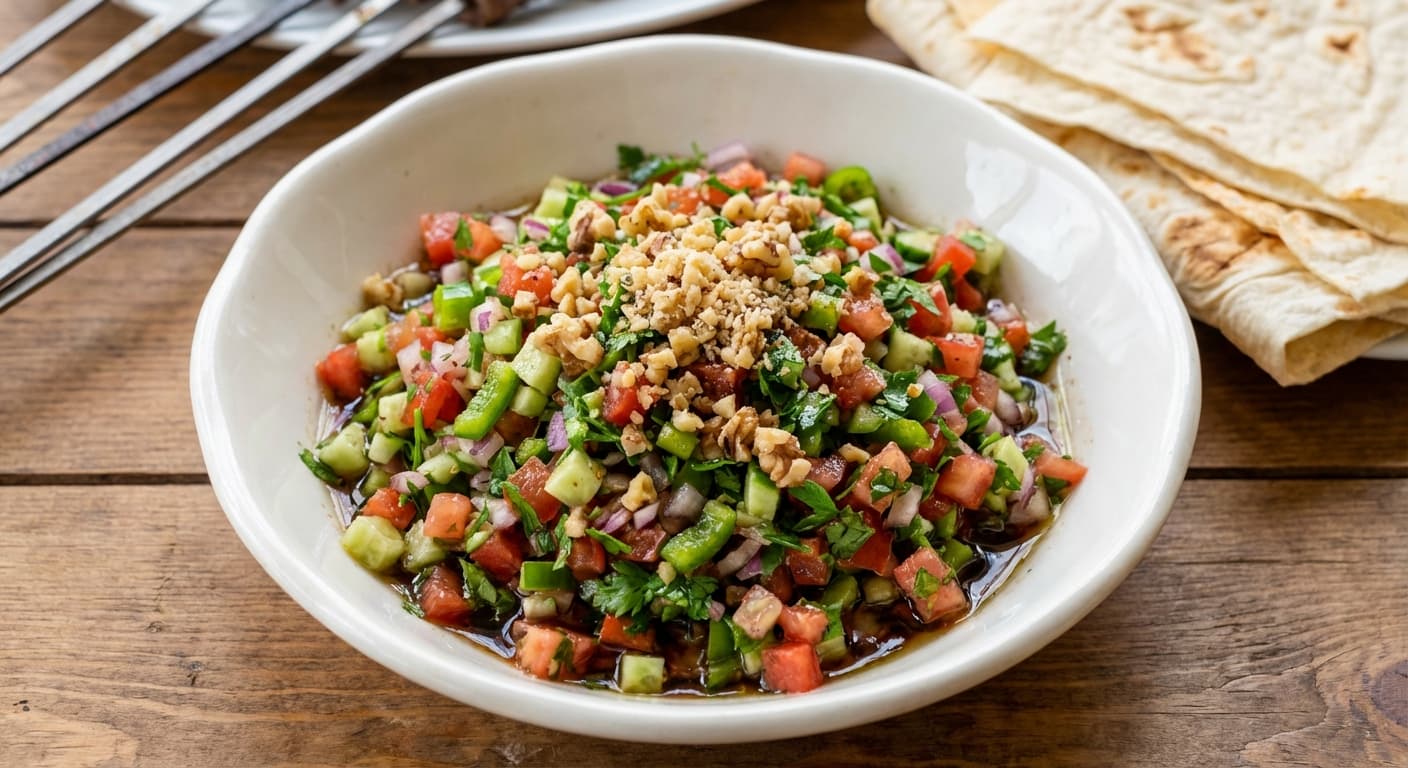
Gavurdağı Salad (Gavurdağı Salatası) — Finely Chopped Walnut & Pomegranate Salad
Turkish · Salads · 20 min
Yuca with Mojo (Yuca con mojo) — Cuban Cassava with Garlic Citrus Sauce
Cuban · Side Dishes · 55 min
Reviews
Cooked this recipe?
Tap the stars to rate it — that's all it takes. A few words are welcome but optional.
No ratings yet. Cooked this one? Be the first to rate it — it takes one tap.