Octopus in Vinegar (Χταπόδι ξιδάτο) — Boiled octopus with vinegar and bay
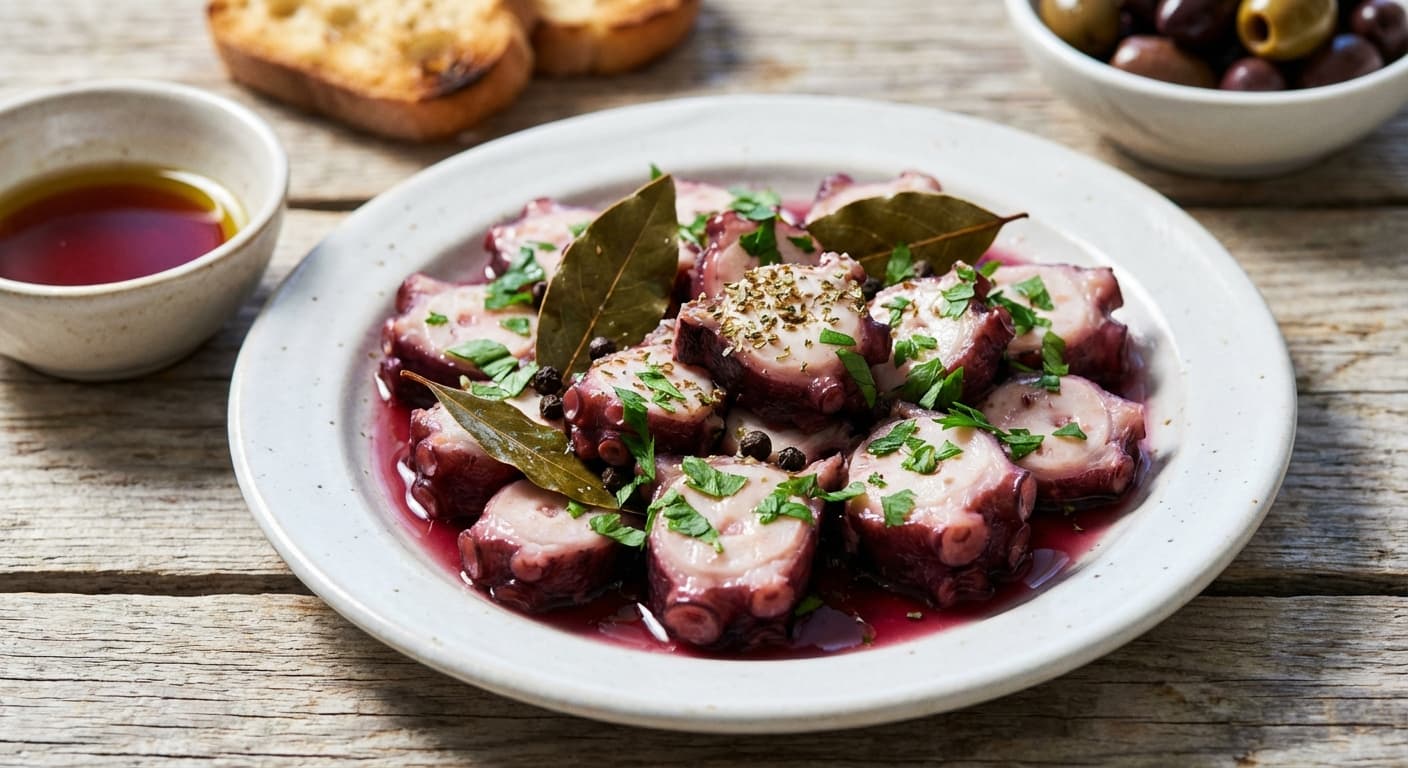
A beloved Greek meze, octopus is gently simmered until tender, then dressed with sharp vinegar, bay, and olive oil. It’s a classic taverna plate, often served alongside ouzo and simple bread to soak up the tangy, briny juices.
Printable Recipe Card
Servings: 6 · Total: 80 min · Difficulty: medium
Ingredients (quick list)
- 1200 g octopus, cleaned (fresh or thawed frozen; weight after cleaning)
- 150 g yellow onion (1 medium, halved)
- 2 leaf bay leaves
- 1 tsp black peppercorns
- 500 ml water (add only if needed; octopus releases liquid)
- 60 ml red wine vinegar
- 45 ml extra-virgin olive oil
- 6 g garlic (1 small clove, finely grated)
- 1 tsp dried oregano
- 1 tsp lemon zest (optional but traditional in many tavernas)
- 10 g flat-leaf parsley (finely chopped)
- 4 g fine sea salt (add after cooking; octopus is naturally salty)
Steps (summary)
- Rinse the cleaned octopus under cold water and check that the beak has been removed. Pat it dry, then separate the head sac fro…
- Place a heavy pot over medium heat and add the octopus with the onion, bay leaves, and peppercorns. Cover and cook for 10 minut…
- Uncover and check the liquid level; if the pot looks dry, add 500 ml water, otherwise add only 100 ml to prevent scorching. Bri…
- Turn off the heat and let the octopus rest in its cooking liquid for 10 minutes to relax the fibers. Transfer it to a board and…
- In a bowl, whisk the red wine vinegar, extra-virgin olive oil, and grated garlic until lightly emulsified. Add the sliced octop…
- Cover and chill for 30 minutes for the flavors to meld, or serve slightly warm for a more taverna-style feel. Before serving, s…
Cultural Background
Octopus meze is a cornerstone of Greek taverna culture, especially in coastal towns and islands where seafood is central. The vinegar-and-bay preparation is a time-tested way to tenderize, preserve, and brighten octopus for sharing with drinks and bread.
Equipment
💡 Tips
- For consistently tender octopus, use previously frozen octopus (thawed in the fridge 24 hours); freezing helps break down connective tissue.
- Keep the simmer gentle; a hard boil can tighten the tentacles and make them chewy even if cooked through.
- Marinate at least 30 minutes, but 12 hours in the fridge gives the most authentic vinegar-forward meze flavor.
⚠️ Common Mistakes
❌ Boiling aggressively the whole time, resulting in tough, rubbery tentacles.
✅ Fix: Maintain a gentle simmer and extend cooking time until a knife pierces easily; rest the octopus in its liquid before slicing.
❌ Salting the cooking liquid early and ending up with overly salty octopus.
✅ Fix: Skip salt during simmering and add a measured 4 g at the end after tasting the dressed octopus.
❌ Adding vinegar while the octopus is piping hot, making the surface tighten.
✅ Fix: Let the octopus cool 10 minutes before dressing, then marinate chilled or at cool room temperature.
🧊 How to Store
Refrigerate in an airtight container with its dressing for up to 3 days. Serve cold or bring to cool room temperature for 20 minutes; if warming, do it gently in a covered pan over low heat for 3–4 minutes to avoid toughening.
📅 Make Ahead
Boil the octopus up to 24 hours ahead and keep it chilled in a little of its cooking liquid. Slice and dress up to 12 hours ahead for deeper flavor, then garnish with parsley right before serving.
🍽️ Pairs Well With
- Toasted country bread
- lemon wedges
- Kalamata olives
- capers
- roasted peppers
- ouzo or tsipouro.
Regional Variations
- Island-style: add 15 ml extra vinegar and 1 tsp capers for a sharper, brinier meze.
- Northern Greece: include 1 tsp sweet paprika in the dressing for warmth and color.
- Taverna grill finish: after boiling, sear pieces on a hot pan for 2 minutes per side, then dress with vinegar and oil.
Ingredients
- 1200 goctopus, cleaned (fresh or thawed frozen; weight after cleaning)
- 150 gyellow onion (1 medium, halved)
- 2 leafbay leaves
- 1 tspblack peppercorns
- 500 mlwater (add only if needed; octopus releases liquid)
- 60 mlred wine vinegar
- 45 mlextra-virgin olive oil
- 6 ggarlic (1 small clove, finely grated)
- 1 tspdried oregano
- 1 tsplemon zest (optional but traditional in many tavernas)
- 10 gflat-leaf parsley (finely chopped)
- 4 gfine sea salt (add after cooking; octopus is naturally salty)
🔄 Substitutions
- red wine vinegar→ white wine vinegar
- flat-leaf parsley→ fresh dill
- dried oregano→ dried thyme
Instructions
- 1
Rinse the cleaned octopus under cold water and check that the beak has been removed. Pat it dry, then separate the head sac from the tentacles if they are still attached so the pieces cook evenly.
- 2
Place a heavy pot over medium heat and add the octopus with the onion, bay leaves, and peppercorns. Cover and cook for 10 minutes, stirring once or twice; the octopus will release a lot of its own liquid and begin to turn purple-red.
- 3
Uncover and check the liquid level; if the pot looks dry, add 500 ml water, otherwise add only 100 ml to prevent scorching. Bring to a gentle simmer, then reduce heat to low, cover, and cook for 45–60 minutes until a knife slides into the thickest tentacle with slight resistance.
- 4
Turn off the heat and let the octopus rest in its cooking liquid for 10 minutes to relax the fibers. Transfer it to a board and slice the tentacles into 1.5–2 cm pieces; cut the head into bite-size strips if using.
- 5
In a bowl, whisk the red wine vinegar, extra-virgin olive oil, and grated garlic until lightly emulsified. Add the sliced octopus and toss well, then sprinkle in the oregano, lemon zest, parsley, and 4 g salt and toss again until glossy and evenly coated.
- 6
Cover and chill for 30 minutes for the flavors to meld, or serve slightly warm for a more taverna-style feel. Before serving, spoon over 1–2 tbsp of the cooking juices (30 ml) for extra sheen and briny depth, and adjust acidity by adding exactly 10 ml more vinegar if you prefer it sharper.
🪪 Recipe Passport
Cultural Background
Octopus meze is a cornerstone of Greek taverna culture, especially in coastal towns and islands where seafood is central. The vinegar-and-bay preparation is a time-tested way to tenderize, preserve, and brighten octopus for sharing with drinks and bread.
Regional Variations
Researched from multiple sources and validated by the Zaffaron editorial team. Every recipe is tested for accuracy, measurements, and cultural authenticity.
Nutrition per serving
Pairs well with
If you enjoyed this recipe, here are a few related Zaffaron recipes to try next.
Does your family make this differently?
Every family has their own version. Maybe your grandmother adds a secret ingredient, or your aunt has a completely different technique. Preserve your family's version — with their name on it, forever.
You Might Also Like
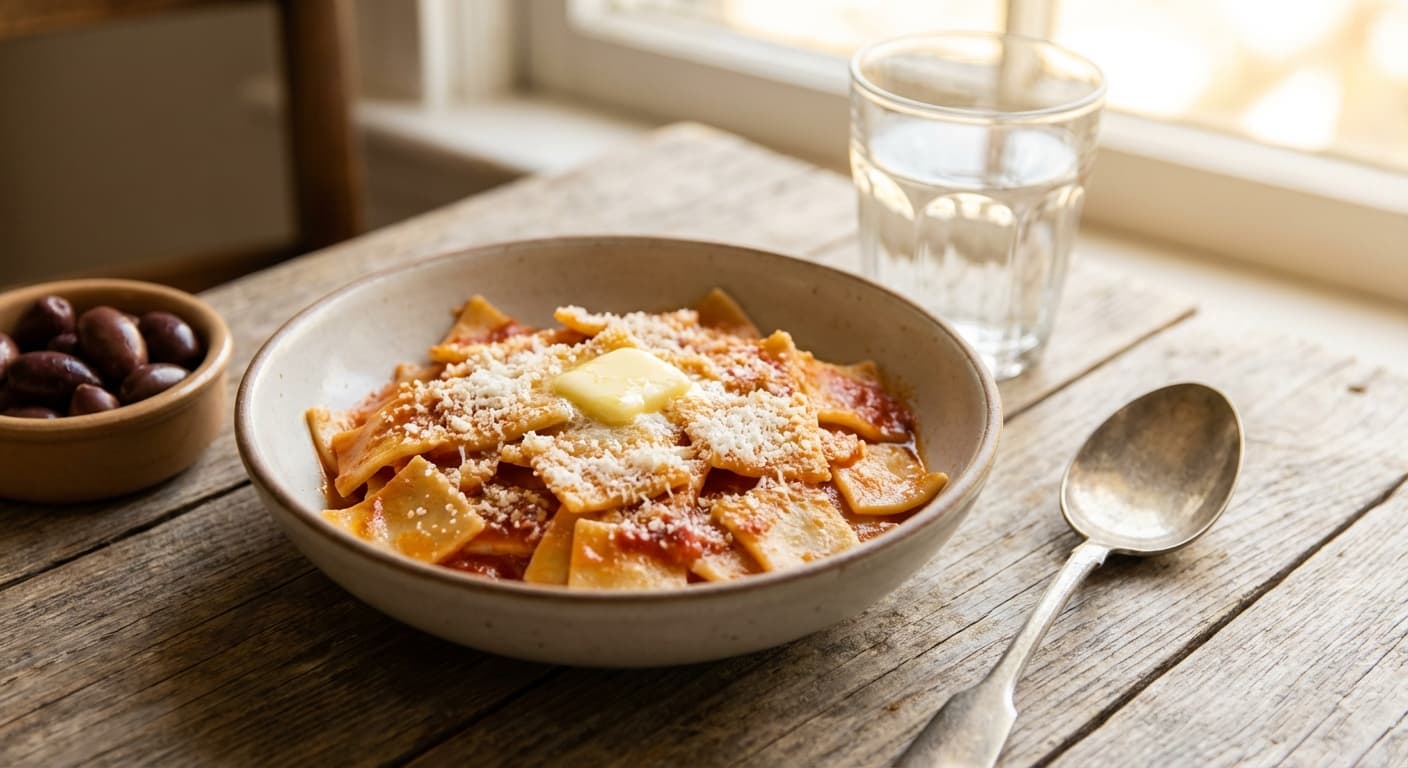
Hilopites (Χυλοπίτες) — Greek egg pasta with tomato and butter
Greek · Main Courses · 35 min

Amygdalota (Αμυγδαλωτά) — Chewy Greek Almond Cookies with Orange and Almond
Greek · Desserts · 38 min

Vasilopita (Βασιλόπιτα) — Greek New Year cake with a hidden coin
Greek · Desserts · 80 min

Besso (በሶ) — Ethiopian Roasted Barley Bites
Ethiopian · Appetizers · 20 min

Har Gow Shrimp Dumplings (虾饺) — Translucent Cantonese Dim Sum
Chinese · Appetizers · 68 min
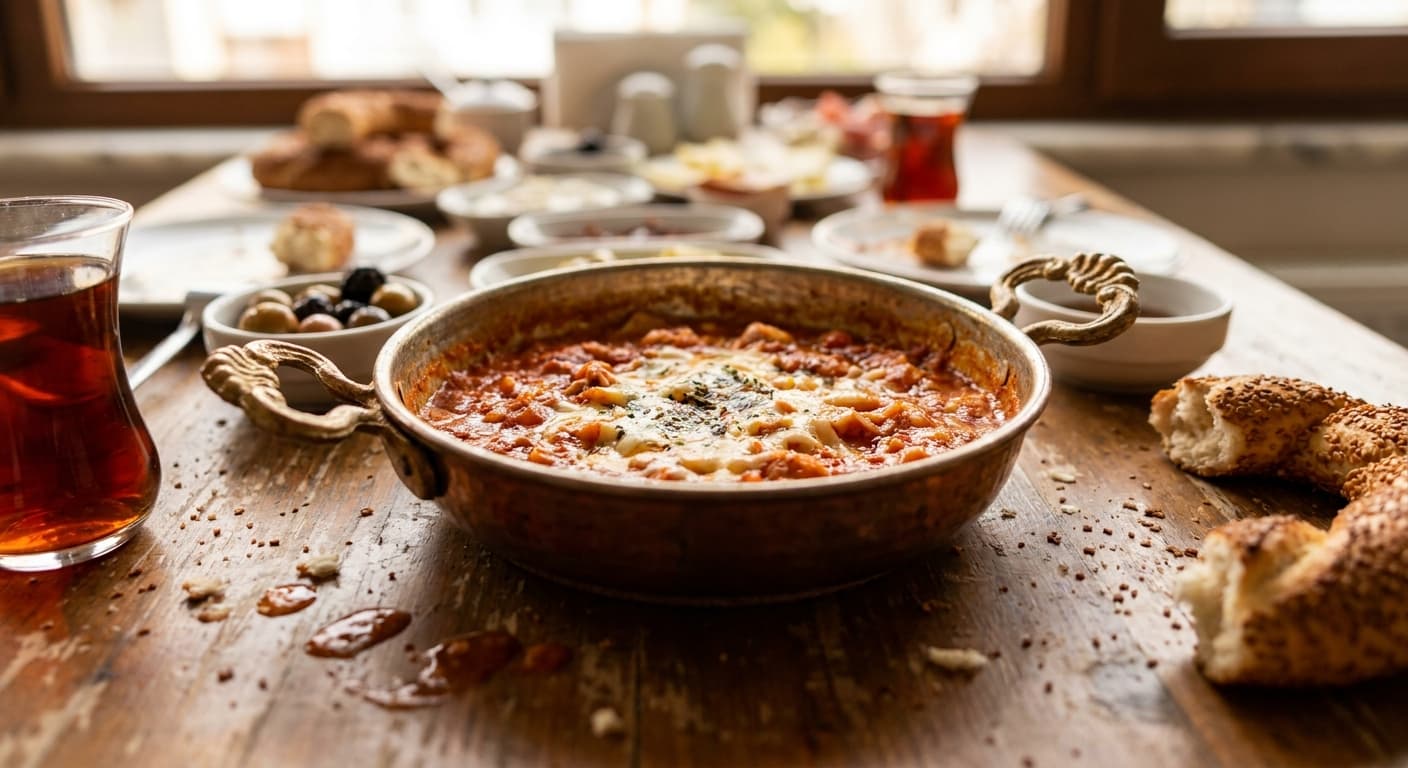
Turkish Menemen (Menemen) — Soft Eggs with Tomatoes and Peppers
Turkish · Main Courses · 37 min
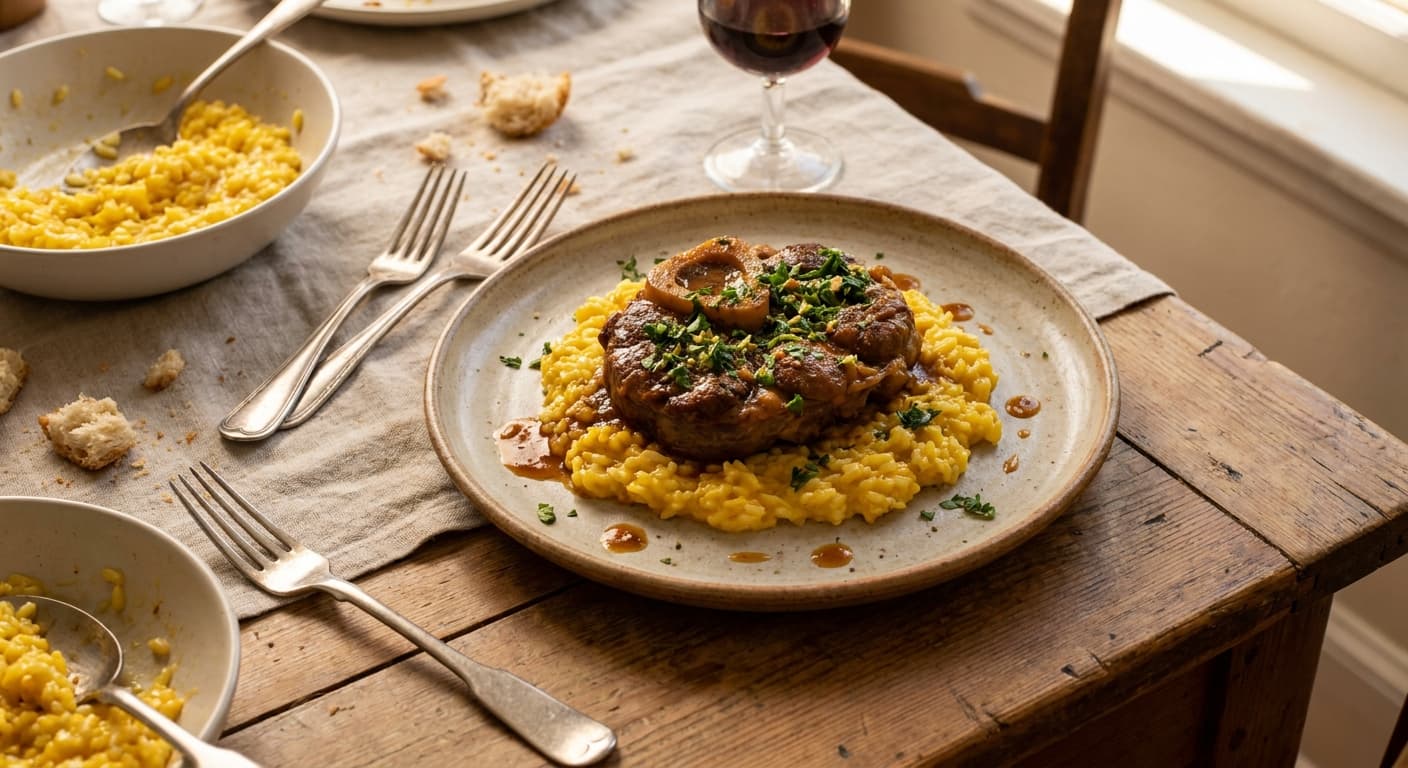
Osso Buco (Osso Buco alla Milanese) — Milanese Braised Veal Shanks
Italian · Main Courses · 145 min
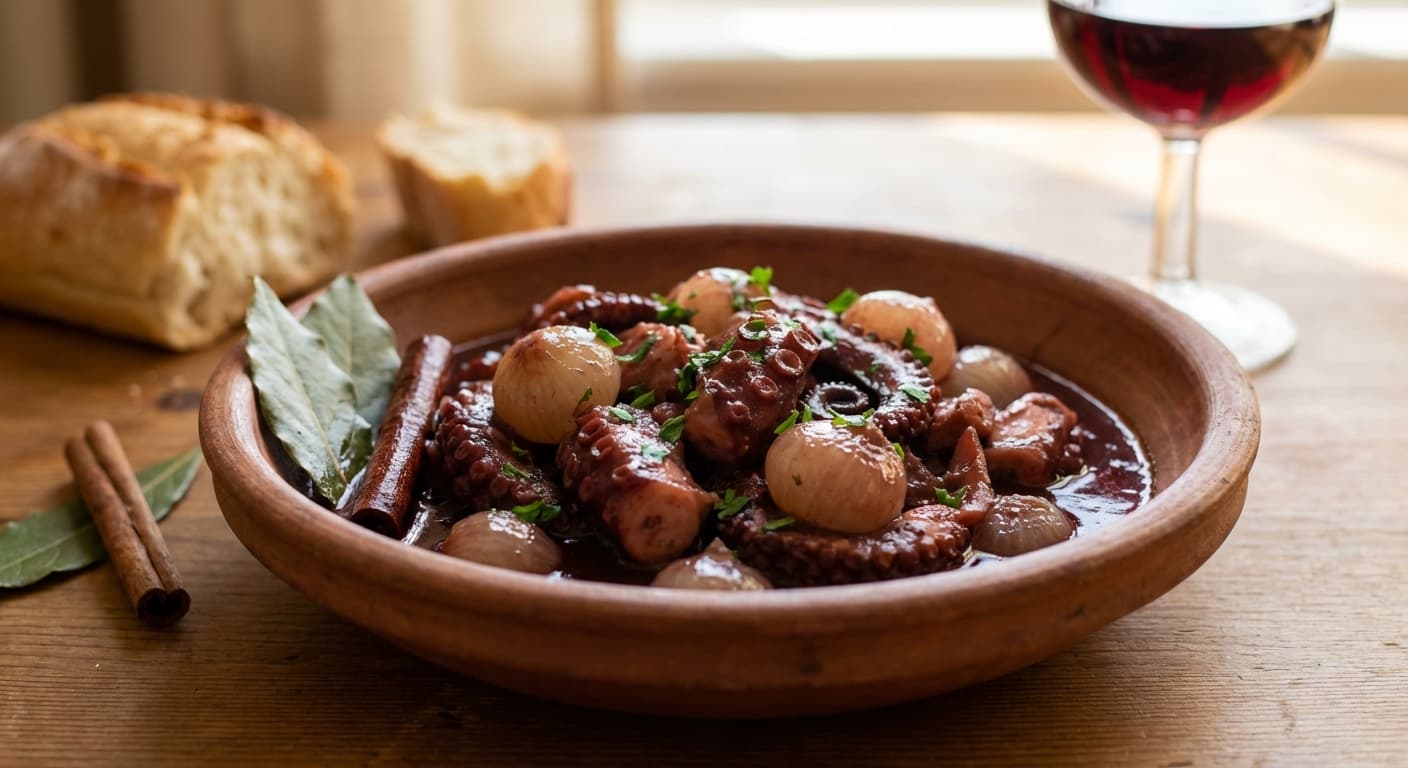
Octopus Stifado (Χταπόδι στιφάδο) — Octopus with Pearl Onions and Red Wine
Greek · Stews · 115 min
Reviews
Cooked this recipe?
Tap the stars to rate it — that's all it takes. A few words are welcome but optional.
No ratings yet. Cooked this one? Be the first to rate it — it takes one tap.