German Marinated Pot Roast (Sauerbraten) — Sweet-Sour Braised Beef
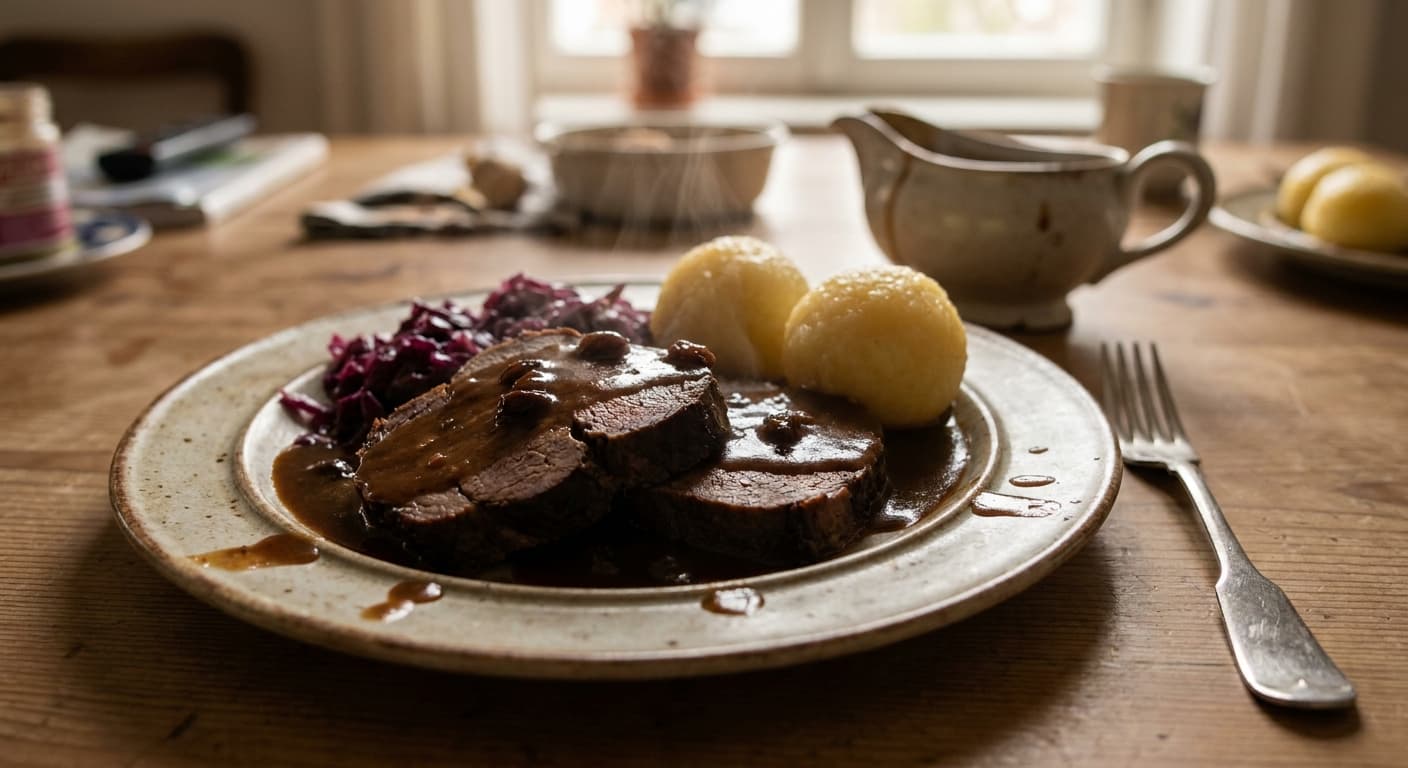
Sauerbraten is Germany’s famous sweet-sour pot roast, traditionally marinated for several days before slow braising. This version follows the Rhineland style with red wine, vinegar, warming spices, raisins, and gingersnap-thickened gravy.
Printable Recipe Card
Servings: 6 · Total: 245 min · Difficulty: medium
Ingredients (quick list)
- 1.5 kg beef rump roast (top round or bottom round also works)
- 500 ml dry red wine
- 250 ml red wine vinegar
- 250 ml water
- 2 yellow onions (thinly sliced)
- 2 carrots (sliced)
- 2 celery stalks (sliced)
- 2 clove garlic (crushed)
- 3 leaf bay leaves
- 8 juniper berries (lightly crushed)
- 1 tsp black peppercorns
- 6 whole cloves
+ 9 more in the full ingredients section below.
Steps (summary)
- Combine the red wine, vinegar, water, onions, carrots, celery, garlic, bay leaves, juniper berries, peppercorns, cloves, allspi…
- Place the beef in a glass, ceramic, or stainless-steel container just large enough to hold it snugly, and pour the cold marinad…
- Remove the beef from the marinade and pat it very dry with paper towels, because wet meat will steam instead of brown. Strain t…
- Heat the vegetable oil in a heavy Dutch oven over medium-high heat until shimmering. Brown the beef on all sides for 10 to 12 m…
- Transfer the browned beef to a plate and add the reserved vegetables to the Dutch oven. Cook them for 8 minutes, stirring often…
- Pour in the reserved marinade liquid and scrape the bottom of the pot thoroughly to dissolve the browned bits. Add the beef sto…
+ 4 more steps in the full instructions section below.
Cultural Background
Sauerbraten is one of Germany’s defining roasts, historically valued because vinegar marinades tenderized tougher cuts before slow cooking. Regional styles vary, with the Rhineland known for raisin and spice-cookie gravy.
Equipment
💡 Tips
- Marinate for the full 3 days for authentic flavor; 24 hours gives a noticeably flatter roast.
- Use a nonreactive container because vinegar and wine can react with aluminum or unlined copper.
- Keep the braise below a hard boil; aggressive heat tightens lean rump roast and makes slicing difficult.
⚠️ Common Mistakes
❌ Adding the beef to hot marinade.
✅ Fix: Cool the marinade completely first so the surface of the meat does not partially cook and tighten.
❌ Skipping the browning step.
✅ Fix: Dry the roast thoroughly and brown it well, because the dark crust gives the gravy much of its depth.
❌ Boiling the roast hard during braising.
✅ Fix: Maintain a very gentle simmer and turn the meat periodically for tender, even cooking.
🧊 How to Store
Store sliced beef and gravy together in an airtight container for up to 4 days in the refrigerator. Reheat gently in a covered pan over low heat with 30 ml water or stock to loosen the sauce.
📅 Make Ahead
The roast can be marinated 3 days ahead and fully cooked 1 day ahead. Sauerbraten often tastes better after resting overnight in its gravy, then reheated gently before slicing or serving.
🍽️ Pairs Well With
- Kartoffelklosse
- braised red cabbage
- buttered egg noodles
- boiled potatoes
- German cucumber salad.
Regional Variations
- Rhineland Sauerbraten often includes raisins and gingersnaps or Lebkuchen for a sweet, spiced gravy.
- Franconian versions may lean more savory and use less sugar in the sauce.
- Some southern German versions use a lighter vinegar marinade and serve the roast with Spatzle instead of potato dumplings.
Ingredients
- 1.5 kgbeef rump roast (top round or bottom round also works)
- 500 mldry red wine
- 250 mlred wine vinegar
- 250 mlwater
- 2yellow onions (thinly sliced)
- 2carrots (sliced)
- 2celery stalks (sliced)
- 2 clovegarlic (crushed)
- 3 leafbay leaves
- 8juniper berries (lightly crushed)
- 1 tspblack peppercorns
- 6whole cloves
- 6allspice berries
- 1 tbspsugar
- 12 gfine sea salt
- 2 tbspvegetable oil
- 1 tbsptomato paste
- 500 mlbeef stock
- 60 ggingersnap cookies (finely crushed, for Rhineland-style thickening)
- 40 graisins
- 1 tbspdark brown sugar
🔄 Substitutions
- beef rump roast→ beef bottom round
- dry red wine→ additional beef stock with 2 tbsp red wine vinegar
- gingersnap cookies→ Lebkuchen crumbs
Instructions
- 1
Combine the red wine, vinegar, water, onions, carrots, celery, garlic, bay leaves, juniper berries, peppercorns, cloves, allspice berries, sugar, and 12 g salt in a nonreactive pot. Bring the mixture to a brief boil for 2 minutes, then cool it completely before adding the beef.
- 2
Place the beef in a glass, ceramic, or stainless-steel container just large enough to hold it snugly, and pour the cold marinade over it. Cover and refrigerate for 3 full days, turning the roast every 12 hours so the acidity and spices season it evenly.
- 3
Remove the beef from the marinade and pat it very dry with paper towels, because wet meat will steam instead of brown. Strain the marinade, reserving both the liquid and the vegetables separately, and discard only the loose whole spices if you prefer a smoother sauce.
- 4
Heat the vegetable oil in a heavy Dutch oven over medium-high heat until shimmering. Brown the beef on all sides for 10 to 12 minutes total, taking time to build a dark crust without burning the pot bottom.
- 5
Transfer the browned beef to a plate and add the reserved vegetables to the Dutch oven. Cook them for 8 minutes, stirring often, then add the tomato paste and cook for 1 minute until it darkens slightly.
- 6
Pour in the reserved marinade liquid and scrape the bottom of the pot thoroughly to dissolve the browned bits. Add the beef stock, return the roast to the pot, and bring the liquid to a gentle simmer.
- 7
Cover the pot and braise over very low heat for 3 hours, turning the meat once every 45 minutes. The liquid should barely tremble, and the beef is ready when a skewer slides in with little resistance but the roast still holds its shape.
- 8
Transfer the beef to a warm platter and cover it loosely for 15 minutes while you finish the gravy. Strain the braising liquid through a fine sieve, pressing firmly on the vegetables to extract their flavor, then return the liquid to the pot.
- 9
Whisk the crushed gingersnaps into the hot strained liquid and simmer for 8 to 10 minutes until the sauce thickens to a glossy gravy. Stir in the raisins, brown sugar, and 3 g salt, then simmer for 3 minutes so the raisins plump and the sweet-sour balance settles.
- 10
Slice the Sauerbraten across the grain into 1 cm slices and spoon the hot gravy over the meat. Serve immediately with potato dumplings, red cabbage, or buttered noodles so the sauce can be fully enjoyed.
🪪 Recipe Passport
Cultural Background
Sauerbraten is one of Germany’s defining roasts, historically valued because vinegar marinades tenderized tougher cuts before slow cooking. Regional styles vary, with the Rhineland known for raisin and spice-cookie gravy.
Regional Variations
Researched from multiple sources and validated by the Zaffaron editorial team. Every recipe is tested for accuracy, measurements, and cultural authenticity.
📚 Sources & Cultural References
- Mimi Sheraton — The German Cookbook — (1965)
- Prosper Montagne — Larousse Gastronomique — (2009)
Sources cited by the Zaffaron editorial team during recipe research. Cultural and culinary references supporting authenticity claims.
Nutrition per serving
Pairs well with
If you enjoyed this recipe, here are a few related Zaffaron recipes to try next.
Does your family make this differently?
Every family has their own version. Maybe your grandmother adds a secret ingredient, or your aunt has a completely different technique. Preserve your family's version — with their name on it, forever.
You Might Also Like
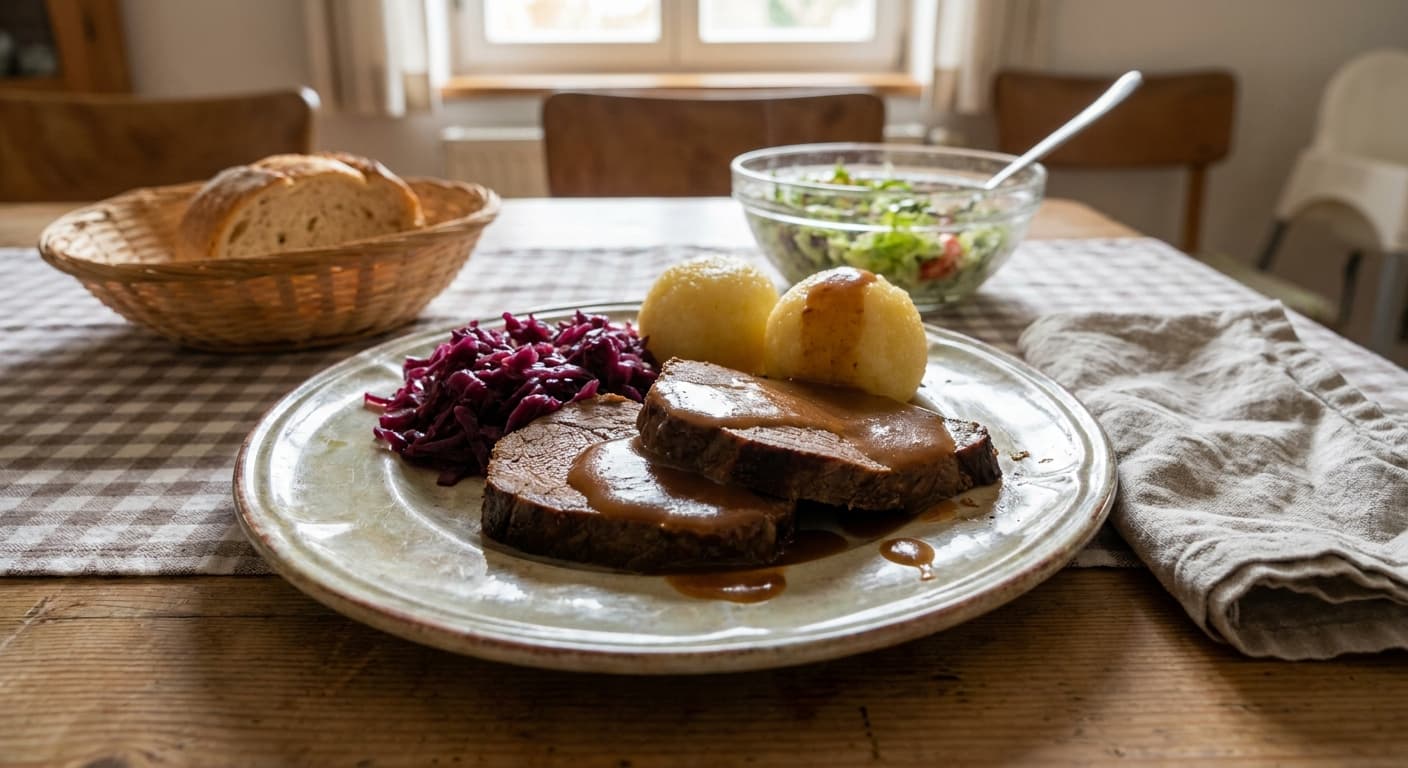
Sauerbraten (Sauerbraten) — German Marinated Pot Roast
German · Main Courses · 240 min
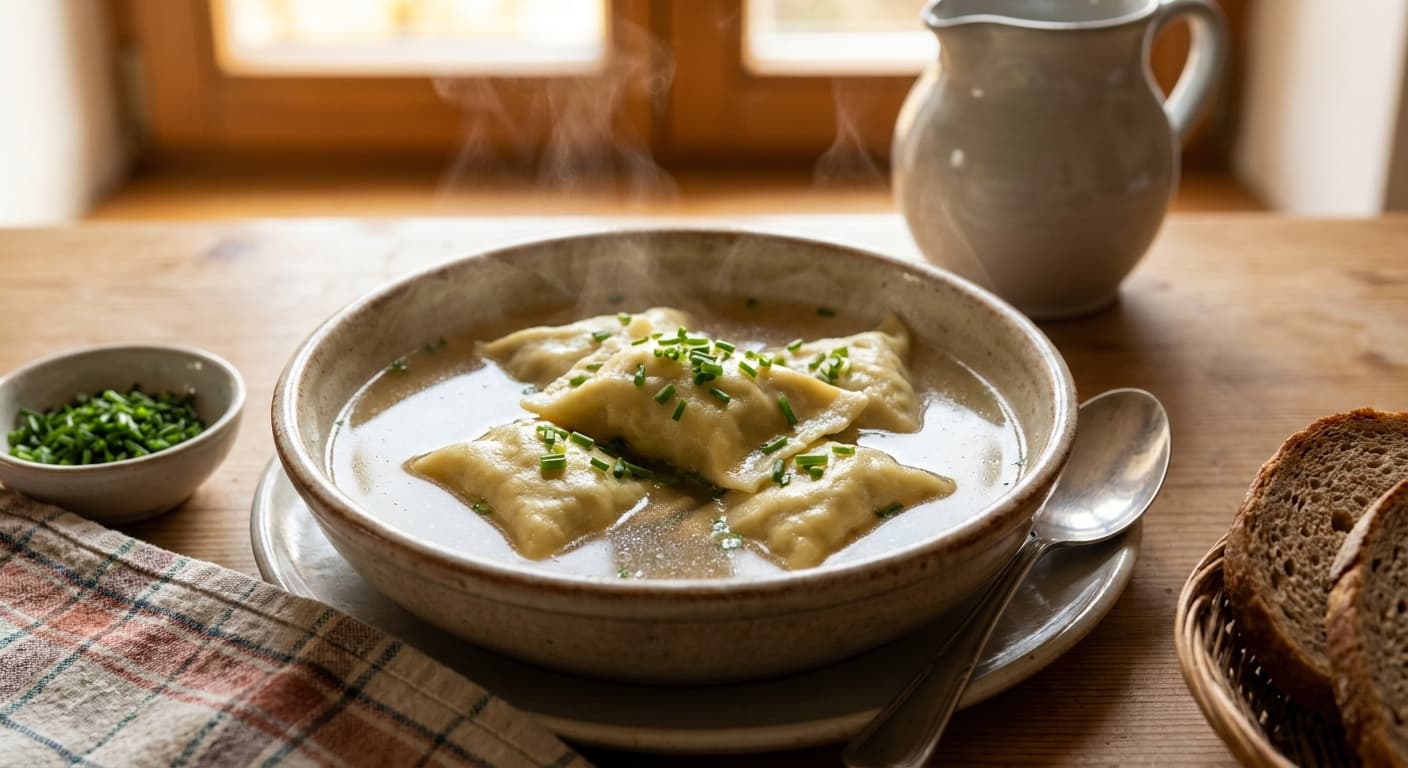
Swabian Stuffed Pasta (Maultaschen) — Spinach-Meat Dumplings in Broth
German · Main Courses · 105 min
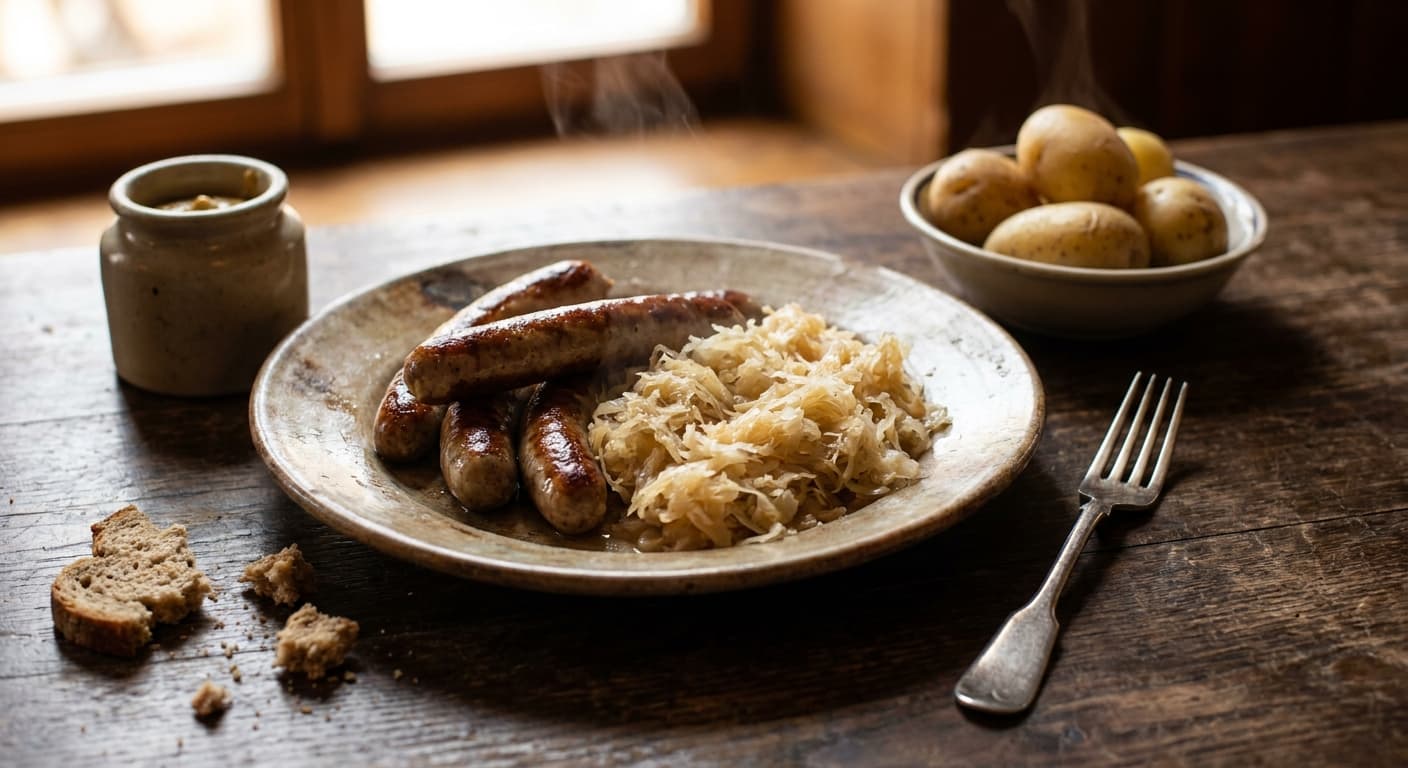
Bratwurst with Sauerkraut (Bratwurst mit Sauerkraut) — German Sausages on Wine-Braised Cabbage
German · Main Courses · 80 min
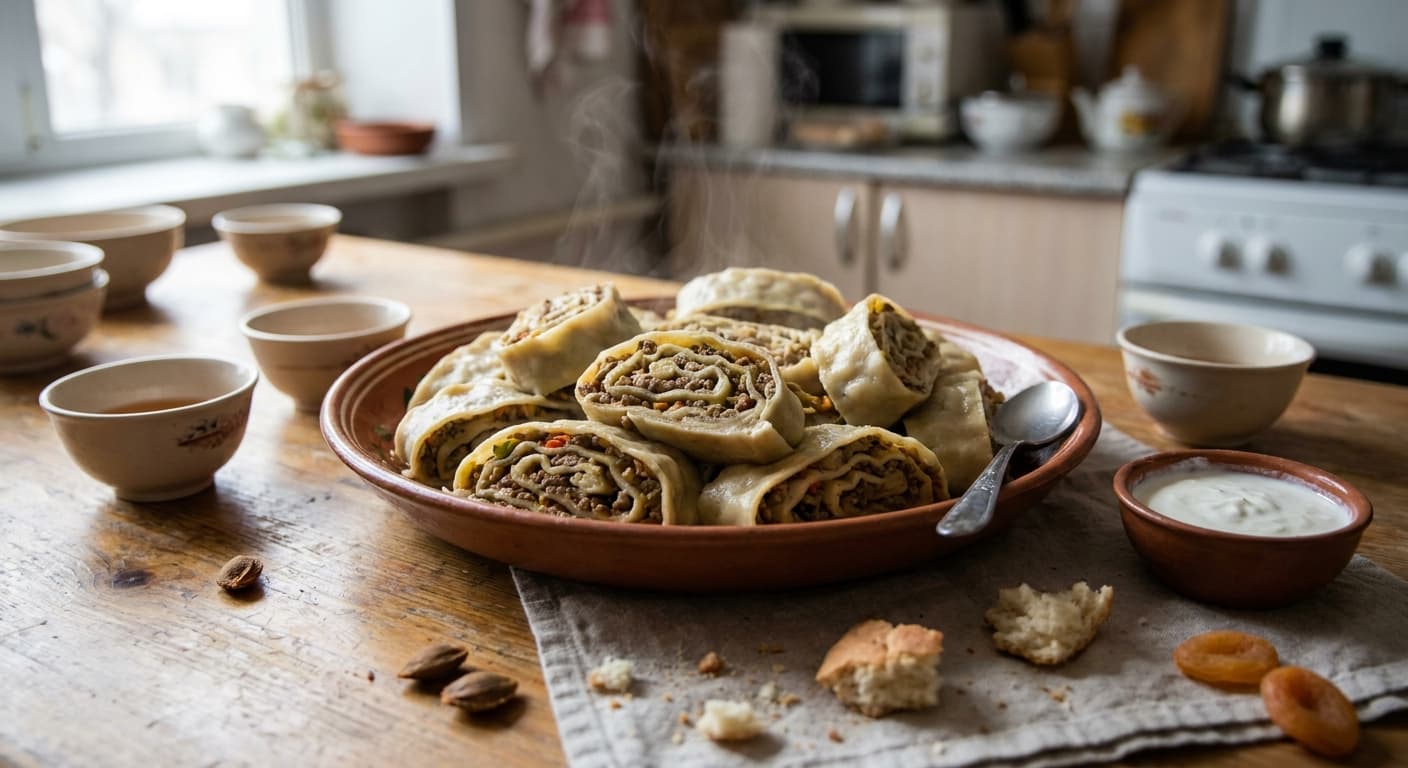
Orromo (Оромо) — Kyrgyz Steamed Rolled Dumpling with Lamb and Pumpkin
Kyrgyz · Main Courses · 105 min
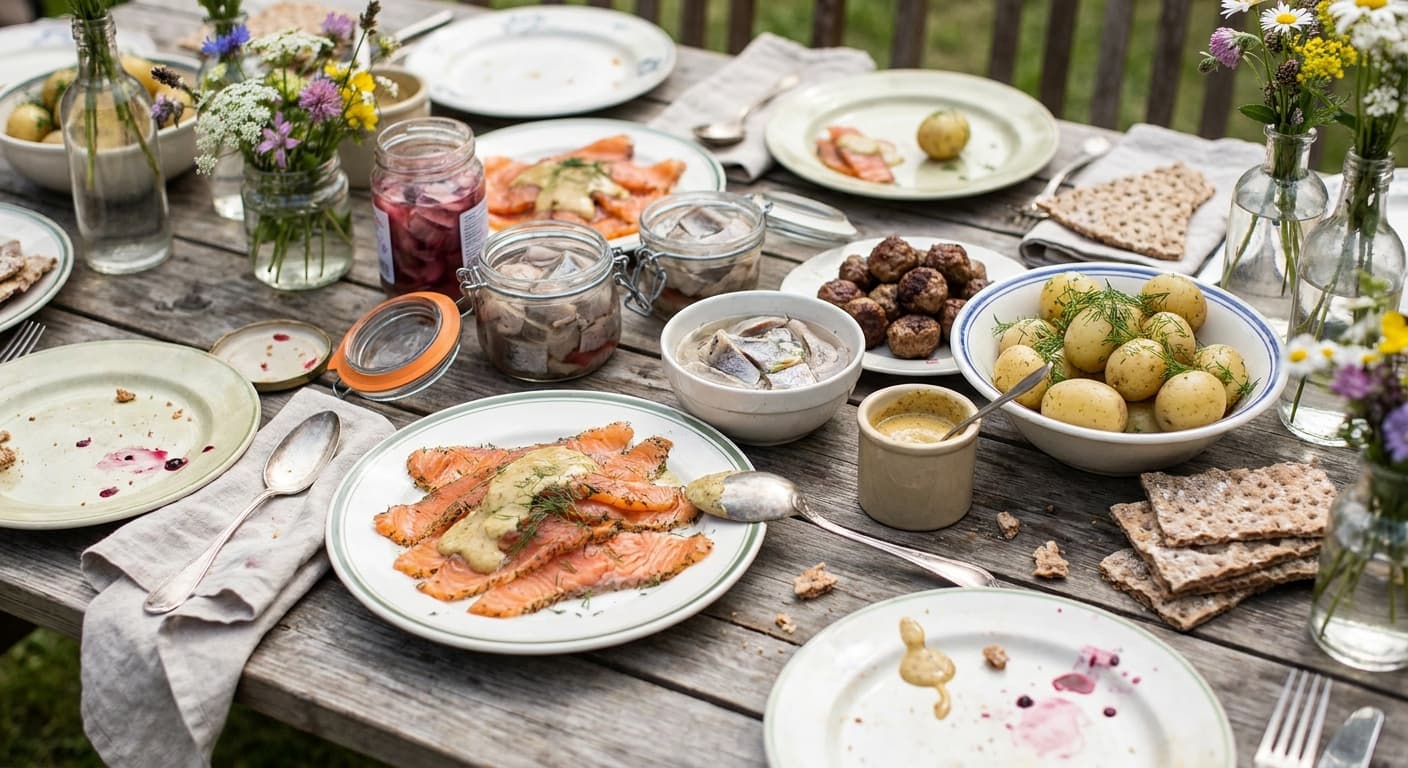
Swedish Smörgåsbord (Smörgåsbord) — Classic Buffet with Gravlax, Sill, and Köttbullar
Swedish · Main Courses · 115 min
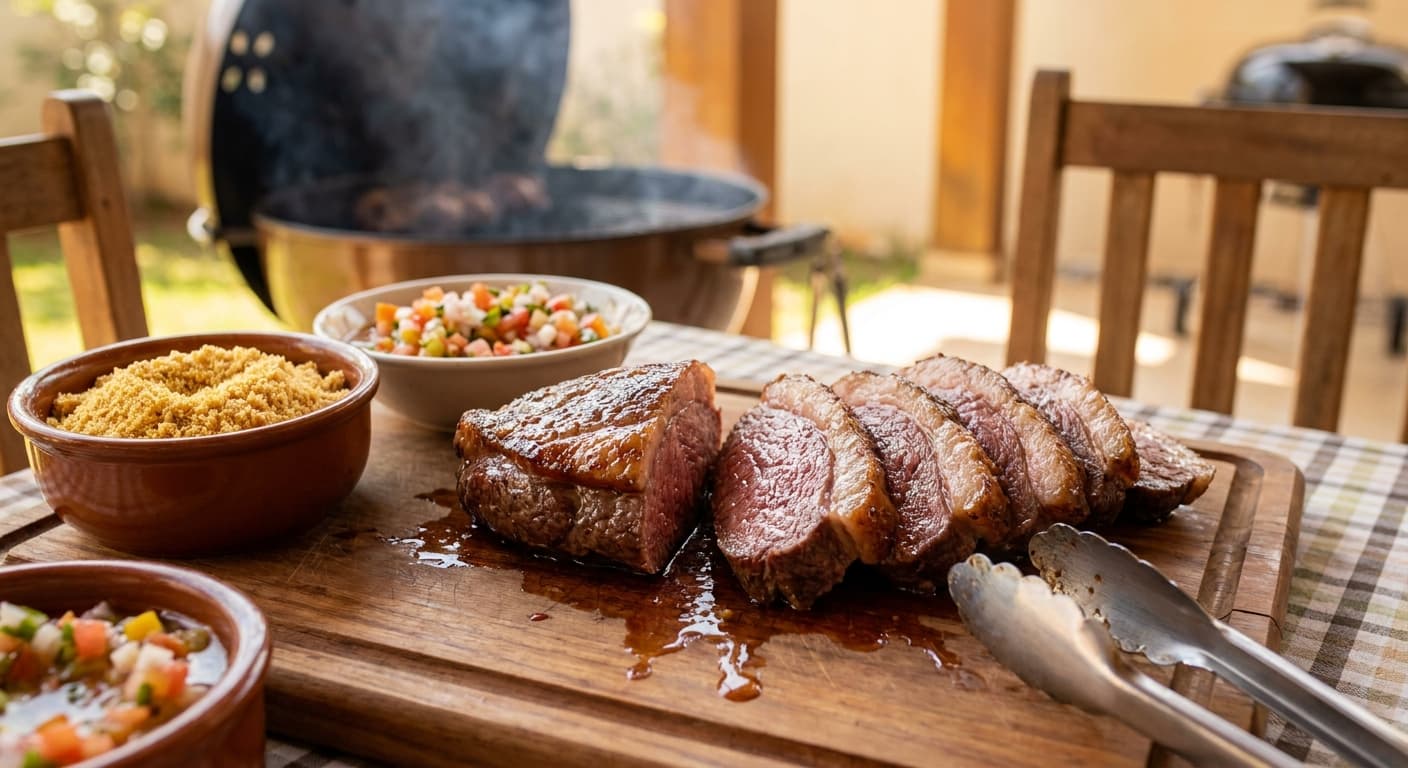
Brazilian Picanha (Picanha) — Coarse-Salted Churrasco Steak
Brazilian · Kebabs · 50 min
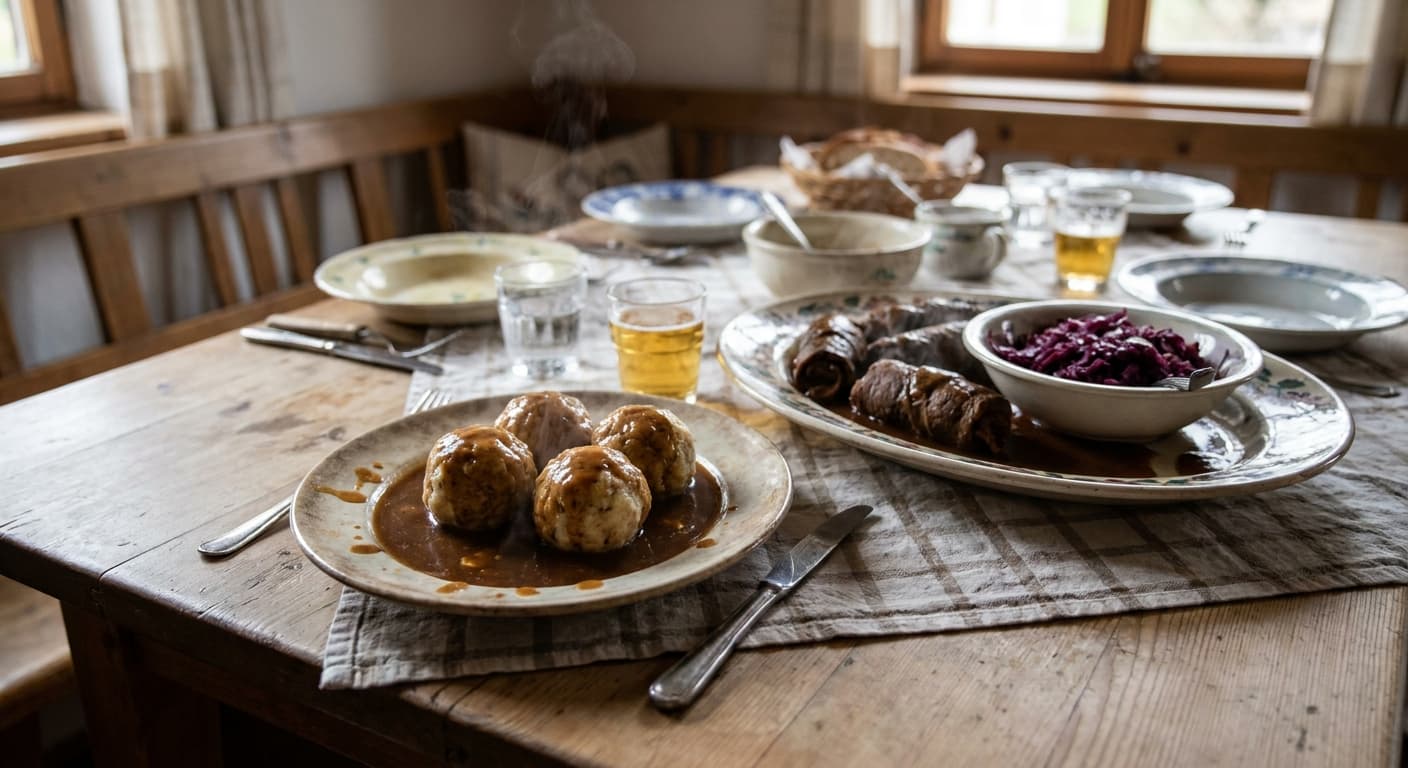
German Bread Dumplings (Semmelknödel) — Bavarian Bread Dumplings
German · Side Dishes · 50 min
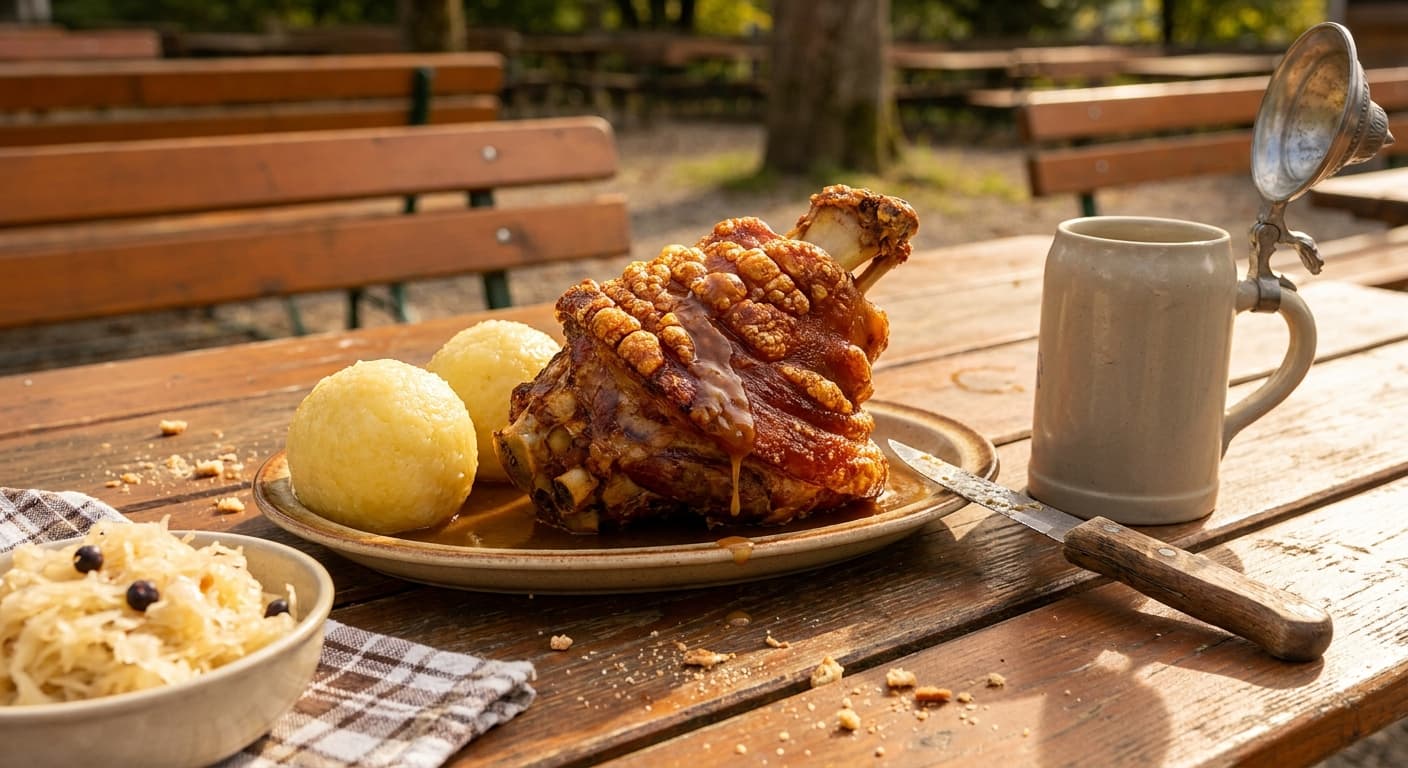
Bavarian Schweinshaxe (Schweinshaxe) — Crispy Roasted Pork Knuckle
German · Main Courses · 235 min
Reviews
Cooked this recipe?
Tap the stars to rate it — that's all it takes. A few words are welcome but optional.
No ratings yet. Cooked this one? Be the first to rate it — it takes one tap.