Swabian Stuffed Pasta (Maultaschen) — Spinach-Meat Dumplings in Broth
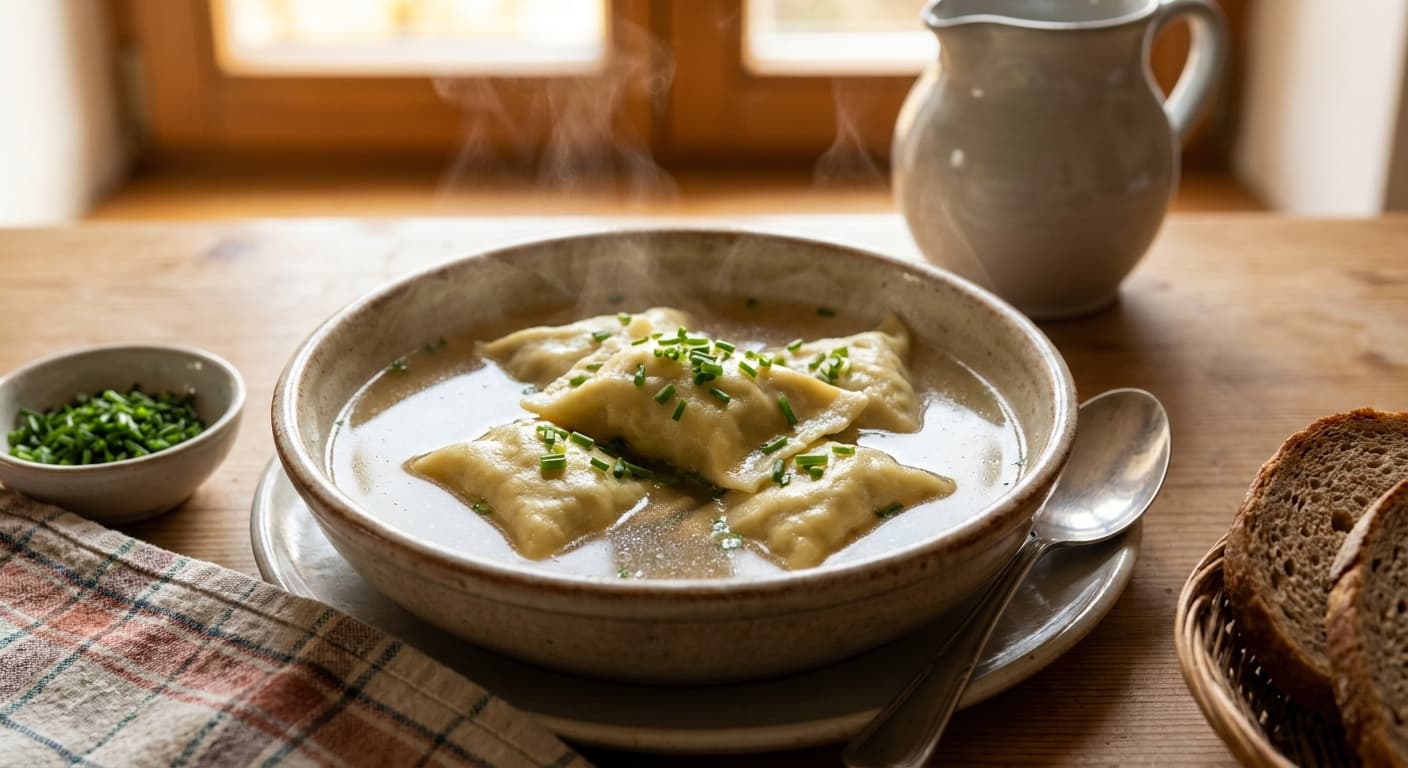
Maultaschen are large Swabian filled pasta parcels, traditionally packed with spinach, bread, herbs, egg, and minced meat. They are served in clear broth or sliced and pan-fried with onions.
Printable Recipe Card
Servings: 6 · Total: 105 min · Difficulty: medium
Ingredients (quick list)
- 400 g all-purpose flour
- 100 g fine semolina flour
- 4 eggs
- 1 tsp fine sea salt
- 30 ml water (use only if the dough feels dry)
- 300 g fresh spinach
- 80 g stale white bread (crust removed)
- 120 ml whole milk
- 1 yellow onion (finely diced)
- 25 g unsalted butter
- 1 clove garlic (finely minced)
- 12 sprig flat-leaf parsley (leaves finely chopped)
+ 8 more in the full ingredients section below.
Steps (summary)
- Make the pasta dough by mixing the all-purpose flour, semolina flour, and salt in a wide bowl. Add the 4 eggs and knead for 8 t…
- Wrap the dough tightly and let it rest at room temperature for 30 minutes. This rest is important because it relaxes the gluten…
- Blanch the spinach in boiling water for 45 seconds, then drain and rinse it under cold water. Squeeze it very dry with your han…
- Soak the stale white bread in the milk for 5 minutes, then squeeze out excess milk. Crumble the softened bread into a large bow…
- Melt 25 g butter in a skillet over medium heat and cook the diced onion for 6 minutes until soft and translucent. Add the garli…
- Add the chopped spinach, parsley, ground pork, ground beef, 2 eggs, salt, pepper, and nutmeg to the bowl. Mix thoroughly with y…
+ 5 more steps in the full instructions section below.
Cultural Background
Maultaschen are a hallmark of Swabian cooking in Baden-Wuerttemberg. Their nickname, often translated as little deceivers of the Lord, reflects the Lent story of hiding meat inside pasta dough.
Equipment
💡 Tips
- Squeeze the spinach very dry; excess liquid is the most common reason the filling becomes loose and leaks.
- Roll the pasta dough thin but not translucent, because Maultaschen need enough structure to hold a generous filling.
- Keep the broth at a gentle simmer rather than a rolling boil to prevent the seams from opening.
⚠️ Common Mistakes
❌ The filling leaks into the broth.
✅ Fix: Press out air pockets before sealing and keep the cooking liquid at a gentle simmer.
❌ The pasta is tough after cooking.
✅ Fix: Rest the dough for 30 minutes and roll it thinly before filling.
❌ The filling tastes bland.
✅ Fix: Season the meat mixture fully before shaping, and cook a small test patty to check the salt and spice.
🧊 How to Store
Refrigerate cooked Maultaschen in broth or in an airtight container for up to 3 days. Reheat gently in simmering broth for 6 minutes, or slice and pan-fry in butter until hot and lightly browned.
📅 Make Ahead
The dough and filling can be prepared 1 day ahead and refrigerated separately. Shaped uncooked Maultaschen can be frozen on a tray, then bagged for up to 2 months.
🍽️ Pairs Well With
- Clear beef broth
- German potato salad
- cucumber salad
- browned onions
- chives
- Swabian lentils.
Regional Variations
- In Swabia, Maultaschen are often served in broth on one day and sliced, fried with onions, and served with salad the next day.
- Some butcher-style versions include veal, smoked bacon, or sausage meat in place of part of the minced beef and pork.
- Vegetable-forward household versions increase the spinach and herbs while using less meat, especially for lighter spring meals.
Ingredients
- 400 gall-purpose flour
- 100 gfine semolina flour
- 4eggs
- 1 tspfine sea salt
- 30 mlwater (use only if the dough feels dry)
- 300 gfresh spinach
- 80 gstale white bread (crust removed)
- 120 mlwhole milk
- 1yellow onion (finely diced)
- 25 gunsalted butter
- 1 clovegarlic (finely minced)
- 12 sprigflat-leaf parsley (leaves finely chopped)
- 250 gground pork
- 250 gground beef
- 0.75 tspblack pepper (freshly ground)
- 0.25 tspground nutmeg
- 40 gdry breadcrumbs (use only as needed to firm the filling)
- 1.5 lbeef broth
- 1 leafbay leaf
- 12 gchives (finely sliced)
🔄 Substitutions
- ground pork→ veal mince
- fresh spinach→ frozen chopped spinach
- beef broth→ vegetable broth
Instructions
- 1
Make the pasta dough by mixing the all-purpose flour, semolina flour, and salt in a wide bowl. Add the 4 eggs and knead for 8 to 10 minutes, adding up to 30 ml water only if the dough will not come together into a firm, smooth mass.
- 2
Wrap the dough tightly and let it rest at room temperature for 30 minutes. This rest is important because it relaxes the gluten, making the dough easier to roll thinly without tearing.
- 3
Blanch the spinach in boiling water for 45 seconds, then drain and rinse it under cold water. Squeeze it very dry with your hands or a clean towel, then chop it finely so the filling will not become watery.
- 4
Soak the stale white bread in the milk for 5 minutes, then squeeze out excess milk. Crumble the softened bread into a large bowl, keeping the texture loose rather than pasty.
- 5
Melt 25 g butter in a skillet over medium heat and cook the diced onion for 6 minutes until soft and translucent. Add the garlic and cook for 30 seconds, then scrape the mixture into the bowl with the soaked bread.
- 6
Add the chopped spinach, parsley, ground pork, ground beef, 2 eggs, salt, pepper, and nutmeg to the bowl. Mix thoroughly with your hands until the filling is cohesive, adding the breadcrumbs gradually only if the mixture feels too loose to hold its shape.
- 7
Divide the rested dough into 4 portions and roll each portion into a thin sheet about 1.5 mm thick. Keep the unused dough covered so it does not dry out while you assemble the Maultaschen.
- 8
Lay one sheet of dough on a lightly floured surface and place a line of filling down the center, using about 90 g filling for every 12 cm length. Fold the dough over the filling, press out trapped air, and seal the long edge firmly with your fingers.
- 9
Cut the filled roll into rectangular dumplings about 10 cm long, then press the cut edges closed with the side of your hand or a fork. Repeat with the remaining dough and filling, arranging the finished dumplings on a floured tray.
- 10
Bring the beef broth and bay leaf to a gentle simmer in a wide pot. Slide in the Maultaschen in batches and poach them for 10 to 12 minutes, keeping the liquid below a hard boil so the pasta does not burst.
- 11
Serve the Maultaschen in hot broth with sliced chives for the classic soup-style presentation. For a second traditional style, drain the cooked dumplings, slice them thickly, and brown them in 40 g butter until the edges are lightly crisp.
🪪 Recipe Passport
Cultural Background
Maultaschen are a hallmark of Swabian cooking in Baden-Wuerttemberg. Their nickname, often translated as little deceivers of the Lord, reflects the Lent story of hiding meat inside pasta dough.
Regional Variations
Researched from multiple sources and validated by the Zaffaron editorial team. Every recipe is tested for accuracy, measurements, and cultural authenticity.
📚 Sources & Cultural References
- Mimi Sheraton — The German Cookbook — (1965)
- European Commission — eAmbrosia Register: Schwaebische Maultaschen PGI — (2009)
Sources cited by the Zaffaron editorial team during recipe research. Cultural and culinary references supporting authenticity claims.
Nutrition per serving
Pairs well with
If you enjoyed this recipe, here are a few related Zaffaron recipes to try next.
Does your family make this differently?
Every family has their own version. Maybe your grandmother adds a secret ingredient, or your aunt has a completely different technique. Preserve your family's version — with their name on it, forever.
You Might Also Like
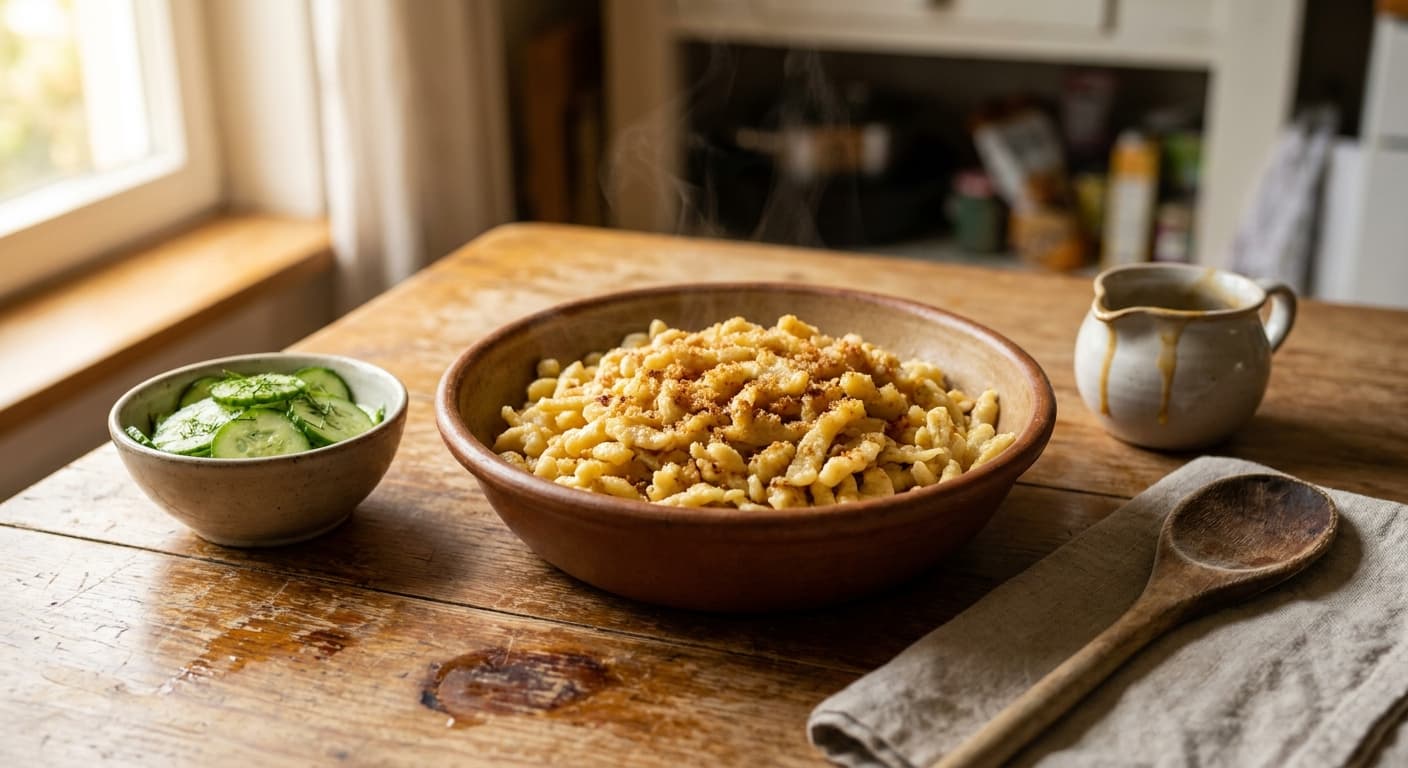
Spaetzle (Spätzle) — Tender German Egg Noodles
German · Side Dishes · 30 min
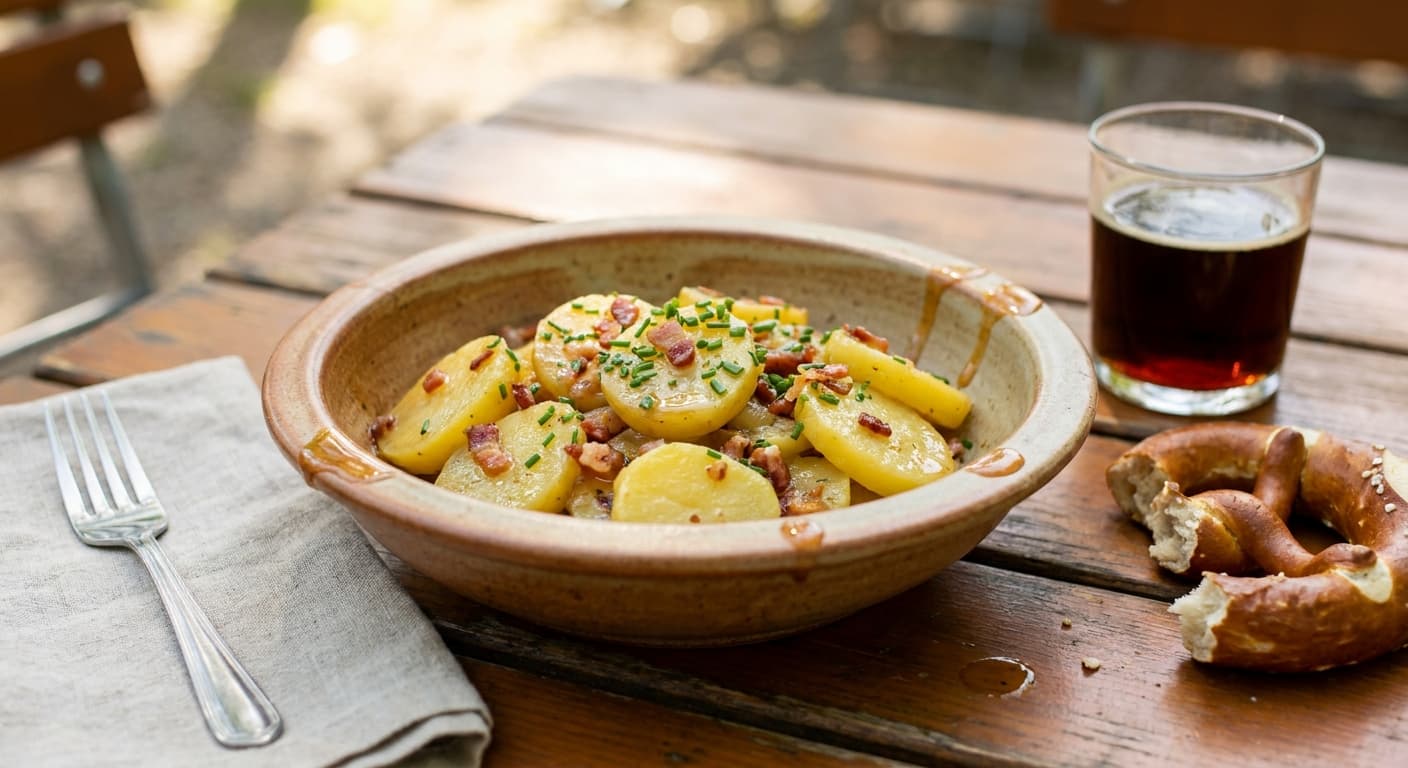
German Potato Salad (Kartoffelsalat) — Warm Vinegar-Broth Potato Salad
German · Salads · 50 min
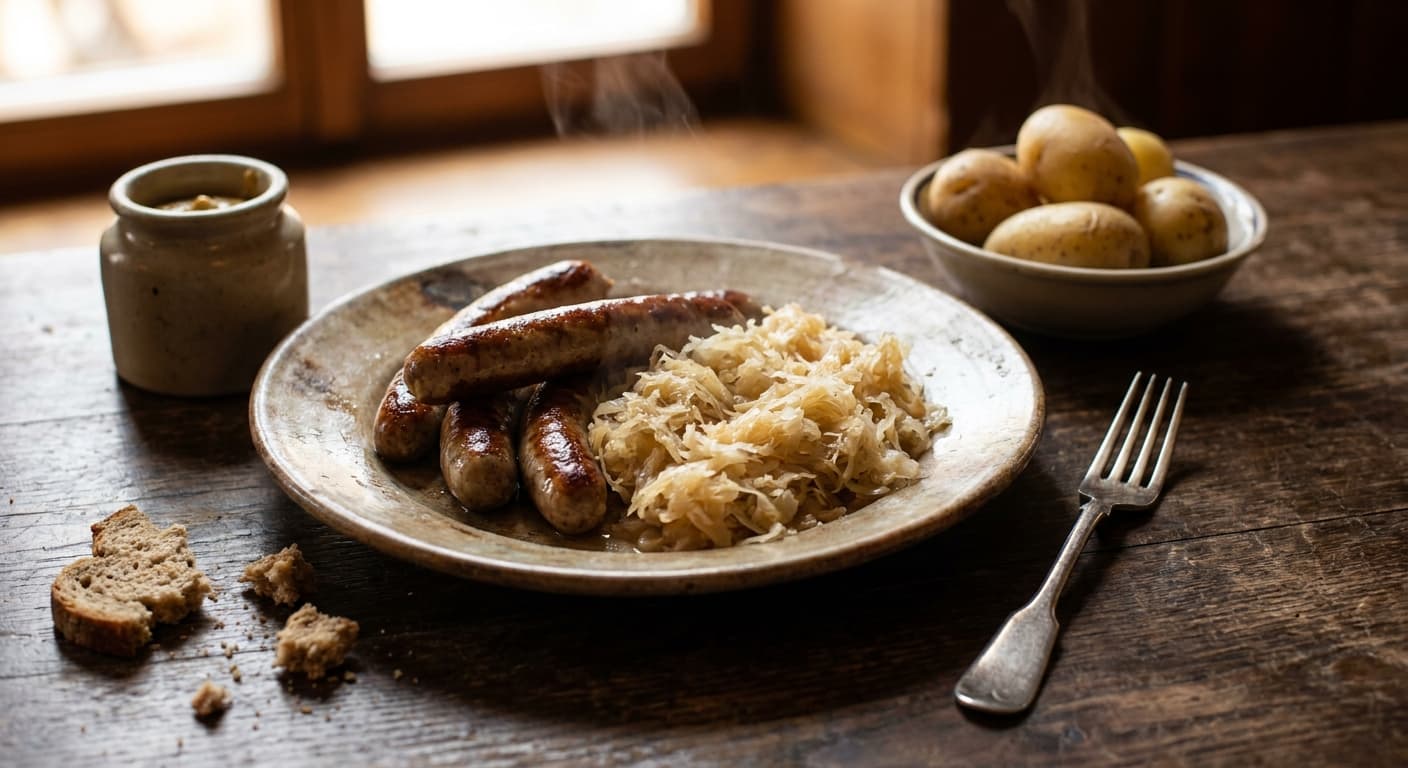
Bratwurst with Sauerkraut (Bratwurst mit Sauerkraut) — German Sausages on Wine-Braised Cabbage
German · Main Courses · 80 min
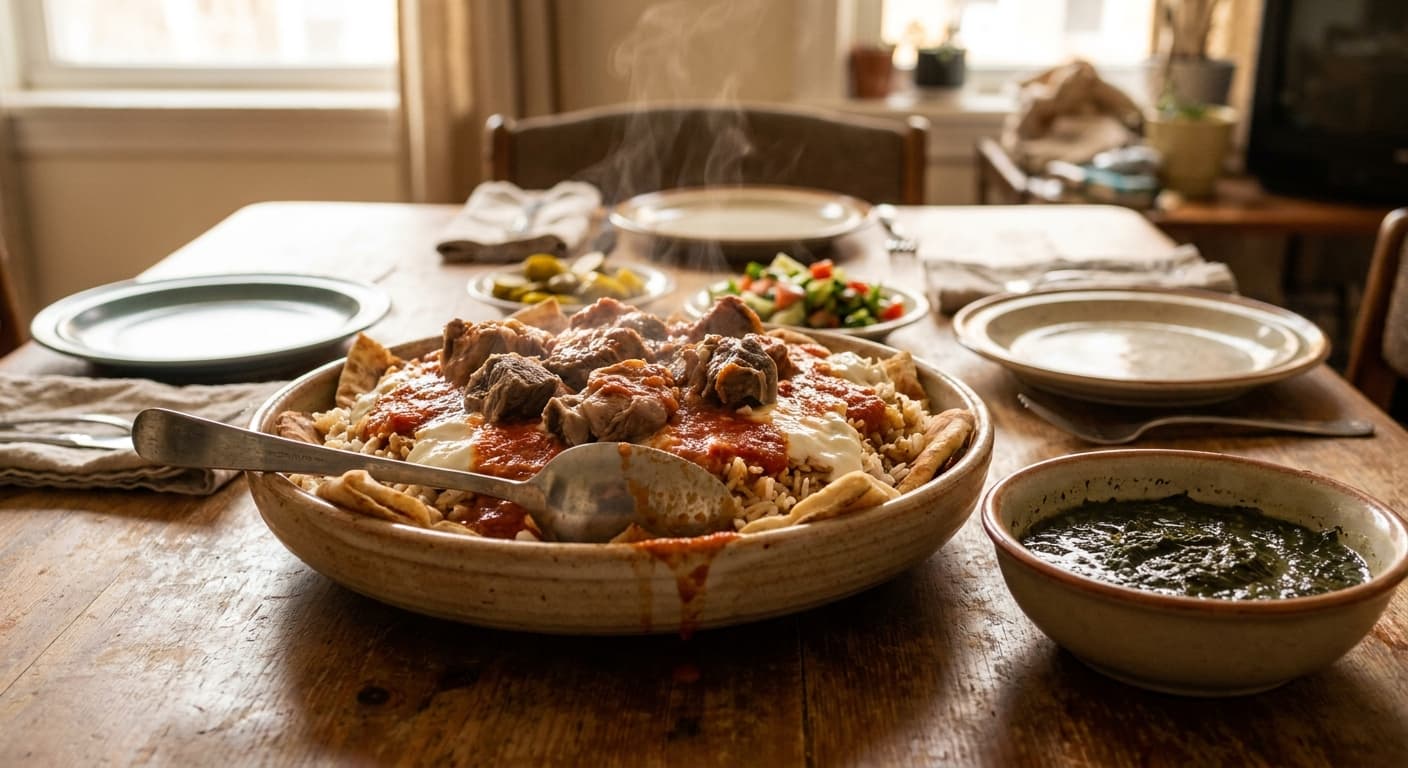
Egyptian Fatta (فتة) — Layered Meat, Rice, and Crisp Bread
Egyptian · Main Courses · 145 min
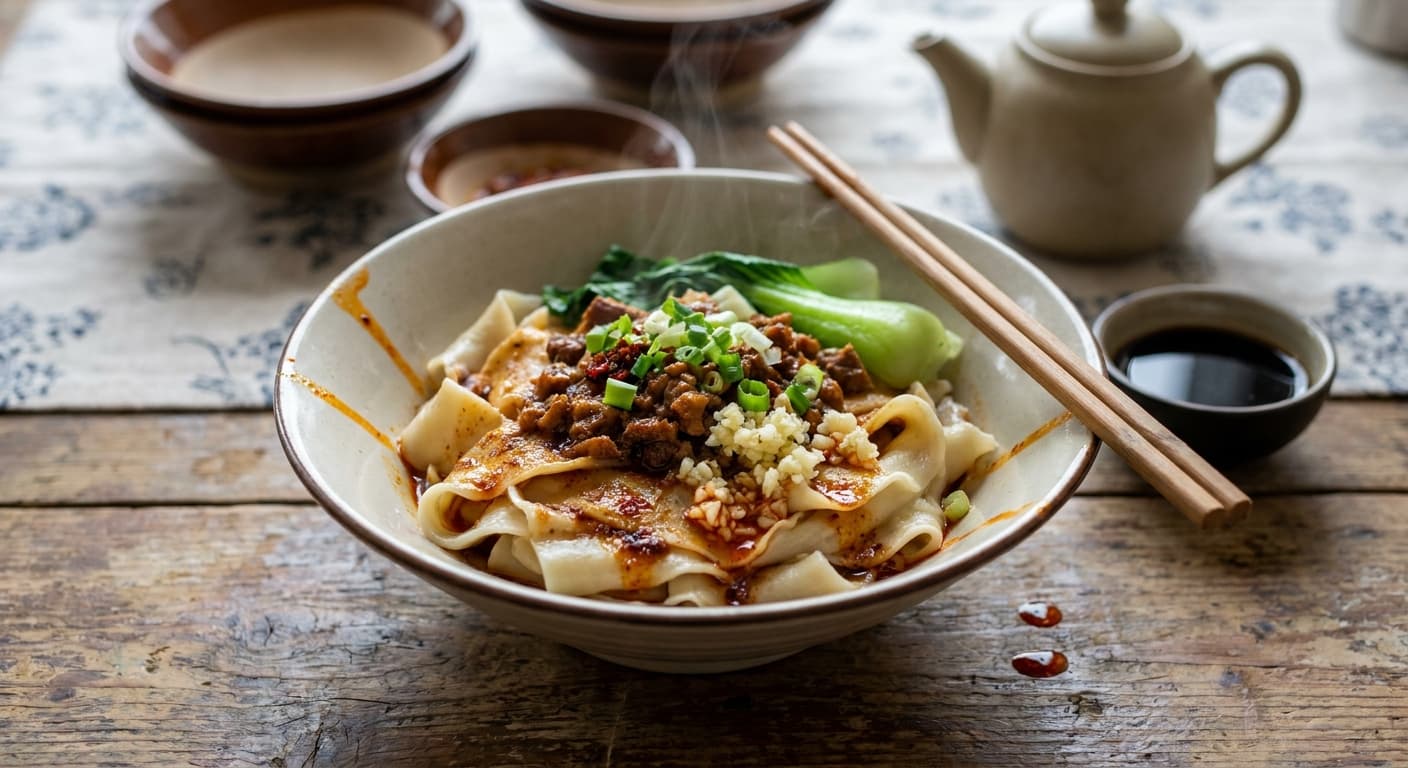
Biangbiang Noodles (油泼扯面) — Xi'an Hand-Pulled Belt Noodles
Chinese · Main Courses · 65 min
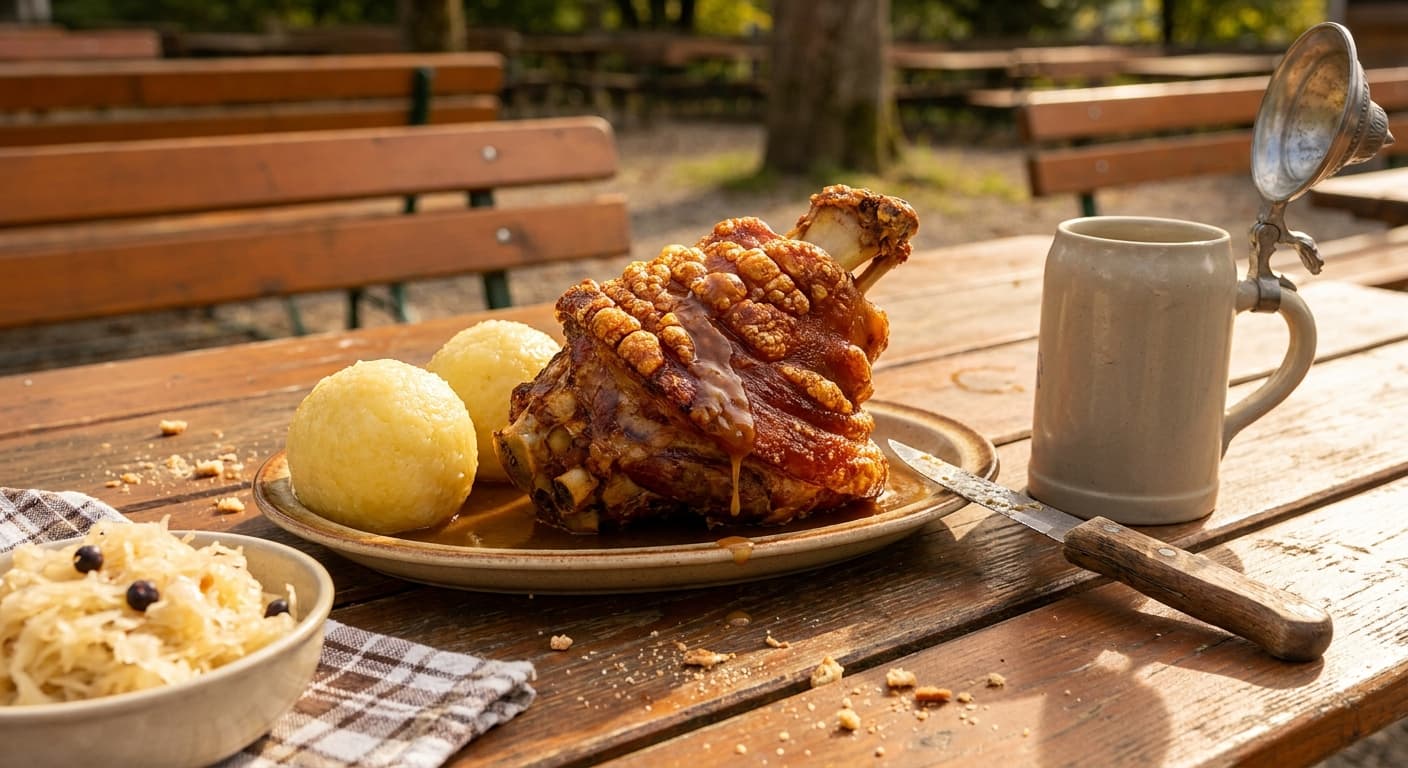
Bavarian Schweinshaxe (Schweinshaxe) — Crispy Roasted Pork Knuckle
German · Main Courses · 235 min
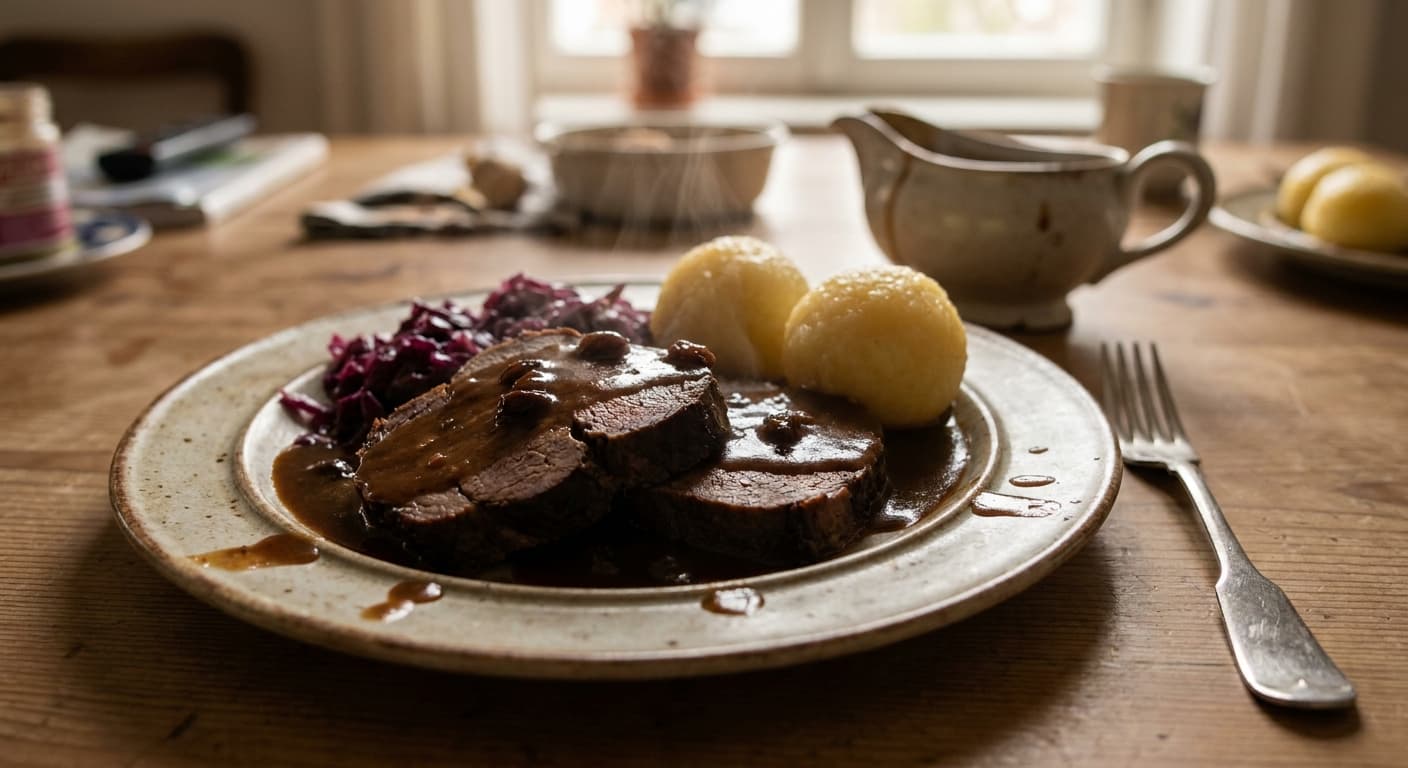
German Marinated Pot Roast (Sauerbraten) — Sweet-Sour Braised Beef
German · Main Courses · 245 min
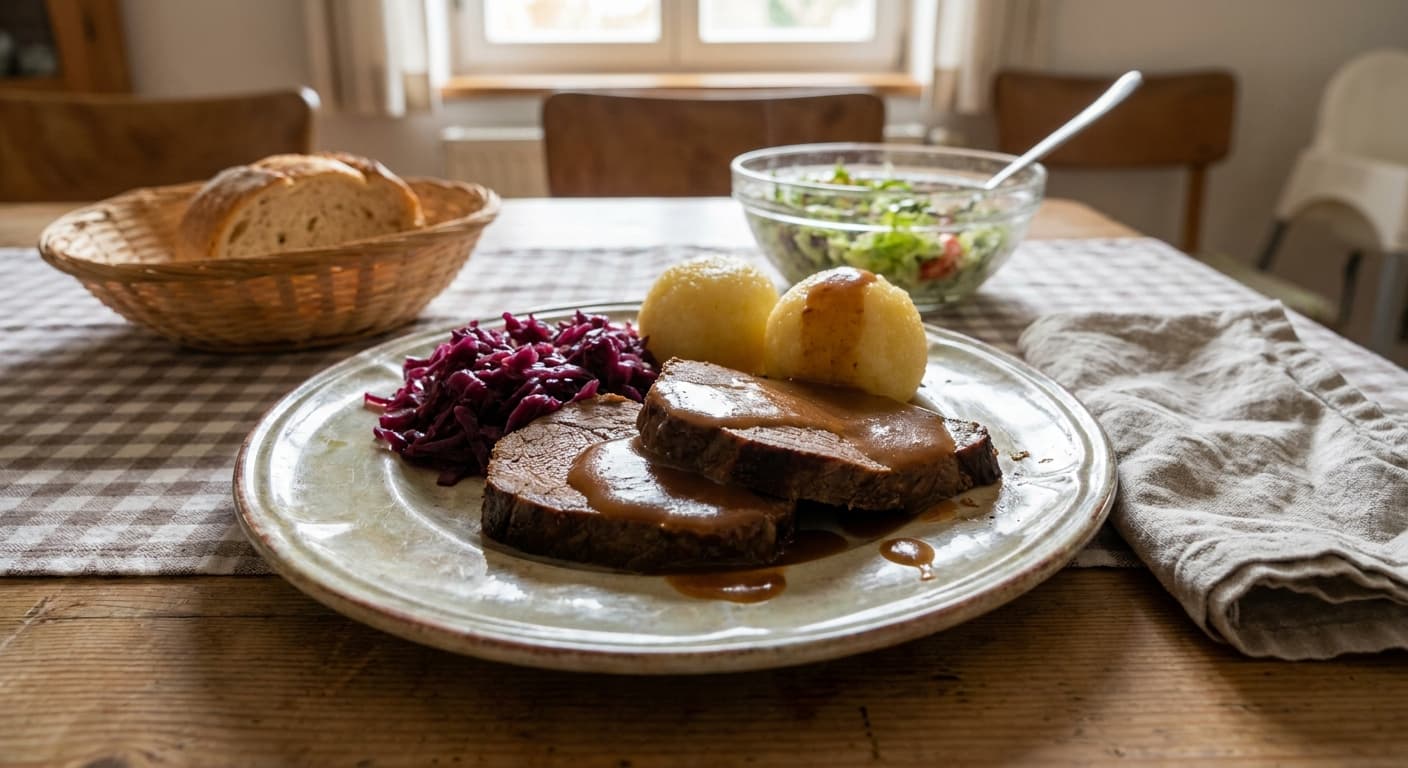
Sauerbraten (Sauerbraten) — German Marinated Pot Roast
German · Main Courses · 240 min
Reviews
Cooked this recipe?
Tap the stars to rate it — that's all it takes. A few words are welcome but optional.
No ratings yet. Cooked this one? Be the first to rate it — it takes one tap.