Hainanese Chicken Rice (Nasi Ayam Hainan) — Malaysian Kopitiam Classic
A Malaysian kopitiam and hawker-stall staple, Hainanese chicken rice pairs silky poached chicken with chicken-fat rice scented with pandan. It sits naturally beside nasi lemak and laksa in Malaysia’s everyday food culture, served with sambal-style chilli, soy, and soup.
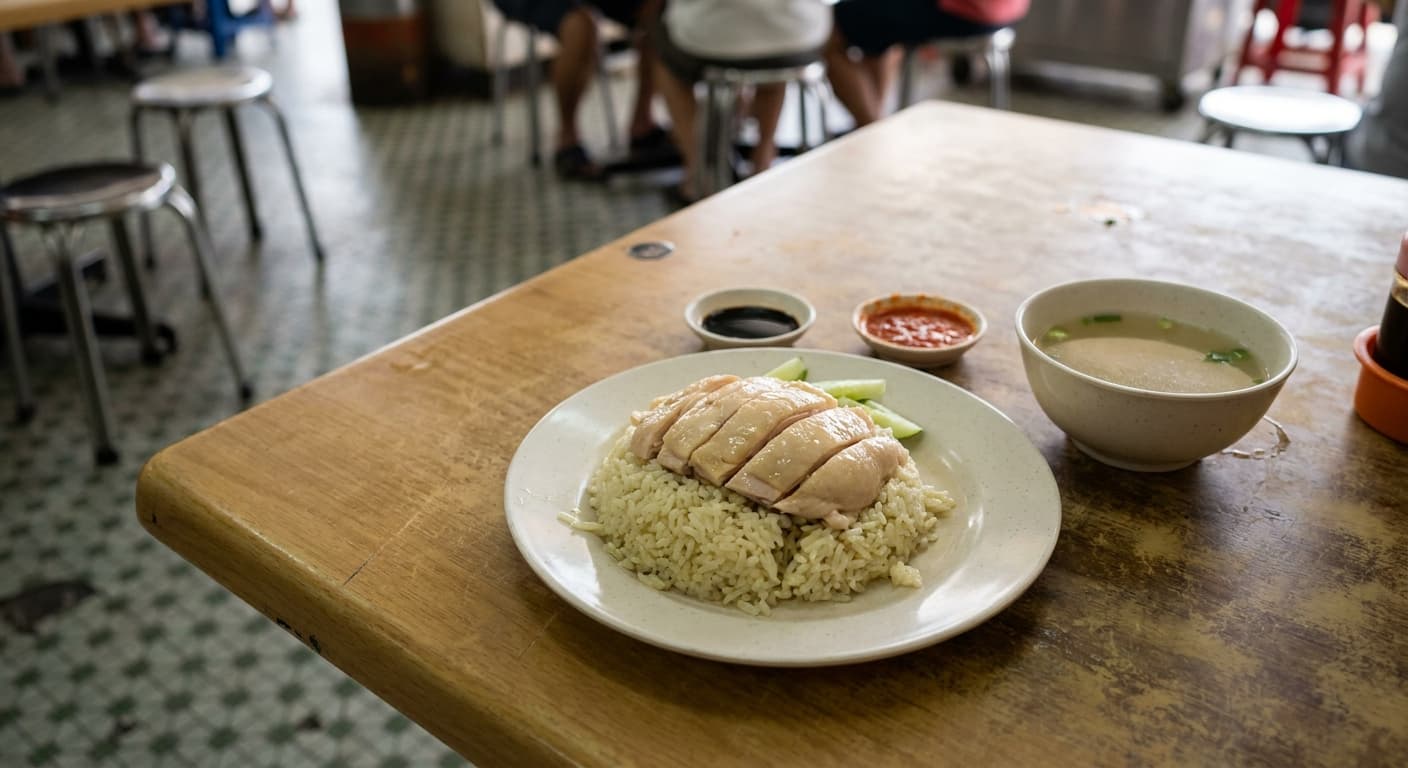
Printable Recipe Card
Servings: 6 · Total: 110 min · Difficulty: medium
Ingredients (quick list)
- 1 whole whole chicken (about 1.6 kg, with cavity fat and loose skin reserved for rendering)
- 18 g fine sea salt
- 3.5 l water
- 3 inch fresh ginger (sliced)
- 4 scallions (trimmed and bruised)
- 4 clove garlic (lightly crushed)
- 2 pandan leaves (knotted)
- 900 g ice cubes
- 15 ml toasted sesame oil (for brushing the cooked chicken)
- 540 g jasmine rice
- 45 g rendered chicken fat (rendered from the reserved chicken fat and skin)
- 720 ml chicken poaching stock
+ 10 more in the full ingredients section below.
Steps (summary)
- Remove any loose fat from the chicken cavity and trim excess skin near the tail, then reserve these pieces for the rice. Rub th…
- Put 3.5 l water, ginger, scallions, garlic, and knotted pandan leaves into a pot just large enough to hold the chicken. Bring t…
- Reduce the heat until the liquid stays at a quiet 85 to 90 C simmer, with only small bubbles breaking the surface. Poach the ch…
- Lift the chicken carefully into a large bowl filled with 900 g ice cubes and enough cold water from the tap to submerge it. Chi…
- Strain the poaching stock through a fine sieve and keep it hot, because it will season the rice, sauces, and serving soup. In a…
- Rinse the jasmine rice in several changes of water until the water runs mostly clear, then drain it for 10 minutes. Heat the re…
+ 6 more steps in the full instructions section below.
Cultural Background
In Malaysia, Hainanese chicken rice reflects Hainanese migrant cooking adapted to kopitiam and hawker life. Ping Coombes’s Malaysian family-kitchen writing helps frame it as everyday comfort food shaped by rice, chilli, and shared table culture.
Equipment
💡 Tips
- Keep the poaching liquid below a rolling boil after the first minute; violent boiling toughens the breast and tears the skin.
- Use the clearest, hottest poaching stock for the rice because it carries the chicken aroma and pandan fragrance into the grains.
- Resting the rice after cooking is essential; it lets the surface moisture settle so the grains stay fluffy rather than wet.
⚠️ Common Mistakes
❌ Boiling the chicken hard for the entire cooking time.
✅ Fix: Bring it to a boil only briefly, then hold the liquid at a gentle 85 to 90 C simmer until the thigh reaches 74 C.
❌ Cooking the rice with plain water.
✅ Fix: Use measured hot poaching stock and rendered chicken fat so the rice carries the signature chicken-rice aroma.
❌ Serving the sauces flat and unbalanced.
✅ Fix: Measure the salt, sugar, citrus, and stock accurately, then rest the chilli sauce for 10 minutes before serving.
🧊 How to Store
Store chicken, rice, soup, and sauces in separate airtight containers for up to 3 days in the refrigerator. Reheat rice with 15 ml stock per serving, warm chicken gently with steam or hot stock, and do not boil the chopped chicken.
📅 Make Ahead
Poach the chicken and strain the stock up to 1 day ahead, then chill them separately. Cook the rice and make the sauces on the day of serving for the best aroma and texture.
🍽️ Pairs Well With
- Clear chicken soup
- cucumber slices
- ginger-scallion sauce
- sambal-style chilli sauce
- soy dressing
- achar
- stir-fried choy sum.
Regional Variations
- Ipoh-style Malaysian chicken rice often highlights especially smooth poached chicken and bean sprouts on the side.
- Some Kuala Lumpur hawker stalls offer roasted chicken as an alternative to the classic poached bird.
- Singapore-style versions are closely related but may use a slightly sweeter chilli sauce and a more standardized dark-soy drizzle.
Ingredients
- 1 wholewhole chicken (about 1.6 kg, with cavity fat and loose skin reserved for rendering)
- 18 gfine sea salt
- 3.5 lwater
- 3 inchfresh ginger (sliced)
- 4scallions (trimmed and bruised)
- 4 clovegarlic (lightly crushed)
- 2pandan leaves (knotted)
- 900 gice cubes
- 15 mltoasted sesame oil (for brushing the cooked chicken)
- 540 gjasmine rice
- 45 grendered chicken fat (rendered from the reserved chicken fat and skin)
- 720 mlchicken poaching stock
- 6fresh red chillies (stemmed and roughly chopped)
- 2bird's eye chillies (stemmed; use all 2 for a medium-hot sauce)
- 45 mlcalamansi juice
- 12 gwhite sugar
- 60 mlneutral oil
- 45 mllight soy sauce
- 15 mldark soy sauce
- 1 tspwhite pepper
- 1cucumber (sliced into 5 mm rounds)
- 8 sprigcilantro
🔄 Substitutions
- calamansi juice→ 30 ml lime juice plus 15 ml mandarin orange juice
- rendered chicken fat→ 45 g neutral oil
- light soy sauce→ 45 ml gluten-free tamari
Instructions
- 1
Remove any loose fat from the chicken cavity and trim excess skin near the tail, then reserve these pieces for the rice. Rub the chicken all over with 18 g fine sea salt for 2 minutes, including the cavity, then rinse and pat it very dry so the skin cooks cleanly.
- 2
Put 3.5 l water, ginger, scallions, garlic, and knotted pandan leaves into a pot just large enough to hold the chicken. Bring the liquid to a boil, lower in the chicken breast-side down, and let the stock return to a gentle boil for 1 minute.
- 3
Reduce the heat until the liquid stays at a quiet 85 to 90 C simmer, with only small bubbles breaking the surface. Poach the chicken for 35 to 40 minutes, turning it once halfway through, until the thickest part of the thigh reaches 74 C.
- 4
Lift the chicken carefully into a large bowl filled with 900 g ice cubes and enough cold water from the tap to submerge it. Chill it for 12 minutes to tighten the skin, then drain, pat dry, brush with 15 ml sesame oil, and rest uncovered while you prepare the rice and sauces.
- 5
Strain the poaching stock through a fine sieve and keep it hot, because it will season the rice, sauces, and serving soup. In a small pan over medium-low heat, render the reserved chicken fat and skin until you have 45 g clear fat, then discard the crisp solids or save them for another use.
- 6
Rinse the jasmine rice in several changes of water until the water runs mostly clear, then drain it for 10 minutes. Heat the rendered chicken fat in a rice-cooker pot or saucepan, fry the minced garlic and ginger for 45 seconds, add the drained rice, and stir for 2 minutes until every grain is glossy.
- 7
Add 720 ml hot chicken poaching stock, 6 g salt, and 2 knotted pandan leaves to the rice. Cook in a rice cooker on the standard white-rice setting, or bring to a simmer in a covered saucepan and cook over very low heat for 15 minutes, then rest covered for 10 minutes before fluffing.
- 8
Make the sambal-style chilli sauce by blending the red chillies, bird's eye chillies, garlic, ginger, calamansi juice, 60 ml stock, sugar, and 4 g salt until slightly coarse. Scrape it into a small bowl and let it stand for 10 minutes so the chilli heat, citrus, and garlic settle into a bright Malaysian-style condiment.
- 9
For the ginger-scallion sauce, combine the grated ginger, sliced scallions, 4 g salt, and 30 ml stock in a heatproof bowl. Heat 60 ml neutral oil until it shimmers, pour it over the mixture, and stir well so the aromatics bloom without burning.
- 10
Stir the light soy sauce, dark soy sauce, sesame oil, 30 ml stock, and 8 g sugar together until the sugar dissolves. Warm 900 ml stock with 3 g salt and white pepper, then add the sliced scallions just before serving to make the clear soup.
- 11
Chop the chicken through the bone in the Malaysian hawker style, or carve it off the bone if serving at a family table. Arrange the pieces over cucumber slices, spoon a little soy dressing across the chicken, and keep the remaining sauces in separate small bowls.
- 12
Serve each plate with a mound of pandan-scented chicken-fat rice, poached chicken, cucumber, cilantro, sambal-style chilli sauce, ginger-scallion sauce, soy dressing, and a small bowl of hot soup. The rice should taste rich but separate, the chicken should be cool-warm and silky, and the sauces should provide salt, heat, citrus, and aromatic lift.
🪪 Recipe Passport
Cultural Background
In Malaysia, Hainanese chicken rice reflects Hainanese migrant cooking adapted to kopitiam and hawker life. Ping Coombes’s Malaysian family-kitchen writing helps frame it as everyday comfort food shaped by rice, chilli, and shared table culture.
Regional Variations
Researched from multiple sources and validated by the Zaffaron editorial team. Every recipe is tested for accuracy, measurements, and cultural authenticity.
📚 Sources & Cultural References
- Ping Coombes — Malaysia: Recipes from a Family Kitchen — (2017)
- Norman Musa — Amazing Malaysian — (2016)
Sources cited by the Zaffaron editorial team during recipe research. Cultural and culinary references supporting authenticity claims.
Nutrition per serving
Pairs well with
If you enjoyed this recipe, here are a few related Zaffaron recipes to try next.
Does your family make this differently?
Every family has their own version. Maybe your grandmother adds a secret ingredient, or your aunt has a completely different technique. Preserve your family's version — with their name on it, forever.
You Might Also Like
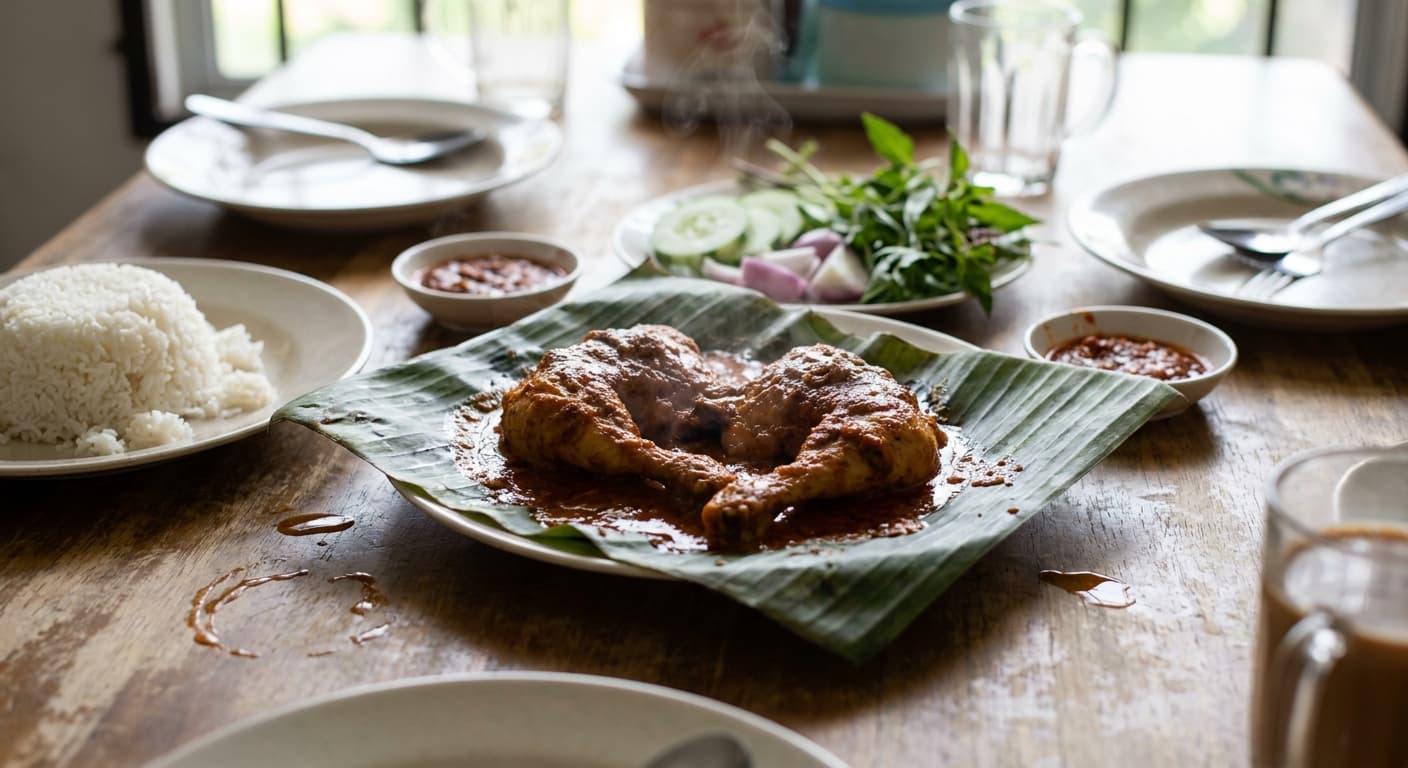
Ayam Percik (Ayam Percik) — Malaysian Coconut-Glazed Grilled Chicken
Malaysian · Main Courses · 80 min
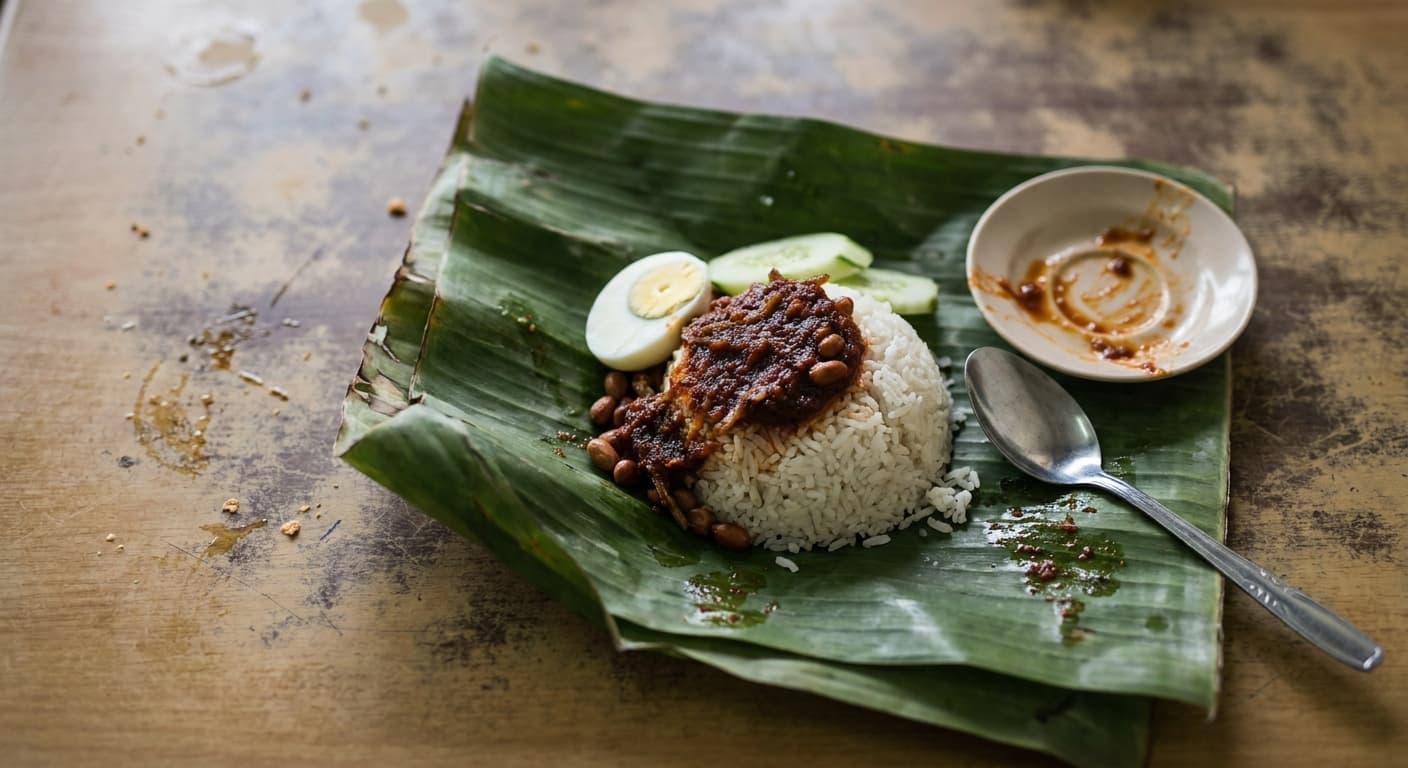
Malaysian Coconut Rice (Nasi Lemak) — Banana-Leaf Breakfast with Sambal Ikan Bilis
Malaysian · Rice Dishes · 95 min
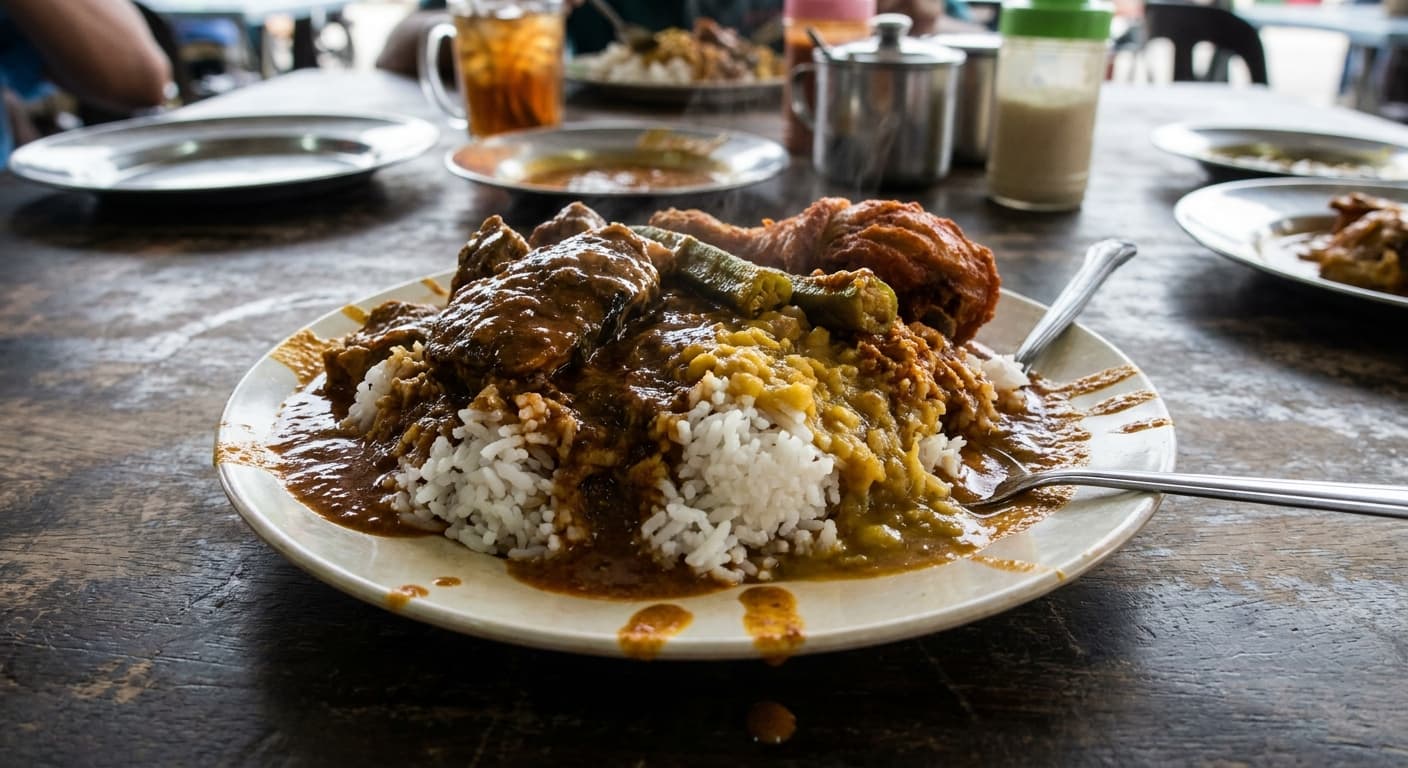
Nasi Kandar (Nasi Kandar) — Penang Mamak Curry Rice Plate
Malaysian · Rice Dishes · 110 min
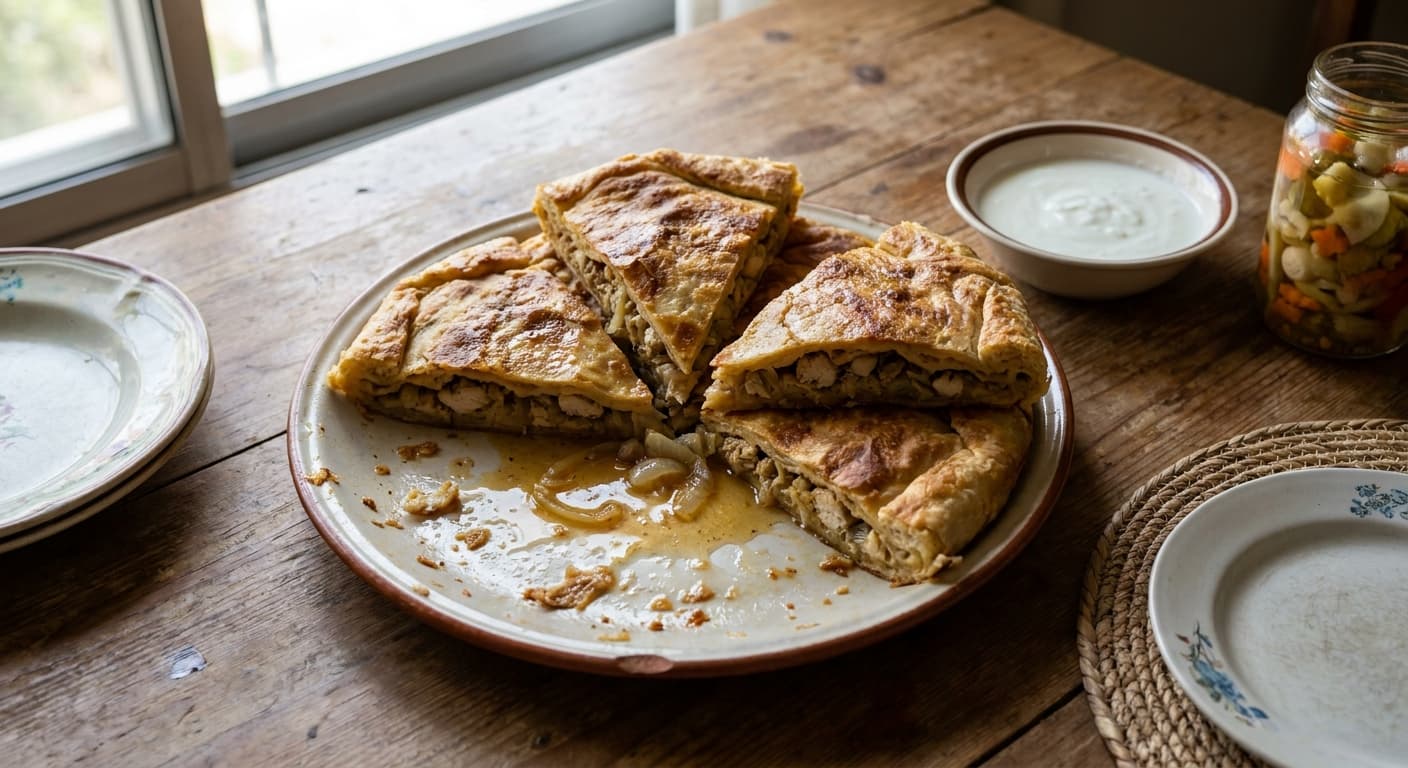
Makmoura (مكمورة) — Jordanian Layered Chicken Bread Pie
Jordanian · Main Courses · 185 min
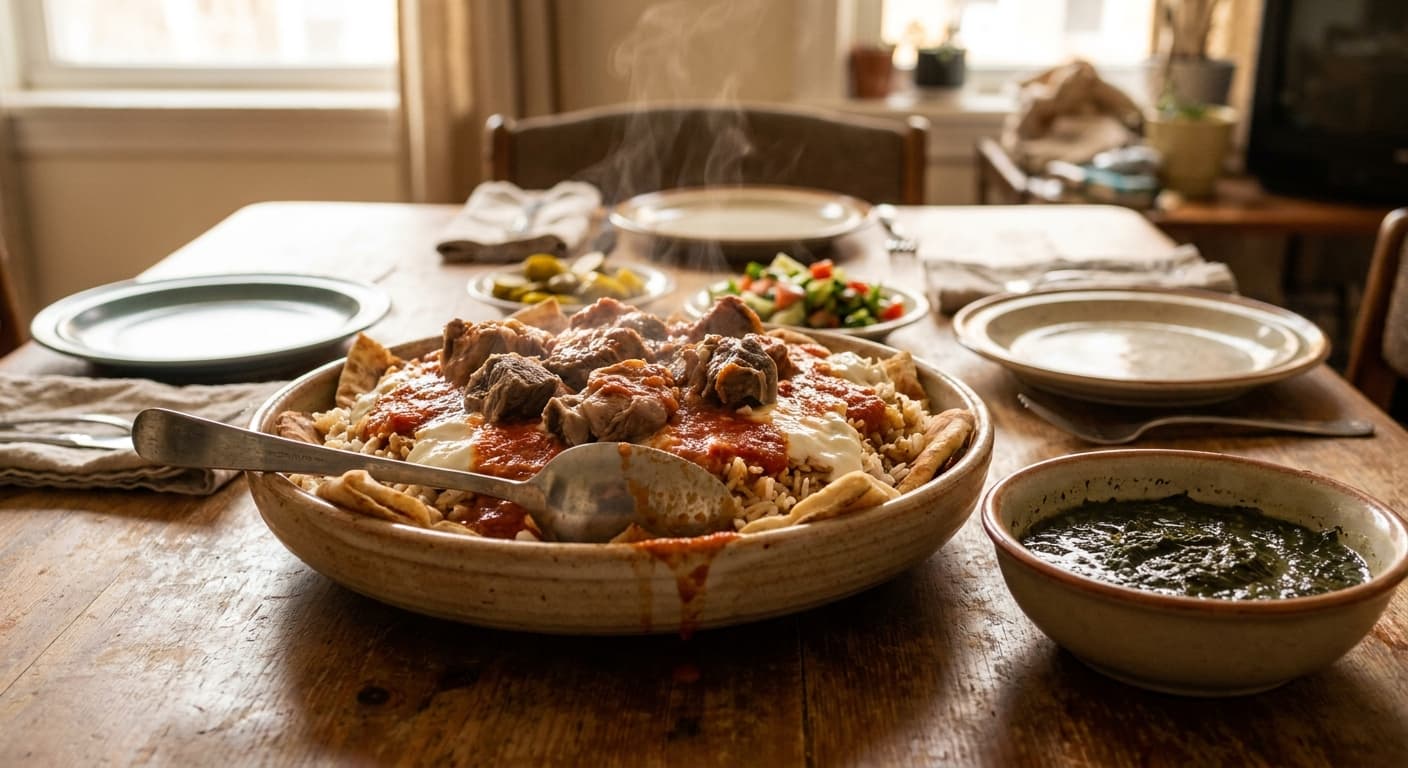
Egyptian Fatta (فتة) — Layered Meat, Rice, and Crisp Bread
Egyptian · Main Courses · 145 min
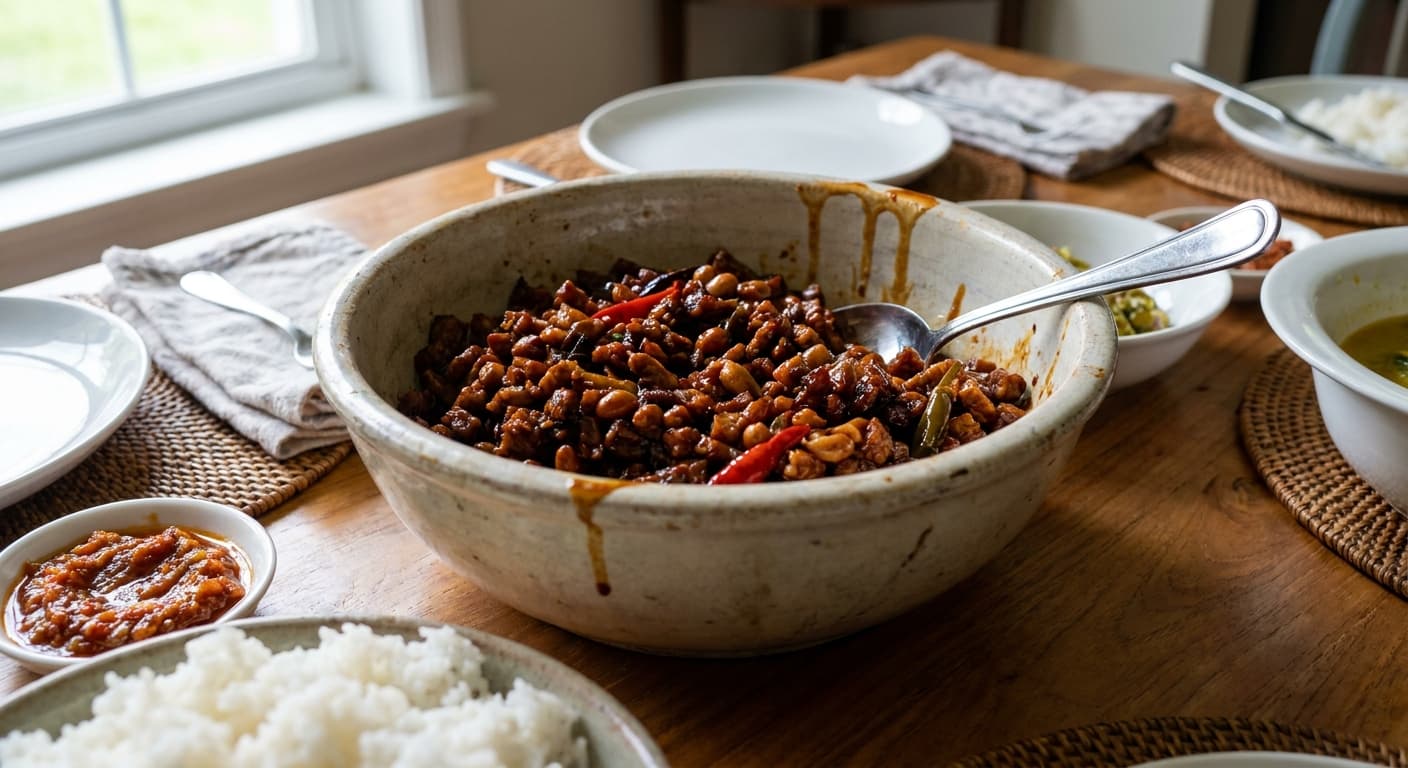
Sweet-Spiced Tempeh Stir-Fry (Tempe Orek) — Crisp Indonesian Soy-Glazed Tempeh
Indonesian · Side Dishes · 45 min
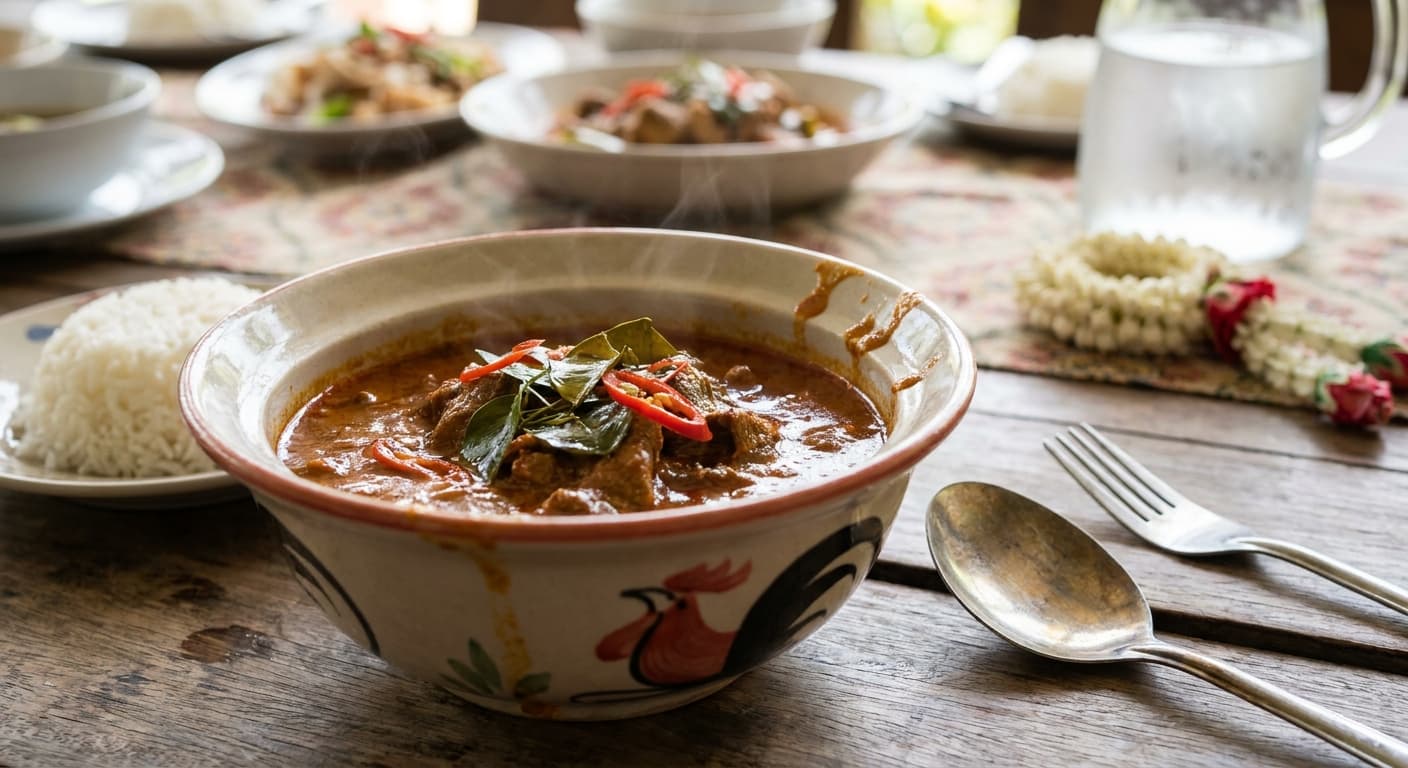
Panang Curry (แกงแพนง) — Rich Thai Coconut Beef Curry
Thai · Main Courses · 75 min
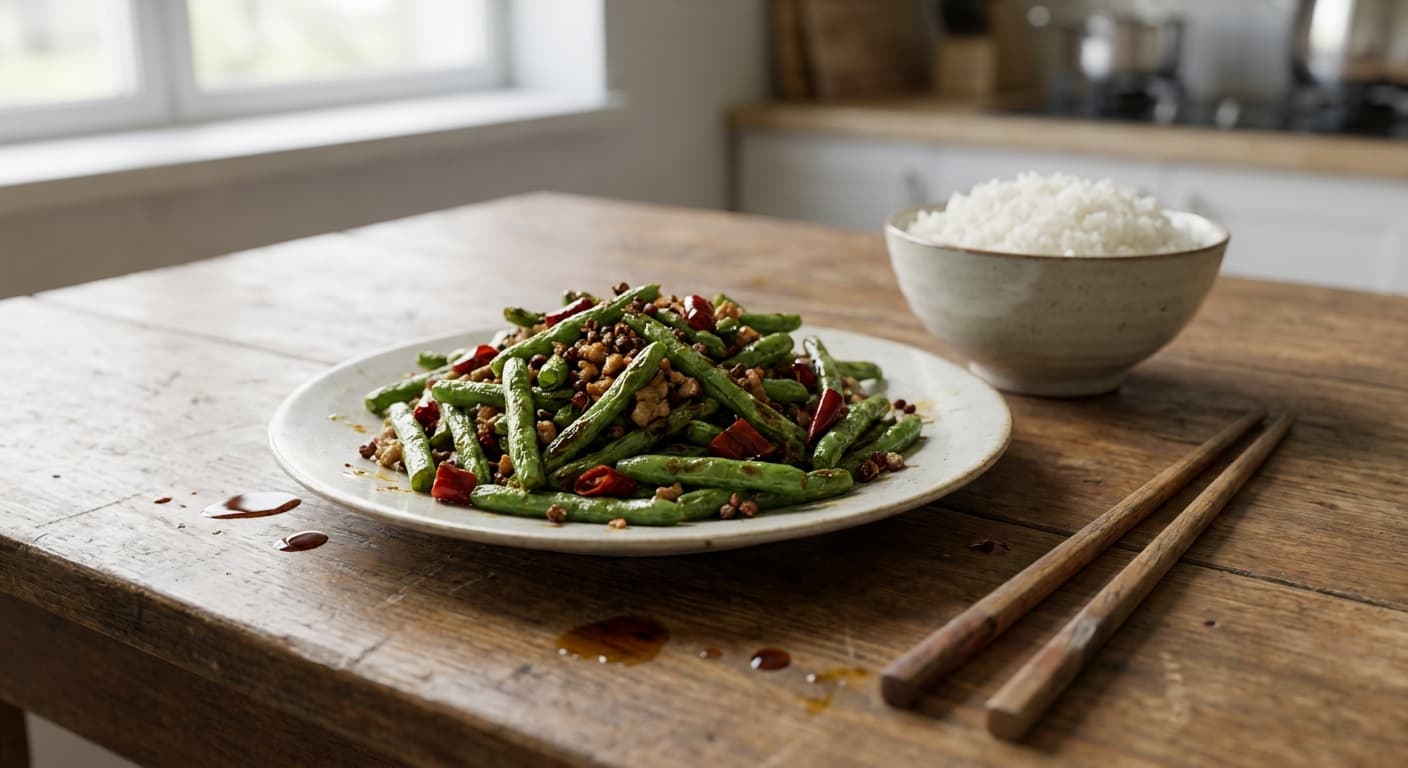
Dry-Fried Green Beans (干煸四季豆) — Sichuan Wok-Blistered Beans with Pork
Chinese · Side Dishes · 27 min
Reviews
Cooked this recipe?
Tap the stars to rate it — that's all it takes. A few words are welcome but optional.
No ratings yet. Cooked this one? Be the first to rate it — it takes one tap.