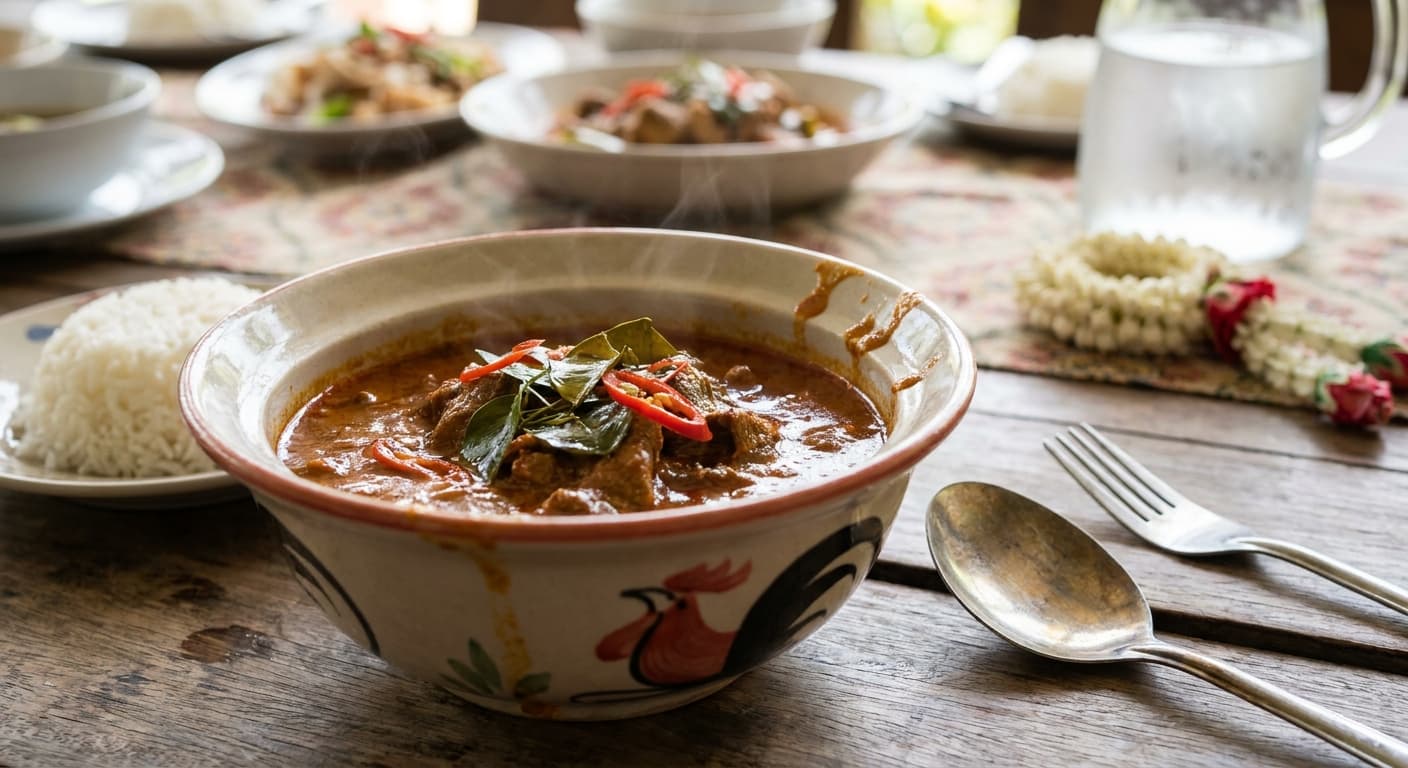
Panang Curry (แกงแพนง) — Rich Thai Coconut Beef Curry
Panang curry is a thick, fragrant Thai curry known for its glossy coconut richness, roasted peanut depth, and citrusy makrut lime aroma. This beef version is gently simmered until tender and finished with a balanced sweet-salty heat.
Printable Recipe Card
Servings: 4 · Total: 75 min · Difficulty: medium
Ingredients (quick list)
- 8 dried Thai long red chiles (stems removed, seeded for moderate heat)
- 2 dried bird's eye chiles (optional but traditional for sharper heat)
- 1 tsp fine sea salt
- 2 tsp coriander seeds
- 1 tsp cumin seeds
- 0.5 tsp white peppercorns
- 2 stalk lemongrass (tender lower third only, very finely sliced)
- 25 g fresh galangal (peeled and finely chopped)
- 1 tsp makrut lime zest (use only the green zest, not the bitter white pith)
- 4 cilantro roots (scrubbed clean and chopped)
- 6 clove garlic (peeled)
- 60 g Thai shallots (peeled and chopped)
+ 11 more in the full ingredients section below.
Steps (summary)
- Place the dried long red chiles and bird's eye chiles in a bowl and cover them with 500 ml hot water for 20 minutes. Drain them…
- Toast the coriander seeds, cumin seeds, and white peppercorns in a dry skillet over medium heat for 2 minutes, shaking the pan…
- Pound the soaked chiles with the sea salt in a granite mortar until the mixture becomes a coarse red mash. Add the lemongrass,…
- Warm 150 ml of the coconut cream in a wide saucepan over medium heat and simmer it for 5 to 7 minutes until it thickens and sma…
- Add 120 g of the curry paste to the separated coconut cream and fry it for 4 to 5 minutes, stirring constantly. The paste shoul…
- Add the sliced beef and stir until every piece is coated in the fried paste. Cook for 3 minutes, turning the slices gently so t…
+ 3 more steps in the full instructions section below.
Cultural Background
Panang is a beloved Thai dry-style curry, richer and thicker than many central Thai coconut curries. Its roasted peanut character and restrained sauce make it a familiar restaurant dish and a practical home-cooked meal with rice.
Equipment
💡 Tips
- Slice the beef very thinly across the grain so it stays tender during the short simmer.
- Do not boil the curry vigorously after adding the beef, because high heat can toughen the meat and dull the coconut aroma.
- A granite mortar gives the most traditional paste texture, but a small food processor can be used if the aromatics are chopped very finely first.
⚠️ Common Mistakes
❌ Adding the curry paste to thin coconut milk instead of frying it first.
✅ Fix: Cook the paste in reduced coconut cream until aromatic and oily before adding the remaining liquid.
❌ Cutting the beef too thick.
✅ Fix: Partially chill the beef for 20 minutes, then slice it thinly across the grain with a sharp knife.
❌ Making the curry too soupy.
✅ Fix: Simmer uncovered until the sauce is thick and glossy, because Panang should cling to the meat rather than flood the plate.
🧊 How to Store
Cool leftovers within 1 hour and refrigerate in an airtight container for up to 3 days. Reheat gently in a saucepan over low heat with 30 ml water or coconut milk, stirring often so the sauce does not split.
📅 Make Ahead
The curry paste can be made 3 days ahead and refrigerated, or frozen for up to 2 months. Beef can be sliced 1 day ahead and kept covered in the coldest part of the refrigerator.
🍽️ Pairs Well With
- Steamed jasmine rice
- cucumber slices
- Thai omelet
- blanched long beans.
Regional Variations
- Beef Panang is especially common in restaurant and home cooking, but chicken, pork, and duck versions are also widely made.
- Some cooks add a small amount of Thai sweet basil at the end, while others keep the finish limited to makrut lime leaves and red chile.
- Southern-leaning versions may be hotter and saltier, while central Thai versions often emphasize coconut sweetness and a smoother sauce.
Ingredients
- 8dried Thai long red chiles (stems removed, seeded for moderate heat)
- 2dried bird's eye chiles (optional but traditional for sharper heat)
- 1 tspfine sea salt
- 2 tspcoriander seeds
- 1 tspcumin seeds
- 0.5 tspwhite peppercorns
- 2 stalklemongrass (tender lower third only, very finely sliced)
- 25 gfresh galangal (peeled and finely chopped)
- 1 tspmakrut lime zest (use only the green zest, not the bitter white pith)
- 4cilantro roots (scrubbed clean and chopped)
- 6 clovegarlic (peeled)
- 60 gThai shallots (peeled and chopped)
- 35 groasted unsalted peanuts
- 2 tspshrimp paste (wrapped in foil and toasted briefly if desired)
- 600 gbeef sirloin (thinly sliced across the grain)
- 250 mlcoconut cream
- 250 mlcoconut milk
- 1 tbspneutral oil (use only if the coconut cream does not separate)
- 120 ghomemade Panang curry paste
- 2 tbspfish sauce
- 25 gpalm sugar (finely chopped)
- 6 leafmakrut lime leaves (center ribs removed, very finely shredded)
- 1long red chile (thinly sliced on the diagonal)
🔄 Substitutions
- cilantro roots→ cilantro stems
- makrut lime zest→ makrut lime leaves
- beef sirloin→ boneless chicken thighs
Instructions
- 1
Place the dried long red chiles and bird's eye chiles in a bowl and cover them with 500 ml hot water for 20 minutes. Drain them well, squeeze out excess water, and chop them finely so they break down evenly in the paste.
- 2
Toast the coriander seeds, cumin seeds, and white peppercorns in a dry skillet over medium heat for 2 minutes, shaking the pan often. Grind the toasted spices to a fine powder in a mortar or spice grinder before combining them with the other paste ingredients.
- 3
Pound the soaked chiles with the sea salt in a granite mortar until the mixture becomes a coarse red mash. Add the lemongrass, galangal, makrut lime zest, cilantro roots, garlic, shallots, peanuts, toasted spice powder, and shrimp paste, then pound until the paste is smooth and aromatic.
- 4
Warm 150 ml of the coconut cream in a wide saucepan over medium heat and simmer it for 5 to 7 minutes until it thickens and small beads of coconut oil appear on the surface. If the cream stays completely emulsified, add the neutral oil and continue cooking for 1 minute to help fry the paste properly.
- 5
Add 120 g of the curry paste to the separated coconut cream and fry it for 4 to 5 minutes, stirring constantly. The paste should darken slightly, smell rounded rather than raw, and release a red-orange oil around the edges.
- 6
Add the sliced beef and stir until every piece is coated in the fried paste. Cook for 3 minutes, turning the slices gently so the outside seals without toughening the meat.
- 7
Pour in the remaining 100 ml coconut cream and the coconut milk, then add the fish sauce, palm sugar, and 4 shredded makrut lime leaves. Simmer gently for 18 to 22 minutes, stirring occasionally, until the beef is tender and the sauce is thick enough to coat a spoon.
- 8
Taste the curry and check for the classic Panang balance of salty, sweet, rich, and lightly spicy. If the sauce is too thick, add 30 ml water and simmer for 1 minute; if it is too thin, simmer uncovered for 3 to 5 minutes more.
- 9
Transfer the curry to a warm serving bowl and scatter over the crushed peanuts, sliced red chile, and remaining 2 shredded makrut lime leaves. Serve immediately while the coconut sauce is glossy and aromatic.
🪪 Recipe Passport
Cultural Background
Panang is a beloved Thai dry-style curry, richer and thicker than many central Thai coconut curries. Its roasted peanut character and restrained sauce make it a familiar restaurant dish and a practical home-cooked meal with rice.
Regional Variations
Researched from multiple sources and validated by the Zaffaron editorial team. Every recipe is tested for accuracy, measurements, and cultural authenticity.
📚 Sources & Cultural References
- David Thompson — Thai Food — (2002)
- Kasma Loha-unchit — It Rains Fishes: Legends, Traditions and the Joys of Thai Cooking — (1995)
Sources cited by the Zaffaron editorial team during recipe research. Cultural and culinary references supporting authenticity claims.
Nutrition per serving
Pairs well with
If you enjoyed this recipe, here are a few related Zaffaron recipes to try next.
- Massaman Curry (แกงมัสมั่น) — Thai Muslim Beef Curry with Potatoes and Peanuts
- Som Tum (ส้มตำ) — Thai Green Papaya Salad
- Thai Pad See Ew (ผัดซีอิ๊ว) — Charred Wide Rice Noodles with Pork and Chinese Broccoli
- Aromatic Coconut Chicken Curry Soup (سوپ کاری مرغ با نارگیل) — Velvety coastal-style coconut curry broth
Does your family make this differently?
Every family has their own version. Maybe your grandmother adds a secret ingredient, or your aunt has a completely different technique. Preserve your family's version — with their name on it, forever.
You Might Also Like
Pad Thai (ผัดไทย) — Tamarind Rice Noodles with Shrimp
Thai · Main Courses · 40 min
Tom Yum Goong (ต้มยำกุ้ง) — Hot-and-Sour Thai Shrimp Soup
Thai · Soups · 45 min

Som Tum (ส้มตำ) — Thai Green Papaya Salad
Thai · Salads · 25 min
Beggar's Chicken (叫化鸡) — Lotus-Wrapped Clay-Baked Jiangnan Chicken
Chinese · Main Courses · 240 min
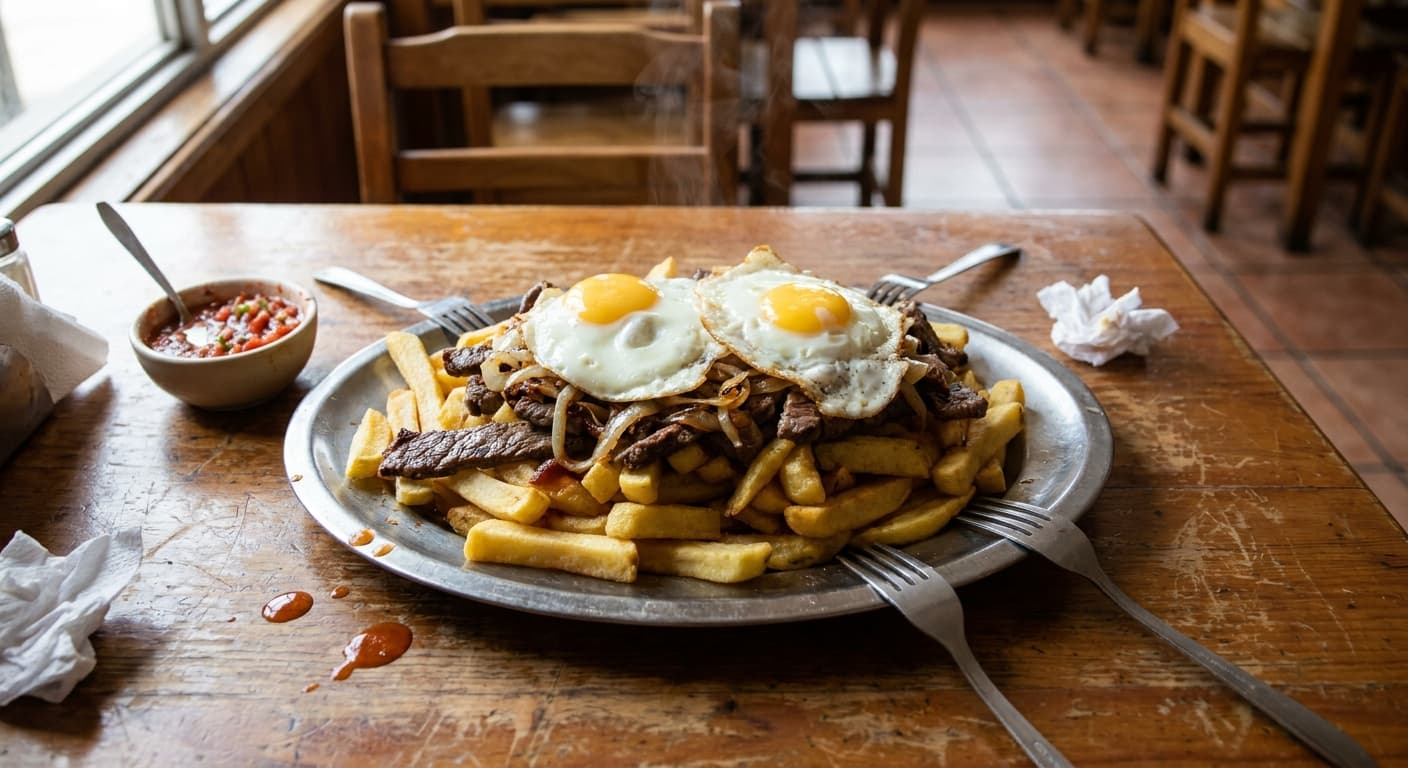
Chorrillana (Chorrillana) — Chilean Loaded Fries with Beef and Eggs
Chilean · Main Courses · 60 min
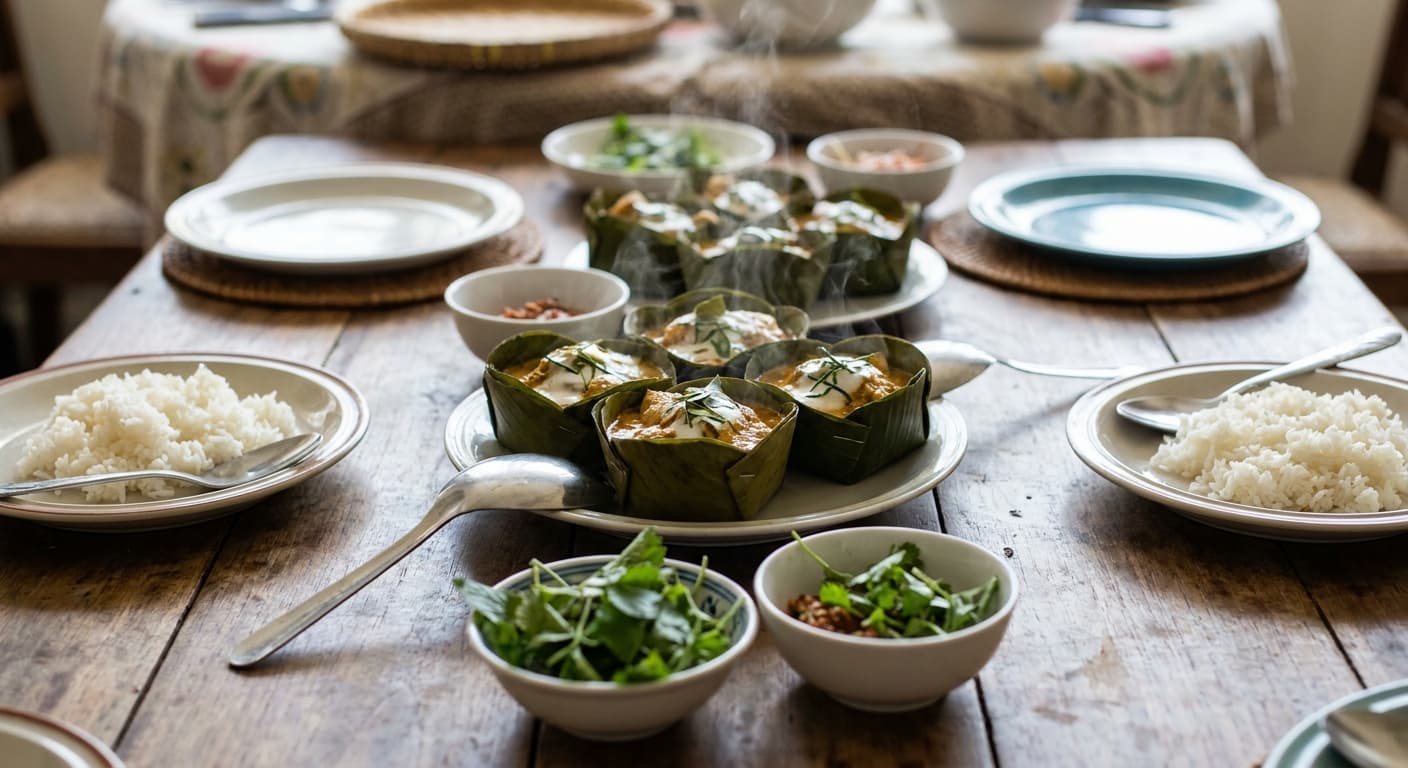
Cambodian Fish Amok (អាម៉ុកត្រី) — Steamed Coconut Curry Custard
Cambodian · Main Courses · 75 min
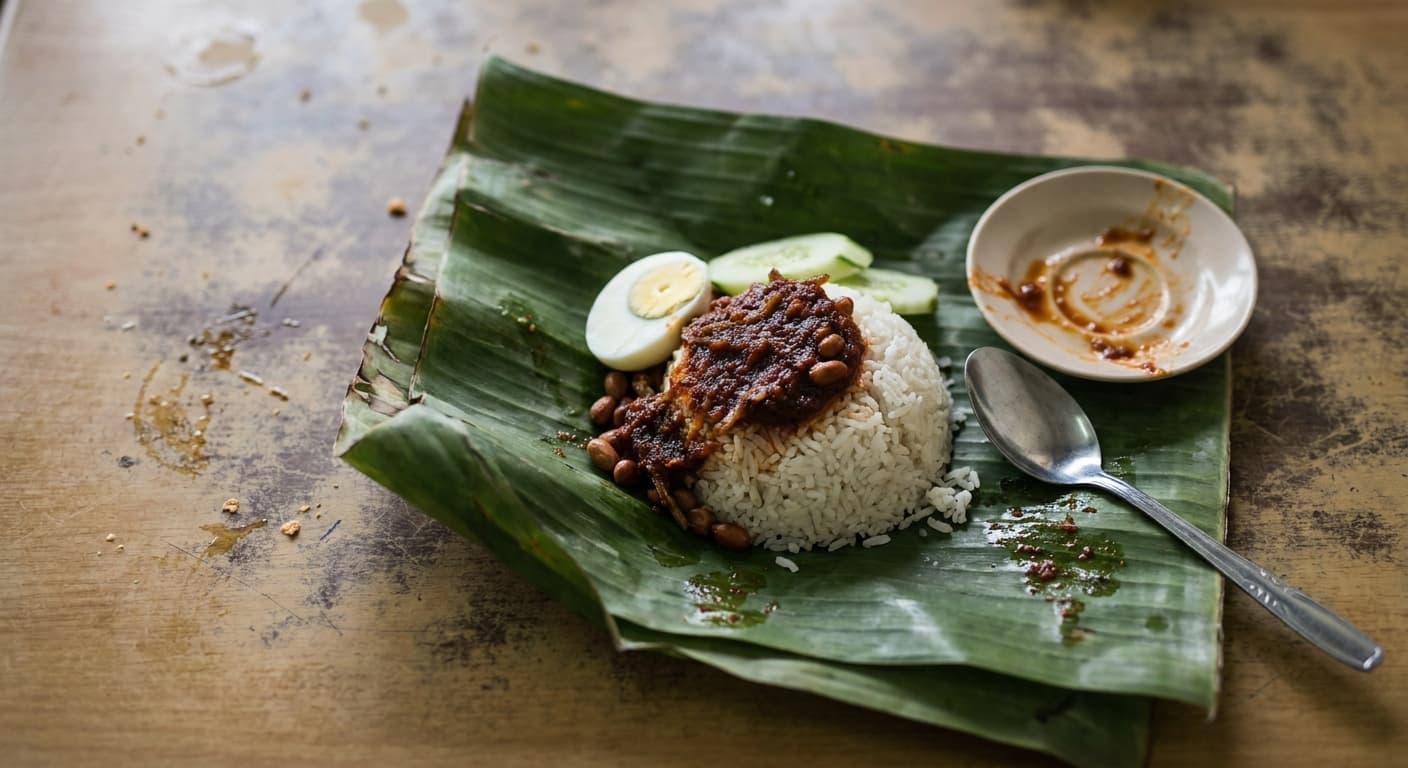
Malaysian Coconut Rice (Nasi Lemak) — Banana-Leaf Breakfast with Sambal Ikan Bilis
Malaysian · Rice Dishes · 95 min
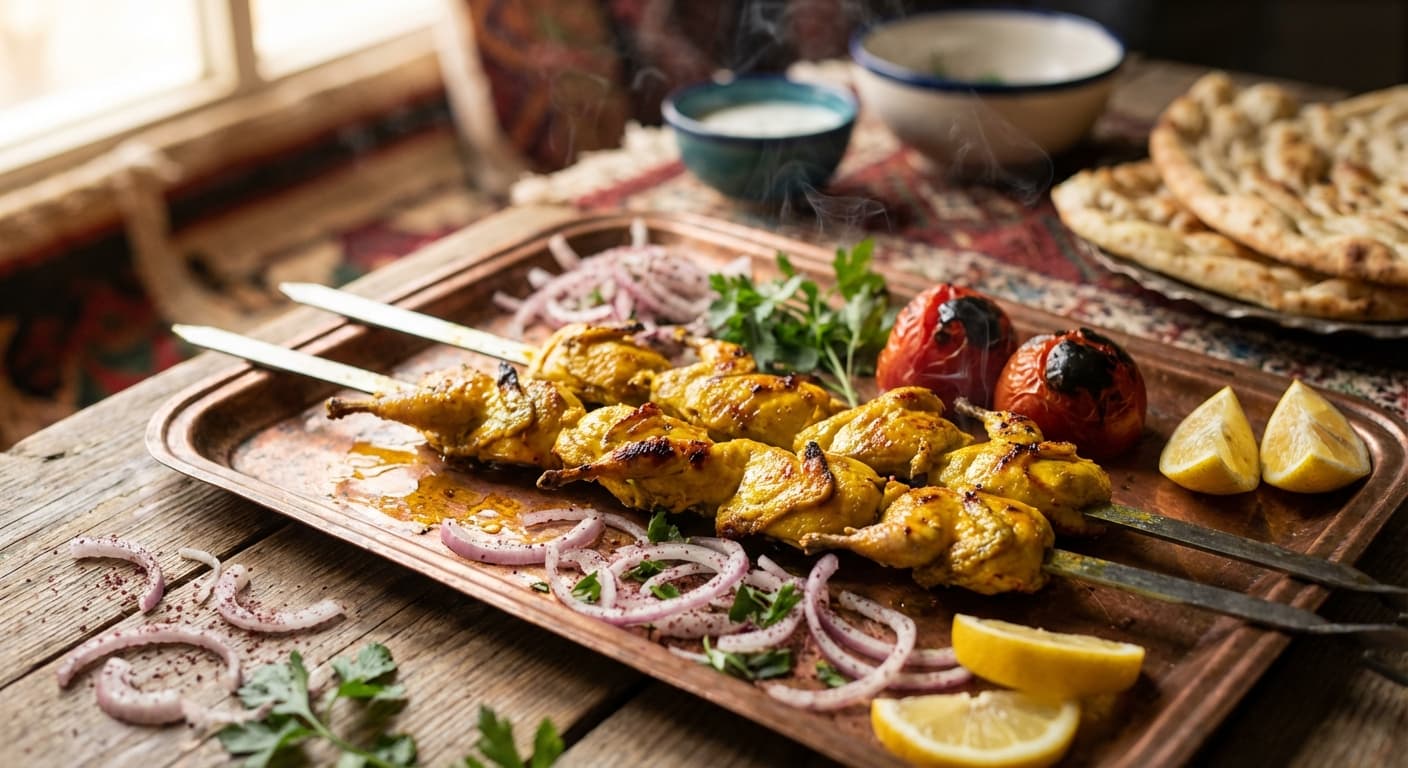
Kabab Beldarchein (کباب بلدرچین) — Saffron-Infused Persian Quail Kebabs
Persian · Kebabs · 43 min
Reviews
Cooked this recipe?
Tap the stars to rate it — that's all it takes. A few words are welcome but optional.
No ratings yet. Cooked this one? Be the first to rate it — it takes one tap.