Jben (جبن) — Moroccan Fresh Soft Cheese, Lightly Salted and Milky
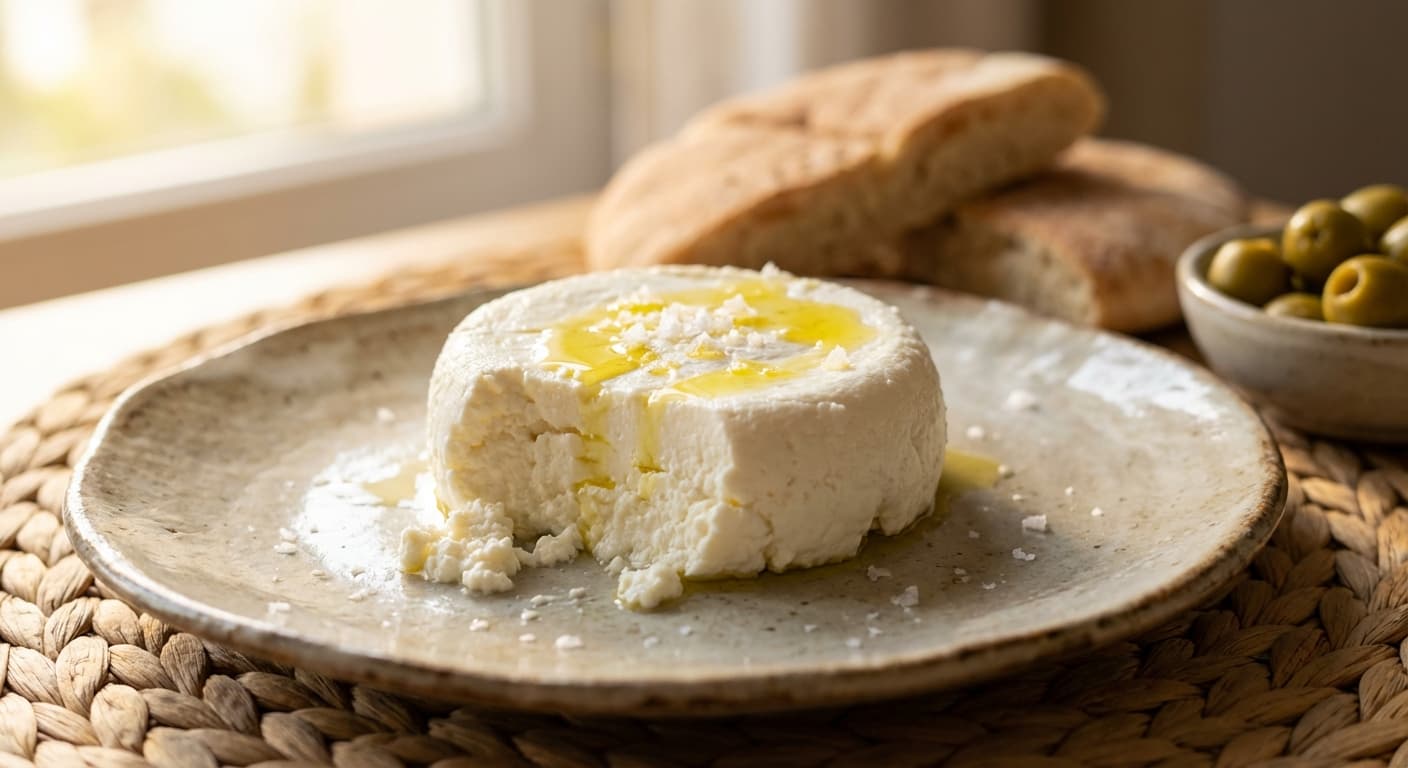
Jben is a simple Moroccan fresh cheese made by gently curdling milk and draining it into a soft, spreadable round. Often served at breakfast with bread and olive oil, it highlights Morocco’s love of fresh dairy and minimal seasoning.
Printable Recipe Card
Servings: 6 · Total: 35 min · Difficulty: easy
Ingredients (quick list)
- 2000 ml whole milk (use pasteurized; avoid ultra-high-temperature if possible for cleaner curds)
- 45 ml white vinegar (5% acidity)
- 6 g fine sea salt (about 1 tsp; yields a lightly salted cheese)
- 500 ml cold water (for a milder, less tangy flavor if desired)
Steps (summary)
- Set a large colander over a bowl and line it with a clean cheesecloth or a thin cotton kitchen towel. Measure the salt and vine…
- Pour the milk into a heavy pot and heat it over medium heat to 88°C, stirring every 30 seconds to prevent scorching. Hold the m…
- Slowly drizzle in the vinegar while gently stirring in one direction for 15 seconds, then stop stirring completely. Let the pot…
- Ladle the curds into the lined colander, keeping the curds as intact as possible for a softer texture. Let it drain for 10 minu…
- For a milder, less tangy jben, briefly rinse the bundled curds by pouring 500 ml cold water over the cloth bundle, then let it…
- Shape the cheese by tightening the cloth into a round or oval bundle and set it back in the colander. Place a 1 kg weight on to…
+ 1 more steps in the full instructions section below.
Cultural Background
Fresh cheeses like jben reflect Morocco’s pastoral traditions and the everyday habit of serving simple dairy at breakfast. Made without aging, it celebrates freshness and thrift by turning milk into a nourishing staple within an hour.
Equipment
💡 Tips
- For the cleanest flavor, heat slowly and stir frequently; scorched milk makes the cheese taste bitter even if the curds form correctly.
- If the curds look tiny and fragile, reduce the vinegar to 30 ml next time and extend the rest time to 15 minutes for larger, softer curds.
- Save the whey for baking flatbreads or pancakes; replace up to 50% of the water in a dough with whey for extra tenderness.
⚠️ Common Mistakes
❌ Milk boils or scorches at the bottom, creating a cooked or bitter taste.
✅ Fix: Use medium heat, stir frequently, and stop at 88°C; if using a thin pot, place it over a heat diffuser.
❌ Curds do not separate and the milk stays cloudy.
✅ Fix: Return the pot to 80–85°C and add 5 ml more vinegar, then rest 5 minutes without stirring.
❌ Cheese turns rubbery and dry.
✅ Fix: Stir less after adding acid, drain for a shorter time, and press no longer than 30 minutes for a soft jben.
🧊 How to Store
Store jben in an airtight container in the refrigerator for up to 3 days. For best texture, avoid freezing; to refresh, let it sit at room temperature 15 minutes and drizzle 5 ml olive oil over the surface before serving.
📅 Make Ahead
You can make jben up to 24 hours ahead and keep it chilled in a sealed container. Salt it after draining, then press and refrigerate; the flavor becomes rounder and the cheese slices more neatly the next day.
🍽️ Pairs Well With
- Moroccan khobz
- olive oil
- honey
- olives
- mint tea
- sliced tomatoes and cucumbers.
Regional Variations
- Northern Morocco: jben is sometimes shaped into small rounds and served with olive oil and dried oregano.
- Rural styles: the curds may be drained in a woven basket, leaving a faint pattern on the surface.
- Richer version: add 100 ml heavy cream to the milk before heating for a more buttery mouthfeel.
Ingredients
- 2000 mlwhole milk (use pasteurized; avoid ultra-high-temperature if possible for cleaner curds)
- 45 mlwhite vinegar (5% acidity)
- 6 gfine sea salt (about 1 tsp; yields a lightly salted cheese)
- 500 mlcold water (for a milder, less tangy flavor if desired)
🔄 Substitutions
- white vinegar→ fresh lemon juice
- whole milk→ 2% milk
Instructions
- 1
Set a large colander over a bowl and line it with a clean cheesecloth or a thin cotton kitchen towel. Measure the salt and vinegar so they are ready, because timing matters once the milk is hot.
- 2
Pour the milk into a heavy pot and heat it over medium heat to 88°C, stirring every 30 seconds to prevent scorching. Hold the milk at 88°C for 2 minutes, then turn off the heat to keep the curds tender and milky.
- 3
Slowly drizzle in the vinegar while gently stirring in one direction for 15 seconds, then stop stirring completely. Let the pot stand undisturbed for 10 minutes, until you see clear separation between white curds and pale yellow whey.
- 4
Ladle the curds into the lined colander, keeping the curds as intact as possible for a softer texture. Let it drain for 10 minutes, then gather the cloth corners and gently twist to encourage more whey to release.
- 5
For a milder, less tangy jben, briefly rinse the bundled curds by pouring 500 ml cold water over the cloth bundle, then let it drain again for 2 minutes. Open the cloth, sprinkle the salt evenly over the curds, and fold the curds over themselves several times to distribute the salt without mashing them.
- 6
Shape the cheese by tightening the cloth into a round or oval bundle and set it back in the colander. Place a 1 kg weight on top and press for 30 minutes for a soft, sliceable jben; press 60 minutes for a firmer, drier cheese.
- 7
Unwrap the cheese and smooth the surface with clean hands or the back of a spoon, then transfer it to a container. Chill for at least 1 hour before serving, because the flavor settles and the texture becomes more cohesive.
🪪 Recipe Passport
Cultural Background
Fresh cheeses like jben reflect Morocco’s pastoral traditions and the everyday habit of serving simple dairy at breakfast. Made without aging, it celebrates freshness and thrift by turning milk into a nourishing staple within an hour.
Regional Variations
Researched from multiple sources and validated by the Zaffaron editorial team. Every recipe is tested for accuracy, measurements, and cultural authenticity.
Nutrition per serving
Pairs well with
If you enjoyed this recipe, here are a few related Zaffaron recipes to try next.
- Moroccan Orange and Cinnamon Salad (سلطة البرتقال بالقرفة) — Fresh citrus dessert with floral spice
- Rfissa (رفيسة) — Moroccan Shredded Flatbread with Chicken and Lentils
- Lamb Mrouzia (المروزية) — Moroccan Festive Honeyed Lamb with Raisins and Almonds
- Moroccan Carrot Salad (سلطة الجزر المغربية) — Spiced Carrot Salad with Cumin and Orange Blossom
Does your family make this differently?
Every family has their own version. Maybe your grandmother adds a secret ingredient, or your aunt has a completely different technique. Preserve your family's version — with their name on it, forever.
You Might Also Like
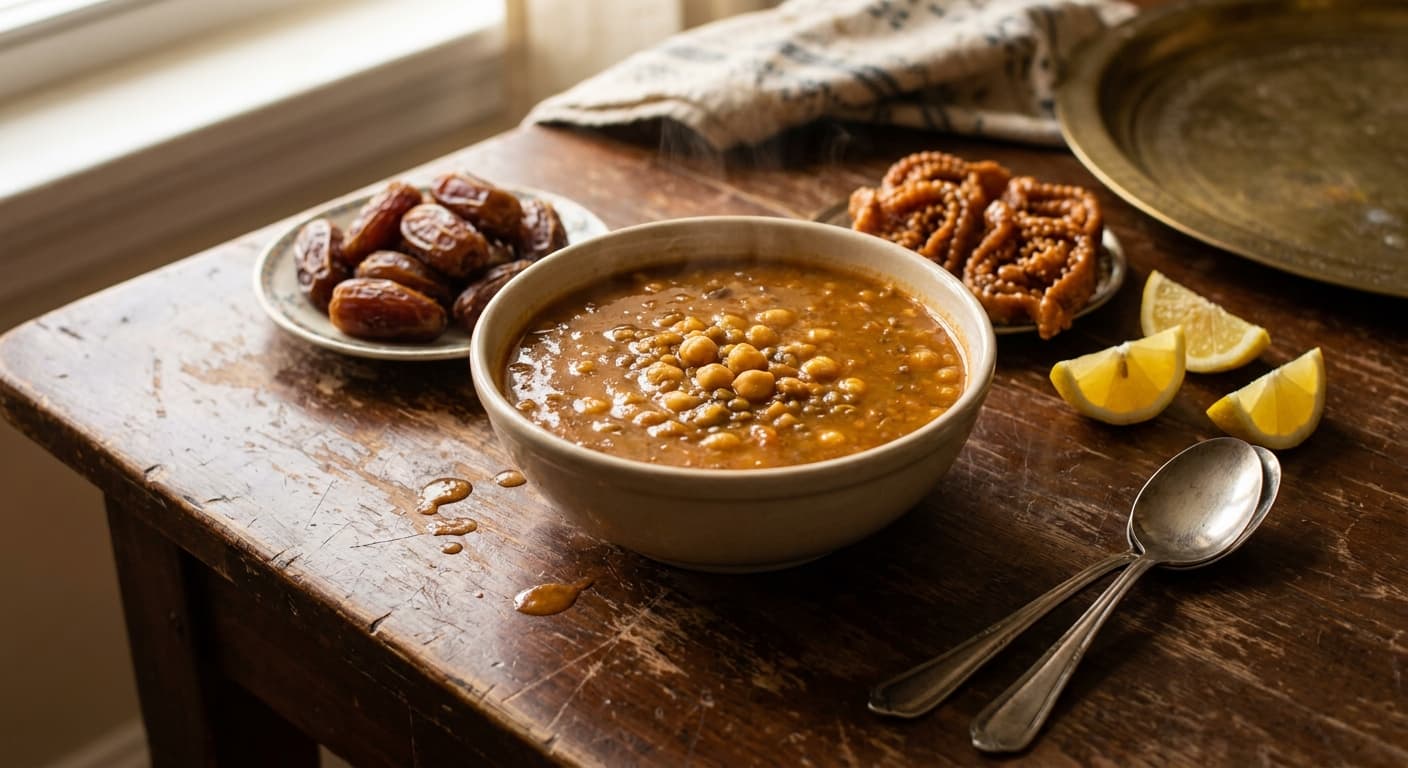
Moroccan Harira (الحريرة المغربية) — Ramadan Tomato, Lentil, and Chickpea Soup
Moroccan · Soups · 115 min

Jellab (جلاب) — Moroccan Date-Raisin Drink Topped with Pine Nuts
Moroccan · Drinks · 35 min
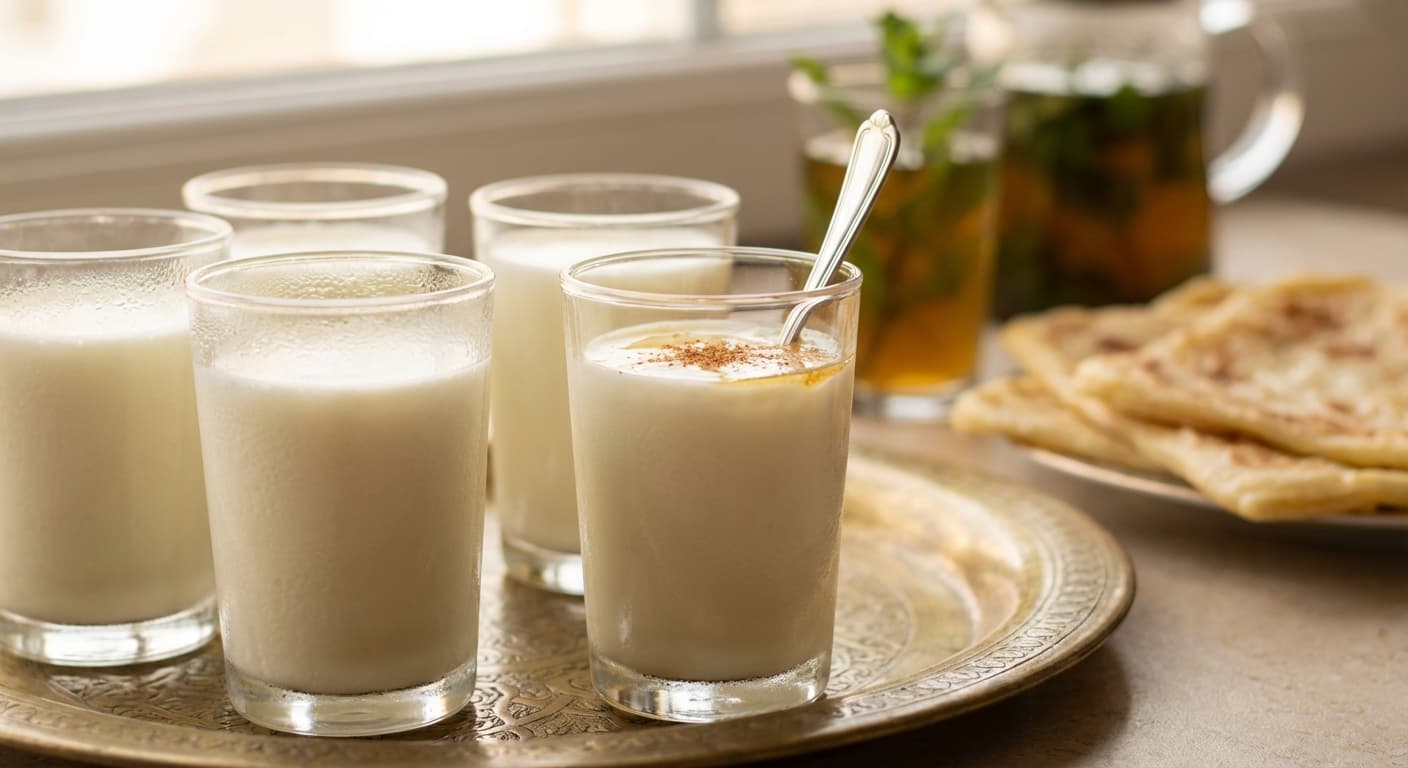
Raib (رايب) — Moroccan Chilled Homemade Yogurt, Plain or Sweetened
Moroccan · Desserts · 30 min
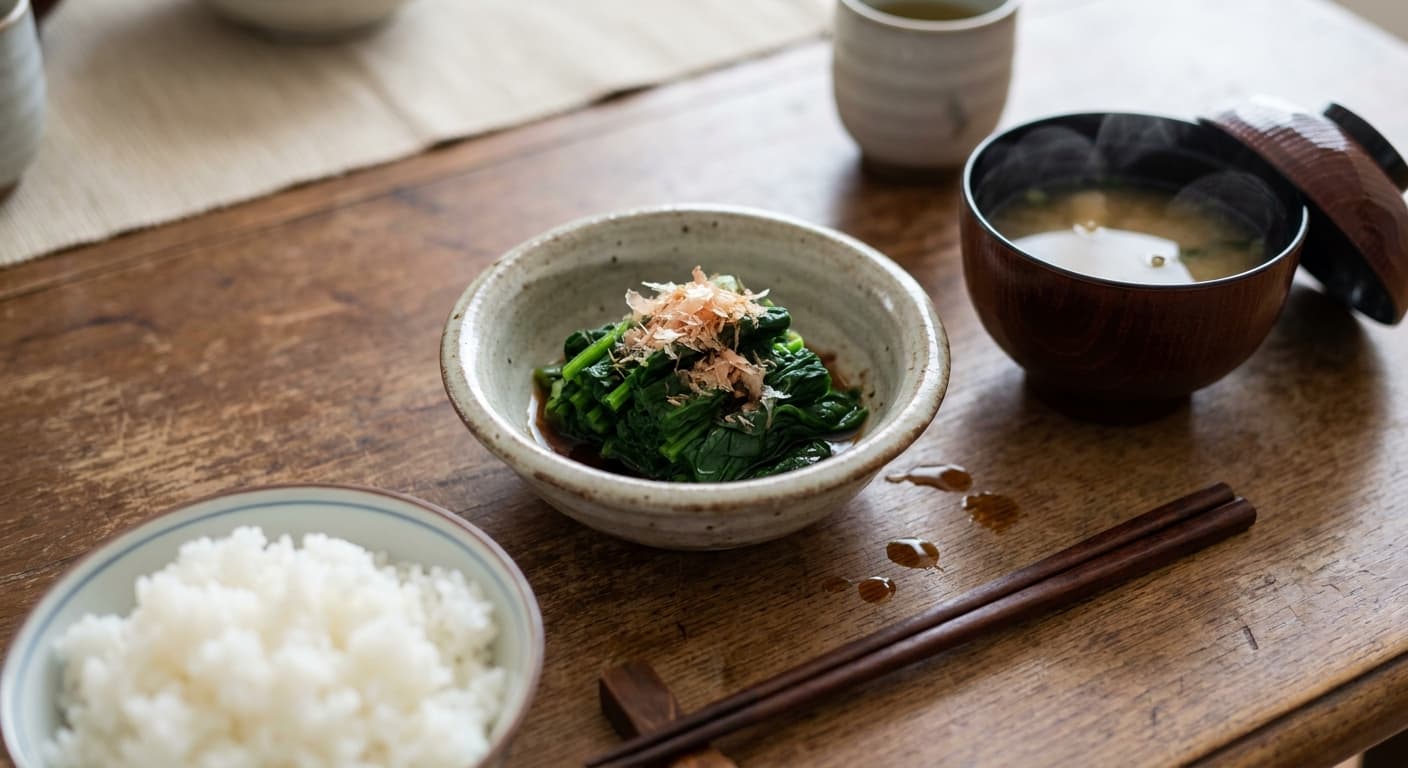
Ohitashi (お浸し) — Japanese Blanched Spinach with Bonito Dashi and Soy
Japanese · Side Dishes · 20 min
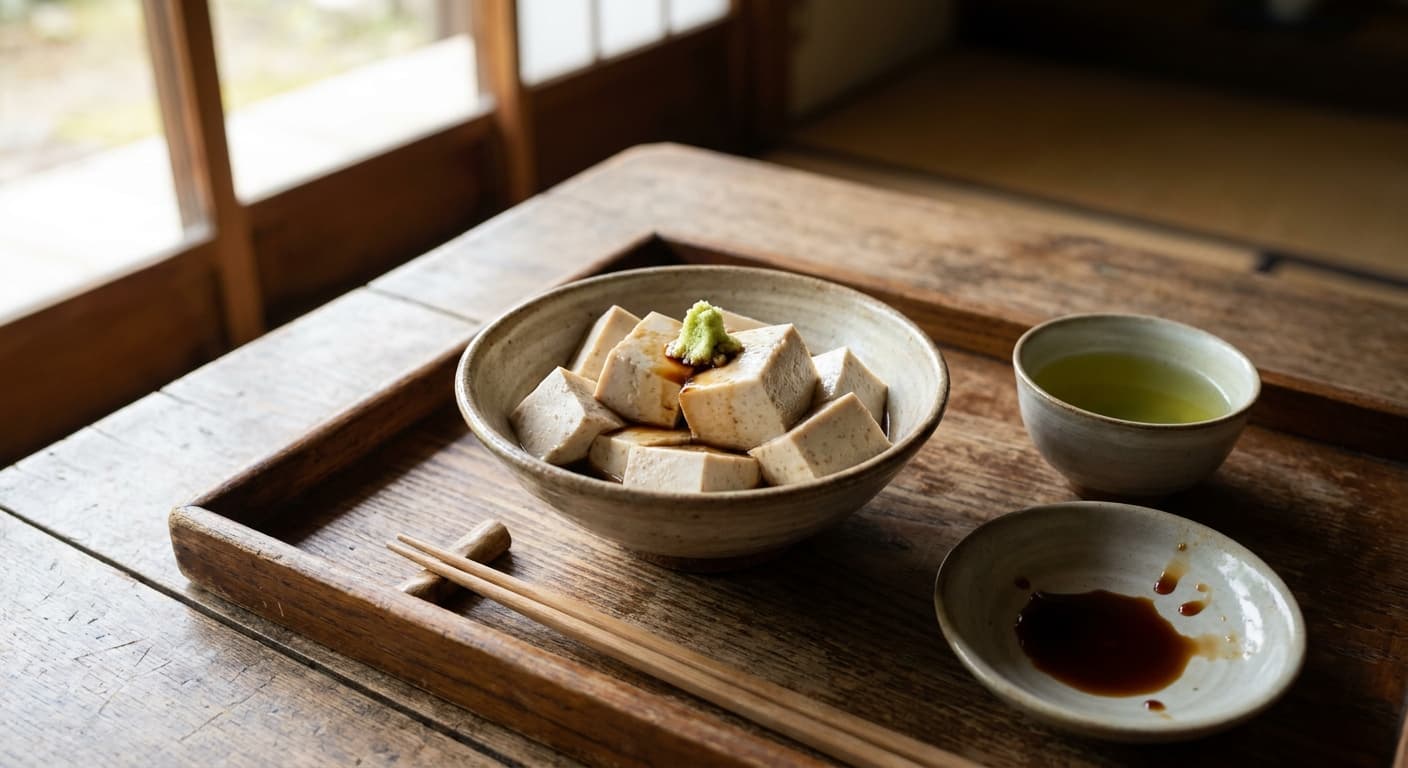
Goma-dofu (胡麻豆腐) — Shojin Sesame Kuzu Tofu
Japanese · Side Dishes · 28 min
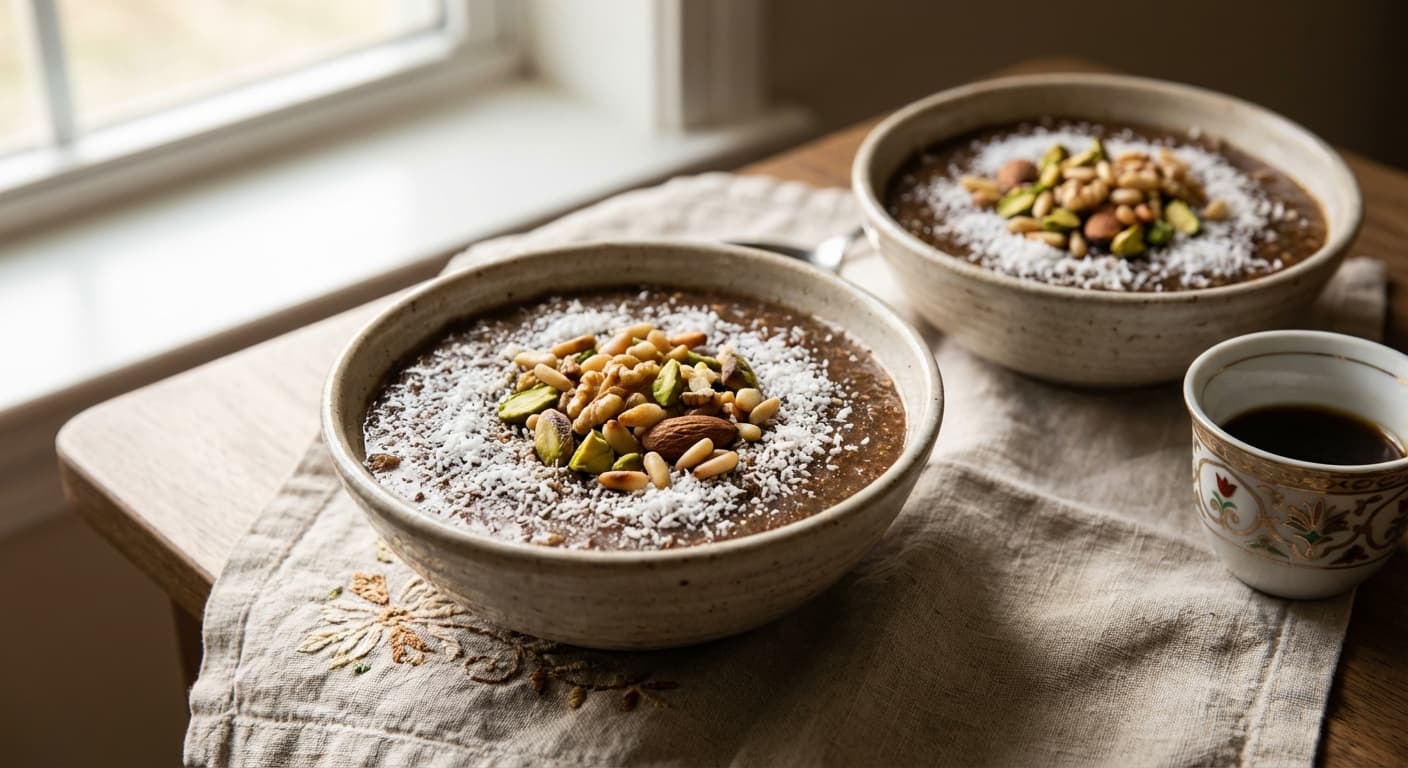
Meghli (مغلي) — Lebanese Spiced Rice Pudding with Nuts
Lebanese · Desserts · 40 min
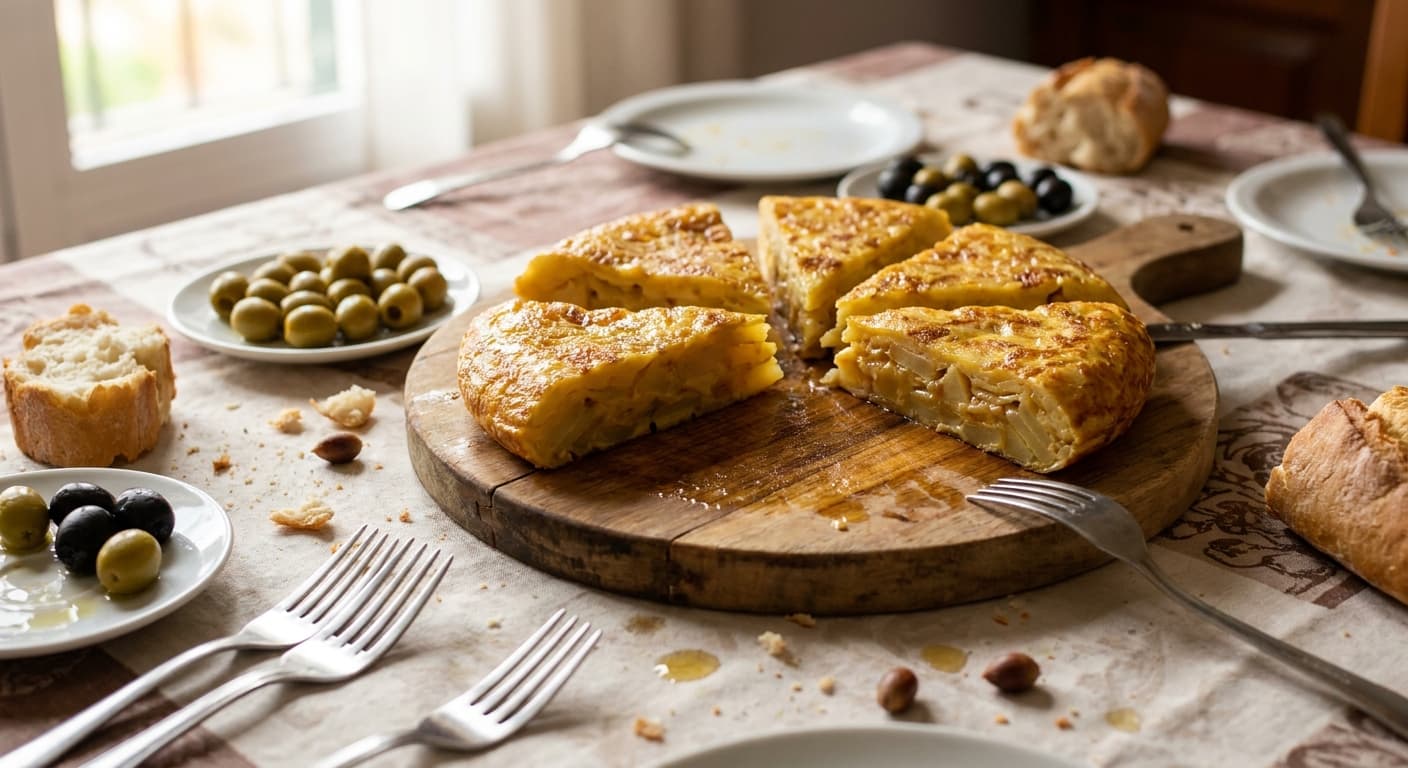
Spanish Potato Omelette (Tortilla Española) — Classic Potato and Egg Tortilla
Spanish · Main Courses · 55 min
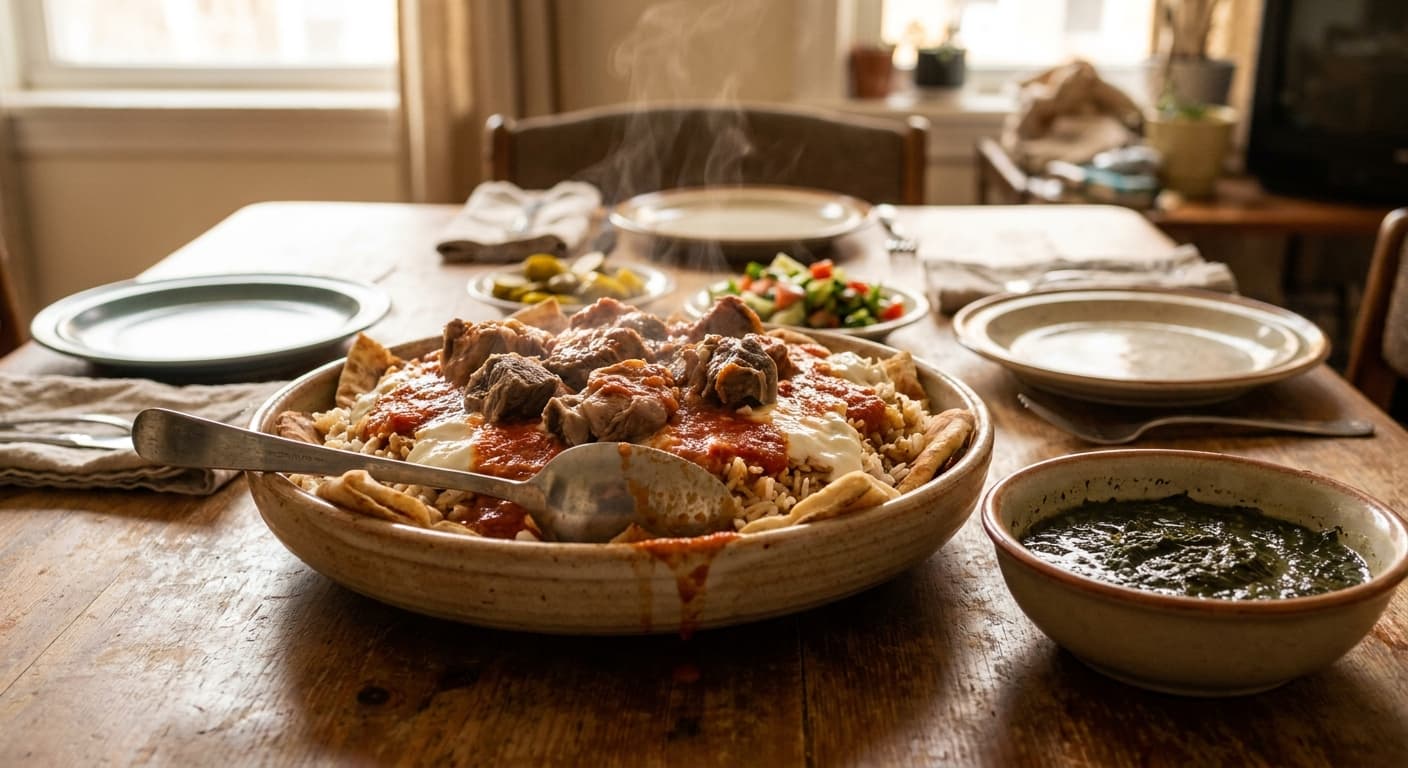
Egyptian Fatta (فتة) — Layered Meat, Rice, and Crisp Bread
Egyptian · Main Courses · 145 min
Reviews
Cooked this recipe?
Tap the stars to rate it — that's all it takes. A few words are welcome but optional.
No ratings yet. Cooked this one? Be the first to rate it — it takes one tap.