Goma-dofu (胡麻豆腐) — Shojin Sesame Kuzu Tofu
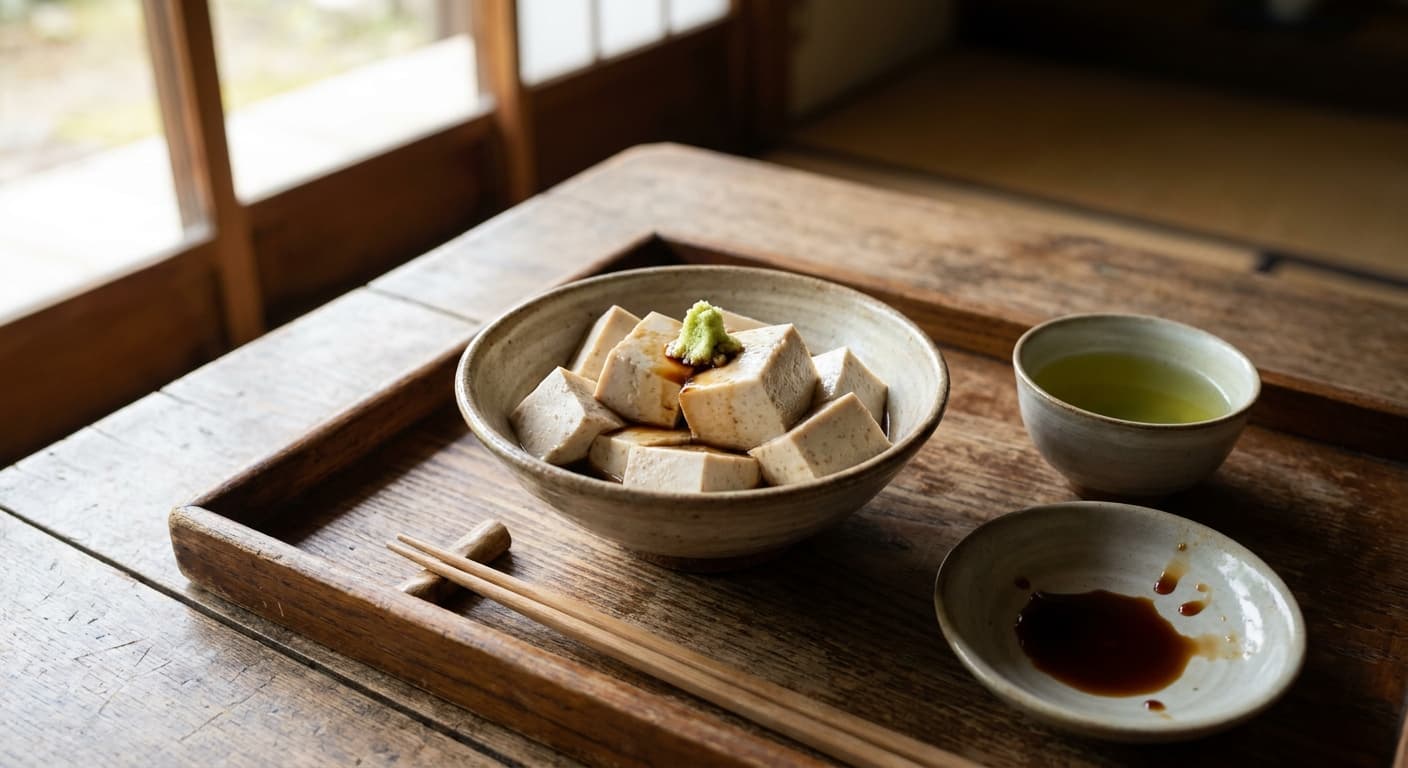
Goma-dofu is a classic shojin ryori preparation from Japanese Buddhist temple cooking. Despite the name tofu, it contains no soybean; white sesame paste and kuzu starch are cooked into a cool, custard-like block.
Printable Recipe Card
Servings: 4 · Total: 28 min · Difficulty: medium
Ingredients (quick list)
- 80 g white sesame paste (unsweetened, finely milled roasted white sesame paste)
- 50 g kuzu starch (pure kuzu, crushed if in large lumps)
- 500 ml cold water
- 2 g fine sea salt
- 24 ml gluten-free tamari
- 8 g fresh wasabi paste
Steps (summary)
- Wet the inside of a small square mold or loaf pan with cold water, then leave a thin film of water clinging to the surface. Thi…
- Place the kuzu starch in a medium heavy saucepan and add about 150 ml of the measured cold water. Whisk until the kuzu is compl…
- Set the pan over medium-low heat and whisk slowly until the mixture becomes smooth and evenly combined. If the sesame paste lea…
- Cook over low heat, stirring constantly with a wooden spatula in broad strokes across the bottom and corners of the pan. After…
- When the paste is elastic, shiny, and heavy enough that the spatula leaves a clear trail, immediately scrape it into the wet mo…
- Press a piece of plastic wrap directly onto the surface to prevent a skin from forming, then cool at room temperature for 20 mi…
+ 1 more steps in the full instructions section below.
Cultural Background
Goma-dofu belongs to shojin ryori, the refined plant-based cuisine of Japanese Buddhist temples. It shows how careful technique can transform simple sesame and kuzu into a dish with richness, restraint, and seasonal elegance.
Equipment
💡 Tips
- Use pure kuzu starch rather than ordinary cornstarch for the elastic, temple-style texture.
- Stir continuously once the pan is on the heat, because kuzu thickens suddenly and can form lumps at the base.
- Serve goma-dofu well chilled, but not icy cold, so the sesame fragrance opens as it sits for a few minutes.
⚠️ Common Mistakes
❌ Stopping the cooking as soon as the mixture thickens.
✅ Fix: Continue stirring until it turns glossy and elastic, because undercooked kuzu tastes chalky and sets weakly.
❌ Using tahini with a bitter or very dark roast.
✅ Fix: Choose mild white sesame paste, ideally Japanese-style, so the flavor stays clean and balanced.
❌ Letting the pan sit unstirred over heat.
✅ Fix: Keep the spatula moving across the bottom and corners to prevent lumps and scorching.
🧊 How to Store
Store leftover goma-dofu covered in its mold or in an airtight container in the refrigerator for up to 2 days. Do not freeze or reheat; serve chilled with fresh tamari and wasabi after draining any surface moisture.
📅 Make Ahead
Goma-dofu is ideal to make one day ahead. Keep it covered and chilled in the mold, then cut and season only just before serving so the surface stays smooth and fresh.
🍽️ Pairs Well With
- Steamed rice
- miso soup made with kombu dashi
- simmered seasonal vegetables
- pickled cucumber.
Regional Variations
- Kyoto temple versions often emphasize a very pale color and a restrained soy-based garnish.
- Some home versions use black sesame paste for a deeper aroma and gray-black color.
- Kansai-style presentations may serve the block in a small lacquer bowl with a small dab of wasabi on top.
Ingredients
- 80 gwhite sesame paste (unsweetened, finely milled roasted white sesame paste)
- 50 gkuzu starch (pure kuzu, crushed if in large lumps)
- 500 mlcold water
- 2 gfine sea salt
- 24 mlgluten-free tamari
- 8 gfresh wasabi paste
🔄 Substitutions
- kuzu starch→ arrowroot starch
- white sesame paste→ freshly ground toasted white sesame seeds
- gluten-free tamari→ regular Japanese soy sauce
Instructions
- 1
Wet the inside of a small square mold or loaf pan with cold water, then leave a thin film of water clinging to the surface. This helps the goma-dofu release cleanly without adding oil, which would dull the delicate sesame flavor.
- 2
Place the kuzu starch in a medium heavy saucepan and add about 150 ml of the measured cold water. Whisk until the kuzu is completely dissolved, then add the remaining water, white sesame paste, and fine sea salt.
- 3
Set the pan over medium-low heat and whisk slowly until the mixture becomes smooth and evenly combined. If the sesame paste leaves small specks, pass the mixture through a fine-mesh sieve into a clean saucepan before continuing.
- 4
Cook over low heat, stirring constantly with a wooden spatula in broad strokes across the bottom and corners of the pan. After 8 to 12 minutes, the mixture will thicken, become glossy, and pull away slightly from the sides, but keep cooking for the full texture and to remove the raw kuzu taste.
- 5
When the paste is elastic, shiny, and heavy enough that the spatula leaves a clear trail, immediately scrape it into the wet mold. Tap the mold firmly on the counter 3 or 4 times to settle the mixture and smooth the top with a damp spatula.
- 6
Press a piece of plastic wrap directly onto the surface to prevent a skin from forming, then cool at room temperature for 20 minutes. Transfer the mold to the refrigerator and chill for at least 2 hours, or until the goma-dofu is fully set and sliceable.
- 7
Unmold the chilled goma-dofu onto a damp cutting board and cut it into 4 equal portions with a wet knife. Serve each portion cold with 6 ml of tamari and 2 g of fresh wasabi paste, keeping the seasoning modest so the sesame aroma remains central.
🪪 Recipe Passport
Cultural Background
Goma-dofu belongs to shojin ryori, the refined plant-based cuisine of Japanese Buddhist temples. It shows how careful technique can transform simple sesame and kuzu into a dish with richness, restraint, and seasonal elegance.
Regional Variations
Researched from multiple sources and validated by the Zaffaron editorial team. Every recipe is tested for accuracy, measurements, and cultural authenticity.
📚 Sources & Cultural References
- Elizabeth Andoh — Kansha: Celebrating Japan's Vegan and Vegetarian Traditions — (2010)
- Shizuo Tsuji — Japanese Cooking: A Simple Art — (1980)
Sources cited by the Zaffaron editorial team during recipe research. Cultural and culinary references supporting authenticity claims.
Nutrition per serving
Pairs well with
If you enjoyed this recipe, here are a few related Zaffaron recipes to try next.
Does your family make this differently?
Every family has their own version. Maybe your grandmother adds a secret ingredient, or your aunt has a completely different technique. Preserve your family's version — with their name on it, forever.
You Might Also Like
Gyoza (餃子) — Japanese Pan-Fried Dumplings
Japanese · Appetizers · 63 min
Edamame (枝豆) — Boiled Salted Soybeans, Japanese Izakaya Snack
Japanese · Appetizers · 15 min
Anmitsu (あんみつ) — Kanten Jelly Dessert with Red Bean Paste
Japanese · Desserts · 55 min
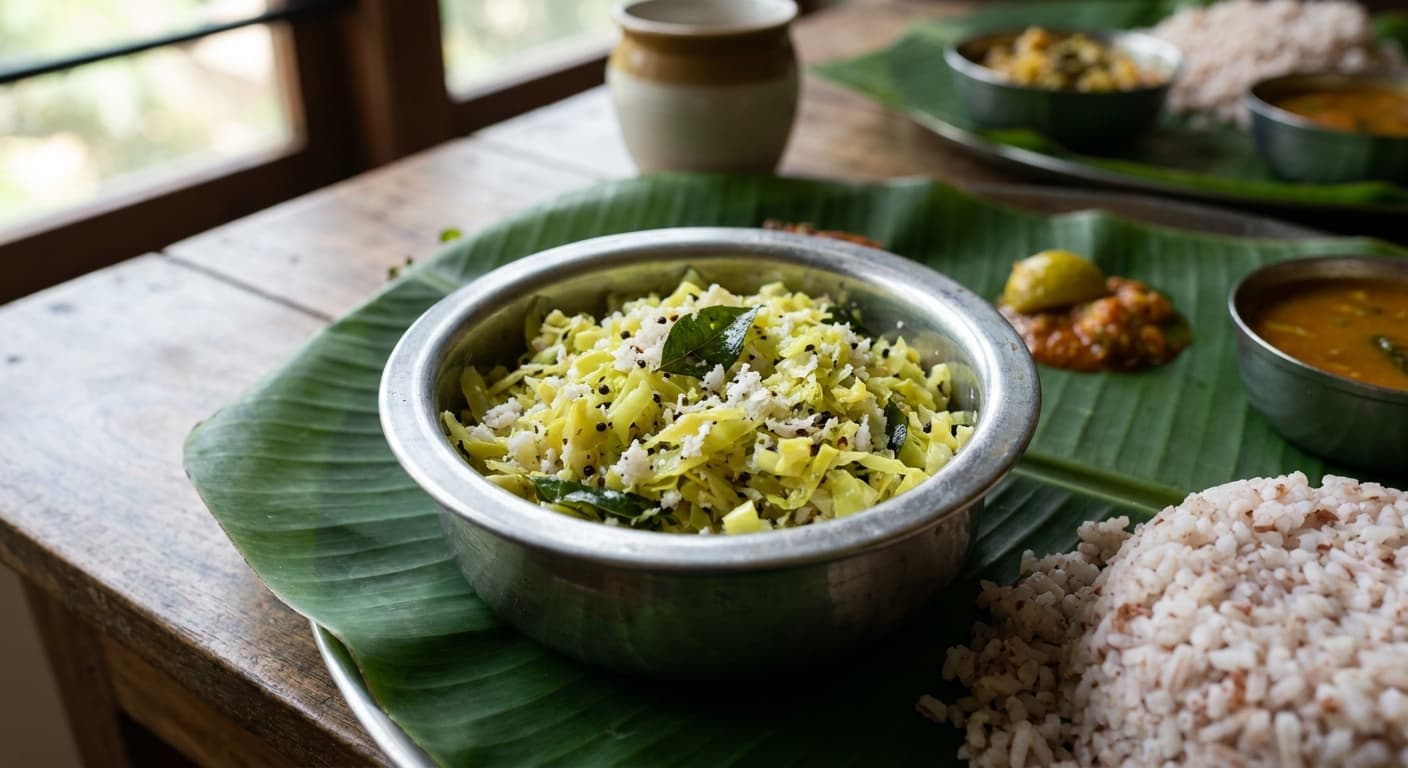
Thoran (തോരൻ) — Kerala Coconut Vegetable Stir-Fry
Indian · Side Dishes · 35 min
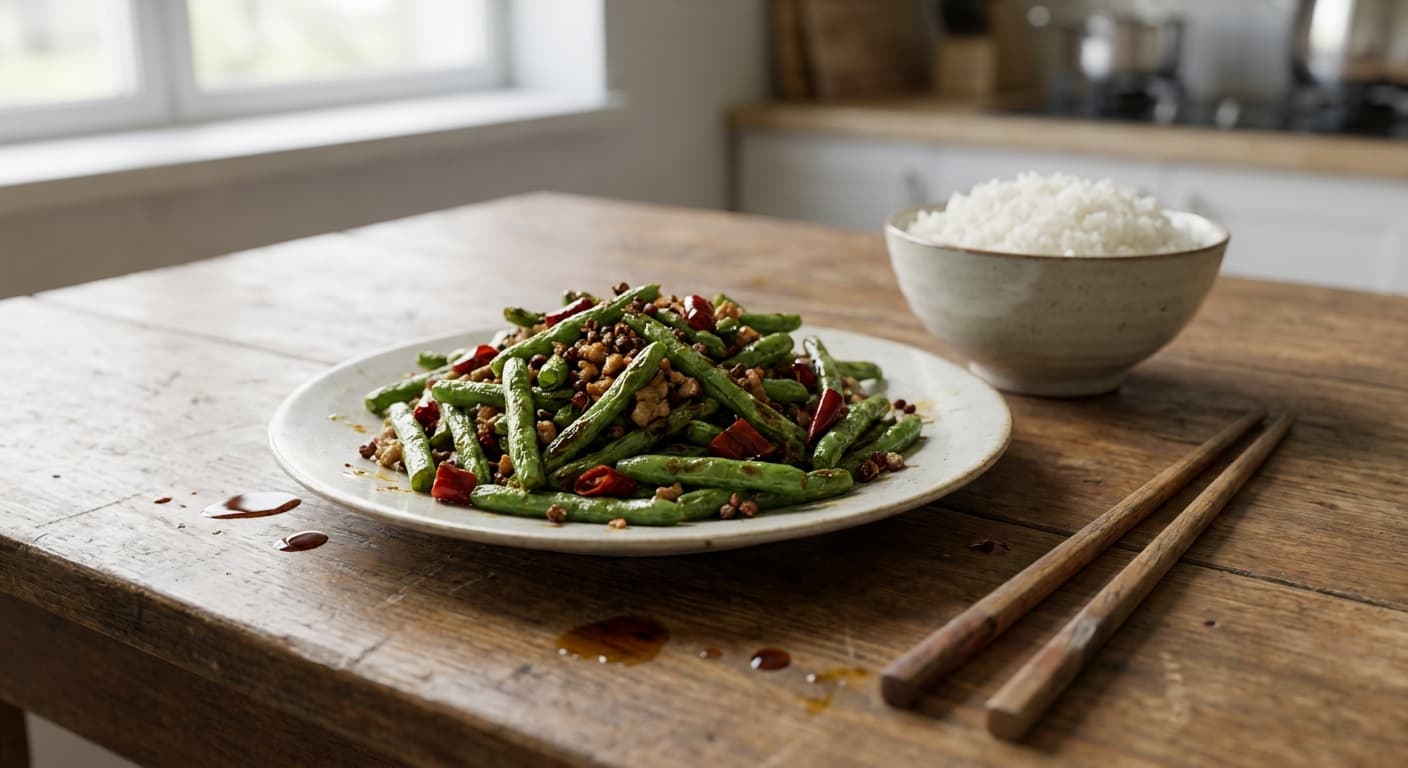
Dry-Fried Green Beans (干煸四季豆) — Sichuan Wok-Blistered Beans with Pork
Chinese · Side Dishes · 27 min
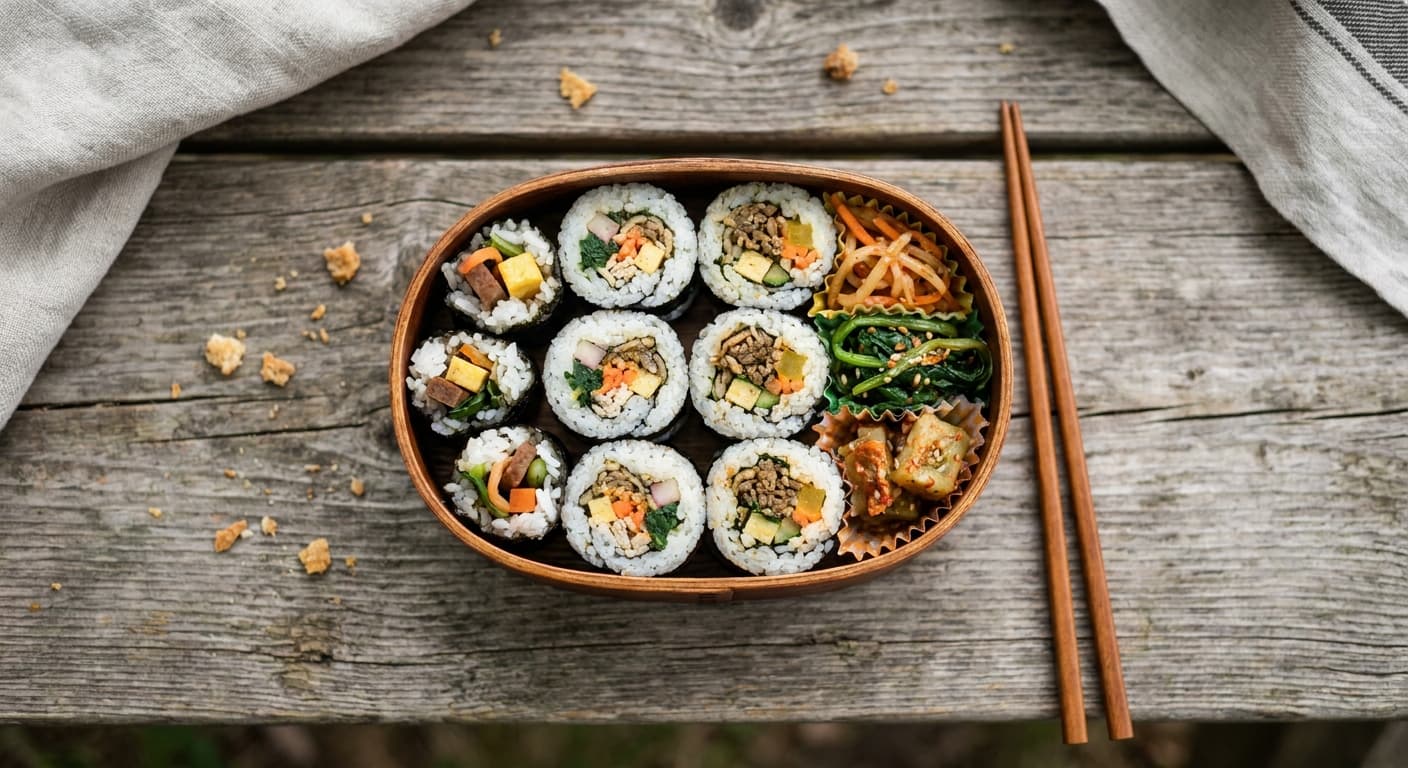
Kimbap (김밥) — Korean Seaweed Rice Rolls
Korean · Main Courses · 70 min
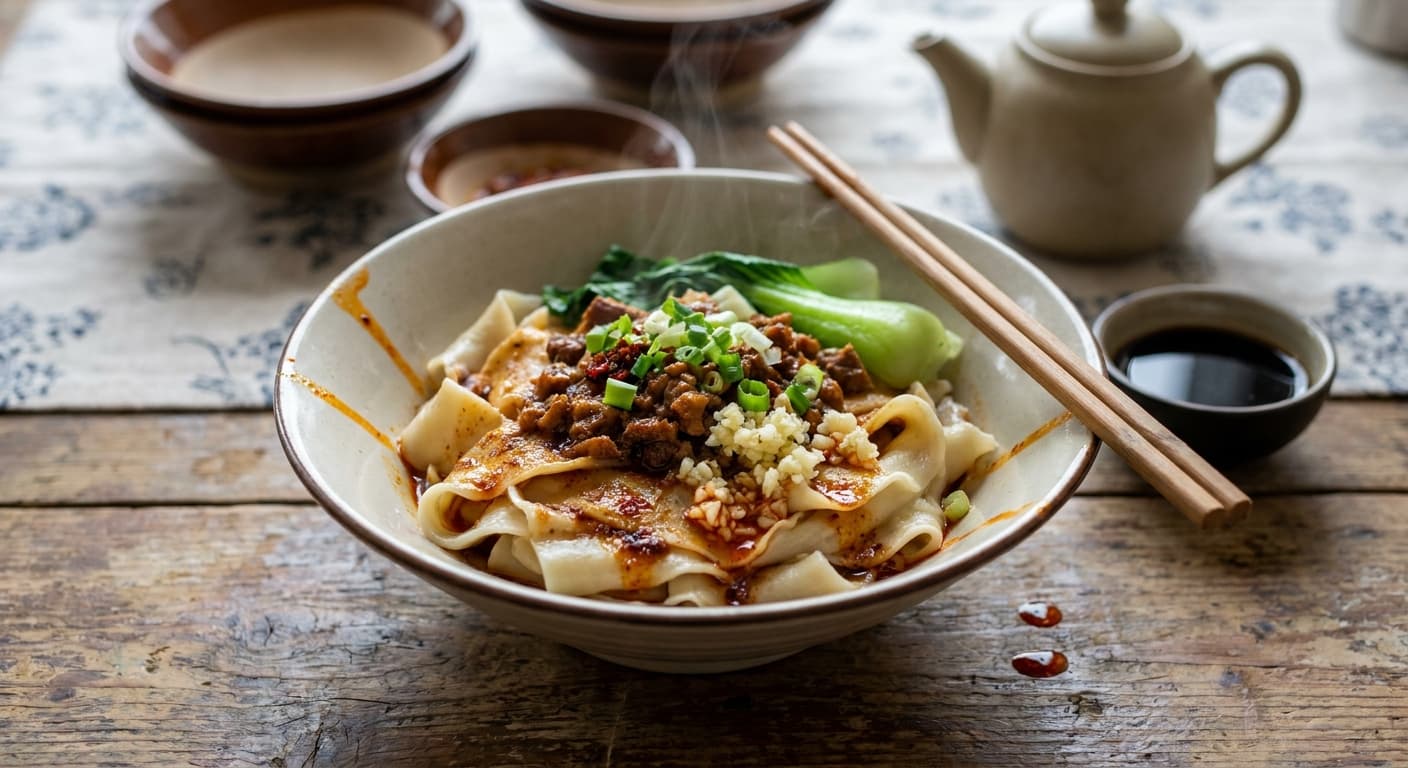
Biangbiang Noodles (油泼扯面) — Xi'an Hand-Pulled Belt Noodles
Chinese · Main Courses · 65 min
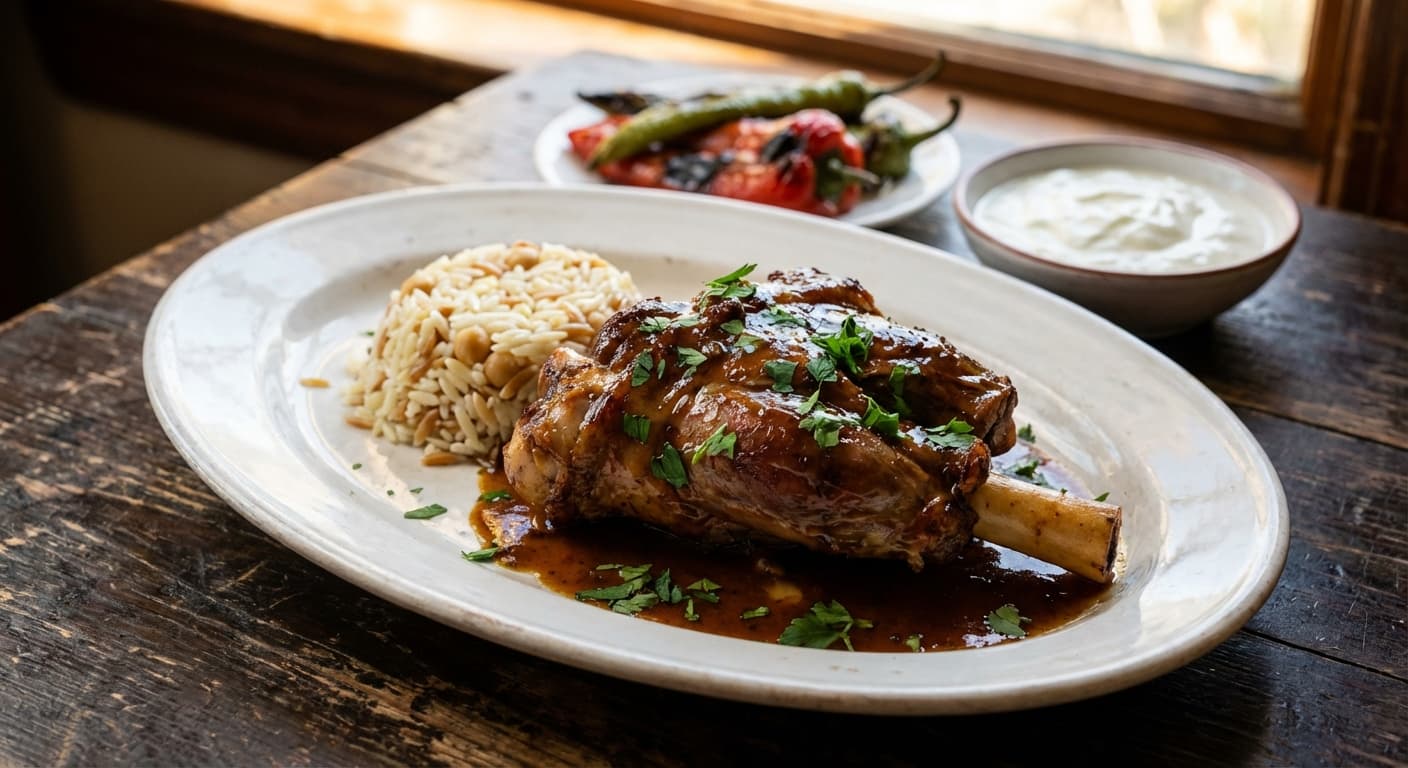
Kuzu Tandır (Kuzu Tandır) — Turkish Slow-Roasted Lamb Shank
Turkish · Main Courses · 230 min
Reviews
Cooked this recipe?
Tap the stars to rate it — that's all it takes. A few words are welcome but optional.
No ratings yet. Cooked this one? Be the first to rate it — it takes one tap.