Ohitashi (お浸し) — Japanese Blanched Spinach with Bonito Dashi and Soy
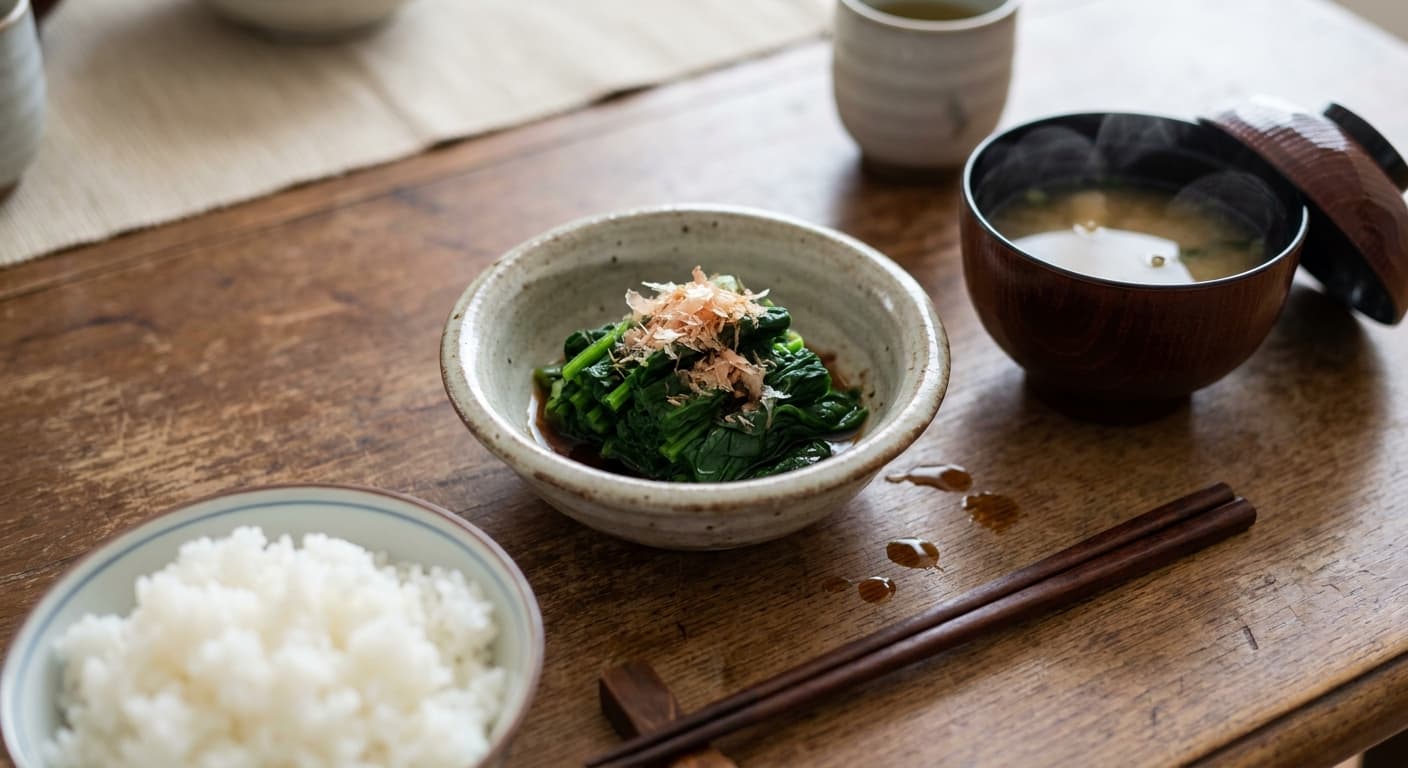
Ohitashi is a classic Japanese side dish in which greens are briefly blanched, chilled, gently pressed, and steeped in seasoned bonito dashi. This version uses spinach, soy sauce, and mirin for a clean, savory washoku flavor.
Printable Recipe Card
Servings: 4 · Total: 20 min · Difficulty: easy
Ingredients (quick list)
- 400 g fresh spinach (prefer mature bunch spinach with stems attached)
- 2 l water
- 10 g fine sea salt
- 300 g ice
- 1 l cold water
- 240 ml bonito dashi (prepared from katsuobushi and water)
- 30 ml usukuchi soy sauce
- 15 ml mirin
- 5 g katsuobushi flakes (bonito flakes)
Steps (summary)
- Trim only the dry ends from the spinach, keeping the stems connected where possible so the leaves are easier to handle. Rinse t…
- Combine the bonito dashi, usukuchi soy sauce, and mirin in a small saucepan. Bring the mixture just to a simmer for 30 seconds…
- Bring 2 l water to a rolling boil in a wide pot and stir in 10 g fine sea salt. Prepare the ice bath beside the stove by combin…
- Hold the spinach by the leafy ends and lower the stems into the boiling water first for 20 seconds. Submerge the leaves as well…
- Lift the spinach from the pot and immediately transfer it to the ice bath. Chill for 1 minute, then drain and align the stems i…
- Gently squeeze the spinach between your palms to remove excess water without crushing the leaves. Cut the bundle into 4 cm leng…
+ 2 more steps in the full instructions section below.
Cultural Background
Ohitashi belongs to everyday washoku and the ichiju-sansai style of balancing rice, soup, and small dishes. The technique highlights seasonality and restraint, using dashi to season vegetables without heaviness.
Equipment
💡 Tips
- Blanch stems before leaves because spinach stems need about 20 seconds longer to soften properly.
- Do not soak the spinach for more than 2 hours, or the greens can become overly salty and lose their fresh color.
- Use chilled or room-temperature seasoned dashi before soaking; hot broth will continue cooking the spinach and dull its texture.
⚠️ Common Mistakes
❌ Skipping the squeeze after chilling
✅ Fix: Press the spinach gently but firmly so excess water does not dilute the dashi seasoning.
❌ Boiling the leaves too long
✅ Fix: Blanch the leaves for only 25 to 35 seconds after the stems have had their head start.
❌ Using generic dashi with unclear ingredients
✅ Fix: Use bonito dashi specifically for this recipe so the fish-based flavor and dietary status are clear.
🧊 How to Store
Store ohitashi in its seasoned broth in an airtight container for up to 2 days in the refrigerator. Serve chilled or let stand 15 minutes at room temperature; reheating is not recommended because the spinach softens and darkens.
📅 Make Ahead
Prepare the seasoned bonito dashi up to 2 days ahead and refrigerate it. Blanch and soak the spinach up to 6 hours before serving for the best color, texture, and flavor.
🍽️ Pairs Well With
- Steamed Japanese rice
- miso soup
- grilled salmon
- tamagoyaki
- pickled cucumber.
Regional Variations
- Spinach ohitashi is common in home cooking, while komatsuna or nanohana may be used when those greens are in season.
- Some Kansai-style versions favor lighter-colored usukuchi soy sauce to keep the broth pale and the greens bright.
- A small amount of toasted sesame or grated ginger may be added in home versions, though bonito flakes remain a classic garnish.
Ingredients
- 400 gfresh spinach (prefer mature bunch spinach with stems attached)
- 2 lwater
- 10 gfine sea salt
- 300 gice
- 1 lcold water
- 240 mlbonito dashi (prepared from katsuobushi and water)
- 30 mlusukuchi soy sauce
- 15 mlmirin
- 5 gkatsuobushi flakes (bonito flakes)
🔄 Substitutions
- usukuchi soy sauce→ koikuchi soy sauce
- fresh spinach→ komatsuna
- bonito dashi→ awase dashi
Instructions
- 1
Trim only the dry ends from the spinach, keeping the stems connected where possible so the leaves are easier to handle. Rinse the spinach in several changes of cold water until no grit remains, especially around the crown and lower stems.
- 2
Combine the bonito dashi, usukuchi soy sauce, and mirin in a small saucepan. Bring the mixture just to a simmer for 30 seconds to round off the mirin, then remove it from the heat and let it cool to room temperature.
- 3
Bring 2 l water to a rolling boil in a wide pot and stir in 10 g fine sea salt. Prepare the ice bath beside the stove by combining 300 g ice with 1 l cold water in a large bowl.
- 4
Hold the spinach by the leafy ends and lower the stems into the boiling water first for 20 seconds. Submerge the leaves as well and blanch for another 25 to 35 seconds, just until the stems are tender and the leaves turn vivid green.
- 5
Lift the spinach from the pot and immediately transfer it to the ice bath. Chill for 1 minute, then drain and align the stems in one direction so the finished pieces cut neatly.
- 6
Gently squeeze the spinach between your palms to remove excess water without crushing the leaves. Cut the bundle into 4 cm lengths, then squeeze once more lightly so the seasoned dashi can penetrate instead of being diluted.
- 7
Place the cut spinach in a shallow container and pour the cooled seasoned bonito dashi over it. Press the greens down so they are mostly submerged, cover, and refrigerate for 20 to 60 minutes for the traditional soaked flavor.
- 8
To serve, lift the spinach from the soaking broth and arrange it in small mounds in individual bowls. Spoon 10 ml of the seasoned broth over each serving and finish with 1.25 g katsuobushi flakes per bowl.
🪪 Recipe Passport
Cultural Background
Ohitashi belongs to everyday washoku and the ichiju-sansai style of balancing rice, soup, and small dishes. The technique highlights seasonality and restraint, using dashi to season vegetables without heaviness.
Regional Variations
Researched from multiple sources and validated by the Zaffaron editorial team. Every recipe is tested for accuracy, measurements, and cultural authenticity.
📚 Sources & Cultural References
- Tsuji Shizuo — Japanese Cooking: A Simple Art — (1980)
- Elizabeth Andoh — Washoku: Recipes from the Japanese Home Kitchen — (2005)
Sources cited by the Zaffaron editorial team during recipe research. Cultural and culinary references supporting authenticity claims.
Nutrition per serving
Pairs well with
If you enjoyed this recipe, here are a few related Zaffaron recipes to try next.
Does your family make this differently?
Every family has their own version. Maybe your grandmother adds a secret ingredient, or your aunt has a completely different technique. Preserve your family's version — with their name on it, forever.
You Might Also Like
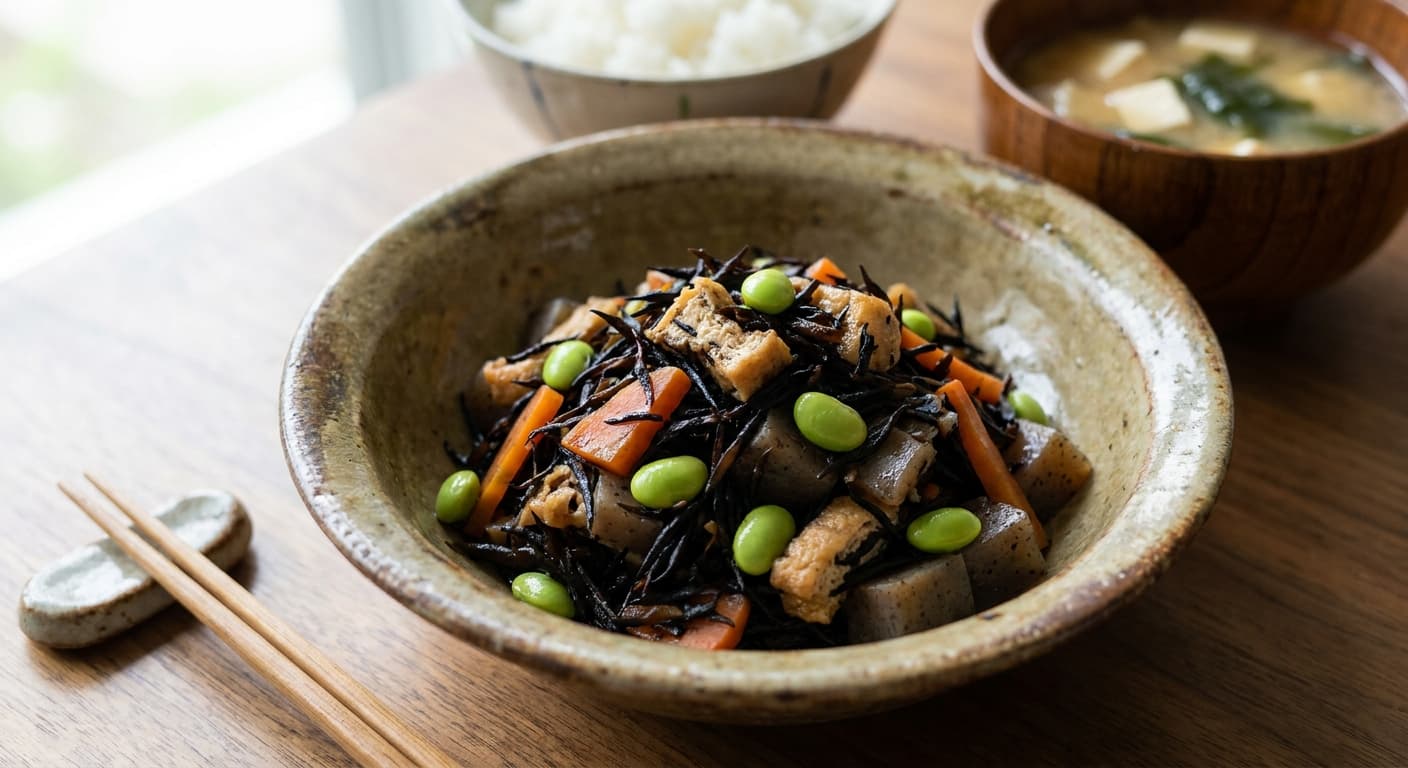
Hijiki no Nimono (ひじきの煮物) — Savory Simmered Hijiki Seaweed
Japanese · Side Dishes · 43 min
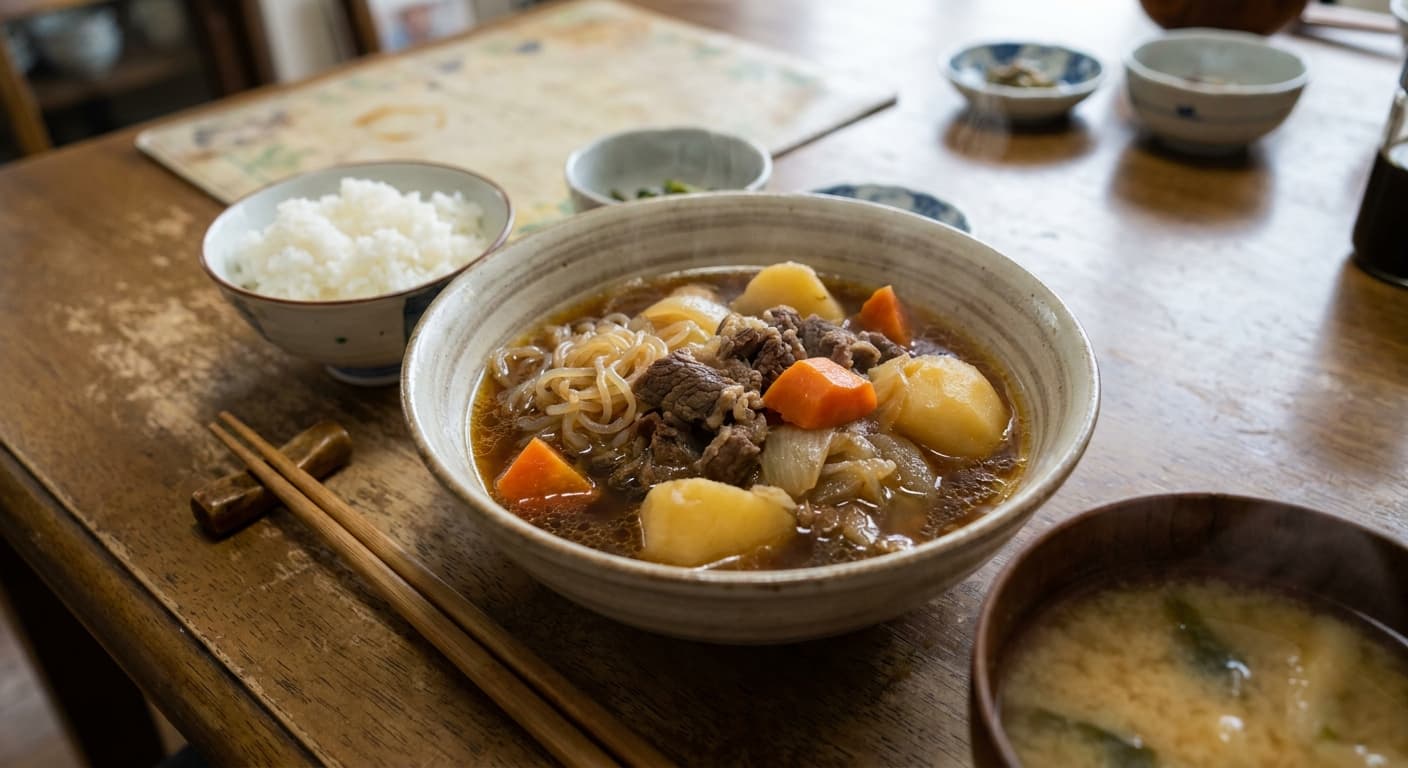
Nikujaga (肉じゃが) — Japanese Beef and Potato Stew
Japanese · Stews · 55 min
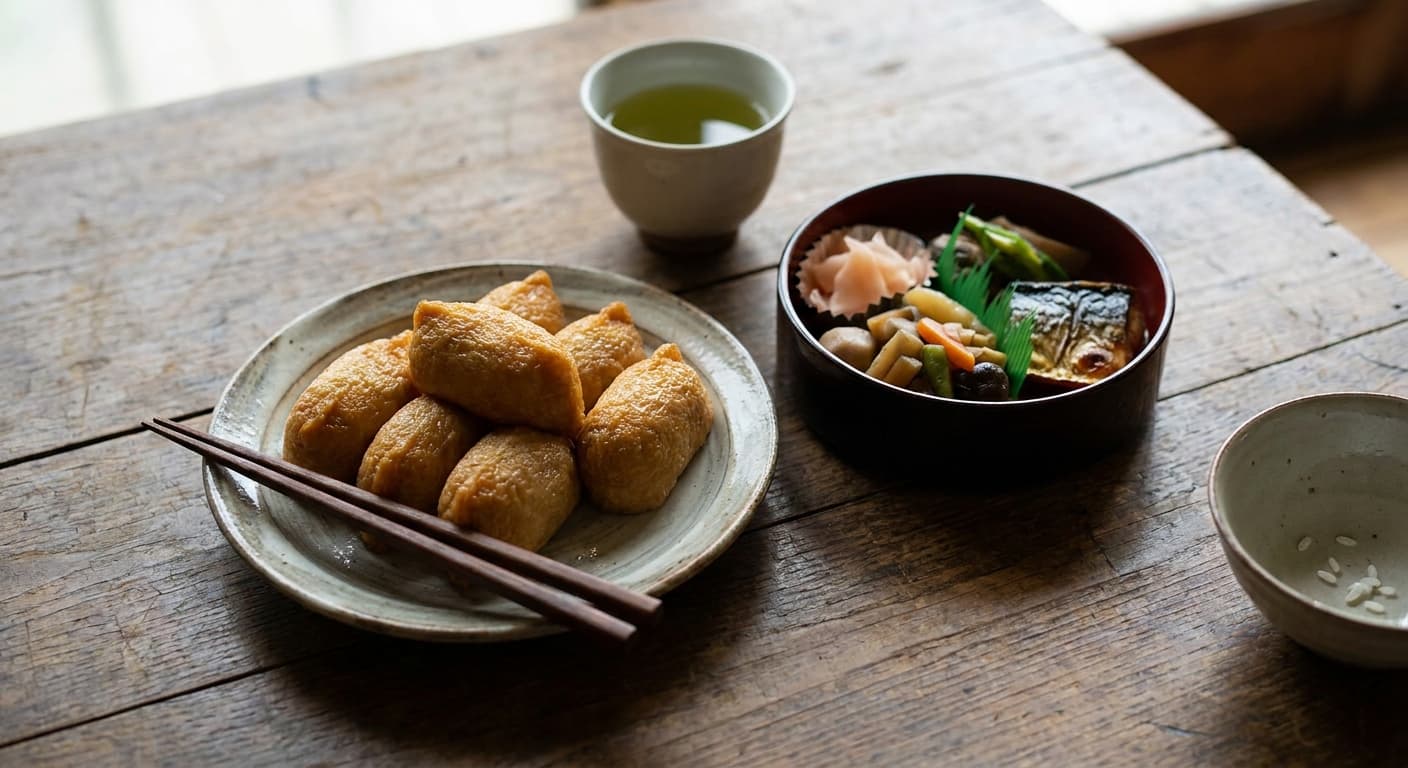
Inarizushi (稲荷寿司) — Sweet Tofu-Pocket Sushi
Japanese · Rice Dishes · 80 min
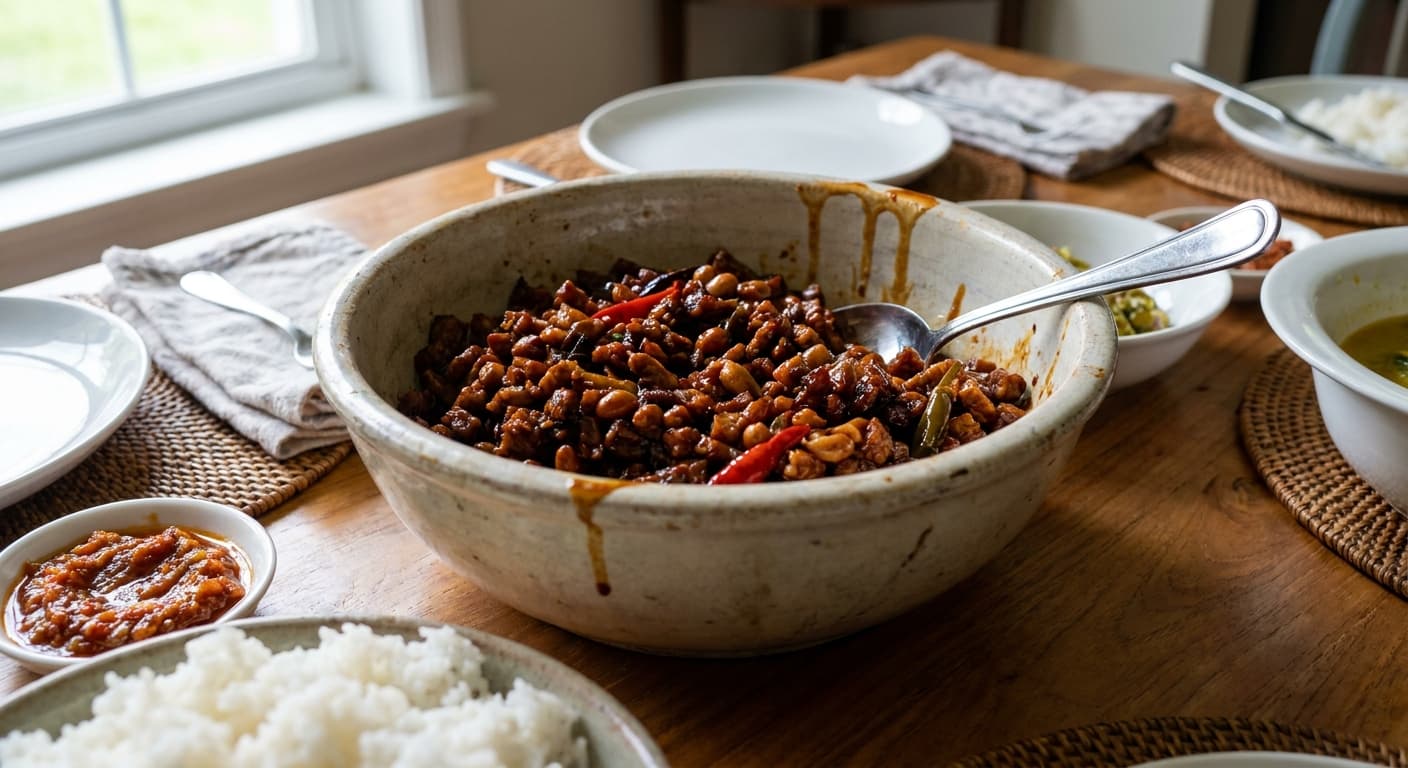
Sweet-Spiced Tempeh Stir-Fry (Tempe Orek) — Crisp Indonesian Soy-Glazed Tempeh
Indonesian · Side Dishes · 45 min
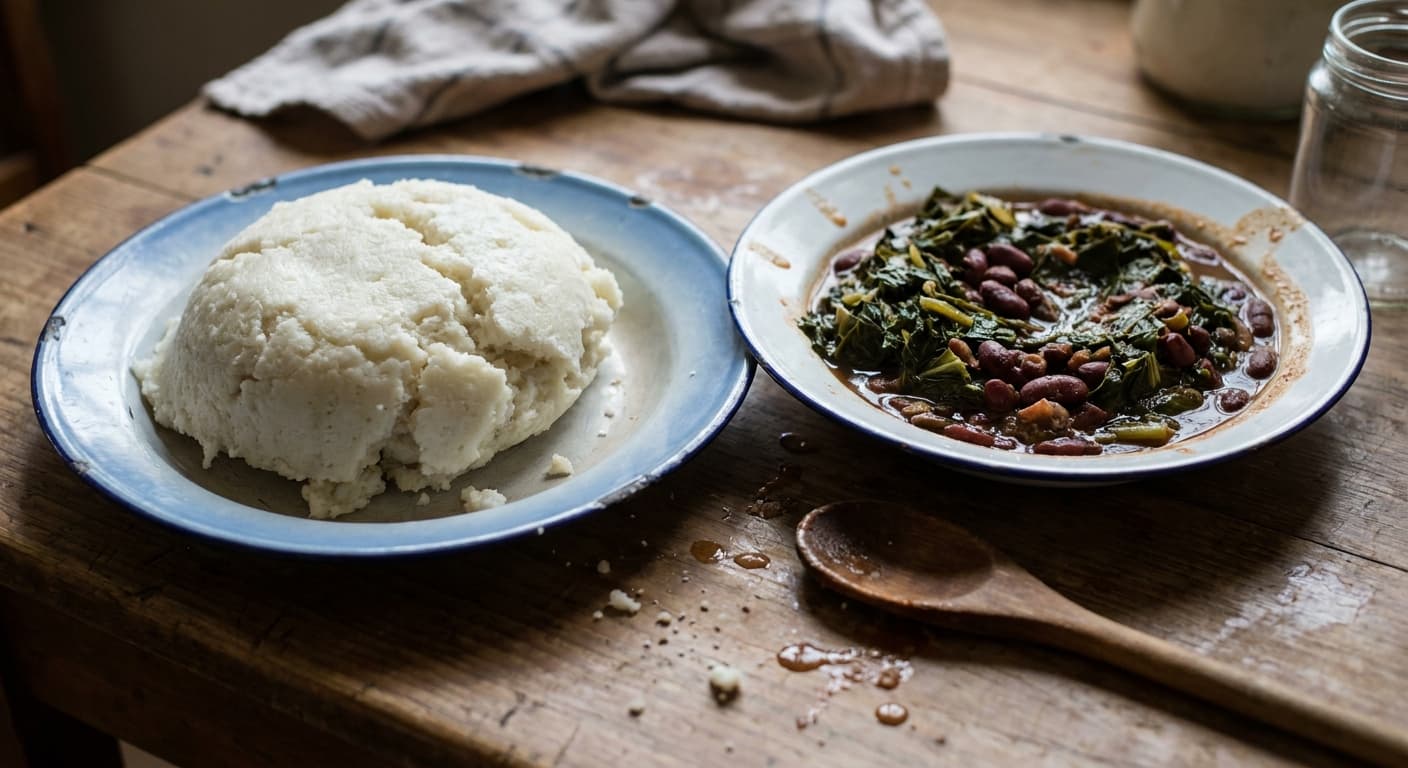
Tanzanian Ugali (Ugali) — Firm Cornmeal Porridge
Tanzanian · Side Dishes · 23 min
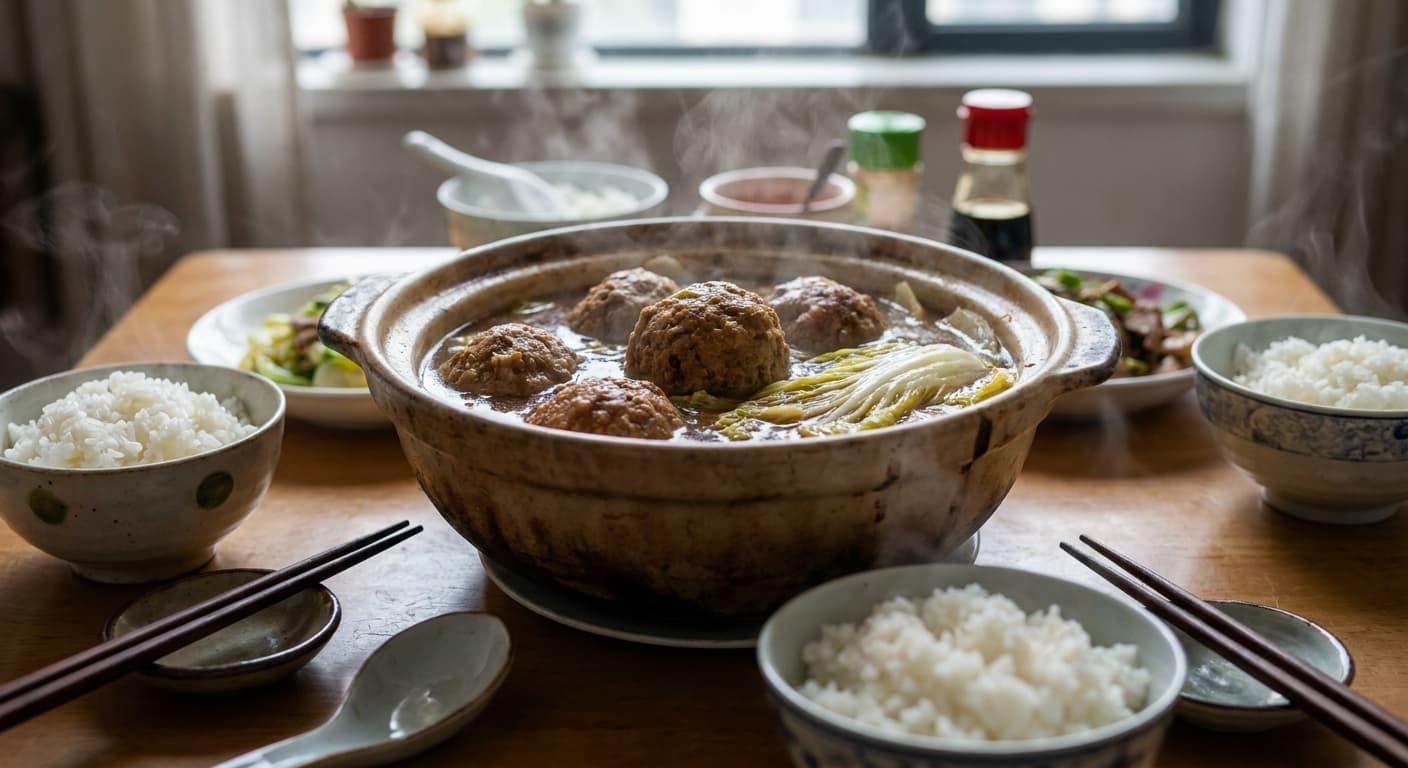
Lion's Head Meatballs (狮子头) — Braised Huaiyang Pork Meatballs
Chinese · Main Courses · 110 min
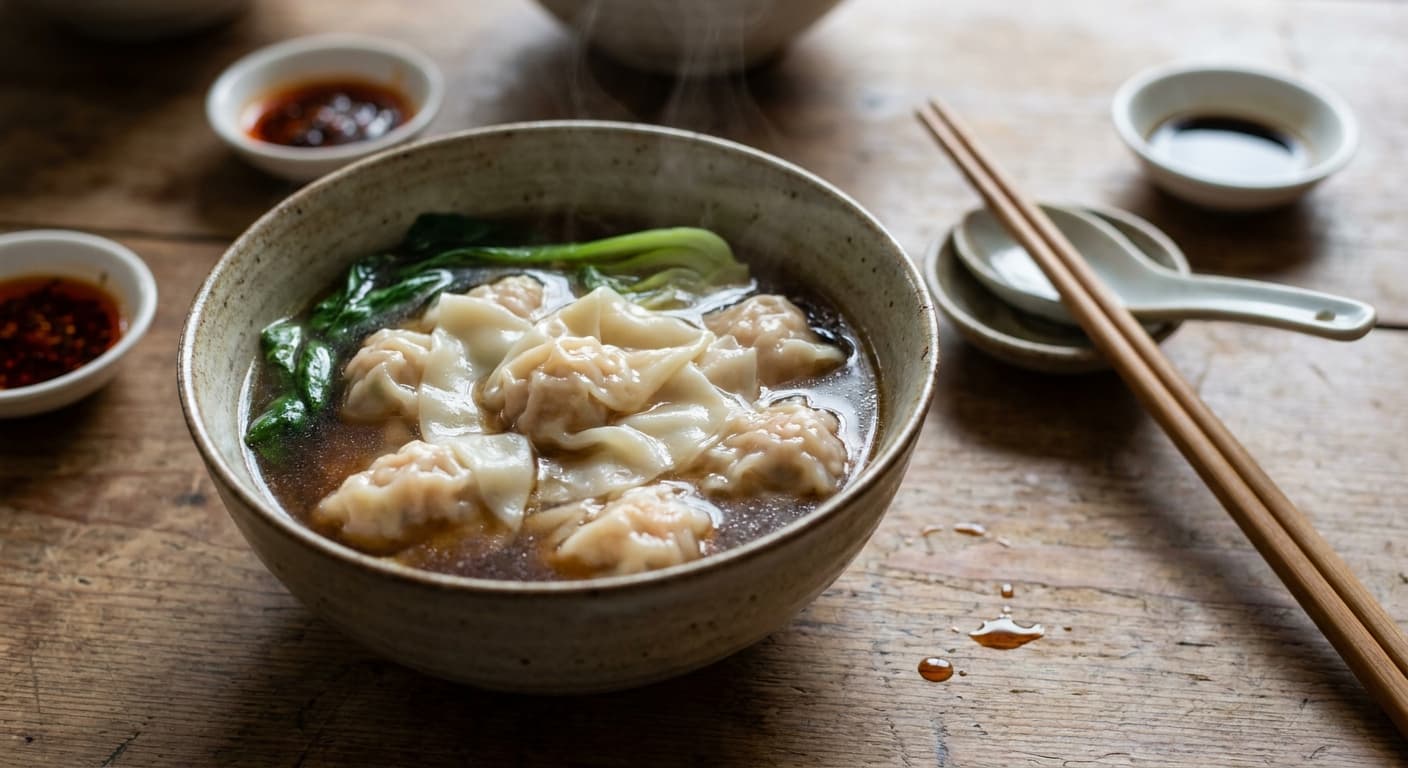
Wonton Soup (雲吞湯) — Cantonese Pork and Shrimp Dumpling Broth
Chinese · Soups · 70 min

Khuushuur (Хуушуур) — Crisp Mongolian Fried Meat Pockets
Mongolian · Main Courses · 70 min
Reviews
Cooked this recipe?
Tap the stars to rate it — that's all it takes. A few words are welcome but optional.
No ratings yet. Cooked this one? Be the first to rate it — it takes one tap.