Sri Lankan Coconut Milk Gravy (කිරි හොදි) — Kiri Hodi
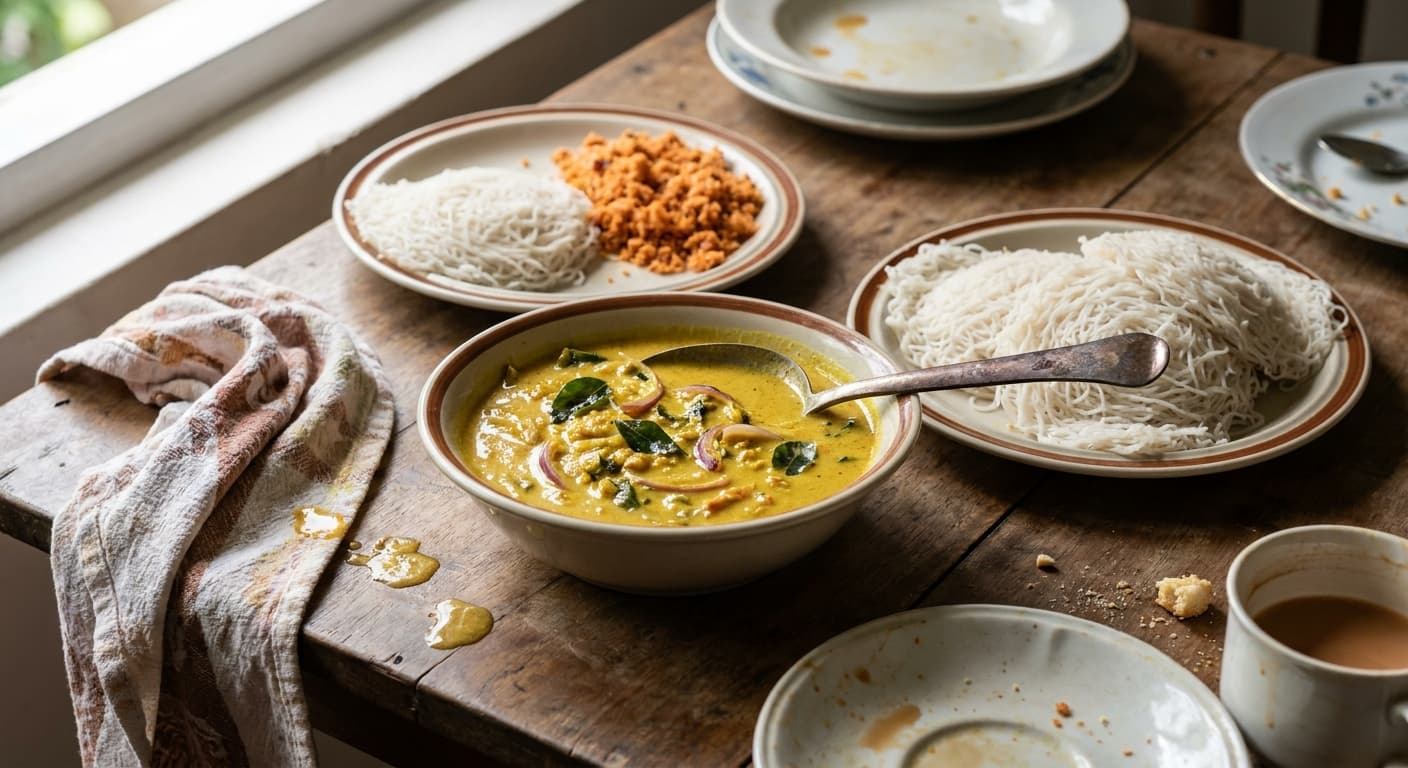
Kiri hodi is Sri Lanka's gently spiced coconut milk gravy, fragrant with curry leaves, rampe and Ceylon cinnamon. Traditionally served with string hoppers and pol sambol, its golden broth is soothing, savory and lightly sharpened with lime.
Printable Recipe Card
Servings: 4 · Total: 28 min · Difficulty: easy
Ingredients (quick list)
- 1 can unsweetened full-fat coconut milk (400 ml; shake thoroughly before opening and divide into two 200 ml portions)
- 300 ml water
- 1 small onion (Approximately 80 g peeled; thinly sliced)
- 2 green chiles (Approximately 10 g total; slit lengthwise but leave the stems attached)
- 12 fresh curry leaves
- 0.25 rampe (pandan leaf) (Use a 10 cm section from a roughly 40 cm leaf; tie loosely into a knot)
- 0.5 stick Ceylon cinnamon (Approximately 4 cm long)
- 0.25 tsp fenugreek seeds
- 0.25 tsp ground turmeric
- 3 g fine sea salt
- 15 ml fresh lime juice
Steps (summary)
- Whisk 200 ml of the coconut milk with the 300 ml water in a medium saucepan to make a thin coconut milk base. Reserve the remai…
- Add the sliced onion, slit green chiles, curry leaves, rampe, Ceylon cinnamon, fenugreek seeds, turmeric and salt to the saucep…
- Heat over medium-low heat for approximately 4 minutes, stirring frequently, until the liquid begins to steam and small bubbles…
- Stir in the reserved 200 ml coconut milk and cook over low heat for 5 minutes, stirring frequently. Keep the gravy steaming wit…
- Remove the saucepan from the heat and let it stand for 2 minutes before stirring in the 15 ml lime juice. Remove the cinnamon a…
Cultural Background
Kiri hodi is an everyday Sri Lankan accompaniment, especially valued with string hoppers at breakfast or supper. Its coconut-and-aromatic foundation reflects the home-cooking tradition explored by S. H. Fernando Jr. in Rice & Curry: Sri Lankan Home Cooking.
Equipment
💡 Tips
- Use unsweetened coconut milk rather than a refrigerated coconut drinking beverage, which is too diluted for this gravy.
- Leave the slit green chiles largely intact for gentle heat; remove them before serving if diners prefer not to eat them.
- The finished consistency should be pourable and broth-like, not as thick as a reduced coconut curry.
⚠️ Common Mistakes
❌ Boiling hard after adding the finishing coconut milk.
✅ Fix: Keep the heat low and stir frequently to preserve the gravy's smooth consistency.
❌ Adding lime juice while the gravy is boiling.
✅ Fix: Remove the saucepan from the heat, wait 2 minutes and then stir in the measured lime juice.
❌ Reducing the gravy until it resembles a thick curry sauce.
✅ Fix: Use the specified gentle cooking times and leave the pan uncovered only during cooking; kiri hodi should remain fluid enough to soak into string hoppers.
🧊 How to Store
Refrigerate in a covered container within 2 hours and use within 2 days. Reheat gently, stirring, until the gravy reaches 74°C without prolonged boiling. Freezing is possible for 1 month, but the coconut milk may separate; thaw overnight in the refrigerator and whisk while reheating.
📅 Make Ahead
Slice the onion and prepare the aromatics up to 1 day ahead, then refrigerate in a sealed container. For the freshest texture, cook the gravy shortly before serving and add the lime juice only after removing it from the heat.
🍽️ Pairs Well With
- String hoppers
- pol sambol
- hoppers
- steamed rice
Regional Variations
- Sri Lankan household versions vary in their use of fenugreek and cinnamon; neither spice should dominate the coconut milk.
- Some household versions include Maldive fish for a deeper savory flavor; those versions are not vegetarian.
- Freshly extracted coconut milk versions traditionally distinguish between thin milk for cooking the aromatics and thick milk for finishing.
Ingredients
- 1 canunsweetened full-fat coconut milk (400 ml; shake thoroughly before opening and divide into two 200 ml portions)
- 300 mlwater
- 1small onion (Approximately 80 g peeled; thinly sliced)
- 2green chiles (Approximately 10 g total; slit lengthwise but leave the stems attached)
- 12fresh curry leaves
- 0.25rampe (pandan leaf) (Use a 10 cm section from a roughly 40 cm leaf; tie loosely into a knot)
- 0.5 stickCeylon cinnamon (Approximately 4 cm long)
- 0.25 tspfenugreek seeds
- 0.25 tspground turmeric
- 3 gfine sea salt
- 15 mlfresh lime juice
🔄 Substitutions
- canned coconut milk and water→ 500 ml freshly extracted thin coconut milk and 200 ml freshly extracted thick coconut milk
- small onion→ 80 g peeled shallots
- fresh curry leaves→ 12 frozen curry leaves
Instructions
- 1
Whisk 200 ml of the coconut milk with the 300 ml water in a medium saucepan to make a thin coconut milk base. Reserve the remaining 200 ml coconut milk for finishing the gravy.
- 2
Add the sliced onion, slit green chiles, curry leaves, rampe, Ceylon cinnamon, fenugreek seeds, turmeric and salt to the saucepan. Stir thoroughly so the turmeric disperses through the liquid rather than remaining in clumps.
- 3
Heat over medium-low heat for approximately 4 minutes, stirring frequently, until the liquid begins to steam and small bubbles appear around the edge. Reduce the heat to low and simmer gently, uncovered, for 9 minutes, until the onion softens and the aromatics perfume the broth.
- 4
Stir in the reserved 200 ml coconut milk and cook over low heat for 5 minutes, stirring frequently. Keep the gravy steaming with only occasional small bubbles; do not let it boil vigorously or reduce into a thick sauce.
- 5
Remove the saucepan from the heat and let it stand for 2 minutes before stirring in the 15 ml lime juice. Remove the cinnamon and rampe, then serve the kiri hodi warm in a bowl for spooning over string hoppers.
🪪 Recipe Passport
Cultural Background
Kiri hodi is an everyday Sri Lankan accompaniment, especially valued with string hoppers at breakfast or supper. Its coconut-and-aromatic foundation reflects the home-cooking tradition explored by S. H. Fernando Jr. in Rice & Curry: Sri Lankan Home Cooking.
Regional Variations
Researched from multiple sources and validated by the Zaffaron editorial team. Every recipe is tested for accuracy, measurements, and cultural authenticity.
📚 Sources & Cultural References
- S. H. Fernando Jr. — Rice & Curry: Sri Lankan Home Cooking — (2011)
Sources cited by the Zaffaron editorial team during recipe research. Cultural and culinary references supporting authenticity claims.
Nutrition per serving
Pairs well with
If you enjoyed this recipe, here are a few related Zaffaron recipes to try next.
Does your family make this differently?
Every family has their own version. Maybe your grandmother adds a secret ingredient, or your aunt has a completely different technique. Preserve your family's version — with their name on it, forever.
You Might Also Like
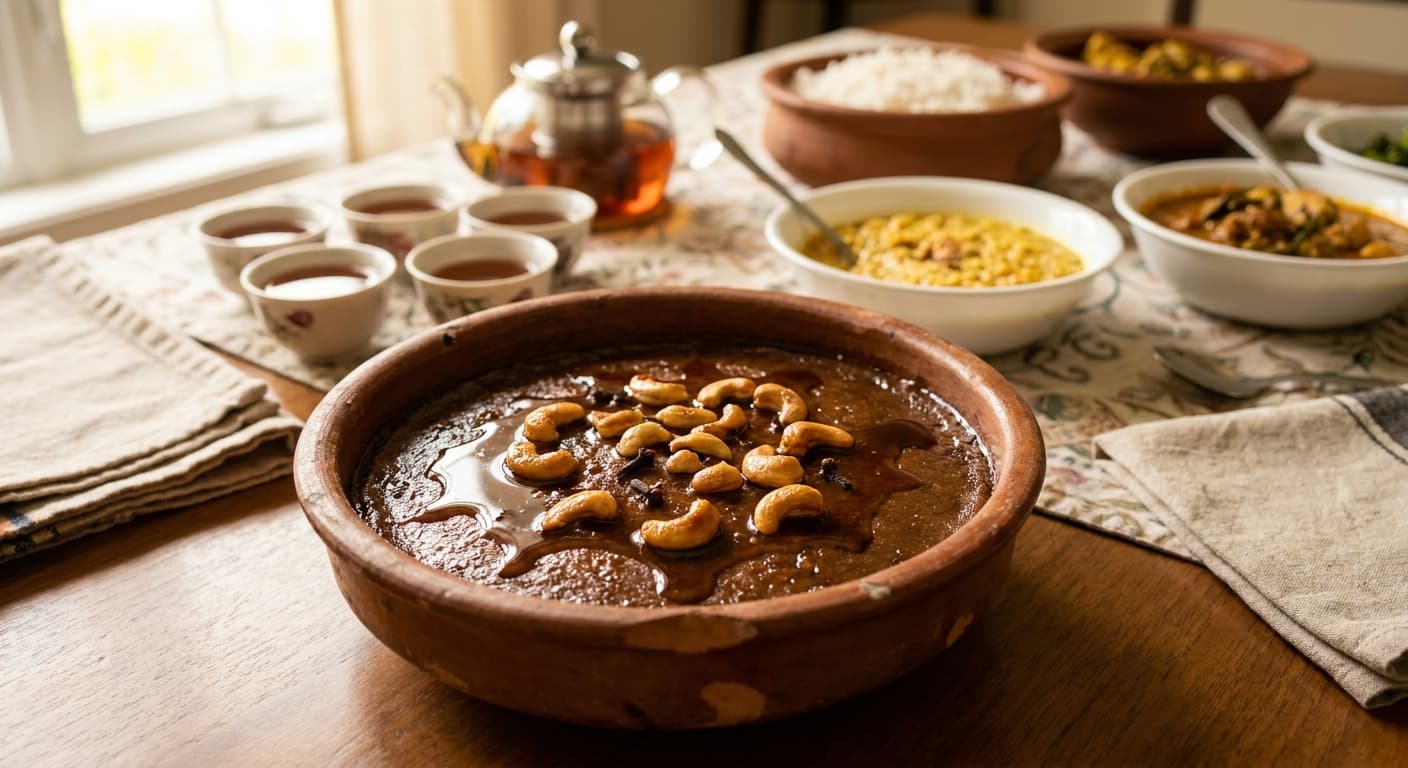
Watalappan (වටලප්පන්) — Sri Lankan Coconut Jaggery Custard
Sri lankan · Desserts · 70 min
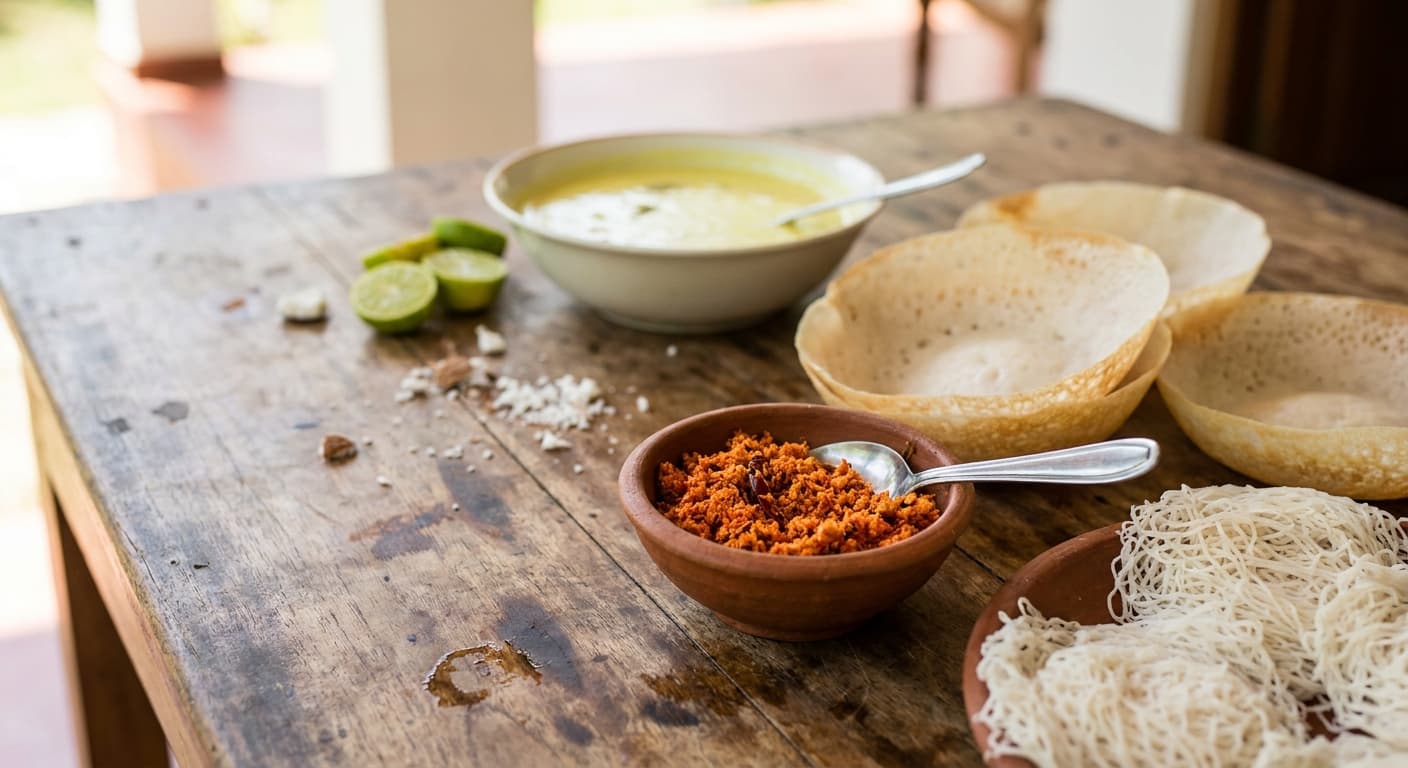
Pol Sambol (පොල් සම්බෝල) — Sri Lankan Coconut Chili Relish
Sri lankan · Side Dishes · 15 min
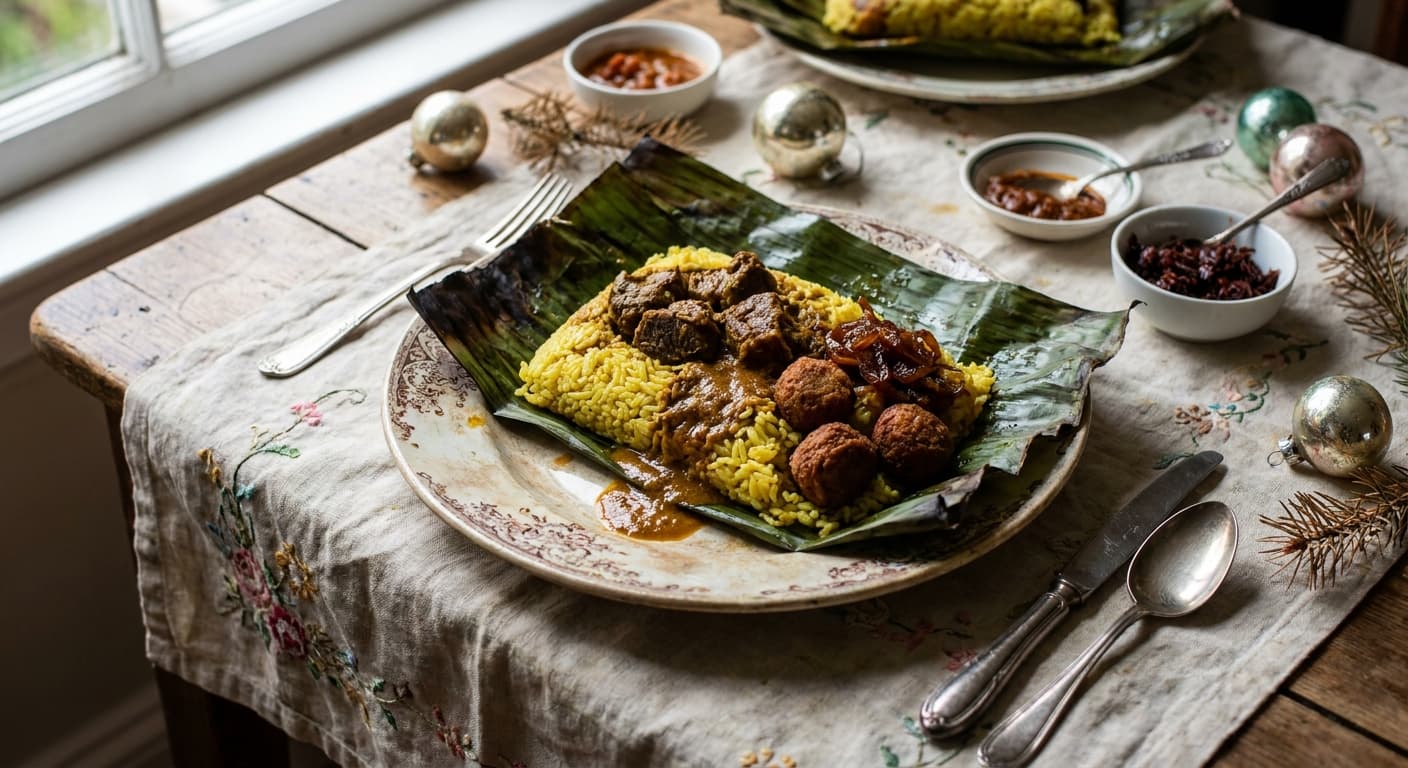
Lamprais (ලම්ප්රයිස්) — Banana-Leaf Burgher Rice Parcel
Sri lankan · Main Courses · 240 min
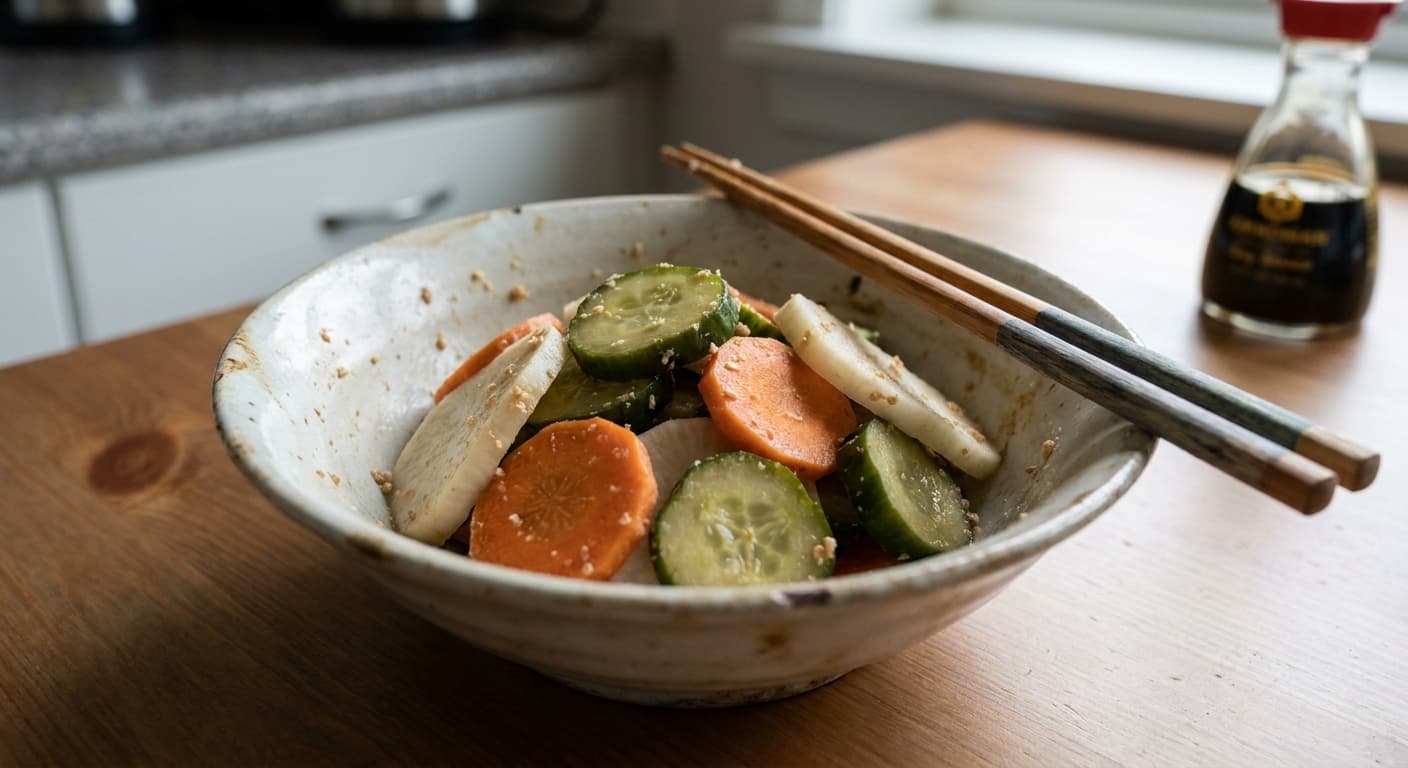
Nukazuke (糠漬け) — Japanese Rice Bran Pickles
Japanese · Side Dishes · 40 min
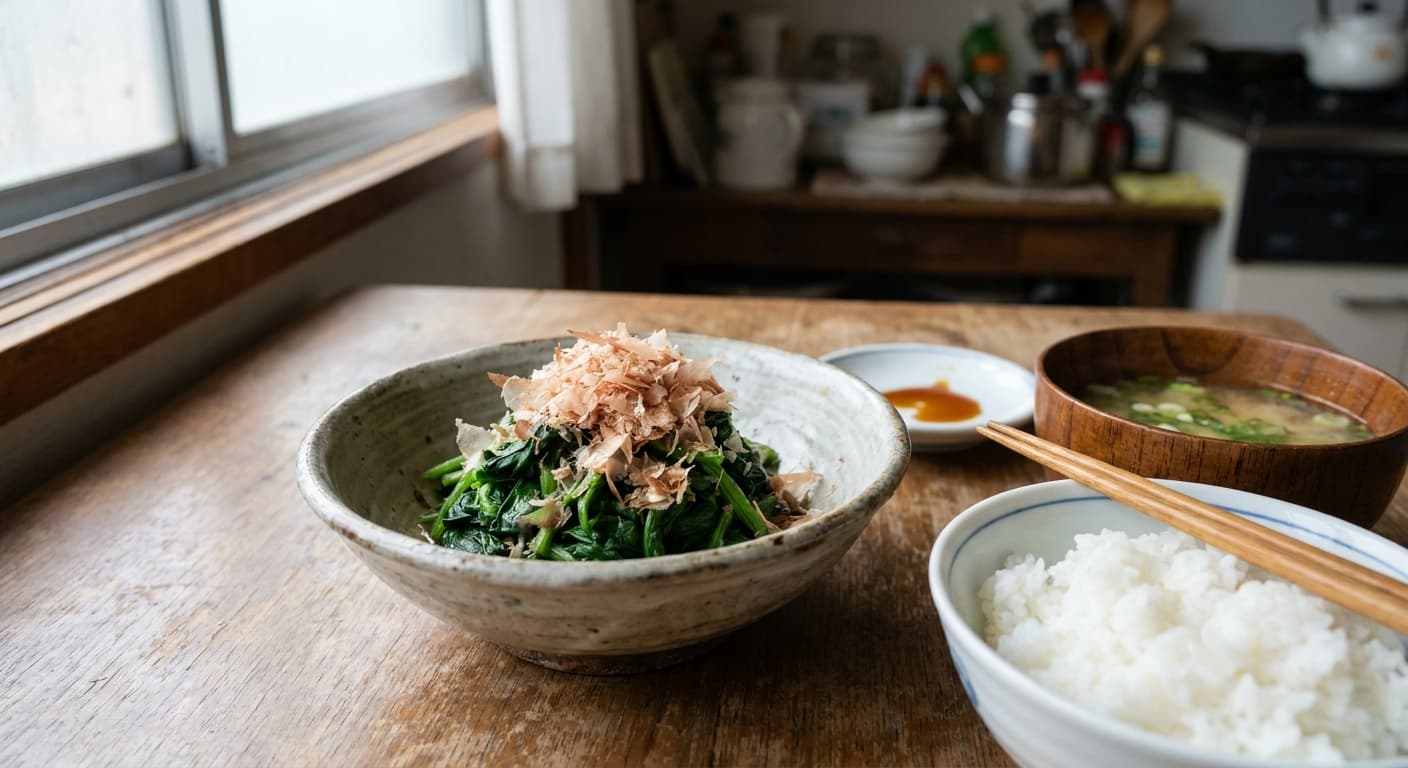
Ohitashi (お浸し) — Japanese Dashi-Soaked Greens
Japanese · Side Dishes · 20 min
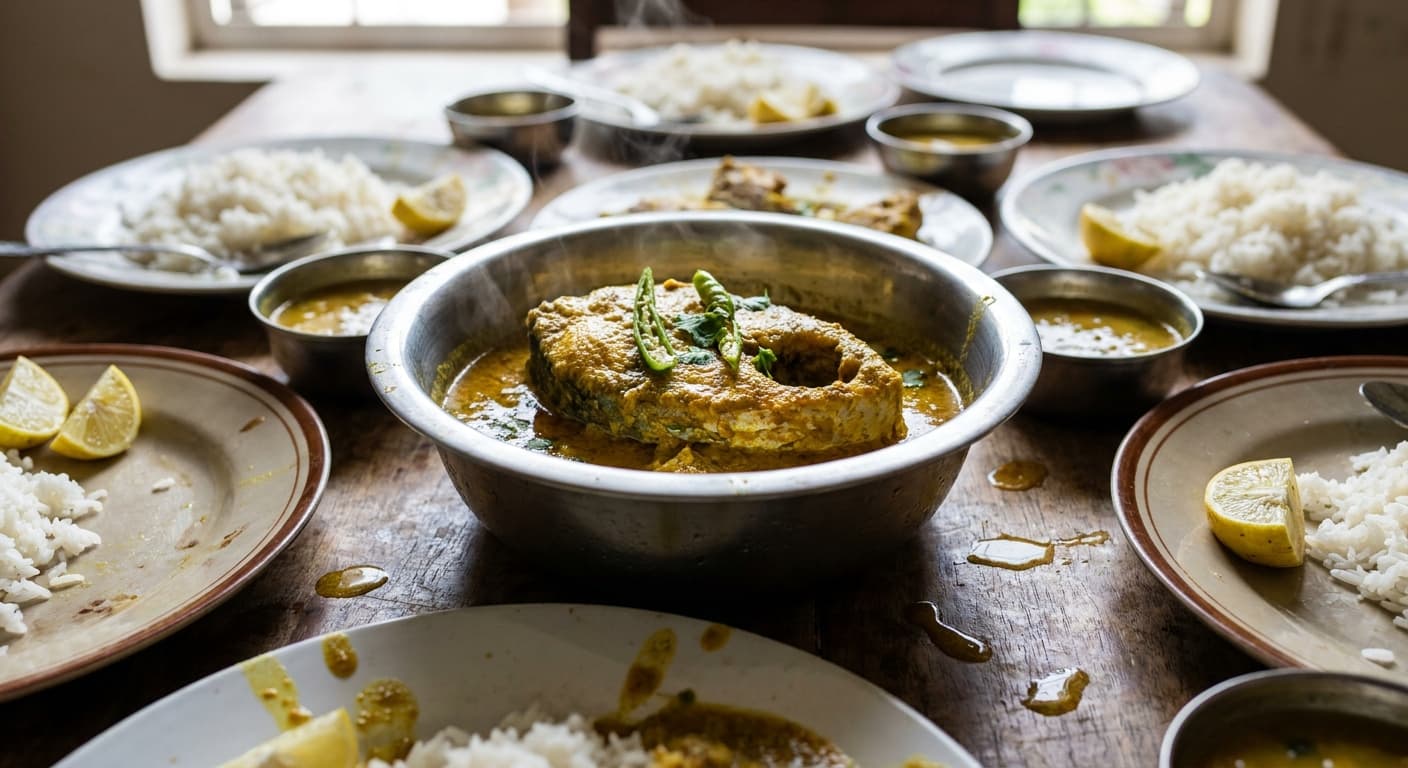
Bangladeshi Steamed Hilsa (ইলিশ ভাপা) — Mustard-Steamed River Fish
Bangladeshi · Main Courses · 45 min
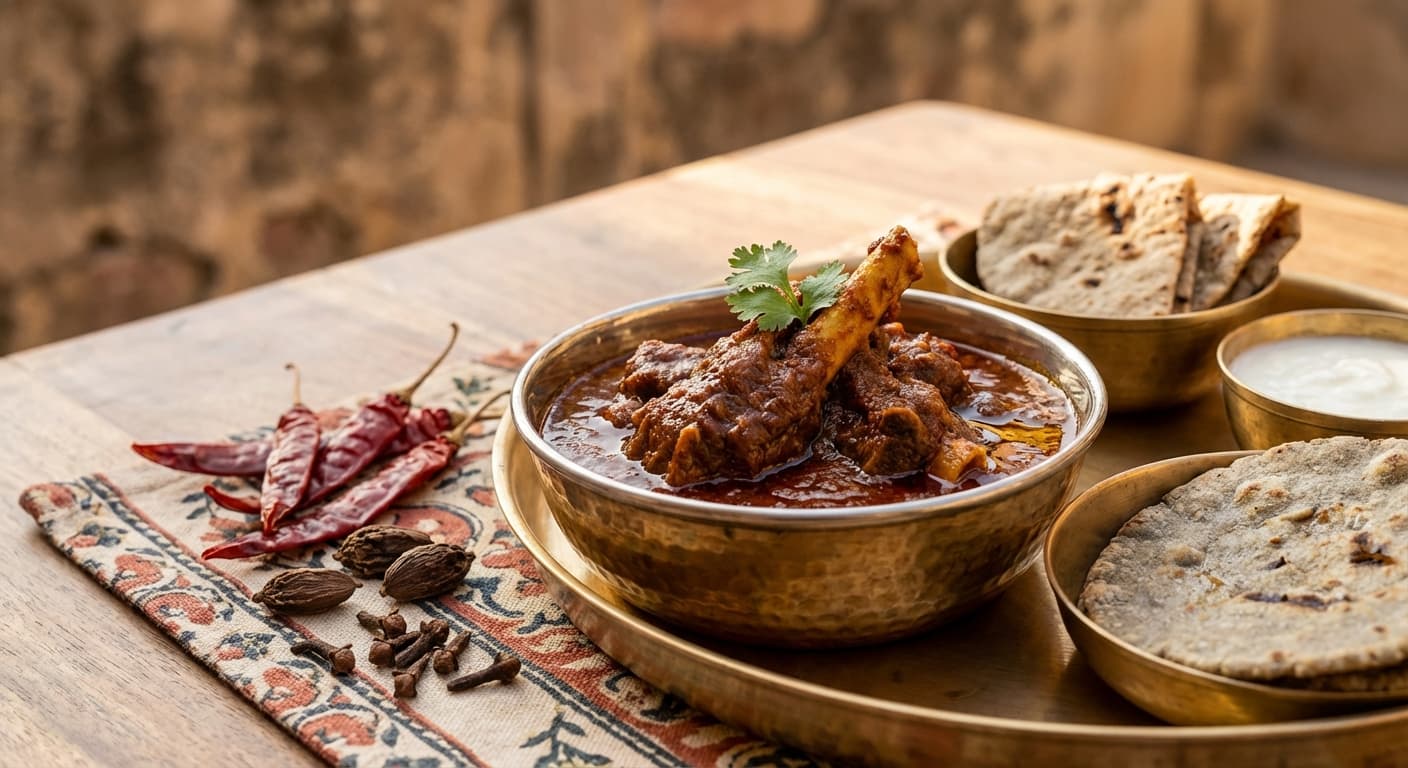
Laal Maas (लाल मांस) — Indian Fiery Rajasthani mutton curry with red chilies
Indian · Stews · 110 min
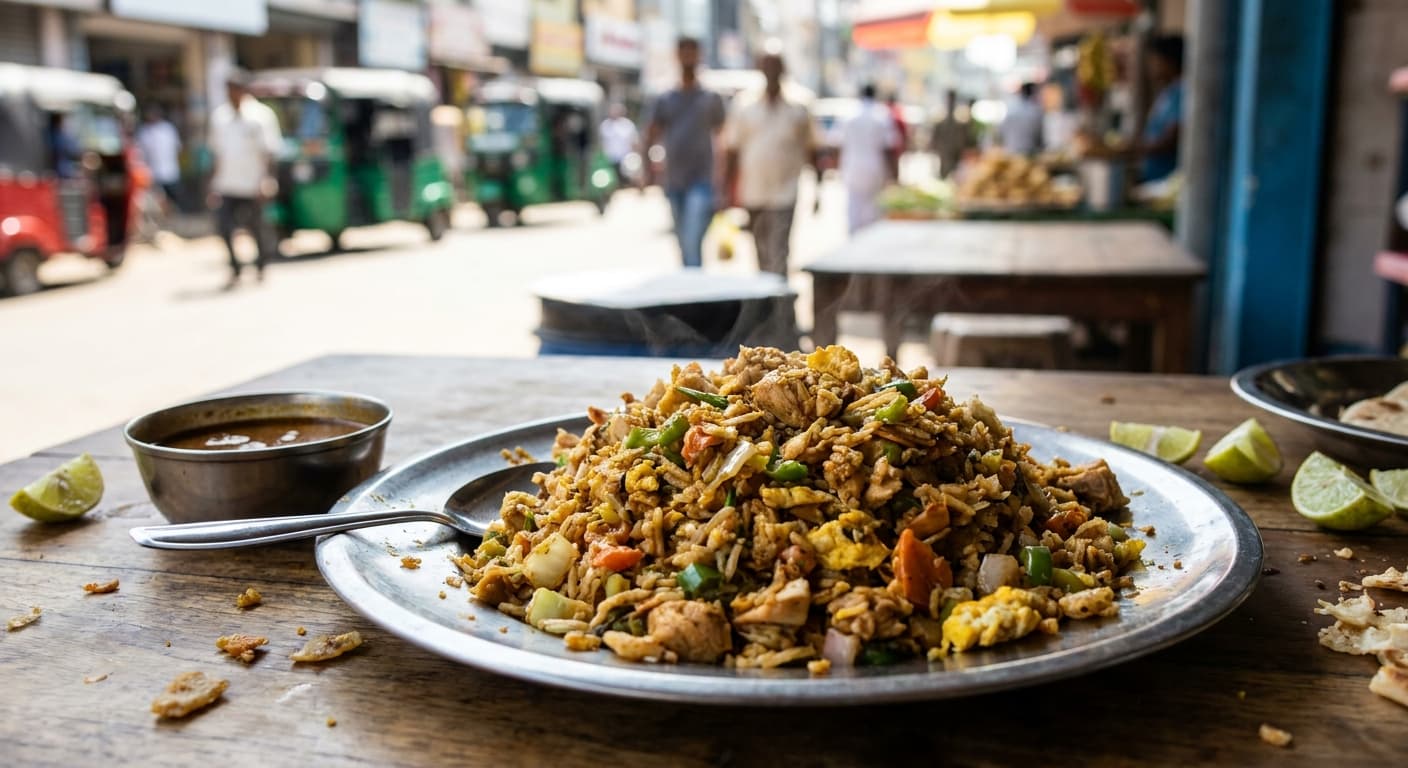
Sri Lankan Kottu Roti (කොත්තු රොටි) — Chopped Flatbread Stir-Fry with Chicken Curry Gravy
Sri lankan · Main Courses · 65 min
Reviews
Cooked this recipe?
Tap the stars to rate it — that's all it takes. A few words are welcome but optional.
No ratings yet. Cooked this one? Be the first to rate it — it takes one tap.