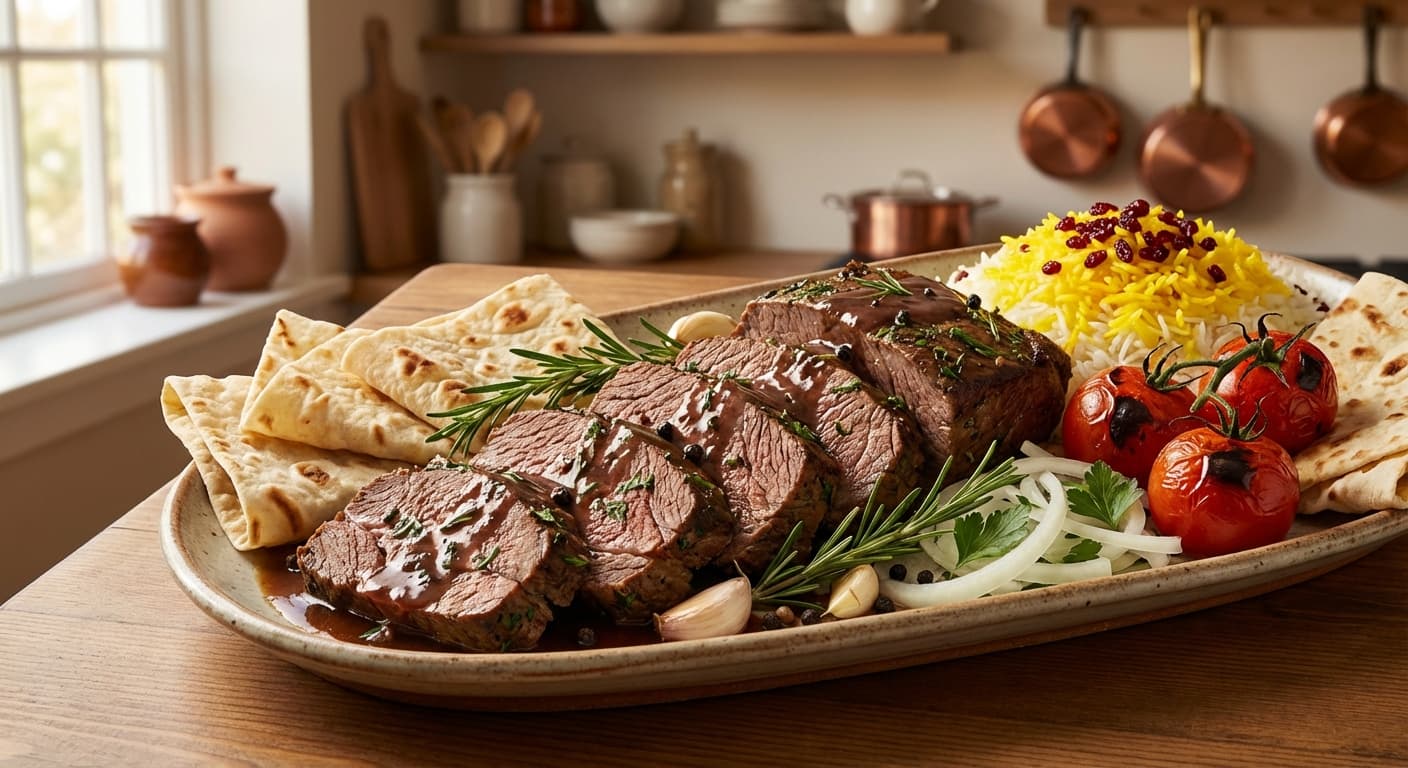
Kabab Goosht Gav (کباب گوشت گاو) — Persian Slow-Braised Rosemary Roast Beef
Persian-inspired slow-braised beef roast scented with fresh rosemary, garlic, and black pepper, finished with a dry red wine reduction. Tender slices and a rich broth make it a comforting, dinner-party-ready main.
Printable Recipe Card
Servings: 6 · Total: 235 min · Difficulty: medium
Ingredients (quick list)
- 1200 g Beef chuck roast (tied with kitchen twine if uneven; well-marbled for best braise)
- 12 g Sea salt (about 2 tsp; plus more to taste at the end)
- 2 g Black pepper (about 1 tsp, freshly ground)
- 30 mL Extra virgin olive oil (2 tbsp)
- 18 g Garlic cloves (about 6 cloves, smashed)
- 10 g Fresh rosemary (about 4 sprigs; leaves lightly bruised)
- 250 g Yellow onion (1 large onion, sliced 6 mm thick)
- 150 g Carrot (2 medium carrots, cut into 2 cm chunks)
- 120 g Celery (2 stalks, cut into 2 cm chunks)
- 240 mL Dry red wine (1 cup; such as Cabernet Sauvignon or Shiraz)
- 480 mL Beef stock (2 cups, low-sodium)
- 240 mL Water (1 cup, as needed to keep roast half-submerged)
Steps (summary)
- Heat the oven to 160°C / 325°F. Pat the beef completely dry with paper towels so it browns well. Season all sides evenly with t…
- Place a heavy Dutch oven over medium-high heat for 3 minutes, then add the olive oil. Sear the roast for 10–12 minutes total, t…
- Add the onion, carrot, and celery to the pot. Cook for 8 minutes, stirring and scraping up browned bits, until the onion soften…
- Pour in the dry red wine and bring to a strong simmer. Cook for 6–8 minutes, stirring occasionally, until the wine reduces by a…
- Return the roast (and any juices) to the pot. Add the beef stock and water; the liquid should come about halfway up the meat—ad…
- Transfer the covered pot to the oven and braise for 2 hours 45 minutes to 3 hours, turning the roast once at the halfway point.…
+ 2 more steps in the full instructions section below.
Cultural Background
Slow-braising meat with aromatics is a familiar technique in many Persian home kitchens, especially for gatherings where a tender, shareable main is valued. This rosemary and wine-forward version is Persian-inspired in method and serving style while reflecting modern pantry ingredients used by many cooks today.
Equipment
💡 Tips
- Choose chuck roast for the best balance of collagen and flavor; lean roasts can turn dry even with long cooking.
- For cleaner rosemary flavor, keep the sprigs whole and remove them before reducing the sauce.
- If the sauce tastes sharp after reducing, add 30–60 mL water and simmer 2 minutes to rebalance.
- For a smoother sauce, strain the braising liquid, then simmer it 5–8 minutes; serve vegetables on the side.
- If you have time, chill the braise overnight and remove the solidified fat the next day for a cleaner broth.
⚠️ Common Mistakes
❌ Skipping the sear or crowding the pot
💡 Why: Without a dark crust, the braise tastes flatter and the sauce lacks depth from browned bits.
✅ Fix: Dry the meat thoroughly and sear over medium-high heat, turning often. If your pot is small, cut the roast into 2 large pieces and sear in batches.
❌ Boiling the braise hard in the oven
💡 Why: Aggressive bubbling tightens muscle fibers and can make the meat stringy while evaporating liquid too quickly.
✅ Fix: Keep the oven at 160°C / 325°F and aim for a gentle simmer. If it boils, lower to 150°C / 300°F and add 120 mL water.
❌ Slicing with the grain
💡 Why: Cutting parallel to the muscle fibers makes even tender beef feel chewy.
✅ Fix: Rest 20 minutes, then slice across the grain into 1 cm slices; rotate the roast if the grain changes direction.
❌ Over-reducing the sauce before tasting
💡 Why: Reduction concentrates salt and can make the wine taste sharp or bitter.
✅ Fix: Reduce in short intervals, tasting as you go. If it becomes too intense, whisk in 60–120 mL water or unsalted stock and simmer 2 minutes.
🧊 How to Store
Cool within 2 hours. Refrigerate beef and sauce together in an airtight container for up to 4 days. Reheat covered in a saucepan over low heat (10–15 minutes) with 30–60 mL water or stock. Freeze up to 3 months; thaw overnight in the refrigerator.
📅 Make Ahead
Braise up to 2 days ahead. Cool, refrigerate, and reheat gently in the covered pot at 150°C / 300°F for 25–35 minutes, adding 60–120 mL water or stock if needed. Slice after reheating for the juiciest texture.
🍽️ Pairs Well With
- Steamed basmati rice or saffron rice
- Roasted potatoes or mashed potatoes
- Simple salad with cucumber
- tomato
- and lemon-olive oil dressing
- Plain yogurt with chopped herbs (optional)
Regional Variations
- Tehran-style home cooking (modern)Often served as a simple, saucy roast alongside steamed rice and a crisp salad, with the braising liquid reduced to a glossy gravy for spooning over each plate.
- Northern Iran (Caspian-influenced)Cooks may prefer brighter, herb-forward braises; adding extra fresh herbs and a touch more acidity is common, creating a lighter sauce that pairs well with rice and vegetables.
Ingredients
- 1200 gBeef chuck roast (tied with kitchen twine if uneven; well-marbled for best braise)
- 12 gSea salt (about 2 tsp; plus more to taste at the end)
- 2 gBlack pepper (about 1 tsp, freshly ground)
- 30 mlExtra virgin olive oil (2 tbsp)
- 18 gGarlic cloves (about 6 cloves, smashed)
- 10 gFresh rosemary (about 4 sprigs; leaves lightly bruised)
- 250 gYellow onion (1 large onion, sliced 6 mm thick)
- 150 gCarrot (2 medium carrots, cut into 2 cm chunks)
- 120 gCelery (2 stalks, cut into 2 cm chunks)
- 240 mlDry red wine (1 cup; such as Cabernet Sauvignon or Shiraz)
- 480 mlBeef stock (2 cups, low-sodium)
- 240 mlWater (1 cup, as needed to keep roast half-submerged)
🔄 Substitutions
- Dry red wine→ Pomegranate juice (unsweetened) + 15 mL red wine vinegar
- Beef chuck roast→ Beef brisket (flat cut)
- Extra virgin olive oil→ Ghee
Instructions
- 1
Heat the oven to 160°C / 325°F. Pat the beef completely dry with paper towels so it browns well. Season all sides evenly with the sea salt and black pepper. Let the roast sit at room temperature for 15 minutes while you slice the onion and cut the carrot and celery.
- 2
Place a heavy Dutch oven over medium-high heat for 3 minutes, then add the olive oil. Sear the roast for 10–12 minutes total, turning every 2–3 minutes, until a deep brown crust forms on all sides. Transfer the beef to a plate; keep the pot over medium heat.
- 3
Add the onion, carrot, and celery to the pot. Cook for 8 minutes, stirring and scraping up browned bits, until the onion softens and edges begin to caramelize. Add the smashed garlic and cook 60 seconds, just until fragrant, so it does not burn and turn bitter.
- 4
Pour in the dry red wine and bring to a strong simmer. Cook for 6–8 minutes, stirring occasionally, until the wine reduces by about half and the alcohol smell fades. This reduction concentrates flavor and creates a glossy base for the braising liquid.
- 5
Return the roast (and any juices) to the pot. Add the beef stock and water; the liquid should come about halfway up the meat—add a little more water if needed. Nestle the rosemary sprigs around the roast. Bring to a gentle simmer, then cover with a tight-fitting lid.
- 6
Transfer the covered pot to the oven and braise for 2 hours 45 minutes to 3 hours, turning the roast once at the halfway point. The beef is ready when a fork slides in with little resistance and the internal temperature is about 93°C / 200°F.
- 7
Move the roast to a cutting board and tent loosely with foil for 20 minutes. Meanwhile, skim excess fat from the surface of the braising liquid. Simmer the pot uncovered over medium heat for 8–12 minutes to thicken slightly, then taste and adjust salt and pepper.
- 8
Slice the beef across the grain into 1 cm slices (or pull into chunks for a more rustic texture). Spoon the rosemary-wine broth and vegetables over the meat. Serve hot, keeping extra sauce on the side so each plate gets plenty of the aromatic, savory braising juices.
🪪 Recipe Passport
Cultural Background
Slow-braising meat with aromatics is a familiar technique in many Persian home kitchens, especially for gatherings where a tender, shareable main is valued. This rosemary and wine-forward version is Persian-inspired in method and serving style while reflecting modern pantry ingredients used by many cooks today.
Regional Variations
Researched from multiple sources and validated by the Zaffaron editorial team. Every recipe is tested for accuracy, measurements, and cultural authenticity.
Nutrition per serving
Pairs well with
If you enjoyed this recipe, here are a few related Zaffaron recipes to try next.
Does your family make this differently?
Every family has their own version. Maybe your grandmother adds a secret ingredient, or your aunt has a completely different technique. Preserve your family's version — with their name on it, forever.
You Might Also Like
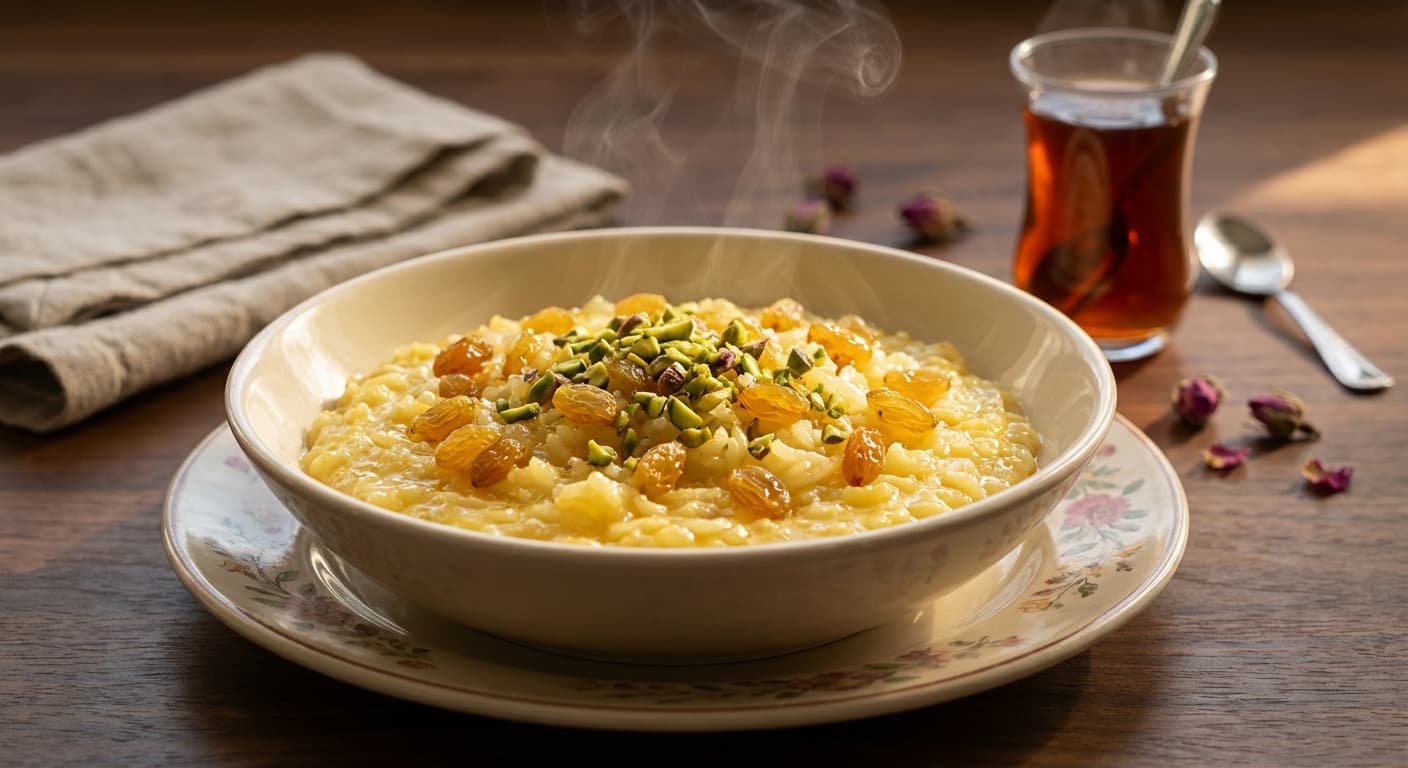
Saffron Sweet Rice (پلو شیرینی زعفرانی) — Festive Persian milk-saffron rice with nuts
Persian · Rice Dishes · 75 min
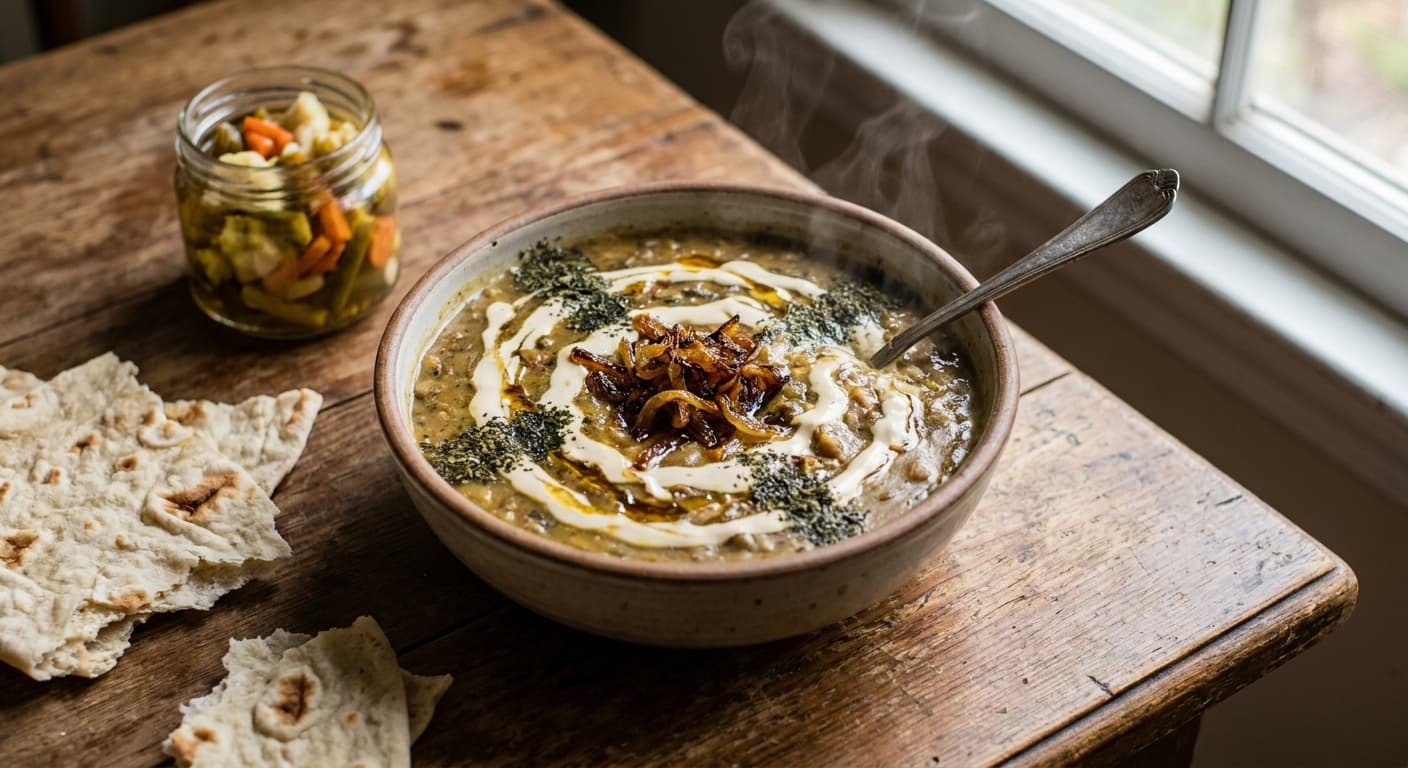
Ash-e Sak (آش ساک) — Gorgani Spinach and Lamb Ash
Persian · Soups · 175 min
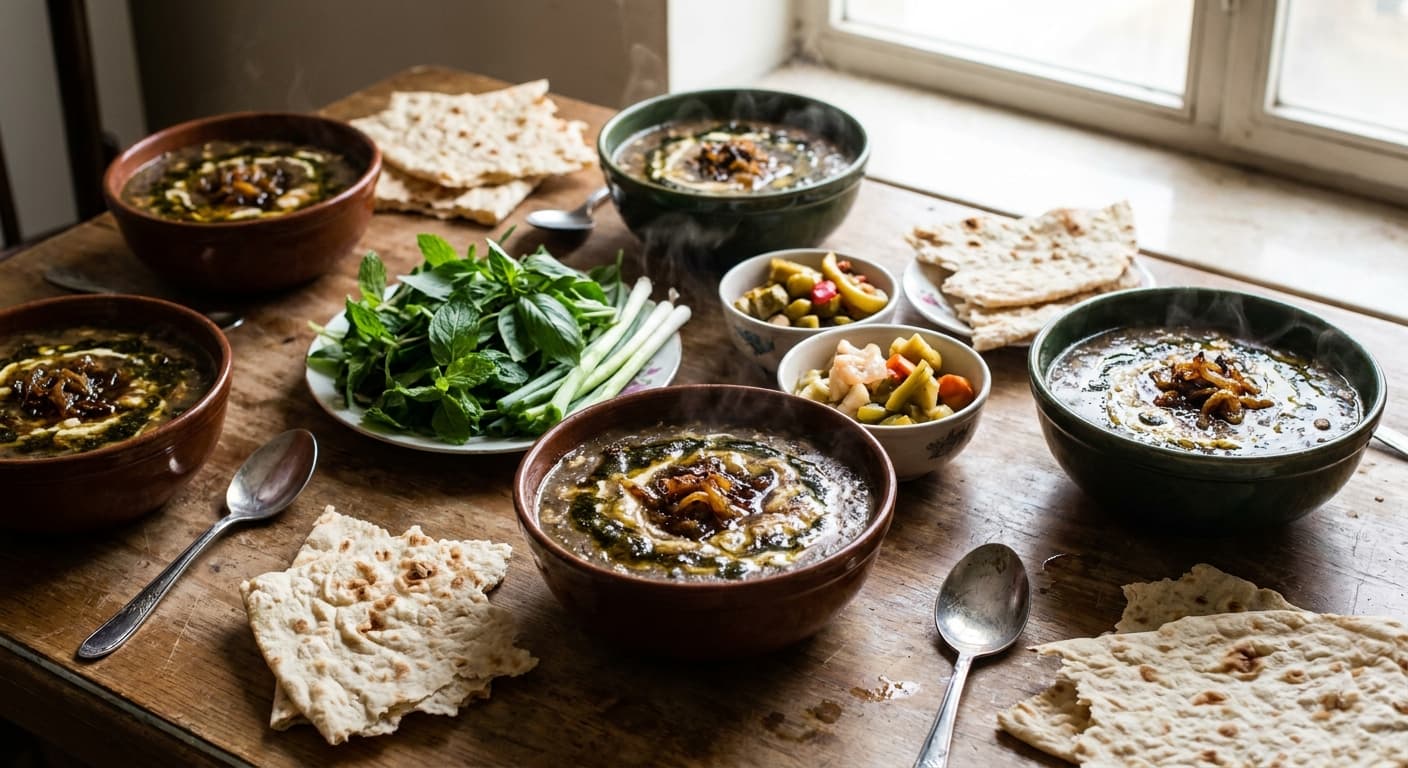
Ash-e Torsh (آش ترش) — Sour Herb and Legume Soup
Persian · Soups · 145 min
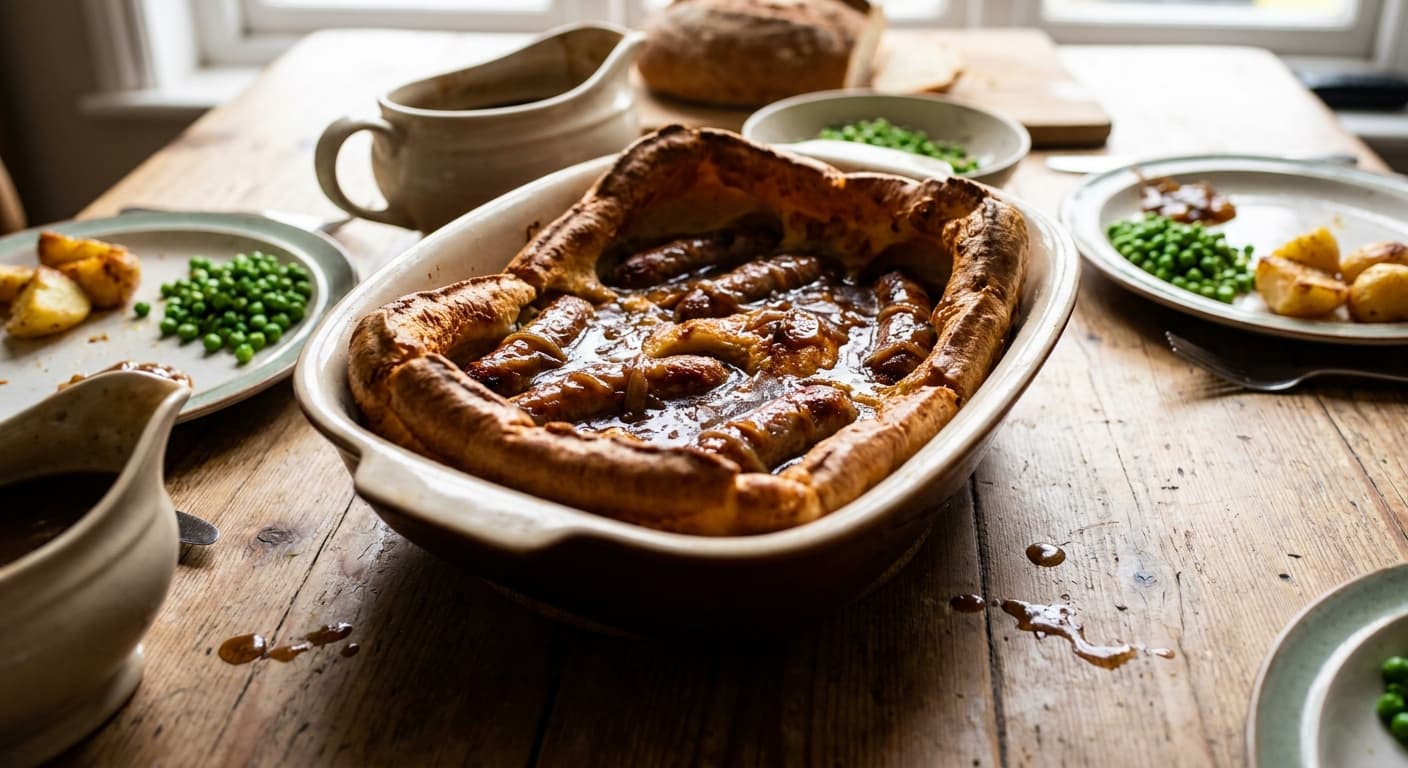
Toad in the Hole (Toad in the Hole) — Sausages Baked in Yorkshire Pudding Batter
British · Main Courses · 65 min
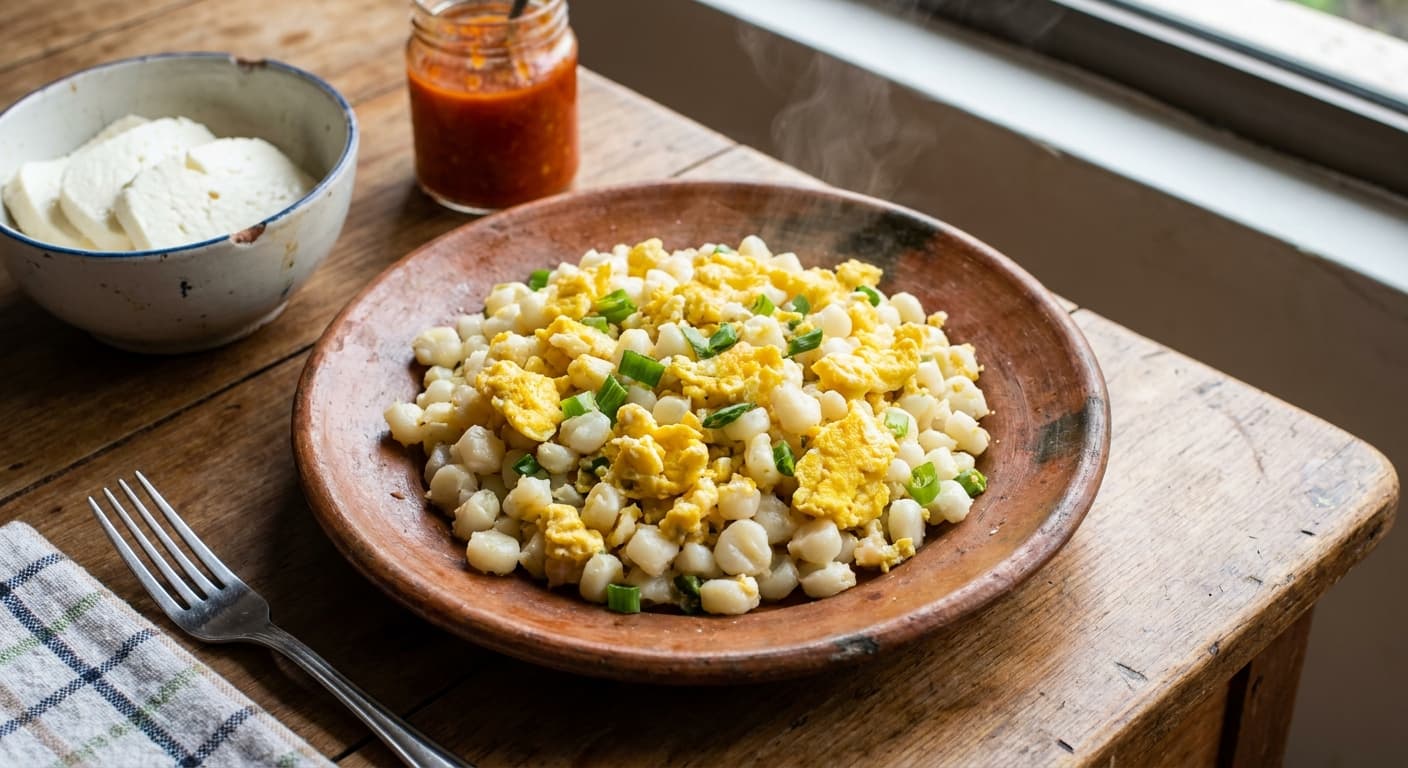
Scrambled Hominy and Eggs (Mote pillo) — Ecuadorian Highland Breakfast
Ecuadorian · Main Courses · 25 min
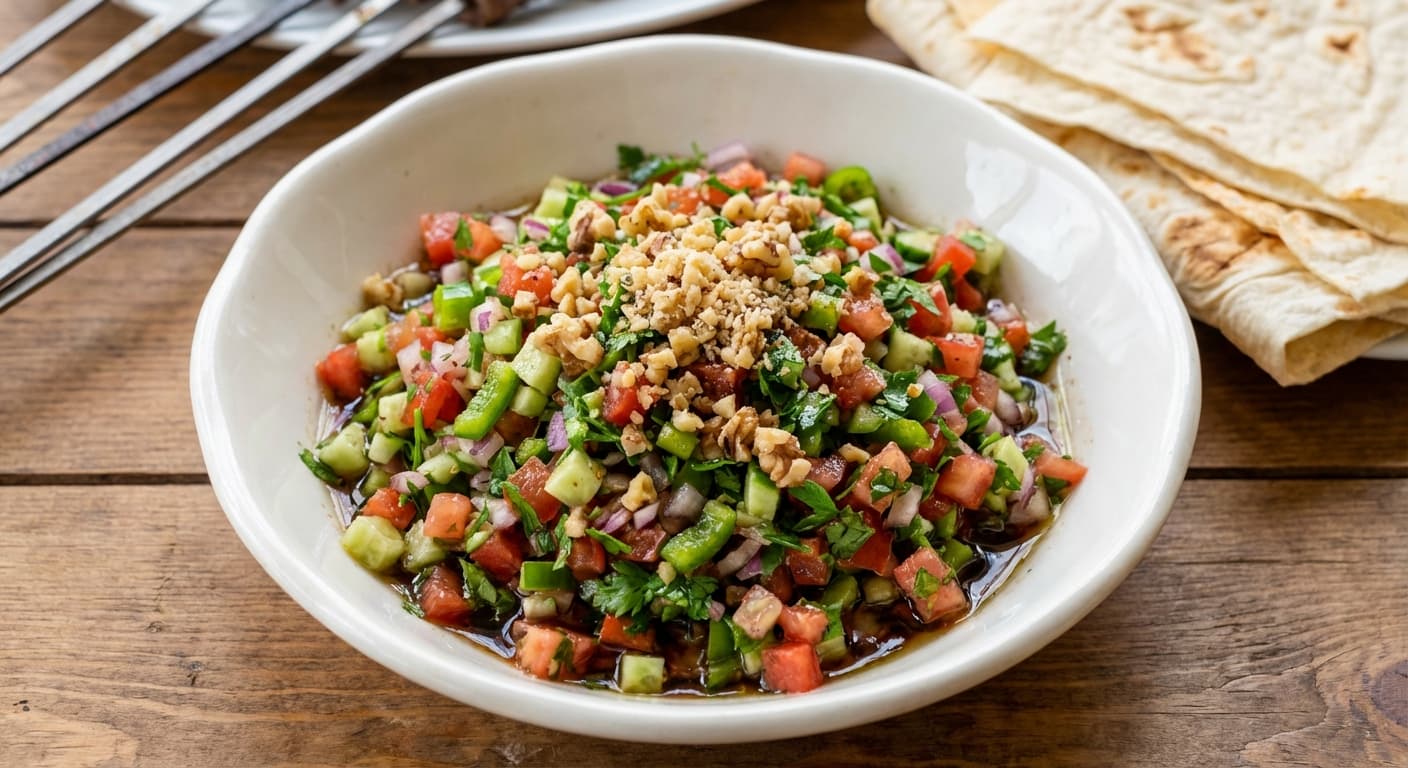
Gavurdağı Salad (Gavurdağı Salatası) — Finely Chopped Walnut & Pomegranate Salad
Turkish · Salads · 20 min
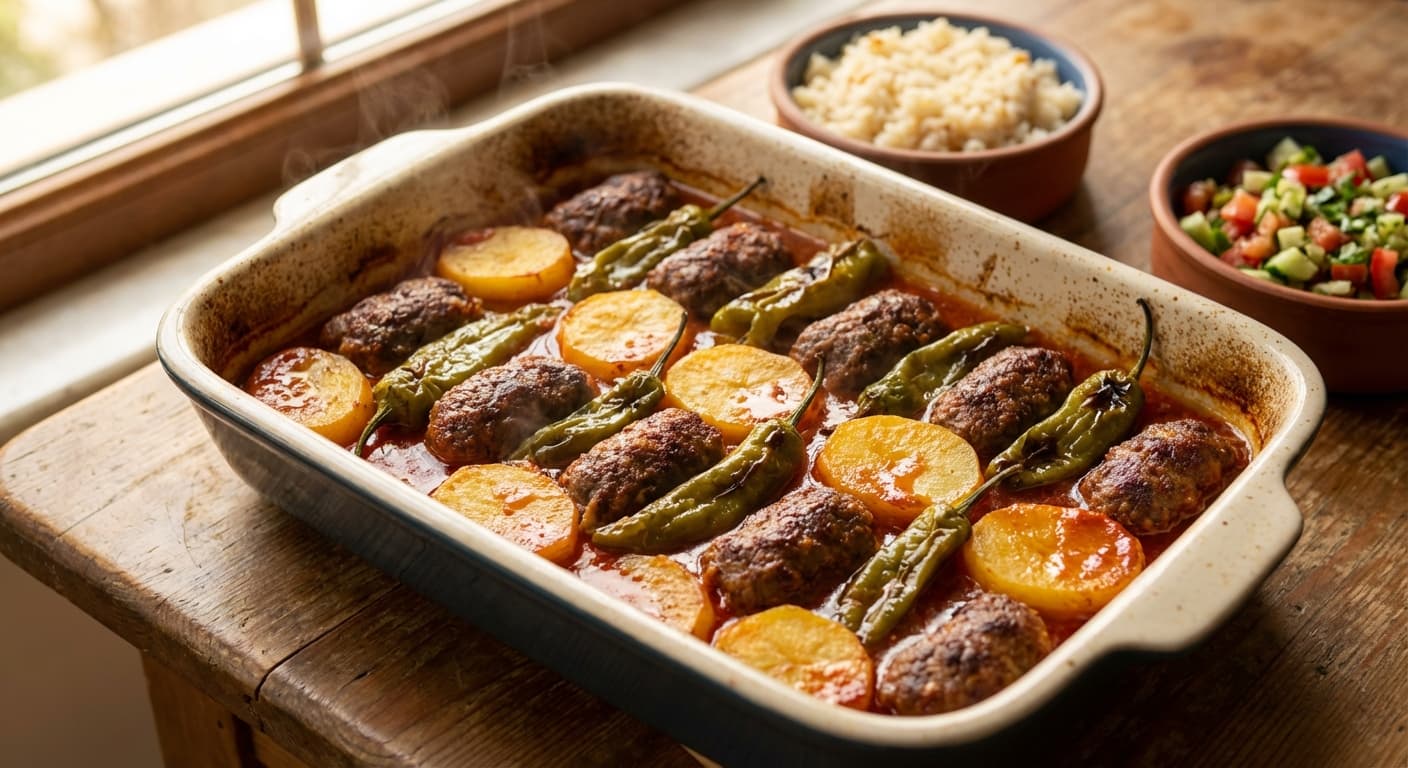
Izmir Kofte (İzmir Köfte) — Oven-Baked Meatballs with Tomato Sauce and Potatoes
Turkish · Main Courses · 70 min
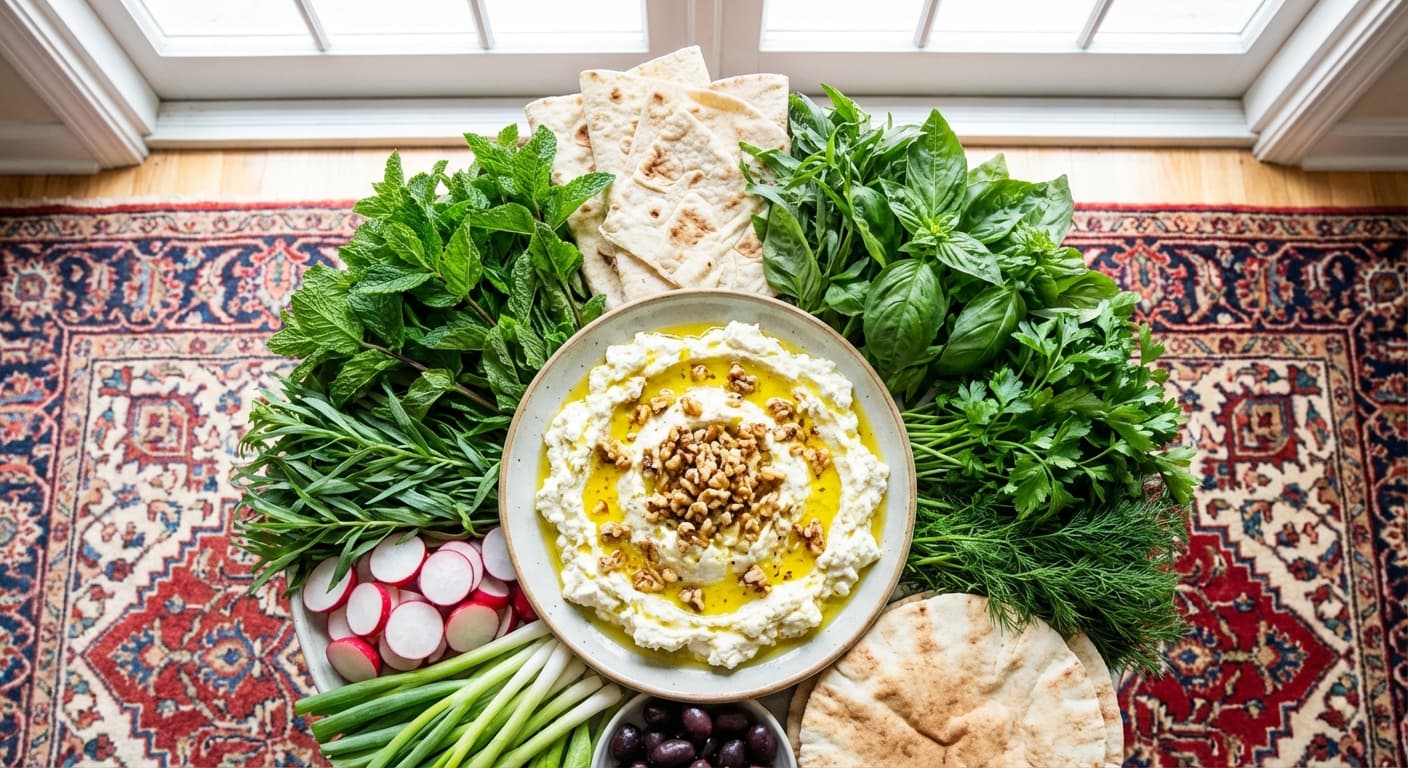
Sabzi va Panir (سبزی و پنیر) — | Persian Herb & Feta Spread
Persian · Appetizers · 20 min
Reviews
Cooked this recipe?
Tap the stars to rate it — that's all it takes. A few words are welcome but optional.
No ratings yet. Cooked this one? Be the first to rate it — it takes one tap.