Kabab Koobideh (کباب کوبیده) — Persian Minced Lamb Skewers
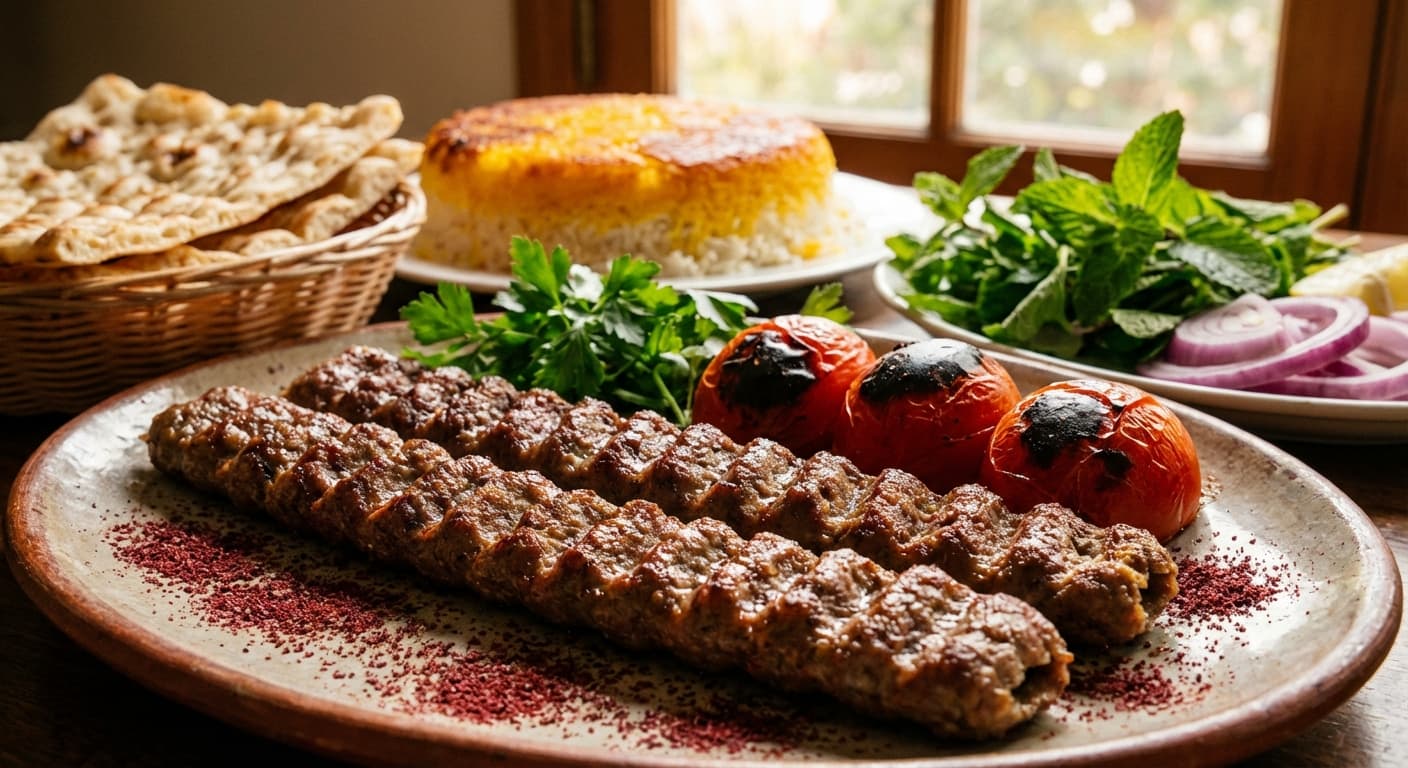
Classic Persian minced lamb skewers mixed with grated onion, salt, and pepper, then shaped on wide metal skewers and grilled over high heat. Juicy, smoky, and traditionally served with rice, grilled tomatoes, and sumac.
Printable Recipe Card
Servings: 4 · Total: 87 min · Difficulty: medium
Ingredients (quick list)
- 700 g Lamb shoulder, boneless, very cold (Cut into 2 cm cubes; aim for 20–25% fat for best texture)
- 250 g Yellow onion (About 1 large; finely grated on a box grater)
- 12 g Sea salt (About 2 tsp fine sea salt)
- 2 g Black pepper (About 1 tsp, freshly ground)
- 8 g Sumac (About 2 tsp, for serving)
- 8 Metal kebab skewers (Wide, flat skewers, 2–3 cm wide, for proper adhesion)
- 30 ml Ice water (1–2 tbsp, used only if mixture feels too stiff while kneading)
- 10 ml Neutral oil (For lightly oiling hands and skewers)
Steps (summary)
- Chill for better binding: place the lamb cubes in the freezer for 20 minutes until very cold but not frozen solid. Meanwhile, g…
- Make a fine mince: grind the cold lamb through a meat grinder (4–5 mm plate) twice, or pulse in a food processor in short burst…
- Season and knead to develop texture: in a cold bowl, combine minced lamb, squeezed onion pulp, sea salt, and black pepper. Knea…
- Rest for adhesion: cover the bowl and refrigerate the mixture for 45 minutes. This rest firms the fat and helps the proteins bi…
- Shape on wide metal skewers: set a bowl of cold water nearby. Lightly oil your hands and skewers with 10 ml neutral oil. Divide…
- Seal and ridge: with wet fingertips, press the meat tightly at the skewer edges to lock it on. Create shallow ridges by pinchin…
+ 2 more steps in the full instructions section below.
Cultural Background
Kabab koobideh is a widely recognized Persian grilled dish served in homes, restaurants, and kebab shops, often paired with rice or flatbread and grilled vegetables. Its technique emphasizes careful mincing, kneading, and skewer shaping to achieve a tender texture and characteristic ridges. It is commonly prepared for family gatherings and outdoor grilling occasions.
Equipment
💡 Tips
- Use lamb with 20–25% fat; lean meat tends to dry out and can fall off the skewer.
- Squeezing the grated onion thoroughly is crucial—excess onion juice makes the mixture loose and prone to sliding.
- Wide, flat metal skewers grip the meat better than round skewers; if using narrower skewers, make shorter kebabs and chill longer.
- If grilling over charcoal, wait until the coals are fully ashed over for steady high heat and less soot.
- Turning very frequently at the start is the simplest way to prevent koobideh from dropping into the fire.
⚠️ Common Mistakes
❌ Not squeezing the grated onion enough
💡 Why: Too much onion juice loosens the mixture, making it slide or break on the skewer.
✅ Fix: Squeeze in a towel until the pulp feels fairly dry; use only the pulp, not the expressed juice.
❌ Using meat that is too lean or too warm
💡 Why: Low fat dries out and reduces adhesion; warm fat smears and weakens the bind.
✅ Fix: Aim for 20–25% fat and keep everything cold; chill the mixture and skewers before grilling.
❌ Turning too late at the start of grilling
💡 Why: Before the surface sets, gravity and heat can cause the kebab to slump and fall.
✅ Fix: Turn every 15 seconds for the first 60–90 seconds, then cook normally once the kebab firms up.
❌ Overcooking until fully gray and dry
💡 Why: Minced lamb loses moisture quickly at high heat once past doneness.
✅ Fix: Pull at 68–71°C internal temperature and rest 2 minutes; carryover heat finishes the center.
🧊 How to Store
Refrigerate cooked kebabs in an airtight container for up to 3 days. Reheat gently, covered, in a 160°C oven for 8–10 minutes or in a skillet over medium-low heat with 1–2 tbsp water to prevent drying. Freeze cooked kebabs up to 2 months; thaw overnight in the refrigerator before reheating.
📅 Make Ahead
Prepare and knead the meat mixture up to 24 hours ahead and keep tightly covered in the refrigerator. Shape onto skewers up to 2 hours ahead and keep chilled, uncovered on a tray for better surface drying and grip. Grill just before serving for best texture.
🍽️ Pairs Well With
- Steamed basmati rice with saffron
- Flatbread (lavash or pita)
- Grilled tomatoes and peppers
- Fresh herbs
- sliced onion
- and lemon wedges
- Yogurt-based side (optional)
Regional Variations
- Tehran-style restaurant koobidehOften made with a blend of lamb and beef for a lighter mouthfeel, served with buttered rice, grilled tomatoes, and raw onion. The kebab is typically long, thin, and evenly ridged.
- Northwest Iran and Azerbaijani-influenced stylesSometimes seasoned a bit more assertively with extra black pepper and served with more grilled peppers and herbs; shaping may be slightly thicker for a juicier center.
Ingredients
- 700 gLamb shoulder, boneless, very cold (Cut into 2 cm cubes; aim for 20–25% fat for best texture)
- 250 gYellow onion (About 1 large; finely grated on a box grater)
- 12 gSea salt (About 2 tsp fine sea salt)
- 2 gBlack pepper (About 1 tsp, freshly ground)
- 8 gSumac (About 2 tsp, for serving)
- 8Metal kebab skewers (Wide, flat skewers, 2–3 cm wide, for proper adhesion)
- 30 mlIce water (1–2 tbsp, used only if mixture feels too stiff while kneading)
- 10 mlNeutral oil (For lightly oiling hands and skewers)
🔄 Substitutions
- Lamb shoulder (20–25% fat)→ Ground lamb (80/20)
- Yellow onion→ White onion
- Charcoal grill→ Gas grill or cast-iron grill pan
Instructions
- 1
Chill for better binding: place the lamb cubes in the freezer for 20 minutes until very cold but not frozen solid. Meanwhile, grate the onion finely, then squeeze it firmly in a clean towel for 2–3 minutes to remove as much juice as possible; measure 120 g squeezed onion pulp.
- 2
Make a fine mince: grind the cold lamb through a meat grinder (4–5 mm plate) twice, or pulse in a food processor in short bursts (10–12 pulses) until evenly minced and tacky. Keep the meat cold; if it warms, refrigerate 10 minutes before continuing.
- 3
Season and knead to develop texture: in a cold bowl, combine minced lamb, squeezed onion pulp, sea salt, and black pepper. Knead vigorously by hand for 8–10 minutes until the mixture becomes sticky and cohesive and clings to your palm. If it feels overly stiff, add up to 30 ml ice water gradually.
- 4
Rest for adhesion: cover the bowl and refrigerate the mixture for 45 minutes. This rest firms the fat and helps the proteins bind so the kebab stays on the skewer. While resting, prepare a charcoal grill for high heat or preheat a gas grill to 260°C with a hot zone and a cooler zone.
- 5
Shape on wide metal skewers: set a bowl of cold water nearby. Lightly oil your hands and skewers with 10 ml neutral oil. Divide the mixture into 8 equal portions (about 105–110 g each). Press one portion firmly along a skewer, flattening to about 1.5 cm thick and 20–22 cm long.
- 6
Seal and ridge: with wet fingertips, press the meat tightly at the skewer edges to lock it on. Create shallow ridges by pinching along the length every 2–3 cm; this increases surface area for browning and helps the kebab cook evenly. Repeat with remaining portions, keeping shaped skewers chilled.
- 7
Grill and set the kebab: place skewers over the hottest part of the grill. For the first 60–90 seconds, turn every 15 seconds to set the surface and prevent slipping. Once firm, grill 3–4 minutes per side (total 8–10 minutes) until browned with slight charring and an internal temperature of 68–71°C.
- 8
Rest, season, and serve: transfer skewers to a tray and rest 2 minutes so juices redistribute. Slide kebabs off the skewers using flatbread or a spatula. Serve immediately sprinkled with 8 g sumac, alongside rice or flatbread and grilled vegetables. Keep leftovers out of the temperature danger zone; refrigerate within 2 hours.
🪪 Recipe Passport
Cultural Background
Kabab koobideh is a widely recognized Persian grilled dish served in homes, restaurants, and kebab shops, often paired with rice or flatbread and grilled vegetables. Its technique emphasizes careful mincing, kneading, and skewer shaping to achieve a tender texture and characteristic ridges. It is commonly prepared for family gatherings and outdoor grilling occasions.
Regional Variations
Researched from multiple sources and validated by the Zaffaron editorial team. Every recipe is tested for accuracy, measurements, and cultural authenticity.
Nutrition per serving
Pairs well with
If you enjoyed this recipe, here are a few related Zaffaron recipes to try next.
- Chelo Kebab Koobideh (چلو کباب کوبیده) — Persian Minced Meat Skewers with Saffron Rice
- Persian Steamed Rice Masterclass (چلو و پلو) — Chelo and Polow techniques with perfect tahdig
- Karemi Soop-e Mahi (سوپ ماهی کرمی) — Persian Creamy Salmon Soup
- Kabab Vijeh (کباب ویژه) — Persian Royal Mixed Grill
- Kadoo Sorkh Shodeh (کدو سرخ شده) — Crispy Zucchini Chips with Shallot Yogurt Dip
Does your family make this differently?
Every family has their own version. Maybe your grandmother adds a secret ingredient, or your aunt has a completely different technique. Preserve your family's version — with their name on it, forever.
You Might Also Like
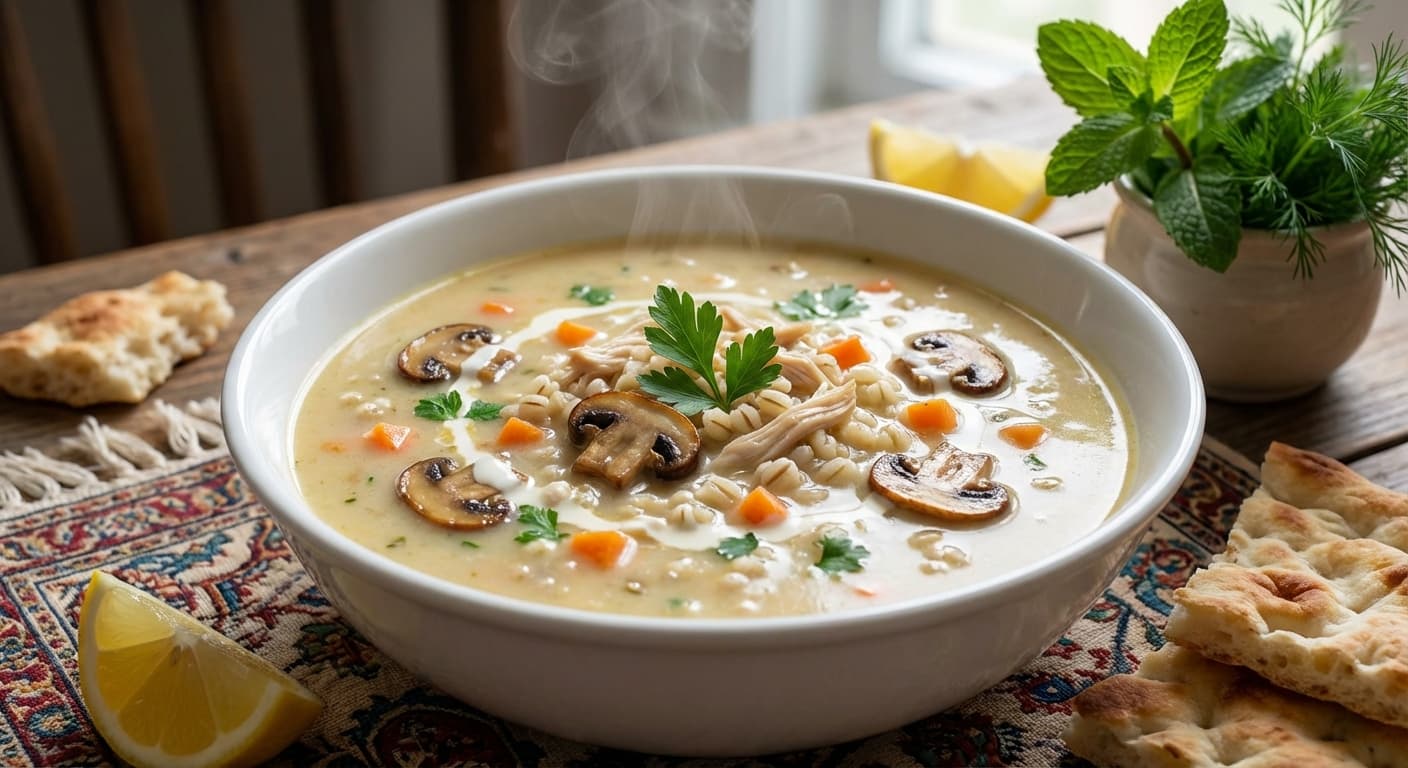
Soup-e Jo (سوپ جو) — Persian Creamy Barley Soup
Persian · Soups · 90 min
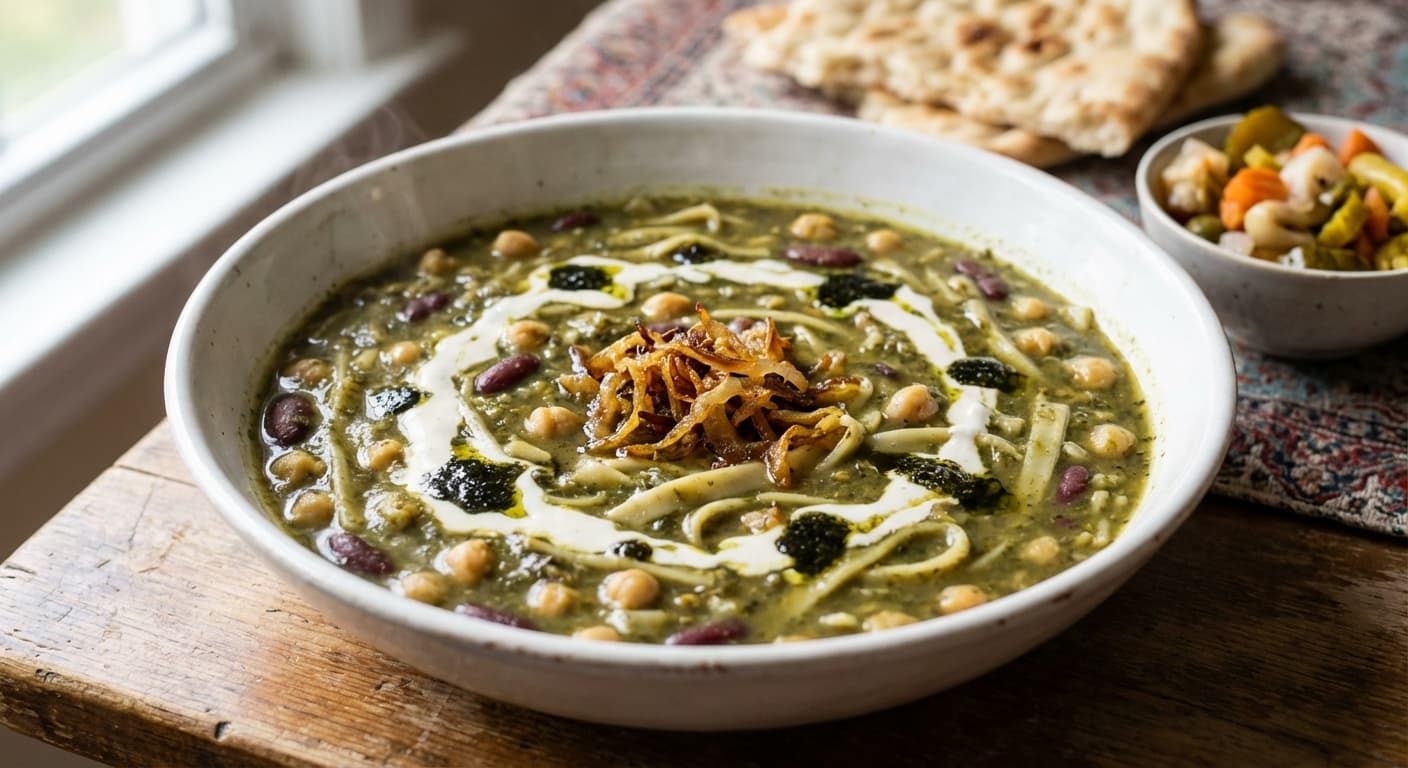
Ash Reshteh (آش رشته) — Persian Herb, Bean, and Noodle Soup
Persian · Soups · 145 min
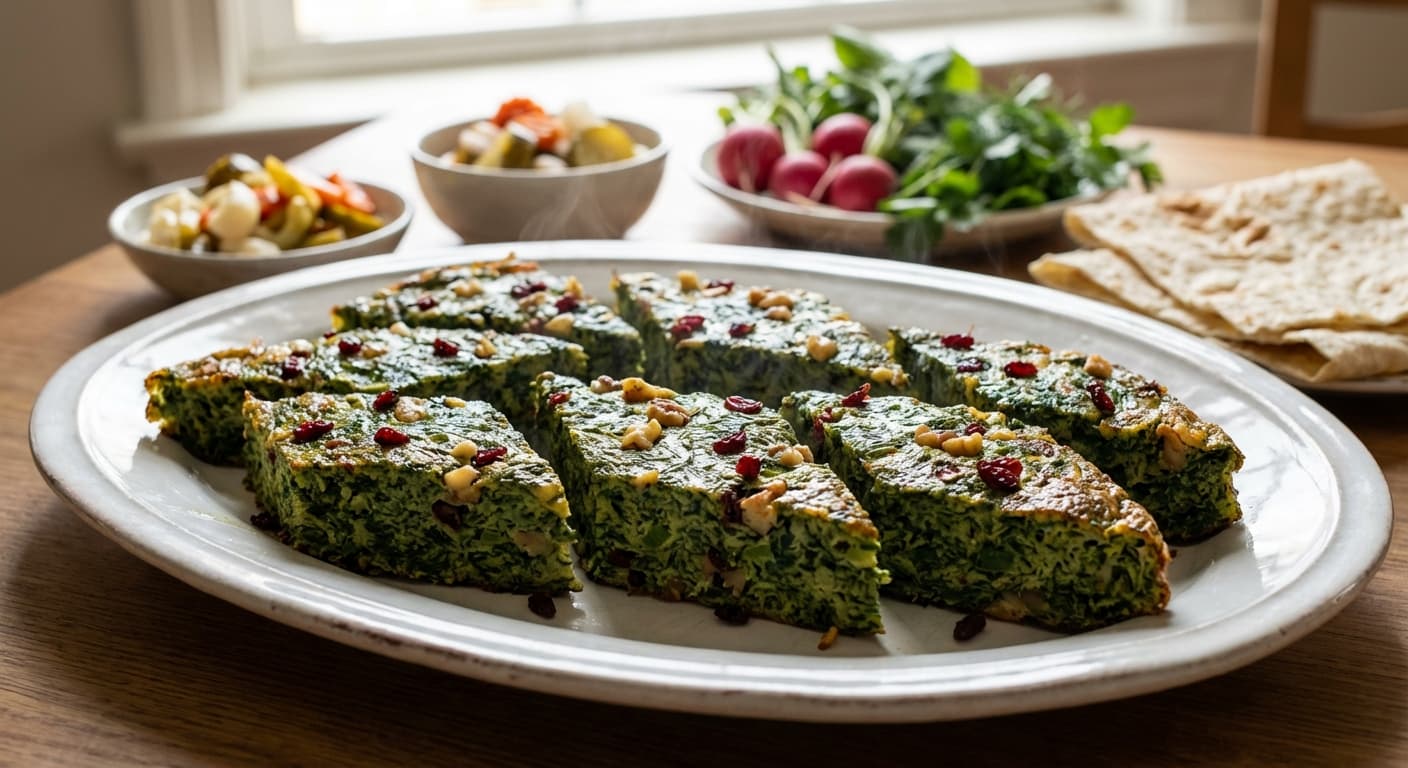
Kuku Sabzi (کوکو سبزی) — Emerald Persian Herb Frittata
Persian · Main Courses · 38 min
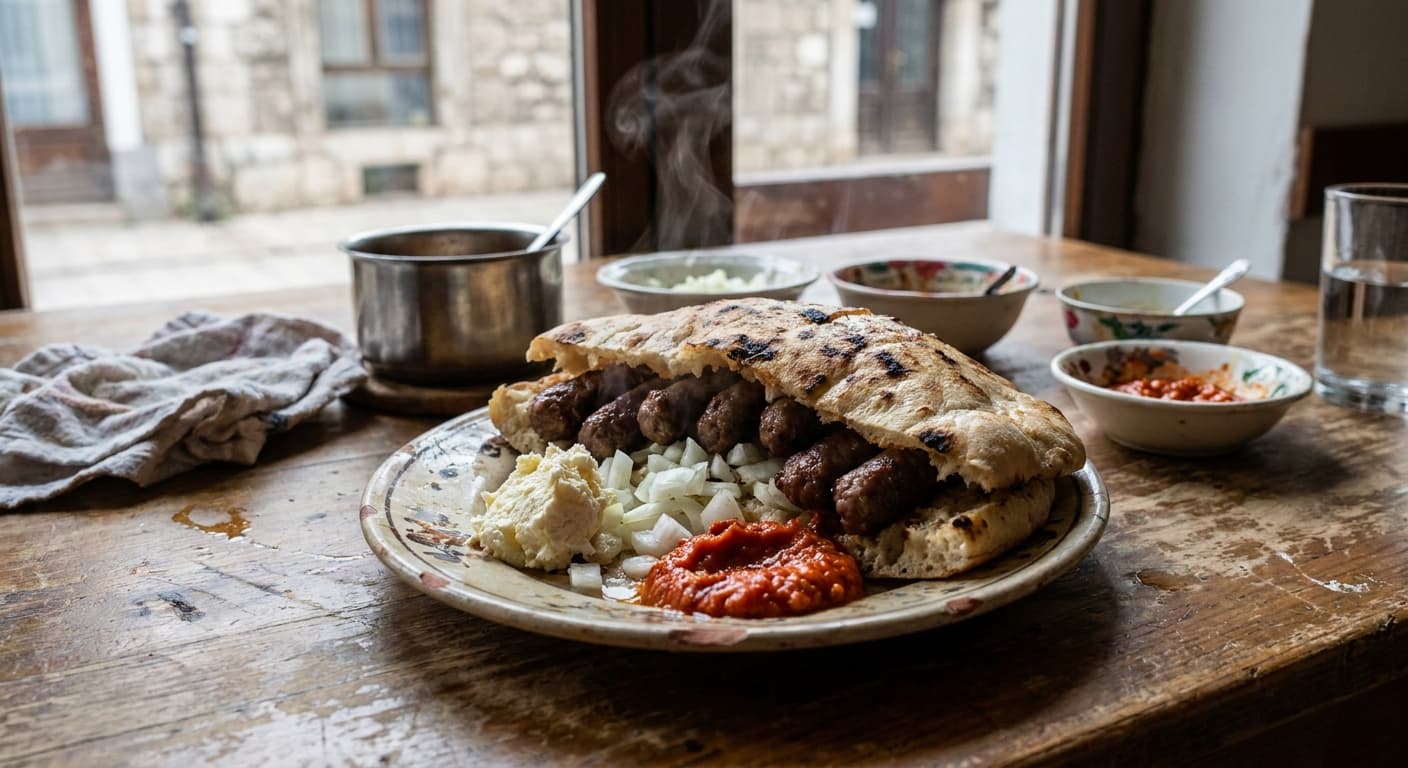
Bosnian Cevapi (Ćevapi) — Grilled Balkan Beef and Lamb Sausages
Bosnian · Kebabs · 50 min
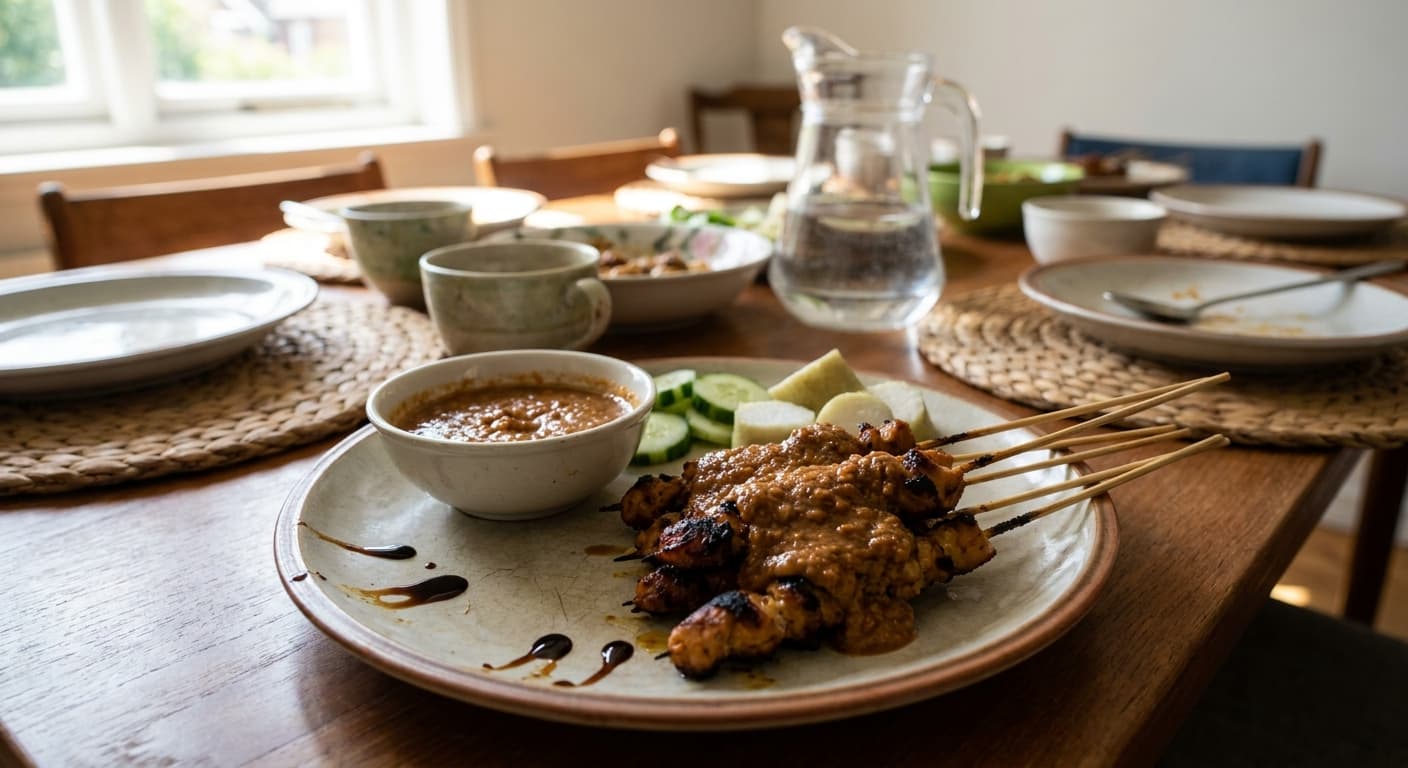
Chicken Satay (Sate Ayam) — Indonesian Skewers with Peanut Sauce
Indonesian · Kebabs · 55 min
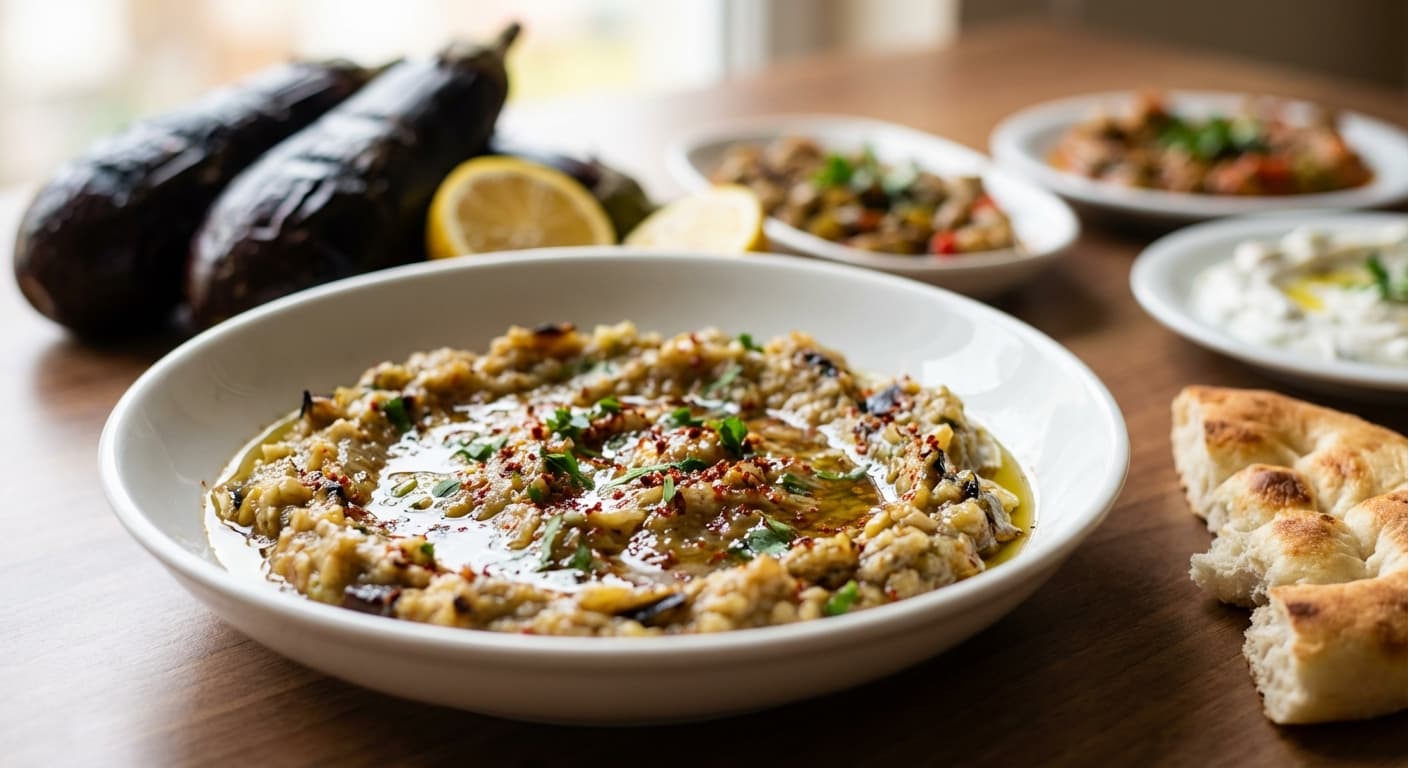
Smoky Eggplant Salad (Patlıcan Salatası) — Turkish charred eggplant with garlic and olive oil
Turkish · Salads · 40 min
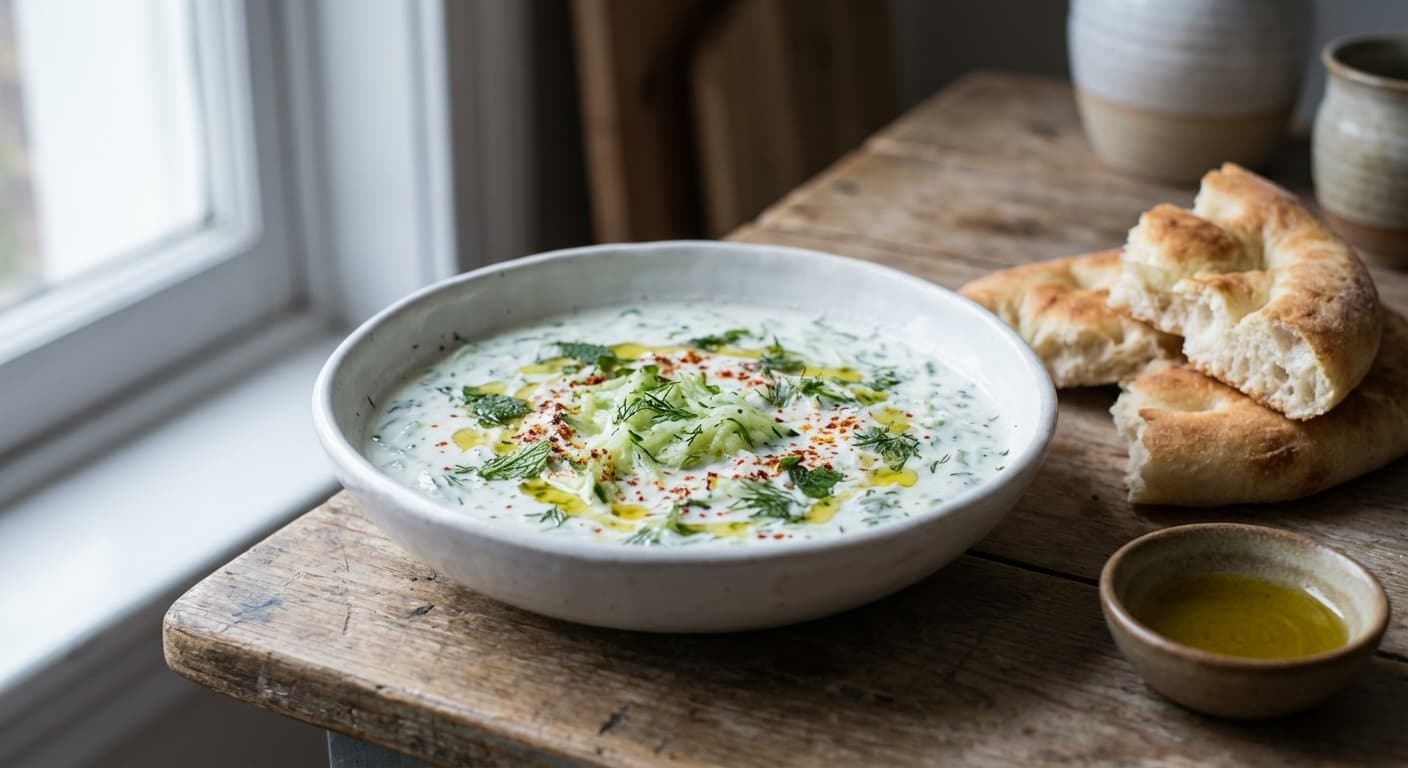
Cacık (Yoğurtlu Salatalık Mezesi) — Chilled Turkish Yogurt, Cucumber & Mint Dip
Turkish · Appetizers · 15 min
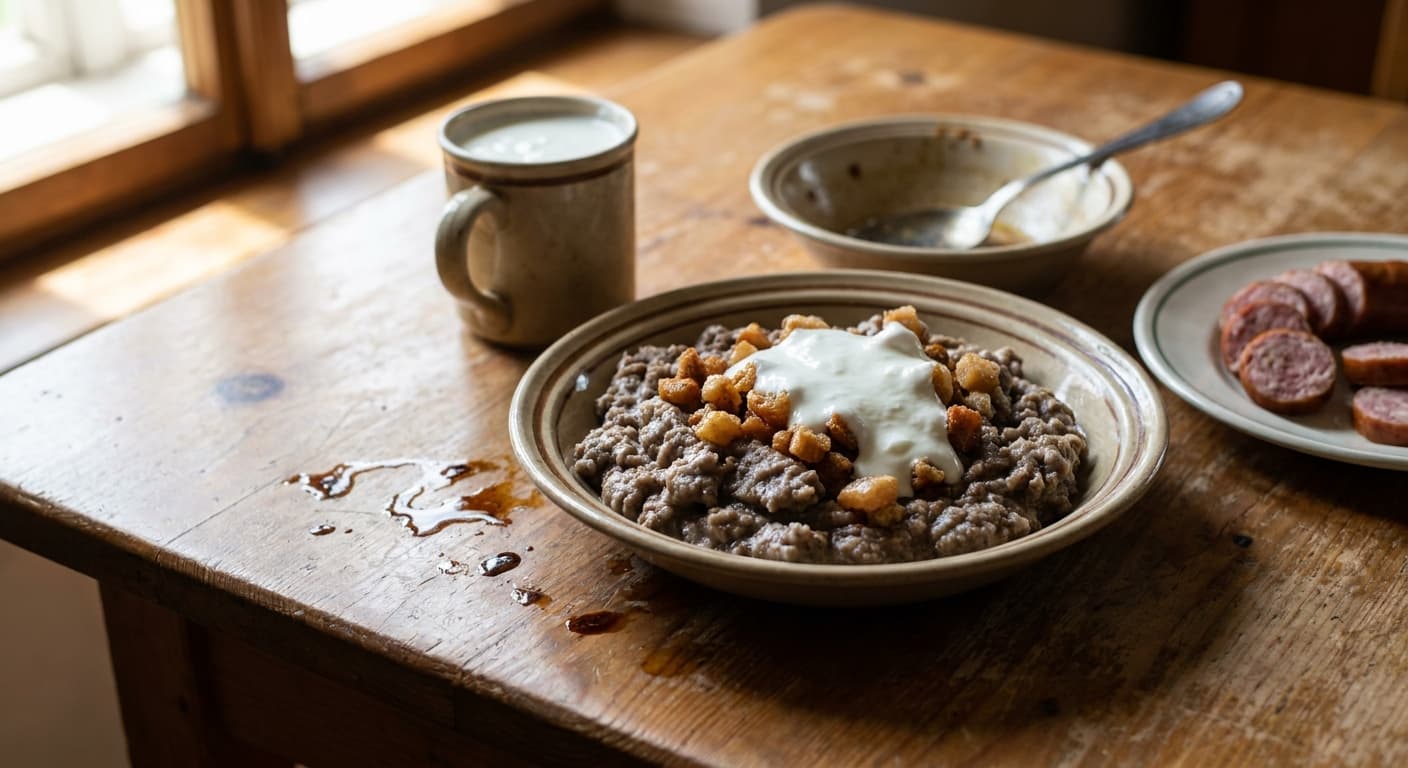
Buckwheat Žganci (Ajdovi žganci) — Slovenian Buckwheat Crumbs with Cracklings
Slovenian · Side Dishes · 45 min
Reviews
Cooked this recipe?
Tap the stars to rate it — that's all it takes. A few words are welcome but optional.
No ratings yet. Cooked this one? Be the first to rate it — it takes one tap.