Persian Steamed Rice Masterclass (چلو و پلو) — Chelo and Polow techniques with perfect tahdig
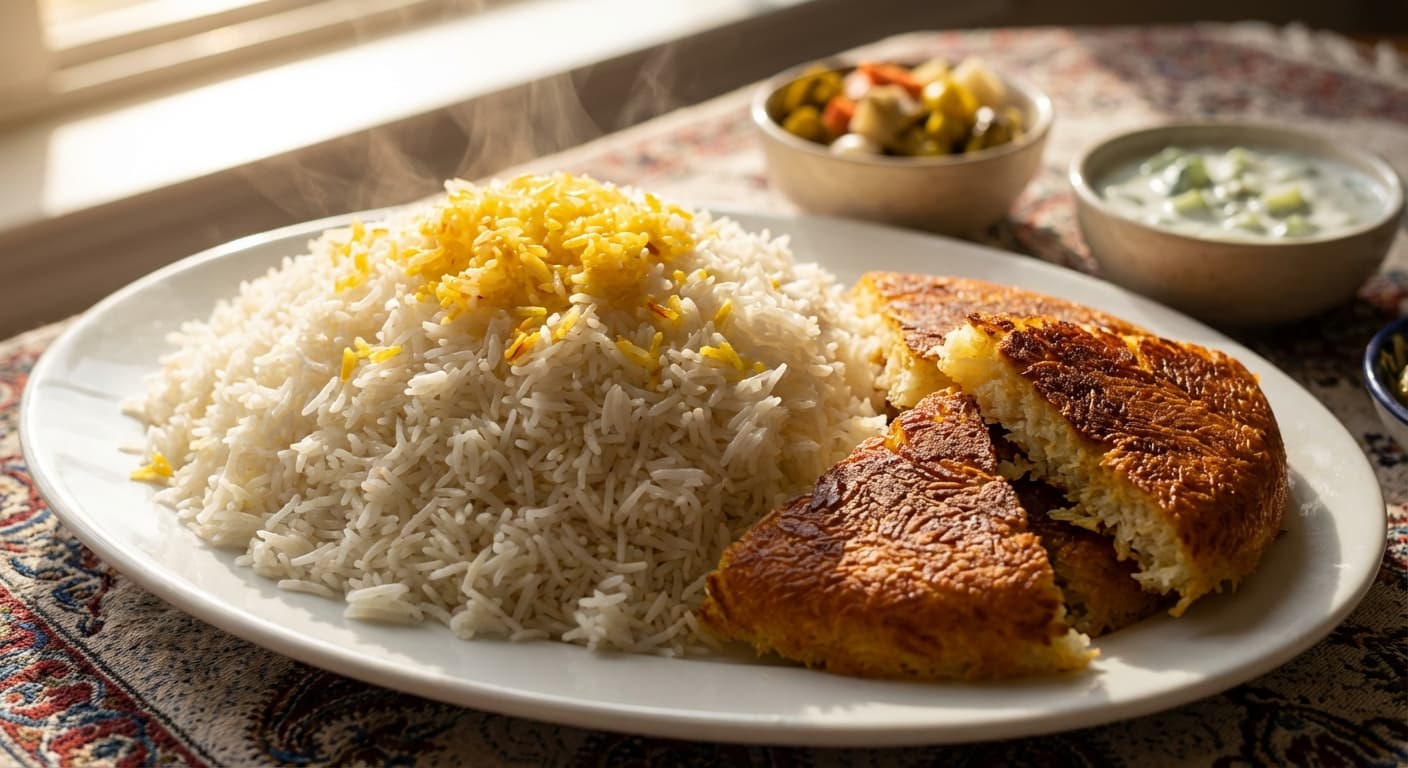
In Persian kitchens, rice is a craft: Chelo is pristine, fluffy steamed rice, while Polow is layered or mixed with aromatics. This guide teaches the classic soak–parboil–steam method and how to build a crisp, golden tahdig.
Printable Recipe Card
Servings: 6 · Total: 150 min · Difficulty: medium
Ingredients (quick list)
- 600 g Basmati rice (extra-long grain) (Rinse until water runs mostly clear)
- 1200 ml Lukewarm water (About 35–40°C; enough to cover rice by 3 cm)
- 18 g Fine sea salt (About 3 tsp; seasons and helps grains stay separate)
- 3000 ml Water (For a large pot of boiling water)
- 45 ml Neutral oil (grapeseed or sunflower) (3 tbsp total; divide between pot base and drizzle)
- 2 tsp Ground turmeric (Adds a classic golden hue without changing technique)
- 120 g Plain yogurt (Use only if making yogurt tahdig; otherwise omit)
- 1 Egg yolk (Improves binding and browning; omit for dairy-free)
Steps (summary)
- Rinse the rice in a bowl with cool water, swirling gently, then drain and repeat 4 times until the water is mostly clear. This…
- Soak the rinsed rice in 1200 ml lukewarm water mixed with 18 g salt for 60 minutes. Soaking hydrates the grain evenly, which he…
- Bring 3000 ml water to a rolling boil in a large nonstick or well-seasoned pot, then add 12 g salt. The pot should be large eno…
- Drain the soaked rice and add it to the boiling salted water, stirring once to prevent clumping. Boil 6 to 8 minutes until the…
- Rinse the drained rice quickly with 250 ml cool water to stop cooking and wash away excess surface starch. Let it drain for 2 m…
- Prepare the pot for tahdig by adding 30 ml oil and 60 ml water to the bottom, then swirl to coat. If using turmeric for color,…
+ 7 more steps in the full instructions section below.
Cultural Background
Chelo and Polow are pillars of Persian hospitality, where perfectly steamed grains signal skill and care. Tahdig—the prized crispy crust—is often shared first, reflecting the communal joy of gathering around a generous rice platter.
Equipment
💡 Tips
- For consistently separate grains, keep the parboil short: 6 minutes for very aged basmati, up to 8 minutes for newer rice, aiming for a firm center.
- A nonstick pot makes tahdig easier, but a heavy-bottomed pot gives steadier heat; keep the final steaming heat low to avoid scorching.
- If the rice tastes under-salted after steaming, dissolve 2 g salt in 15 ml hot water and sprinkle lightly over the rice, then cover for 3 minutes.
⚠️ Common Mistakes
❌ Overboiling the rice until fully soft before steaming
✅ Fix: Drain when the outside is tender but the center is still firm; steaming finishes cooking without breaking grains.
❌ Soggy rice from trapped condensation
✅ Fix: Wrap the lid with a clean towel and keep the heat low after the initial steam burst.
❌ Burnt tahdig or bitter crust
✅ Fix: After 7 minutes on medium-high, reduce to low and use a heavy-bottomed pot for steadier heat.
❌ Tahdig sticks and tears
✅ Fix: Rest 10 minutes off heat, loosen edges with a thin spatula, and briefly cool the pot base in shallow water before unmolding.
🧊 How to Store
Cool rice within 60 minutes, then refrigerate in an airtight container for up to 3 days. Reheat covered with 30 ml water in a pot over low heat for 10–12 minutes, or microwave covered with 15 ml water for 2–3 minutes; re-crisp tahdig in a lightly oiled pan for 3–4 minutes.
📅 Make Ahead
Rinse and soak the rice up to 2 hours ahead at room temperature, then drain just before parboiling. For Polow, cook your mix-ins a day ahead and refrigerate; assemble and steam the rice fresh for best texture and tahdig.
🍽️ Pairs Well With
- Ghormeh sabzi
- Fesenjan
- Zereshk polo toppings
- Mast-o-khiar
- Shirazi salad
- Torshi
- Grilled koobideh.
Regional Variations
- Baghali Polow: layer parboiled rice with cooked dill and fava beans, then steam for a fragrant green-speckled polow.
- Sabzi Polow: mix chopped herbs (dill, parsley, cilantro, chives) into the rice before steaming, often served with fish.
- Loobia Polow: layer rice with a cooked green bean and tomato mixture for a hearty, family-style mixed rice.
Ingredients
- 600 gBasmati rice (extra-long grain) (Rinse until water runs mostly clear)
- 1200 mlLukewarm water (About 35–40°C; enough to cover rice by 3 cm)
- 18 gFine sea salt (About 3 tsp; seasons and helps grains stay separate)
- 3000 mlWater (For a large pot of boiling water)
- 45 mlNeutral oil (grapeseed or sunflower) (3 tbsp total; divide between pot base and drizzle)
- 2 tspGround turmeric (Adds a classic golden hue without changing technique)
- 120 gPlain yogurt (Use only if making yogurt tahdig; otherwise omit)
- 1Egg yolk (Improves binding and browning; omit for dairy-free)
🔄 Substitutions
- Basmati rice (extra-long grain)→ Persian-style long-grain rice or aged jasmine rice
- Neutral oil (grapeseed or sunflower)→ Clarified butter (ghee)
- Plain yogurt→ Omit and use turmeric-oil tahdig only
Instructions
- 1
Rinse the rice in a bowl with cool water, swirling gently, then drain and repeat 4 times until the water is mostly clear. This removes surface starch so the grains steam up fluffy instead of sticky.
- 2
Soak the rinsed rice in 1200 ml lukewarm water mixed with 18 g salt for 60 minutes. Soaking hydrates the grain evenly, which helps prevent broken rice and gives you the signature tall, separate grains.
- 3
Bring 3000 ml water to a rolling boil in a large nonstick or well-seasoned pot, then add 12 g salt. The pot should be large enough that the rice can move freely, which keeps grains intact during parboiling.
- 4
Drain the soaked rice and add it to the boiling salted water, stirring once to prevent clumping. Boil 6 to 8 minutes until the grain is tender on the outside but still firm in the center, then immediately drain in a fine colander.
- 5
Rinse the drained rice quickly with 250 ml cool water to stop cooking and wash away excess surface starch. Let it drain for 2 minutes so the rice is not watery, which would soften the crust later.
- 6
Prepare the pot for tahdig by adding 30 ml oil and 60 ml water to the bottom, then swirl to coat. If using turmeric for color, whisk 2 tsp turmeric into the oil-water mixture so the base turns evenly golden as it fries.
- 7
For a classic yogurt tahdig, mix 120 g yogurt with 1 egg yolk and 2 tbsp (about 80 g) of the parboiled rice until thick and cohesive. Spread this mixture evenly over the pot bottom; it forms a sturdy, crisp layer that releases cleanly when cooked properly.
- 8
Add the remaining parboiled rice to the pot in a loose mound, without packing it down. Use the handle of a wooden spoon to poke 5 to 6 holes down to the bottom; these steam chimneys help moisture escape so the rice stays fluffy.
- 9
Drizzle the remaining 15 ml oil over the top of the rice, then cover the lid with a clean kitchen towel and place it on the pot. The towel catches condensation so it does not drip back and make the rice soggy.
- 10
Steam on medium-high heat for 7 minutes to build strong initial steam, then reduce to low and cook 35 to 40 minutes. You should hear a gentle sizzle at the base near the end, which signals the tahdig is crisping without burning.
- 11
Turn off the heat and rest the pot, covered, for 10 minutes so the steam redistributes and the grains set. This resting step makes serving cleaner and helps the tahdig release in larger pieces.
- 12
To serve Chelo, fluff the rice gently with a fork and mound it on a platter, keeping the crust separate until the end. To serve Polow, layer the parboiled rice with your cooked mix-ins (herbs, beans, meat, or dried fruit) before steaming, then gently fold after cooking so the grains stay intact.
- 13
To unmold tahdig, place the pot in 2 cm of cool water for 30 seconds to help the crust release, then run a thin spatula around the edge. Invert onto a plate in one confident motion, or lift out pieces if you prefer a rustic presentation.
🪪 Recipe Passport
Cultural Background
Chelo and Polow are pillars of Persian hospitality, where perfectly steamed grains signal skill and care. Tahdig—the prized crispy crust—is often shared first, reflecting the communal joy of gathering around a generous rice platter.
Regional Variations
Researched from multiple sources and validated by the Zaffaron editorial team. Every recipe is tested for accuracy, measurements, and cultural authenticity.
Nutrition per serving
Pairs well with
If you enjoyed this recipe, here are a few related Zaffaron recipes to try next.
- Persian-Style Pineapple Macaroni Salad (ماکارونی با آناناس) — Creamy Sweet-Savory Chilled Pasta Salad
- Kuku-ye Gojeh Farangi (کوکو گوجه فرنگی) — Persian Tomato Frittata
- Kuku-ye Khaviar-e Mahi Sefid (کوکو خاویار ماهی سفید) — Persian Whitefish Caviar Frittata
- Sabzi Khordan Dolmeh (سبزی خوردن دلمه) — Persian-Style Stuffed Herb & Yogurt Hors d’Oeuvres
Does your family make this differently?
Every family has their own version. Maybe your grandmother adds a secret ingredient, or your aunt has a completely different technique. Preserve your family's version — with their name on it, forever.
You Might Also Like
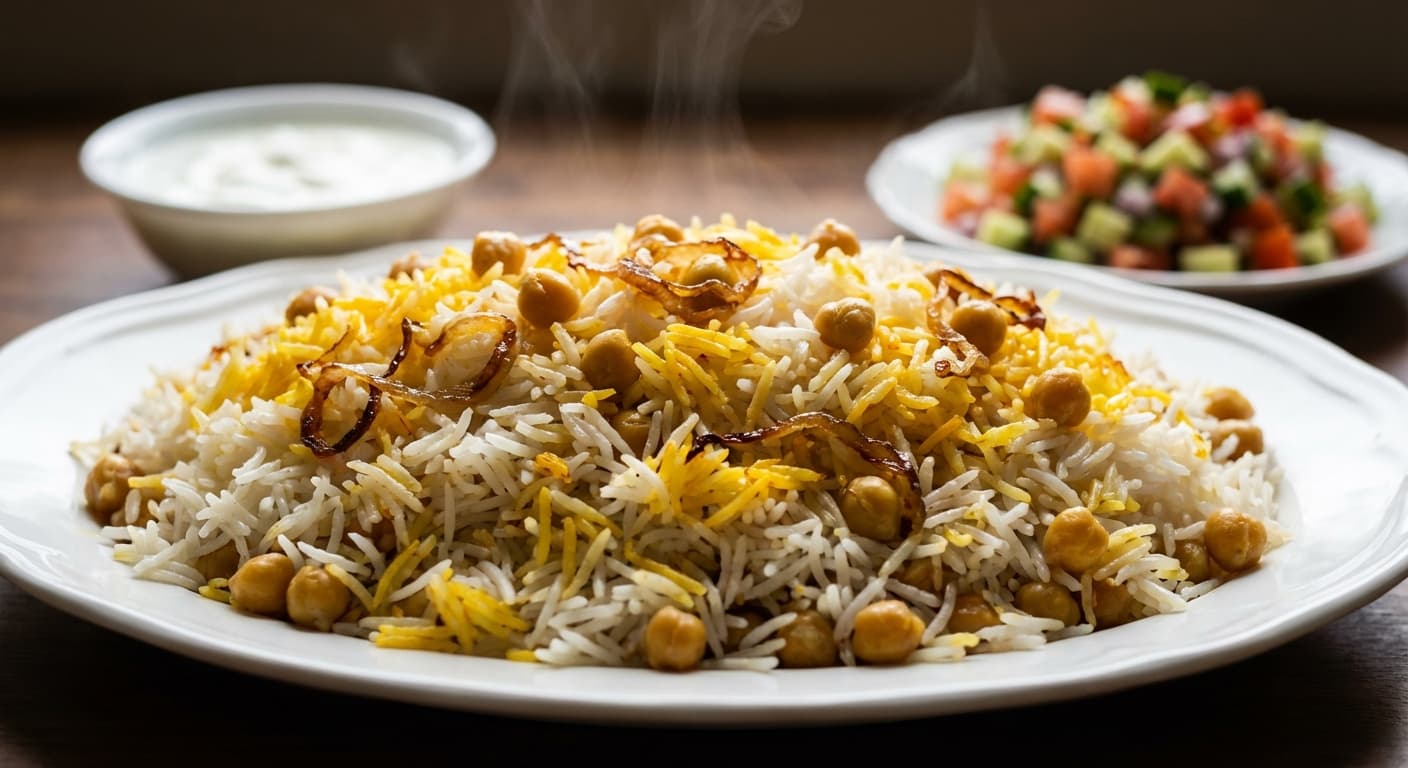
Nokhod Polo (نخود پلو) — Saffron Chickpea Rice with Warm Spices
Persian · Rice Dishes · 80 min

Golden Turmeric Potato and Spinach Casserole (غراتان سیبزمینی و اسفناج) — Mediterranean-Inspired Layered Gratin
Persian · Main Courses · 70 min
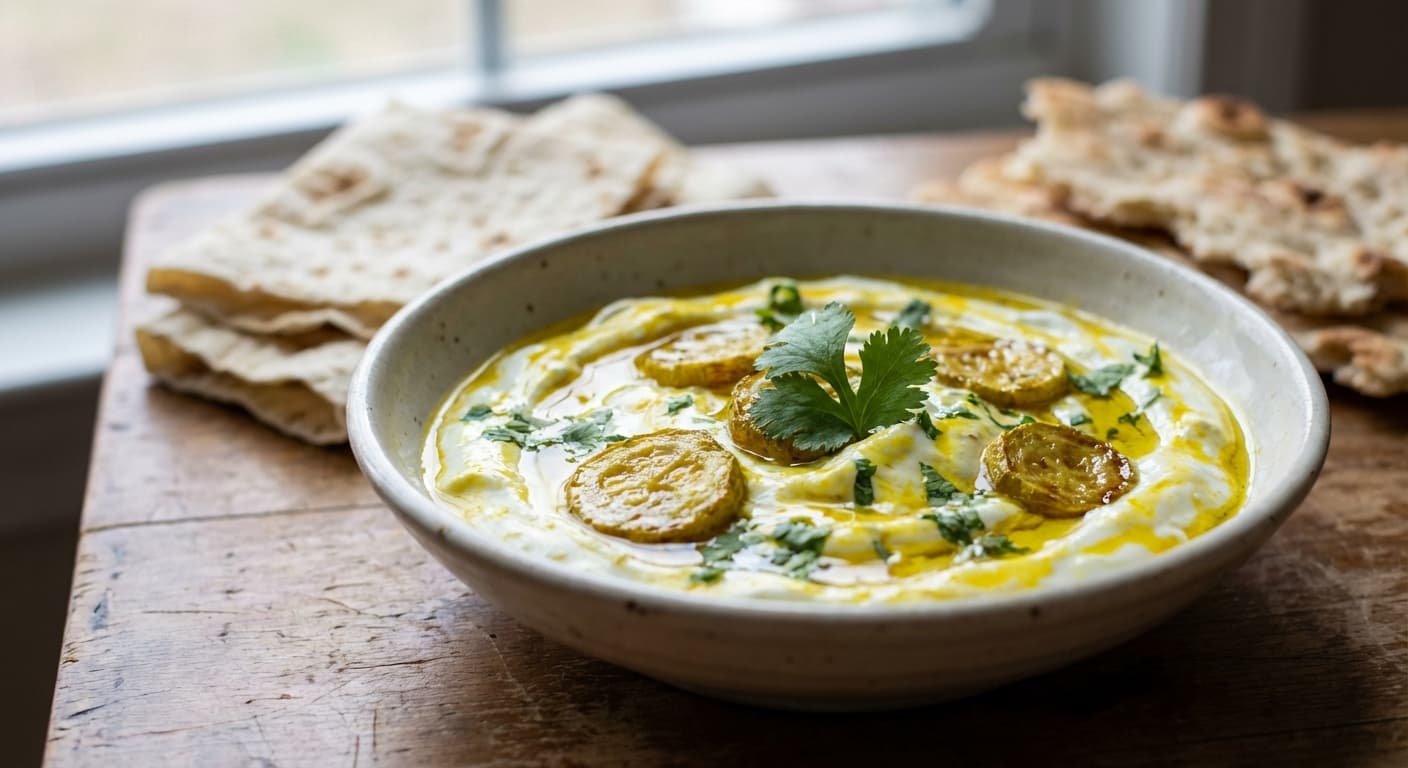
Borani Kadu (بورانی کدو) — Saffron-Infused Zucchini and Yogurt Dip
Persian · Appetizers · 40 min
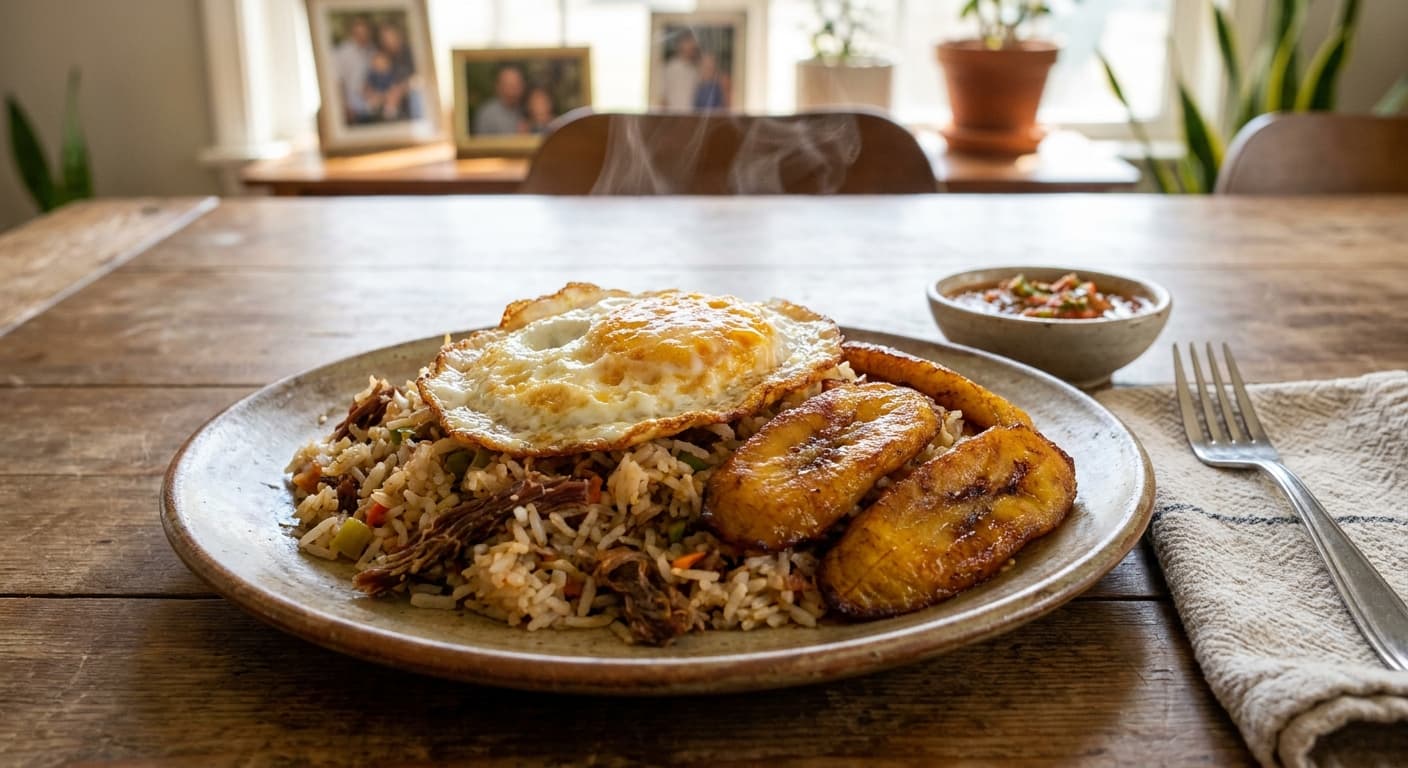
Majadito (Majadito) — Bolivian Rice with Charque and Fried Egg
Bolivian · Rice Dishes · 90 min
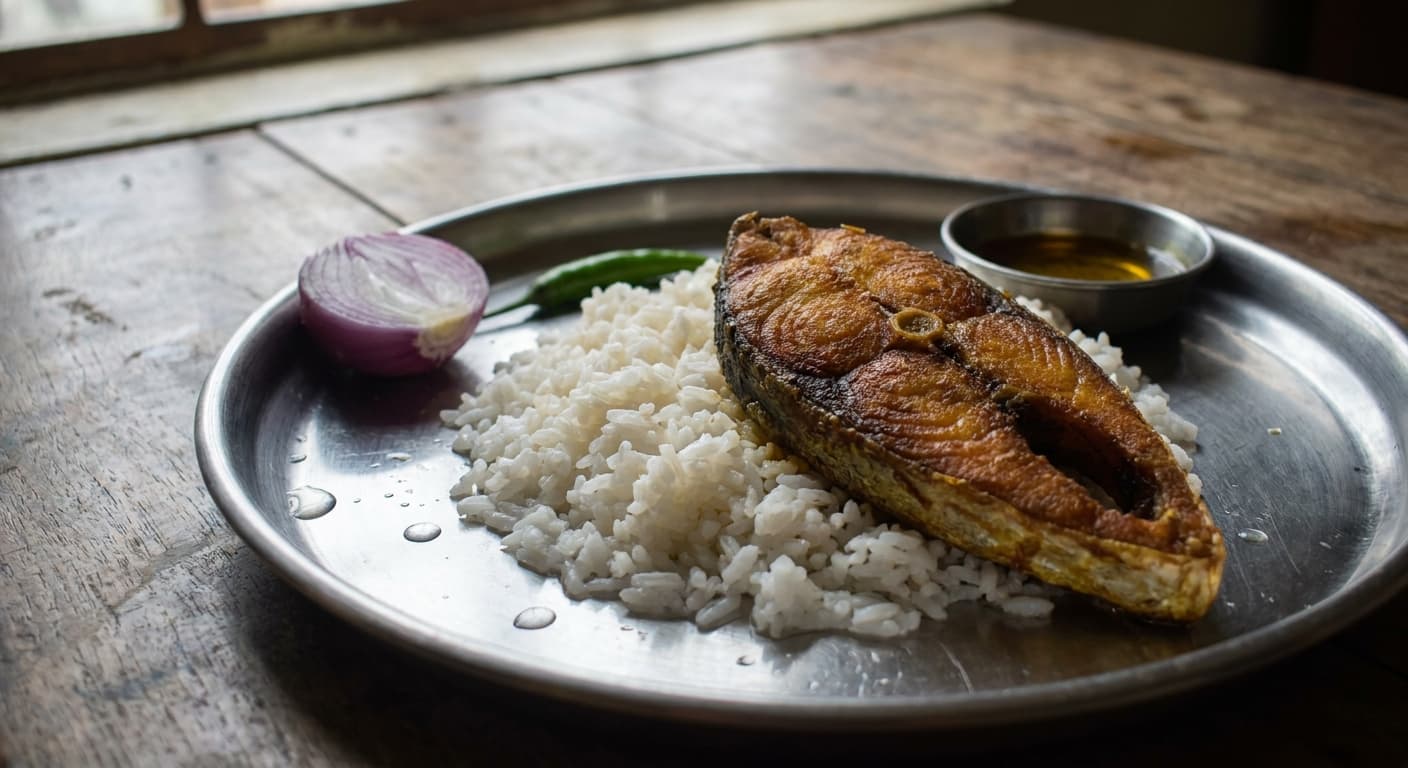
Panta Bhat (পান্তা ভাত) — Overnight Fermented Rice with Fried Ilish
Bangladeshi · Rice Dishes · 35 min
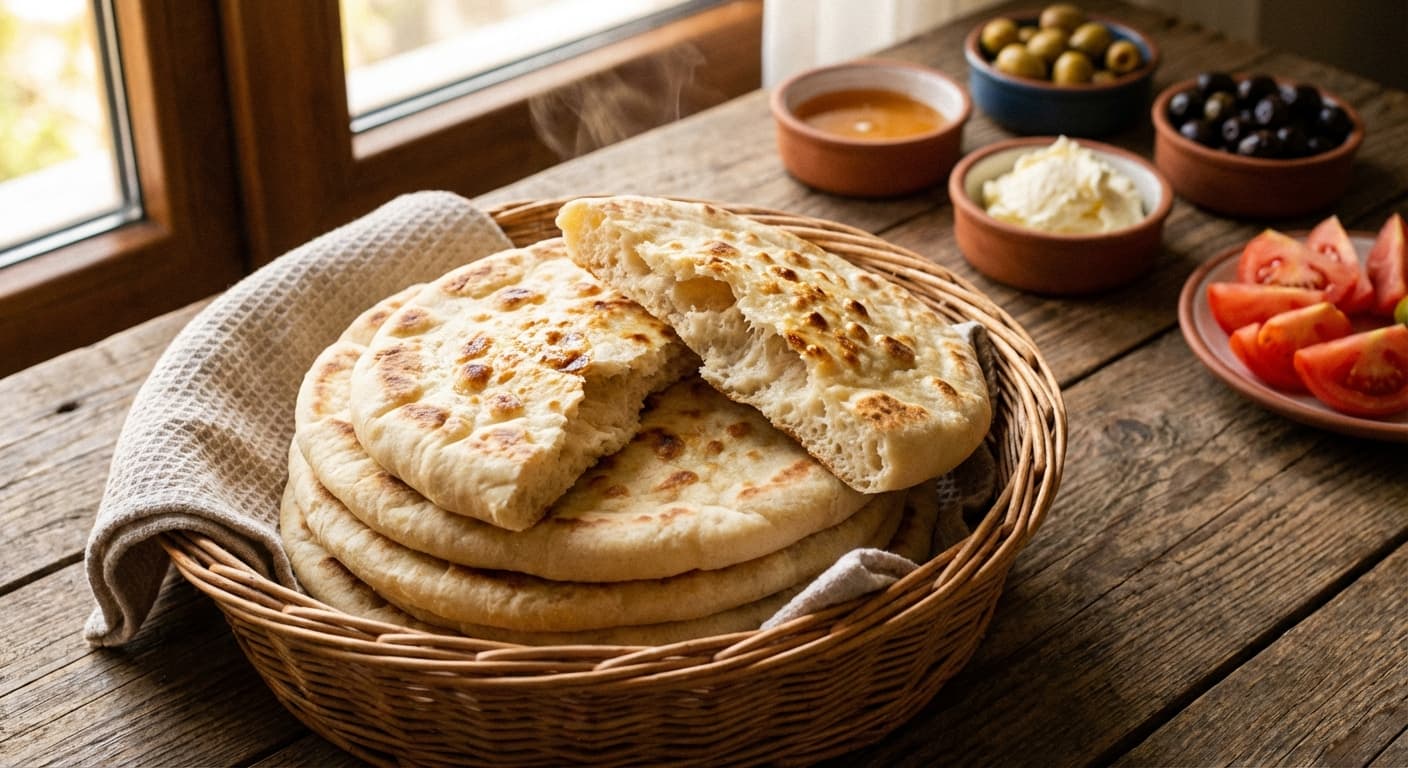
Bazlama (بازلاما) — Puffy Turkish Village Flatbread Cooked on a Saj
Turkish · Breads · 38 min
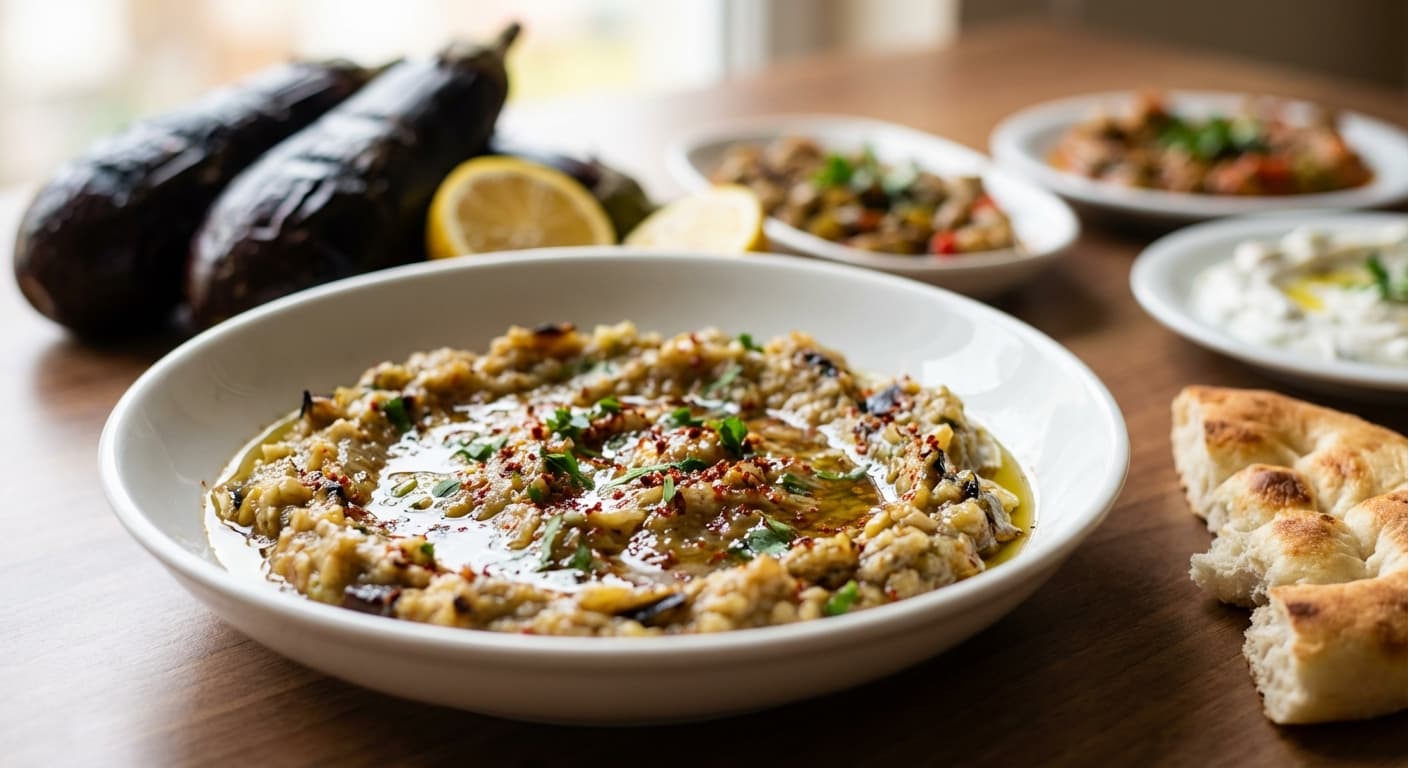
Smoky Eggplant Salad (Patlıcan Salatası) — Turkish charred eggplant with garlic and olive oil
Turkish · Salads · 40 min
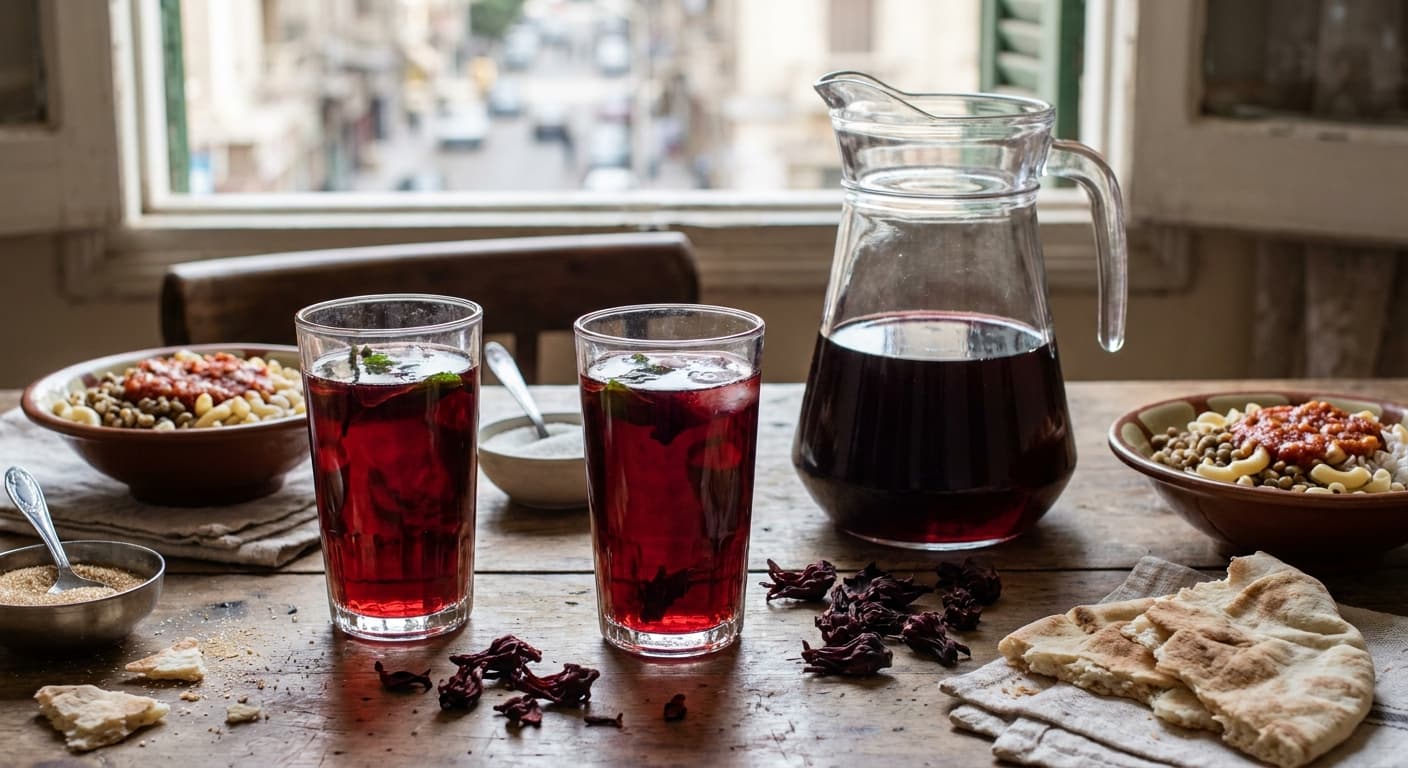
Egyptian Karkadeh (كركديه) — Chilled Hibiscus Tea
Egyptian · Drinks · 18 min
Reviews
Cooked this recipe?
Tap the stars to rate it — that's all it takes. A few words are welcome but optional.
No ratings yet. Cooked this one? Be the first to rate it — it takes one tap.