Kalam Polo Ghermez (کلم پلو قرمز) — Persian Red Cabbage Rice
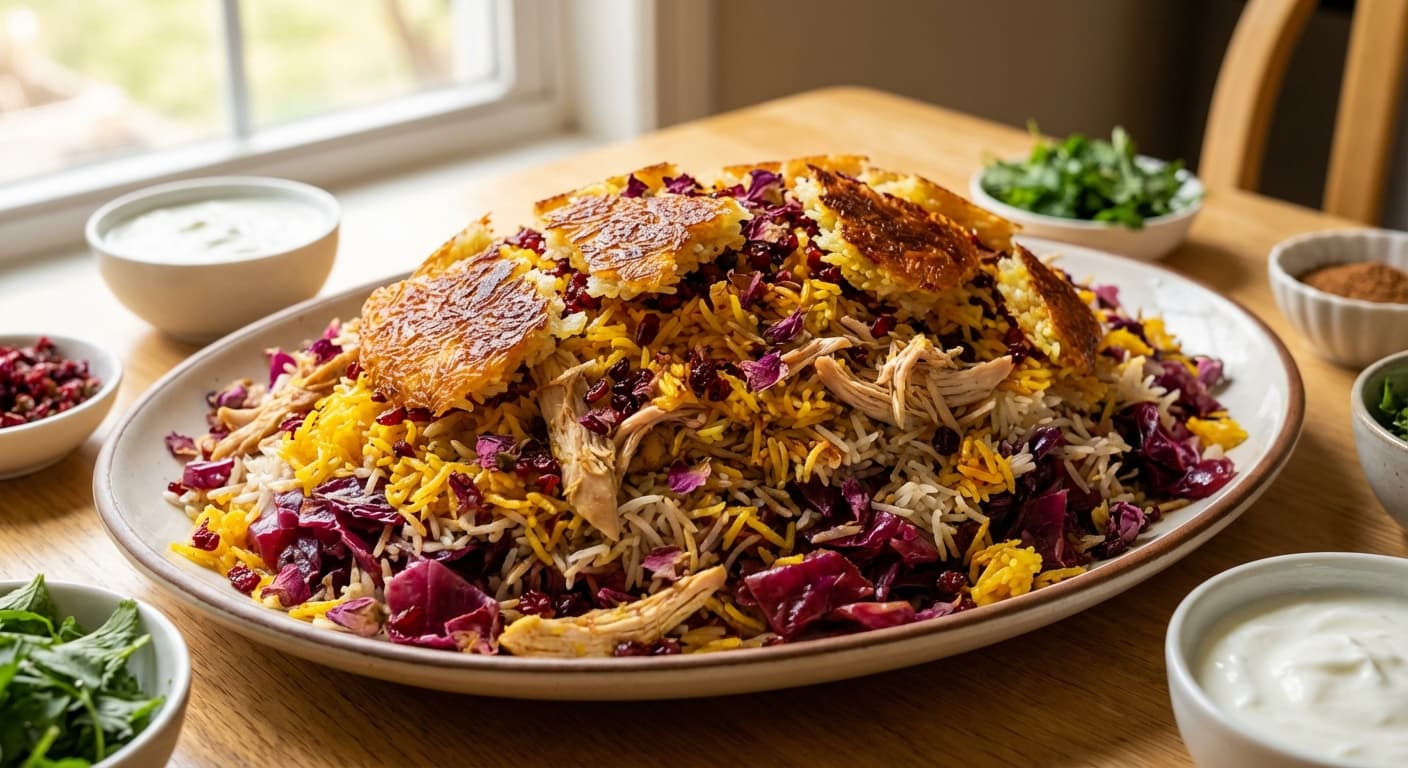
A jewel-toned Persian layered rice dish where tangy-sweet red cabbage and saffron chicken meet fragrant rose petals and cinnamon. Crisp tahdig and fluffy basmati make it festive yet approachable.
Printable Recipe Card
Servings: 6 · Total: 130 min · Difficulty: medium
Ingredients (quick list)
- 450 g Basmati rice (rinsed until water runs mostly clear)
- 2500 ml Water (for parboiling rice)
- 30 g Salt (for parboiling water (about 1 1/2 tbsp))
- 0.3 g Saffron threads (crushed)
- 45 ml Hot water (just off the boil, for blooming saffron)
- 600 g Chicken breast (boneless, skinless; cut into 3 cm cubes)
- 45 ml Lemon juice (freshly squeezed)
- 2 g Black pepper (freshly ground (about 1 tsp))
- 30 ml Olive oil (for searing chicken)
- 700 g Red cabbage (cored and thinly shredded (about 6–8 mm))
- 200 g Yellow onion (finely sliced)
- 30 g Unsalted butter (for sautéing cabbage)
+ 7 more in the full ingredients section below.
Steps (summary)
- Bloom the saffron: crush saffron threads to a fine powder, then stir in 45 ml hot water. Cover and steep 15 minutes to fully ex…
- Season the chicken: toss chicken cubes with 45 ml lemon juice, 6 g salt, and 2 g black pepper. Rest 20 minutes at room temperat…
- Finish the chicken gently: reduce heat to medium, add 2 tablespoons (30 ml) of the bloomed saffron liquid and 2–3 tablespoons w…
- Braise the red cabbage: in a wide pot, melt 30 g butter with 15 ml olive oil over medium heat. Add sliced onion and cook 8 minu…
- Simmer the cabbage mixture: pour in 120 ml water, cover, and cook over medium-low for 18–22 minutes, stirring twice, until the…
- Parboil the rice: bring 2500 ml water to a rolling boil in a large pot and dissolve 30 g salt. Add drained rice, stir once, and…
+ 4 more steps in the full instructions section below.
Cultural Background
Layered rice dishes are a central part of Persian home cooking, valued for their contrast of fluffy grains and crisp tahdig. This red cabbage version is often prepared as a seasonal variation, using winter cabbage and warm spices alongside saffron for a festive presentation.
Equipment
💡 Tips
- For deeper red color, keep the cabbage covered while braising and avoid high heat, which can dull the pigments.
- If your rose petals are very perfumed, start with 1 g, taste, then add the remaining 1 g at the end.
- A well-drained rice is key: let it sit in the colander 5 minutes after draining to prevent gummy layers.
- To protect the tahdig, use a heavy-bottomed pot and keep the final steaming phase on low heat.
⚠️ Common Mistakes
❌ Overboiling the rice during parboil
💡 Why: Fully cooked grains break during steaming and turn sticky, preventing distinct layers.
✅ Fix: Boil only until the outside is tender and the center is slightly firm (6–7 minutes), then drain immediately and let it steam-dry in the colander.
❌ Cabbage mixture too wet
💡 Why: Excess liquid makes the rice soggy and can soften the tahdig.
✅ Fix: Simmer uncovered for the last 2–4 minutes if needed, until the pan is nearly dry and the cabbage is glossy, not watery.
❌ Burnt or pale tahdig
💡 Why: Heat that is too high burns the crust; heat too low prevents browning and crisping.
✅ Fix: Use medium heat for the first 10 minutes to start the crust, then low for 45 minutes; rest 10 minutes before unmolding to release cleanly.
❌ Rose flavor turns bitter or soapy
💡 Why: Non-culinary petals or prolonged high heat can create harsh flavors.
✅ Fix: Use culinary-grade petals and add them at the end of braising; keep to the measured amount and adjust to your brand’s intensity.
🧊 How to Store
Cool leftovers within 2 hours. Refrigerate in an airtight container up to 3 days. Reheat covered in a pot with 1–2 tbsp water on low 10–15 minutes, or microwave covered until hot. Tahdig will soften; re-crisp in a dry skillet over medium heat 3–5 minutes.
📅 Make Ahead
Braise the cabbage mixture up to 2 days ahead and refrigerate. Bloom saffron up to 24 hours ahead and refrigerate covered. Parboil rice and assemble no more than 2 hours before steaming for best texture; keep components at cool room temperature to avoid condensation.
🍽️ Pairs Well With
- Shirazi salad (cucumber
- tomato
- onion with lemon)
- Plain yogurt with mint
- Pickled vegetables
- Fresh herbs and radishes
Regional Variations
- Tehran-style home kitchensOften made with a simple cabbage-onion base and a lighter hand with floral notes, focusing on saffron and a crisp yogurt tahdig.
- Northern Iran (Caspian-influenced tables)May lean more tangy with extra citrus and sometimes includes dried fruit such as barberries for contrast, while keeping the same layered rice technique.
Ingredients
- 450 gBasmati rice (rinsed until water runs mostly clear)
- 2500 mlWater (for parboiling rice)
- 30 gSalt (for parboiling water (about 1 1/2 tbsp))
- 0.3 gSaffron threads (crushed)
- 45 mlHot water (just off the boil, for blooming saffron)
- 600 gChicken breast (boneless, skinless; cut into 3 cm cubes)
- 45 mlLemon juice (freshly squeezed)
- 2 gBlack pepper (freshly ground (about 1 tsp))
- 30 mlOlive oil (for searing chicken)
- 700 gRed cabbage (cored and thinly shredded (about 6–8 mm))
- 200 gYellow onion (finely sliced)
- 30 gUnsalted butter (for sautéing cabbage)
- 25 gSugar (balances cabbage tang (about 2 tbsp))
- 2.6 gGround cinnamon (about 1 tsp)
- 2 gDried rose petals (culinary-grade; lightly crushed (about 2 tbsp loosely packed))
- 45 mlNeutral oil (for tahdig and steaming)
- 120 gPlain yogurt (for yogurt tahdig base)
- 18 gEgg yolk (from 1 large egg; helps crisp tahdig)
- 2 gGround turmeric (about 1 tsp, for tahdig color)
🔄 Substitutions
- Chicken breast→ Boneless, skinless chicken thighs
- Plain yogurt tahdig base→ Potato tahdig
- Dried rose petals→ Orange blossom water
Instructions
- 1
Bloom the saffron: crush saffron threads to a fine powder, then stir in 45 ml hot water. Cover and steep 15 minutes to fully extract color and aroma. Meanwhile, rinse basmati rice in several changes of cool water until mostly clear, then drain well and set aside for parboiling.
- 2
Season the chicken: toss chicken cubes with 45 ml lemon juice, 6 g salt, and 2 g black pepper. Rest 20 minutes at room temperature (or refrigerate up to 12 hours; include this time in prep). Heat 30 ml olive oil in a skillet over medium-high and sear chicken 6–8 minutes, turning, until lightly golden.
- 3
Finish the chicken gently: reduce heat to medium, add 2 tablespoons (30 ml) of the bloomed saffron liquid and 2–3 tablespoons water from the pan if needed. Cover and cook 6–8 minutes until the thickest pieces reach 74°C/165°F. Transfer to a plate; keep any pan juices for layering so the rice stays fragrant.
- 4
Braise the red cabbage: in a wide pot, melt 30 g butter with 15 ml olive oil over medium heat. Add sliced onion and cook 8 minutes until soft and lightly golden. Add shredded red cabbage, 25 g sugar, 30 ml lemon juice, 2.6 g cinnamon, 1 g black pepper, and 4 g salt; toss 2 minutes.
- 5
Simmer the cabbage mixture: pour in 120 ml water, cover, and cook over medium-low for 18–22 minutes, stirring twice, until the cabbage is tender but still holds shape and the liquid is mostly absorbed. Stir in dried rose petals, cook 1 minute to bloom, then remove from heat and cool 5 minutes.
- 6
Parboil the rice: bring 2500 ml water to a rolling boil in a large pot and dissolve 30 g salt. Add drained rice, stir once, and boil 6–7 minutes until the grains are tender on the outside but still firm in the center. Drain immediately and rinse quickly with 250 ml cool water to stop cooking; drain very well.
- 7
Prepare the tahdig base: in a bowl, mix 120 g yogurt, 18 g egg yolk, 2 g turmeric, 15 ml neutral oil, and 2 tablespoons (about 30 g) of the parboiled rice. Stir until evenly coated. This mixture creates a crisp, golden crust and helps prevent sticking in the pot.
- 8
Layer the rice, cabbage, and chicken: add 30 ml neutral oil to a nonstick or well-seasoned pot (24–26 cm). Spread the yogurt-rice tahdig mixture evenly on the bottom. Layer 1/3 rice, then 1/2 cabbage mixture, then half the chicken plus any juices; repeat, finishing with rice. Drizzle remaining saffron liquid over the top.
- 9
Steam to finish: with the handle of a spoon, poke 5–6 holes down to the bottom for steam channels. Sprinkle 60 ml water over the rice and cover the lid with a clean towel, then seal the pot. Cook 10 minutes over medium heat until you hear gentle sizzling, then reduce to low and steam 45 minutes.
- 10
Unmold and serve: turn off heat and rest the pot, covered, 10 minutes to set the crust. Loosen edges with a thin spatula. Place a platter over the pot and invert confidently to release the tahdig-topped rice. Serve immediately, ensuring each portion gets saffron rice, cabbage, chicken, and a piece of crisp tahdig.
🪪 Recipe Passport
Cultural Background
Layered rice dishes are a central part of Persian home cooking, valued for their contrast of fluffy grains and crisp tahdig. This red cabbage version is often prepared as a seasonal variation, using winter cabbage and warm spices alongside saffron for a festive presentation.
Regional Variations
Researched from multiple sources and validated by the Zaffaron editorial team. Every recipe is tested for accuracy, measurements, and cultural authenticity.
Nutrition per serving
Pairs well with
If you enjoyed this recipe, here are a few related Zaffaron recipes to try next.
Does your family make this differently?
Every family has their own version. Maybe your grandmother adds a secret ingredient, or your aunt has a completely different technique. Preserve your family's version — with their name on it, forever.
You Might Also Like
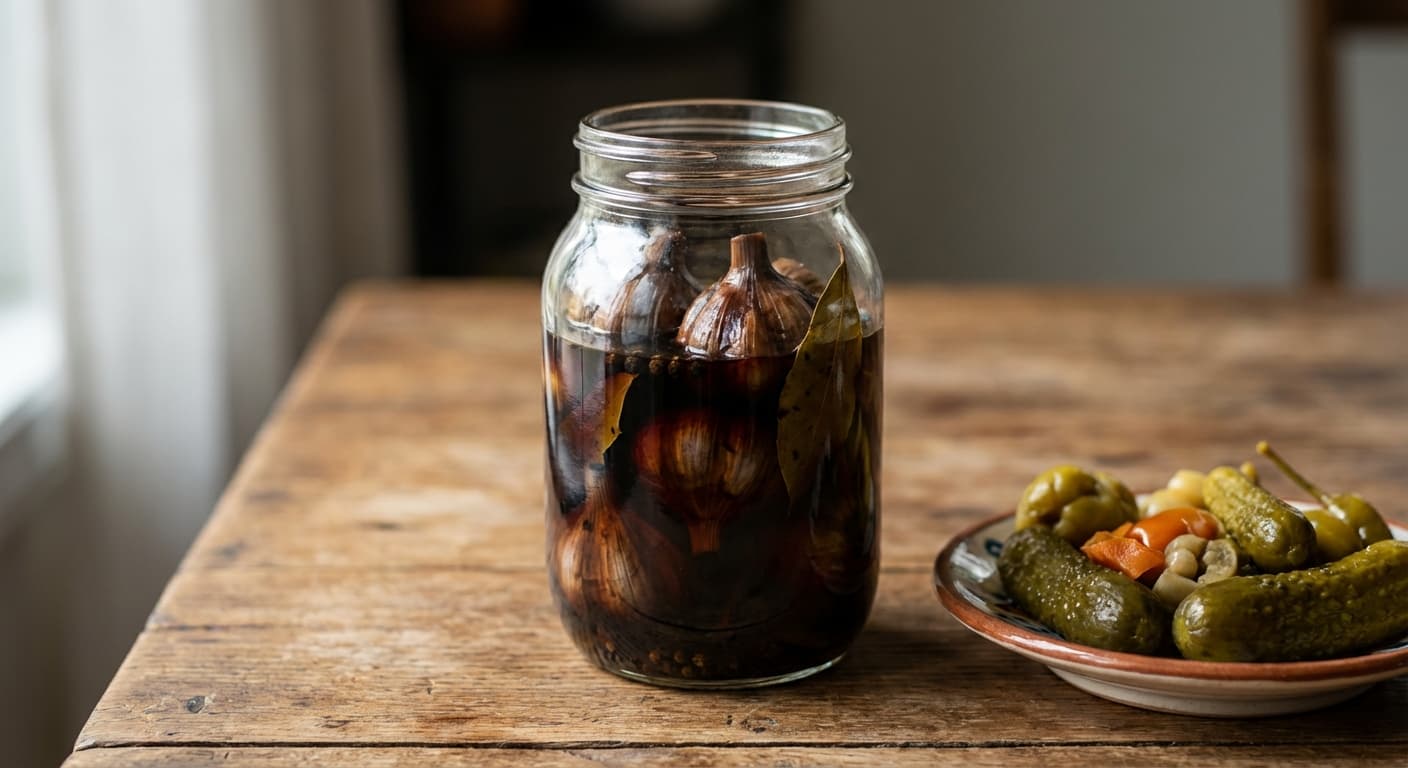
Aged Garlic Pickle (سیر ترشی) — Gilan’s seven-year-style black garlic torshi
Persian · Side Dishes · 45 min
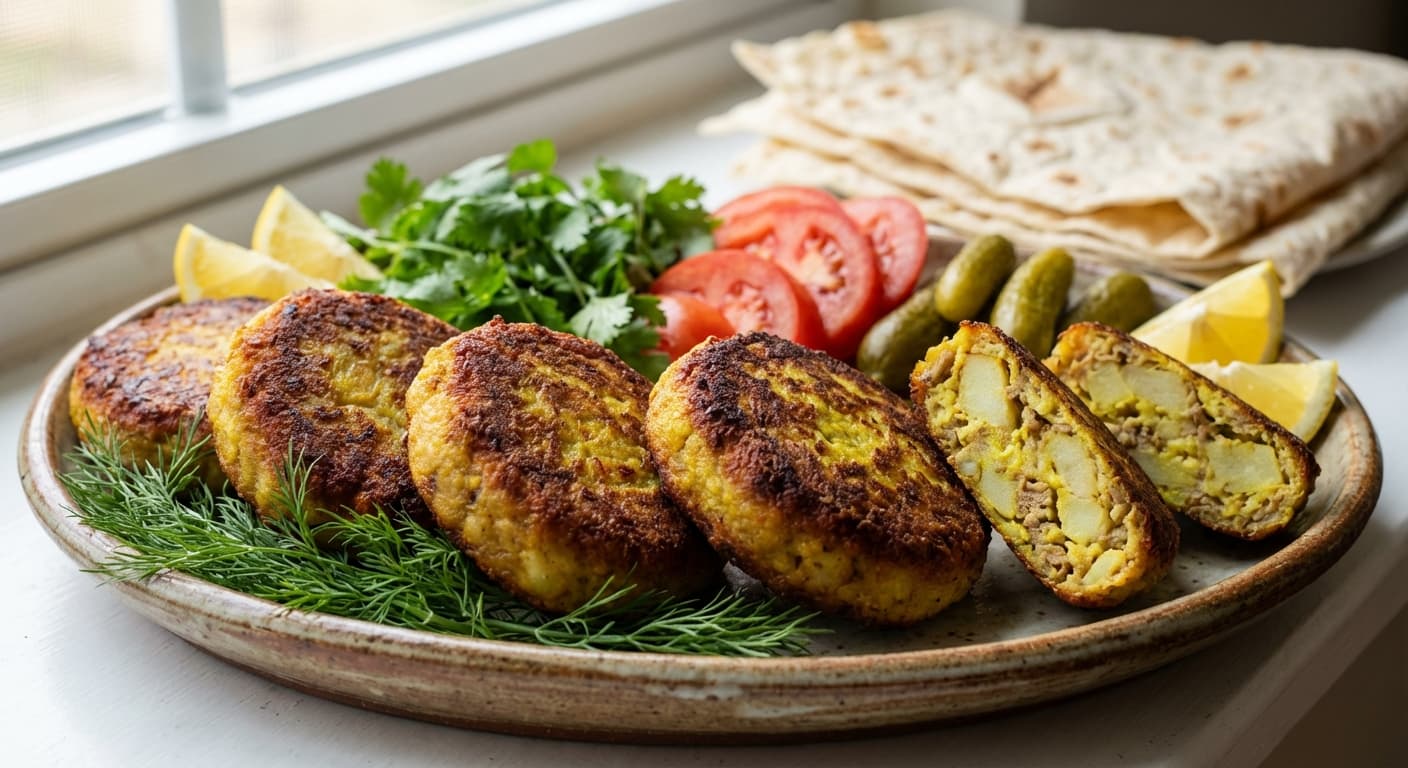
Persian Kotlet (کتلت) — Saffron-Infused Meat & Potato Patties
Persian · Main Courses · 55 min
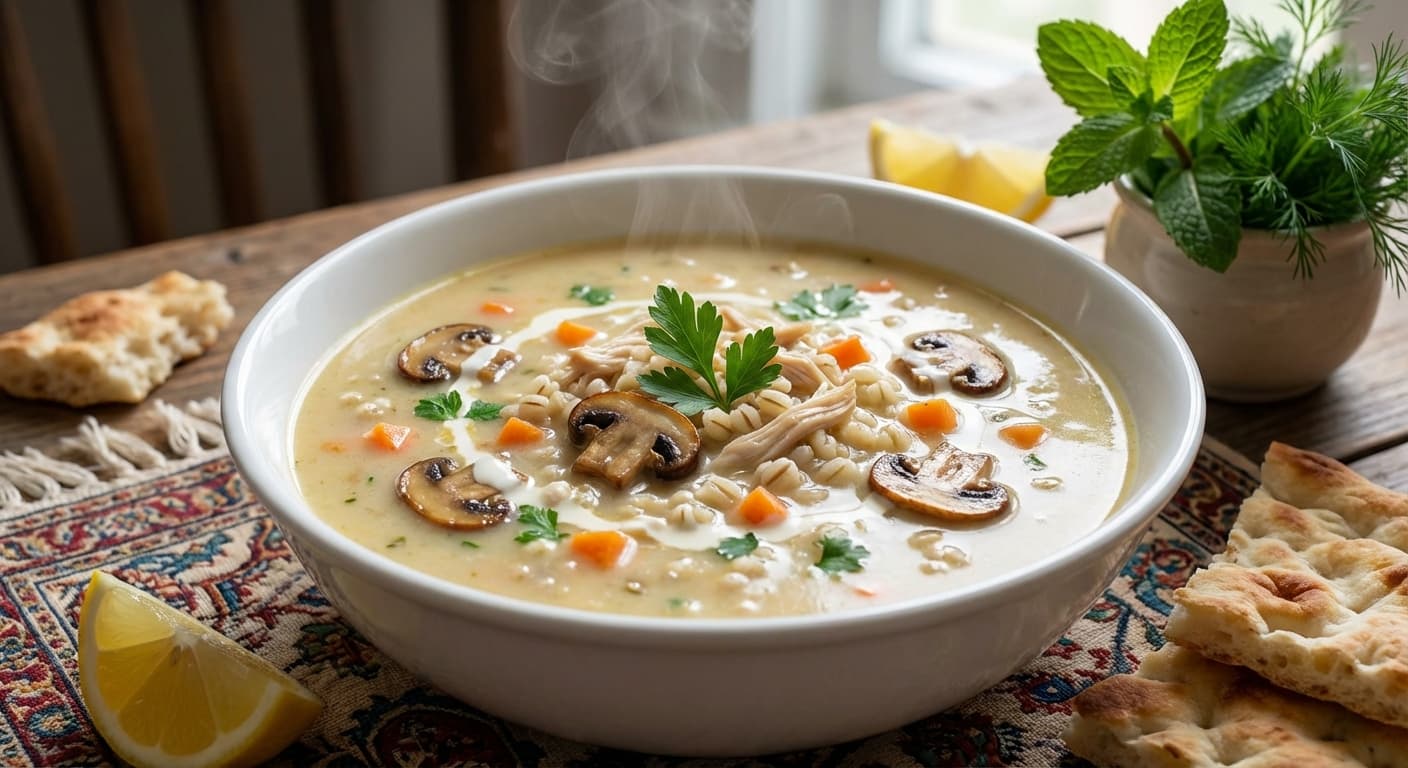
Soup-e Jo (سوپ جو) — Persian Creamy Barley Soup
Persian · Soups · 90 min
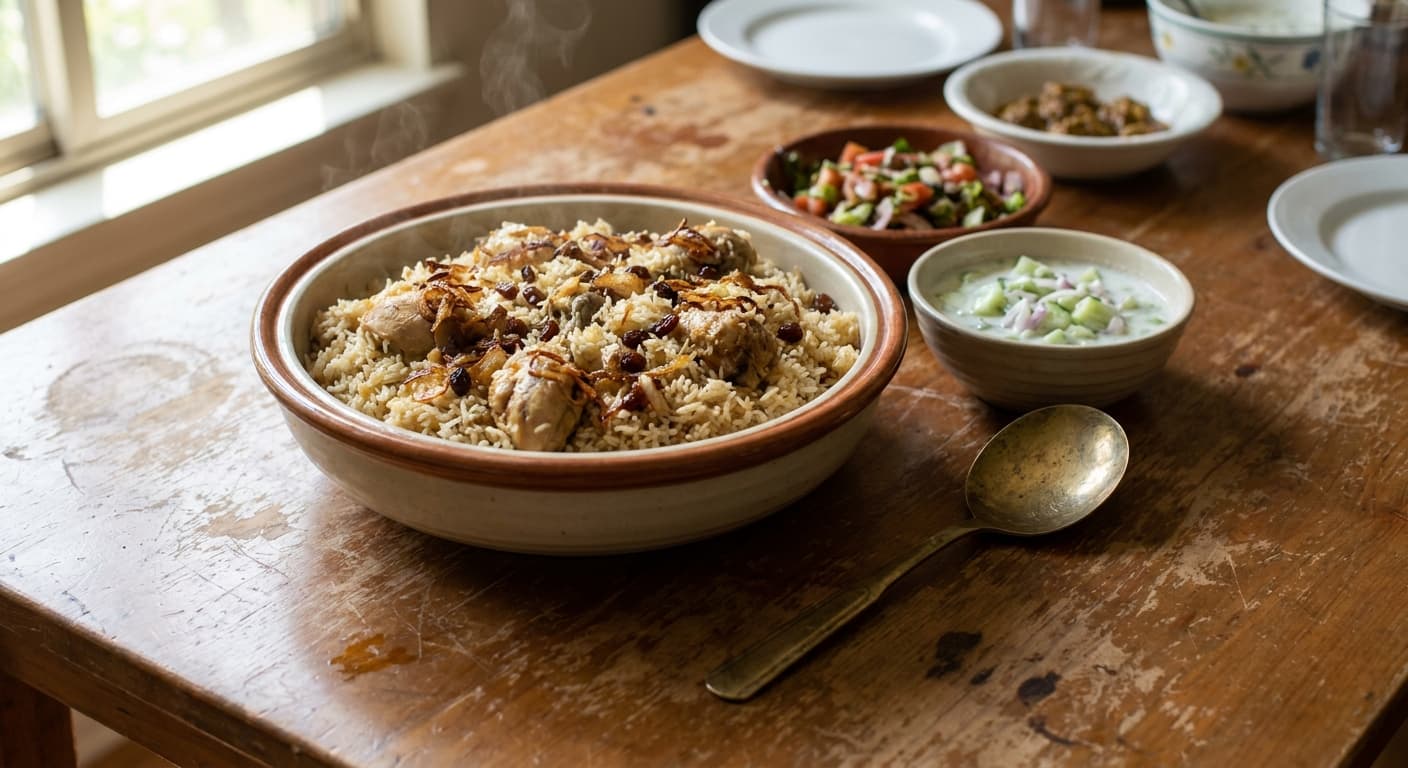
Morog Polao (মোরগ পোলাও) — Bangladeshi Chicken Pilaf
Bangladeshi · Rice Dishes · 100 min
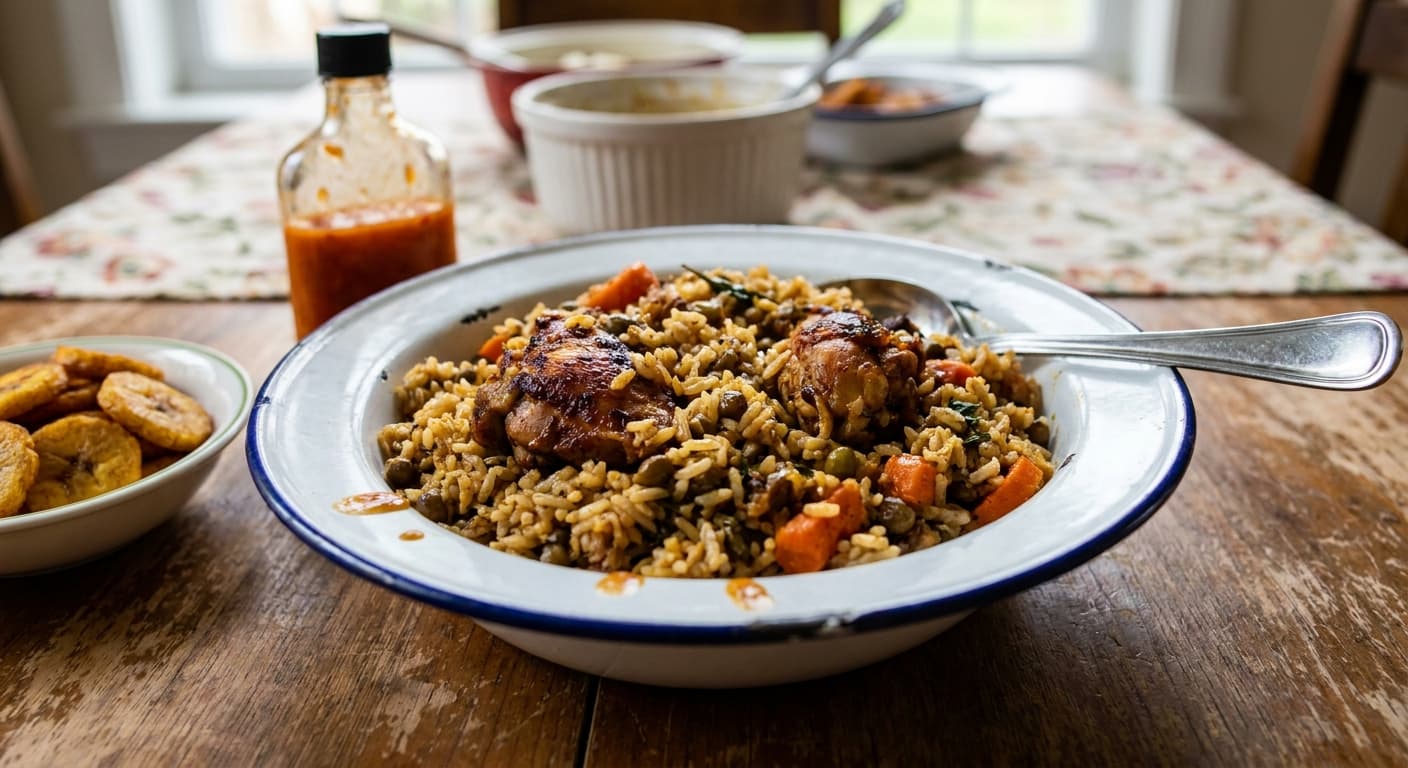
Trinidadian Pelau (Pelau) — Caramel-Browned Chicken, Rice, and Pigeon Peas
Trinidadian · Rice Dishes · 85 min
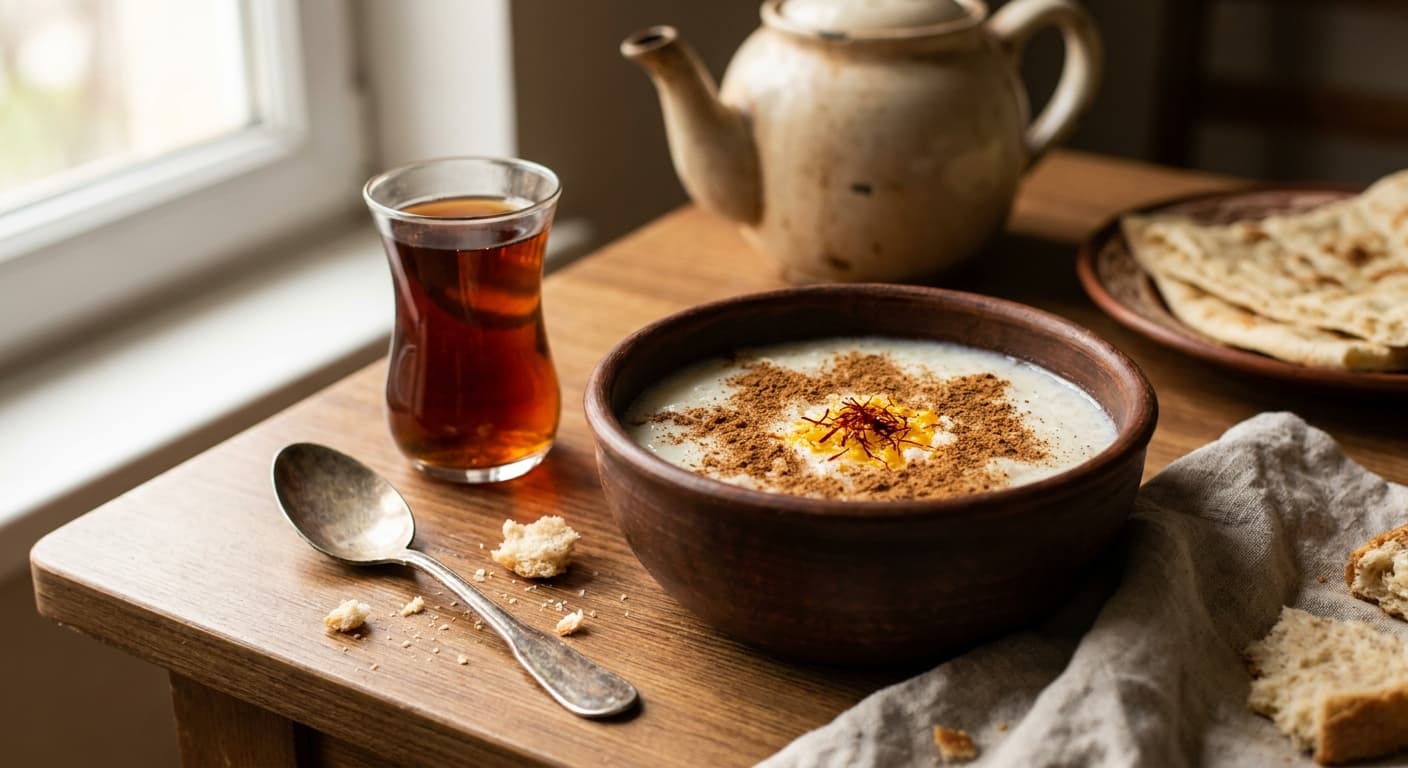
Azerbaijani Milk Rice Porridge (Südlü Sıyıq) — Creamy Breakfast Bowl
Azerbaijani · Rice Dishes · 40 min
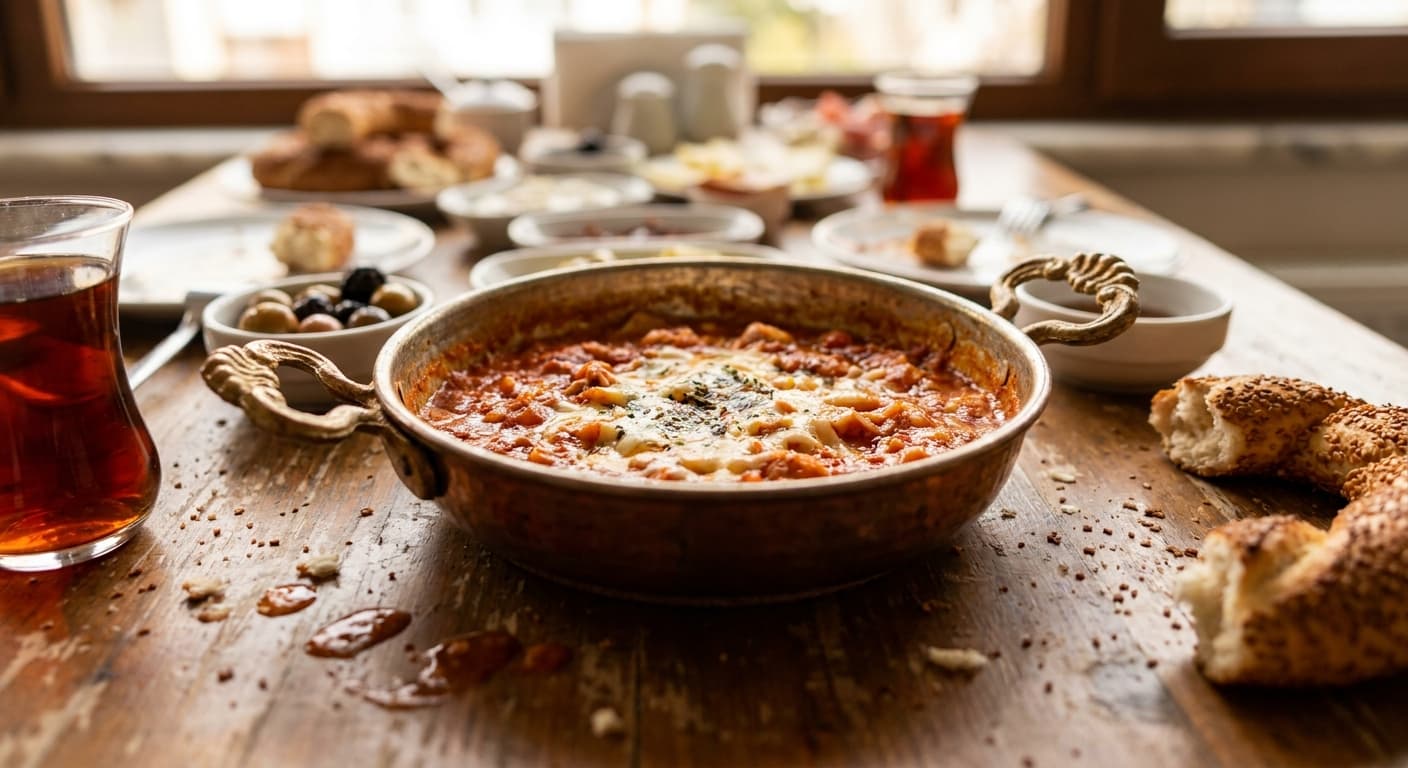
Turkish Menemen (Menemen) — Soft Eggs with Tomatoes and Peppers
Turkish · Main Courses · 37 min
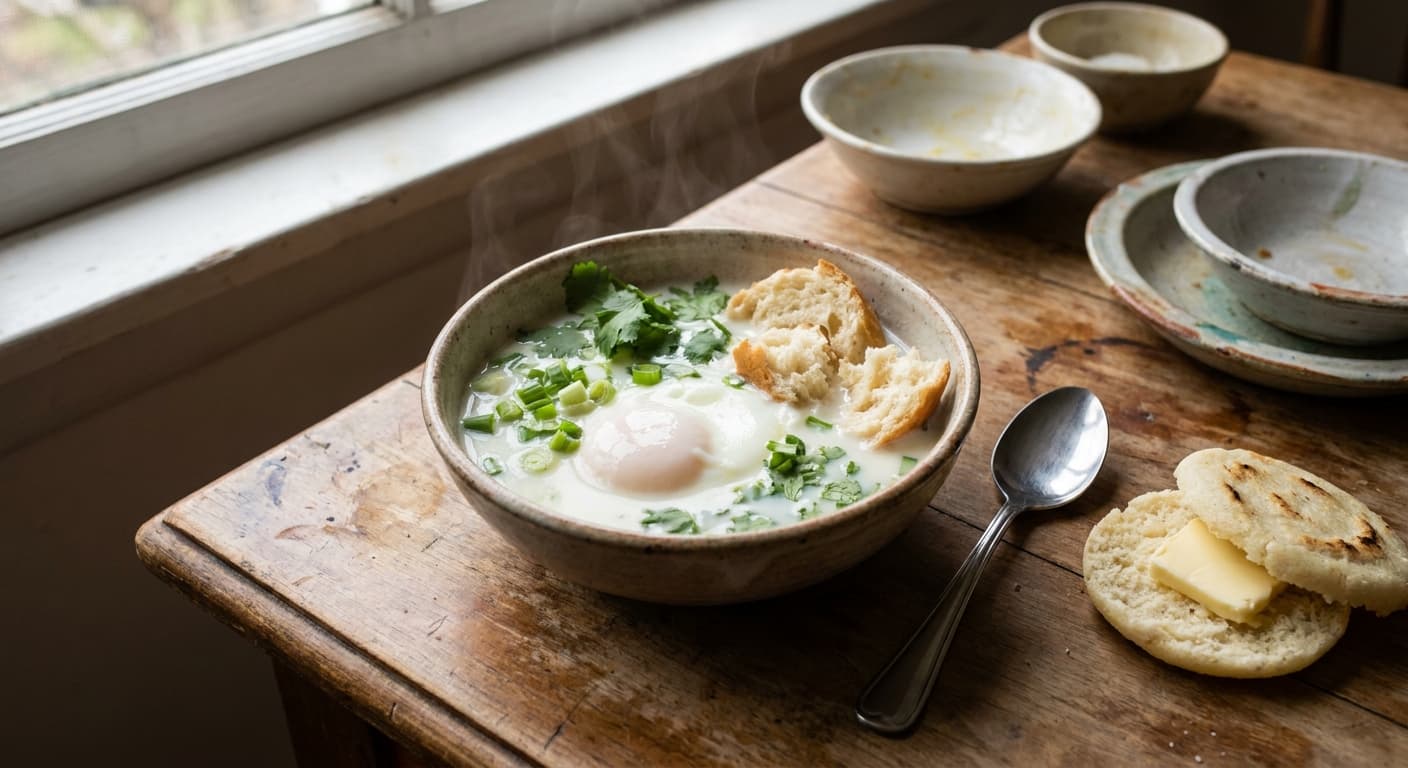
Changua (Changua) — Colombian Milk-and-Egg Breakfast Soup
Colombian · Soups · 25 min
Reviews
Cooked this recipe?
Tap the stars to rate it — that's all it takes. A few words are welcome but optional.
No ratings yet. Cooked this one? Be the first to rate it — it takes one tap.