Khoresh Aloo (خورش آلو) — Persian Chicken and Plum Stew
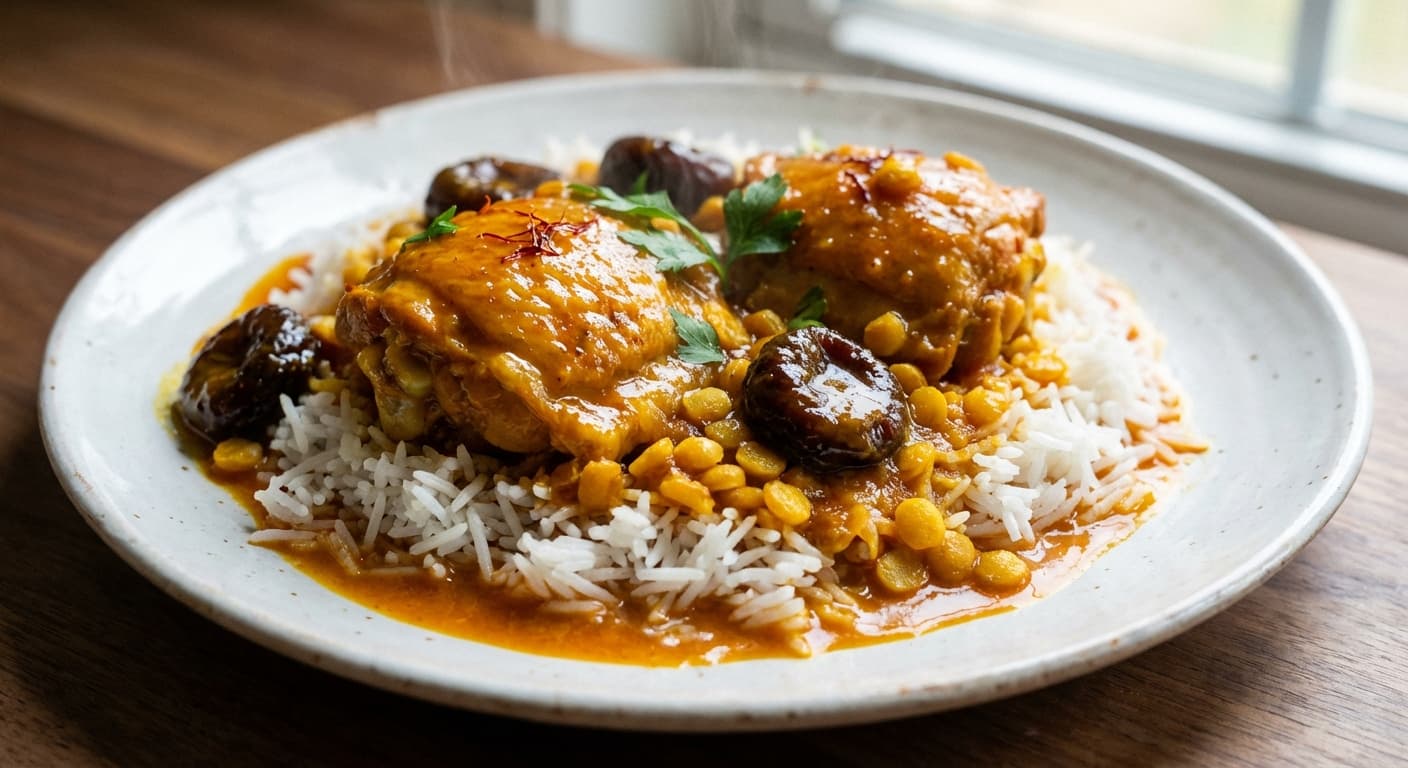
Khoresh Aloo is a classic Persian sweet-and-sour stew where tender chicken simmers with yellow split peas, fried onions, saffron, and sun-dried prunes. Balanced with sugar and lemon, it’s traditionally served over fluffy rice.
Printable Recipe Card
Servings: 6 · Total: 165 min · Difficulty: medium
Ingredients (quick list)
- 450 g Basmati rice (for serving; rinse and soak 45 minutes)
- 18 g Fine sea salt (divided; includes rice boiling water and stew seasoning)
- 30 g Unsalted butter (for serving over rice (optional))
- 1000 g Chicken thighs, bone-in and skinless (about 6 pieces)
- 2 tsp Ground turmeric
- 1 tsp Black pepper (freshly ground)
- 45 ml Vegetable oil (divided)
- 350 g Yellow onions (thinly sliced)
- 200 g Yellow split peas (rinsed; soak 30 minutes, then drain)
- 30 g Tomato paste (about 2 tbsp)
- 0.5 tsp Ground saffron (bloom in hot water as directed)
- 60 ml Hot water (for blooming saffron)
+ 4 more in the full ingredients section below.
Steps (summary)
- Rinse the basmati rice until the water runs mostly clear, then soak it in plenty of cool water with 10 g of the salt for 45 min…
- Bloom the saffron: grind it finely if needed, then stir with 60 ml hot water (about 80–90°C). Cover and steep 10 minutes to ful…
- In a heavy pot over medium heat, warm 30 ml of the oil. Add the sliced onions and cook 12–18 minutes, stirring often, until dee…
- Push the onions to the sides and add the remaining 15 ml oil. Add chicken pieces in a single layer and sear 3–4 minutes per sid…
- Stir in the drained split peas. Keep the stew at a steady, gentle simmer (small bubbles) and cook 30 minutes, partially covered…
- Add the drained prunes, bloomed saffron (including all liquid), lemon juice, sugar, and the remaining 4 g salt. Simmer 20–25 mi…
+ 2 more steps in the full instructions section below.
Cultural Background
Khoresh Aloo is part of the Persian tradition of sweet-and-sour stews, where fruit is used to balance savory meats with gentle acidity. It is commonly served at family meals and gatherings, often alongside steamed rice, and its flavor can be adjusted to suit seasonal fruit and household preference.
Equipment
💡 Tips
- For a velvety sauce, keep the simmer gentle; rapid boiling can break the split peas and make the stew cloudy.
- If your prunes are very tart, start with 10 g sugar and add more at the end; if they are sweet, increase lemon juice instead.
- Searing the chicken adds depth, but avoid hard browning; the goal is a clean, golden fond that won’t taste bitter.
- Bloom saffron in hot (not boiling) water to preserve aroma; steeping covered prevents volatile aromas from escaping.
- If the stew tastes flat, a small extra splash of lemon juice (5–10 ml) often brightens it more than extra salt.
⚠️ Common Mistakes
❌ Boiling the stew hard after adding split peas
💡 Why: High heat can break peas unevenly and toughen chicken, leading to a muddy texture and reduced clarity of flavor.
✅ Fix: Maintain a gentle simmer on low heat; if needed, use a heat diffuser and stir carefully once or twice to prevent sticking.
❌ Adding prunes too early
💡 Why: Long cooking can cause prunes to disintegrate and make the stew overly sweet or dark, masking saffron and onion flavors.
✅ Fix: Add prunes in the final 20–25 minutes so they soften while keeping shape and a clean sweet-tart profile.
❌ Under-caramelizing the onions
💡 Why: Pale onions lack the depth that defines the stew’s base, making the final dish taste thin even with saffron and stock.
✅ Fix: Cook onions patiently to deep golden, adjusting heat to prevent burning; deglaze with a splash of stock if browning too fast.
❌ Over-salting early with salty stock
💡 Why: As the stew reduces, salt concentrates and can overpower the sweet-sour balance.
✅ Fix: Use low-sodium stock and add salt in stages; finalize seasoning only after prunes, lemon, and sugar are in the pot.
🧊 How to Store
Cool to room temperature within 2 hours, then refrigerate in an airtight container up to 4 days. Reheat gently on the stovetop with a splash of water or stock. Freeze up to 2 months; thaw overnight in the fridge and reheat slowly to keep chicken tender.
📅 Make Ahead
The stew tastes better the next day. Cook fully, cool, and refrigerate overnight; reheat gently on low heat for 15–20 minutes, adding 60–120 ml water or stock if thickened. Cook rice fresh for best texture, or re-steam leftover rice with 1–2 tbsp water per cup.
🍽️ Pairs Well With
- Steamed basmati rice
- Shirazi salad (cucumber-tomato-onion salad)
- Plain yogurt or cucumber yogurt
- Fresh herbs and radishes
Regional Variations
- Tehran-style home cookingOften leans toward a balanced sweet-sour profile with moderate sugar and lemon, and may include a slightly thicker sauce from well-cooked split peas.
- Northern Iran (Caspian-influenced tables)Commonly prefers a tangier finish, using more souring (such as extra lemon juice) and less sugar, emphasizing brightness over sweetness.
Ingredients
- 450 gBasmati rice (for serving; rinse and soak 45 minutes)
- 18 gFine sea salt (divided; includes rice boiling water and stew seasoning)
- 30 gUnsalted butter (for serving over rice (optional))
- 1000 gChicken thighs, bone-in and skinless (about 6 pieces)
- 2 tspGround turmeric
- 1 tspBlack pepper (freshly ground)
- 45 mlVegetable oil (divided)
- 350 gYellow onions (thinly sliced)
- 200 gYellow split peas (rinsed; soak 30 minutes, then drain)
- 30 gTomato paste (about 2 tbsp)
- 0.5 tspGround saffron (bloom in hot water as directed)
- 60 mlHot water (for blooming saffron)
- 220 gDried prunes (Aloo Bukhara) (pitted if needed; soak 20 minutes, then drain)
- 45 mlFresh lemon juice (about 3 tbsp; adjust to taste)
- 18 gGranulated sugar (about 1 1/2 tbsp; adjust to taste)
- 900 mlChicken stock (low-sodium preferred; plus more if needed)
🔄 Substitutions
- Chicken thighs, bone-in→ Chicken drumsticks or boneless thighs
- Dried prunes (Aloo Bukhara)→ Dried plums or dried apricots
- Yellow split peas→ Red lentils
Instructions
- 1
Rinse the basmati rice until the water runs mostly clear, then soak it in plenty of cool water with 10 g of the salt for 45 minutes. Meanwhile, rinse the split peas and soak them in cool water for 30 minutes, then drain. Soak the prunes in warm water for 20 minutes, then drain and set aside.
- 2
Bloom the saffron: grind it finely if needed, then stir with 60 ml hot water (about 80–90°C). Cover and steep 10 minutes to fully release color and aroma. Pat the chicken dry, then season with turmeric, black pepper, and 4 g of the salt. Let it sit 10 minutes while you heat the pot.
- 3
In a heavy pot over medium heat, warm 30 ml of the oil. Add the sliced onions and cook 12–18 minutes, stirring often, until deep golden and sweet. This is the fried onion base. Add tomato paste and cook 2 minutes, stirring constantly, until it darkens slightly and smells caramelized.
- 4
Push the onions to the sides and add the remaining 15 ml oil. Add chicken pieces in a single layer and sear 3–4 minutes per side until lightly browned. Pour in the chicken stock, scraping the bottom to release browned bits. Bring to a gentle simmer, then cover and cook 25 minutes on low.
- 5
Stir in the drained split peas. Keep the stew at a steady, gentle simmer (small bubbles) and cook 30 minutes, partially covered, stirring carefully once or twice so peas do not stick. If the liquid drops below the chicken, add 120–240 ml hot water to maintain a stew-like consistency.
- 6
Add the drained prunes, bloomed saffron (including all liquid), lemon juice, sugar, and the remaining 4 g salt. Simmer 20–25 minutes, uncovered, until the split peas are tender, the chicken is very soft, and the sauce looks glossy and slightly thick. Taste and adjust sweet-sour balance with small additions of sugar or lemon.
- 7
Cook the rice while the stew finishes: bring a large pot of water to a rolling boil, add the soaked rice and boil 6–8 minutes until the grains are tender on the outside but still firm in the center. Drain well, return to the pot, and steam on low 35–40 minutes, covered, for fluffy rice.
- 8
Rest the stew off heat for 10 minutes so the flavors settle and the sauce tightens. Skim excess surface oil if desired. Serve the khoresh over steamed rice, spooning plenty of saffron-tinted sauce and prunes on top. Finish with 5 g butter per plate (optional) for a traditional rich sheen.
🪪 Recipe Passport
Cultural Background
Khoresh Aloo is part of the Persian tradition of sweet-and-sour stews, where fruit is used to balance savory meats with gentle acidity. It is commonly served at family meals and gatherings, often alongside steamed rice, and its flavor can be adjusted to suit seasonal fruit and household preference.
Regional Variations
Researched from multiple sources and validated by the Zaffaron editorial team. Every recipe is tested for accuracy, measurements, and cultural authenticity.
Nutrition per serving
Pairs well with
If you enjoyed this recipe, here are a few related Zaffaron recipes to try next.
Does your family make this differently?
Every family has their own version. Maybe your grandmother adds a secret ingredient, or your aunt has a completely different technique. Preserve your family's version — with their name on it, forever.
You Might Also Like
Persian Kotlet (کتلت) — Saffron-Infused Meat & Potato Patties
Persian · Main Courses · 55 min
Soup-e Jo (سوپ جو) — Persian Creamy Barley Soup
Persian · Soups · 90 min
Ash Reshteh (آش رشته) — Persian Herb, Bean, and Noodle Soup
Persian · Soups · 145 min
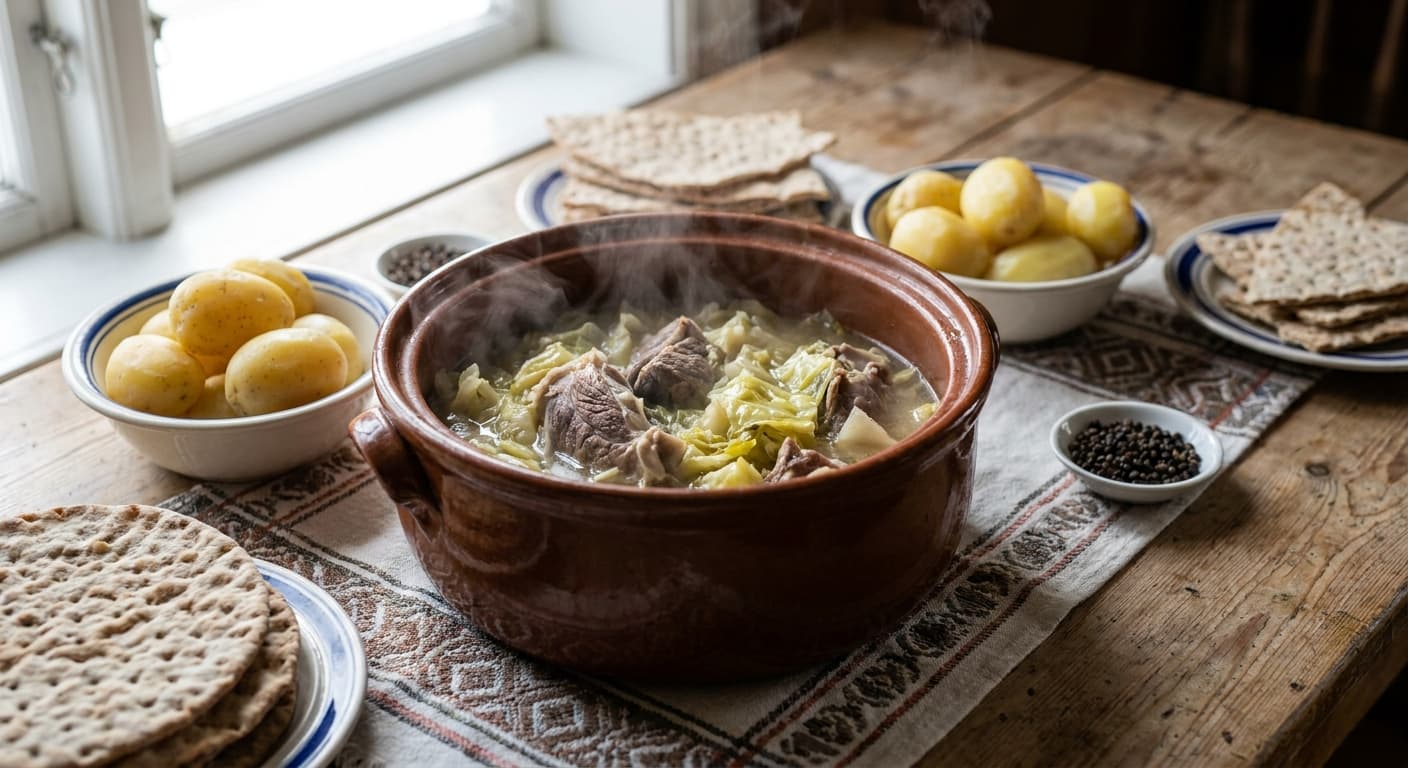
Norwegian Lamb and Cabbage Stew (Fårikål) — Peppery Autumn National Dish
Norwegian · Stews · 170 min
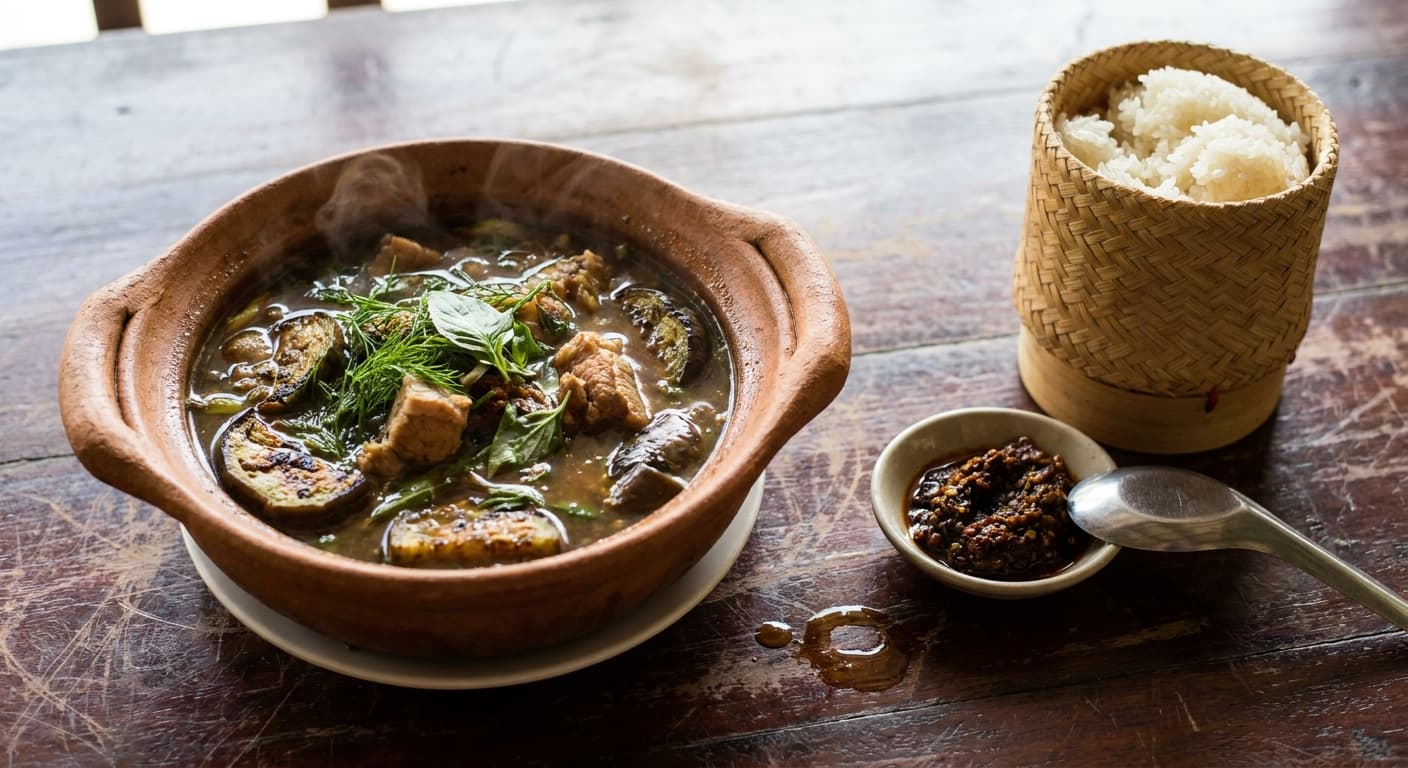
Or Lam (ເອາະຫຼາມ) — Luang Prabang Herb Stew
Laotian · Stews · 155 min
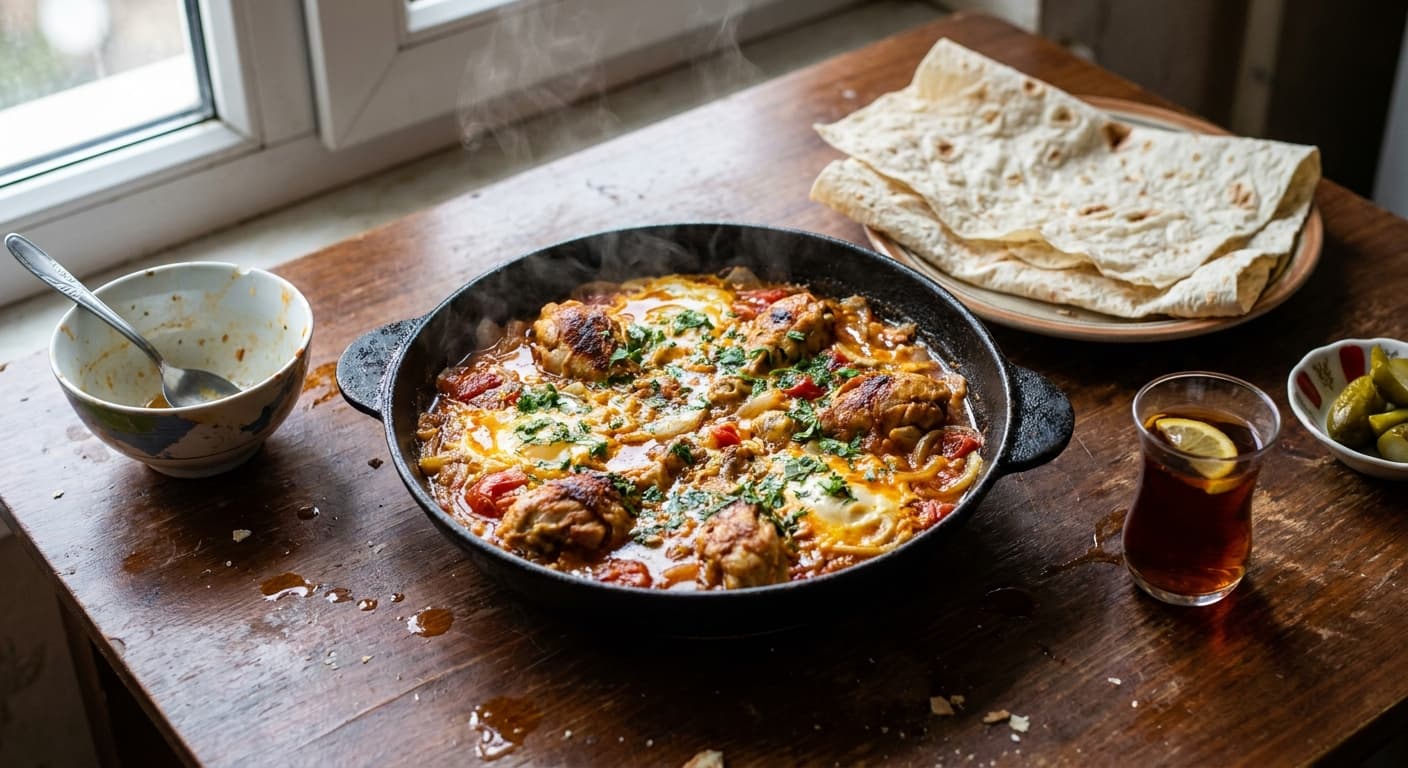
Chicken Chygyrtma (Toyuq Çığırtması) — Azerbaijani Chicken with Eggs and Tomatoes
Azerbaijani · Main Courses · 65 min
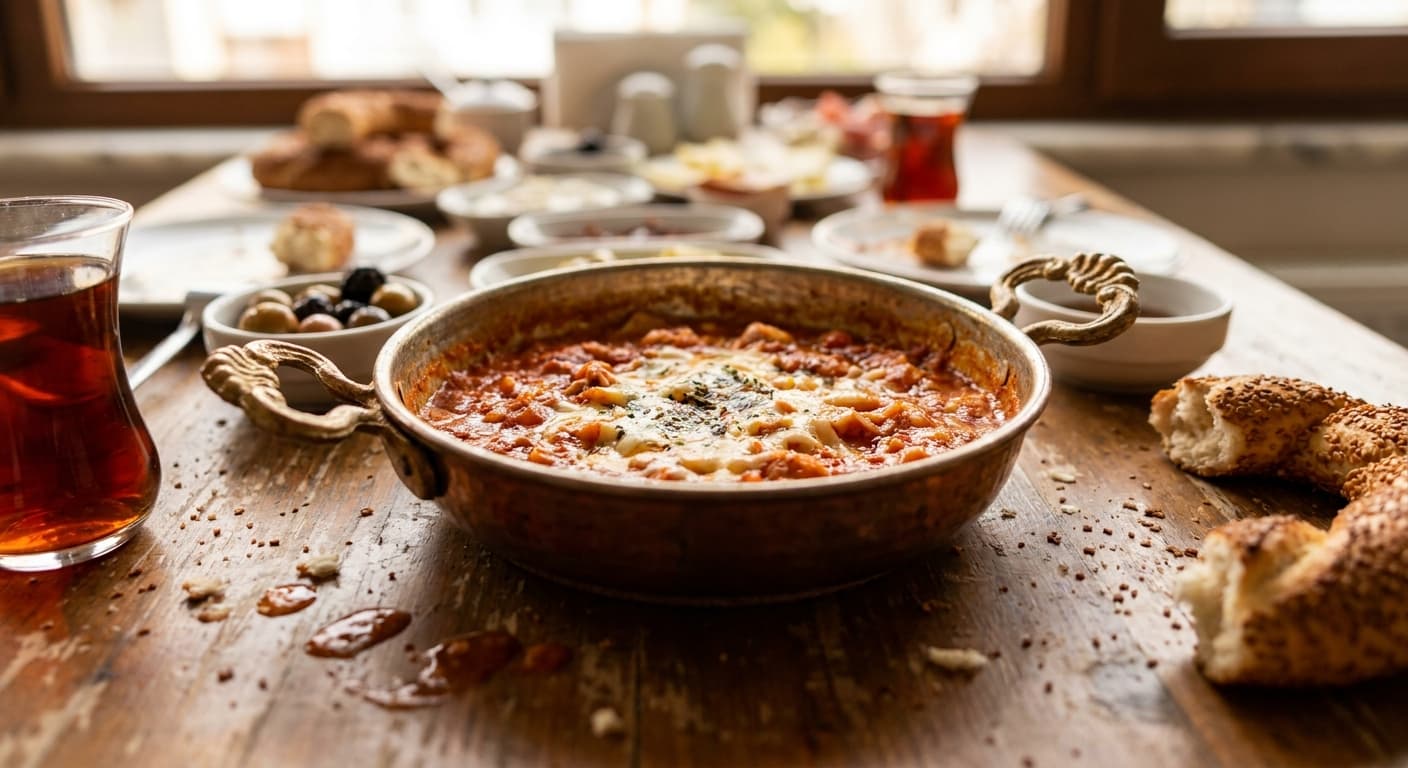
Turkish Menemen (Menemen) — Soft Eggs with Tomatoes and Peppers
Turkish · Main Courses · 37 min
Roulat Panir (رولت پنیر) — Persian Savory Cheese & Walnut Crepe Rolls
Persian · Appetizers · 80 min
Reviews
Cooked this recipe?
Tap the stars to rate it — that's all it takes. A few words are welcome but optional.
No ratings yet. Cooked this one? Be the first to rate it — it takes one tap.