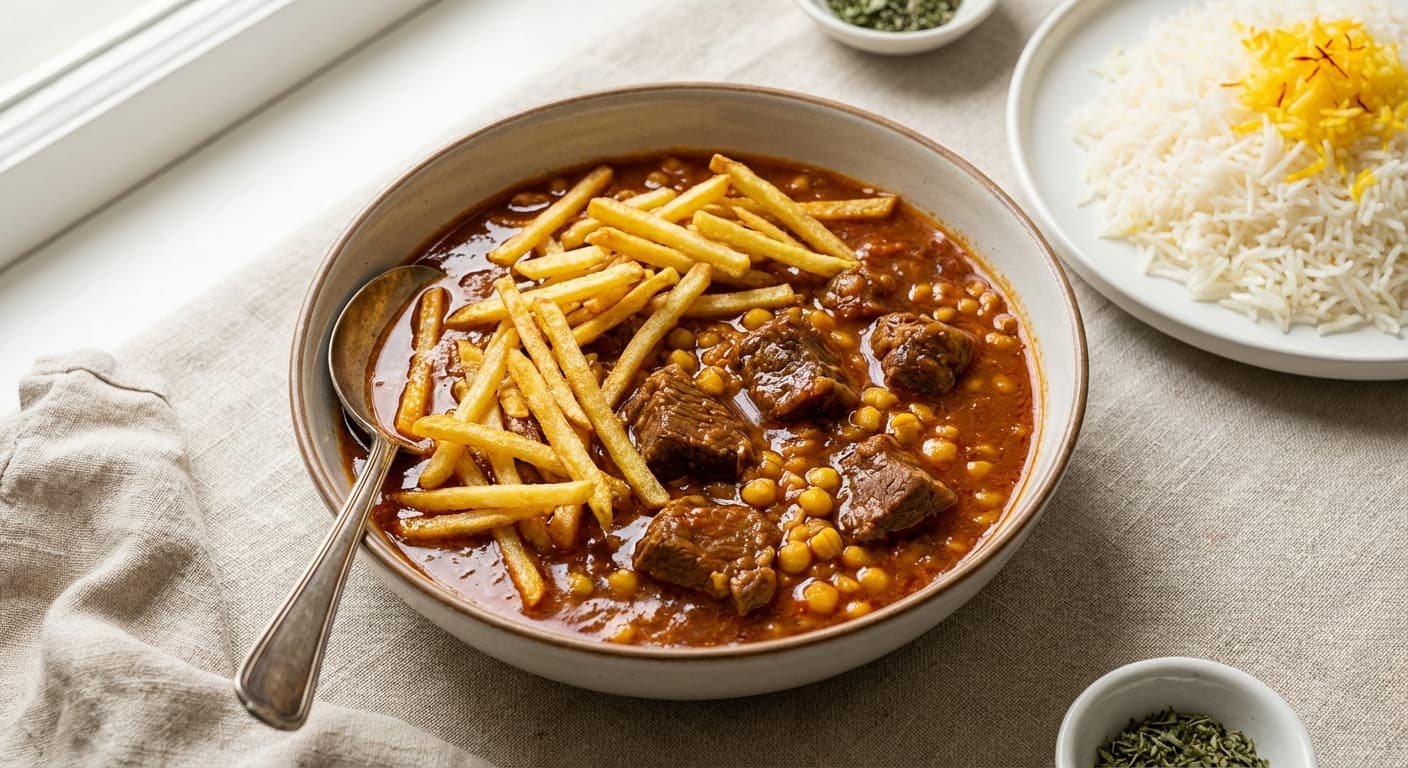
Khoresh-e Gheimeh (قیمه) — Persian Yellow Split Pea Stew
A classic Persian khoresh built on golden fried onions, slow-simmered meat, split peas, and a balanced sour-savory tomato base. This recipe emphasizes essential techniques for glossy, well-layered Persian stews.
Printable Recipe Card
Servings: 6 · Total: 160 min · Difficulty: medium
Ingredients (quick list)
- 200 g Yellow split peas (dried) (Rinsed well, then soaked in cold water for 30 minutes and drained)
- 350 g Onions (Finely diced)
- 60 ml Neutral cooking oil (Such as sunflower, canola, or grapeseed)
- 600 g Beef stew meat (Cut into 2 cm cubes (chuck or shoulder))
- 2 tsp Turmeric (ground) (Added in stages for aroma without bitterness)
- 45 g Tomato paste (About 3 tablespoons; fried to deepen color and remove raw taste)
- 2 tsp Dried lime powder (For a clean, evenly distributed sourness)
- 15 ml Fresh lemon juice (About 1 tablespoon; added at the end to keep brightness)
- 2.5 tsp Fine sea salt (Divide: half early, half near the end)
- 1 tsp Black pepper (ground) (Add early for a rounded heat)
- 0.5 tsp Ground cinnamon (Optional but traditional in many homes; adds warmth)
- 1200 ml Water (Hot water preferred to maintain a steady simmer)
+ 1 more in the full ingredients section below.
Steps (summary)
- Soak the yellow split peas in plenty of cold water for 30 minutes, then drain and rinse until the water runs mostly clear. This…
- Make the fried onions (piaz dagh): heat 60 ml oil in a heavy pot over medium heat (about 170–180°C). Add onions and cook 18–25…
- Increase heat to medium-high and add the beef cubes to the pot. Sauté 6–8 minutes, turning to lightly brown on multiple sides.…
- Push meat to one side and add tomato paste to the bare spot. Fry the paste 2–3 minutes, stirring constantly, until it darkens s…
- Add 1200 ml hot water and 1.25 teaspoons salt. Bring to a gentle boil over medium-high heat, then immediately reduce to a low s…
- Add the drained split peas. Return to a gentle simmer and cook 35–45 minutes, lid ajar, until peas are tender but still hold sh…
+ 2 more steps in the full instructions section below.
Cultural Background
Persian khoresh are slow-simmered stews that emphasize layered flavor building, often starting with carefully browned onions and finishing with a balanced sour note. Gheimeh is commonly served with rice at family meals and gatherings, and its technique-focused method reflects everyday home cooking traditions across Iran.
Equipment
💡 Tips
- For deeper flavor, cook the onions slowly until uniformly golden; pale onions make a flat stew, while very dark onions can taste bitter.
- Keep the simmer gentle and steady; Persian stews improve with time and low heat, which helps the sauce turn glossy and cohesive.
- If the stew tastes sharp or harshly sour, simmer 10–15 minutes longer before adding more souring agents; heat mellows acidity.
- To reduce frying oil, air fry potato sticks at 200°C for 18–22 minutes, tossing halfway, after lightly coating with 10 ml oil.
- If you prefer a thinner stew, add hot water in small amounts; adding cold water can stall cooking and dull the sauce.
⚠️ Common Mistakes
❌ Rushing the onions and stopping at pale yellow
💡 Why: Under-browned onions do not develop enough sweetness and depth, leaving the stew one-dimensional
✅ Fix: Cook onions 18–25 minutes over medium heat, stirring often, until evenly golden and sweet-smelling
❌ Boiling the stew hard to "cook faster"
💡 Why: Aggressive boiling toughens meat, breaks split peas, and makes the sauce cloudy instead of glossy
✅ Fix: Maintain a low simmer with small bubbles; use a lid slightly ajar and extend time rather than increasing heat
❌ Adding all souring agents early and cooking them too long
💡 Why: Extended boiling can dull brightness and sometimes introduce bitterness, making balancing harder
✅ Fix: Add dried lime powder mid-to-late simmer, then finish with fresh lemon juice in the last 2–3 minutes
❌ Adding cold water during simmering
💡 Why: Cold water drops the pot temperature, slows braising, and can separate the sauce
✅ Fix: Add only hot water in small increments (60–120 ml) to keep the simmer steady
🧊 How to Store
Cool completely, then refrigerate in an airtight container up to 4 days. Reheat gently over low heat with 60–120 ml water as needed. Freeze up to 2 months; thaw overnight in the refrigerator and reheat slowly to preserve texture.
📅 Make Ahead
Make the stew up to 2 days ahead; cool, refrigerate, and reheat gently over low heat. Fry the potatoes just before serving for best crispness, or air fry to re-crisp at 200°C for 5–7 minutes.
🍽️ Pairs Well With
- Steamed basmati rice
- Saffron rice
- Shirazi salad
- Plain yogurt with cucumber and dried mint
- Pickled vegetables
Regional Variations
- Tehran-style home cookingOften uses a slightly thicker tomato base and finishes with a clear, measured sourness; potato sticks are commonly served on top for contrast.
- Southern IranMay lean brighter and more tangy, with a stronger sour note and a slightly looser sauce, depending on local preference and available souring ingredients.
- Azerbaijan (northwest Iran)Some households add a touch more warm spice (such as cinnamon) and keep the stew darker by frying tomato paste longer for deeper color.
Ingredients
- 200 gYellow split peas (dried) (Rinsed well, then soaked in cold water for 30 minutes and drained)
- 350 gOnions (Finely diced)
- 60 mlNeutral cooking oil (Such as sunflower, canola, or grapeseed)
- 600 gBeef stew meat (Cut into 2 cm cubes (chuck or shoulder))
- 2 tspTurmeric (ground) (Added in stages for aroma without bitterness)
- 45 gTomato paste (About 3 tablespoons; fried to deepen color and remove raw taste)
- 2 tspDried lime powder (For a clean, evenly distributed sourness)
- 15 mlFresh lemon juice (About 1 tablespoon; added at the end to keep brightness)
- 2.5 tspFine sea salt (Divide: half early, half near the end)
- 1 tspBlack pepper (ground) (Add early for a rounded heat)
- 0.5 tspGround cinnamon (Optional but traditional in many homes; adds warmth)
- 1200 mlWater (Hot water preferred to maintain a steady simmer)
- 450 gPotatoes (Peeled and cut into 8–10 mm sticks for frying)
🔄 Substitutions
- Beef stew meat→ Lamb shoulder, cut into 2 cm cubes
- Dried lime powder→ Fresh lime juice (20–30 ml) added at the end
- Yellow split peas→ Red lentils (dried)
Instructions
- 1
Soak the yellow split peas in plenty of cold water for 30 minutes, then drain and rinse until the water runs mostly clear. This short soak helps them cook evenly without turning mushy. Meanwhile, dice the onions finely so they brown uniformly and form the flavor foundation for the stew.
- 2
Make the fried onions (piaz dagh): heat 60 ml oil in a heavy pot over medium heat (about 170–180°C). Add onions and cook 18–25 minutes, stirring often, until deeply golden and sweet-smelling. Reduce heat if edges darken too fast; controlled browning builds sweetness without bitterness.
- 3
Increase heat to medium-high and add the beef cubes to the pot. Sauté 6–8 minutes, turning to lightly brown on multiple sides. Sprinkle in 1 teaspoon turmeric and the black pepper; stir 30 seconds until fragrant. Browning plus toasted spices creates the savory backbone that carries through long simmering.
- 4
Push meat to one side and add tomato paste to the bare spot. Fry the paste 2–3 minutes, stirring constantly, until it darkens slightly and smells sweet rather than raw. Add the remaining 1 teaspoon turmeric and optional cinnamon, then stir everything together for 30 seconds to coat the meat.
- 5
Add 1200 ml hot water and 1.25 teaspoons salt. Bring to a gentle boil over medium-high heat, then immediately reduce to a low simmer (small, steady bubbles). Cover with the lid slightly ajar and simmer 60 minutes, stirring every 15–20 minutes to prevent sticking and to encourage a glossy emulsion.
- 6
Add the drained split peas. Return to a gentle simmer and cook 35–45 minutes, lid ajar, until peas are tender but still hold shape. If the stew thickens too quickly, add 60–120 ml hot water. Keep the heat low; rapid boiling breaks peas and makes the stew grainy instead of smooth.
- 7
Build the signature sour-salty balance: stir in dried lime powder and simmer 10 minutes. Taste, then add remaining salt gradually. Finish with lemon juice and simmer 2 more minutes. The stew should taste savory first, then pleasantly tangy. Turn off heat and rest 10 minutes for flavors to settle.
- 8
Prepare potato topping while the stew simmers: rinse potato sticks, then soak in cold water 10 minutes to remove surface starch; drain and pat very dry. Heat 300 ml oil to 175°C and fry in batches 6–8 minutes until golden. Drain on a rack and lightly salt. Serve stew topped with potatoes.
🪪 Recipe Passport
Cultural Background
Persian khoresh are slow-simmered stews that emphasize layered flavor building, often starting with carefully browned onions and finishing with a balanced sour note. Gheimeh is commonly served with rice at family meals and gatherings, and its technique-focused method reflects everyday home cooking traditions across Iran.
Regional Variations
Researched from multiple sources and validated by the Zaffaron editorial team. Every recipe is tested for accuracy, measurements, and cultural authenticity.
Nutrition per serving
Pairs well with
If you enjoyed this recipe, here are a few related Zaffaron recipes to try next.
Does your family make this differently?
Every family has their own version. Maybe your grandmother adds a secret ingredient, or your aunt has a completely different technique. Preserve your family's version — with their name on it, forever.
You Might Also Like
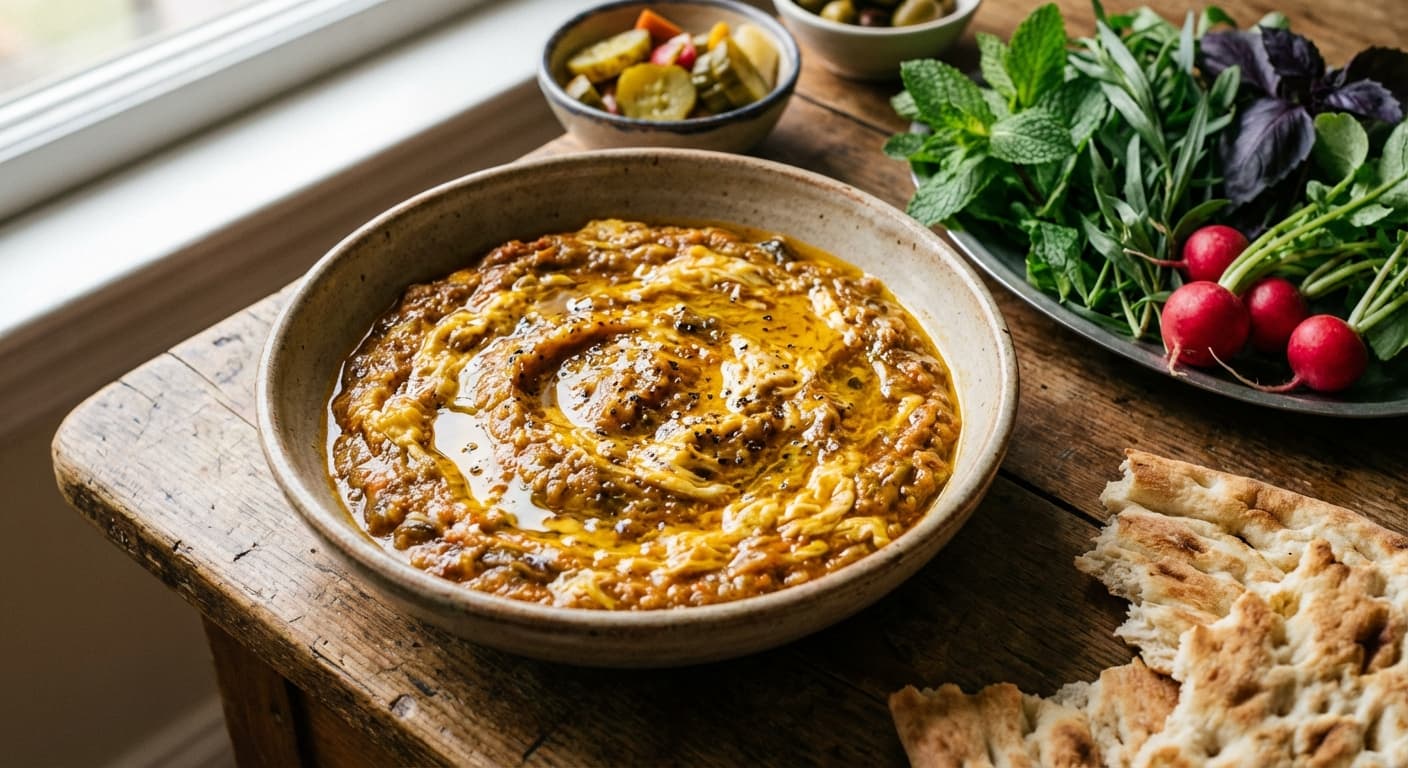
Smoked Silk Mirza Ghasemi (میرزا قاسمی) — Silky smoked eggplant with tomato, garlic, and eggs
Persian · Appetizers · 60 min
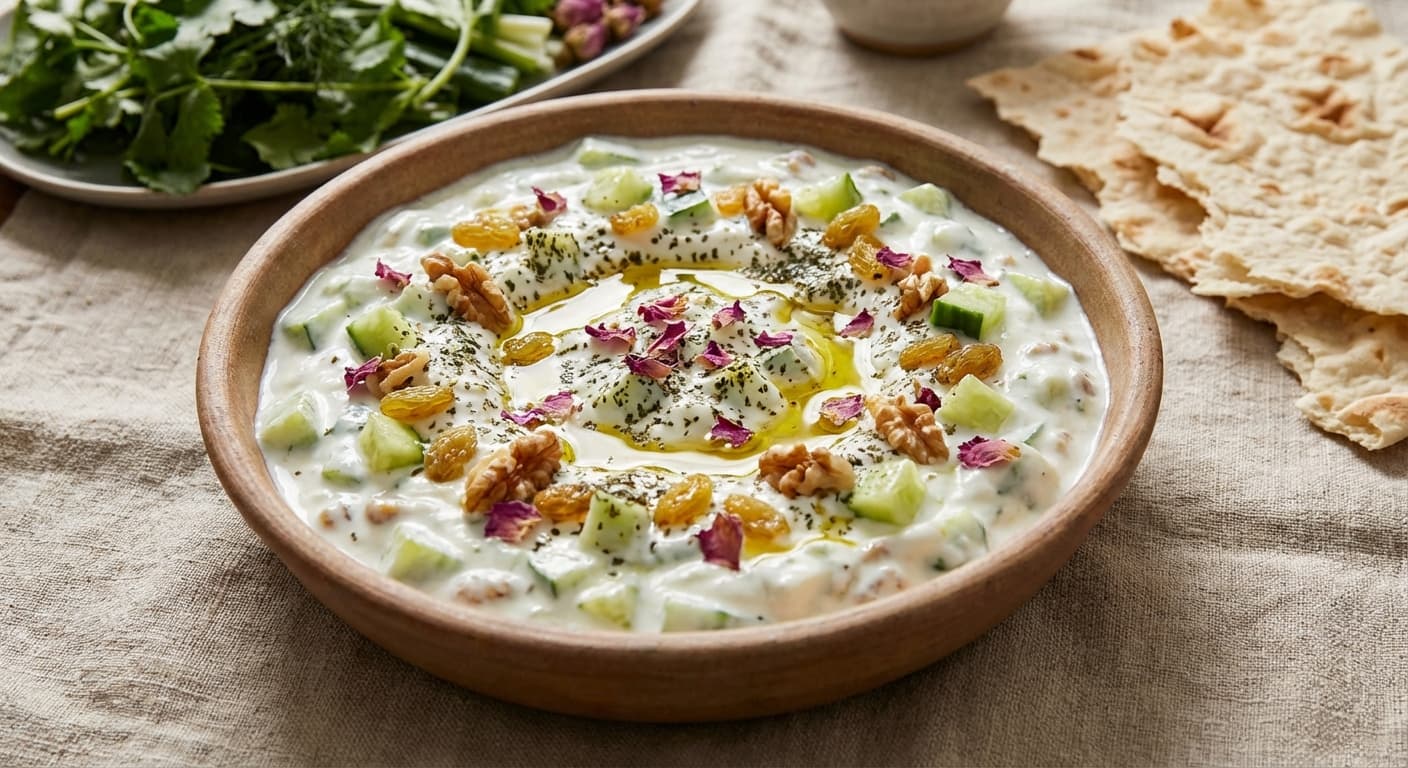
Mast-o-Khiar (ماست و خیار) — Persian Cucumber and Herb Yogurt Dip
Persian · Side Dishes · 25 min
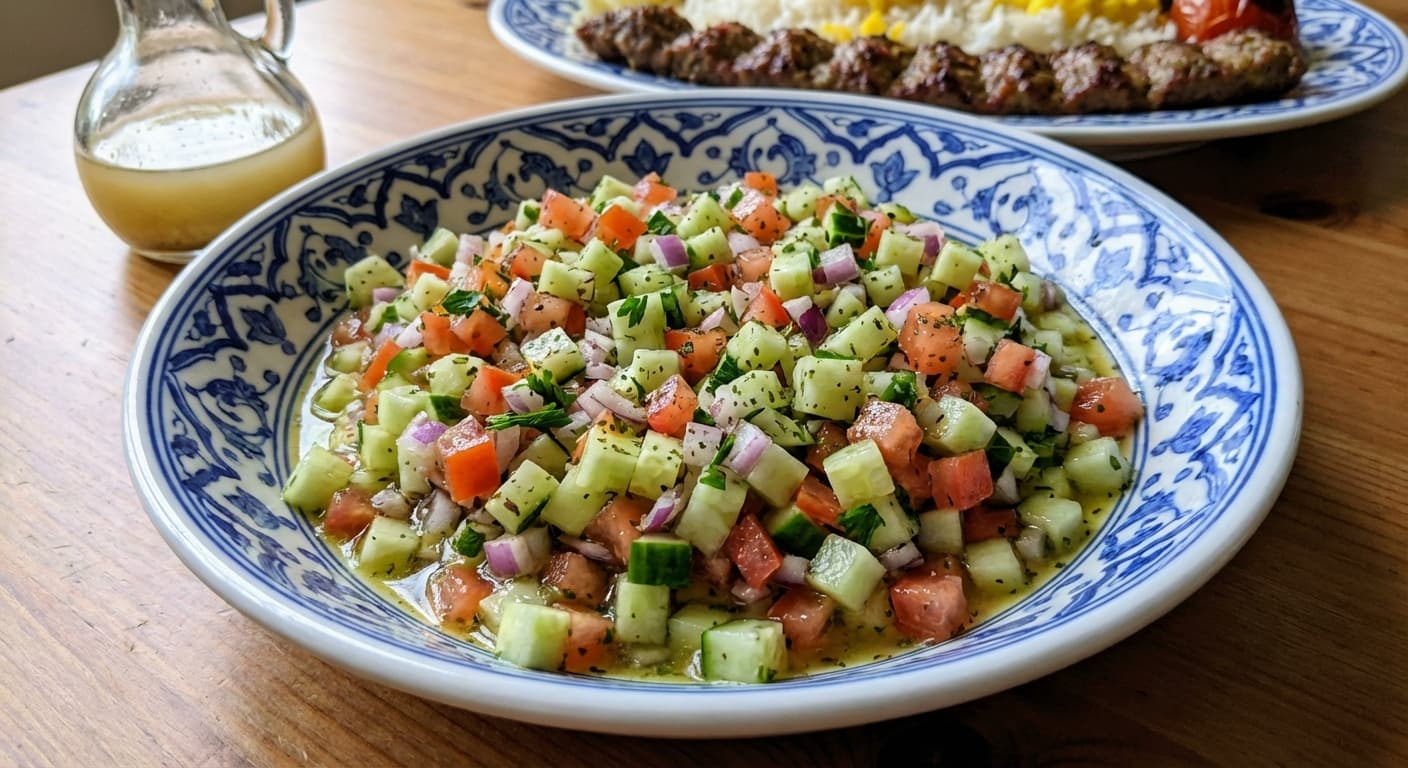
Shirazi Salad (سالاد شیرازی) — Brunoised cucumber-tomato herb salad with ab-ghooreh
Persian · Salads · 20 min
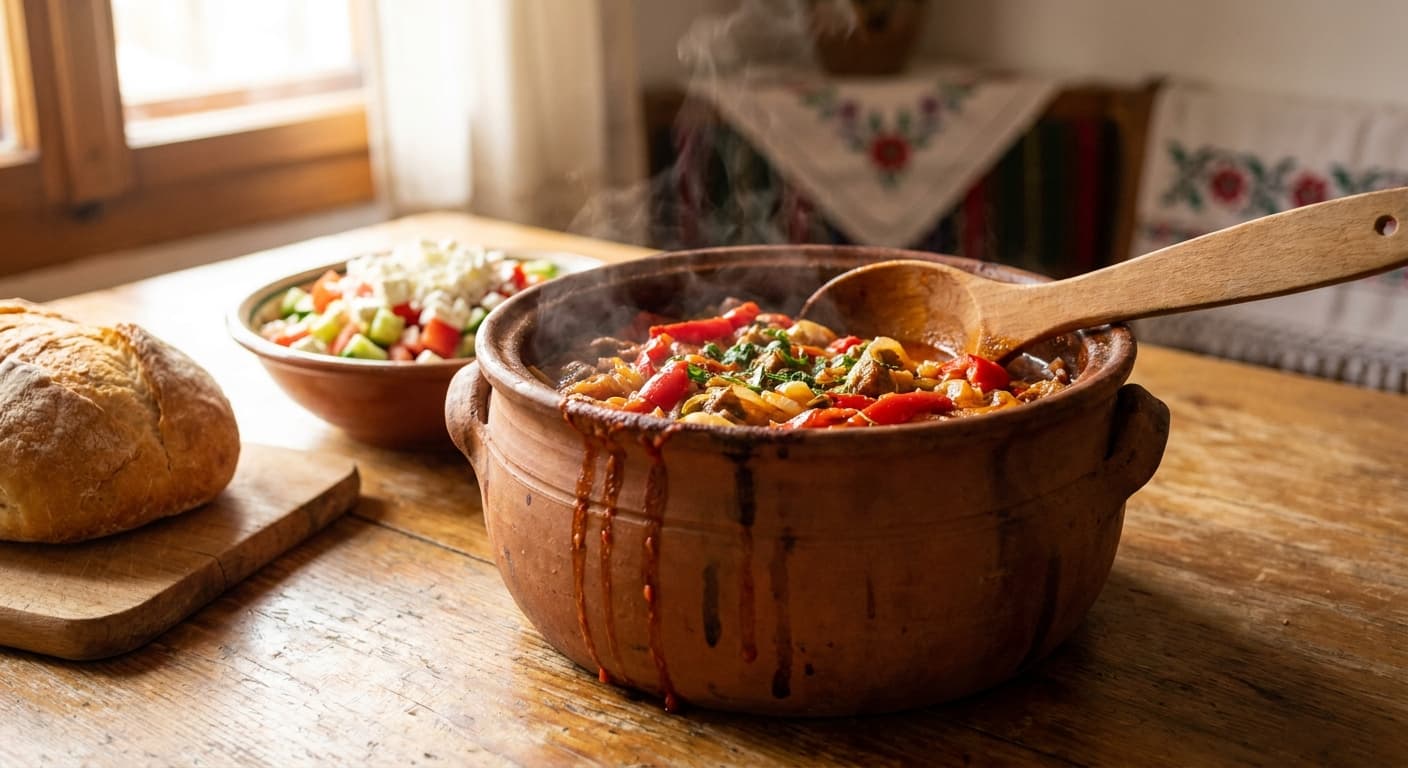
Bulgarian Pork Kavarma (Каварма) — Clay-Pot Pepper and Pork Stew
Bulgarian · Stews · 115 min
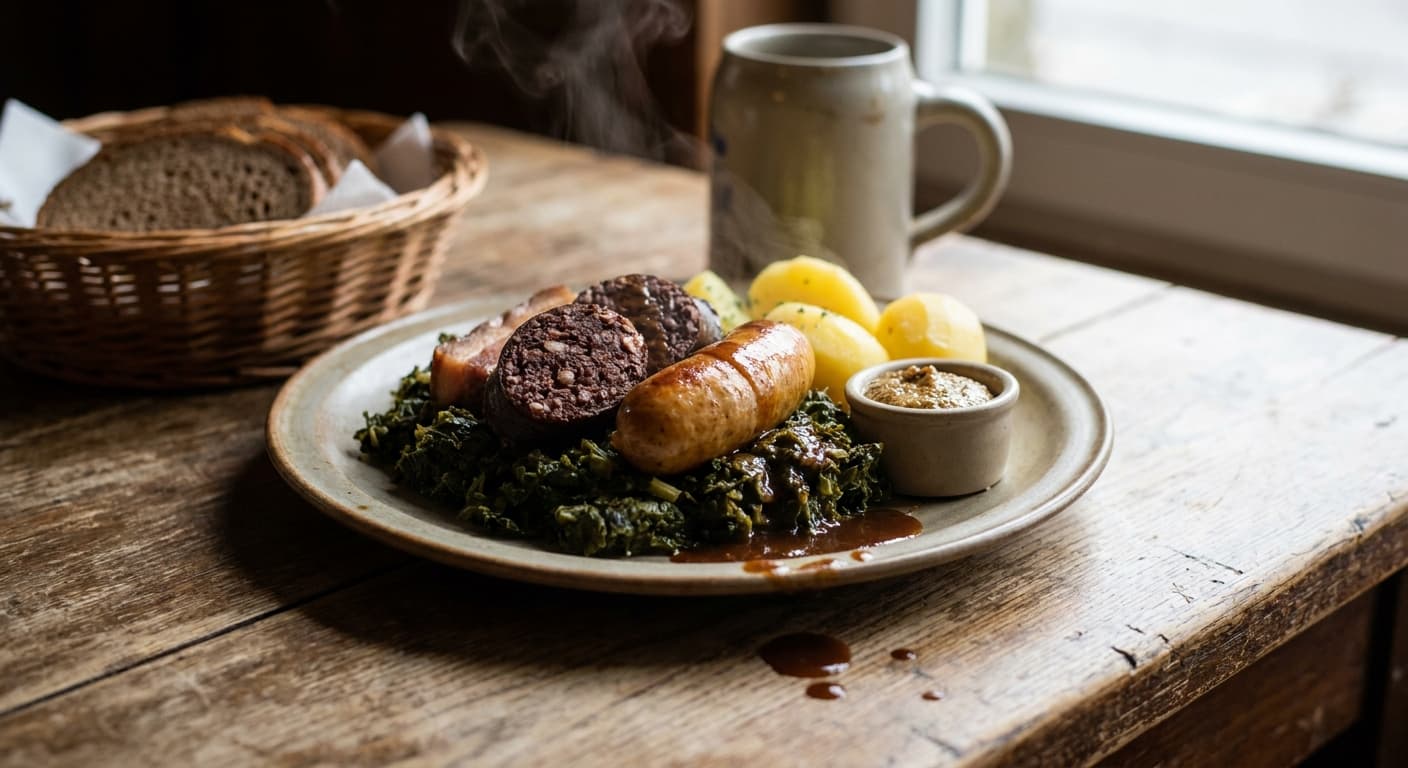
Kale with Pinkel Sausage (Grünkohl mit Pinkel) — North German Winter Stew
German · Stews · 130 min
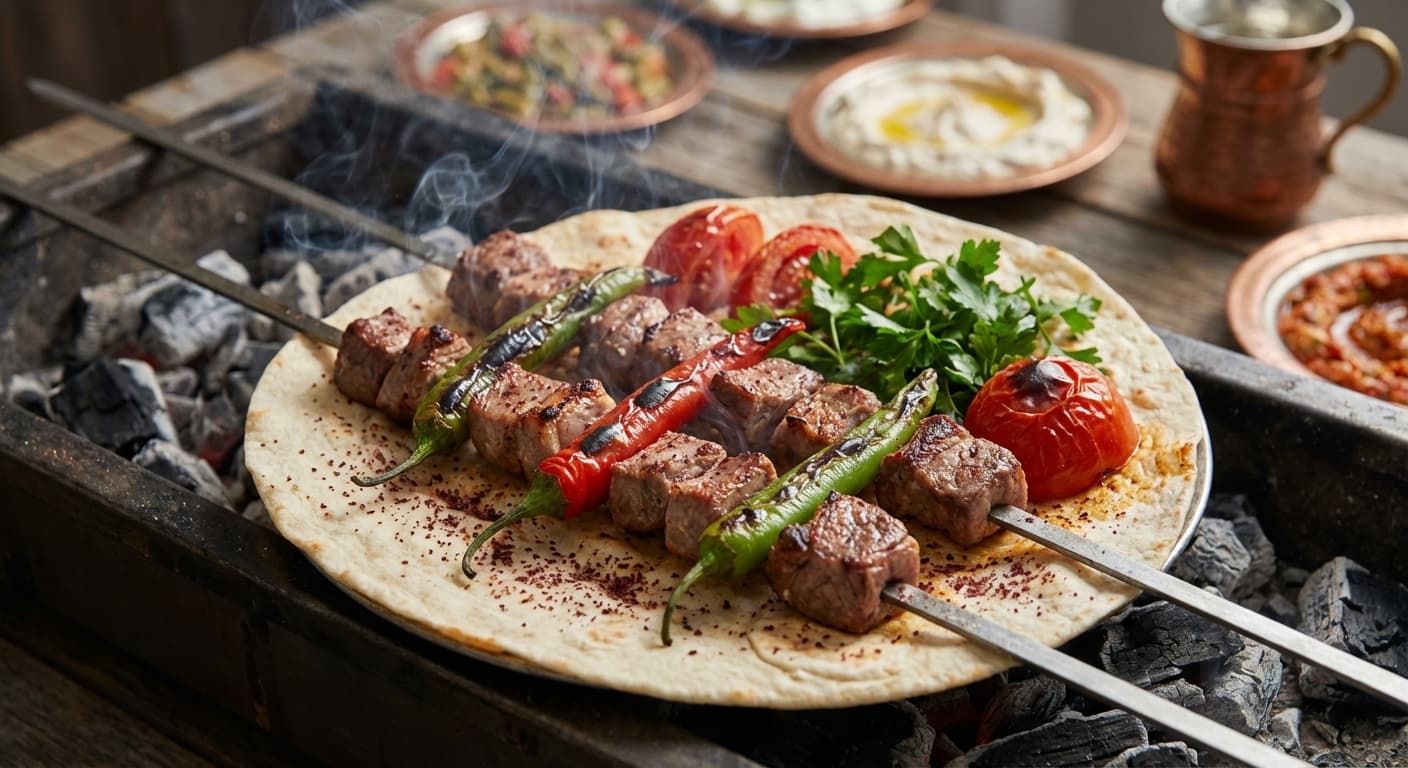
Turkish Shish Kebab (Şiş Kebap) — Charcoal-Grilled Marinated Lamb Skewers
Turkish · Kebabs · 37 min
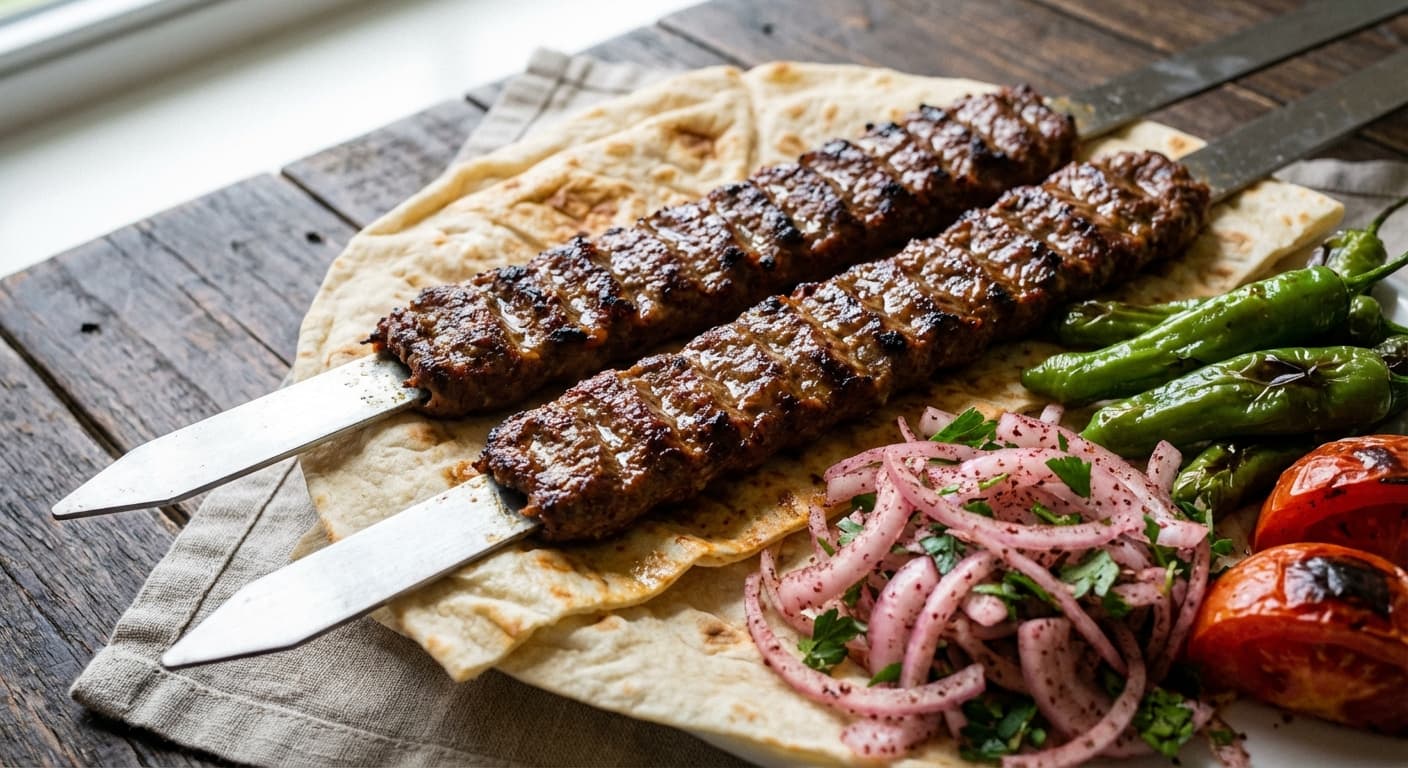
Urfa Kebab (اورفا کباب) — Mild Turkish minced skewer with sumac onions
Turkish · Kebabs · 37 min
Orromo (Оромо) — Kyrgyz Steamed Rolled Dumpling with Lamb and Pumpkin
Kyrgyz · Main Courses · 105 min
Reviews
Cooked this recipe?
Tap the stars to rate it — that's all it takes. A few words are welcome but optional.
No ratings yet. Cooked this one? Be the first to rate it — it takes one tap.