Khoresh Havij (خورش هویج) — Saffron-Infused Persian Carrot Stew
Khoresh Havij is an Azerbaijani-Persian stew where sweet carrots meet savory beef in a saffron-scented, lemon-bright sauce. Often served with chelow rice, it’s prized for its vivid color and elegant sweet-sour balance.
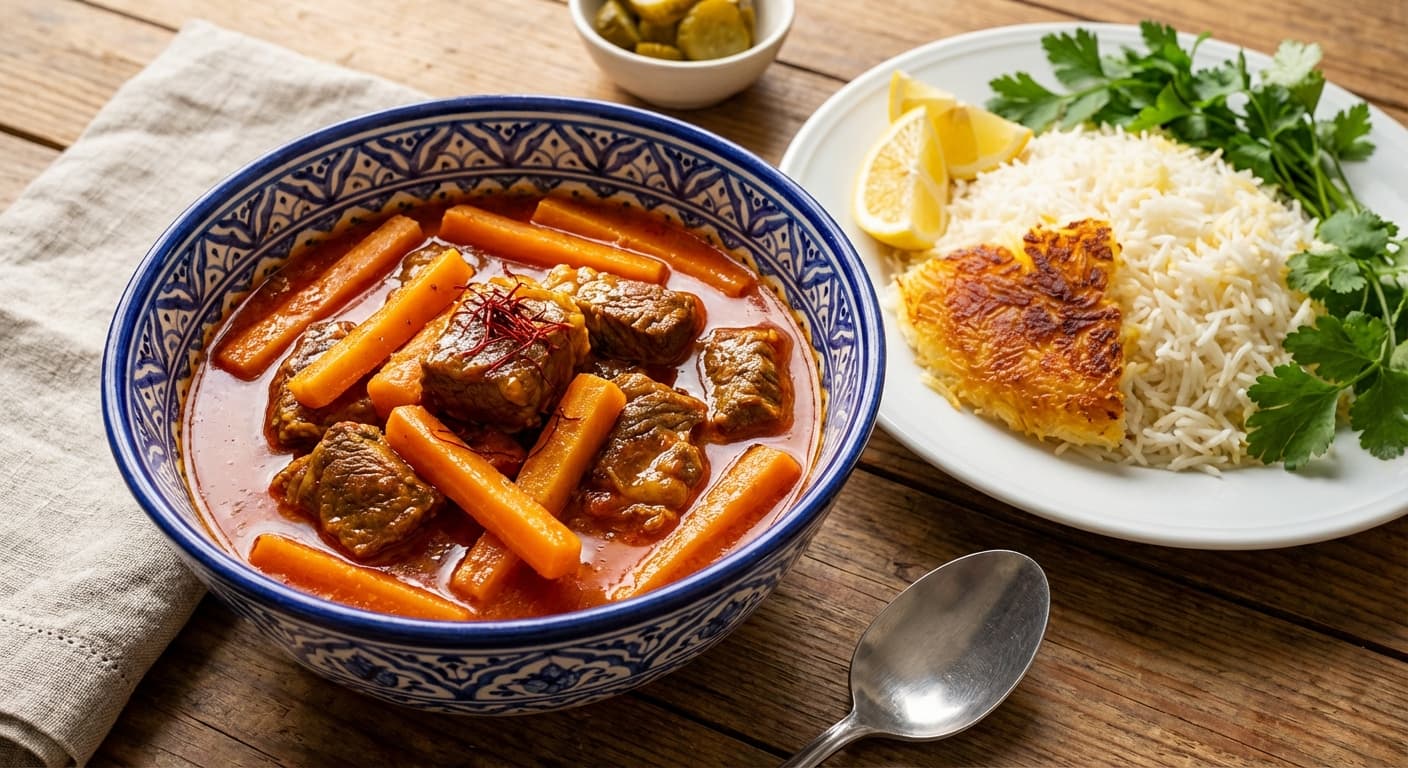
Printable Recipe Card
Servings: 4 · Total: 125 min · Difficulty: medium
Ingredients (quick list)
- 500 g beef stew meat (chuck), cut into 3 cm cubes
- 200 g onion, finely diced
- 600 g carrots, peeled and cut into 6–7 cm batons
- 30 g tomato paste (about 2 tbsp)
- 2 tsp ground turmeric
- 7 g fine salt (about 1 1/4 tsp)
- 1 tsp black pepper, freshly ground
- 0.25 tsp ground saffron
- 30 ml hot water (for blooming saffron)
- 45 ml fresh lemon juice (3 tbsp)
- 45 ml vegetable oil (3 tbsp)
- 900 ml water
Steps (summary)
- Bloom the saffron by stirring the ground saffron into 30 ml hot water, then cover and let it steep for 10 minutes. This step co…
- Heat 30 ml of the vegetable oil in a heavy pot over medium heat, then add the diced onion. Cook for 8–10 minutes, stirring ofte…
- Add the beef cubes to the pot and raise heat to medium-high. Sear for 6–8 minutes, turning to brown multiple sides, because lig…
- Stir in the turmeric, black pepper, and tomato paste and cook for 2 minutes, scraping the bottom so nothing scorches. Cooking t…
- Add 900 ml water and 5 g of the salt, then bring to a gentle boil. Reduce to a low simmer, cover, and cook for 60 minutes, keep…
- While the beef simmers, heat the remaining 15 ml oil in a skillet over medium heat and add the carrot batons. Sauté for 8–10 mi…
+ 3 more steps in the full instructions section below.
Cultural Background
Beloved in Azerbaijani-influenced Persian cooking, Khoresh Havij highlights the region’s fondness for sweet-sour stews colored with saffron. Its bright carrot-gold sauce is often associated with hospitality and polished home-style meals served with rice.
Equipment
💡 Tips
- Cut carrots into even batons (about 1 cm thick) so they finish tender at the same time and keep a jewel-like shape.
- Bloom saffron in hot water (not boiling) and add it near the end to preserve its floral aroma.
- If the sauce is thin after cooking, simmer uncovered for 5–10 minutes to reduce before adding the lemon juice.
⚠️ Common Mistakes
❌ Adding saffron at the start of cooking
✅ Fix: Bloom saffron and stir it in during the last 10–15 minutes to keep its aroma vivid.
❌ Boiling the stew aggressively
✅ Fix: Maintain a gentle simmer; hard boiling can toughen beef and break carrots into pieces.
❌ Adding lemon juice too early
✅ Fix: Add lemon near the end so the sauce stays balanced and the meat has time to tenderize.
🧊 How to Store
Cool leftovers within 2 hours, then refrigerate in a sealed container for up to 3 days. Reheat gently on the stove over low heat with 30–60 ml water to loosen the sauce, stirring carefully to keep carrots intact; avoid hard boiling.
📅 Make Ahead
Dice the onion and cut the beef and carrots up to 24 hours ahead, storing them separately in airtight containers in the refrigerator. You can also bloom saffron ahead and refrigerate it for up to 24 hours for fast finishing.
🍽️ Pairs Well With
- Chelow rice
- tahdig
- Shirazi salad
- torshi
- fresh herbs (sabzi khordan).
Regional Variations
- Some Azerbaijani-Persian households finish the stew with a slightly sweeter profile by sautéing carrots longer for deeper caramel notes.
- In some families, the stew is reduced more heavily for a thicker, glossy sauce that clings to chelow.
- A more citrus-forward version increases lemon juice and adds it in two stages: half at the end of simmering and half just before serving.
Ingredients
- 500 gbeef stew meat (chuck), cut into 3 cm cubes
- 200 gonion, finely diced
- 600 gcarrots, peeled and cut into 6–7 cm batons
- 30 gtomato paste (about 2 tbsp)
- 2 tspground turmeric
- 7 gfine salt (about 1 1/4 tsp)
- 1 tspblack pepper, freshly ground
- 0.25 tspground saffron
- 30 mlhot water (for blooming saffron)
- 45 mlfresh lemon juice (3 tbsp)
- 45 mlvegetable oil (3 tbsp)
- 900 mlwater
🔄 Substitutions
- beef stew meat (chuck)→ lamb shoulder, cut into cubes
- vegetable oil→ ghee
- fresh lemon juice→ verjuice
Instructions
- 1
Bloom the saffron by stirring the ground saffron into 30 ml hot water, then cover and let it steep for 10 minutes. This step concentrates color and aroma so the stew tastes distinctly saffron-forward rather than faintly perfumed.
- 2
Heat 30 ml of the vegetable oil in a heavy pot over medium heat, then add the diced onion. Cook for 8–10 minutes, stirring often, until the onion turns soft and lightly golden; this builds the stew’s sweetness and body.
- 3
Add the beef cubes to the pot and raise heat to medium-high. Sear for 6–8 minutes, turning to brown multiple sides, because light browning deepens the stew’s savory backbone even though it will simmer later.
- 4
Stir in the turmeric, black pepper, and tomato paste and cook for 2 minutes, scraping the bottom so nothing scorches. Cooking the paste briefly removes raw acidity and gives the khoresh its classic reddish-gold hue.
- 5
Add 900 ml water and 5 g of the salt, then bring to a gentle boil. Reduce to a low simmer, cover, and cook for 60 minutes, keeping the simmer steady so the beef becomes tender without drying out.
- 6
While the beef simmers, heat the remaining 15 ml oil in a skillet over medium heat and add the carrot batons. Sauté for 8–10 minutes until the carrots look glossy and lightly blistered in spots; this step enhances their sweetness and helps them hold shape in the stew.
- 7
Add the sautéed carrots to the pot and continue simmering, covered, for 25–30 minutes until the carrots are tender but not mushy. Stir gently once or twice so the carrots don’t break, and keep the liquid at a quiet simmer for a clear, rich sauce.
- 8
Stir in the bloomed saffron along with all its liquid, then simmer uncovered for 10 minutes to let the aroma lift and the sauce reduce slightly. Taste and add the remaining 2 g salt if needed, adjusting only after reduction so seasoning stays accurate.
- 9
Add the lemon juice and simmer for 2 more minutes, then turn off the heat and rest the stew for 10 minutes with the lid on. Resting allows the sweet carrots, savory beef, saffron, and citrus to harmonize into the signature sweet-sour balance.
🪪 Recipe Passport
Cultural Background
Beloved in Azerbaijani-influenced Persian cooking, Khoresh Havij highlights the region’s fondness for sweet-sour stews colored with saffron. Its bright carrot-gold sauce is often associated with hospitality and polished home-style meals served with rice.
Regional Variations
Researched from multiple sources and validated by the Zaffaron editorial team. Every recipe is tested for accuracy, measurements, and cultural authenticity.
Nutrition per serving
Pairs well with
If you enjoyed this recipe, here are a few related Zaffaron recipes to try next.
Does your family make this differently?
Every family has their own version. Maybe your grandmother adds a secret ingredient, or your aunt has a completely different technique. Preserve your family's version — with their name on it, forever.
You Might Also Like
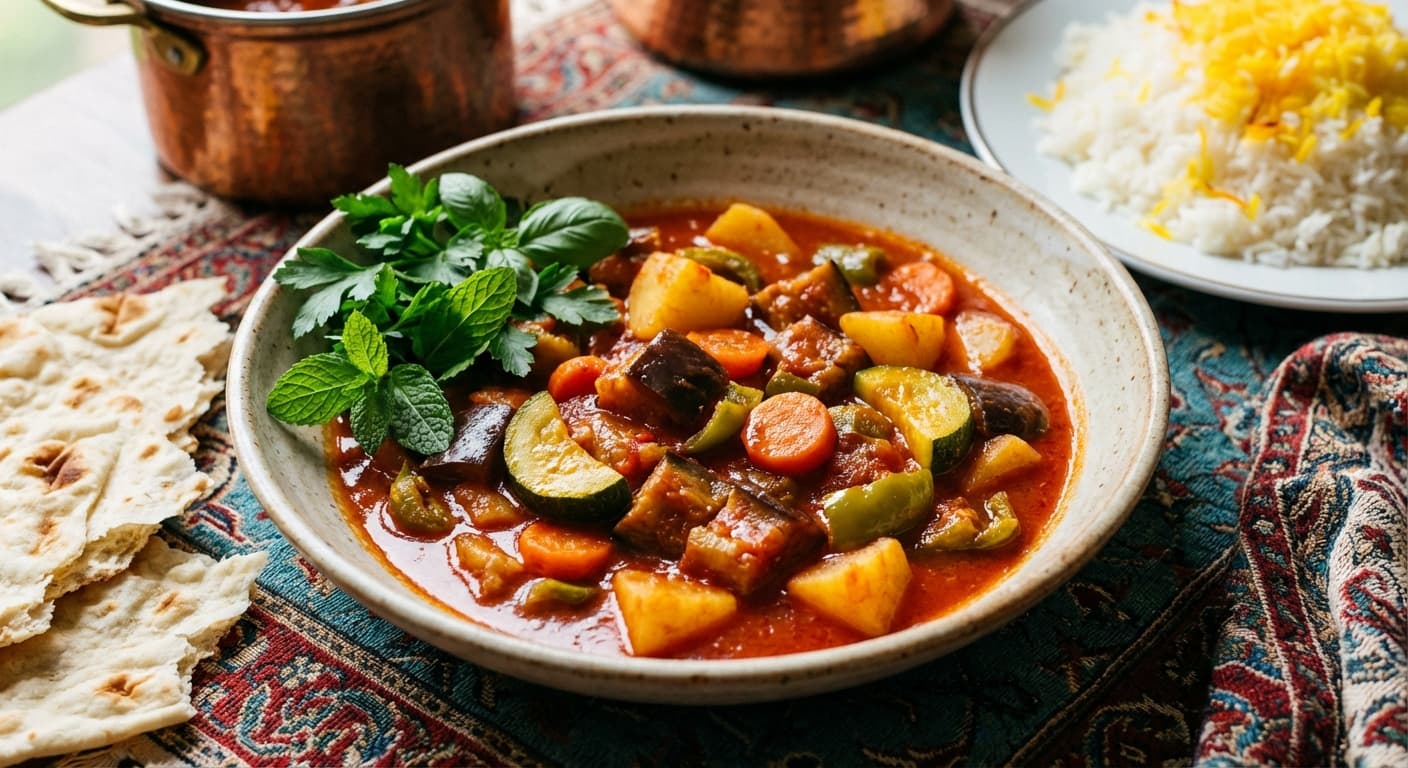
Yatimcheh (یتیمچه) — Persian Slow-Cooked Summer Vegetable Stew
Persian · Stews · 100 min
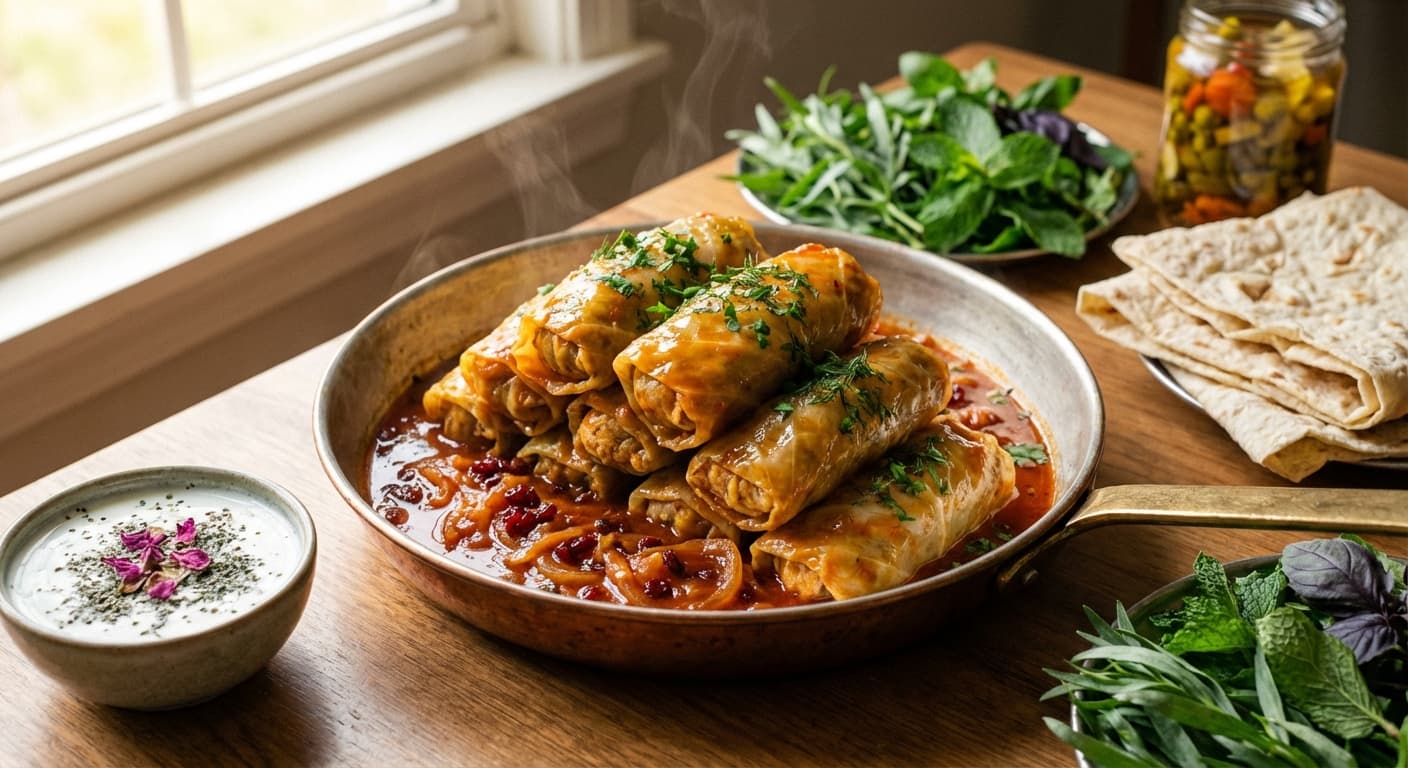
Chicken Stuffed Cabbage Rolls (دلمه کلم با مرغ) — Herb-Scented Persian Dolmeh in Tomato Saffron Sauce
Persian · Main Courses · 90 min
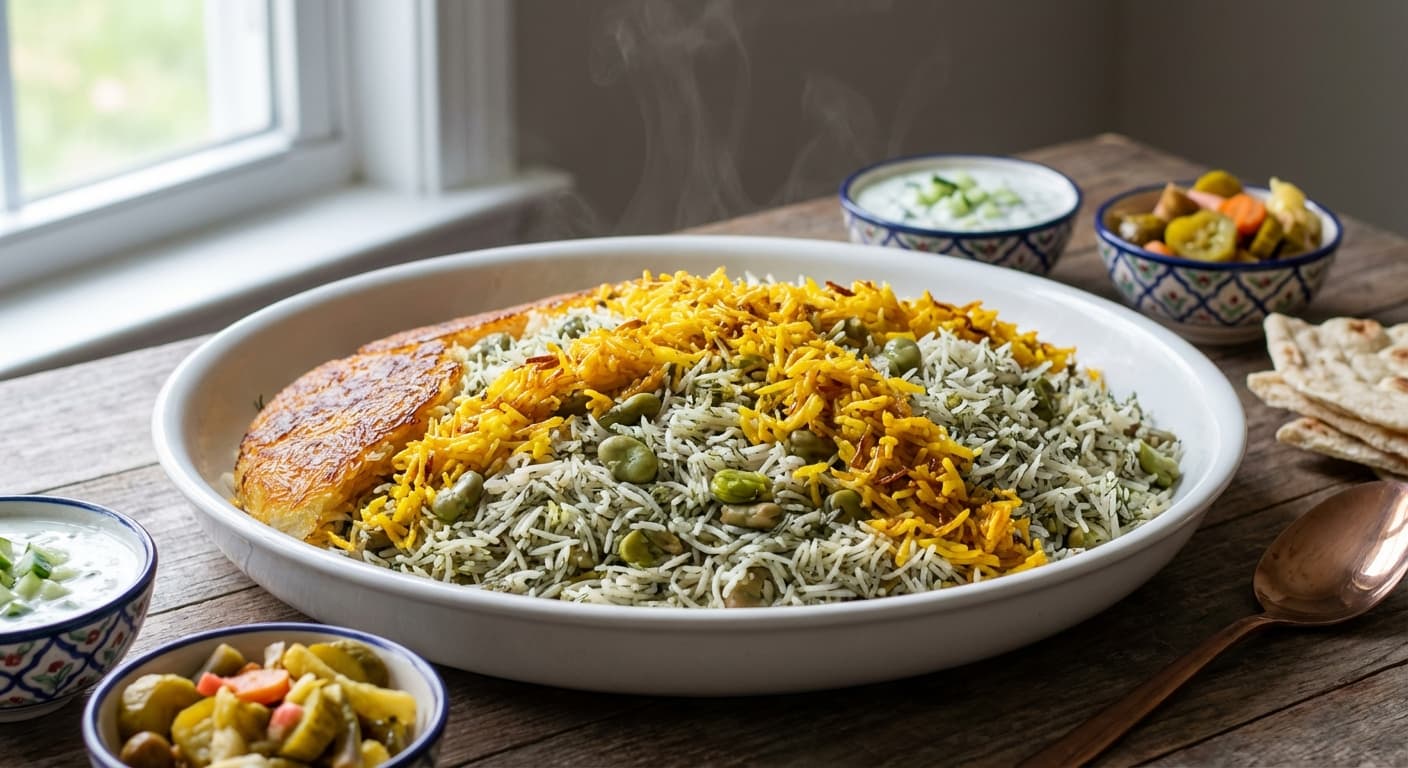
Baghali Polo (باقالی پلو) — Persian Dill and Fava Bean Rice with Saffron
Persian · Rice Dishes · 95 min
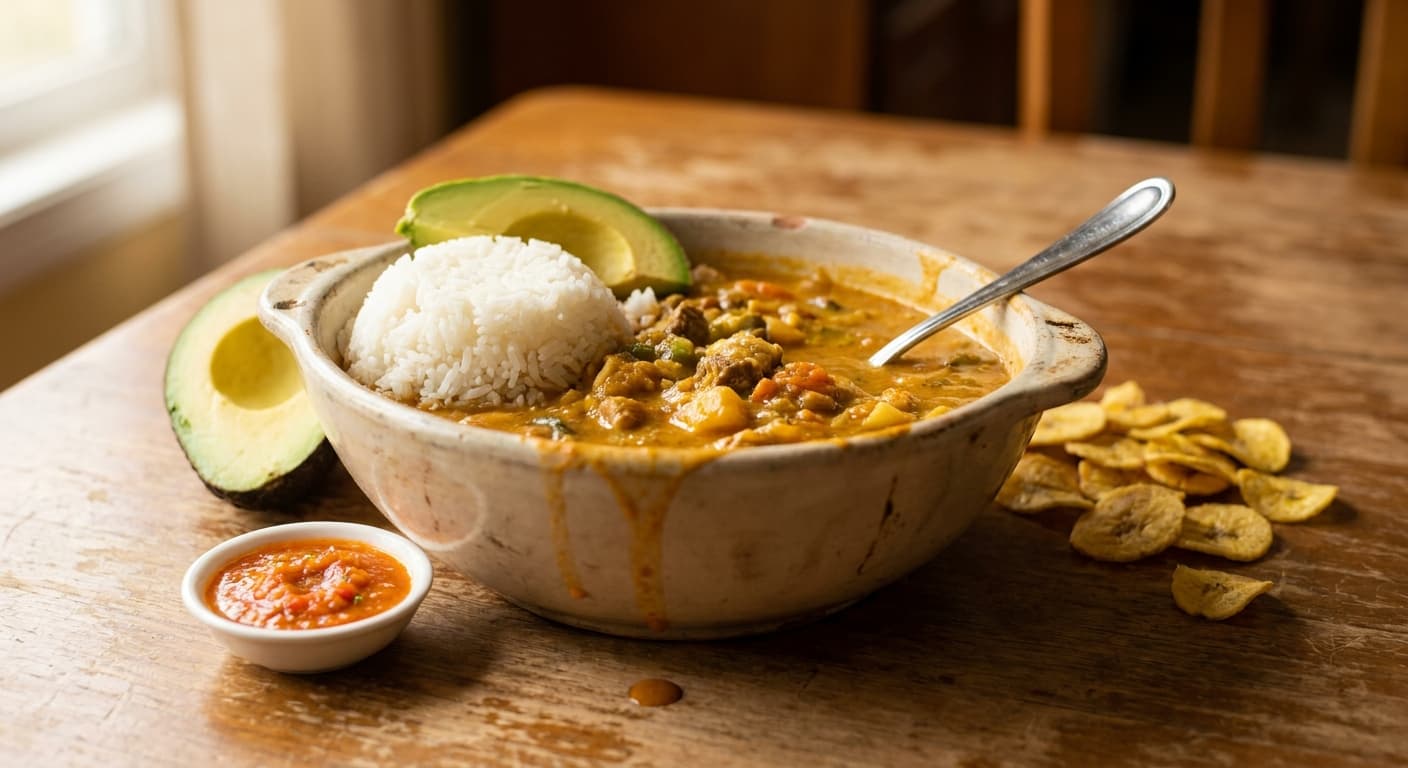
Ecuadorian Peanut Tripe Stew (Guatita) — Creamy Potato and Peanut Stew
Ecuadorian · Stews · 180 min
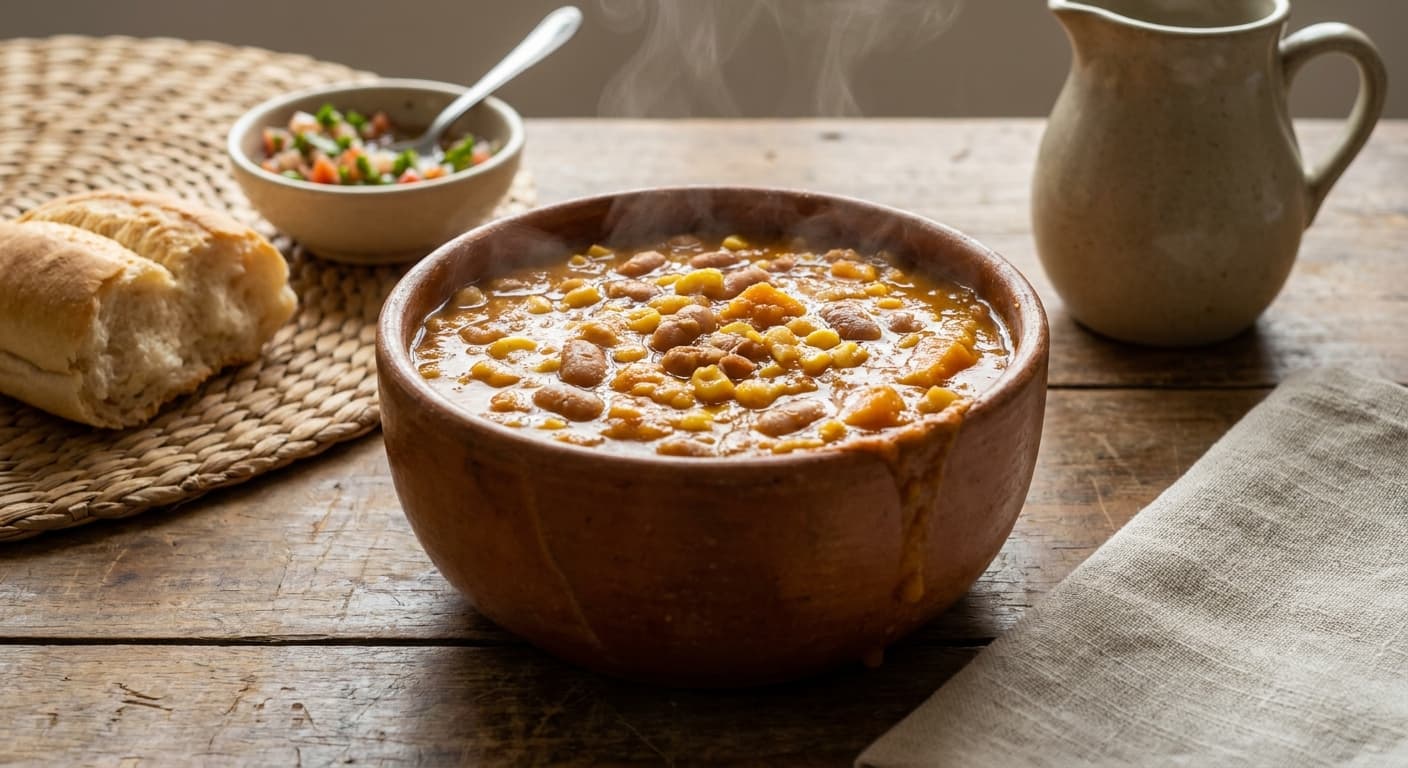
Chilean Fresh Bean Stew (Porotos granados) — Summer Corn and Squash Bean Stew
Chilean · Stews · 80 min
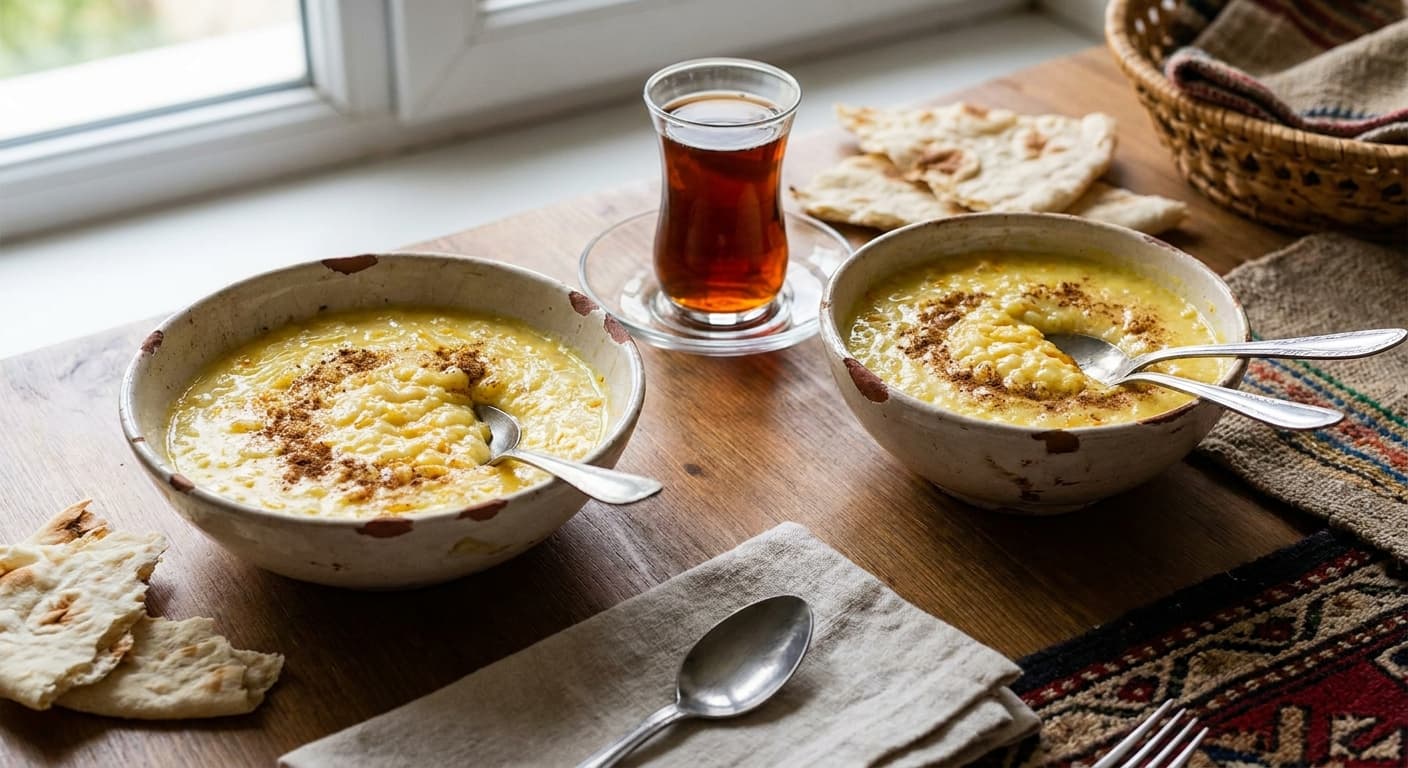
Azerbaijani Milk-Rice Porridge (Südlü Sıyıq) — Creamy Breakfast Rice with Saffron
Azerbaijani · Rice Dishes · 50 min
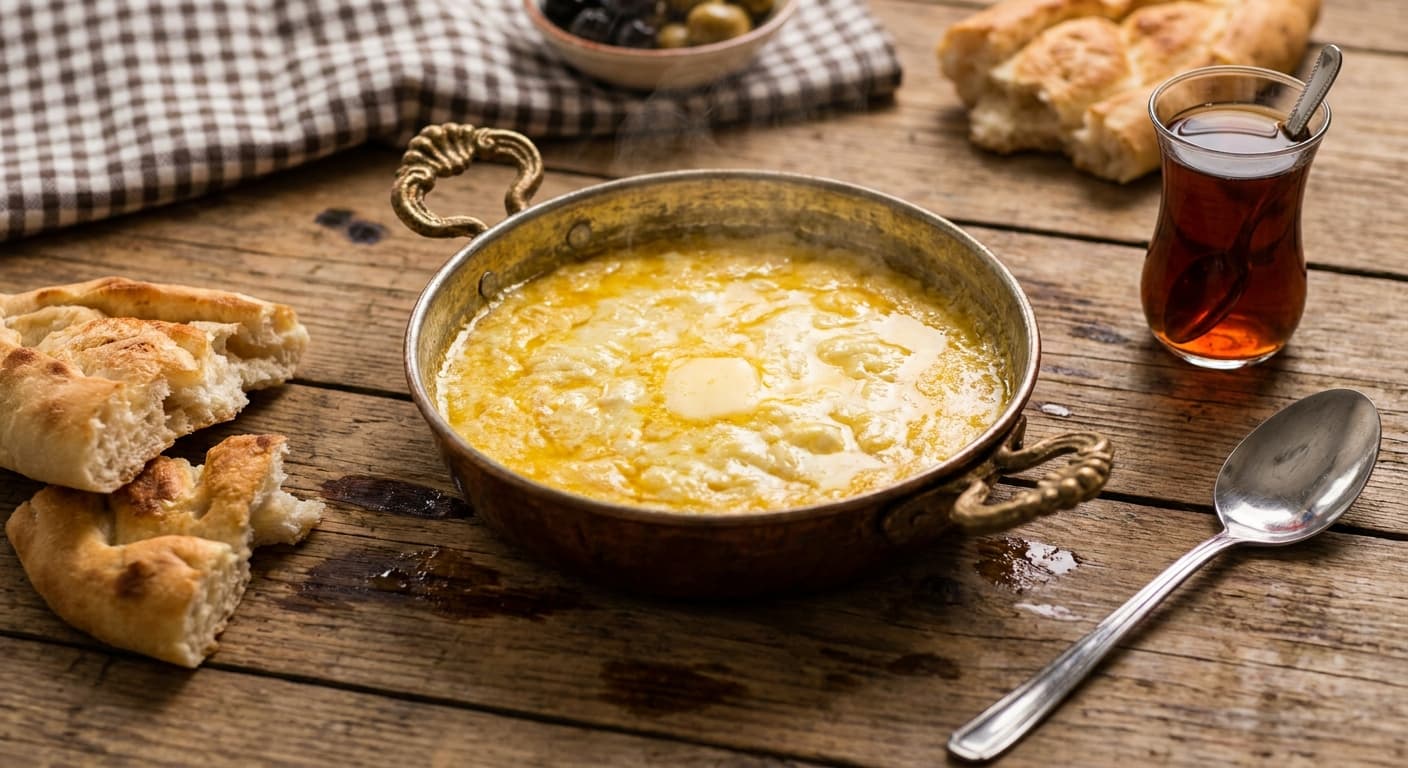
Mıhlama (Mıhlama) — Black Sea Cornmeal and Cheese Skillet
Turkish · Main Courses · 25 min
Kebapche (Кебапче) — Bulgarian Grilled Spiced Meat Sausages
Bulgarian · Kebabs · 42 min
Reviews
Cooked this recipe?
Tap the stars to rate it — that's all it takes. A few words are welcome but optional.
No ratings yet. Cooked this one? Be the first to rate it — it takes one tap.