Baghali Polo (باقالی پلو) — Persian Dill and Fava Bean Rice with Saffron
A celebratory Persian rice dish, Baghali Polo layers fluffy basmati with dill, fava beans, and saffron. Often served at gatherings and holidays, it’s prized for its bright green aroma and jeweled, buttery tahdig.
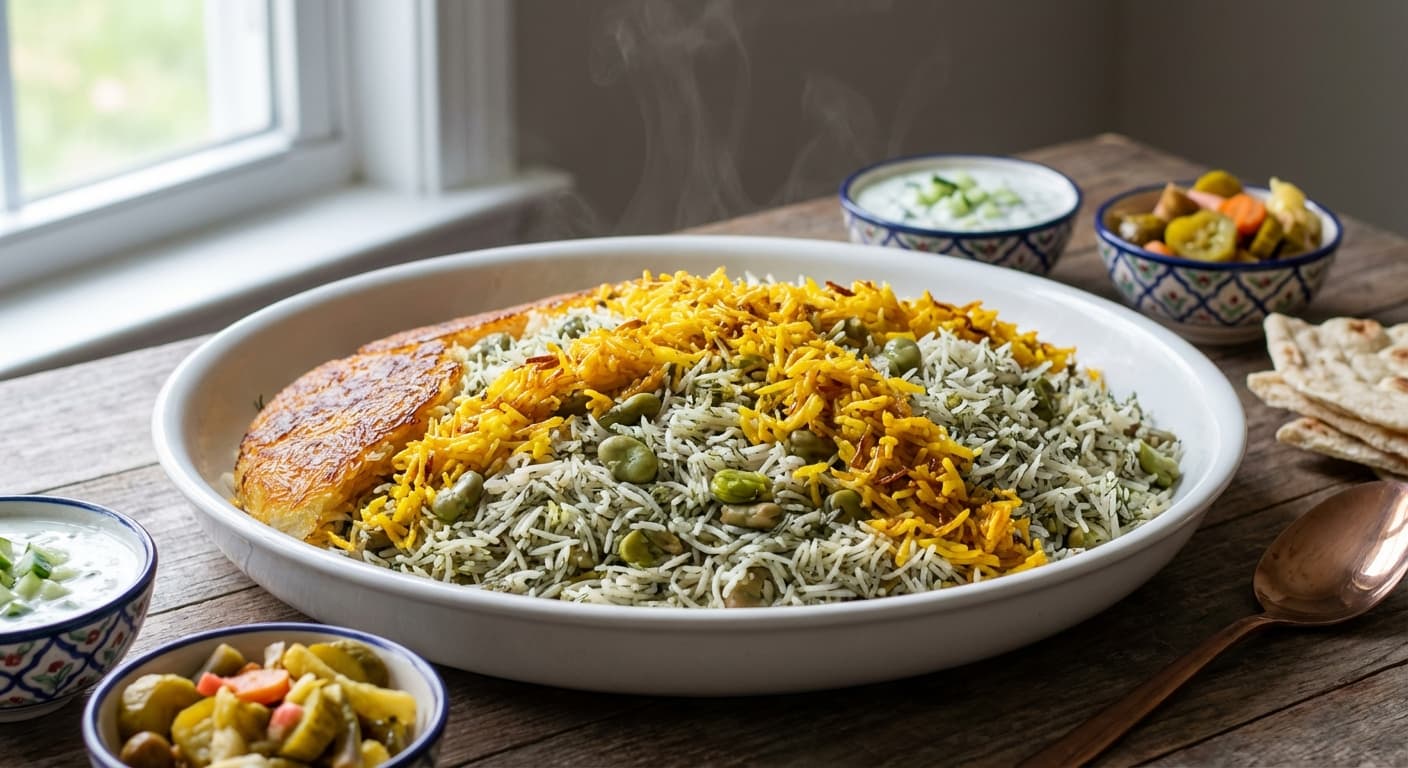
Printable Recipe Card
Servings: 6 · Total: 95 min · Difficulty: medium
Ingredients (quick list)
- 500 g Basmati rice (rinsed until water runs mostly clear)
- 3000 ml Water (for boiling rice)
- 30 g Salt (about 5% salinity for the boiling water)
- 300 g Fava beans (peeled; fresh or frozen)
- 120 g Dill (fresh, finely chopped (or use 40 g dried dill))
- 70 g Butter (divided)
- 0.3 g Saffron threads (ground and bloomed)
- 1 tsp Cumin seeds (lightly crushed)
- 0.5 tsp Cinnamon (ground)
- 0.25 tsp Red chili powder (for gentle warmth)
Steps (summary)
- Rinse the basmati rice in several changes of cold water until the water runs mostly clear. Soak the rice in 1200 ml cold water…
- Bring 3000 ml water to a rolling boil in a large pot and stir in the remaining 20 g salt. Add the drained rice and boil for 6–8…
- Add the fava beans to the same boiling pot for the final 2 minutes of the rice boil so they turn bright green and just tender.…
- Bloom the saffron by grinding the threads to a powder and mixing with 45 ml hot water, then let it stand for 10 minutes. This s…
- Return the pot to medium heat and melt 40 g butter, then add 60 ml water to create steam. Stir in the cumin seeds, cinnamon, an…
- Layer one-third of the parboiled rice and beans into the pot, then sprinkle one-third of the chopped dill over it. Repeat two m…
+ 3 more steps in the full instructions section below.
Cultural Background
Baghali Polo is a hallmark of Persian celebration tables, valued for its vibrant green dill and saffron perfume. Common at weddings and festive lunches, it’s frequently paired with lamb or fish as a symbol of abundance and hospitality.
Equipment
💡 Tips
- For the most distinct grains, drain the parboiled rice thoroughly for 5 minutes before layering so excess water does not make the dill clump.
- If using dried dill, rub 40 g between your palms before layering to release aroma and distribute it evenly through the rice.
- For a deeper saffron aroma, warm the bloomed saffron gently over a water bath for 2 minutes before drizzling, without letting it boil.
⚠️ Common Mistakes
❌ Boiling the rice until fully cooked before steaming
✅ Fix: Drain when the grain is tender outside but firm in the center, then finish cooking by steaming for distinct, fluffy grains.
❌ Adding dill directly to boiling water
✅ Fix: Layer dill into the rice during steaming so it stays aromatic and green instead of turning dull and bitter.
❌ Skipping the towel under the lid
✅ Fix: Wrap the lid with a towel to absorb condensation so it does not drip back and make the rice wet or sticky.
🧊 How to Store
Cool rice within 1 hour, then refrigerate in an airtight container for up to 3 days. Reheat with 30 ml water in a covered pan on low for 8–10 minutes, or microwave covered with 15 ml water per serving until hot throughout.
📅 Make Ahead
Rinse and soak the rice up to 2 hours ahead, keeping it covered at room temperature. Chop dill and bloom saffron up to 24 hours ahead, refrigerating saffron water in a sealed jar for maximum aroma.
🍽️ Pairs Well With
- Mahi (fried or grilled fish)
- lamb shank
- mast-o-khiar
- torshi
- Shirazi salad
- sabzi khordan
Regional Variations
- Tehran-style: heavier saffron finish with extra butter dotted on top before serving.
- Caspian (north Iran) style: served more often with fish and a brighter, more dill-forward profile.
- Restaurant style: a thicker, crisper tahdig formed by increasing bottom butter to 90 g and steaming 10 minutes longer.
Ingredients
- 500 gBasmati rice (rinsed until water runs mostly clear)
- 3000 mlWater (for boiling rice)
- 30 gSalt (about 5% salinity for the boiling water)
- 300 gFava beans (peeled; fresh or frozen)
- 120 gDill (fresh, finely chopped (or use 40 g dried dill))
- 70 gButter (divided)
- 0.3 gSaffron threads (ground and bloomed)
- 1 tspCumin seeds (lightly crushed)
- 0.5 tspCinnamon (ground)
- 0.25 tspRed chili powder (for gentle warmth)
🔄 Substitutions
- Fava beans→ Lima beans
- Butter→ Ghee
- Fresh dill→ Dried dill
Instructions
- 1
Rinse the basmati rice in several changes of cold water until the water runs mostly clear. Soak the rice in 1200 ml cold water mixed with 10 g of the salt for 20 minutes, then drain well to help the grains elongate and cook evenly.
- 2
Bring 3000 ml water to a rolling boil in a large pot and stir in the remaining 20 g salt. Add the drained rice and boil for 6–8 minutes, stirring gently once or twice to prevent sticking, until the grains are tender on the outside but still firm in the center.
- 3
Add the fava beans to the same boiling pot for the final 2 minutes of the rice boil so they turn bright green and just tender. Drain everything in a fine colander and rinse quickly with 250 ml cold water to stop cooking and reduce surface starch.
- 4
Bloom the saffron by grinding the threads to a powder and mixing with 45 ml hot water, then let it stand for 10 minutes. This step extracts color and aroma so a small amount perfumes the entire pot.
- 5
Return the pot to medium heat and melt 40 g butter, then add 60 ml water to create steam. Stir in the cumin seeds, cinnamon, and red chili powder for 20 seconds so the spices become fragrant without burning.
- 6
Layer one-third of the parboiled rice and beans into the pot, then sprinkle one-third of the chopped dill over it. Repeat two more times, forming a gentle mound in the center to encourage better steam circulation and fluffier grains.
- 7
Use the handle of a wooden spoon to poke 5–6 holes down to the bottom of the pot, helping steam travel upward. Drizzle the bloomed saffron over the top layer, then dot with the remaining 30 g butter in small pieces for even richness.
- 8
Cover the lid with a clean kitchen towel and place it tightly on the pot to catch condensation and keep the rice dry and fluffy. Steam on medium heat for 10 minutes to build strong steam, then reduce to low and continue steaming for 40–45 minutes until the rice is fully cooked and aromatic.
- 9
Turn off the heat and let the rice rest, covered, for 10 minutes so the grains set and separate cleanly. Fluff gently with a spatula, lifting from the sides toward the center to avoid breaking grains, and serve with saffron-streaked rice on top.
🪪 Recipe Passport
Cultural Background
Baghali Polo is a hallmark of Persian celebration tables, valued for its vibrant green dill and saffron perfume. Common at weddings and festive lunches, it’s frequently paired with lamb or fish as a symbol of abundance and hospitality.
Regional Variations
Researched from multiple sources and validated by the Zaffaron editorial team. Every recipe is tested for accuracy, measurements, and cultural authenticity.
Nutrition per serving
Pairs well with
If you enjoyed this recipe, here are a few related Zaffaron recipes to try next.
Does your family make this differently?
Every family has their own version. Maybe your grandmother adds a secret ingredient, or your aunt has a completely different technique. Preserve your family's version — with their name on it, forever.
You Might Also Like
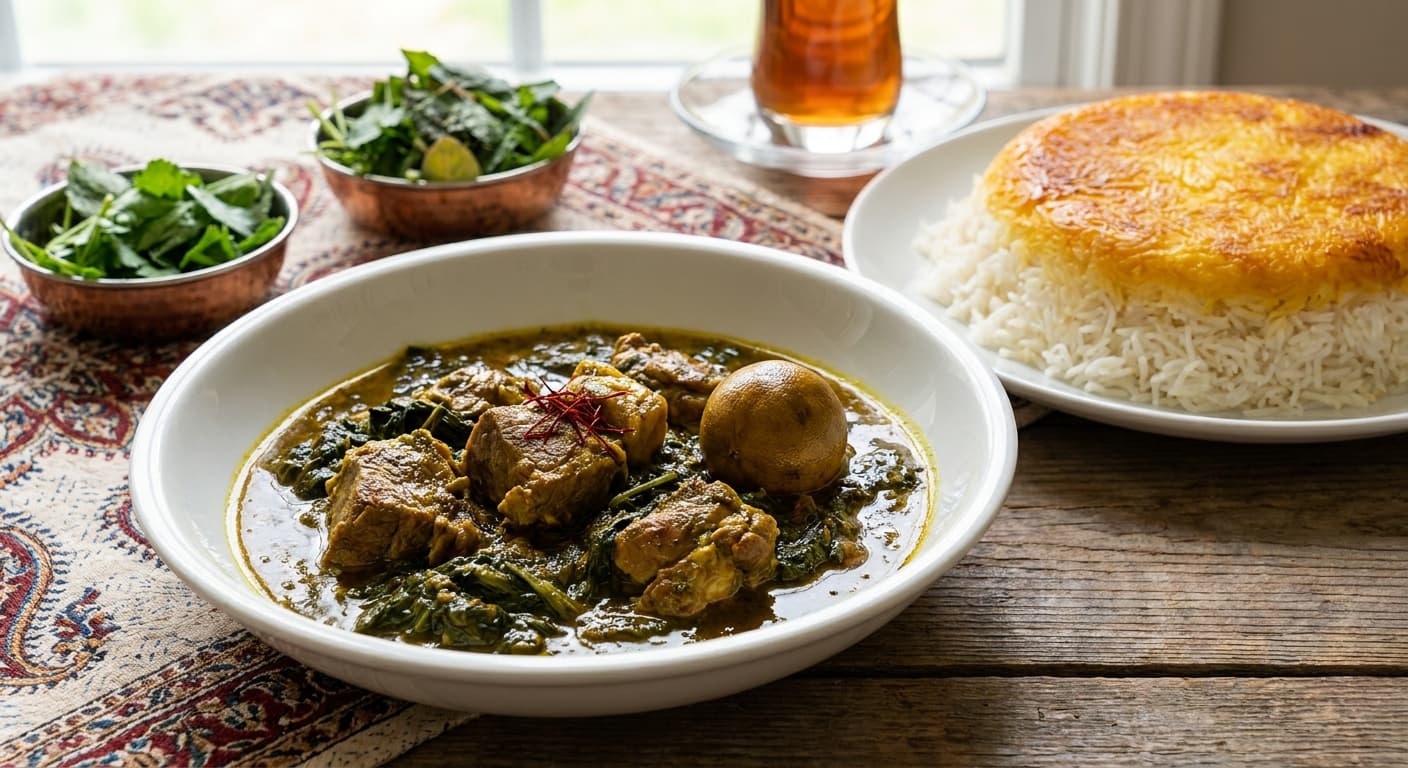
Persian Khoresht Saak (خورش ساک) — Saffron-Cardamom Lamb Stew with Saak Greens
Persian · Stews · 145 min
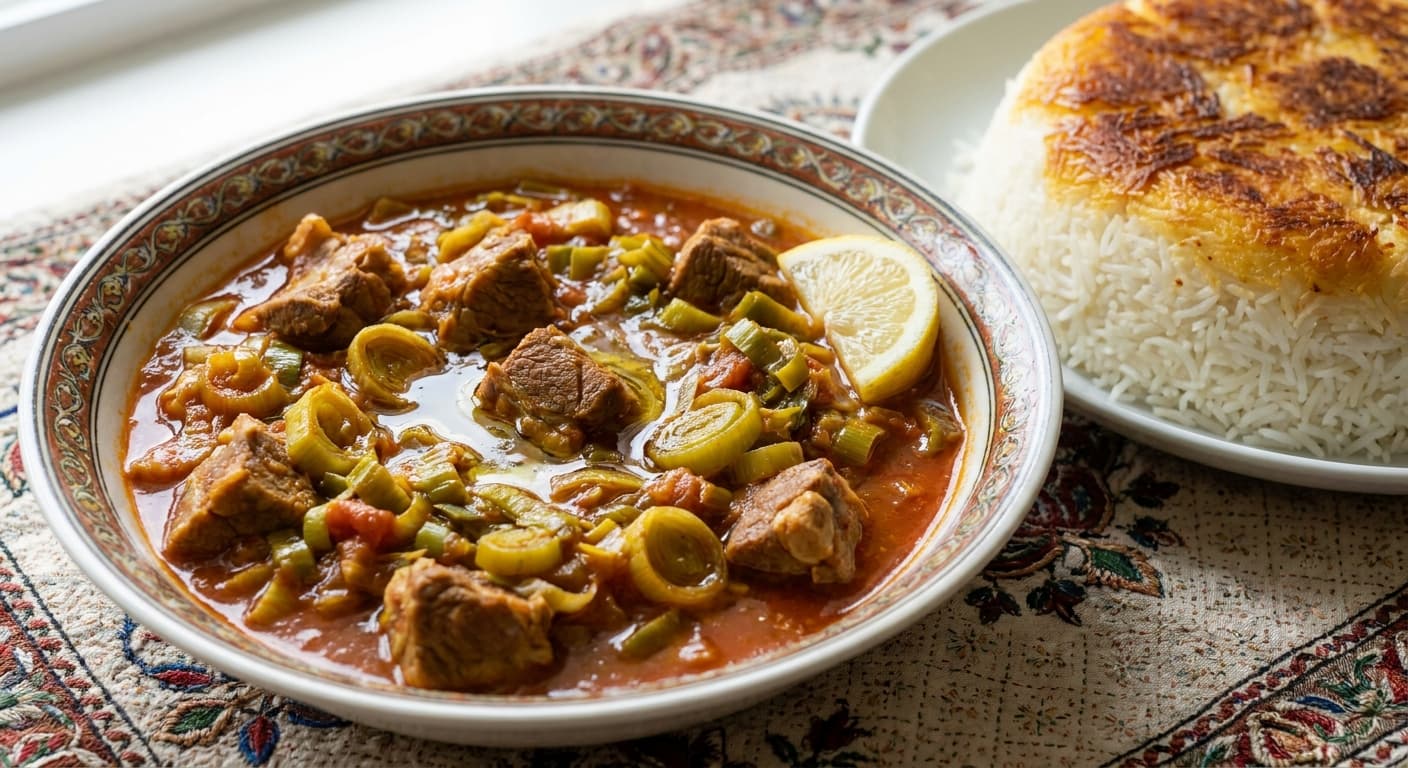
Khoresh Tareh Farangi (خورش تره فرنگی) — Persian Leek and Lamb Stew
Persian · Stews · 130 min
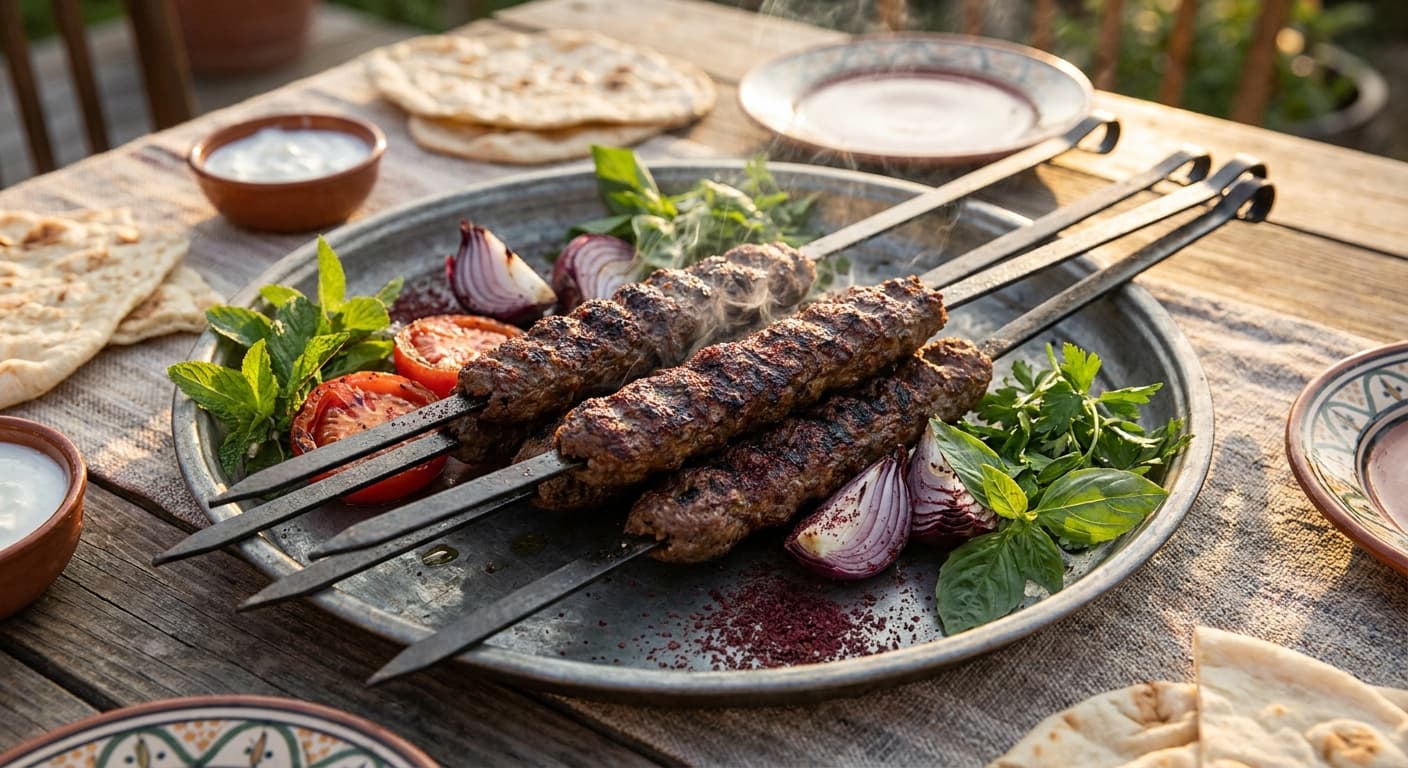
Authentic Kabab Koobideh (کباب کوبیده) — Persian Minced Lamb Skewers
Persian · Kebabs · 40 min
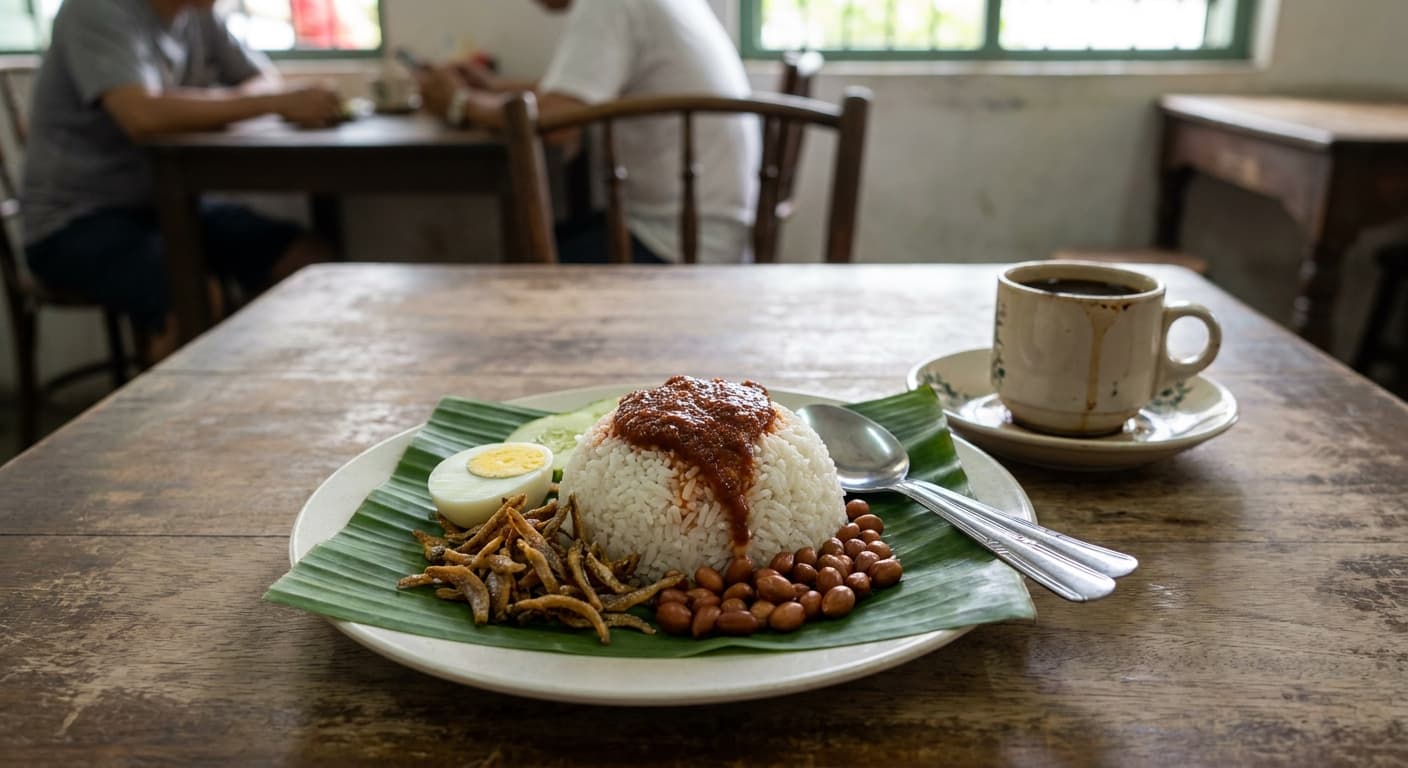
Nasi Lemak (Nasi Lemak) — Coconut Rice with Sambal and Classic Garnishes
Malaysian · Rice Dishes · 90 min
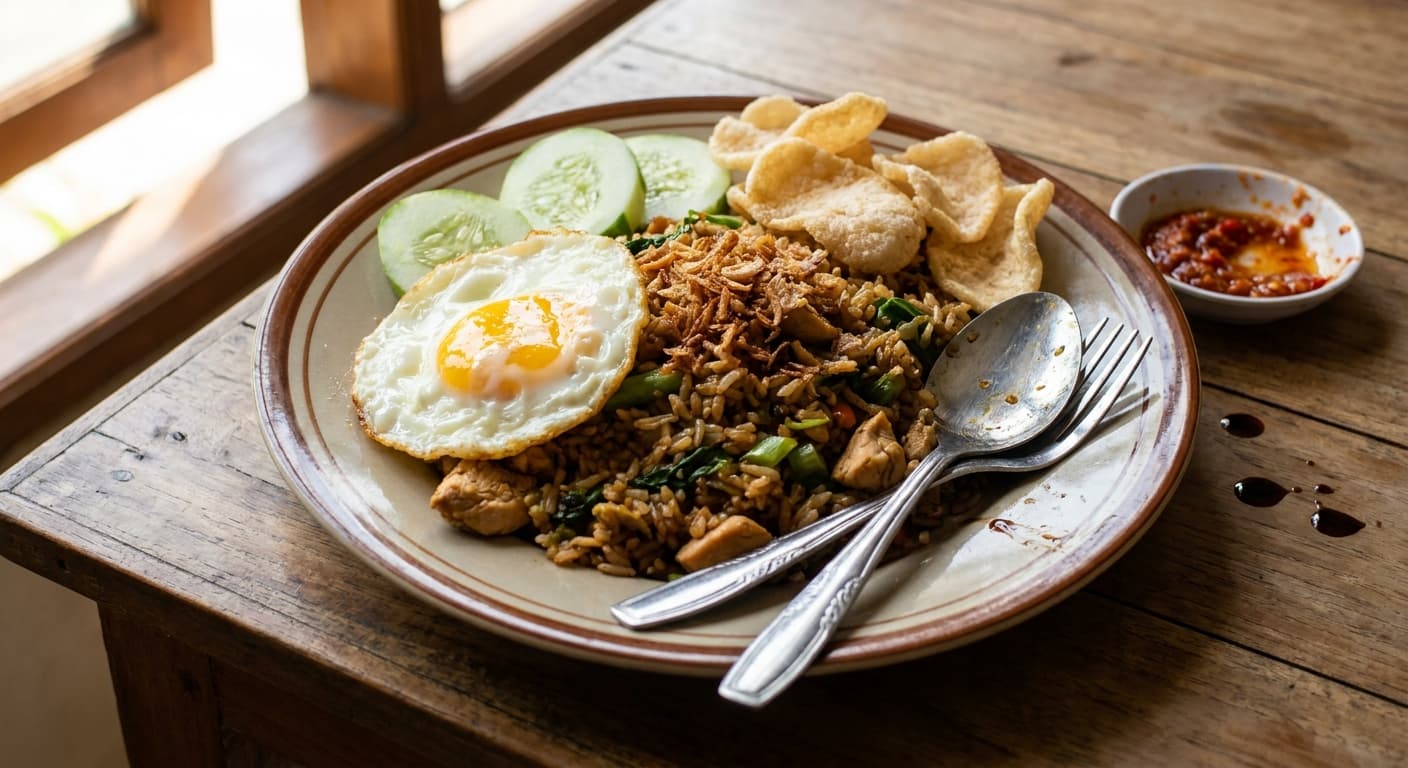
Indonesian Fried Rice (Nasi Goreng) — Sweet Soy Street-Style Rice
Indonesian · Rice Dishes · 35 min
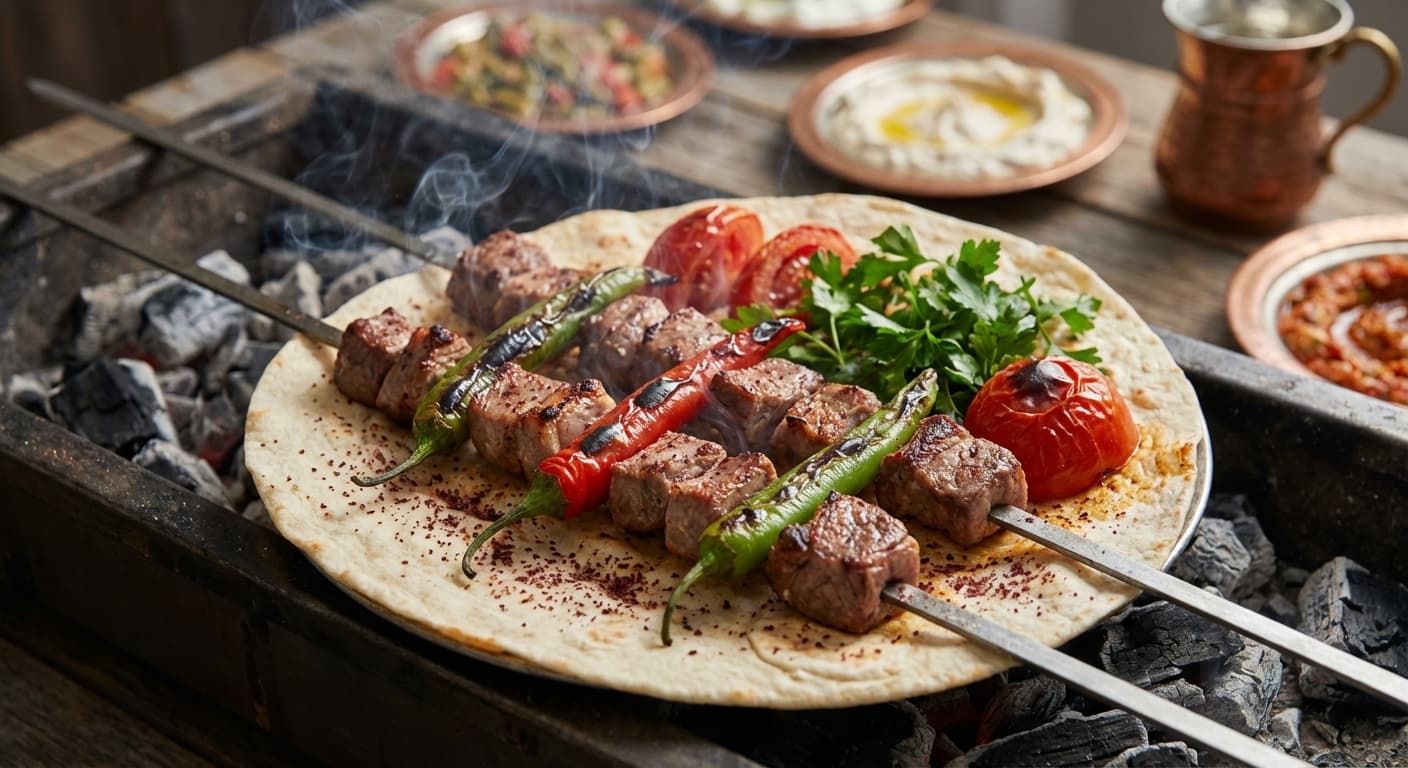
Turkish Shish Kebab (Şiş Kebap) — Charcoal-Grilled Marinated Lamb Skewers
Turkish · Kebabs · 37 min
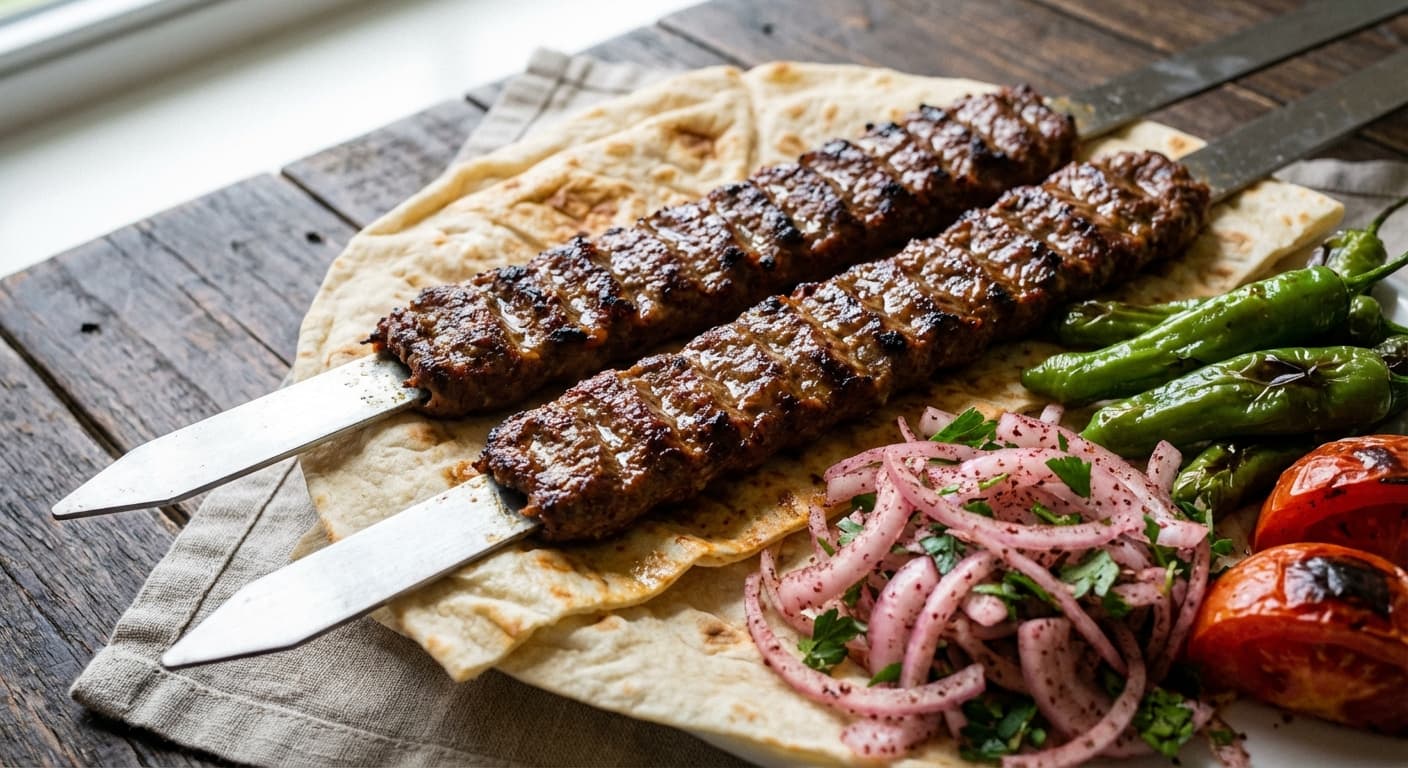
Urfa Kebab (اورفا کباب) — Mild Turkish minced skewer with sumac onions
Turkish · Kebabs · 37 min
Sabzi Chalaw (سبزی چلو) — Afghan Herb Rice with Meat Stew
Afghan · Rice Dishes · 130 min
Reviews
Cooked this recipe?
Tap the stars to rate it — that's all it takes. A few words are welcome but optional.
No ratings yet. Cooked this one? Be the first to rate it — it takes one tap.