Khoresht Bademjan (خورش بادمجان) — Persian Eggplant and Lamb Stew
Silky fried eggplants simmer with tender lamb in a tangy tomato-saffron broth. This classic Persian stew balances deep umami, gentle spice, and bright acidity, ideal for serving with steamed rice at gatherings.
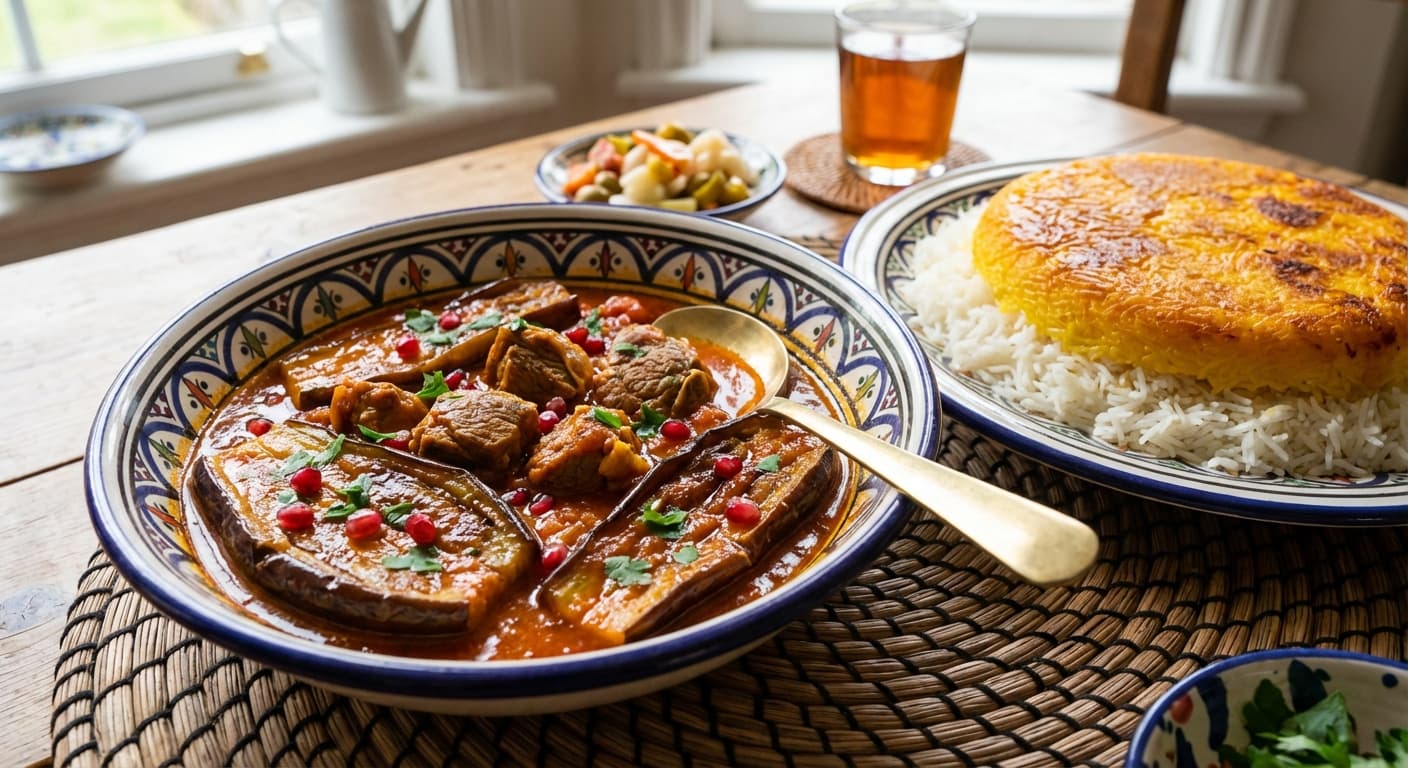
Printable Recipe Card
Servings: 6 · Total: 180 min · Difficulty: medium
Ingredients (quick list)
- 900 g Eggplants (firm, medium) (about 4 medium; peeled in stripes or fully peeled, cut lengthwise into 2–3 thick planks each)
- 18 g Kosher salt (for salting eggplants (about 1 tablespoon))
- 120 ml Neutral frying oil (sunflower or canola) (for pan-frying eggplants)
- 700 g Lamb stew meat (boneless shoulder or leg, cut into 4 cm cubes and trimmed of excess fat)
- 250 g Yellow onion (finely diced (about 1 large))
- 12 g Garlic (minced (about 4 cloves))
- 30 ml Neutral cooking oil (sunflower or canola) (for browning meat and onions (2 tablespoons))
- 2.5 g Ground turmeric (about 1 teaspoon)
- 1.5 g Black pepper (about 1/2 teaspoon, plus more to taste)
- 45 g Tomato paste (3 tablespoons)
- 600 g Fresh tomatoes (grated on a box grater (or blended) to a smooth puree; about 4 medium)
- 900 ml Water (hot, for simmering (add more as needed))
+ 3 more in the full ingredients section below.
Steps (summary)
- Prepare the eggplants: peel in stripes (or fully peel) and cut into thick lengthwise planks. Sprinkle evenly with 18 g salt and…
- Bloom the saffron: crush 0.2 g saffron threads to a powder, then stir with 45 ml hot water. Cover and steep for 10–15 minutes u…
- Brown the meat: heat 30 ml oil in a heavy pot over medium-high heat. Add lamb in a single layer and sear 6–8 minutes total, tur…
- Build the stew base: stir in turmeric and black pepper for 30 seconds. Add tomato paste and cook 2–3 minutes, stirring constant…
- Simmer until tender: add 900 ml hot water, bring to a gentle boil, then reduce to low. Cover and simmer 75–90 minutes, stirring…
- Fry the eggplants: while the meat simmers, heat 120 ml oil in a wide skillet over medium heat. Fry eggplant planks in batches f…
+ 1 more steps in the full instructions section below.
Cultural Background
Khoresh bademjan is a widely cooked Persian stew often served with rice for family meals and gatherings. Its method of separately frying eggplant and then braising it in a tomato-based sauce reflects a common approach in Persian home cooking to build layered texture and flavor.
Equipment
💡 Tips
- Choose long, firm eggplants with smooth skin; they absorb less oil and become silkier when braised.
- Patting eggplants very dry after salting is key for better browning and less oil uptake.
- Cooking tomato paste for a few minutes removes raw flavor and deepens the stew’s color.
- Add saffron near the end for a clearer aroma; long boiling can mute its fragrance.
- For a cleaner presentation, spoon broth over eggplants rather than stirring vigorously after adding them.
⚠️ Common Mistakes
❌ Skipping the eggplant salting and drying step
💡 Why: Wet eggplant splatters, absorbs more oil, and can taste slightly bitter.
✅ Fix: Salt for 30 minutes, rinse briefly, and pat very dry before frying.
❌ Boiling the stew hard
💡 Why: Rapid boiling toughens meat fibers and breaks eggplants into the sauce.
✅ Fix: Keep a gentle simmer; small bubbles at the edges are ideal, especially after adding eggplants.
❌ Adding saffron too early
💡 Why: Long simmering can dull saffron’s delicate aroma.
✅ Fix: Bloom saffron and stir it in during the last 5–10 minutes of cooking.
❌ Not cooking tomato paste
💡 Why: Raw tomato paste can taste sharp and metallic, leaving the stew one-dimensional.
✅ Fix: Fry tomato paste 2–3 minutes in oil with aromatics until it darkens slightly and smells sweet.
🧊 How to Store
Cool completely, then refrigerate in an airtight container for up to 4 days. Reheat gently on the stove over low heat with 60–120 ml water if needed; avoid hard boiling to keep eggplants intact. Freeze up to 2 months; thaw overnight in the refrigerator before reheating.
📅 Make Ahead
Cook the stew base (meat and tomato broth) up to 2 days ahead and refrigerate. Fry eggplants up to 1 day ahead and refrigerate separately. Reheat the base to a gentle simmer, then add eggplants for the final 20–25 minutes and finish with saffron and lemon.
🍽️ Pairs Well With
- Persian steamed rice
- Saffron rice
- Shirazi salad
- Plain yogurt or cucumber yogurt
- Fresh herbs and radishes
Regional Variations
- Tehran and central IranOften made with a balanced sweet-tart profile using ripe tomatoes and a small amount of lemon juice; eggplants are typically fried until deeply golden, then gently braised to stay intact.
- Northern Iran (Caspian-influenced households)Some cooks prefer a brighter, more acidic stew, increasing sourness with extra lemon juice; the sauce may be thinner and served generously over rice.
Ingredients
- 900 gEggplants (firm, medium) (about 4 medium; peeled in stripes or fully peeled, cut lengthwise into 2–3 thick planks each)
- 18 gKosher salt (for salting eggplants (about 1 tablespoon))
- 120 mlNeutral frying oil (sunflower or canola) (for pan-frying eggplants)
- 700 gLamb stew meat (boneless shoulder or leg, cut into 4 cm cubes and trimmed of excess fat)
- 250 gYellow onion (finely diced (about 1 large))
- 12 gGarlic (minced (about 4 cloves))
- 30 mlNeutral cooking oil (sunflower or canola) (for browning meat and onions (2 tablespoons))
- 2.5 gGround turmeric (about 1 teaspoon)
- 1.5 gBlack pepper (about 1/2 teaspoon, plus more to taste)
- 45 gTomato paste (3 tablespoons)
- 600 gFresh tomatoes (grated on a box grater (or blended) to a smooth puree; about 4 medium)
- 900 mlWater (hot, for simmering (add more as needed))
- 0.2 gSaffron threads (about 1/4 teaspoon, finely crushed)
- 45 mlHot water (for blooming saffron) (3 tablespoons)
- 30 mlFresh lemon juice (2 tablespoons, to balance the stew)
🔄 Substitutions
- Lamb stew meat→ Beef chuck (boneless), cut into 4 cm cubes
- Fresh tomatoes (grated)→ Canned crushed tomatoes
- Neutral frying oil→ Light olive oil
Instructions
- 1
Prepare the eggplants: peel in stripes (or fully peel) and cut into thick lengthwise planks. Sprinkle evenly with 18 g salt and set in a colander over a tray for 30 minutes to draw out bitterness and moisture. Rinse quickly under cool water, then pat very dry with towels to prevent splattering and excess oil absorption.
- 2
Bloom the saffron: crush 0.2 g saffron threads to a powder, then stir with 45 ml hot water. Cover and steep for 10–15 minutes until deeply colored. Keep near the stove so it is ready to add at the end; this preserves aroma and gives the broth a distinct saffron finish.
- 3
Brown the meat: heat 30 ml oil in a heavy pot over medium-high heat. Add lamb in a single layer and sear 6–8 minutes total, turning to brown multiple sides. Add onion and cook 8–10 minutes, stirring, until softened and lightly golden. Add garlic and cook 60 seconds until fragrant, not browned.
- 4
Build the stew base: stir in turmeric and black pepper for 30 seconds. Add tomato paste and cook 2–3 minutes, stirring constantly, until it darkens slightly and smells sweet. Pour in grated tomatoes and simmer 8–10 minutes, uncovered, to reduce and concentrate flavor, scraping any browned bits from the pot.
- 5
Simmer until tender: add 900 ml hot water, bring to a gentle boil, then reduce to low. Cover and simmer 75–90 minutes, stirring occasionally, until the lamb is tender and the broth is thickened. If the liquid drops below the meat, add 120–240 ml hot water as needed to maintain a stew-like consistency.
- 6
Fry the eggplants: while the meat simmers, heat 120 ml oil in a wide skillet over medium heat. Fry eggplant planks in batches for 3–4 minutes per side until golden and soft. Transfer to a paper-towel-lined tray. Keep the heat moderate; too hot will brown the outside before the centers turn silky.
- 7
Combine and finish: gently nestle fried eggplants into the simmering stew. Cover and cook 20–25 minutes on low so the eggplants absorb the tomato broth without falling apart. Stir in 10 g salt, bloomed saffron, and lemon juice. Simmer uncovered 5 minutes, then rest 10 minutes off heat to let flavors settle.
🪪 Recipe Passport
Cultural Background
Khoresh bademjan is a widely cooked Persian stew often served with rice for family meals and gatherings. Its method of separately frying eggplant and then braising it in a tomato-based sauce reflects a common approach in Persian home cooking to build layered texture and flavor.
Regional Variations
Researched from multiple sources and validated by the Zaffaron editorial team. Every recipe is tested for accuracy, measurements, and cultural authenticity.
Nutrition per serving
Pairs well with
If you enjoyed this recipe, here are a few related Zaffaron recipes to try next.
- Khoresht Khalal Kermanshah (خورش خلال کرمانشاهی) – Slivered Almond Stew
- Khoresht Choghaleh Badam (خورش چغاله بادام) — Persian Spring Green Almond Stew
- Sour Herb Chicken Stew (خورش مرغ ترش) — Caspian verjuice-and-herb khoresht with split peas
- Khoresht-e Gol Kalam ba Seer (خورشت گل کلم با سیر) — Persian Cauliflower & Garlic Meatball Stew
Does your family make this differently?
Every family has their own version. Maybe your grandmother adds a secret ingredient, or your aunt has a completely different technique. Preserve your family's version — with their name on it, forever.
You Might Also Like
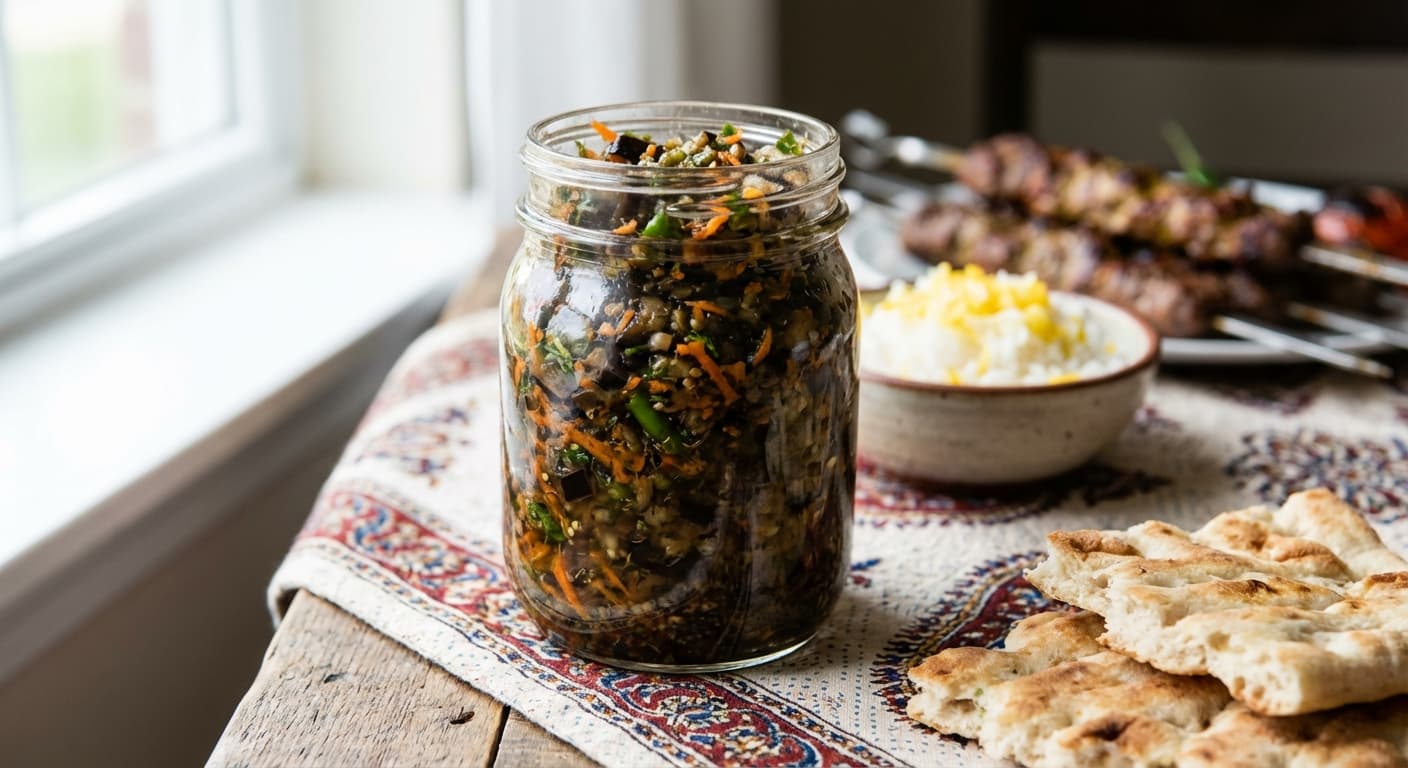
Persian Smoked Torshi Liteh (ترشی لیته) — Caspian-style smoky mixed vegetable pickle
Persian · Side Dishes · 60 min
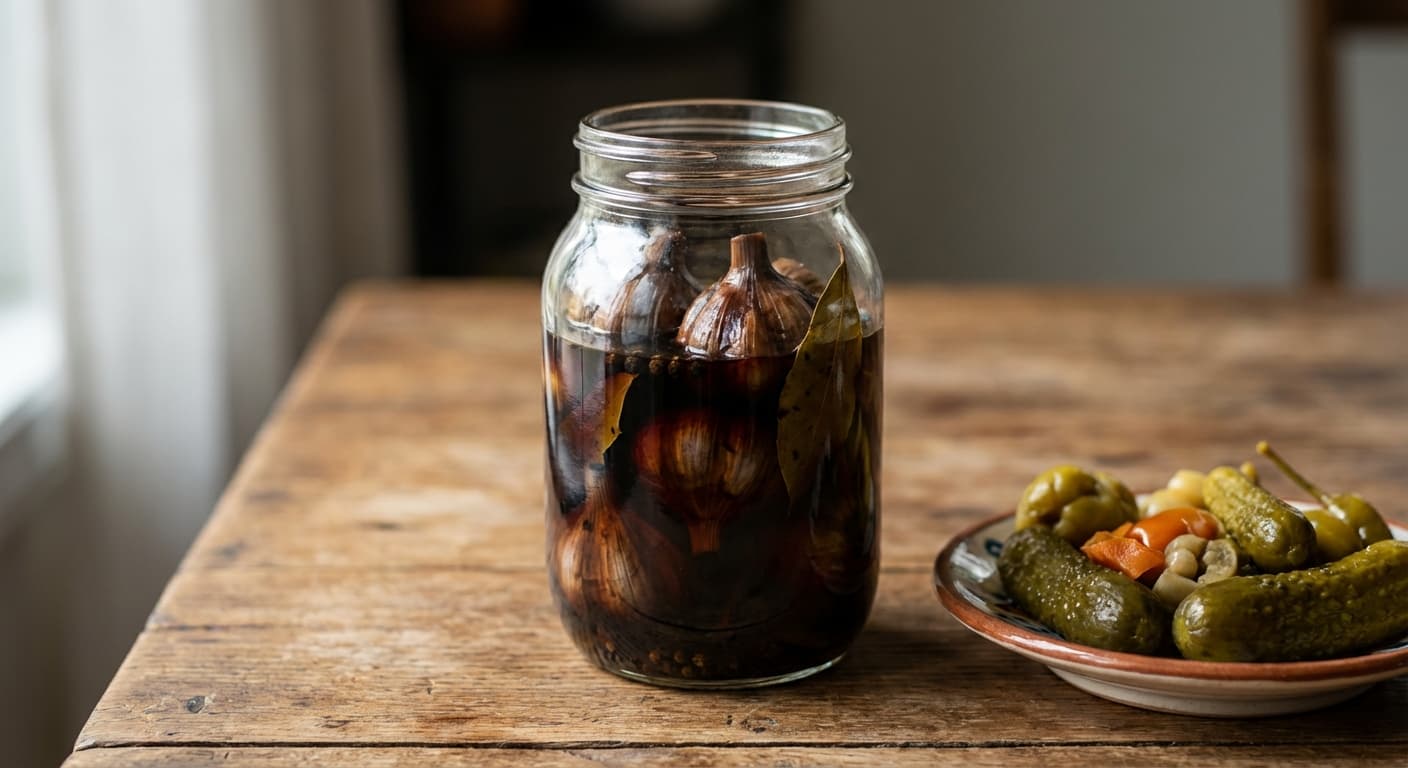
Aged Garlic Pickle (سیر ترشی) — Gilan’s seven-year-style black garlic torshi
Persian · Side Dishes · 45 min
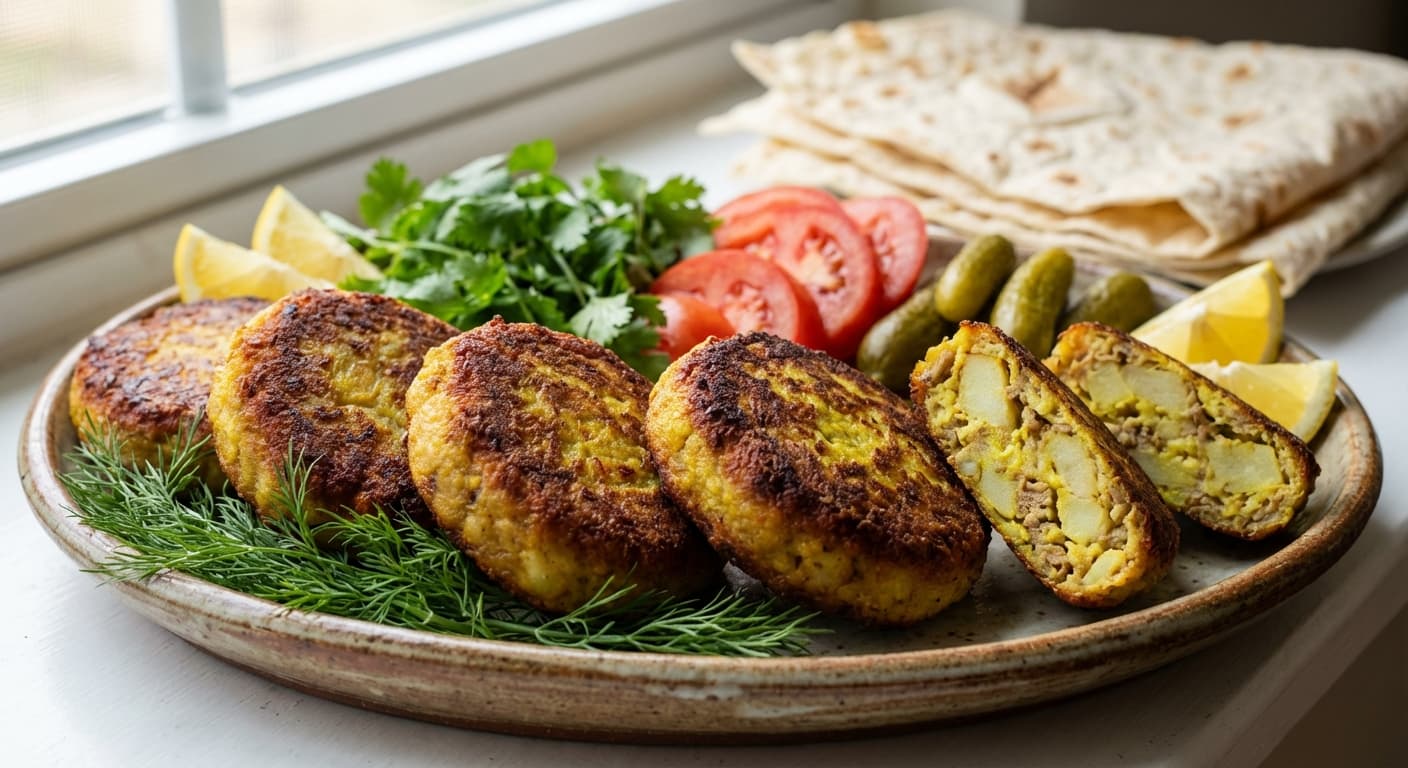
Persian Kotlet (کتلت) — Saffron-Infused Meat & Potato Patties
Persian · Main Courses · 55 min
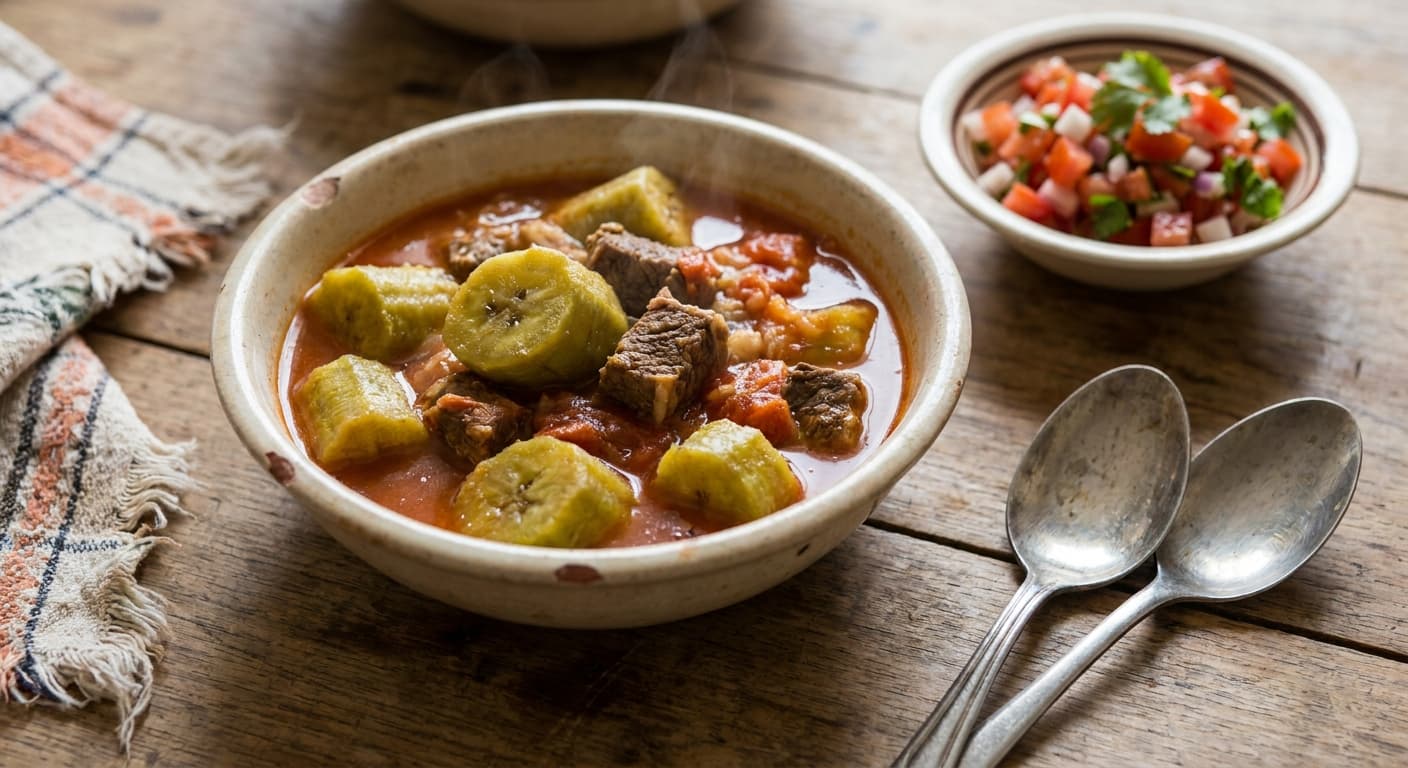
Matoke (Matoke) — Tanzanian Green Banana and Beef Stew
Tanzanian · Stews · 135 min
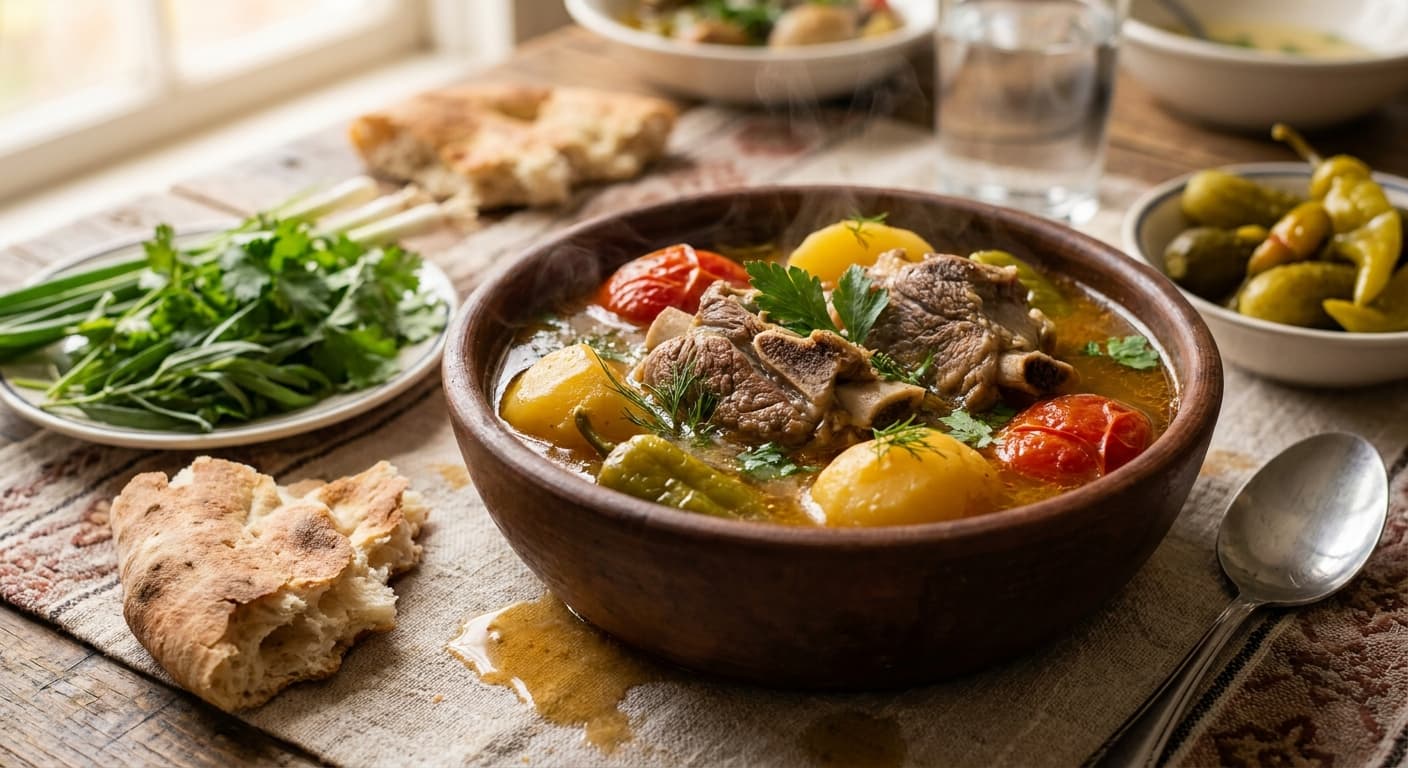
Khashlama (Խաշլամա) — Armenian Lamb and Vegetable Stew
Armenian · Stews · 160 min
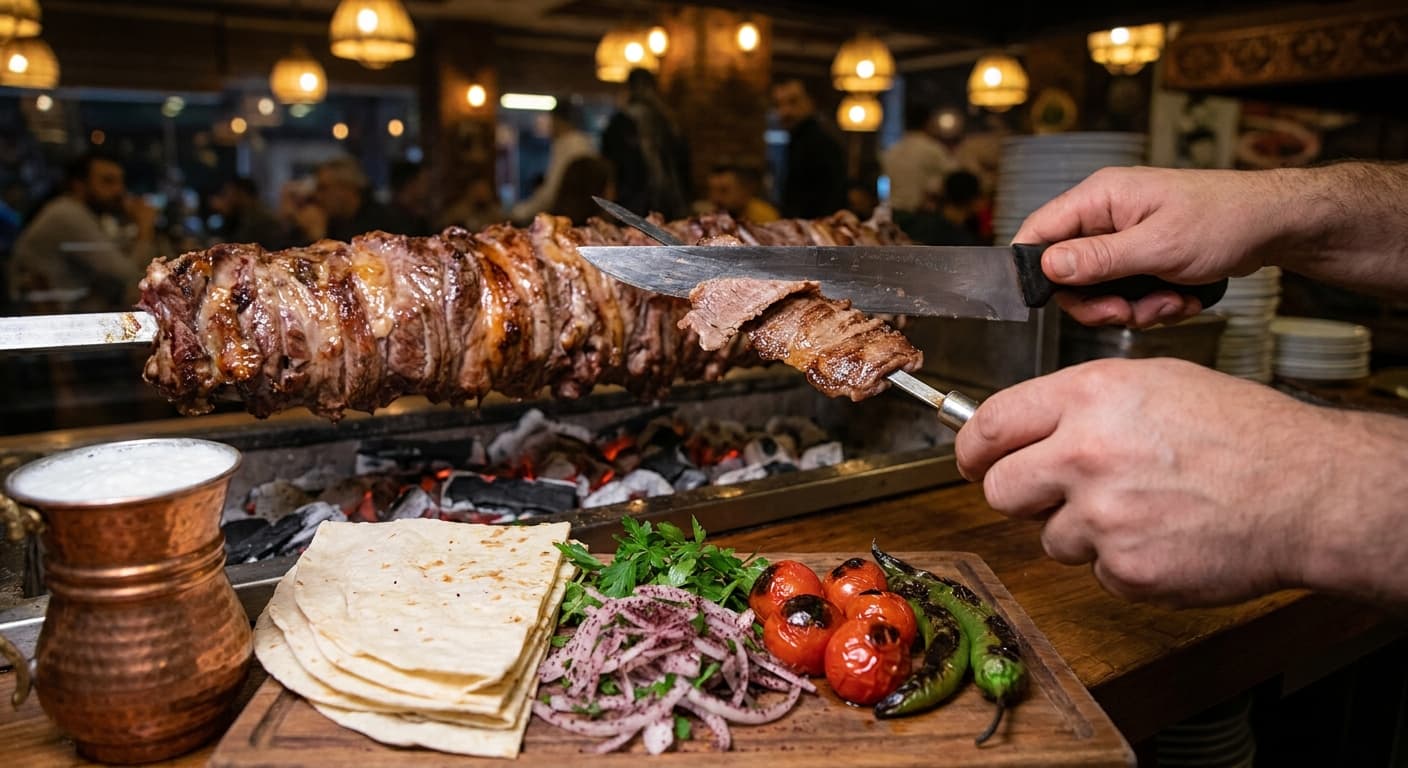
Turkish Cağ Kebab (Cağ Kebabı) — Erzurum Slow-Roasted Charcoal Lamb Skewer
Turkish · Kebabs · 160 min
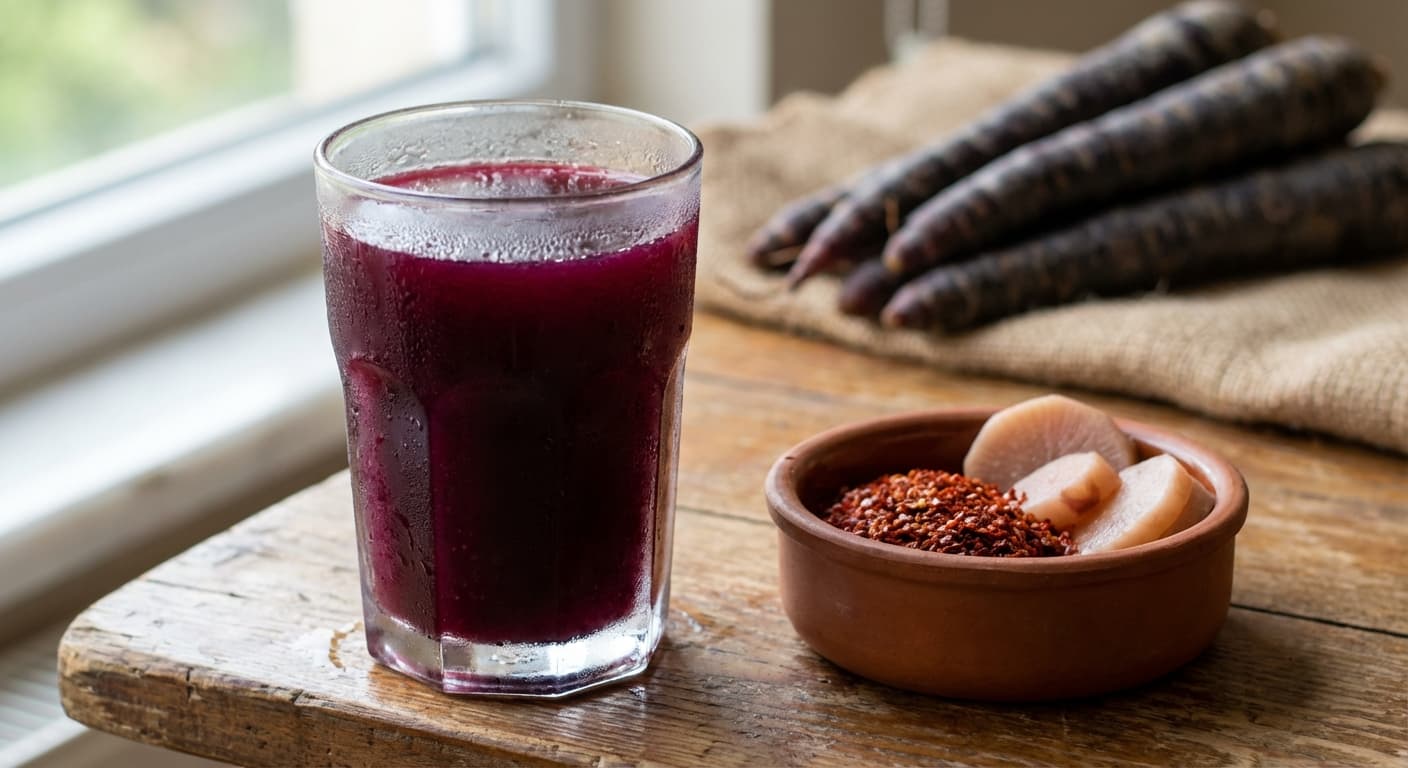
Salgam Juice (Şalgam) — Spicy, tangy fermented black-carrot drink
Turkish · Drinks · 25 min
Samlor Machu Kroeung (សម្លម្ជូរគ្រឿង) — Cambodian Sour Kroeung Beef Soup
Cambodian · Soups · 130 min
Reviews
Cooked this recipe?
Tap the stars to rate it — that's all it takes. A few words are welcome but optional.
No ratings yet. Cooked this one? Be the first to rate it — it takes one tap.