Khoresht-e Rangarang (خورشت رنگارنگ) — Persian Colorful Vegetable & Meat Stew
A modern Persian-style stew featuring tender beef or lamb with julienned vegetables, mushrooms, and sweet corn. Finished with fried onions and a soy-sauce umami note for a bright, colorful bowl.
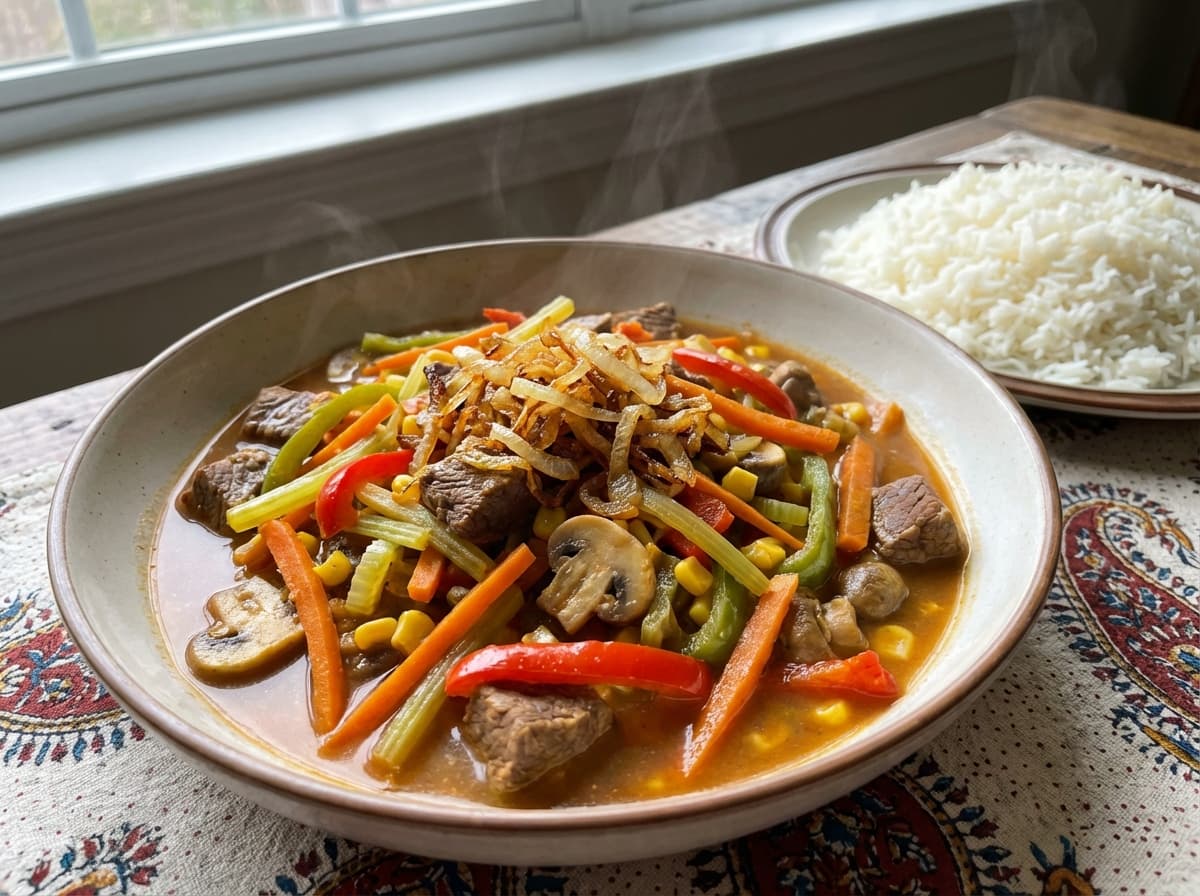
Printable Recipe Card
Servings: 4 · Total: 105 min · Difficulty: medium
Ingredients (quick list)
- 600 g Beef stew meat, trimmed and cut into 3 cm cubes (Chuck or shoulder; lamb leg/shoulder also works)
- 6 g Sea salt (About 1 tsp, plus more to taste)
- 2 g Black pepper, freshly ground (About 1 tsp)
- 30 ml Neutral oil (Such as sunflower, canola, or grapeseed)
- 200 g Yellow onion, thinly sliced (For fried onions (piaz dagh))
- 25 g Tomato paste (About 1 1/2 tbsp)
- 750 ml Water (Hot, for braising)
- 30 ml Soy sauce (About 2 tbsp; use regular (not sweet) soy sauce)
- 200 g Celery stalks (Cut into 6–7 cm matchsticks (julienne))
- 200 g Carrots (Cut into 6–7 cm matchsticks (julienne))
- 150 g Red bell pepper (Seeded, cut into thin strips)
- 150 g Green bell pepper (Seeded, cut into thin strips)
+ 2 more in the full ingredients section below.
Steps (summary)
- Prepare the vegetables for quick cooking: cut celery and carrots into 6–7 cm matchsticks, slice mushrooms 5 mm thick, and cut b…
- Make fried onions (piaz dagh): heat 45 ml oil in a wide skillet over medium heat (about 170–180°C). Add 200 g sliced onion and…
- Sear the meat: in a heavy pot, heat 30 ml oil over medium-high heat. Season 600 g meat with 6 g sea salt and 2 g black pepper,…
- Build the stew base: lower heat to medium. Add tomato paste and cook 2 minutes, stirring, until it darkens slightly and smells…
- Season with soy sauce and continue braising: stir in 30 ml soy sauce, then simmer covered 15 minutes more, or until the meat is…
- Cook the vegetables in stages for a colorful finish: add carrots and celery first and simmer 8 minutes. Add mushrooms and simme…
+ 1 more steps in the full instructions section below.
Cultural Background
Persian stews are traditionally built on careful sautéing and slow simmering, often served with rice as a centerpiece meal. This colorful version reflects a contemporary home-cooking approach that keeps vegetables bright while using familiar techniques like fried onions and braising for depth.
Equipment
💡 Tips
- For best color, keep the simmer gentle after adding vegetables; a hard boil dulls peppers and overcooks celery.
- If using lamb, skim excess fat after braising (tilt the pot and spoon off) for a cleaner, brighter stew.
- Prefer a thicker sauce? Simmer uncovered 5–10 minutes at the end, stirring occasionally to prevent sticking.
- Use low-sodium soy sauce if you are sensitive to salt, then adjust seasoning at the table.
⚠️ Common Mistakes
❌ Boiling the stew hard after adding vegetables
💡 Why: High heat breaks down peppers and celery quickly, turning them dull and soft.
✅ Fix: Keep the pot at a gentle simmer and add vegetables in stages, timing each addition.
❌ Adding soy sauce at the start of braising
💡 Why: Long cooking can make soy sauce taste harsh and overly salty, masking the meat flavor.
✅ Fix: Stir soy sauce in after the meat has mostly tenderized, then simmer briefly to integrate.
❌ Crowding the pot when browning meat
💡 Why: Overcrowding steams the meat instead of browning, reducing depth and leaving it less flavorful.
✅ Fix: Brown in batches with enough space between pieces; keep heat medium-high and avoid stirring constantly.
❌ Over-frying onions until bitter
💡 Why: Onions can go from golden to burnt quickly, adding bitterness to the stew.
✅ Fix: Fry over medium heat, stir often, and remove when deep golden; they will darken slightly from residual heat.
🧊 How to Store
Cool to room temperature within 2 hours, then refrigerate in an airtight container up to 3 days. Reheat gently on the stovetop over low heat with 30–60 ml water to loosen; avoid boiling to keep vegetables from turning soft. Freeze up to 2 months; thaw overnight in the fridge.
📅 Make Ahead
Fry the onions up to 3 days ahead and refrigerate; re-crisp in a dry skillet for 1–2 minutes. You can also braise the meat a day ahead, chill, then reheat and add the vegetables just before serving to keep them bright.
🍽️ Pairs Well With
- Persian steamed rice
- Saffron rice
- Plain yogurt or cucumber yogurt
- Fresh herbs and radishes
Regional Variations
- Tehran-style contemporary home cookingOften uses a wider mix of vegetables and keeps them crisp-tender, with a slightly thicker sauce and a strong fried-onion finish.
- Northern Iran-inspired approachMay lean more heavily on celery and mushrooms and keep the stew lighter and more brothy, emphasizing fresh vegetable aroma over thickness.
Ingredients
- 600 gBeef stew meat, trimmed and cut into 3 cm cubes (Chuck or shoulder; lamb leg/shoulder also works)
- 6 gSea salt (About 1 tsp, plus more to taste)
- 2 gBlack pepper, freshly ground (About 1 tsp)
- 30 mlNeutral oil (Such as sunflower, canola, or grapeseed)
- 200 gYellow onion, thinly sliced (For fried onions (piaz dagh))
- 25 gTomato paste (About 1 1/2 tbsp)
- 750 mlWater (Hot, for braising)
- 30 mlSoy sauce (About 2 tbsp; use regular (not sweet) soy sauce)
- 200 gCelery stalks (Cut into 6–7 cm matchsticks (julienne))
- 200 gCarrots (Cut into 6–7 cm matchsticks (julienne))
- 150 gRed bell pepper (Seeded, cut into thin strips)
- 150 gGreen bell pepper (Seeded, cut into thin strips)
- 250 gButton mushrooms (Sliced 5 mm thick)
- 165 gSweet corn kernels (About 1 cup; drained if canned, thawed if frozen)
🔄 Substitutions
- Beef stew meat→ Lamb shoulder or leg, cut into 3 cm cubes
- Soy sauce→ Tamari
- Button mushrooms→ Cremini mushrooms
Instructions
- 1
Prepare the vegetables for quick cooking: cut celery and carrots into 6–7 cm matchsticks, slice mushrooms 5 mm thick, and cut both bell peppers into thin strips. Keep each vegetable separate so you can add them in stages later and preserve color and crispness.
- 2
Make fried onions (piaz dagh): heat 45 ml oil in a wide skillet over medium heat (about 170–180°C). Add 200 g sliced onion and fry 12–18 minutes, stirring often, until deeply golden and sweet. Transfer to a plate; reserve 2 tbsp onion oil in the skillet for extra flavor.
- 3
Sear the meat: in a heavy pot, heat 30 ml oil over medium-high heat. Season 600 g meat with 6 g sea salt and 2 g black pepper, then brown in 2 batches for 4–5 minutes per batch, turning to color all sides. Browning builds the stew’s depth and keeps the meat flavorful.
- 4
Build the stew base: lower heat to medium. Add tomato paste and cook 2 minutes, stirring, until it darkens slightly and smells sweet. Add 750 ml hot water, scraping the bottom to release browned bits. Bring to a boil, then cover and simmer gently 45 minutes.
- 5
Season with soy sauce and continue braising: stir in 30 ml soy sauce, then simmer covered 15 minutes more, or until the meat is tender but not falling apart. Adjust heat to maintain a quiet simmer (small bubbles), which prevents tough meat and keeps the broth clear.
- 6
Cook the vegetables in stages for a colorful finish: add carrots and celery first and simmer 8 minutes. Add mushrooms and simmer 5 minutes. Add bell peppers and corn and simmer 4–5 minutes. The vegetables should be bright and slightly crisp, not soft.
- 7
Finish and serve: stir in most of the fried onions, reserving a small handful for topping. Simmer uncovered 3–5 minutes to lightly thicken the sauce. Taste and adjust with additional sea salt or black pepper if needed. Serve hot, topped with remaining fried onions.
🪪 Recipe Passport
Cultural Background
Persian stews are traditionally built on careful sautéing and slow simmering, often served with rice as a centerpiece meal. This colorful version reflects a contemporary home-cooking approach that keeps vegetables bright while using familiar techniques like fried onions and braising for depth.
Regional Variations
Researched from multiple sources and validated by the Zaffaron editorial team. Every recipe is tested for accuracy, measurements, and cultural authenticity.
Nutrition per serving
Pairs well with
If you enjoyed this recipe, here are a few related Zaffaron recipes to try next.
- Khoreshte Meygoo (خورش میگو) — Southern Persian Shrimp and Potato Stew
- Khoresht Gazaneh (خورشت گزنه) — Persian Stinging Nettle Stew
- Khoresht Kadu Bademjan (خورش کدو بادمجان) — Persian Zucchini and Eggplant Stew
- Khoresht Morgh-o-Bademjan (خورشت مرغ و بادمجان) — Persian Chicken & Eggplant Stew with Sour Grapes
Does your family make this differently?
Every family has their own version. Maybe your grandmother adds a secret ingredient, or your aunt has a completely different technique. Preserve your family's version — with their name on it, forever.
You Might Also Like
Khoresh Tareh Farangi (خورش تره فرنگی) — Persian Leek and Lamb Stew
Persian · Stews · 130 min
Authentic Kabab Koobideh (کباب کوبیده) — Persian Minced Lamb Skewers
Persian · Kebabs · 40 min
Borani Esfenaj (بورانی اسفناج) — Persian Spinach and Yogurt Dip with Saffron and Walnuts
Persian · Appetizers · 40 min
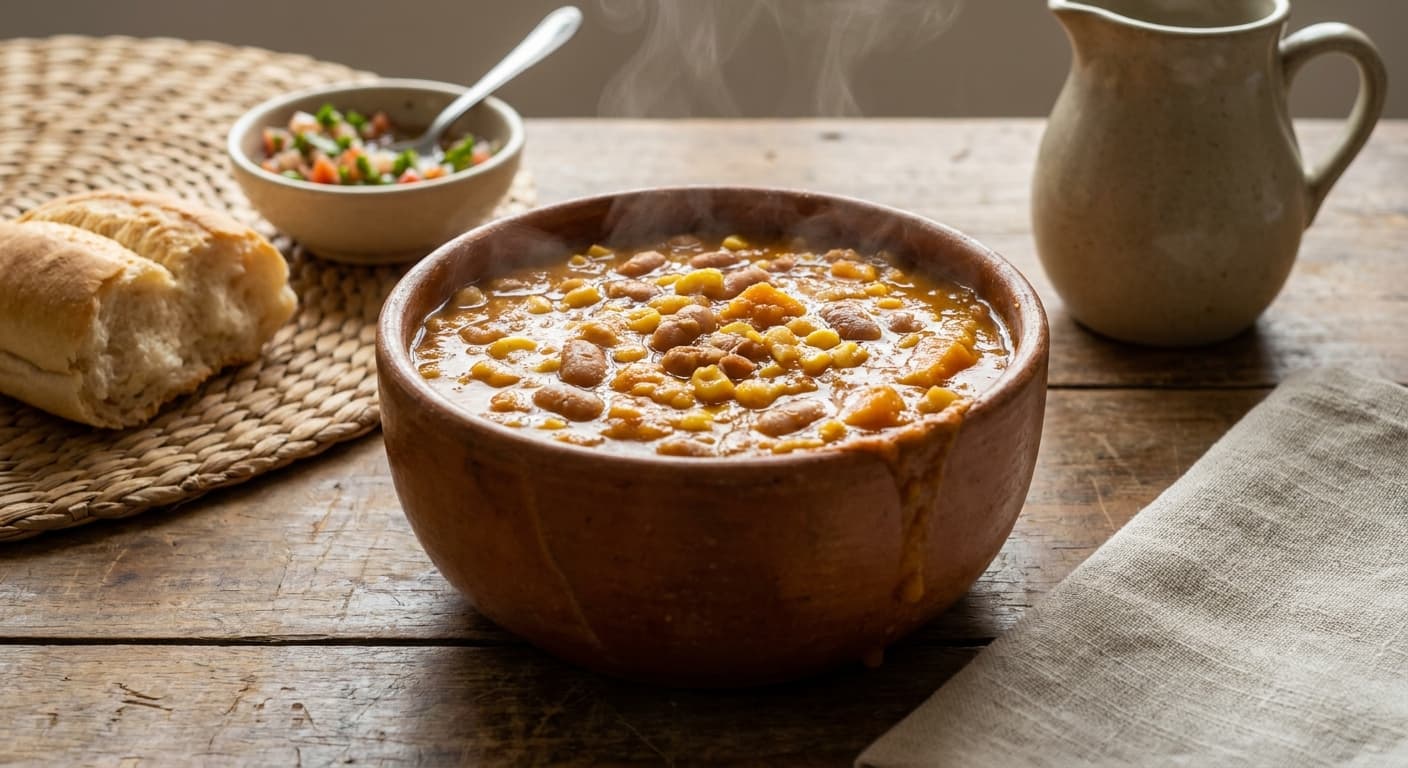
Chilean Fresh Bean Stew (Porotos granados) — Summer Corn and Squash Bean Stew
Chilean · Stews · 80 min
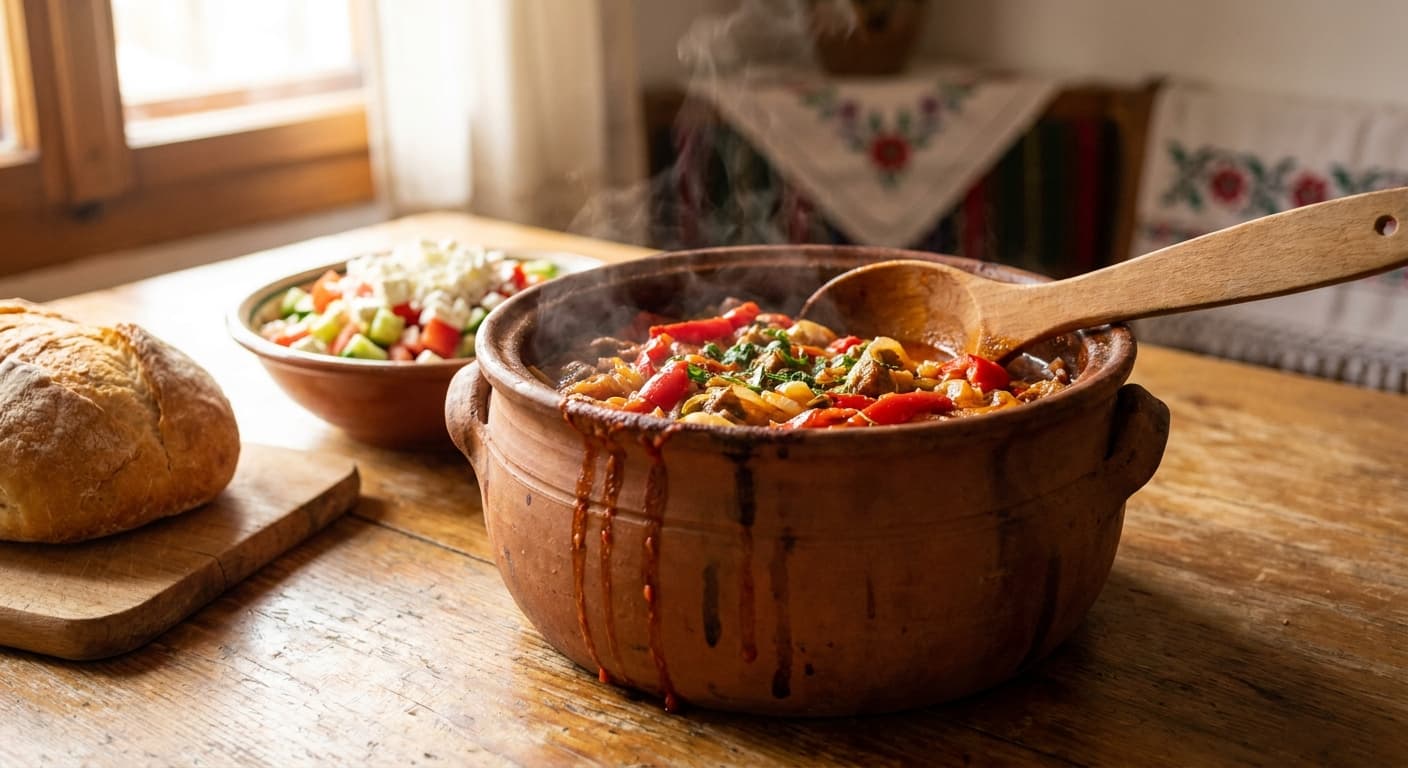
Bulgarian Pork Kavarma (Каварма) — Clay-Pot Pepper and Pork Stew
Bulgarian · Stews · 115 min
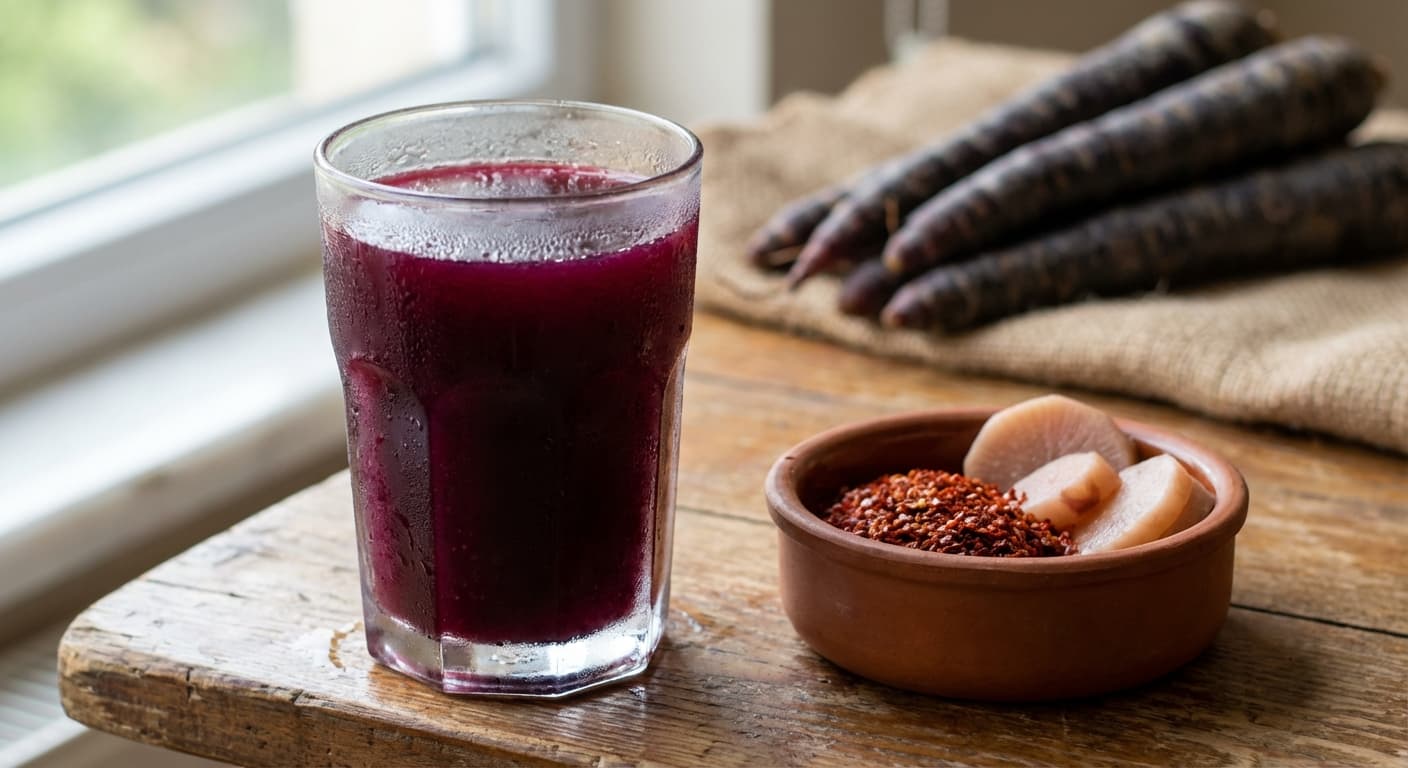
Salgam Juice (Şalgam) — Spicy, tangy fermented black-carrot drink
Turkish · Drinks · 25 min
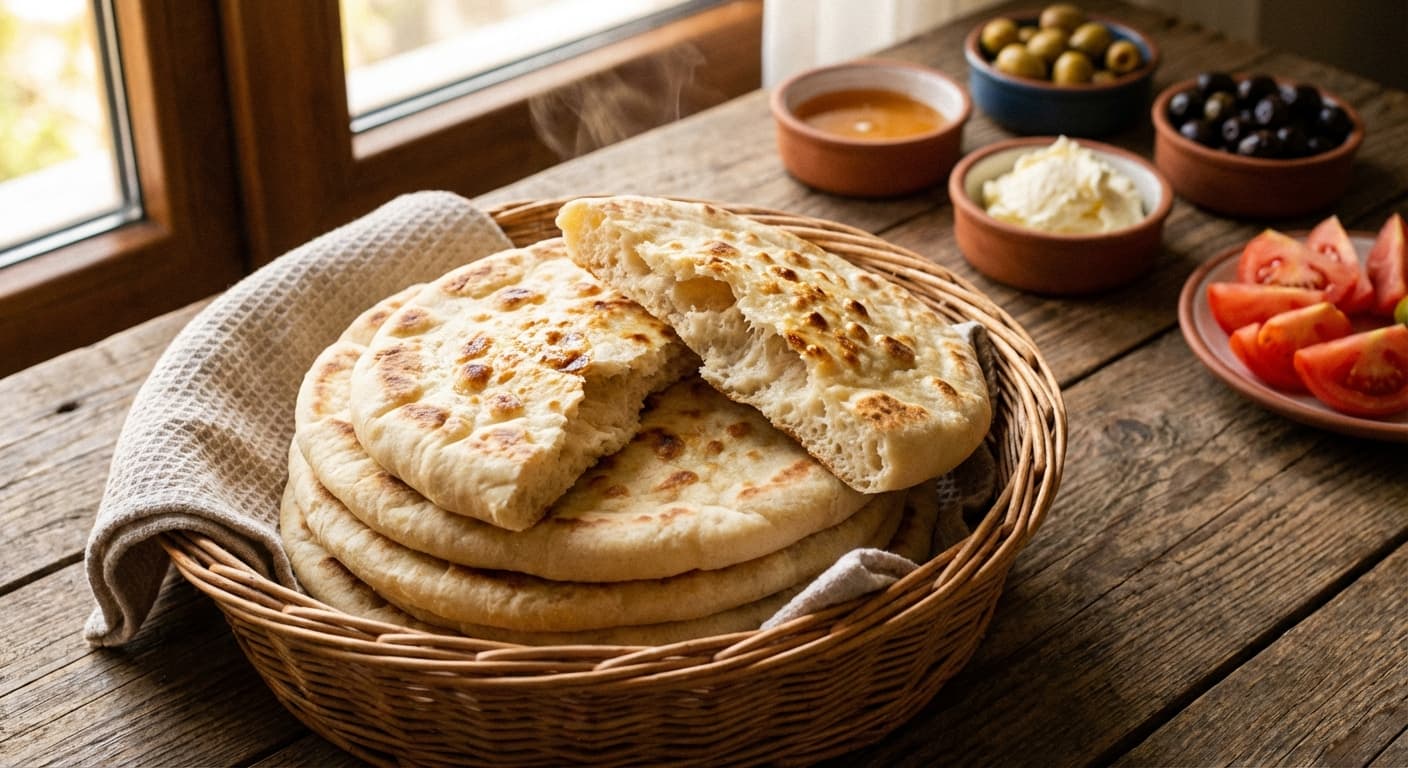
Bazlama (بازلاما) — Puffy Turkish Village Flatbread Cooked on a Saj
Turkish · Breads · 38 min
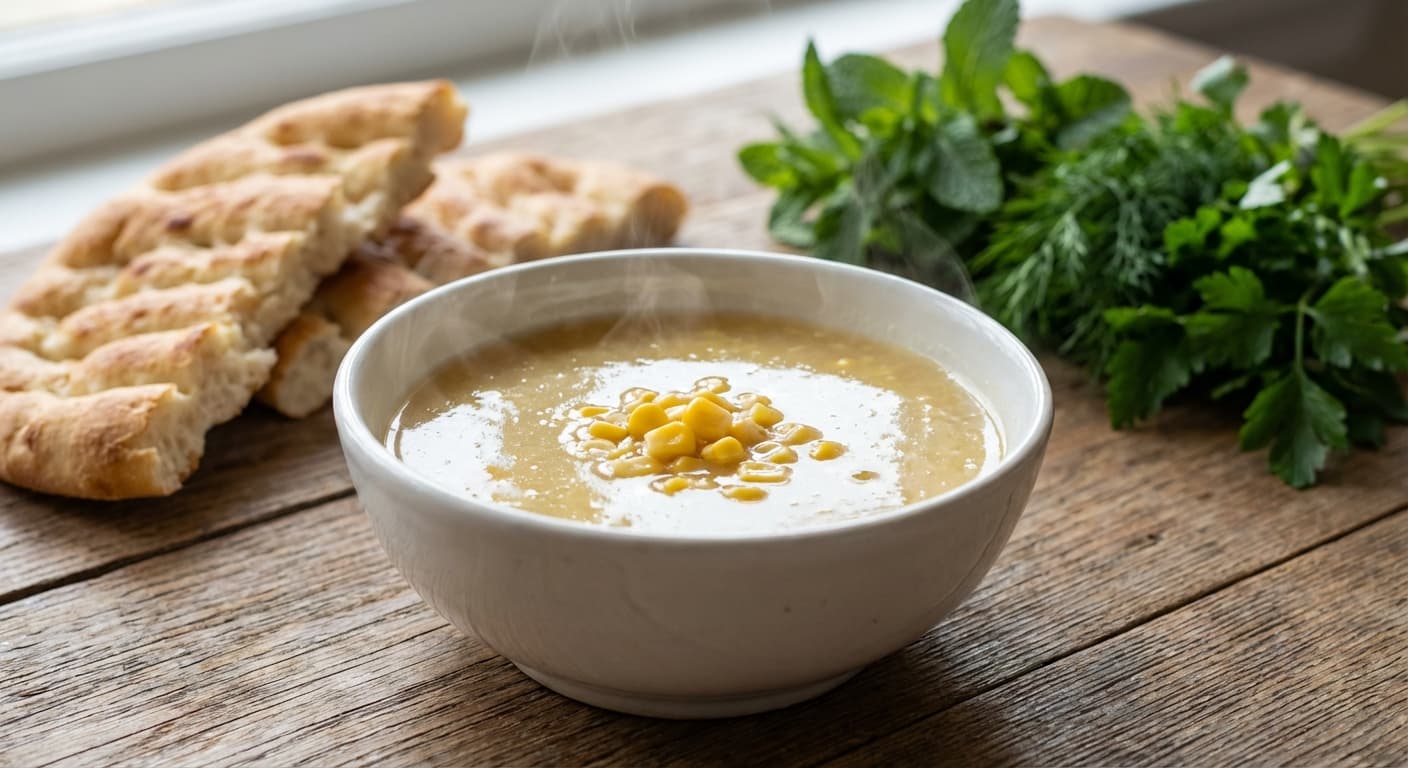
Persian Sweet Corn Soup (سوپ ذرت) — Silky Golden Comfort Soup
Persian · Soups · 50 min
Reviews
Cooked this recipe?
Tap the stars to rate it — that's all it takes. A few words are welcome but optional.
No ratings yet. Cooked this one? Be the first to rate it — it takes one tap.