Kuku Shevid (کوکو شوید) — Persian Dill Frittata
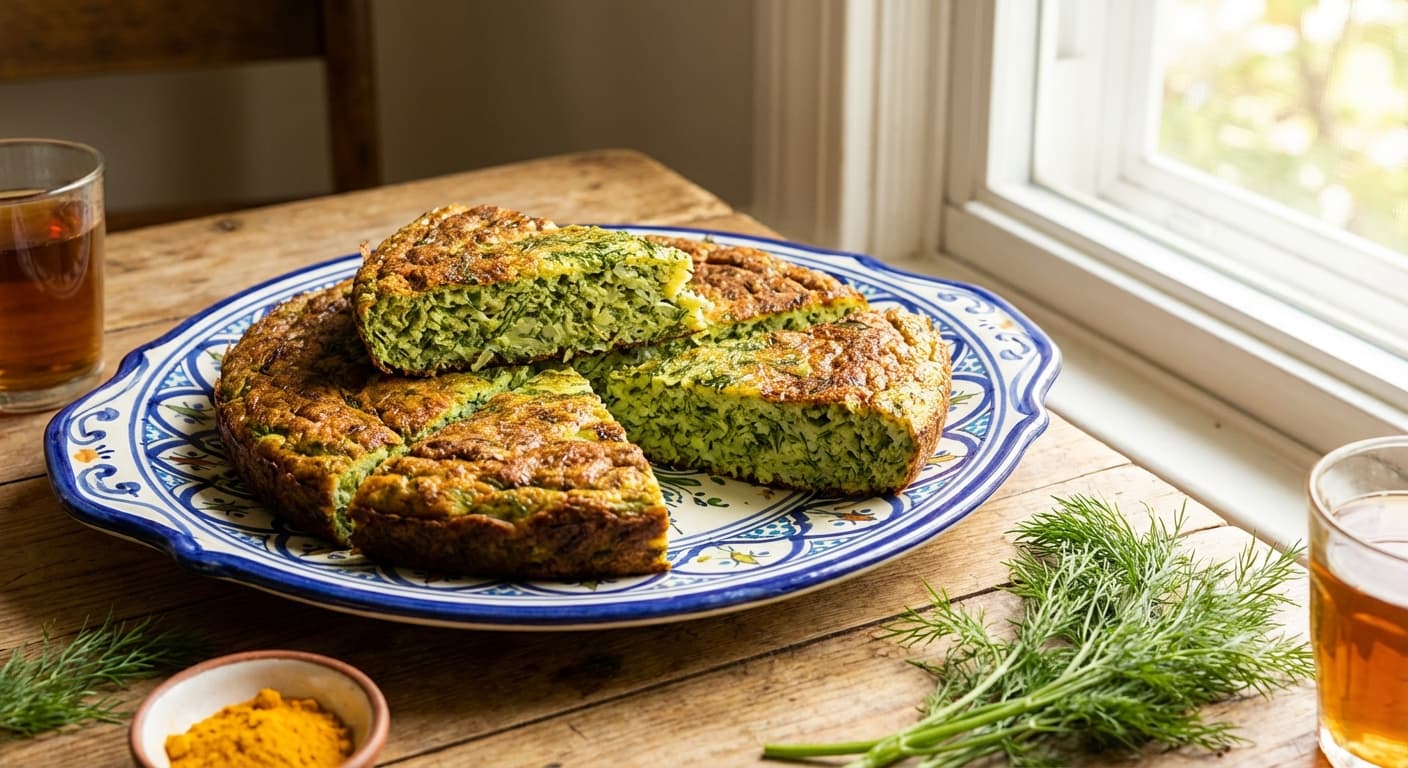
Kuku Shevid is a fluffy Persian dill frittata with a crisp, golden crust and a tender, herb-scented center. Quick to make and brightly aromatic, it’s served warm or room temperature as a light meal or side.
Printable Recipe Card
Servings: 4 · Total: 33 min · Difficulty: easy
Ingredients (quick list)
- 120 g Fresh dill, finely chopped (Thick stems removed; measure after chopping (about 2 packed cups))
- 110 g Yellow onion, finely grated (About 1 medium; squeeze lightly to remove excess liquid)
- 6 large Eggs (Room temperature for best volume)
- 20 g All-purpose flour (About 2 1/2 tbsp; helps bind and keep the center tender)
- 1 tsp Turmeric powder (For color and warm aroma)
- 1 tsp Fine sea salt (Adjust to taste)
- 0.5 tsp Black pepper, freshly ground (Adjust to taste)
- 45 ml Vegetable oil (About 3 tbsp, divided; use a neutral oil with a higher smoke point)
Steps (summary)
- Prepare the aromatics: finely chop the dill (remove thicker stems) and finely grate the onion. Transfer the onion to a bowl and…
- Make the batter: crack the eggs into a separate bowl and whisk vigorously for 45–60 seconds until slightly foamy and uniform. W…
- Heat the pan: place a 25–28 cm (10–11 inch) nonstick skillet over medium heat for 2 minutes. Add 30 ml (2 tbsp) of the oil and…
- Cook the first side: pour in the mixture and spread it evenly. Cover with a lid and cook on medium-low for 9–11 minutes, until…
- Flip and finish: run a silicone spatula around the edges. Slide the kuku onto a plate, then invert it back into the skillet. Ad…
- Rest and serve: transfer to a board and rest for 5 minutes so the steam redistributes and slices stay neat. Cut into wedges or…
Cultural Background
Herb-based kuku is a familiar home-style dish in Persian cooking, often prepared for quick meals and served at room temperature for gatherings. Dill-forward versions are especially popular when fresh herbs are abundant, and they commonly appear alongside yogurt, pickles, and bread as part of a shared table.
Equipment
💡 Tips
- Squeezing moisture from the grated onion prevents a wet center and helps the kuku brown evenly.
- For a crispier crust, use a slightly higher heat for the first 2 minutes, then immediately lower to medium-low to cook through.
- If your dill is very delicate, chop it just before mixing to preserve its aroma.
- A nonstick skillet with a well-fitting lid gives the most even set without over-browning.
⚠️ Common Mistakes
❌ Using watery onion without squeezing
💡 Why: Excess liquid steams the mixture, causing a wet center and weak browning.
✅ Fix: Grate the onion, then press out moisture in a sieve or with clean hands before mixing.
❌ Cooking on high heat the entire time
💡 Why: The crust burns before the center sets, leading to a bitter exterior and undercooked middle.
✅ Fix: Start on medium to heat the oil, then cook mostly on medium-low with a lid to set gently.
❌ Flipping too early
💡 Why: If the first side is not set, the kuku can break and lose its shape.
✅ Fix: Wait until edges are firm and golden and the center is mostly set; use a plate flip for control.
❌ Overmixing after adding eggs
💡 Why: Aggressive mixing can deflate the eggs and compact the texture.
✅ Fix: Whisk eggs well first, then fold gently with the herbs just until evenly combined.
🧊 How to Store
Cool completely, then refrigerate in an airtight container for up to 3 days. Reheat in a lightly oiled skillet over medium-low for 3–5 minutes per side, or warm in a 175°C/350°F oven for 8–10 minutes. Freezing is possible for up to 2 months; thaw overnight in the refrigerator before reheating.
📅 Make Ahead
Chop the dill and grate/squeeze the onion up to 24 hours ahead; store separately in airtight containers in the refrigerator. Whisk the egg batter just before cooking for best volume. Cooked kuku can be made 1 day ahead and reheated in a skillet or oven to restore crisp edges.
🍽️ Pairs Well With
- Plain yogurt or strained yogurt
- Fresh herbs and sliced cucumbers
- Pickles or mixed pickled vegetables
- Flatbread or toasted bread
- Tomato and cucumber salad
Regional Variations
- Northern Iran (Caspian-influenced)Often made with a higher proportion of fresh herbs and sometimes includes additional greens such as scallions or leafy herbs, producing a greener, more aromatic kuku.
- Tehran-style home cookingCommonly prepared as a simple dill-and-egg version with minimal additions, emphasizing a fluffy interior and a crisp, evenly browned crust for easy slicing and serving.
Ingredients
- 120 gFresh dill, finely chopped (Thick stems removed; measure after chopping (about 2 packed cups))
- 110 gYellow onion, finely grated (About 1 medium; squeeze lightly to remove excess liquid)
- 6 largeEggs (Room temperature for best volume)
- 20 gAll-purpose flour (About 2 1/2 tbsp; helps bind and keep the center tender)
- 1 tspTurmeric powder (For color and warm aroma)
- 1 tspFine sea salt (Adjust to taste)
- 0.5 tspBlack pepper, freshly ground (Adjust to taste)
- 45 mlVegetable oil (About 3 tbsp, divided; use a neutral oil with a higher smoke point)
🔄 Substitutions
- Fresh dill→ Frozen chopped dill
- All-purpose flour→ Chickpea flour
- Vegetable oil→ Olive oil
Instructions
- 1
Prepare the aromatics: finely chop the dill (remove thicker stems) and finely grate the onion. Transfer the onion to a bowl and press it lightly in your hands or against a sieve to remove excess liquid so the frittata sets properly. Combine the dill and onion in a large mixing bowl.
- 2
Make the batter: crack the eggs into a separate bowl and whisk vigorously for 45–60 seconds until slightly foamy and uniform. Whisk in the flour, turmeric, salt, and black pepper until no dry flour remains. Pour the egg mixture over the dill-onion mixture and fold until evenly distributed.
- 3
Heat the pan: place a 25–28 cm (10–11 inch) nonstick skillet over medium heat for 2 minutes. Add 30 ml (2 tbsp) of the oil and swirl to coat the base and a little up the sides. The oil should shimmer but not smoke; reduce heat slightly if it begins to haze.
- 4
Cook the first side: pour in the mixture and spread it evenly. Cover with a lid and cook on medium-low for 9–11 minutes, until the edges are set and deep golden and the center looks mostly set with only a slight sheen. If the edges brown too fast, lower the heat and extend the time.
- 5
Flip and finish: run a silicone spatula around the edges. Slide the kuku onto a plate, then invert it back into the skillet. Add the remaining 15 ml (1 tbsp) oil around the edges, then cook uncovered for 4–6 minutes until the second side is golden and the center reaches 71°C/160°F.
- 6
Rest and serve: transfer to a board and rest for 5 minutes so the steam redistributes and slices stay neat. Cut into wedges or squares. Serve warm or at room temperature; the exterior should be crisp and the interior tender and fragrant with dill.
🪪 Recipe Passport
Cultural Background
Herb-based kuku is a familiar home-style dish in Persian cooking, often prepared for quick meals and served at room temperature for gatherings. Dill-forward versions are especially popular when fresh herbs are abundant, and they commonly appear alongside yogurt, pickles, and bread as part of a shared table.
Regional Variations
Researched from multiple sources and validated by the Zaffaron editorial team. Every recipe is tested for accuracy, measurements, and cultural authenticity.
Nutrition per serving
Pairs well with
If you enjoyed this recipe, here are a few related Zaffaron recipes to try next.
Does your family make this differently?
Every family has their own version. Maybe your grandmother adds a secret ingredient, or your aunt has a completely different technique. Preserve your family's version — with their name on it, forever.
You Might Also Like
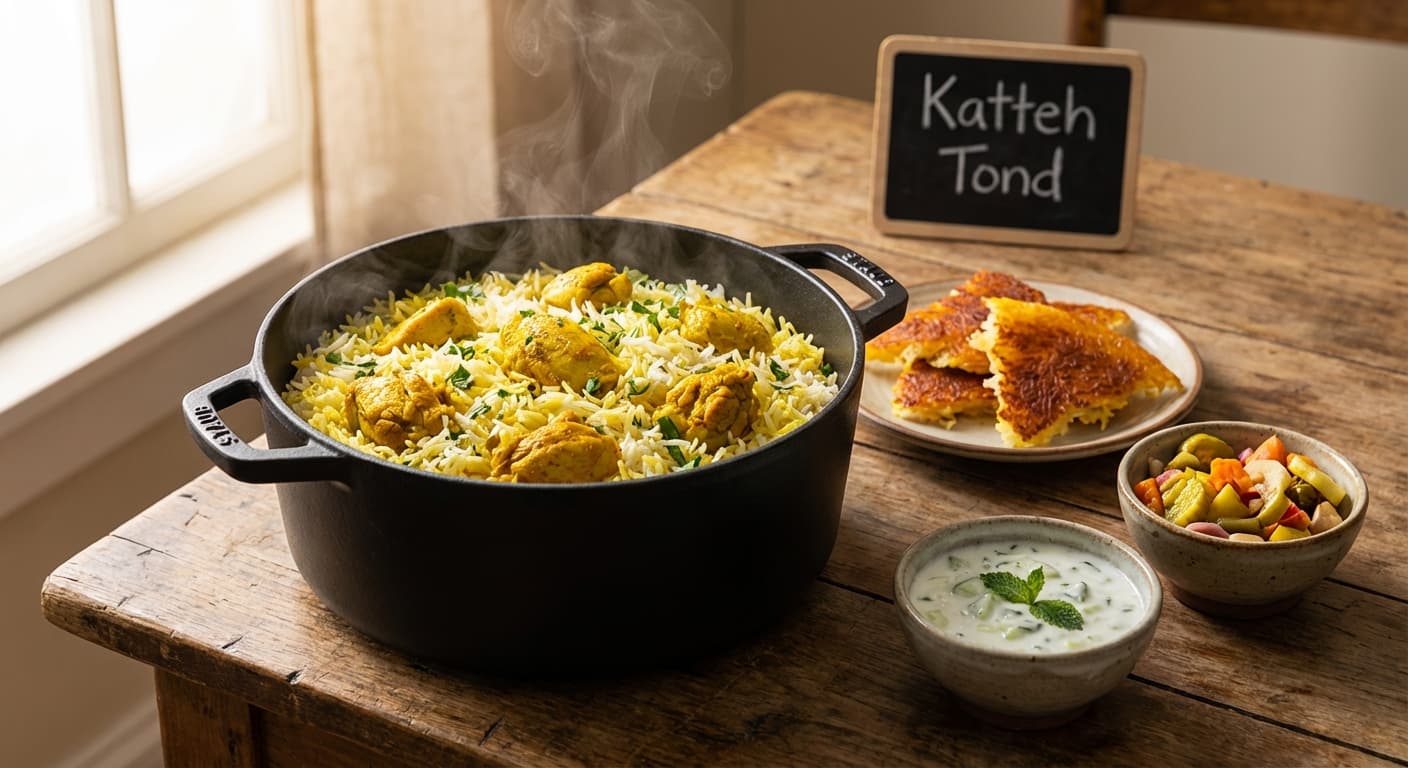
Katteh Tond (کته تند) — Spicy Caspian-Style One-Pot Chicken Rice
Persian · Rice Dishes · 85 min
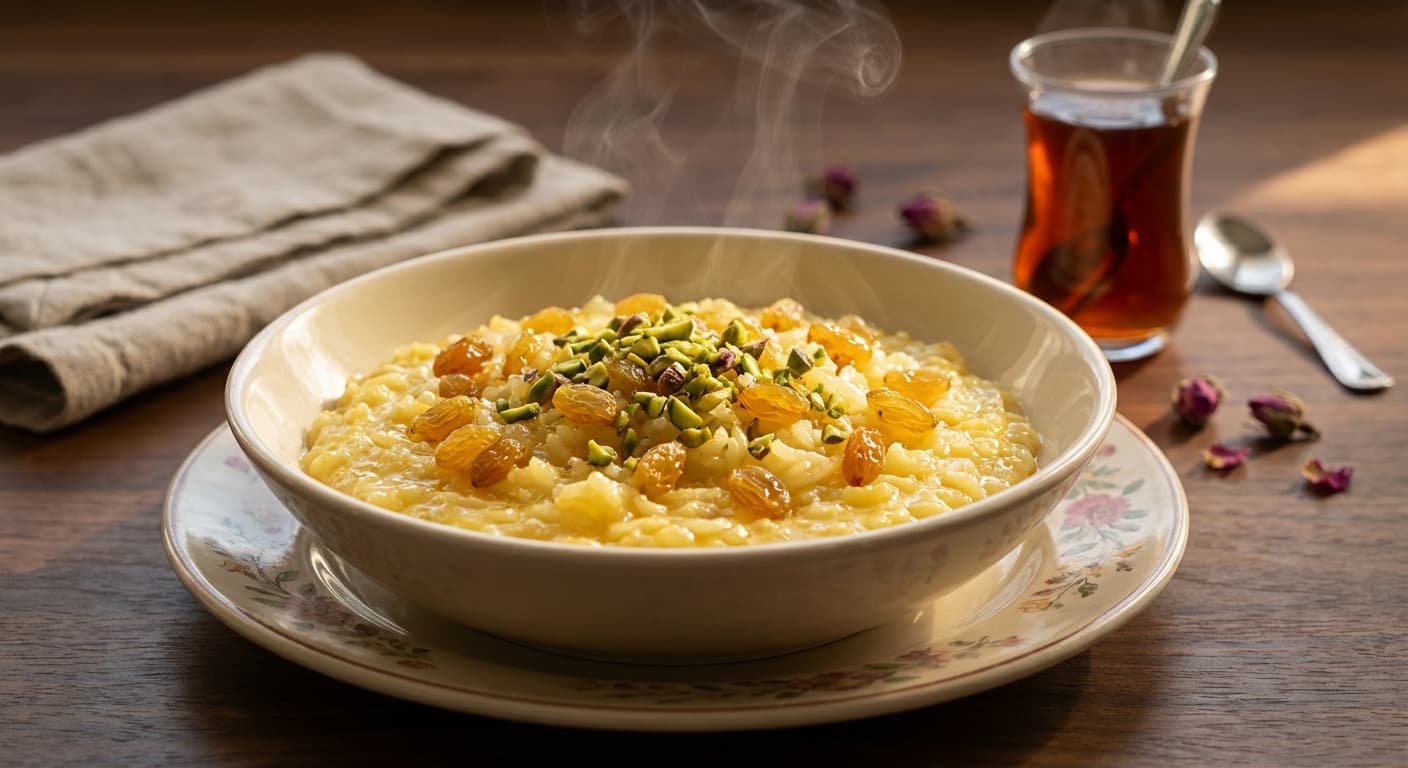
Saffron Sweet Rice (پلو شیرینی زعفرانی) — Festive Persian milk-saffron rice with nuts
Persian · Rice Dishes · 75 min
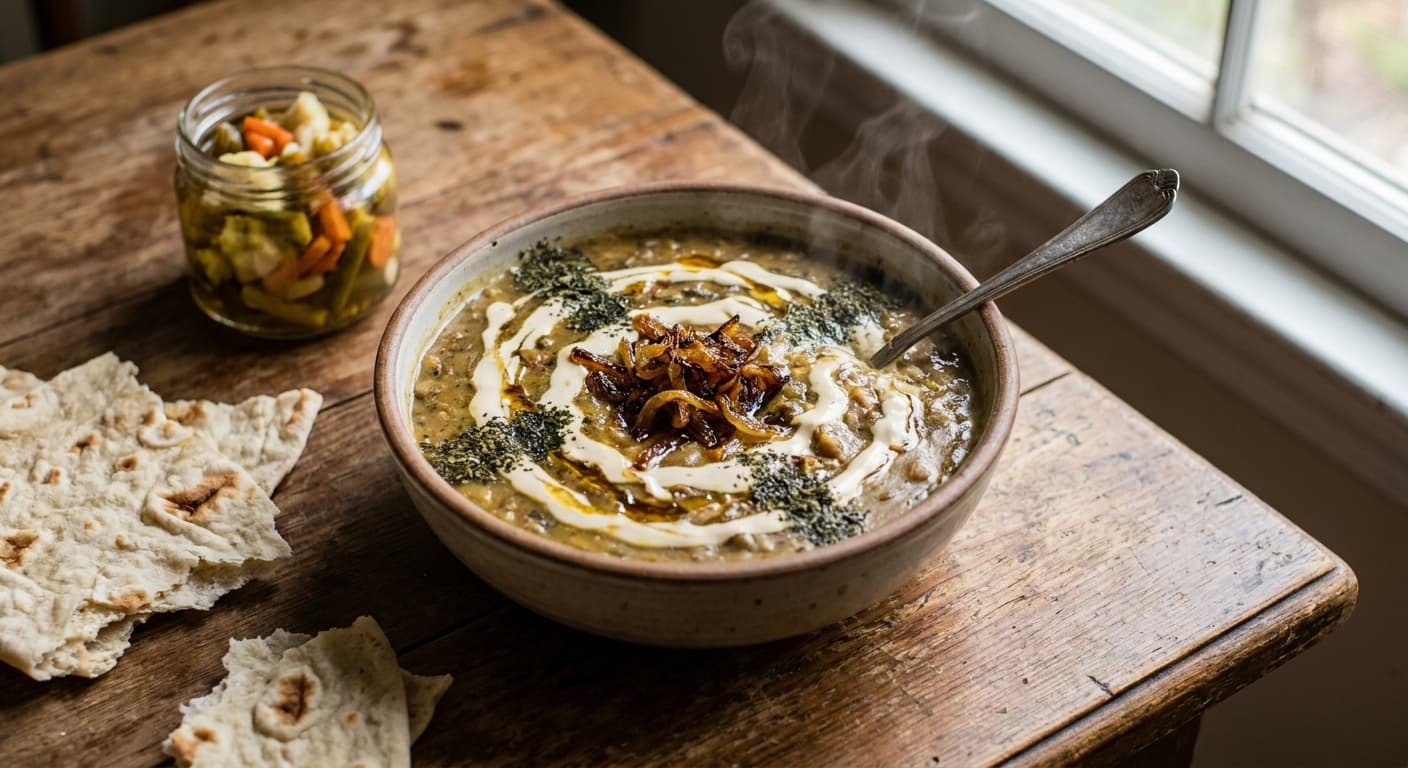
Ash-e Sak (آش ساک) — Gorgani Spinach and Lamb Ash
Persian · Soups · 175 min
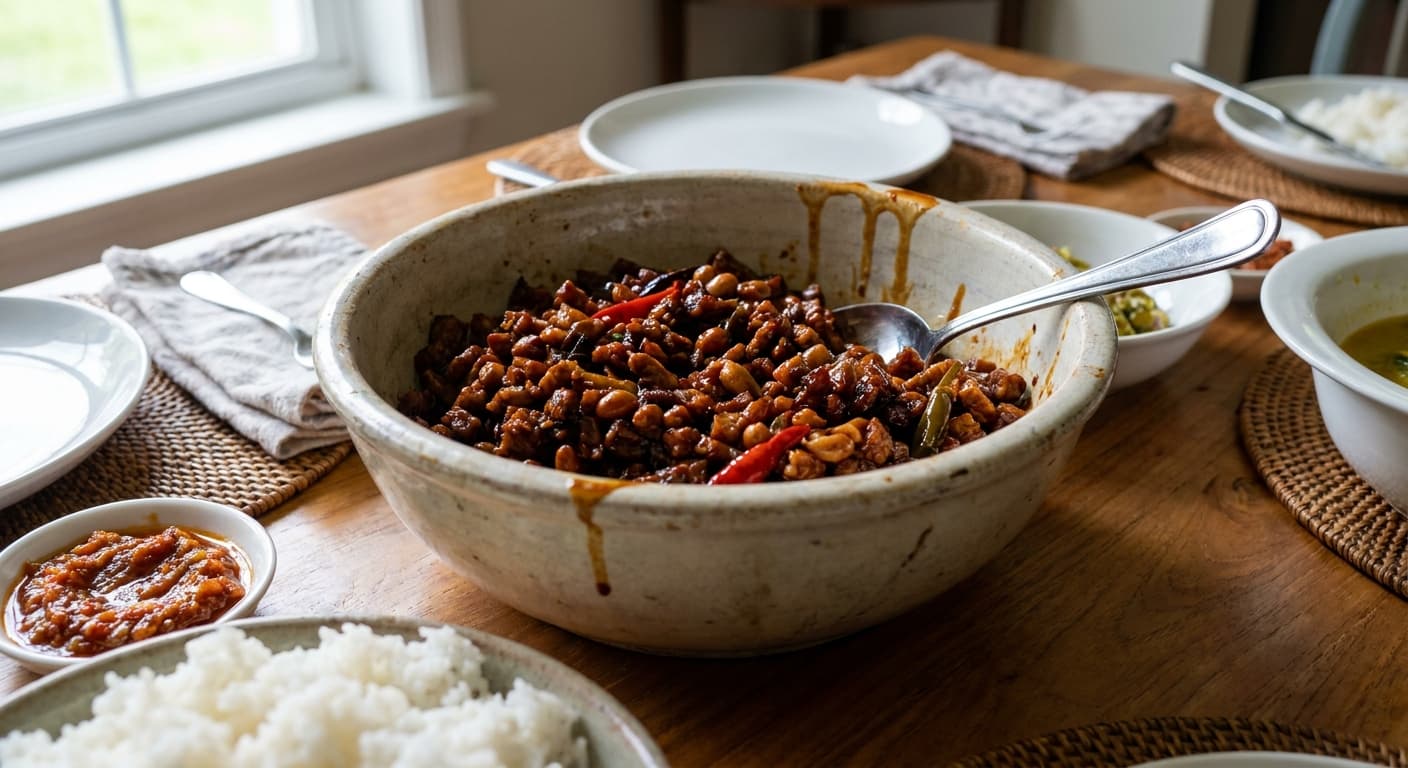
Sweet-Spiced Tempeh Stir-Fry (Tempe Orek) — Crisp Indonesian Soy-Glazed Tempeh
Indonesian · Side Dishes · 45 min
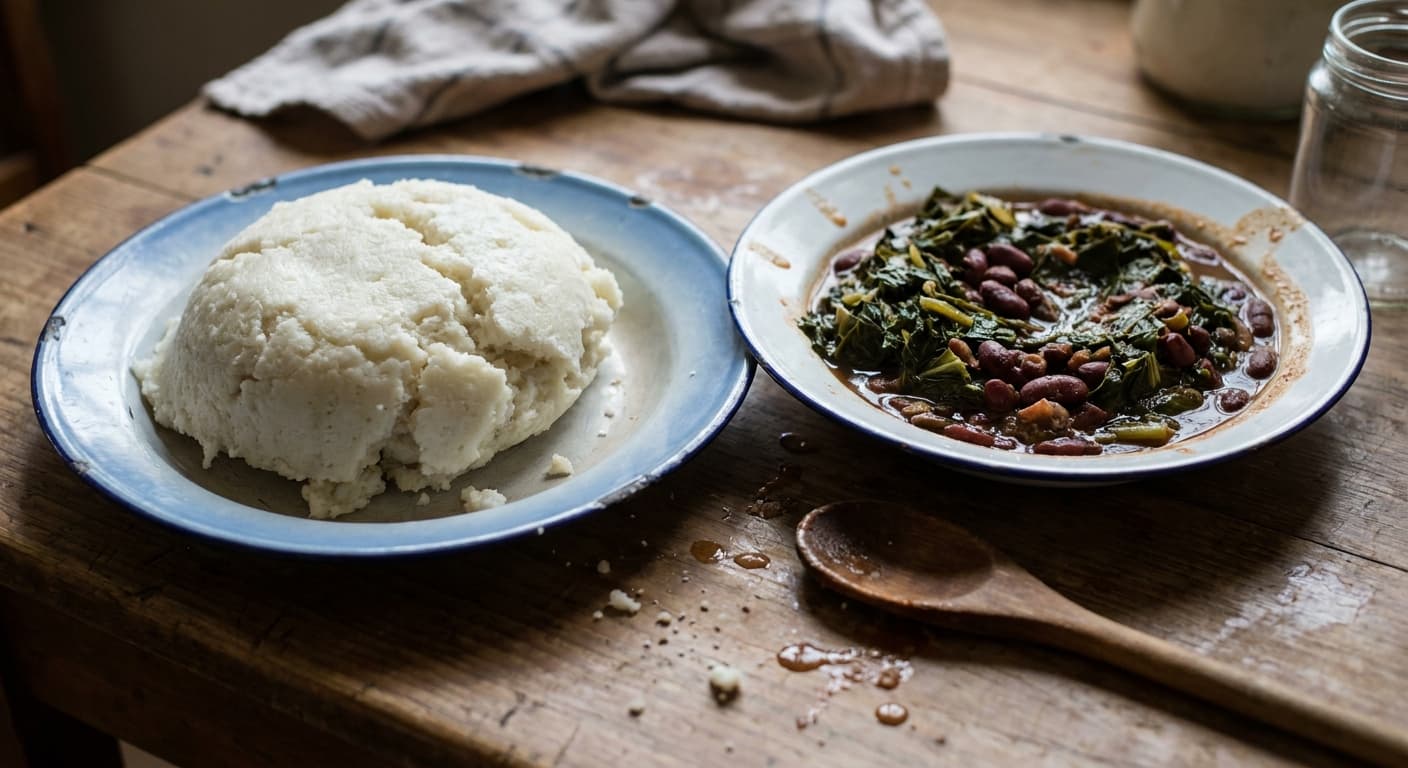
Tanzanian Ugali (Ugali) — Firm Cornmeal Porridge
Tanzanian · Side Dishes · 23 min
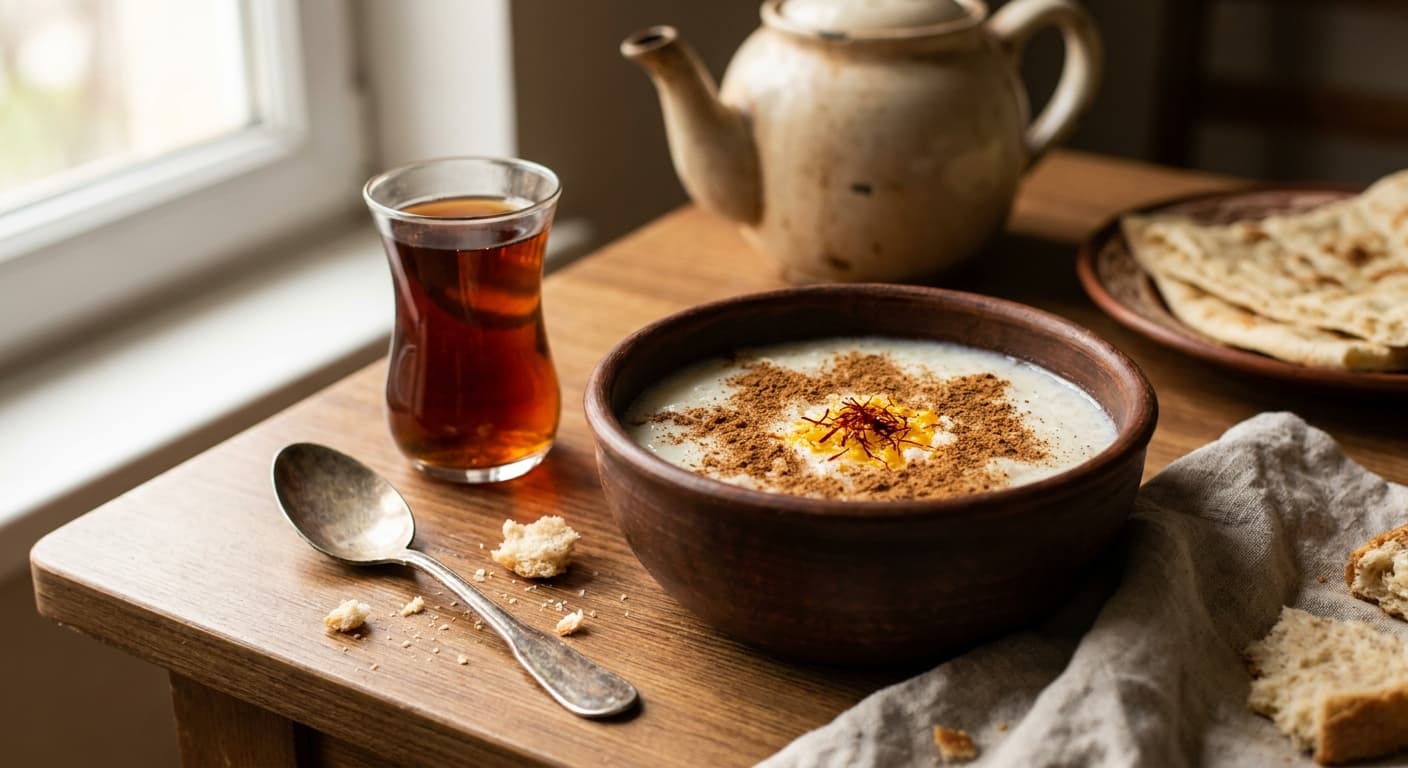
Azerbaijani Milk Rice Porridge (Südlü Sıyıq) — Creamy Breakfast Bowl
Azerbaijani · Rice Dishes · 40 min
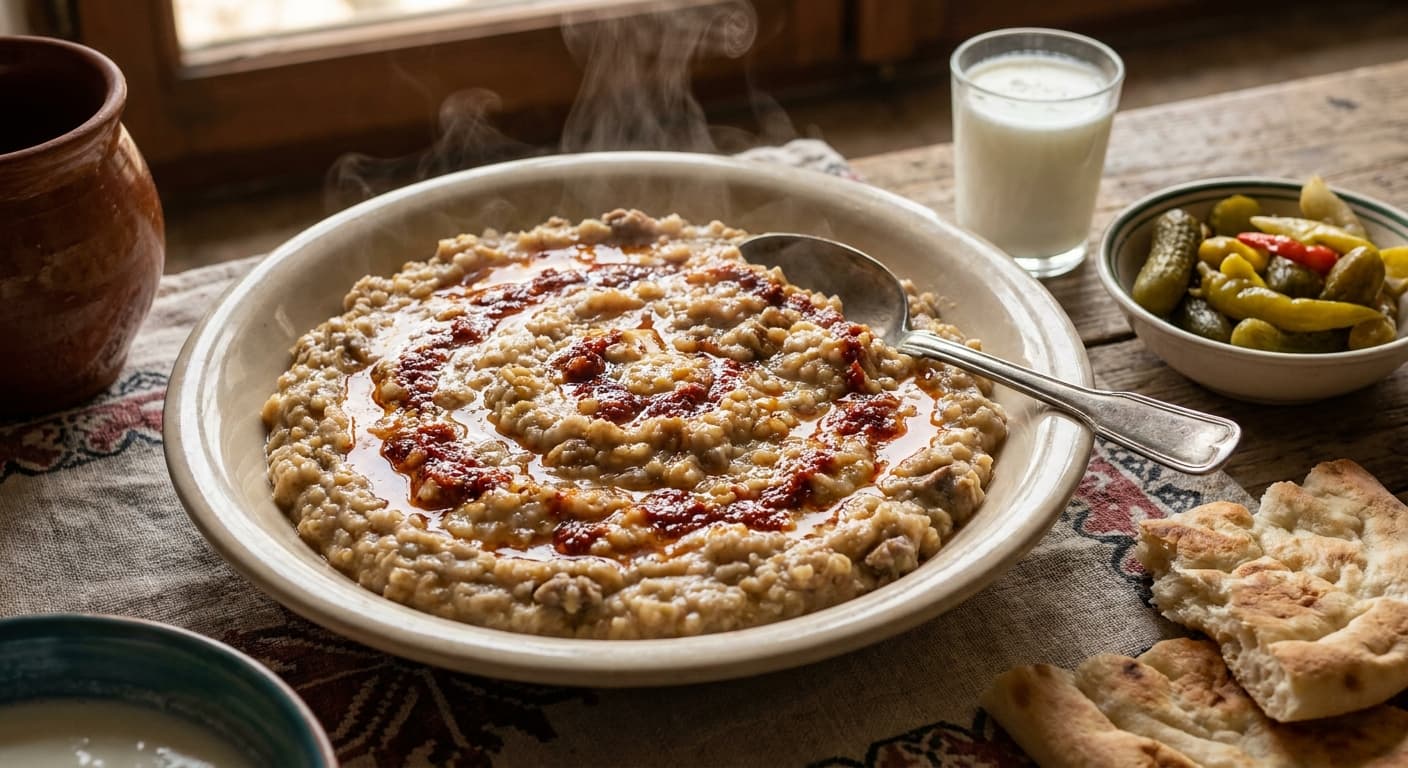
Keshkek (Keşkek) — Creamy Ceremonial Wheat and Lamb Stew
Turkish · Stews · 240 min
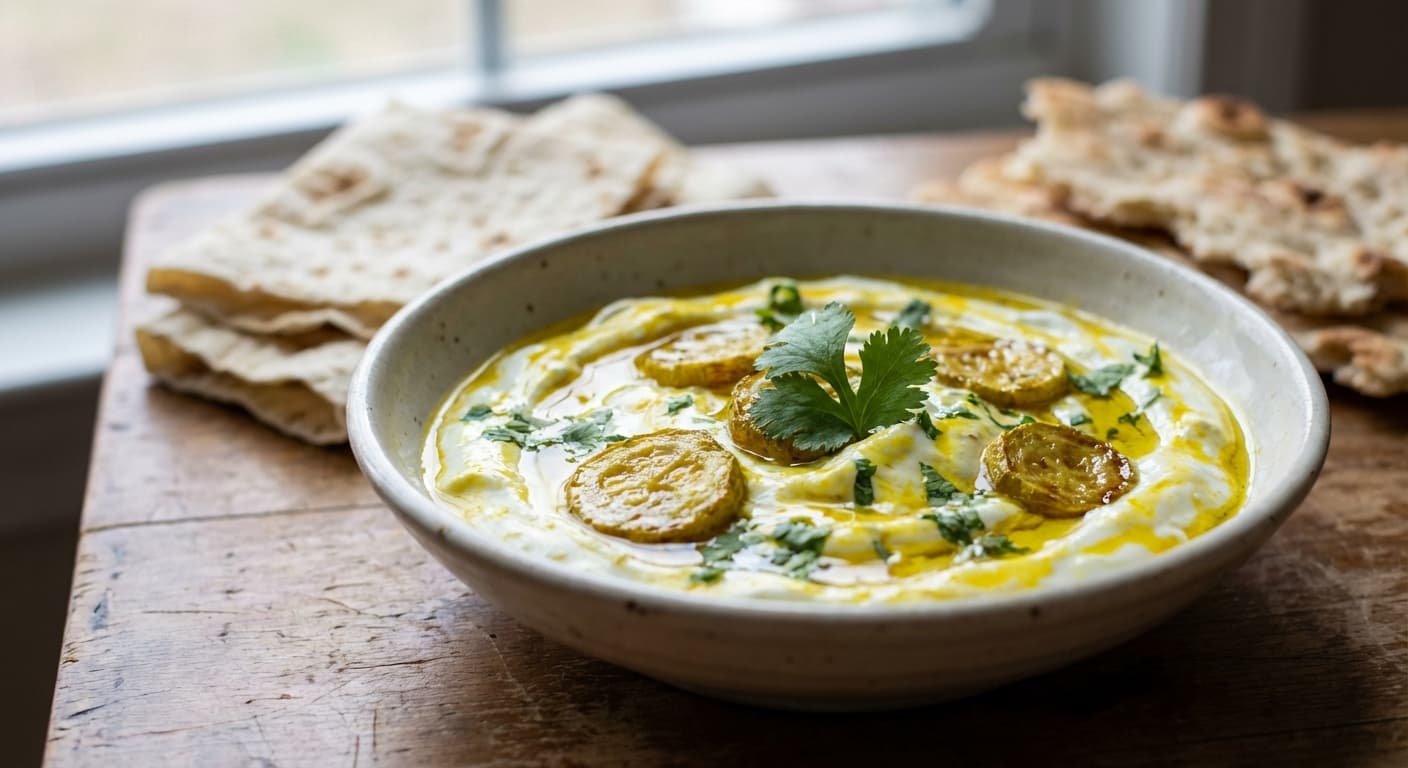
Borani Kadu (بورانی کدو) — Saffron-Infused Zucchini and Yogurt Dip
Persian · Appetizers · 40 min
Reviews
Cooked this recipe?
Tap the stars to rate it — that's all it takes. A few words are welcome but optional.
No ratings yet. Cooked this one? Be the first to rate it — it takes one tap.