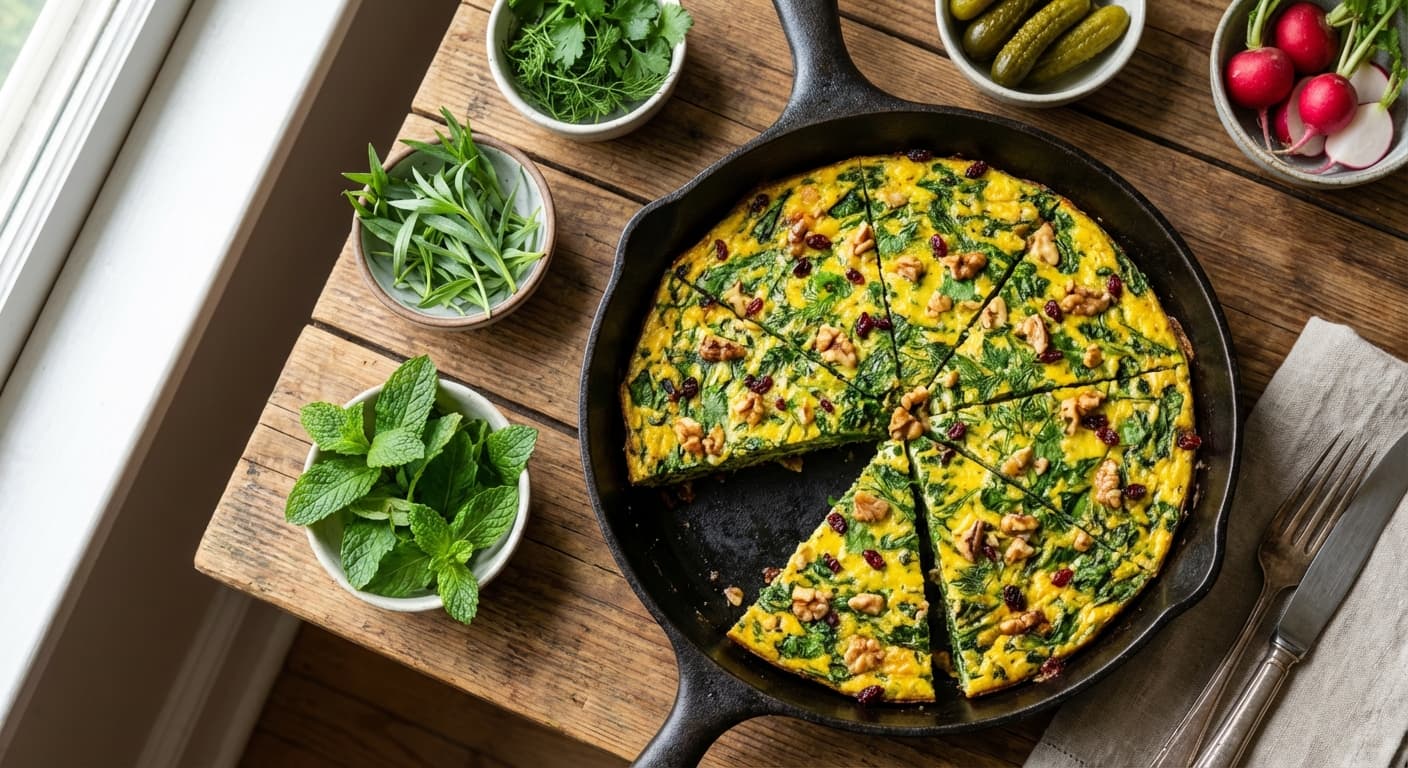
Kuku-ye Esfenaj (کوکو اسفناج) — Persian Spinach and Walnut Frittata
A classic Persian herb-and-spinach frittata folded with leeks, spring onions, and toasted walnuts. Lightly spiced and pan-cooked until golden, it’s a nourishing dish often enjoyed for gatherings and spring celebrations.
Printable Recipe Card
Servings: 4 · Total: 45 min · Difficulty: easy
Ingredients (quick list)
- 500 g Fresh spinach (washed well, thick stems removed)
- 150 g Leek (white and light-green parts only, finely sliced and rinsed)
- 100 g Spring onions (thinly sliced (white and green parts))
- 25 g Fresh parsley (finely chopped)
- 20 g Fresh cilantro (finely chopped)
- 15 g Fresh dill (finely chopped)
- 2 tsp Dried fenugreek leaves (crushed between fingers)
- 70 g Walnuts (roughly chopped)
- 6 large Eggs (room temperature if possible)
- 1.25 tsp Salt (fine salt)
- 0.75 tsp Black pepper (freshly ground)
- 0.5 tsp Ground turmeric (optional but traditional for color)
+ 1 more in the full ingredients section below.
Steps (summary)
- Prepare the greens: bring a large pot of water to a boil. Add the spinach and blanch for 60–90 seconds until fully wilted. Drai…
- Soften aromatics: heat 1 tbsp vegetable oil in a skillet over medium heat (about 175°C). Add the sliced leek and cook 6–8 minut…
- Toast walnuts: wipe the skillet dry if wet. Add walnuts and toast over medium-low heat for 3–4 minutes, shaking the pan, until…
- Mix the kuku base: in a large bowl, whisk eggs for 30–45 seconds until uniform. Whisk in salt, black pepper, and turmeric. Add…
- Pan-cook: heat 3 tbsp vegetable oil in a 24 cm nonstick or well-seasoned cast-iron skillet over medium heat until shimmering (a…
- Flip and finish: run a spatula around the edges. Slide the kuku onto a plate, invert back into the skillet, and cook uncovered…
Cultural Background
Kuku is a well-known family of Persian herb-and-egg dishes commonly served as a light meal, appetizer, or picnic food. Versions featuring greens are often prepared during spring celebrations such as Nowruz, where fresh herbs and vegetables are associated with seasonal renewal.
Equipment
💡 Tips
- Squeeze the blanched spinach extremely dry; excess water makes the kuku dense and can cause it to steam instead of brown.
- If your skillet is not nonstick, line the bottom with a round of parchment paper lightly oiled to prevent sticking during flipping.
- For a thicker kuku, use a 20–22 cm skillet and add 2–3 minutes per side at medium-low heat.
- Crushing dried fenugreek between your fingers before adding releases aroma and prevents woody bits.
⚠️ Common Mistakes
❌ Not squeezing the spinach dry enough
💡 Why: Extra moisture dilutes the eggs and prevents browning, leading to a wet or crumbly kuku.
✅ Fix: After blanching, rinse cold, then squeeze in small handfuls until no liquid drips; chop only after squeezing.
❌ Cooking over high heat the whole time
💡 Why: The outside browns too fast while the center stays undercooked, especially in thicker skillets.
✅ Fix: Start at medium to set the base, then lower to medium-low and cover so the center cooks gently.
❌ Burning the walnuts
💡 Why: Walnuts go from toasted to bitter quickly and can dominate the dish.
✅ Fix: Toast on medium-low for 3–4 minutes and remove as soon as fragrant; use residual heat to finish.
❌ Flipping too early
💡 Why: If the first side has not set, the kuku can crack or break during inversion.
✅ Fix: Wait until edges are firm and the top looks mostly set; loosen edges fully before flipping onto a plate.
🧊 How to Store
Cool completely, then refrigerate in an airtight container for up to 4 days. Reheat in a covered skillet over low heat for 4–6 minutes or in a 160°C oven for 8–10 minutes. Freeze wedges wrapped well for up to 2 months; thaw overnight in the fridge before reheating.
📅 Make Ahead
Blanch and squeeze the spinach up to 24 hours ahead; refrigerate tightly covered. You can also slice and rinse leeks and spring onions a day ahead. Mix and cook the kuku just before serving for the best fluffy texture and crisp edges.
🍽️ Pairs Well With
- Plain yogurt or strained yogurt
- Pickles and fresh herbs
- Flatbread or rice
- Tomato and cucumber salad
Regional Variations
- Tehran-style home cookingOften includes a fuller mix of herbs and may be cooked slightly thicker, then served at room temperature in wedges for gatherings.
- Northern Iran (Caspian influence)May lean more heavily on fresh greens and aromatic herbs, sometimes with extra fenugreek for a deeper, more robust herbal aroma.
Ingredients
- 500 gFresh spinach (washed well, thick stems removed)
- 150 gLeek (white and light-green parts only, finely sliced and rinsed)
- 100 gSpring onions (thinly sliced (white and green parts))
- 25 gFresh parsley (finely chopped)
- 20 gFresh cilantro (finely chopped)
- 15 gFresh dill (finely chopped)
- 2 tspDried fenugreek leaves (crushed between fingers)
- 70 gWalnuts (roughly chopped)
- 6 largeEggs (room temperature if possible)
- 1.25 tspSalt (fine salt)
- 0.75 tspBlack pepper (freshly ground)
- 0.5 tspGround turmeric (optional but traditional for color)
- 4 tbspVegetable oil (divided, for toasting and pan-frying)
🔄 Substitutions
- Fresh spinach→ Frozen chopped spinach (450 g), thawed and squeezed very dry
- Leek→ Yellow onion (120 g), finely diced
- Walnuts→ Pistachios (60 g), roughly chopped
Instructions
- 1
Prepare the greens: bring a large pot of water to a boil. Add the spinach and blanch for 60–90 seconds until fully wilted. Drain immediately, rinse under cold water to stop cooking, then squeeze very dry in handfuls. Chop finely; you should have about 220–260 g squeezed spinach.
- 2
Soften aromatics: heat 1 tbsp vegetable oil in a skillet over medium heat (about 175°C). Add the sliced leek and cook 6–8 minutes, stirring often, until soft and sweet but not browned. Add spring onions and cook 2 minutes more. Transfer to a bowl to cool 5 minutes.
- 3
Toast walnuts: wipe the skillet dry if wet. Add walnuts and toast over medium-low heat for 3–4 minutes, shaking the pan, until fragrant. Immediately remove to a plate so they do not burn. This step deepens flavor and keeps the nuts crisp in the finished kuku.
- 4
Mix the kuku base: in a large bowl, whisk eggs for 30–45 seconds until uniform. Whisk in salt, black pepper, and turmeric. Add chopped spinach, cooked leeks and spring onions, parsley, cilantro, dill, dried fenugreek, and toasted walnuts. Stir thoroughly for 45–60 seconds until evenly distributed.
- 5
Pan-cook: heat 3 tbsp vegetable oil in a 24 cm nonstick or well-seasoned cast-iron skillet over medium heat until shimmering (about 180°C), 1–2 minutes. Pour in the mixture and spread evenly. Cover and cook 8–10 minutes, reducing heat to medium-low after 2 minutes to prevent scorching.
- 6
Flip and finish: run a spatula around the edges. Slide the kuku onto a plate, invert back into the skillet, and cook uncovered 4–6 minutes until the second side is golden and the center reaches 71°C. Rest 5 minutes, then cut into wedges. Serve warm or at room temperature.
🪪 Recipe Passport
Cultural Background
Kuku is a well-known family of Persian herb-and-egg dishes commonly served as a light meal, appetizer, or picnic food. Versions featuring greens are often prepared during spring celebrations such as Nowruz, where fresh herbs and vegetables are associated with seasonal renewal.
Regional Variations
Researched from multiple sources and validated by the Zaffaron editorial team. Every recipe is tested for accuracy, measurements, and cultural authenticity.
Nutrition per serving
Pairs well with
If you enjoyed this recipe, here are a few related Zaffaron recipes to try next.
Does your family make this differently?
Every family has their own version. Maybe your grandmother adds a secret ingredient, or your aunt has a completely different technique. Preserve your family's version — with their name on it, forever.
You Might Also Like
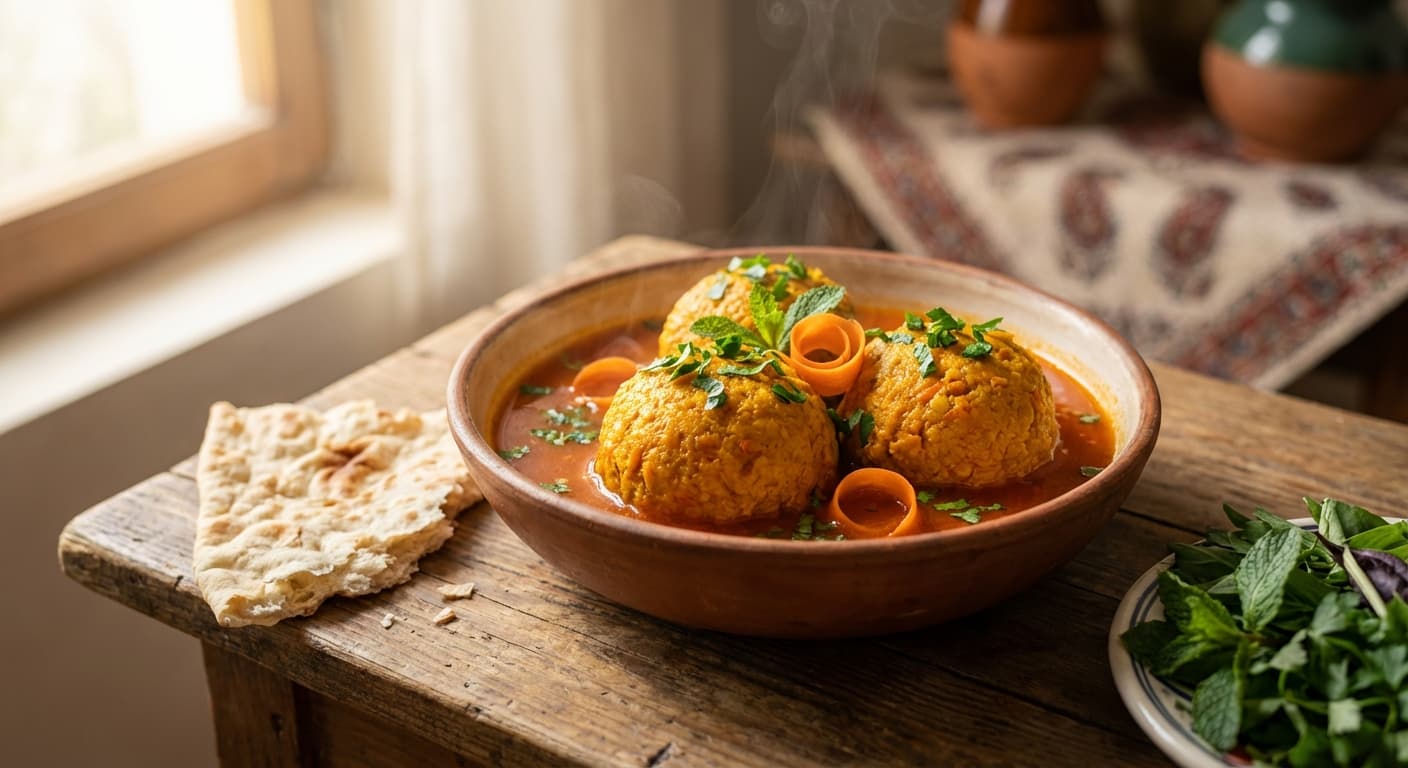
Koofteh Havij (کوفته هویج) — Persian Carrot Meatballs in Saffron-Tomato Broth
Persian · Main Courses · 120 min
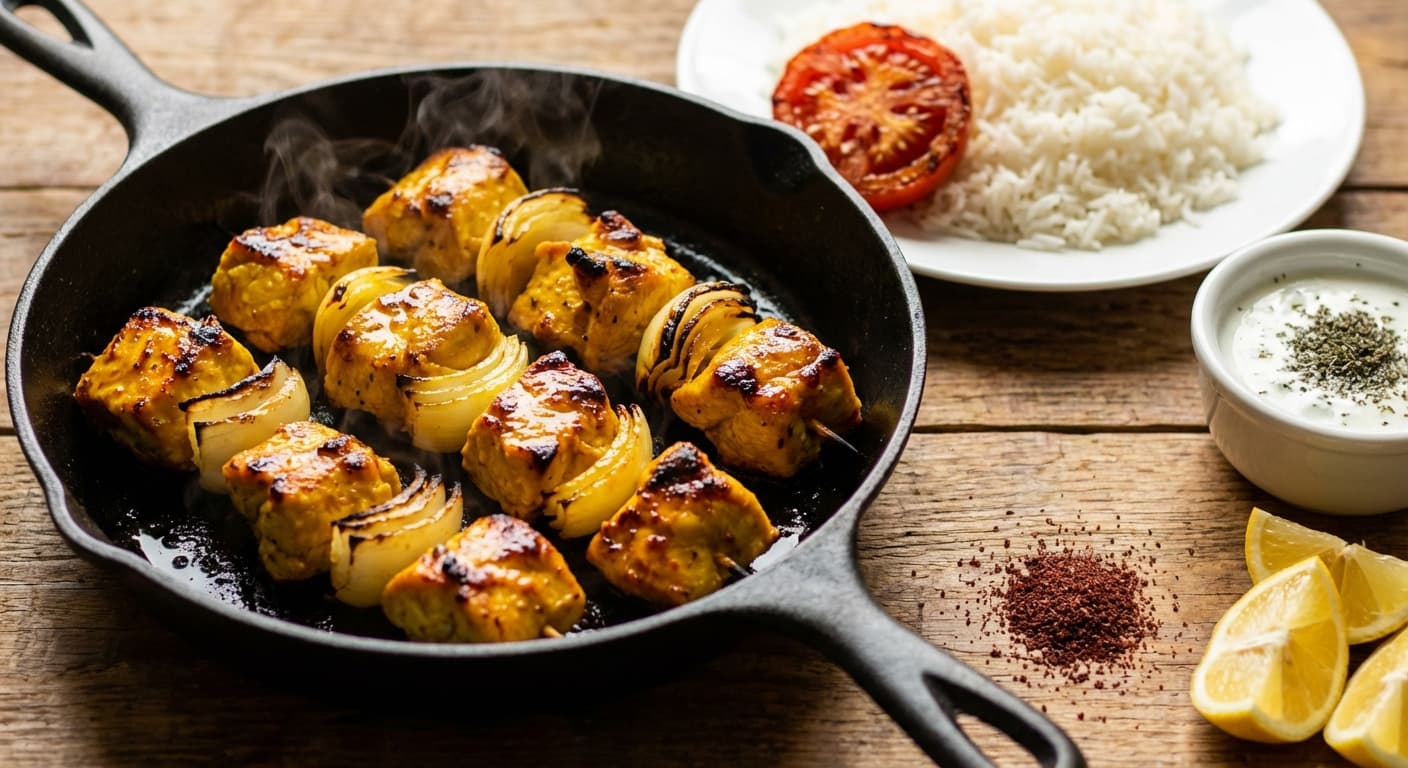
Pan-Seared Joojeh Kebab (جوجه کباب تابهای) — Persian Saffron Skillet Chicken
Persian · Kebabs · 34 min
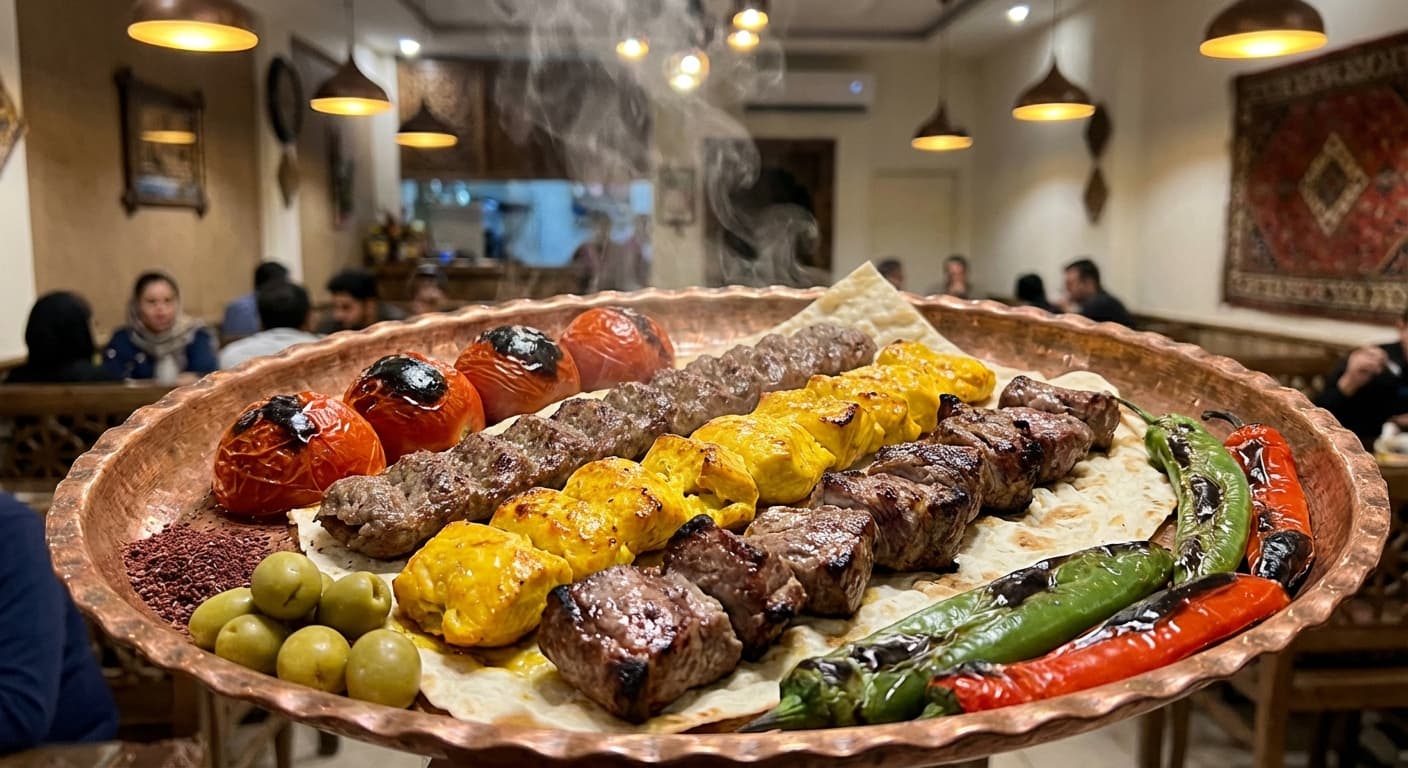
Kabab Vijeh (کباب ویژه) — Royal Persian Mixed Grill Platter
Persian · Kebabs · 70 min
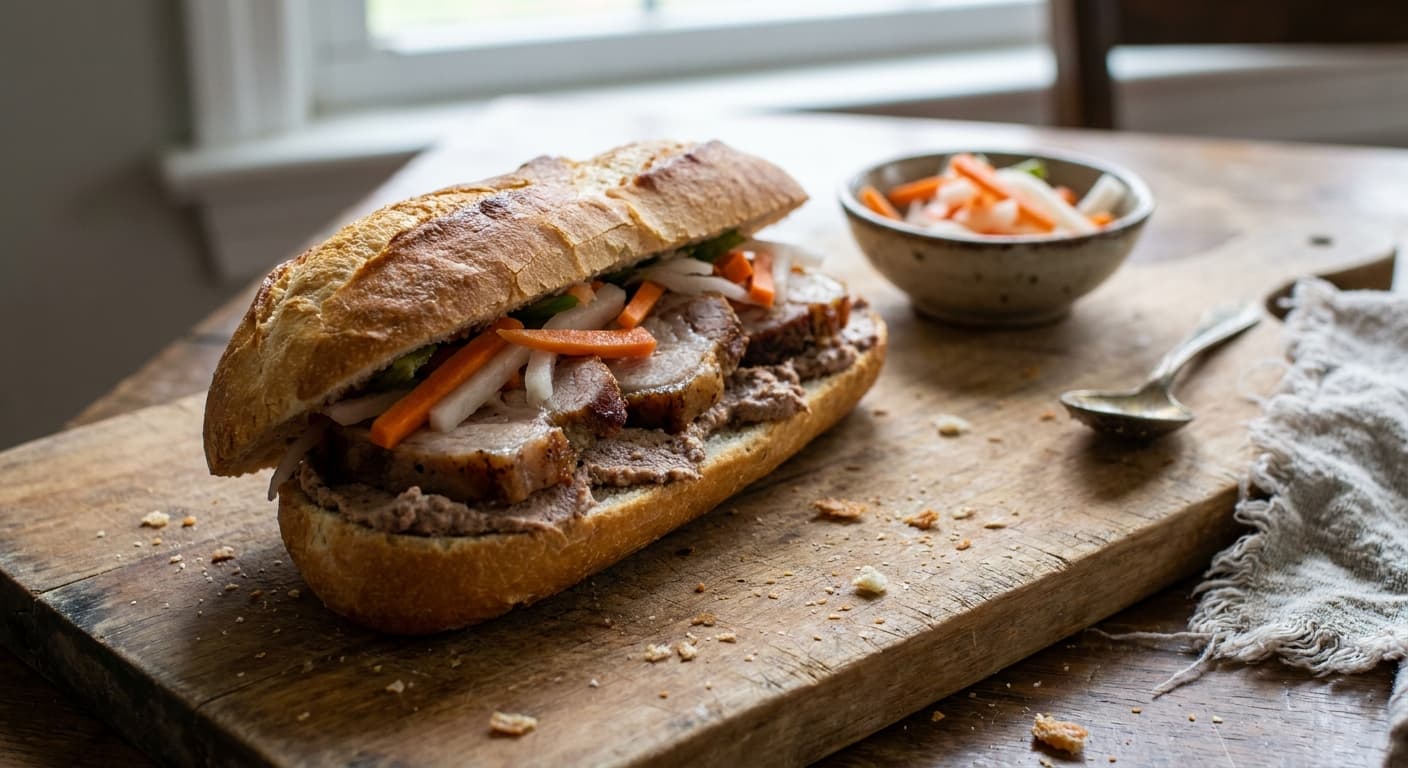
Num Pang Pate (នំប៉័ងប៉ាតេ) — Cambodian Baguette with Pate and Pickles
Cambodian · Main Courses · 60 min
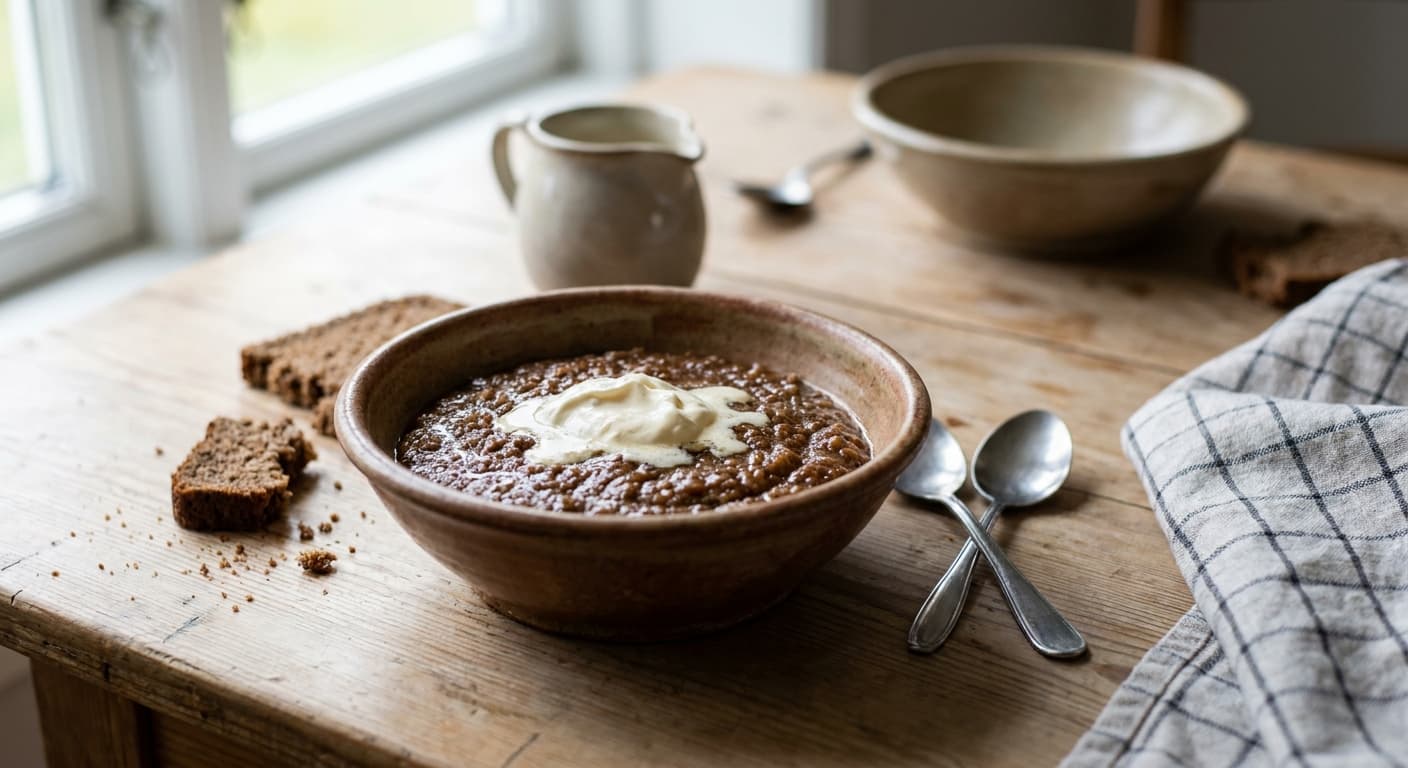
Rye Bread and Beer Porridge (Øllebrød) — Traditional Danish Breakfast
Danish · Main Courses · 65 min
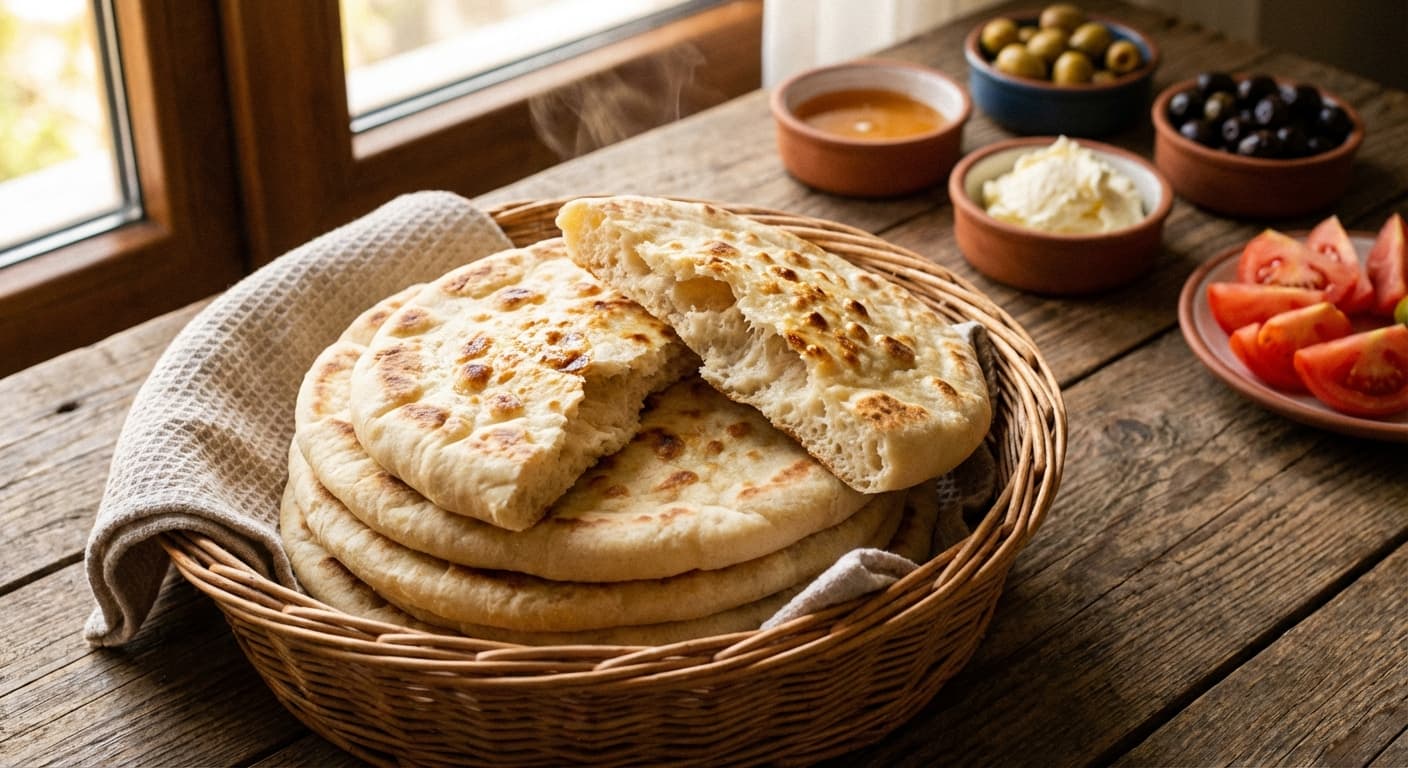
Bazlama (بازلاما) — Puffy Turkish Village Flatbread Cooked on a Saj
Turkish · Breads · 38 min
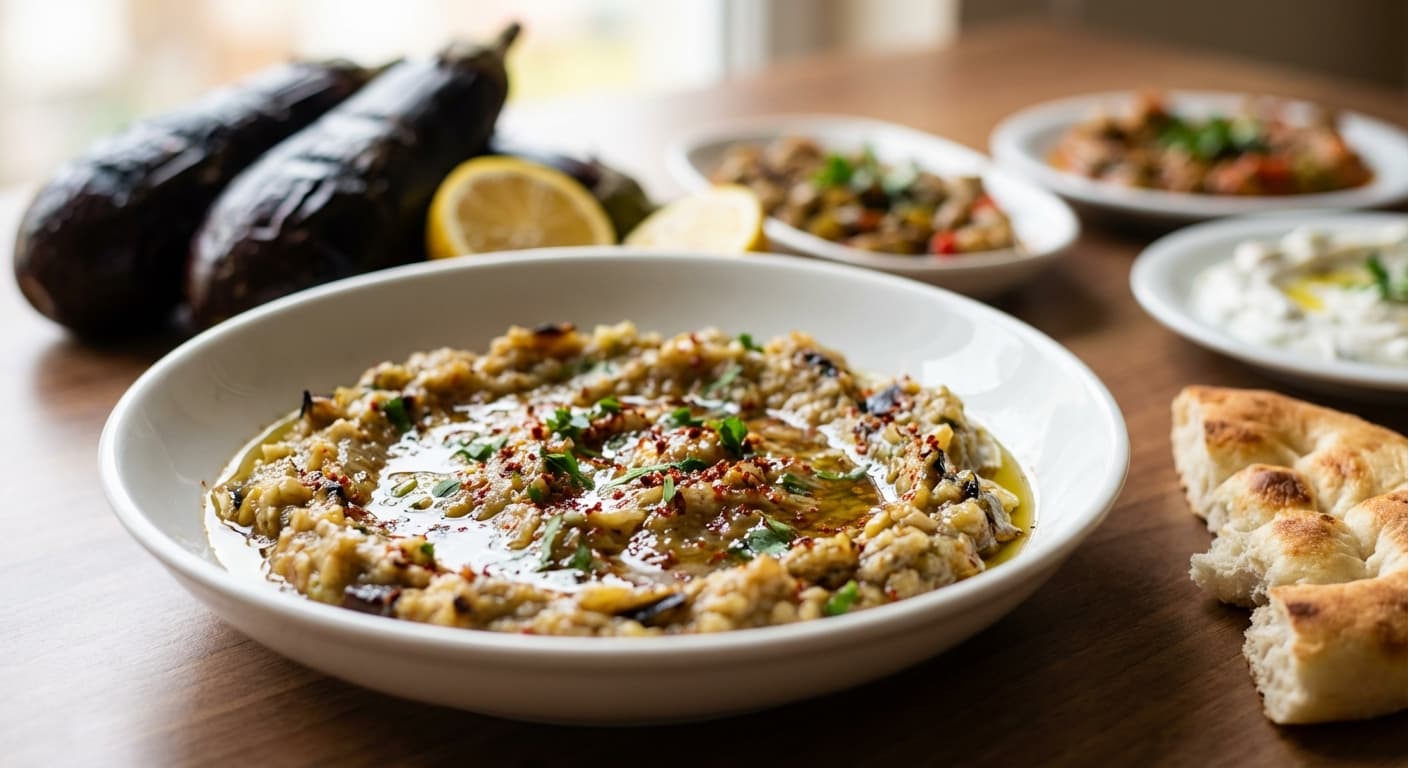
Smoky Eggplant Salad (Patlıcan Salatası) — Turkish charred eggplant with garlic and olive oil
Turkish · Salads · 40 min
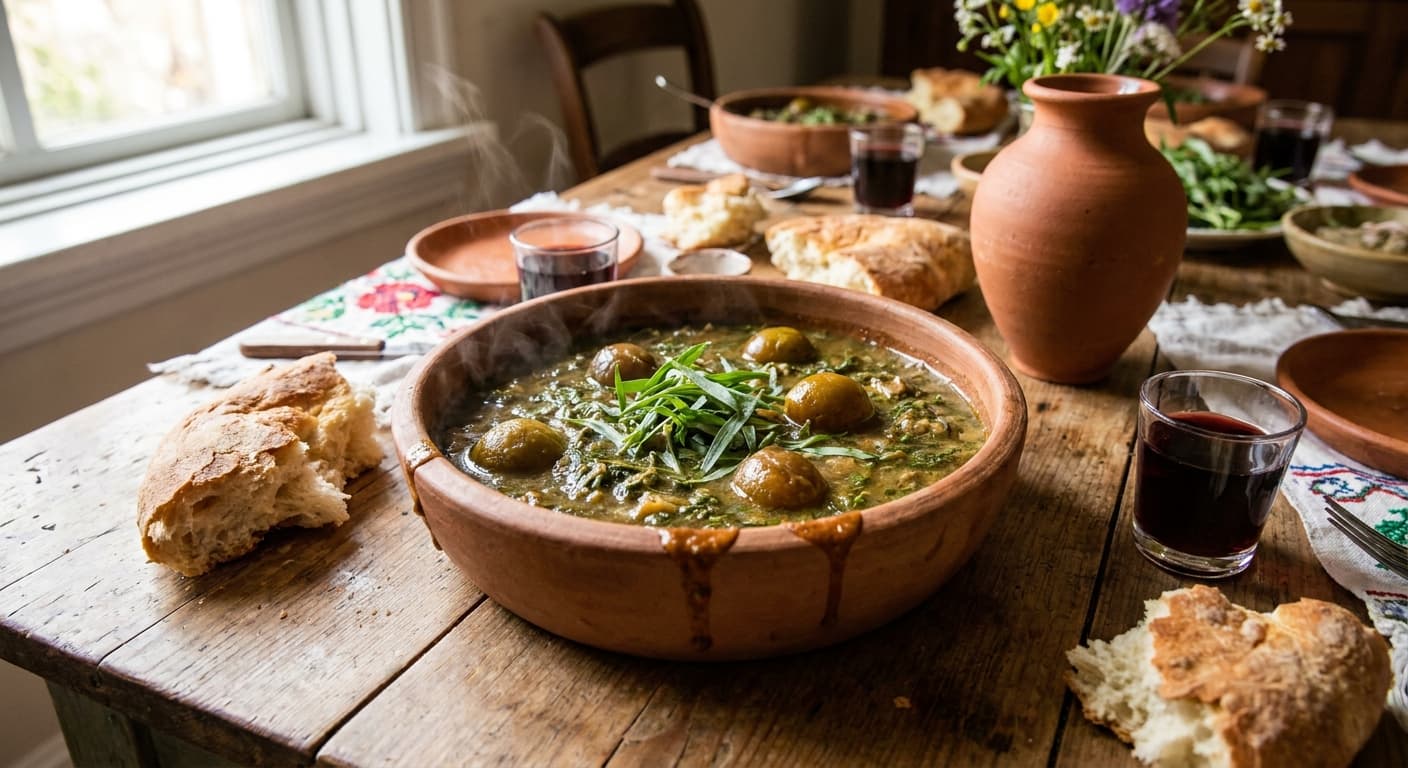
Chakapuli (ჩაქაფული) — Georgian Spring Lamb, Tarragon, and Sour Plum Stew
Georgian · Stews · 135 min
Reviews
Cooked this recipe?
Tap the stars to rate it — that's all it takes. A few words are welcome but optional.
No ratings yet. Cooked this one? Be the first to rate it — it takes one tap.