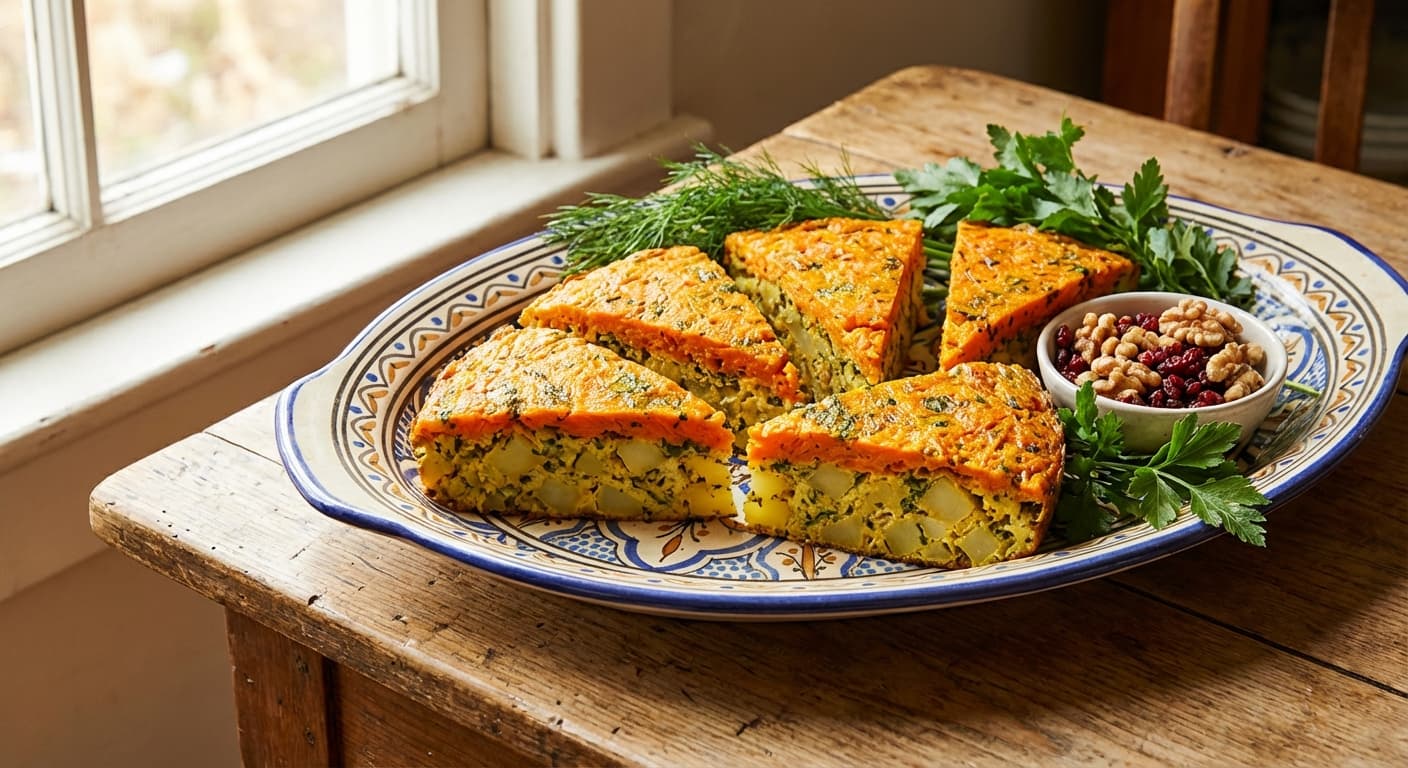
Kuku-ye Do Rang (کوکو دو رنگ) — Two-Colored Persian Frittata
A festive Persian layered frittata with a golden potato-herb base and a sweet carrot top. Seasoned with turmeric, garlic, dill, and parsley, it bakes into clean slices that look striking on any mezze table.
Printable Recipe Card
Servings: 8 · Total: 90 min · Difficulty: medium
Ingredients (quick list)
- 500 g Yukon Gold potatoes, peeled and cut into 2 cm chunks (Waxy potatoes hold together and slice neatly)
- 120 g Yellow onion, finely grated (Squeeze lightly to remove excess liquid)
- 10 g Garlic, finely grated (About 2 medium cloves)
- 30 g Fresh parsley, finely chopped (Leaves and tender stems)
- 15 g Fresh dill, finely chopped (Feathery fronds only)
- 4 each Large eggs (Room temperature for better binding)
- 2 tsp Ground turmeric (For earthy color and aroma)
- 1.25 tsp Sea salt (Adjust if your salt is very fine)
- 0.5 tsp Black pepper, freshly ground
- 2 tbsp Olive oil (For sautéing and pan coating)
- 350 g Carrots, peeled and coarsely grated (Use the large holes of a box grater)
Steps (summary)
- Heat the oven to 190°C (375°F). Lightly oil a 20 cm (8 in) springform pan or a 20 cm cake pan, then line the base with parchmen…
- Cook the potatoes: add potato chunks to a pot, cover with cold water by 3 cm, and bring to a boil. Salt the water lightly, then…
- While potatoes cook, prepare the aromatics. Grate the onion on the fine side of a box grater, then squeeze gently in your hands…
- Make the potato layer mixture: mash the hot, drained potatoes until mostly smooth with a few small pieces for texture. Stir in…
- Cook the carrot base for a sweeter, brighter top layer. Heat 1 tablespoon olive oil in a skillet over medium heat, add grated c…
- Make the carrot layer mixture: in a bowl, beat 3 eggs for 20 seconds. Add cooled carrots, turmeric, sea salt, and black pepper,…
+ 3 more steps in the full instructions section below.
Cultural Background
Layered kuku dishes are often prepared for gatherings because they are easy to slice, share, and serve at room temperature. The two-color presentation is valued for its visual contrast and is commonly associated with celebratory tables where variety and careful presentation are appreciated.
Equipment
💡 Tips
- Steam-drying the potatoes after draining is key; excess moisture makes the potato layer crack and the slices crumble.
- Cooling the sautéed carrots prevents the eggs from curdling and keeps the top layer vivid and smooth.
- For extra clean layers, chill the baked kuku for 30 minutes, slice, then rewarm slices briefly in a skillet or oven.
- If using very juicy onions, squeeze more firmly; onion water can make the mixture loose and slow to set.
⚠️ Common Mistakes
❌ Overboiling the potatoes until they are waterlogged
💡 Why: Excess water weakens binding and makes the bottom layer gummy and prone to cracking
✅ Fix: Simmer just until tender with slight resistance, drain thoroughly, and steam-dry 5 minutes before mashing
❌ Adding hot carrots directly into beaten eggs
💡 Why: The eggs partially scramble, creating a grainy top layer and uneven set
✅ Fix: Spread sautéed carrots on a plate and cool 10 minutes; they should feel warm, not hot, before mixing
❌ Mixing the layers together during assembly
💡 Why: The visual contrast disappears and the kuku bakes as a single color
✅ Fix: Press the potato layer firmly first, then spoon the carrot mixture gently and spread with a light touch to avoid digging in
❌ Cutting immediately after baking
💡 Why: The eggs are still settling, so slices tear and the layers slide
✅ Fix: Rest 15 minutes before unmolding; for the cleanest wedges, chill 30 minutes and slice with a wiped knife
🧊 How to Store
Cool completely, then refrigerate tightly covered for up to 4 days. Reheat in a 175°C (350°F) oven for 8–10 minutes or in a covered skillet over low heat for 4–6 minutes. Freeze slices (wrapped well) up to 2 months; thaw overnight in the refrigerator before reheating.
📅 Make Ahead
Bake up to 1 day ahead, cool completely, and refrigerate covered. For serving, bring to room temperature for 30 minutes or rewarm in a 175°C (350°F) oven for 8–10 minutes. Slice just before serving for the sharpest layers.
🍽️ Pairs Well With
- Plain yogurt or strained yogurt with cucumber and mint
- Pickles and fresh herbs (radishes
- scallions
- basil
- tarragon)
- Flatbread or lavash
- Tomato and cucumber salad with lemon
Regional Variations
- Tehran-style home cookingOften baked in a round pan and served in wedges at room temperature, with a focus on neat slices and a clear two-color boundary for presentation.
- Northern Iran (Caspian influence)Herb-forward versions may increase the amount of fresh herbs and use more dill for a greener, more aromatic base, while keeping the carrot layer lightly sweet and bright.
Ingredients
- 500 gYukon Gold potatoes, peeled and cut into 2 cm chunks (Waxy potatoes hold together and slice neatly)
- 120 gYellow onion, finely grated (Squeeze lightly to remove excess liquid)
- 10 gGarlic, finely grated (About 2 medium cloves)
- 30 gFresh parsley, finely chopped (Leaves and tender stems)
- 15 gFresh dill, finely chopped (Feathery fronds only)
- 4 eachLarge eggs (Room temperature for better binding)
- 2 tspGround turmeric (For earthy color and aroma)
- 1.25 tspSea salt (Adjust if your salt is very fine)
- 0.5 tspBlack pepper, freshly ground
- 2 tbspOlive oil (For sautéing and pan coating)
- 350 gCarrots, peeled and coarsely grated (Use the large holes of a box grater)
🔄 Substitutions
- Yukon Gold potatoes→ Red potatoes
- Fresh dill→ Dried dill
- Olive oil→ Neutral oil (sunflower or canola)
Instructions
- 1
Heat the oven to 190°C (375°F). Lightly oil a 20 cm (8 in) springform pan or a 20 cm cake pan, then line the base with parchment and oil the parchment. Set a kettle of water to boil for the potatoes, and place a rack in the middle of the oven for even browning.
- 2
Cook the potatoes: add potato chunks to a pot, cover with cold water by 3 cm, and bring to a boil. Salt the water lightly, then simmer 12–15 minutes until a knife slides in with slight resistance (not falling apart). Drain well and let steam-dry 5 minutes to prevent a watery kuku.
- 3
While potatoes cook, prepare the aromatics. Grate the onion on the fine side of a box grater, then squeeze gently in your hands or through a clean towel to remove excess juice (about 1–2 tablespoons). Grate the garlic finely. Chop parsley and dill very finely so the layers slice cleanly.
- 4
Make the potato layer mixture: mash the hot, drained potatoes until mostly smooth with a few small pieces for texture. Stir in onion, garlic, parsley, dill, turmeric, sea salt, and black pepper. Beat 4 eggs in a bowl for 20 seconds, then fold into the potato mixture until evenly combined and thick.
- 5
Cook the carrot base for a sweeter, brighter top layer. Heat 1 tablespoon olive oil in a skillet over medium heat, add grated carrots, and sauté 6–8 minutes, stirring often, until softened and the raw smell is gone. Spread carrots on a plate and cool 10 minutes so they do not scramble the eggs.
- 6
Make the carrot layer mixture: in a bowl, beat 3 eggs for 20 seconds. Add cooled carrots, turmeric, sea salt, and black pepper, and mix until the carrots are evenly coated. The mixture should be loose but not watery; if it looks wet, let it stand 3 minutes and stir again to reabsorb.
- 7
Assemble the two colors. Brush the prepared pan with 1 tablespoon olive oil. Press the potato mixture into the pan in an even layer, smoothing the top with a spatula. Gently spoon the carrot mixture over the potato layer, spreading to the edges without digging in, creating a clear two-tone boundary.
- 8
Bake 30–35 minutes at 190°C (375°F) until the center reaches 74°C (165°F) and the edges are set and lightly browned. If you want more color, broil 1–2 minutes at the end, watching closely. Rest 15 minutes before unmolding to prevent the layers from sliding.
- 9
Slice and serve. Run a thin knife around the edge, unmold, and peel off parchment. Cut into 8 wedges with a sharp knife, wiping between cuts for clean layers. Serve warm or at room temperature; the flavors deepen after 20 minutes of resting and the slices hold their shape better.
🪪 Recipe Passport
Cultural Background
Layered kuku dishes are often prepared for gatherings because they are easy to slice, share, and serve at room temperature. The two-color presentation is valued for its visual contrast and is commonly associated with celebratory tables where variety and careful presentation are appreciated.
Regional Variations
Researched from multiple sources and validated by the Zaffaron editorial team. Every recipe is tested for accuracy, measurements, and cultural authenticity.
Nutrition per serving
Pairs well with
If you enjoyed this recipe, here are a few related Zaffaron recipes to try next.
Does your family make this differently?
Every family has their own version. Maybe your grandmother adds a secret ingredient, or your aunt has a completely different technique. Preserve your family's version — with their name on it, forever.
You Might Also Like
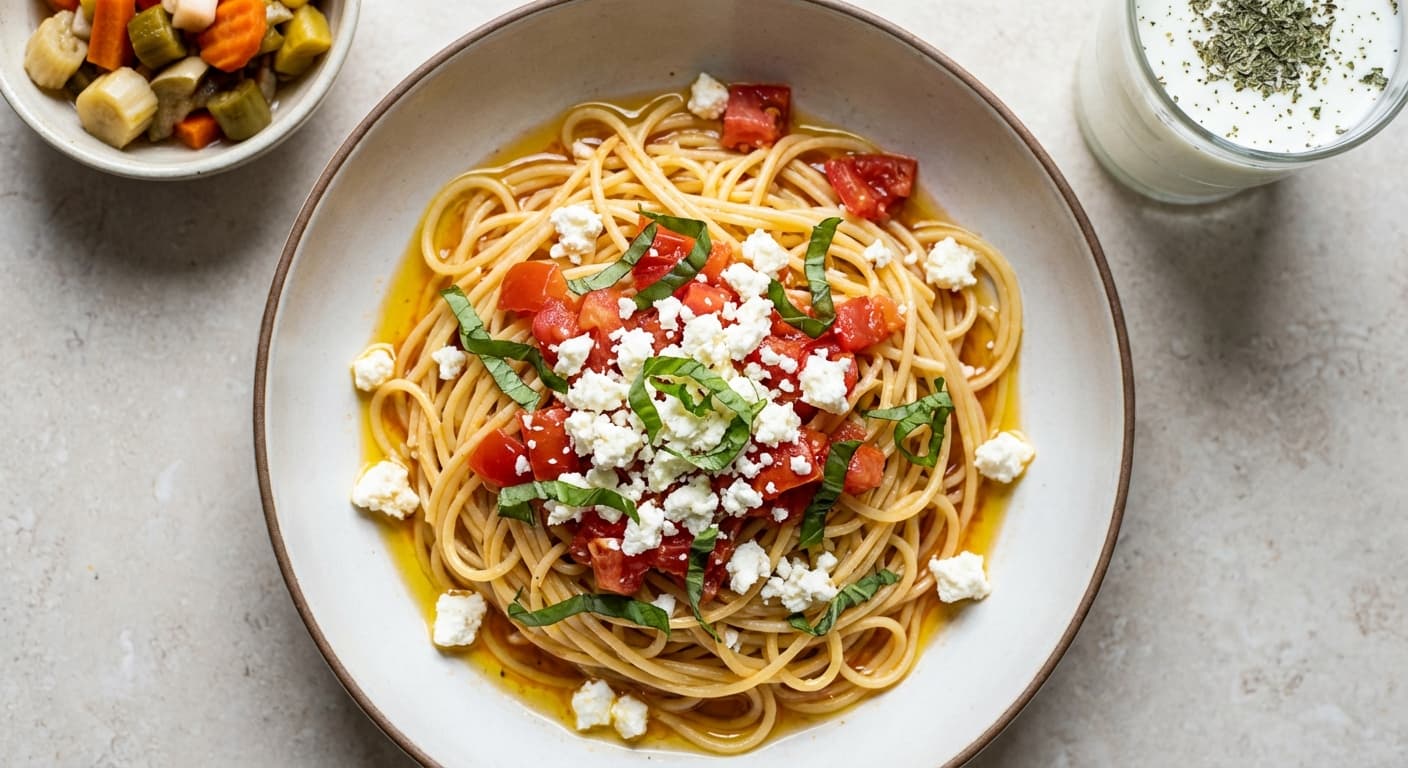
Pastay Paniri (پاستای پنیری) — Persian-Style Cheesy Pasta with Fresh Tomatoes
Persian · Main Courses · 27 min
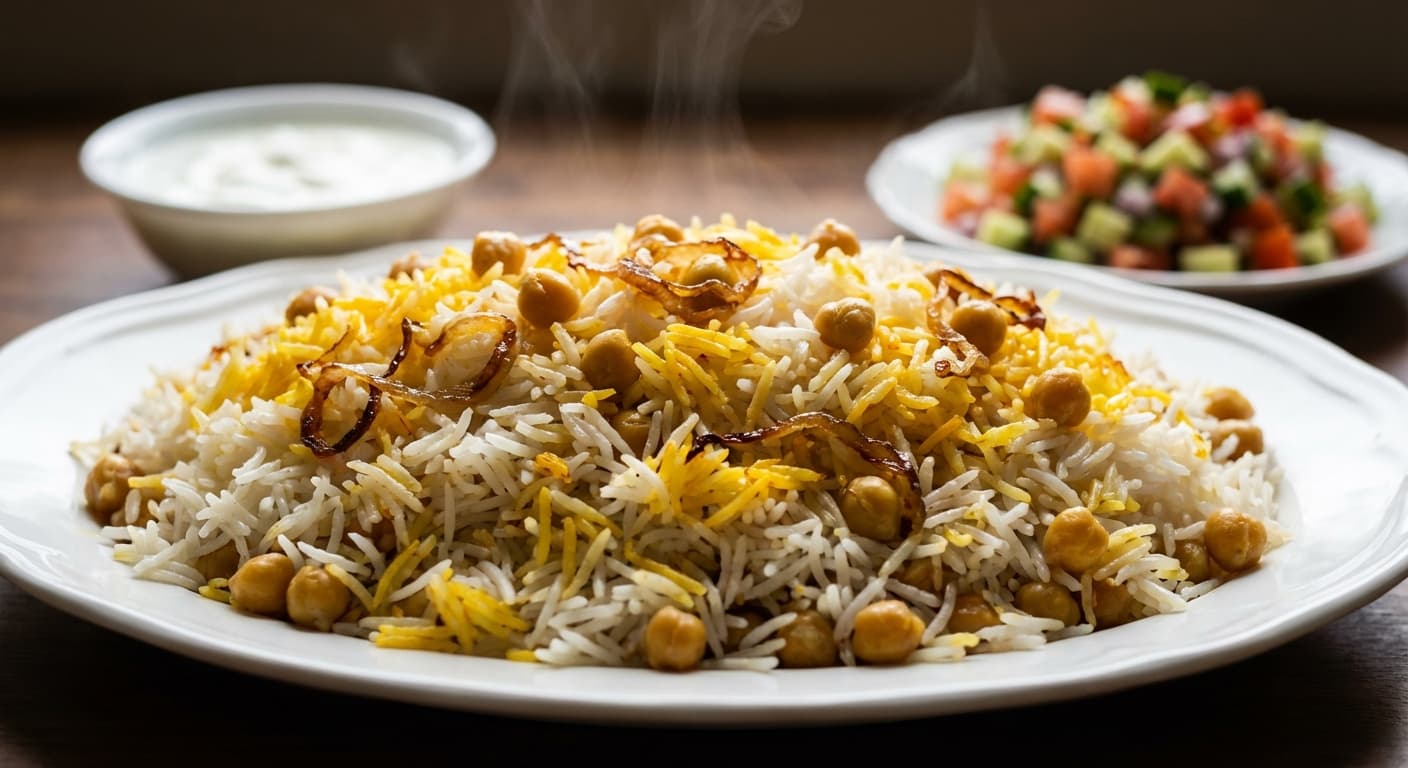
Nokhod Polo (نخود پلو) — Saffron Chickpea Rice with Warm Spices
Persian · Rice Dishes · 80 min
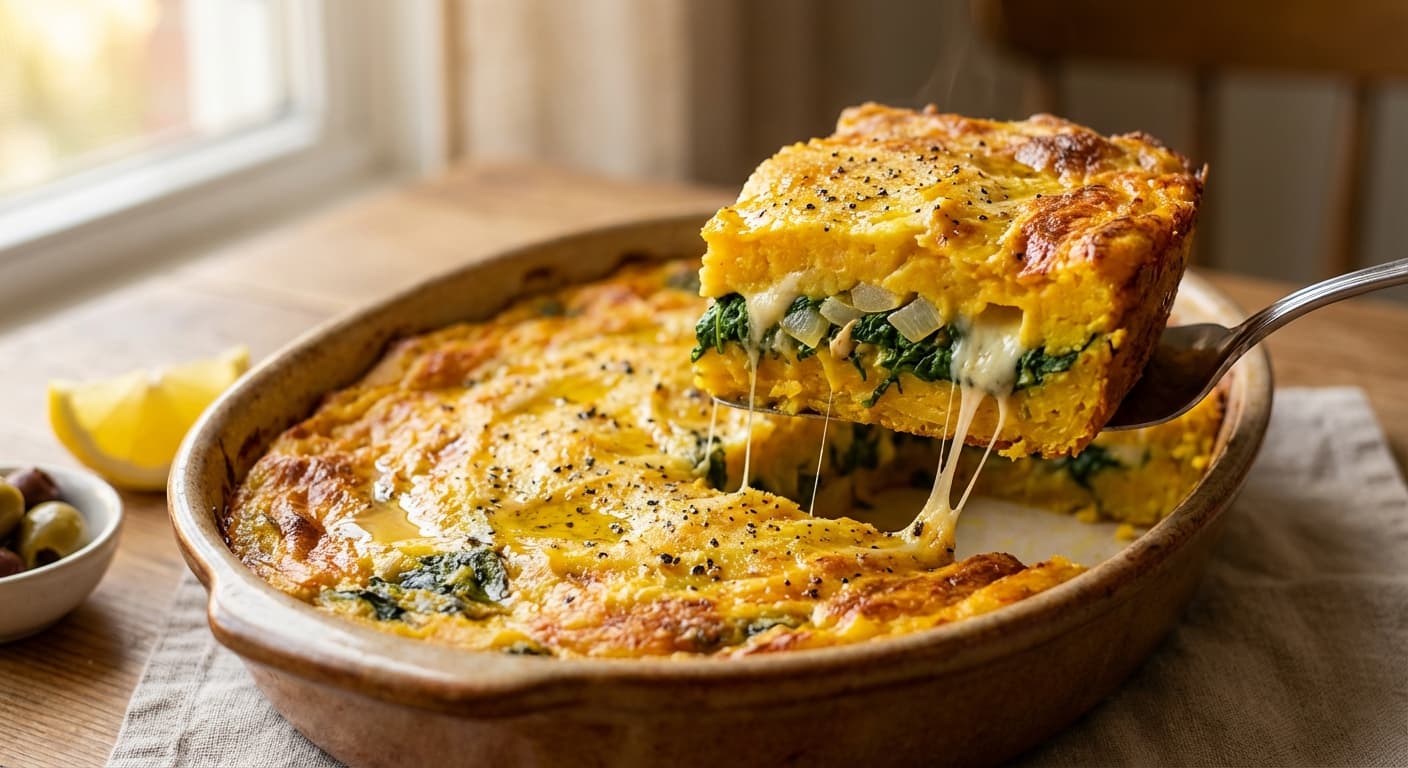
Golden Turmeric Potato and Spinach Casserole (غراتان سیبزمینی و اسفناج) — Mediterranean-Inspired Layered Gratin
Persian · Main Courses · 70 min
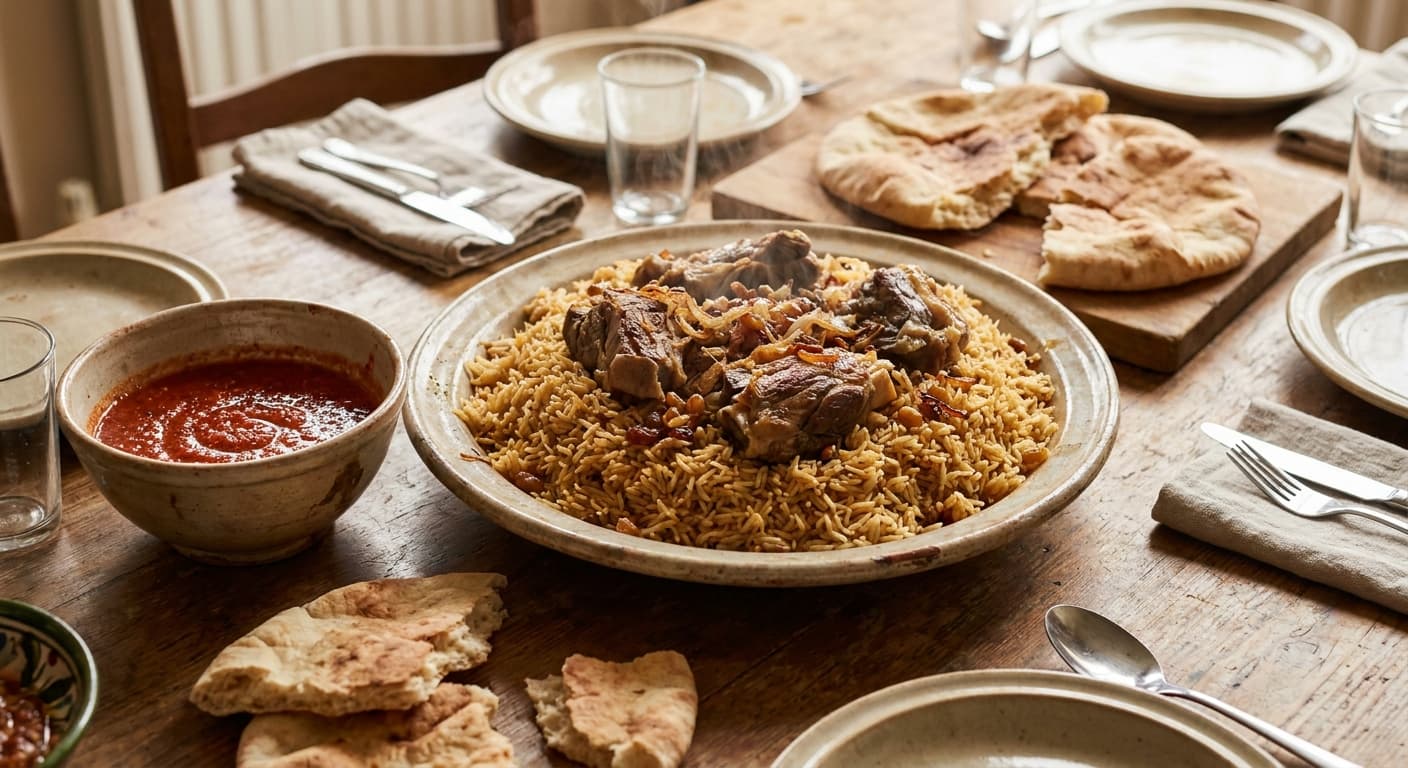
Yemeni Mandi (مندي) — Smoke-Scented Spiced Rice and Lamb
Yemeni · Main Courses · 170 min
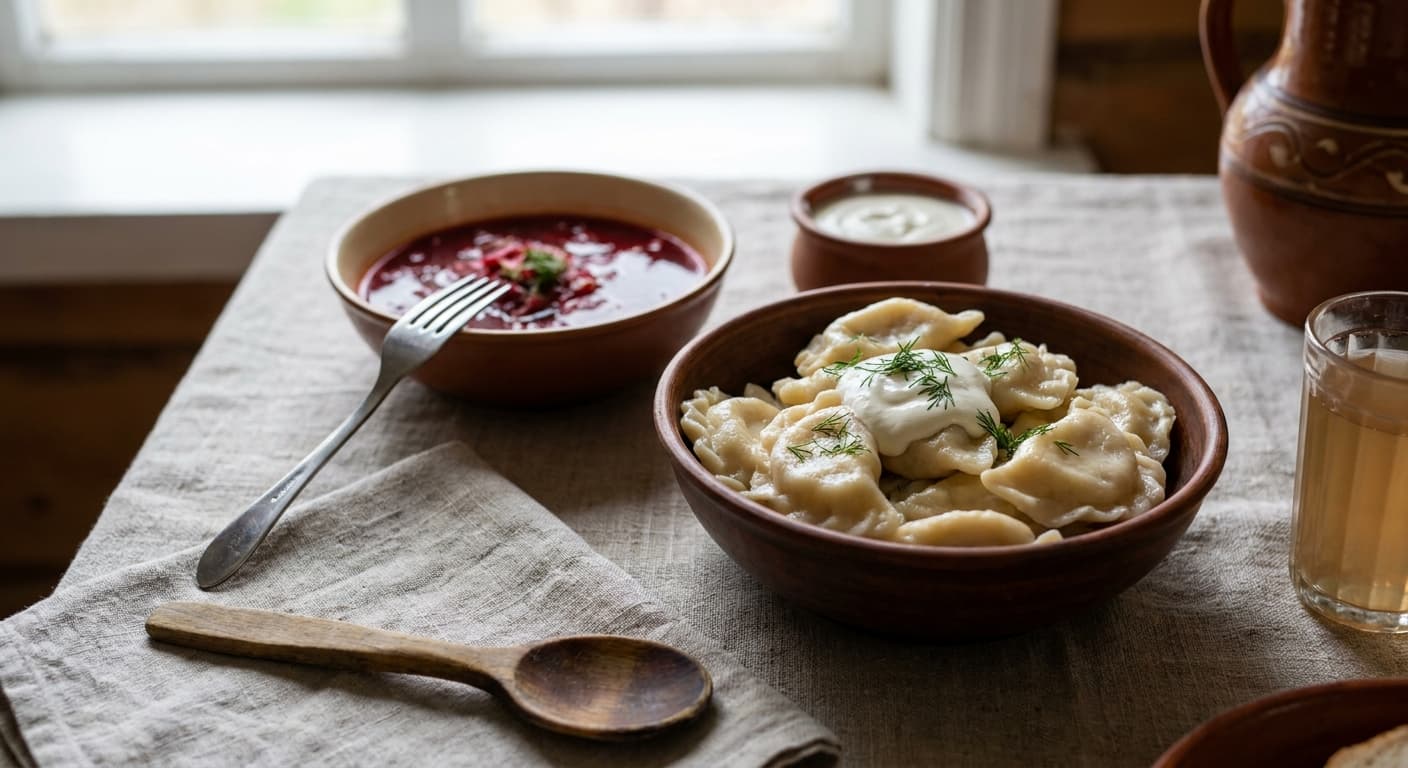
Varenyky (Вареники) — Ukrainian Potato-Cheese Dumplings
Ukrainian · Main Courses · 95 min
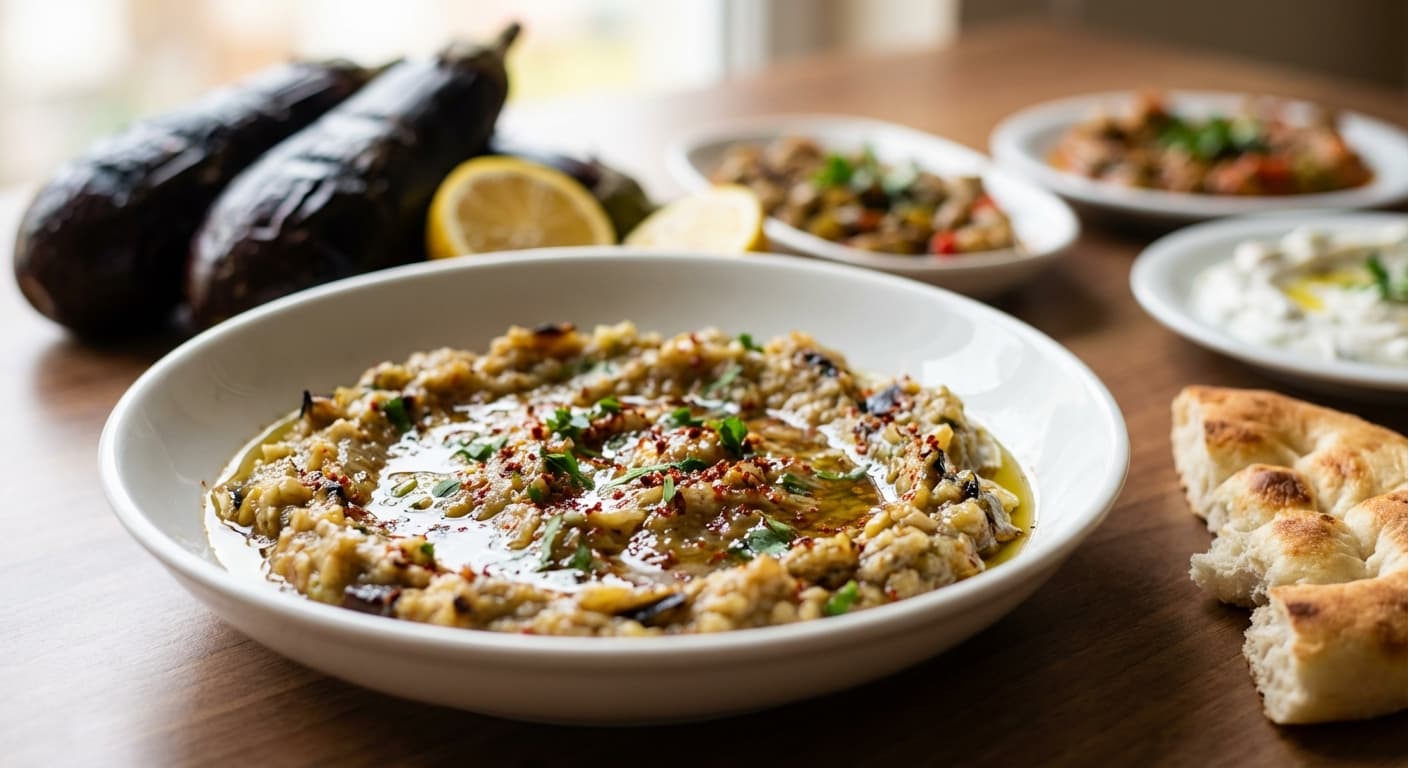
Smoky Eggplant Salad (Patlıcan Salatası) — Turkish charred eggplant with garlic and olive oil
Turkish · Salads · 40 min
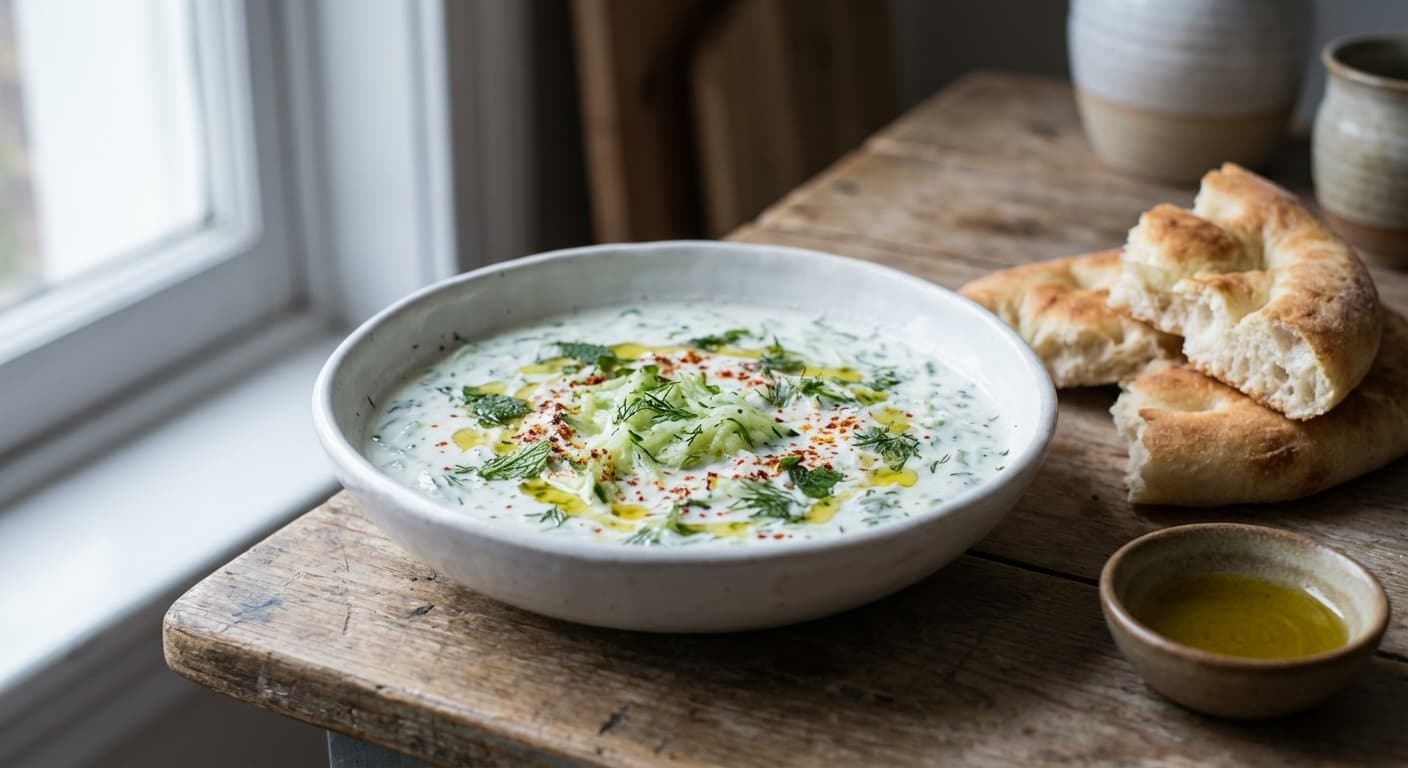
Cacık (Yoğurtlu Salatalık Mezesi) — Chilled Turkish Yogurt, Cucumber & Mint Dip
Turkish · Appetizers · 15 min
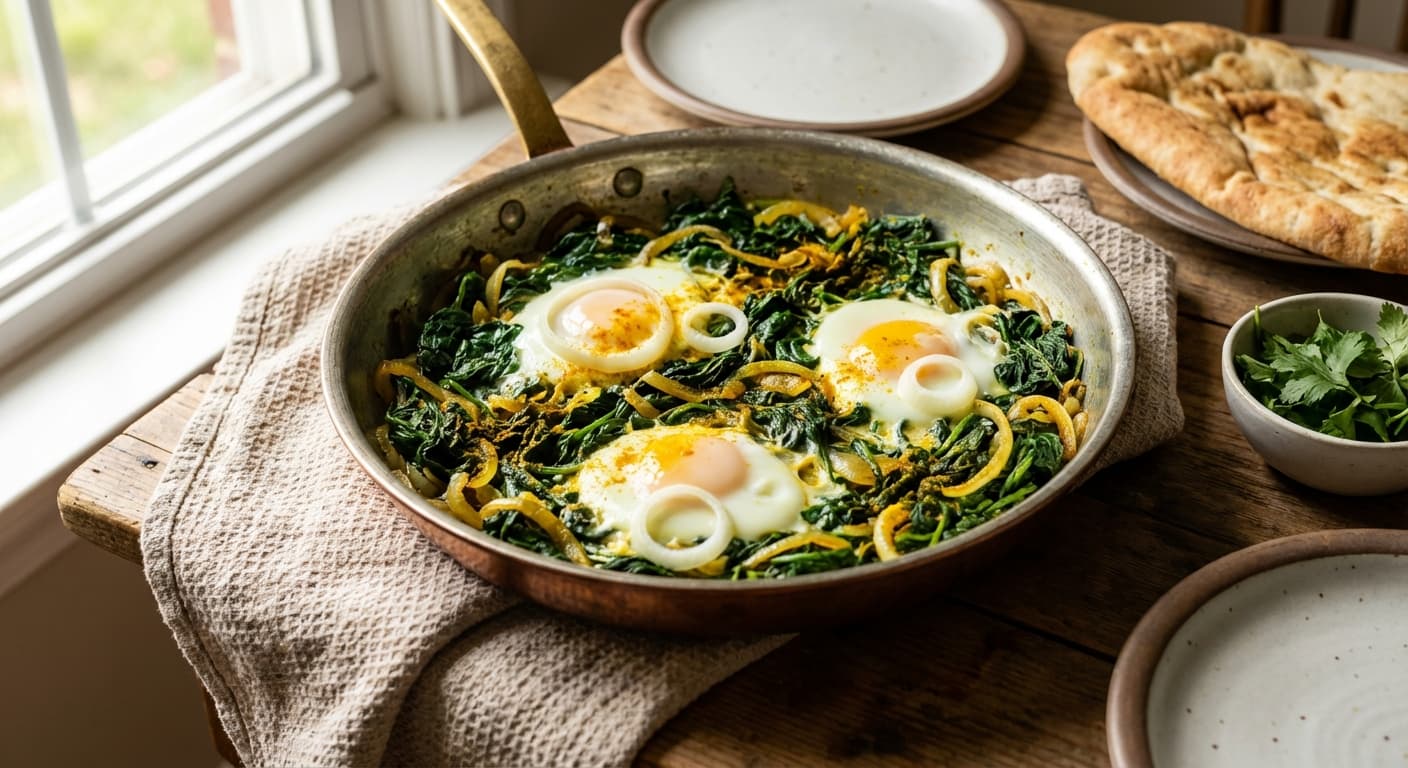
Nargesi (نرگسی) — Persian Spinach and Egg Skillet
Persian · Main Courses · 45 min
Reviews
Cooked this recipe?
Tap the stars to rate it — that's all it takes. A few words are welcome but optional.
No ratings yet. Cooked this one? Be the first to rate it — it takes one tap.