Kuku-ye Tareh (کوکو تره) — Persian Leek Frittata
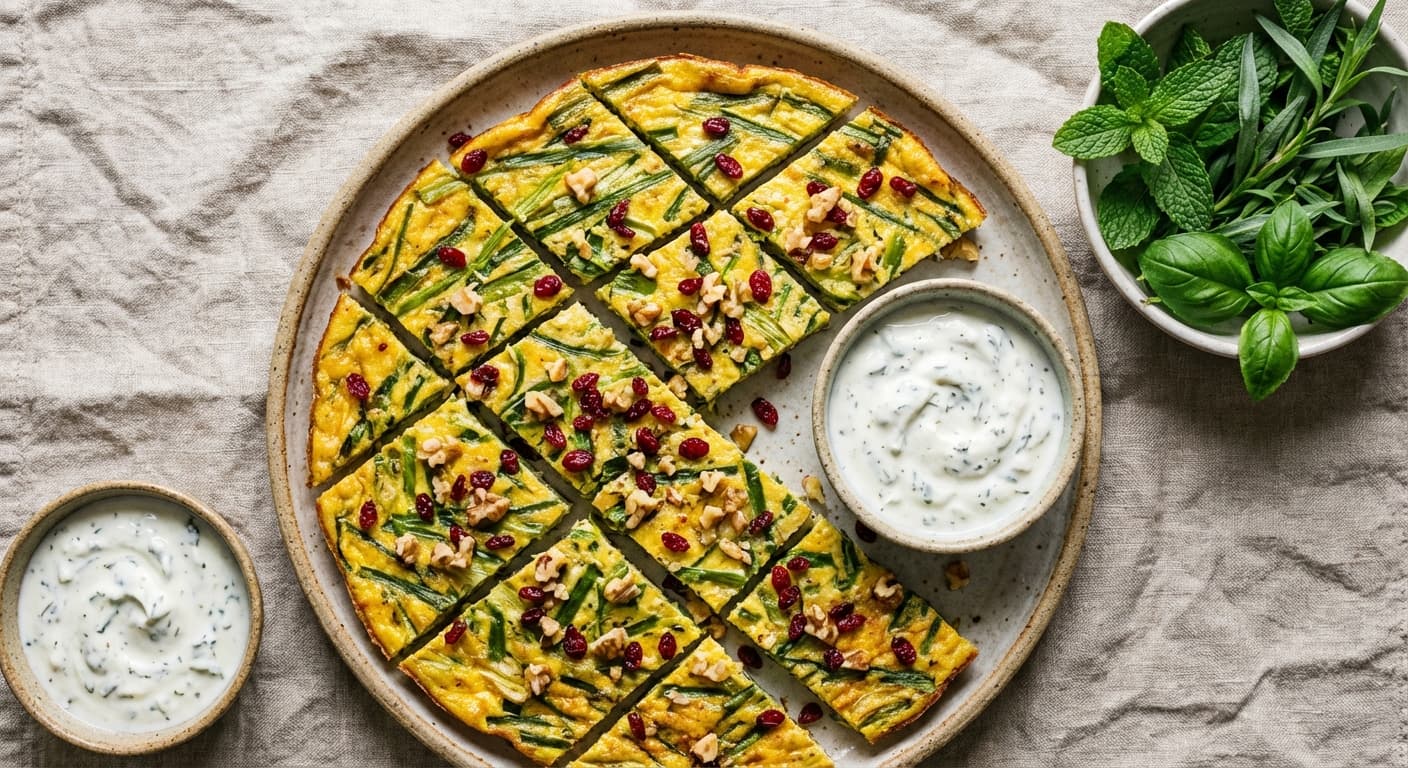
Kuku-ye Tareh is a fragrant Persian leek frittata with garlic, walnuts, and tangy barberries. Lightly sautéed leeks keep it sweet and tender, while a golden crust makes it perfect for spring meals and picnics.
Printable Recipe Card
Servings: 4 · Total: 45 min · Difficulty: easy
Ingredients (quick list)
- 450 g Leeks (white and light green parts) (trimmed, split lengthwise, washed very well, then finely sliced)
- 3 cloves Garlic cloves (finely grated or minced)
- 45 ml Vegetable oil (divided, for sautéing and frying)
- 6 eggs Large eggs (room temperature)
- 6 g Sea salt (about 1 teaspoon, plus more to taste)
- 1 g Black pepper (about 1/2 teaspoon, freshly ground)
- 60 g Walnuts (toasted lightly and chopped)
- 30 g Barberries (zereshk) (rinsed and drained well)
Steps (summary)
- Prep the leeks thoroughly: split lengthwise, rinse between layers, then slice finely. Heat 15 ml vegetable oil in a 25 cm nonst…
- Add the minced garlic to the softened leeks and cook 45–60 seconds until fragrant. Transfer the mixture to a bowl and spread it…
- In a large bowl, whisk the eggs for 30–45 seconds until the whites and yolks are fully blended and slightly foamy. Whisk in sea…
- Return the skillet to medium heat and add 30 ml vegetable oil, swirling to coat the bottom and sides. When the oil shimmers (ab…
- Check doneness: the edges should be set and golden, and the center should be mostly set with only slight wobble. To flip, slide…
- Transfer to a board and rest 5 minutes for clean slices. Cut into 8 wedges or diamonds. Serve warm or at room temperature; the…
Cultural Background
Kuku-ye Tareh is a common Persian home dish made with alliums and eggs, often prepared for everyday meals and shared as an easy, portable food. Herb and leek kukus are also associated with springtime gatherings, where green ingredients can symbolize seasonal renewal in local food traditions.
Equipment
💡 Tips
- Wash leeks meticulously; grit hides between layers and will ruin the texture.
- Do not brown the leeks hard—gentle sautéing keeps the flavor sweet and the kuku green-tinted rather than bitter.
- Rinse barberries quickly and drain well; excess water can make the mixture weep and steam instead of crisp.
- For a crispier crust, heat the oil until shimmering before adding the eggs and keep the pan covered only for the first stage.
- If your skillet is not reliably nonstick, line the bottom with a round of parchment paper for easier flipping.
⚠️ Common Mistakes
❌ Under-washing the leeks
💡 Why: Leeks trap sand between layers, which becomes gritty once cooked.
✅ Fix: Split lengthwise and rinse under running water while fanning layers; then slice and rinse again if needed, draining thoroughly.
❌ Adding hot leeks directly to eggs
💡 Why: Residual heat can partially scramble the eggs, creating curds and uneven texture.
✅ Fix: Spread leeks in a bowl to cool 5 minutes before mixing, or chill briefly in the refrigerator for 2–3 minutes.
❌ Cooking on high heat the whole time
💡 Why: The bottom browns before the center sets, leading to a burnt crust and runny middle.
✅ Fix: Start on medium to set the base, then reduce to medium-low and cover to gently cook through; flip and finish briefly.
❌ Wet barberries in the batter
💡 Why: Extra moisture steams the kuku and prevents crisp edges.
✅ Fix: Rinse quickly, drain well, and pat dry on a towel before folding in.
🧊 How to Store
Cool to room temperature within 2 hours. Refrigerate in an airtight container for up to 3 days. Reheat in a skillet over medium-low heat with 5 ml oil for 3–4 minutes per side, or warm in a 160°C oven for 8–10 minutes. Freezing is possible for up to 1 month, but the texture softens.
📅 Make Ahead
Slice and wash leeks up to 24 hours ahead and refrigerate well covered; drain any collected water before cooking. Cook the full kuku up to 1 day ahead and serve at room temperature, or reheat gently in a skillet to restore crisp edges.
🍽️ Pairs Well With
- Plain yogurt or strained yogurt
- Fresh herbs and radishes
- Pickles or torshi
- Flatbread or rice
- A simple tomato-cucumber salad
Regional Variations
- Tehran-style home cookingOften made with a higher ratio of leeks and a thinner egg layer for a greener, lighter slice, sometimes cut into small diamonds for serving on a platter.
- Northern Iran (Caspian influence)May include additional chopped greens alongside leeks and can be cooked slightly thicker, then served at room temperature with fresh herbs and pickles.
Ingredients
- 450 gLeeks (white and light green parts) (trimmed, split lengthwise, washed very well, then finely sliced)
- 3 clovesGarlic cloves (finely grated or minced)
- 45 mlVegetable oil (divided, for sautéing and frying)
- 6 eggsLarge eggs (room temperature)
- 6 gSea salt (about 1 teaspoon, plus more to taste)
- 1 gBlack pepper (about 1/2 teaspoon, freshly ground)
- 60 gWalnuts (toasted lightly and chopped)
- 30 gBarberries (zereshk) (rinsed and drained well)
🔄 Substitutions
- Barberries (zereshk)→ Dried cranberries (unsweetened), chopped
- Walnuts→ Pistachios or almonds, chopped
- Vegetable oil→ Ghee or olive oil
Instructions
- 1
Prep the leeks thoroughly: split lengthwise, rinse between layers, then slice finely. Heat 15 ml vegetable oil in a 25 cm nonstick skillet over medium heat. Add leeks and cook 8–10 minutes, stirring often, until softened and sweet but not browned; reduce heat if edges color.
- 2
Add the minced garlic to the softened leeks and cook 45–60 seconds until fragrant. Transfer the mixture to a bowl and spread it out to cool for 5 minutes so it will not scramble the eggs. Wipe the skillet clean and keep it nearby for frying.
- 3
In a large bowl, whisk the eggs for 30–45 seconds until the whites and yolks are fully blended and slightly foamy. Whisk in sea salt and black pepper. Fold in the cooled leek-garlic mixture, chopped walnuts, and drained barberries until evenly distributed throughout the egg base.
- 4
Return the skillet to medium heat and add 30 ml vegetable oil, swirling to coat the bottom and sides. When the oil shimmers (about 1 minute), pour in the egg mixture and level the top. Cover with a lid and cook 8–10 minutes, reducing heat to medium-low after 2 minutes to prevent burning.
- 5
Check doneness: the edges should be set and golden, and the center should be mostly set with only slight wobble. To flip, slide the kuku onto a large plate, invert it back into the skillet, and cook uncovered 3–5 minutes until the second side is golden and the center reaches 71°C.
- 6
Transfer to a board and rest 5 minutes for clean slices. Cut into 8 wedges or diamonds. Serve warm or at room temperature; the barberries should taste pleasantly tart and the walnuts should remain crunchy. If desired, blot the surface lightly with paper towel before serving.
🪪 Recipe Passport
Cultural Background
Kuku-ye Tareh is a common Persian home dish made with alliums and eggs, often prepared for everyday meals and shared as an easy, portable food. Herb and leek kukus are also associated with springtime gatherings, where green ingredients can symbolize seasonal renewal in local food traditions.
Regional Variations
Researched from multiple sources and validated by the Zaffaron editorial team. Every recipe is tested for accuracy, measurements, and cultural authenticity.
Nutrition per serving
Pairs well with
If you enjoyed this recipe, here are a few related Zaffaron recipes to try next.
Does your family make this differently?
Every family has their own version. Maybe your grandmother adds a secret ingredient, or your aunt has a completely different technique. Preserve your family's version — with their name on it, forever.
You Might Also Like
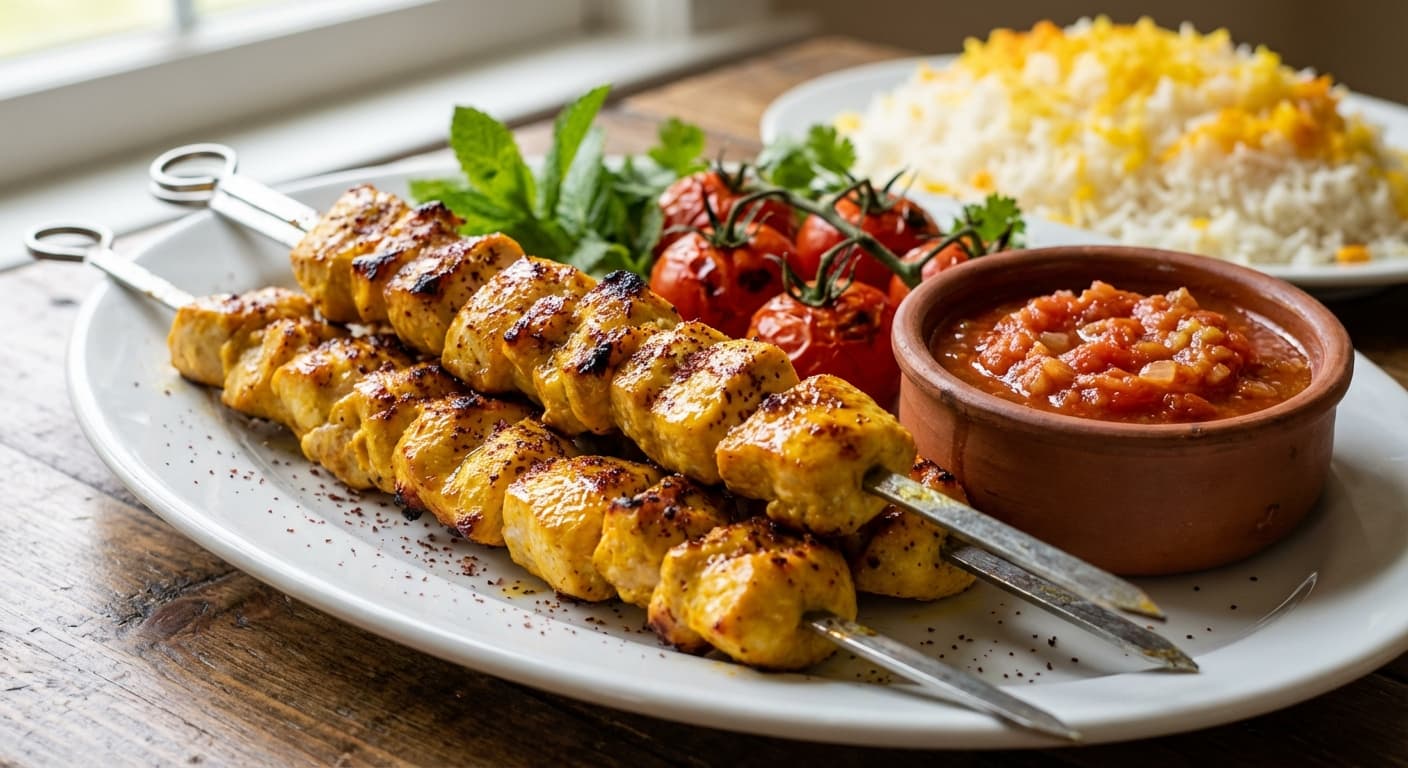
Jujeh Kabab (جوجه کباب) — Saffron-Turmeric Chicken with Rustic Tomato Sauce
Persian · Kebabs · 45 min
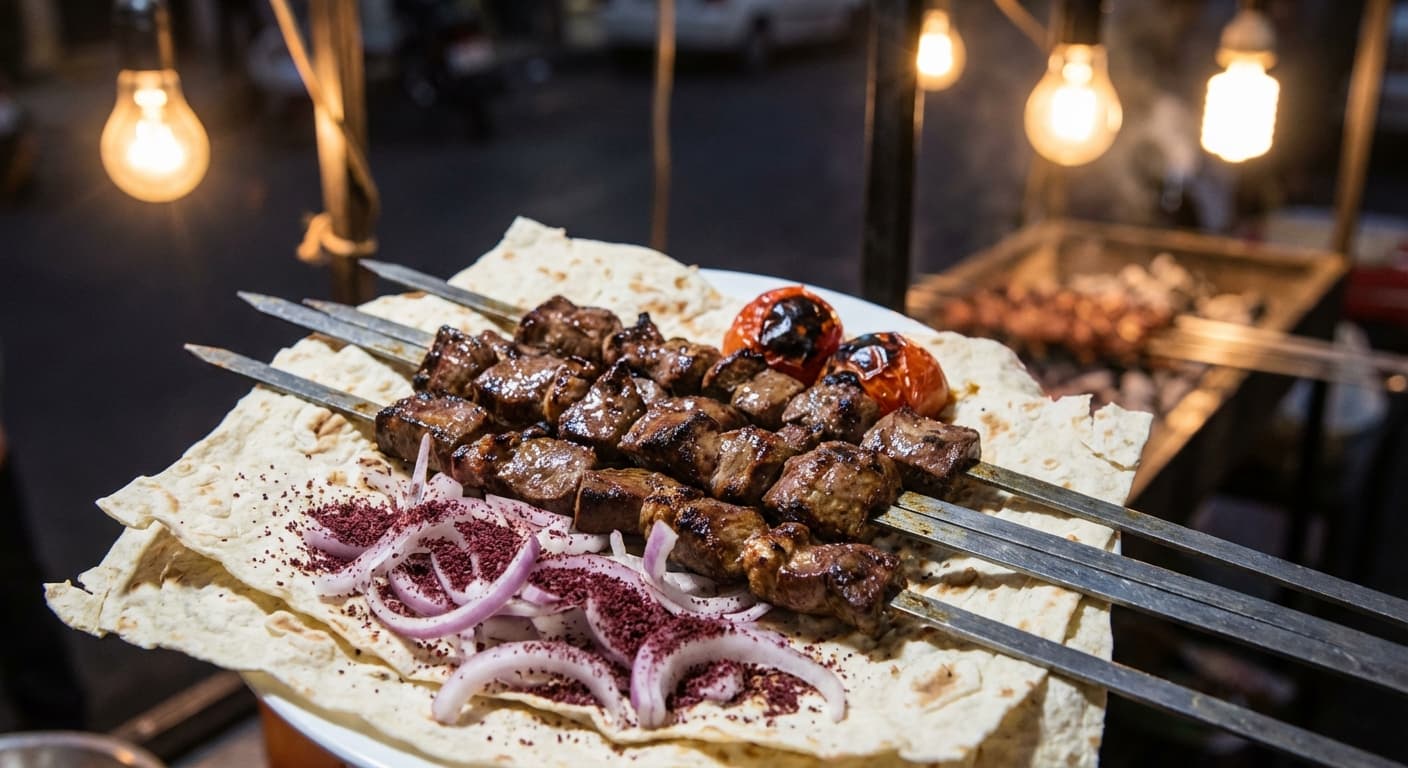
Jigar Kabab (جگر کباب) — Classic Persian Lamb Liver Skewers
Persian · Kebabs · 33 min
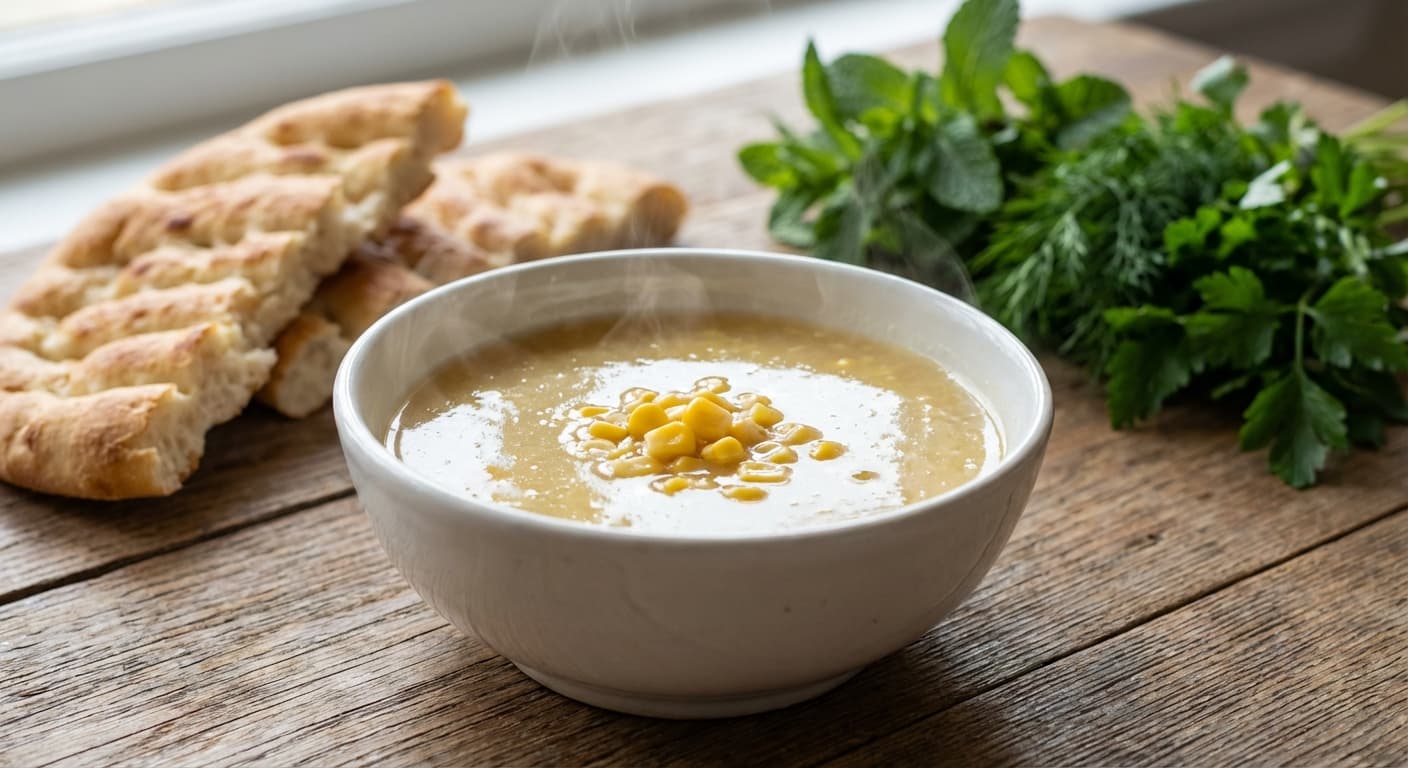
Persian Sweet Corn Soup (سوپ ذرت) — Silky Golden Comfort Soup
Persian · Soups · 50 min
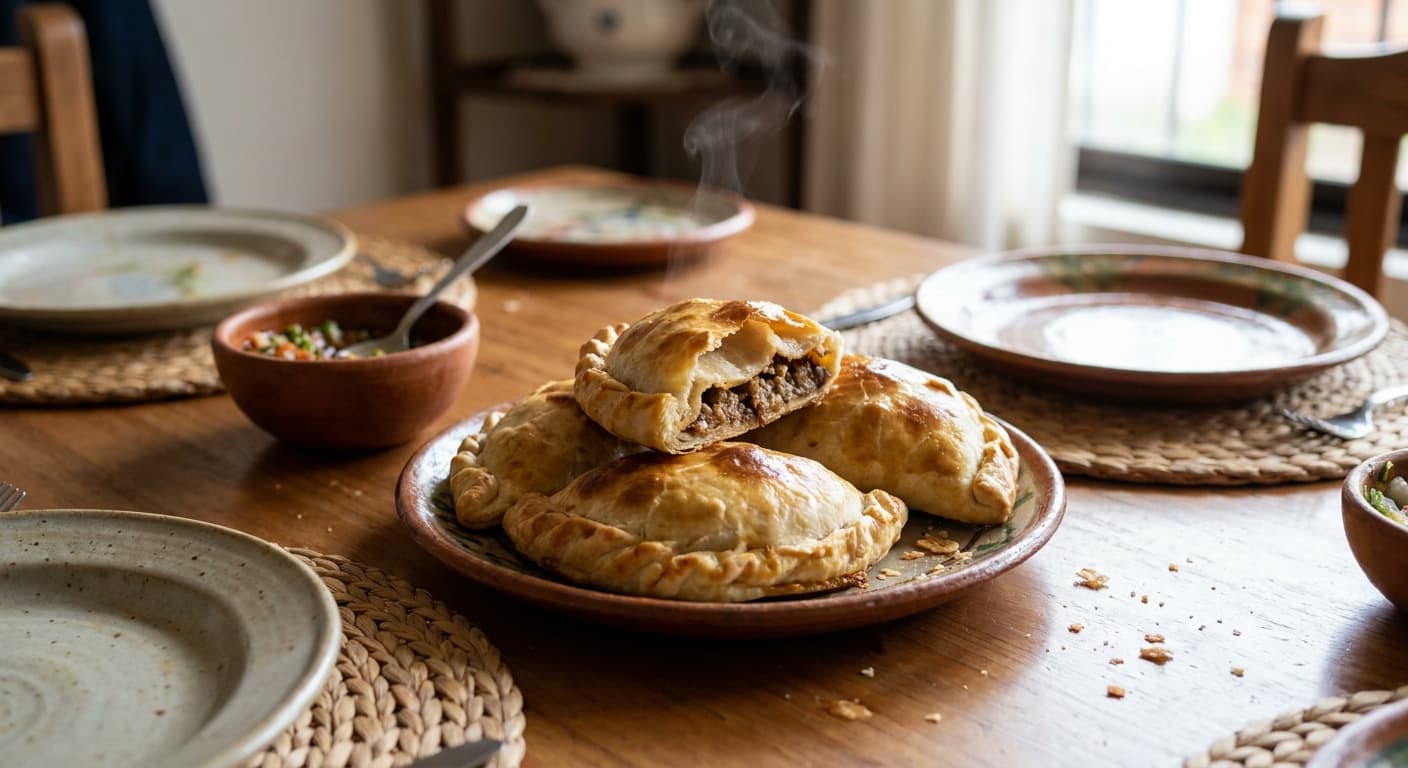
Chilean Beef Empanada (Empanada de pino) — Baked pastry filled with beef, onion, egg, olive, and raisins
Chilean · Main Courses · 125 min
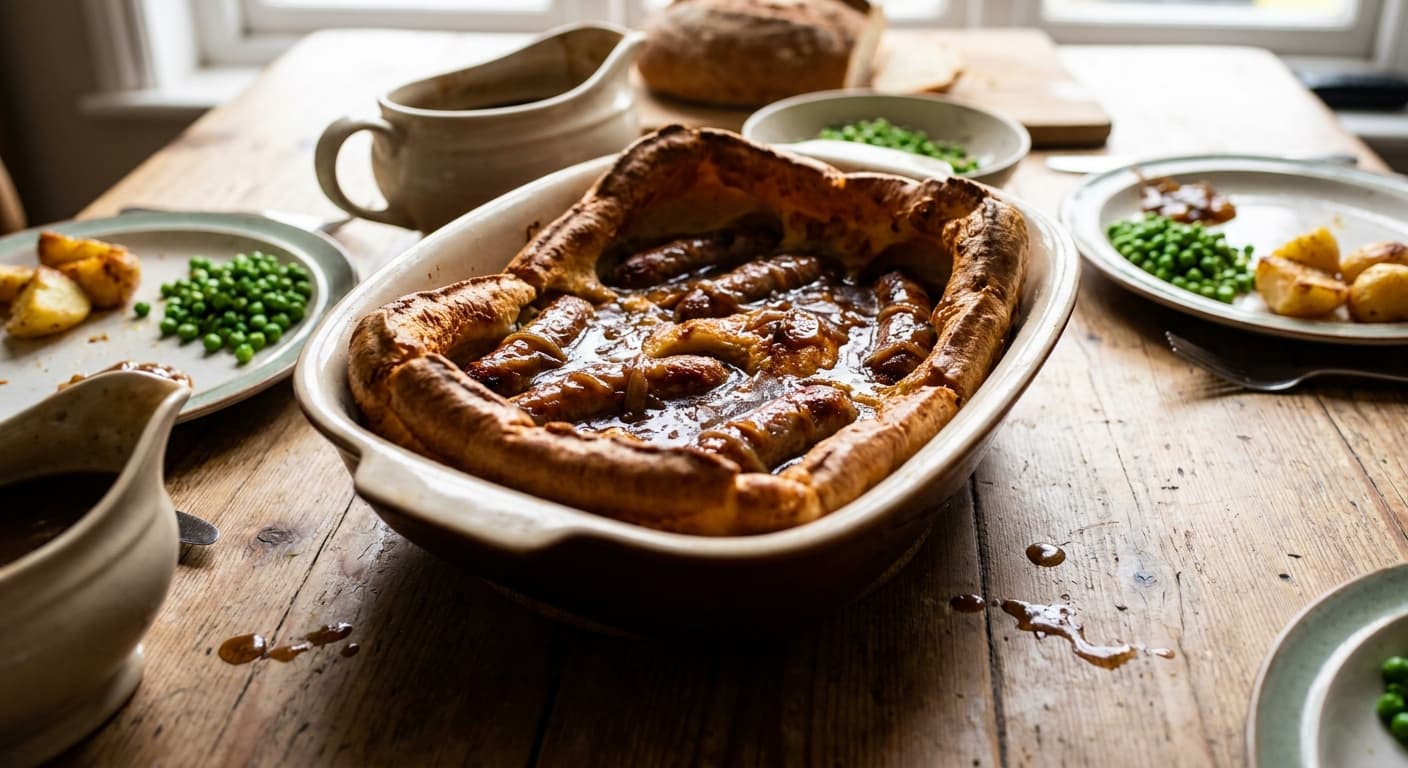
Toad in the Hole (Toad in the Hole) — Sausages Baked in Yorkshire Pudding Batter
British · Main Courses · 65 min
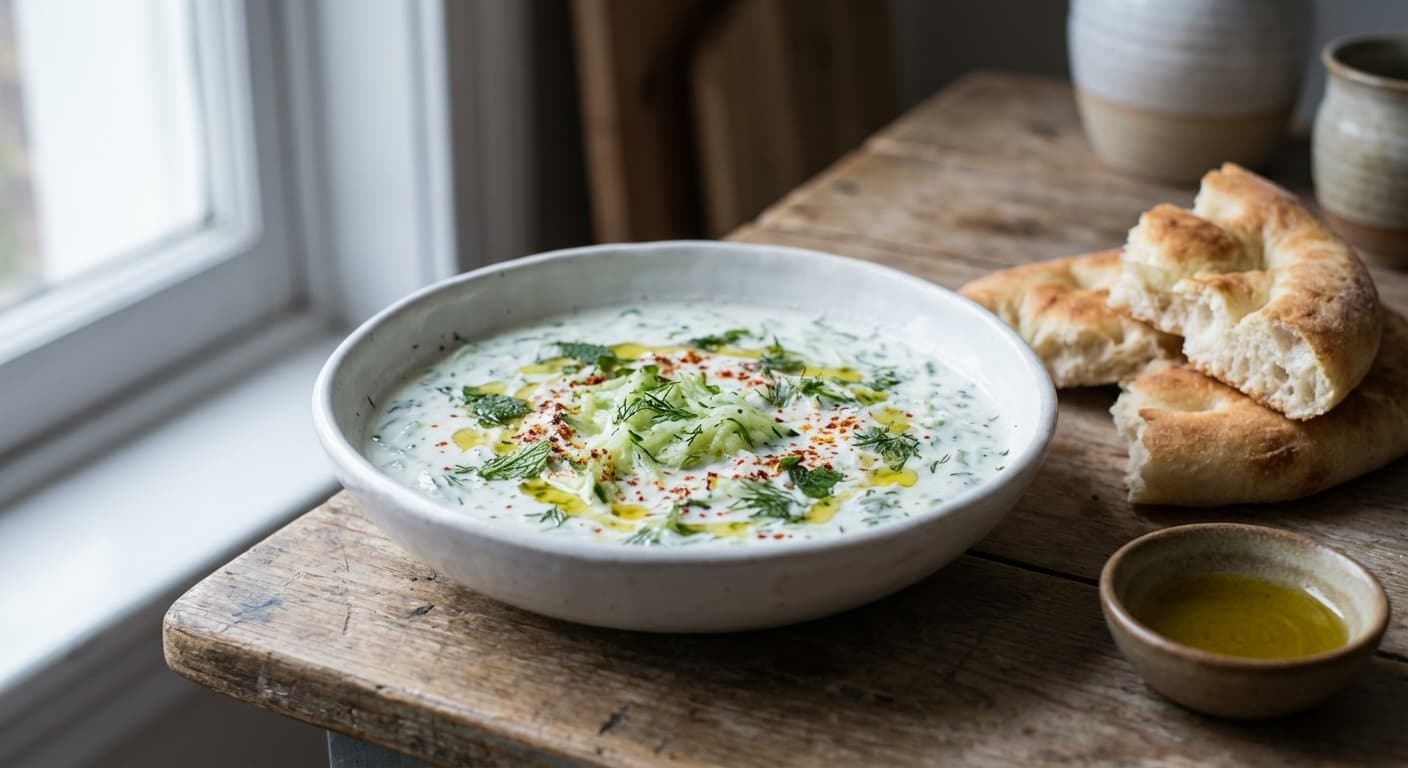
Cacık (Yoğurtlu Salatalık Mezesi) — Chilled Turkish Yogurt, Cucumber & Mint Dip
Turkish · Appetizers · 15 min
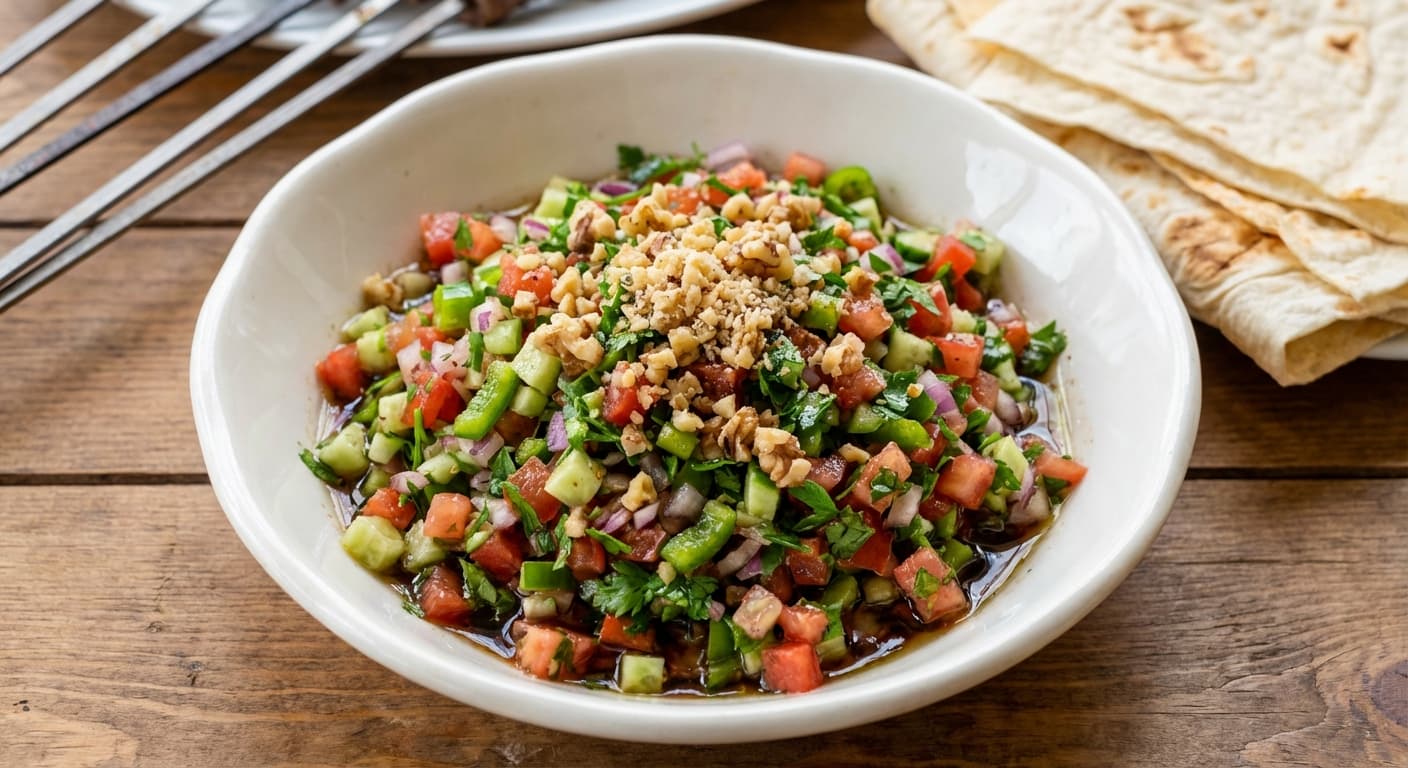
Gavurdağı Salad (Gavurdağı Salatası) — Finely Chopped Walnut & Pomegranate Salad
Turkish · Salads · 20 min
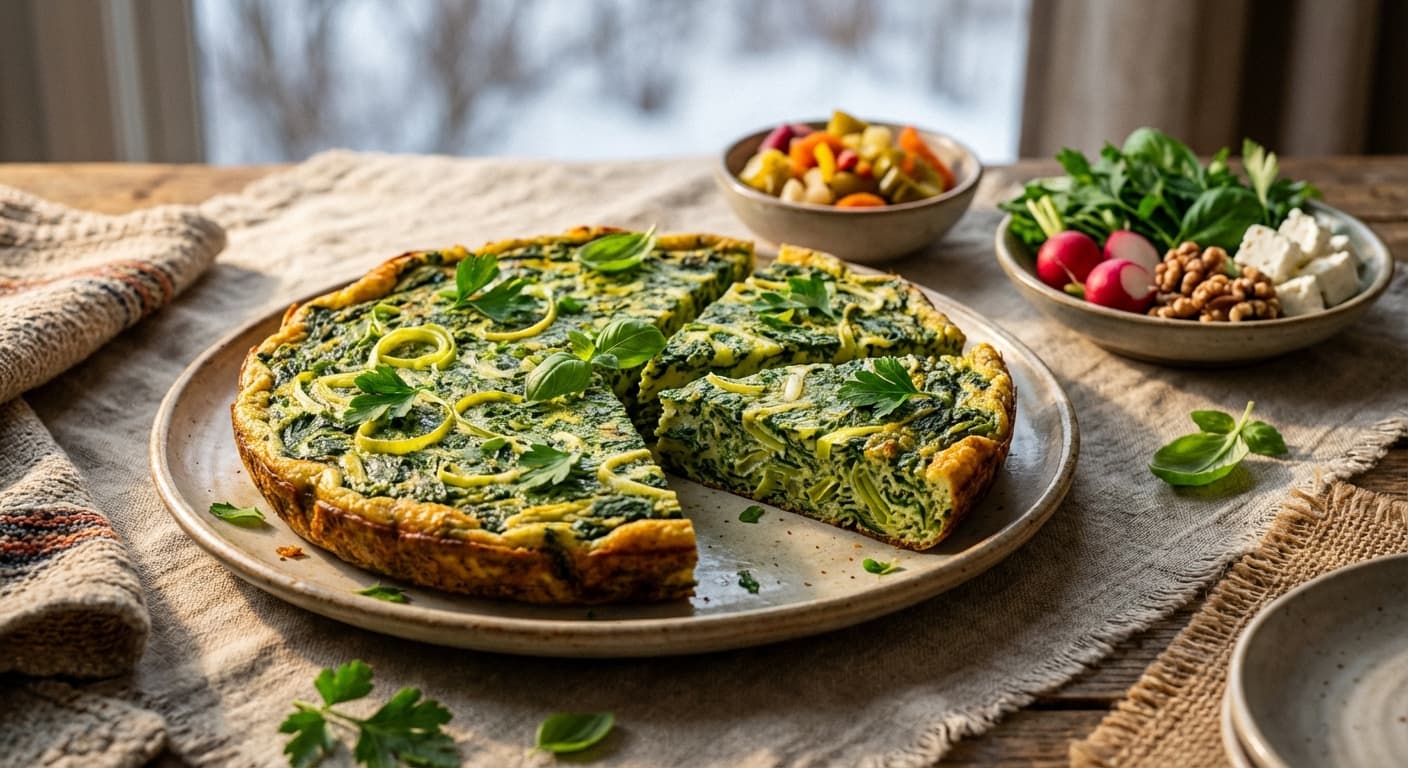
Persian Winter Leek and Spinach Kuku Sabzi (کوکو سبزی) — Herb Frittata with Leeks and Spinach
Persian · Main Courses · 38 min
Reviews
Cooked this recipe?
Tap the stars to rate it — that's all it takes. A few words are welcome but optional.
No ratings yet. Cooked this one? Be the first to rate it — it takes one tap.