Kuku-ye Gerdoo (کوکو گردو) — Persian Walnut Frittata
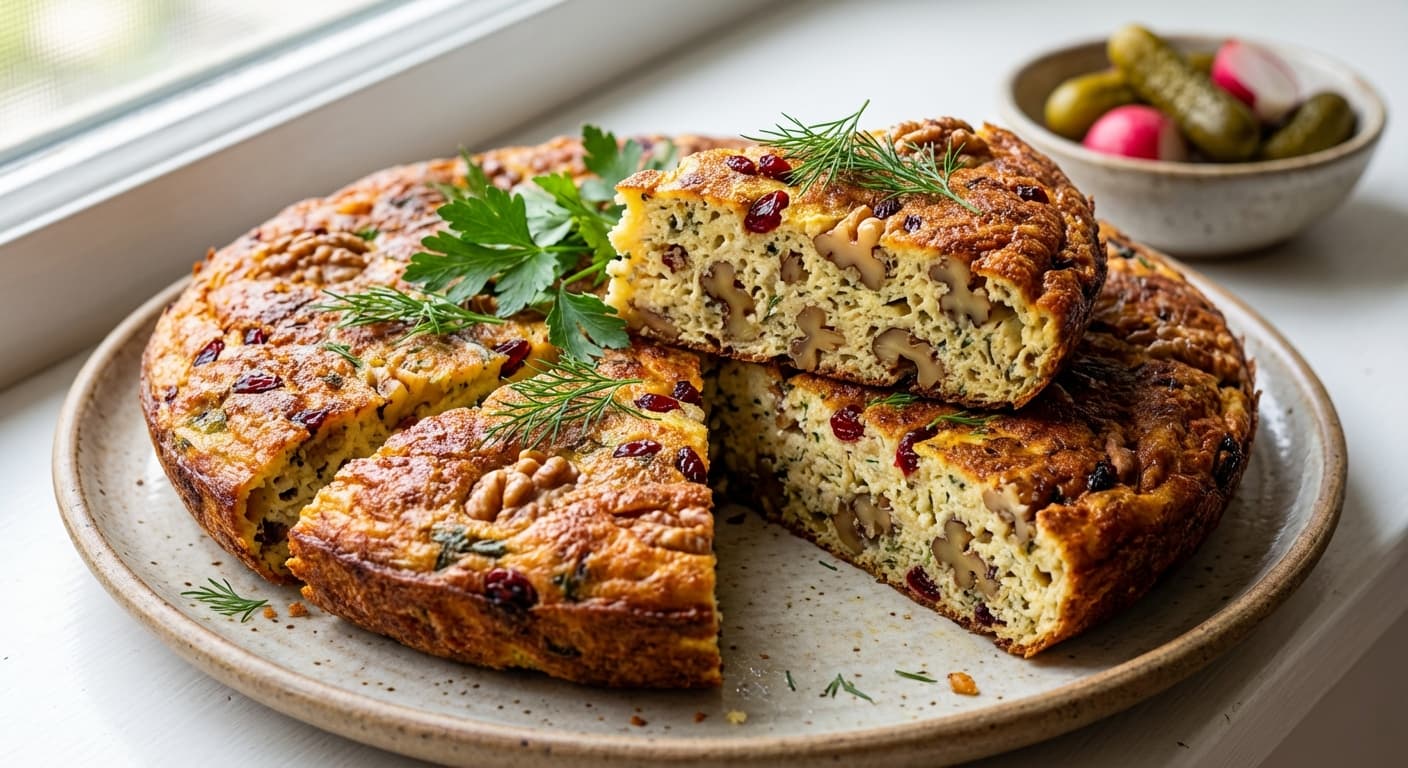
Kuku-ye Gerdoo is a Persian walnut frittata from the Gilan region, combining toasted walnuts, onion, and warm turmeric in a golden, crisp-edged omelet. It is rich, nutty, and tender inside—ideal for festive gatherings or tea-time meals.
Printable Recipe Card
Servings: 4 · Total: 43 min · Difficulty: medium
Ingredients (quick list)
- 180 g Walnut halves (toasted and finely chopped (or pulsed to coarse meal))
- 180 g Yellow onion (grated on the large holes, then squeezed very dry)
- 6 count Large eggs (room temperature)
- 20 g All-purpose flour (helps bind and set the center)
- 4 g Baking powder (about 1 teaspoon)
- 2 g Ground turmeric (about 1 teaspoon)
- 6 g Fine salt (about 1 teaspoon)
- 1 g Ground black pepper (about 1/2 teaspoon)
- 45 ml Vegetable oil (divided, for frying (plus 5 ml more if pan looks dry))
Steps (summary)
- Toast the walnuts to deepen flavor: warm a dry skillet over medium heat, add walnuts, and toast 4–6 minutes, stirring constantl…
- Prepare the onion so the kuku sets properly: grate the onion, then squeeze firmly in a clean towel until very dry (aim to remov…
- Build the batter: add eggs to the bowl and whisk 30–45 seconds until evenly blended. Sprinkle in flour, baking powder, turmeric…
- Fry for a crisp, golden exterior: heat a 20–24 cm nonstick skillet over medium heat for 2 minutes. Add 30 ml oil and swirl to c…
- Flip safely and finish: loosen edges with a thin spatula. Slide the kuku onto a plate, invert back into the skillet, and add th…
Cultural Background
Kuku is a broad family of Persian egg-based dishes often served as a light main, appetizer, or part of a spread. Walnut-based versions are associated with northern Iran, including the Gilan region, where nuts and aromatic ingredients are frequently used in everyday and celebratory cooking.
Equipment
💡 Tips
- Squeezing the grated onion very dry is the main key to a firm, sliceable kuku with a tender interior.
- If your walnuts are very oily, pulse briefly and stop early; over-processing makes the mixture heavy and can prevent a spongy texture.
- For extra crisp edges, use a slightly smaller skillet (20 cm) to increase thickness and keep heat at medium-low after the initial sear.
- If browning too fast, move the pan off heat for 30 seconds, then return on low; walnuts can scorch and turn bitter.
⚠️ Common Mistakes
❌ Not squeezing the grated onion dry
💡 Why: Excess onion liquid steams the mixture and prevents proper setting, leading to a wet, fragile center.
✅ Fix: Squeeze the onion in a towel until very dry; if still watery, spread it on a plate 5 minutes before mixing.
❌ Over-toasting or burning the walnuts
💡 Why: Walnuts turn bitter quickly and can dominate the dish with harsh flavors.
✅ Fix: Toast on medium heat with constant stirring and remove as soon as fragrant; cool on a plate immediately.
❌ Cooking on high heat to speed it up
💡 Why: The outside browns before the center sets, and the walnuts near the pan can scorch.
✅ Fix: Start on medium for initial sear, then reduce to medium-low and cover for gentle, even cooking.
❌ Flipping too early
💡 Why: If the top is still very wet, the kuku can break and absorb excess oil.
✅ Fix: Wait until edges are browned and the top looks mostly set; loosen fully before flipping using a plate method.
🧊 How to Store
Cool completely, then refrigerate in an airtight container for up to 3 days. Reheat in a dry skillet over low heat 3–5 minutes per side, or in a 160°C oven for 8–10 minutes. Freeze wedges tightly wrapped up to 2 months; thaw overnight in the refrigerator before reheating.
📅 Make Ahead
Mix the dry seasonings in advance and toast/chop the walnuts up to 2 days ahead (refrigerate airtight). For best texture, grate and squeeze the onion and whisk the eggs just before cooking; cooked kuku can be made 1 day ahead and reheated gently in a skillet.
🍽️ Pairs Well With
- Fresh herbs and radishes
- Pickles or mixed pickled vegetables
- Plain yogurt or thick strained yogurt
- Flatbread or rice
- Tea as a light meal
Regional Variations
- Gilan (northern Iran)Often richer in walnuts and cooked slightly thicker for a tender interior, sometimes served as part of a larger spread with herbs, pickles, and bread.
- Tehran and other urban home kitchensMay be made thinner for a faster cook and crisper surface, or cut into smaller pieces for serving as a party appetizer alongside other kuku varieties.
Ingredients
- 180 gWalnut halves (toasted and finely chopped (or pulsed to coarse meal))
- 180 gYellow onion (grated on the large holes, then squeezed very dry)
- 6 countLarge eggs (room temperature)
- 20 gAll-purpose flour (helps bind and set the center)
- 4 gBaking powder (about 1 teaspoon)
- 2 gGround turmeric (about 1 teaspoon)
- 6 gFine salt (about 1 teaspoon)
- 1 gGround black pepper (about 1/2 teaspoon)
- 45 mlVegetable oil (divided, for frying (plus 5 ml more if pan looks dry))
🔄 Substitutions
- Vegetable oil→ Neutral olive oil or sunflower oil
- All-purpose flour→ Rice flour
- Yellow onion→ Shallots
Instructions
- 1
Toast the walnuts to deepen flavor: warm a dry skillet over medium heat, add walnuts, and toast 4–6 minutes, stirring constantly, until fragrant and slightly darker. Immediately transfer to a plate to cool 5 minutes, then finely chop or pulse to a coarse meal; avoid turning it into walnut butter.
- 2
Prepare the onion so the kuku sets properly: grate the onion, then squeeze firmly in a clean towel until very dry (aim to remove at least 60 ml liquid). This prevents a wet, fragile center. Add the drained onion to a large bowl and break it up with a fork.
- 3
Build the batter: add eggs to the bowl and whisk 30–45 seconds until evenly blended. Sprinkle in flour, baking powder, turmeric, salt, and black pepper, whisking until no dry pockets remain. Fold in the toasted chopped walnuts until the mixture looks thick and spoonable; rest 5 minutes to hydrate the flour.
- 4
Fry for a crisp, golden exterior: heat a 20–24 cm nonstick skillet over medium heat for 2 minutes. Add 30 ml oil and swirl to coat. Pour in the mixture and spread evenly. Cover and cook 7–8 minutes, reducing heat to medium-low after 2 minutes; the edges should brown and the top should look mostly set.
- 5
Flip safely and finish: loosen edges with a thin spatula. Slide the kuku onto a plate, invert back into the skillet, and add the remaining 15 ml oil around the sides. Cook uncovered 5–7 minutes on medium-low until deeply golden and the center reaches 71°C. Rest 5 minutes, then cut into wedges.
🪪 Recipe Passport
Cultural Background
Kuku is a broad family of Persian egg-based dishes often served as a light main, appetizer, or part of a spread. Walnut-based versions are associated with northern Iran, including the Gilan region, where nuts and aromatic ingredients are frequently used in everyday and celebratory cooking.
Regional Variations
Researched from multiple sources and validated by the Zaffaron editorial team. Every recipe is tested for accuracy, measurements, and cultural authenticity.
Nutrition per serving
Pairs well with
If you enjoyed this recipe, here are a few related Zaffaron recipes to try next.
Does your family make this differently?
Every family has their own version. Maybe your grandmother adds a secret ingredient, or your aunt has a completely different technique. Preserve your family's version — with their name on it, forever.
You Might Also Like
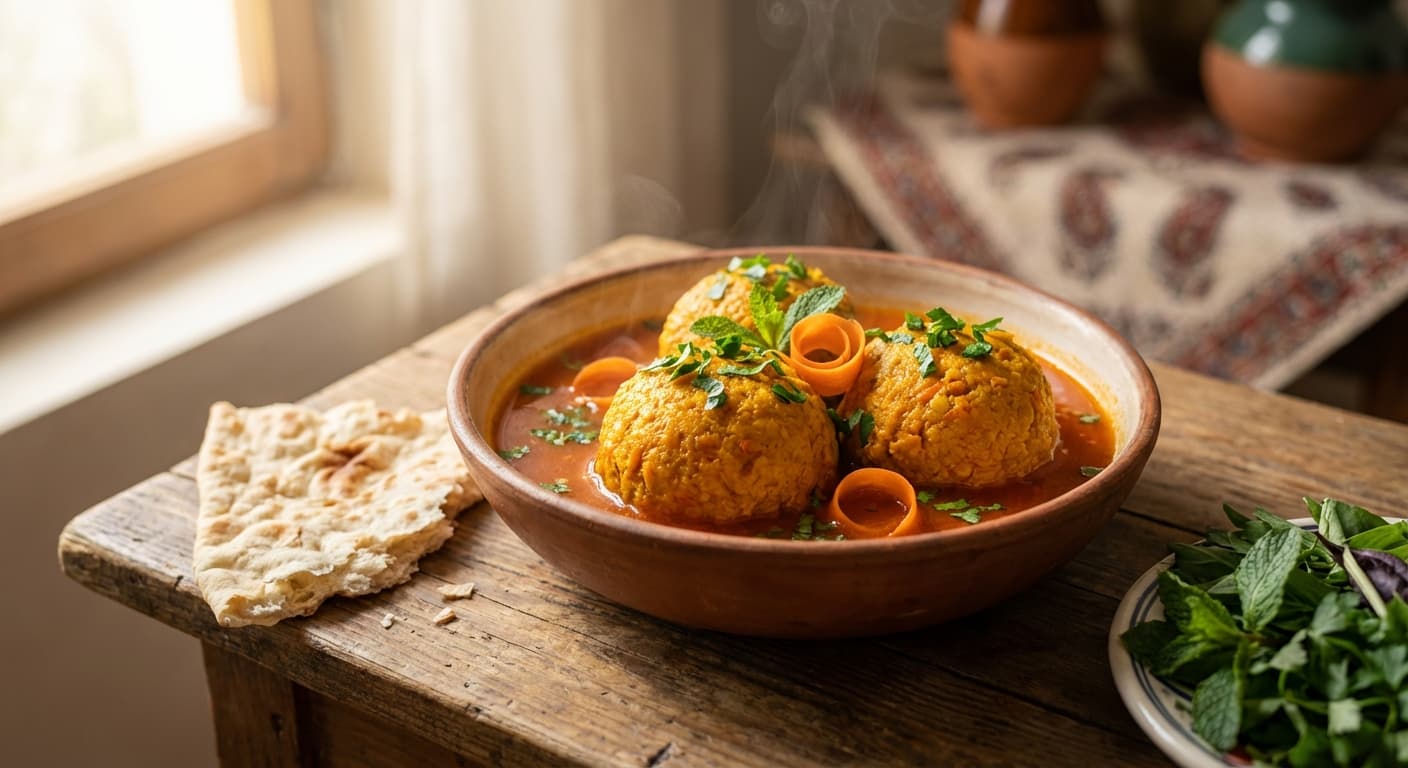
Koofteh Havij (کوفته هویج) — Persian Carrot Meatballs in Saffron-Tomato Broth
Persian · Main Courses · 120 min
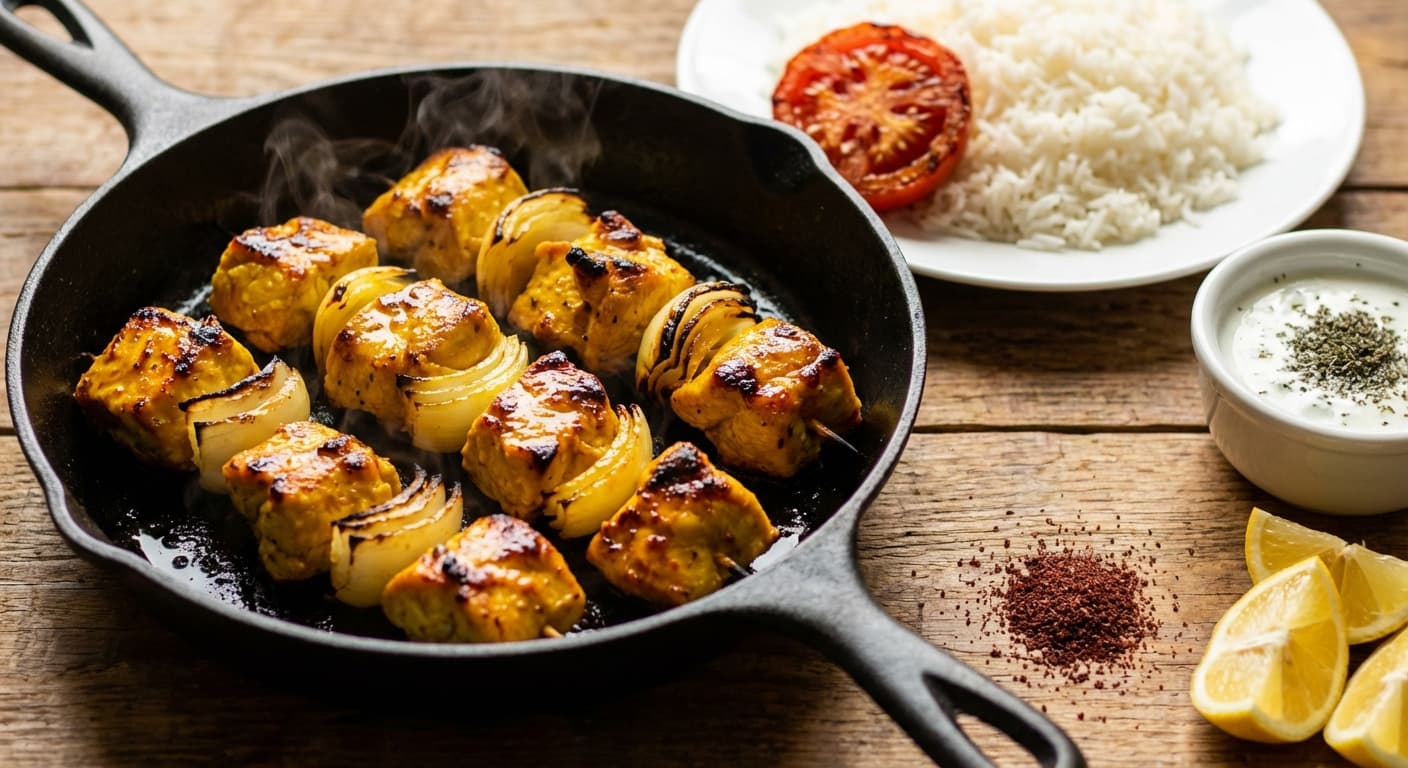
Pan-Seared Joojeh Kebab (جوجه کباب تابهای) — Persian Saffron Skillet Chicken
Persian · Kebabs · 34 min
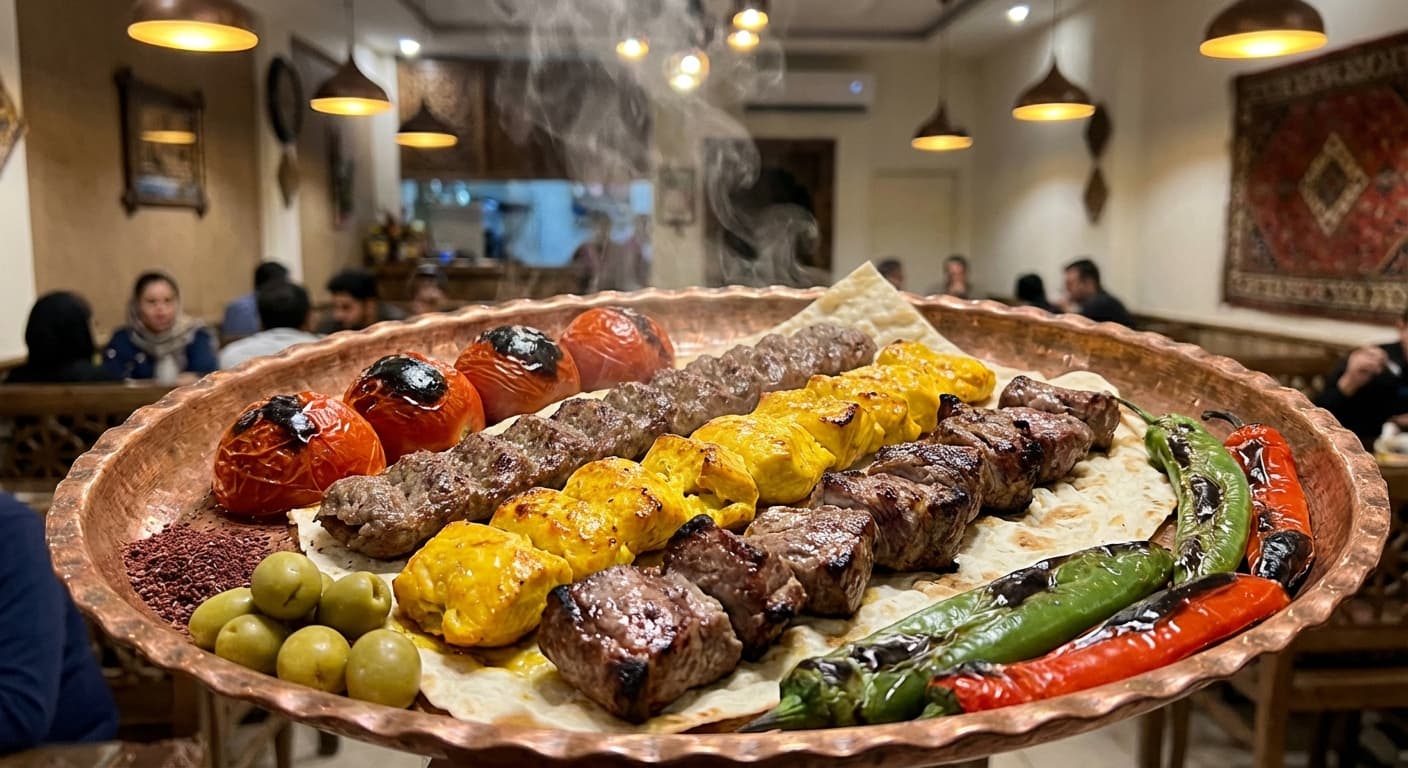
Kabab Vijeh (کباب ویژه) — Royal Persian Mixed Grill Platter
Persian · Kebabs · 70 min
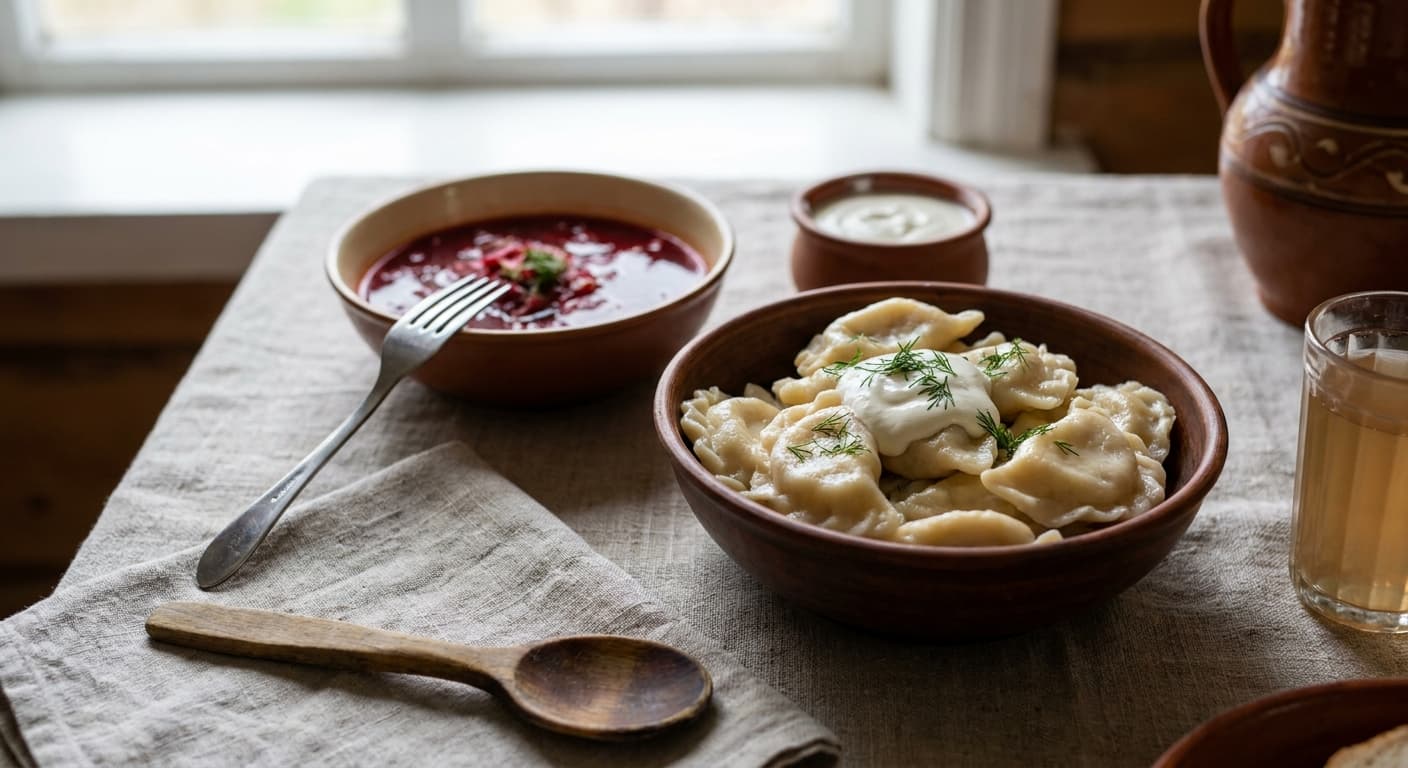
Varenyky (Вареники) — Ukrainian Potato-Cheese Dumplings
Ukrainian · Main Courses · 95 min
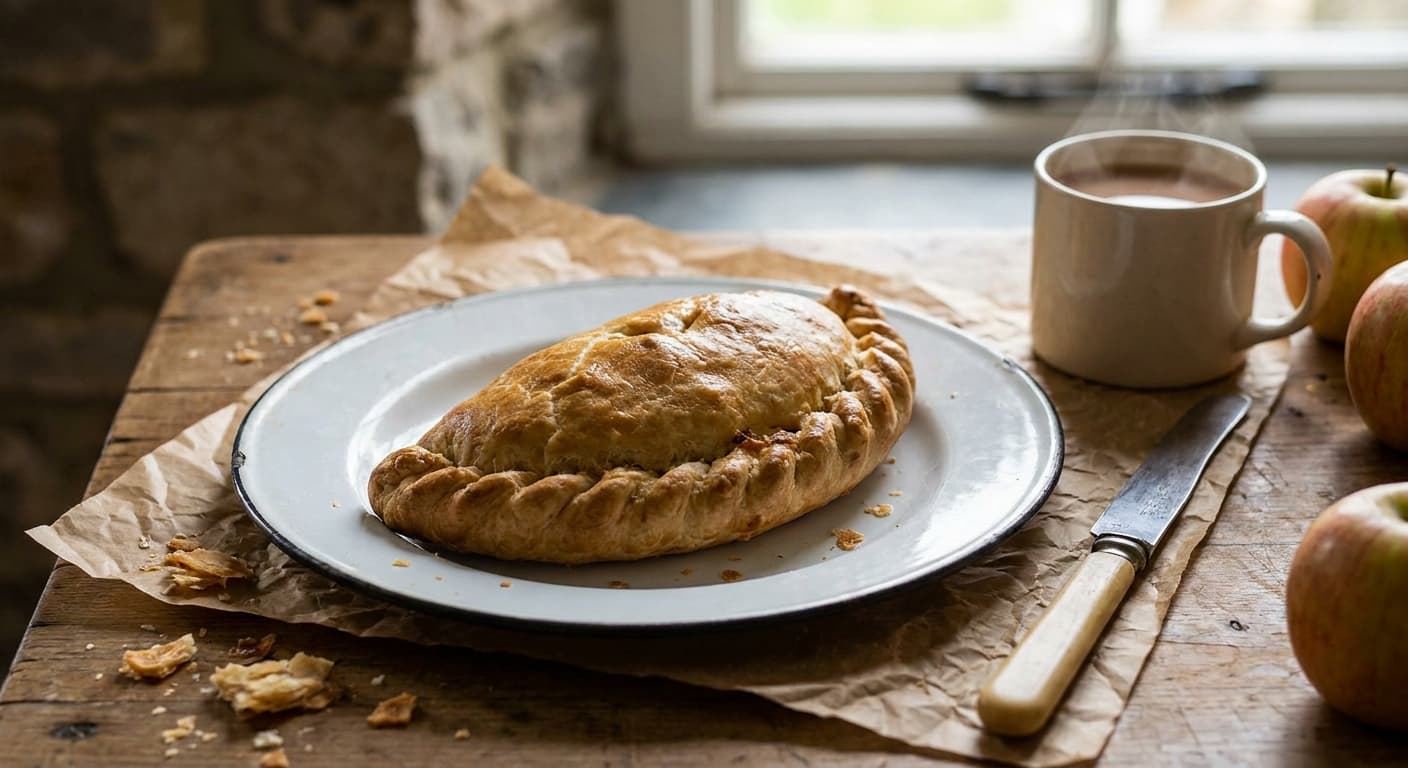
Cornish Pasty (Cornish Pasty) — Traditional Beef and Swede Hand Pie
British · Main Courses · 100 min
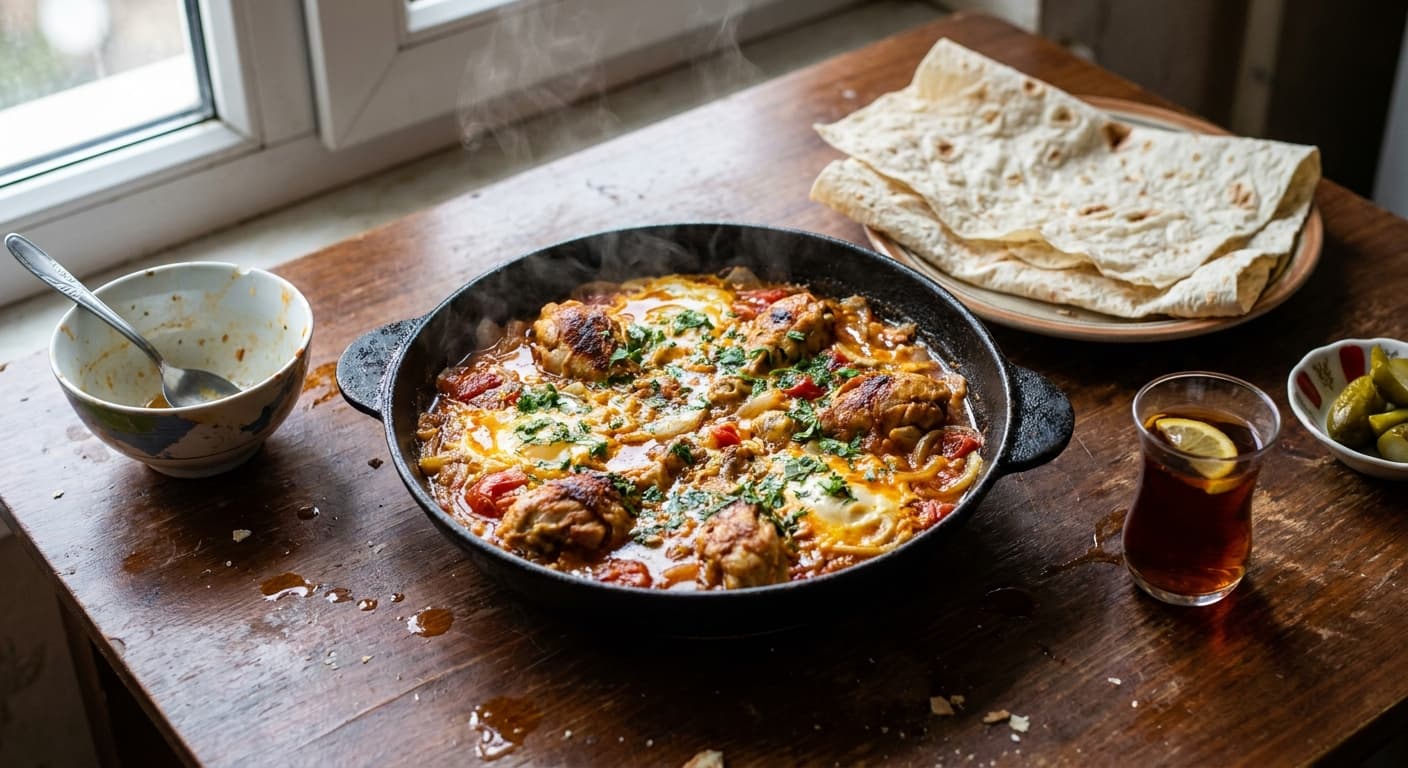
Chicken Chygyrtma (Toyuq Çığırtması) — Azerbaijani Chicken with Eggs and Tomatoes
Azerbaijani · Main Courses · 65 min
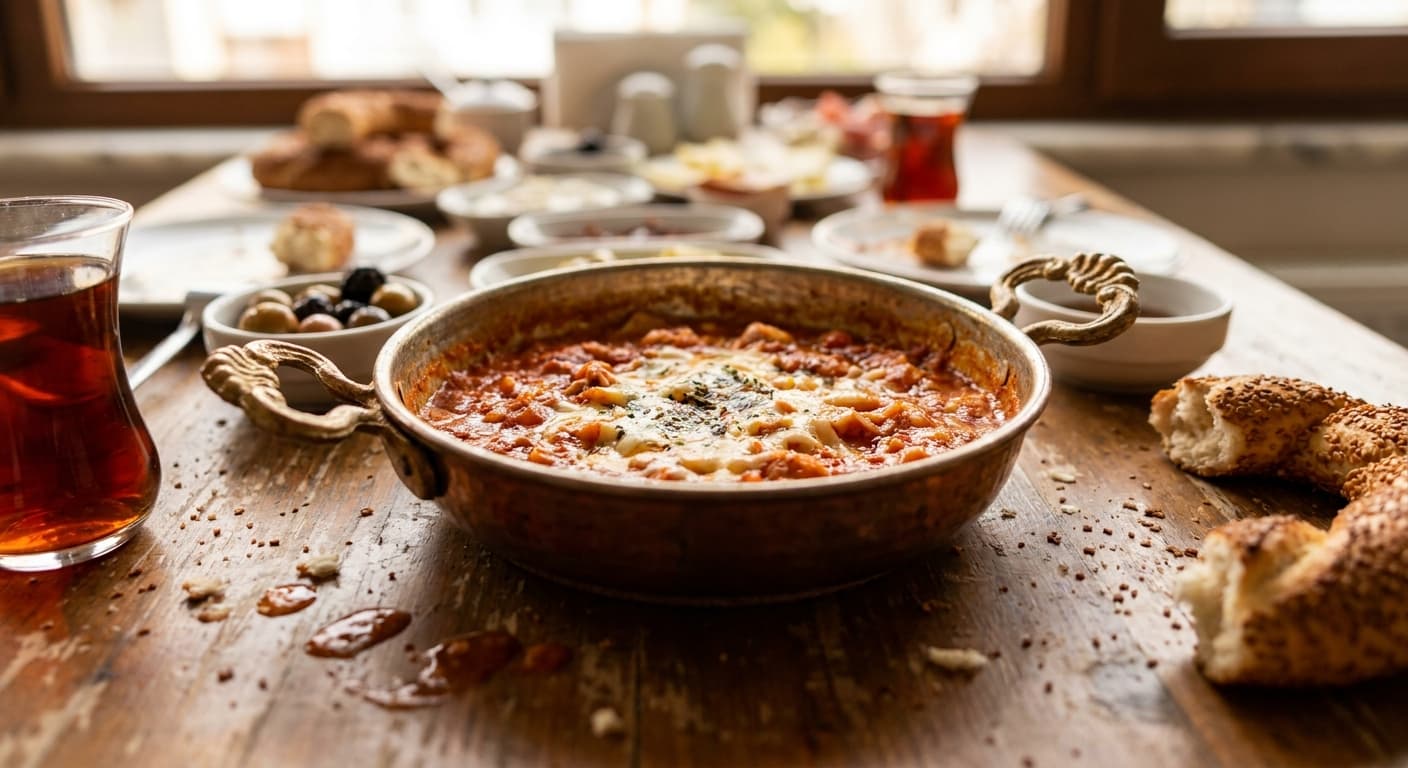
Turkish Menemen (Menemen) — Soft Eggs with Tomatoes and Peppers
Turkish · Main Courses · 37 min
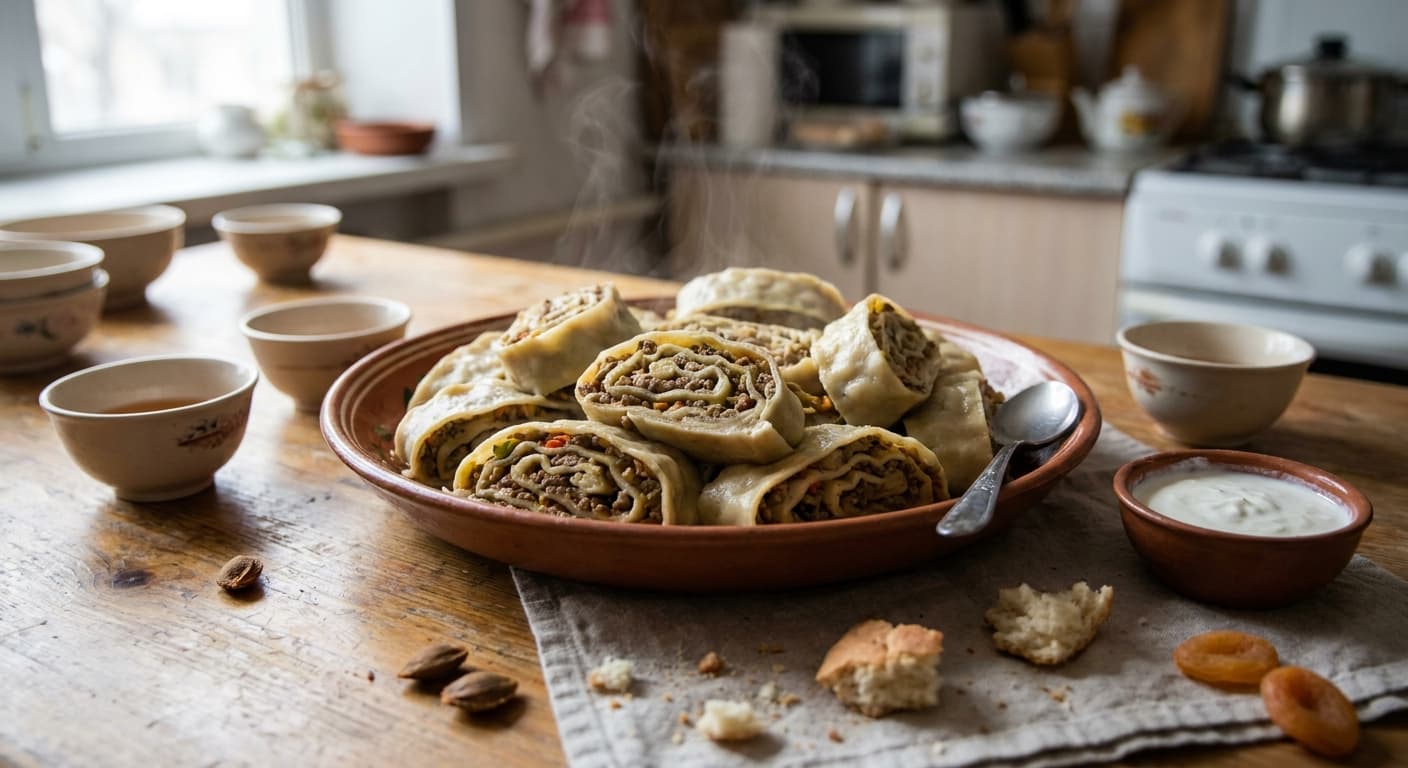
Orromo (Оромо) — Kyrgyz Steamed Rolled Dumpling with Lamb and Pumpkin
Kyrgyz · Main Courses · 105 min
Reviews
Cooked this recipe?
Tap the stars to rate it — that's all it takes. A few words are welcome but optional.
No ratings yet. Cooked this one? Be the first to rate it — it takes one tap.