Kyata (Kətə) — Azerbaijani Sweet Layered Butter Pastry
Kyata is a beloved Azerbaijani baked pastry with delicate layers and a sweet, buttery filling. Often served with black tea, it’s associated with home baking and festive hospitality across the Caucasus.
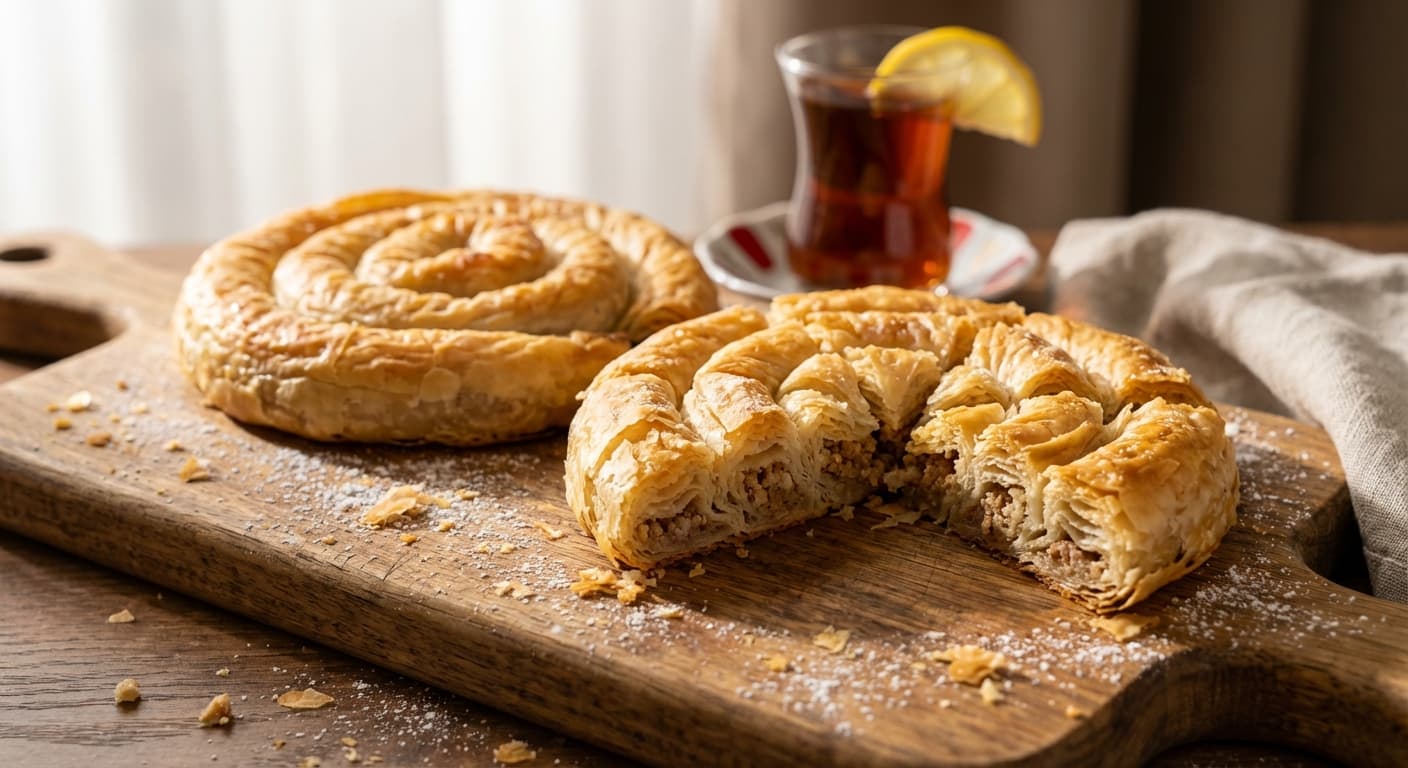
Printable Recipe Card
Servings: 12 · Total: 70 min · Difficulty: medium
Ingredients (quick list)
- 520 g all-purpose flour (plus 20 g for dusting and rolling)
- 4 g fine sea salt (about 3/4 tsp)
- 30 g granulated sugar (about 2 1/2 tbsp)
- 120 g unsalted butter (melted and cooled to lukewarm)
- 240 ml whole milk (lukewarm, about 38°C)
- 7 g instant yeast (1 packet)
- 1 egg (large)
- 180 g powdered sugar (sifted)
- 5 ml vanilla extract (1 tsp)
- 1 egg yolk (for egg wash)
Steps (summary)
- Make the dough base by whisking 520 g flour, salt, and 30 g granulated sugar in a large bowl. Add the yeast, then pour in the l…
- Knead the dough for 8 minutes until smooth and elastic, adding up to 20 g extra flour only if it is sticking heavily to your ha…
- While the dough rises, prepare the sweet filling by rubbing 90 g softened butter into 40 g flour until it looks like damp sand.…
- Turn the risen dough onto a lightly floured surface and divide it into 2 equal pieces for easier lamination. Roll the first pie…
- Spread 90 g of the very soft lamination butter over the entire surface in a thin, even film. Fold the rectangle into thirds lik…
- Roll the laminated dough into a wide rectangle about 30 x 40 cm and sprinkle half of the filling evenly over the surface, press…
+ 3 more steps in the full instructions section below.
Cultural Background
Kyata is a hallmark of Azerbaijani hospitality, commonly baked for guests and tea gatherings, and often appears during celebrations. Its layered structure reflects a regional love for rich butter pastries shaped for sharing and slicing.
Equipment
💡 Tips
- Keep the lamination butter very soft but not melted; melted butter soaks in and reduces flakiness, while soft butter creates clean layers.
- Roll with light pressure and dust minimally with flour to avoid toughening the dough and to keep the layers distinct.
- For the most authentic tea-table texture, let kyata cool to just warm before slicing so the filling sets and the layers don’t compress.
⚠️ Common Mistakes
❌ Using melted butter for lamination, causing greasy, dense pastry.
✅ Fix: Use butter that is very soft and spreadable; if it melts, chill it 5–10 minutes until opaque and creamy again.
❌ Over-flouring while rolling, which makes the dough tough and dulls the layers.
✅ Fix: Dust lightly and brush off excess flour before folding; use a bench scraper to lift dough if it sticks.
❌ Cutting too deep when scoring, letting filling leak and layers separate unevenly.
✅ Fix: Score only the surface to guide expansion; keep the blade shallow and use gentle pressure.
🧊 How to Store
Store kyata in an airtight container at room temperature for up to 3 days to preserve the buttery layers. Reheat in a 160°C oven for 6–8 minutes to refresh crispness, or warm briefly in a dry skillet over low heat for 2–3 minutes per side.
📅 Make Ahead
Prepare the filling up to 2 days ahead and refrigerate it, then bring to cool room temperature so it becomes spreadable. The shaped spirals can be refrigerated overnight, covered, and baked the next day after 30 minutes at room temperature.
🍽️ Pairs Well With
- Strong black tea
- Azerbaijani jam (murabba)
- clotted cream
- fresh walnuts.
Regional Variations
- Nakhchivan-style kyata is often shaped thicker with a more pronounced sweet crumb filling and deeper scoring patterns.
- Some Baku home versions add 1 g ground cardamom or 0.5 g ground cinnamon to the filling for a warmer aroma.
- In some households, the pastry is rolled into a long log and cut into rounds before baking instead of coiling into spirals.
Ingredients
- 520 gall-purpose flour (plus 20 g for dusting and rolling)
- 4 gfine sea salt (about 3/4 tsp)
- 30 ggranulated sugar (about 2 1/2 tbsp)
- 120 gunsalted butter (melted and cooled to lukewarm)
- 240 mlwhole milk (lukewarm, about 38°C)
- 7 ginstant yeast (1 packet)
- 1egg (large)
- 180 gpowdered sugar (sifted)
- 5 mlvanilla extract (1 tsp)
- 1egg yolk (for egg wash)
🔄 Substitutions
- whole milk→ 2% milk
- vanilla extract→ ground cardamom
- instant yeast→ active dry yeast
Instructions
- 1
Make the dough base by whisking 520 g flour, salt, and 30 g granulated sugar in a large bowl. Add the yeast, then pour in the lukewarm milk, melted butter, and the egg, mixing until a shaggy dough forms and no dry flour remains.
- 2
Knead the dough for 8 minutes until smooth and elastic, adding up to 20 g extra flour only if it is sticking heavily to your hands. Cover the bowl and let the dough rise at room temperature for 60 minutes, or until it has visibly puffed and springs back slowly when pressed.
- 3
While the dough rises, prepare the sweet filling by rubbing 90 g softened butter into 40 g flour until it looks like damp sand. Add the powdered sugar and vanilla and mix until evenly combined and fluffy, then set it aside at cool room temperature so it stays spreadable.
- 4
Turn the risen dough onto a lightly floured surface and divide it into 2 equal pieces for easier lamination. Roll the first piece into a thin rectangle about 35 x 45 cm, keeping the thickness as even as possible so the layers bake uniformly.
- 5
Spread 90 g of the very soft lamination butter over the entire surface in a thin, even film. Fold the rectangle into thirds like a letter, rotate it 90 degrees, then roll it again into a rectangle and fold into thirds once more to build distinct layers.
- 6
Roll the laminated dough into a wide rectangle about 30 x 40 cm and sprinkle half of the filling evenly over the surface, pressing lightly so it adheres. Starting from the long side, roll the dough into a tight log, then coil it into a spiral and tuck the end underneath to prevent unraveling.
- 7
Repeat the lamination and filling process with the second piece of dough using the remaining 90 g lamination butter and the remaining filling. Place both spirals on a parchment-lined baking tray, leaving at least 6 cm between them, and cover loosely for a 20-minute rest so the dough relaxes.
- 8
Preheat the oven to 190°C and gently flatten each spiral with your palm to about 3 cm thickness, keeping the round shape intact. Whisk the egg yolk with 15 ml milk and brush a thin, even layer over the tops, then score a shallow crosshatch pattern with a knife without cutting through the pastry.
- 9
Bake for 25–30 minutes until deeply golden on top and lightly browned at the edges, rotating the tray once for even color. Cool on the tray for 15 minutes to set the layers, then transfer to a rack and slice into wedges or bars once warm rather than hot.
🪪 Recipe Passport
Cultural Background
Kyata is a hallmark of Azerbaijani hospitality, commonly baked for guests and tea gatherings, and often appears during celebrations. Its layered structure reflects a regional love for rich butter pastries shaped for sharing and slicing.
Regional Variations
Researched from multiple sources and validated by the Zaffaron editorial team. Every recipe is tested for accuracy, measurements, and cultural authenticity.
Nutrition per serving
Pairs well with
If you enjoyed this recipe, here are a few related Zaffaron recipes to try next.
Does your family make this differently?
Every family has their own version. Maybe your grandmother adds a secret ingredient, or your aunt has a completely different technique. Preserve your family's version — with their name on it, forever.
You Might Also Like
Kuku Sabzi (کوکو سبزی) — Azerbaijani Herb Frittata Packed with Greens
Azerbaijani · Main Courses · 50 min
Kuku Sabzi (کؤکو) — Azerbaijani Herb Omelet Fried in a Pan
Azerbaijani · Main Courses · 38 min
Three Sisters Dolma (Üç Bacı Dolması) — Eggplant, pepper, and tomato dolma cooked in one pot
Azerbaijani · Main Courses · 105 min

Kakigori (かき氷) — Japanese Shaved Ice with Strawberry Syrup
Japanese · Desserts · 50 min
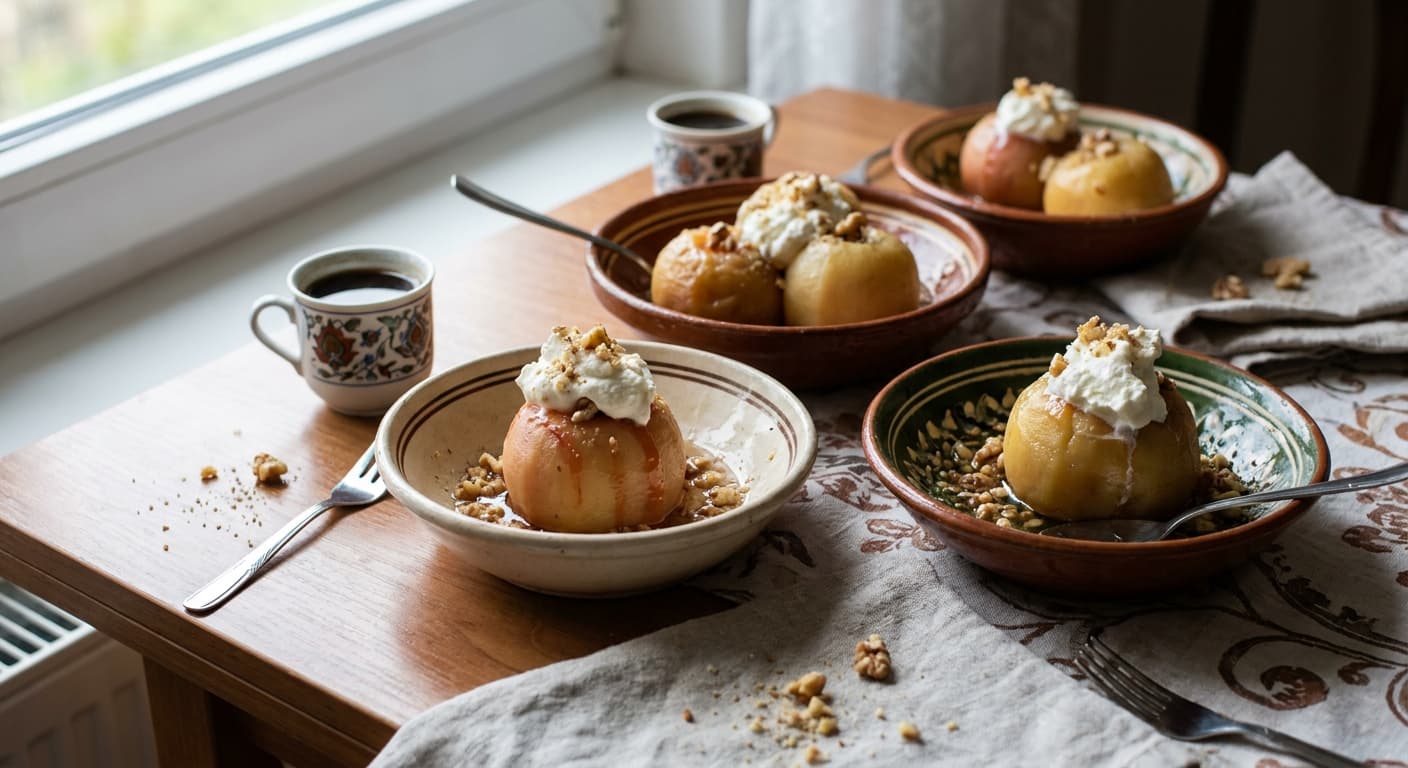
Tufahije (Tufahije) — Bosnian Walnut-Stuffed Poached Apples
Bosnian · Desserts · 50 min
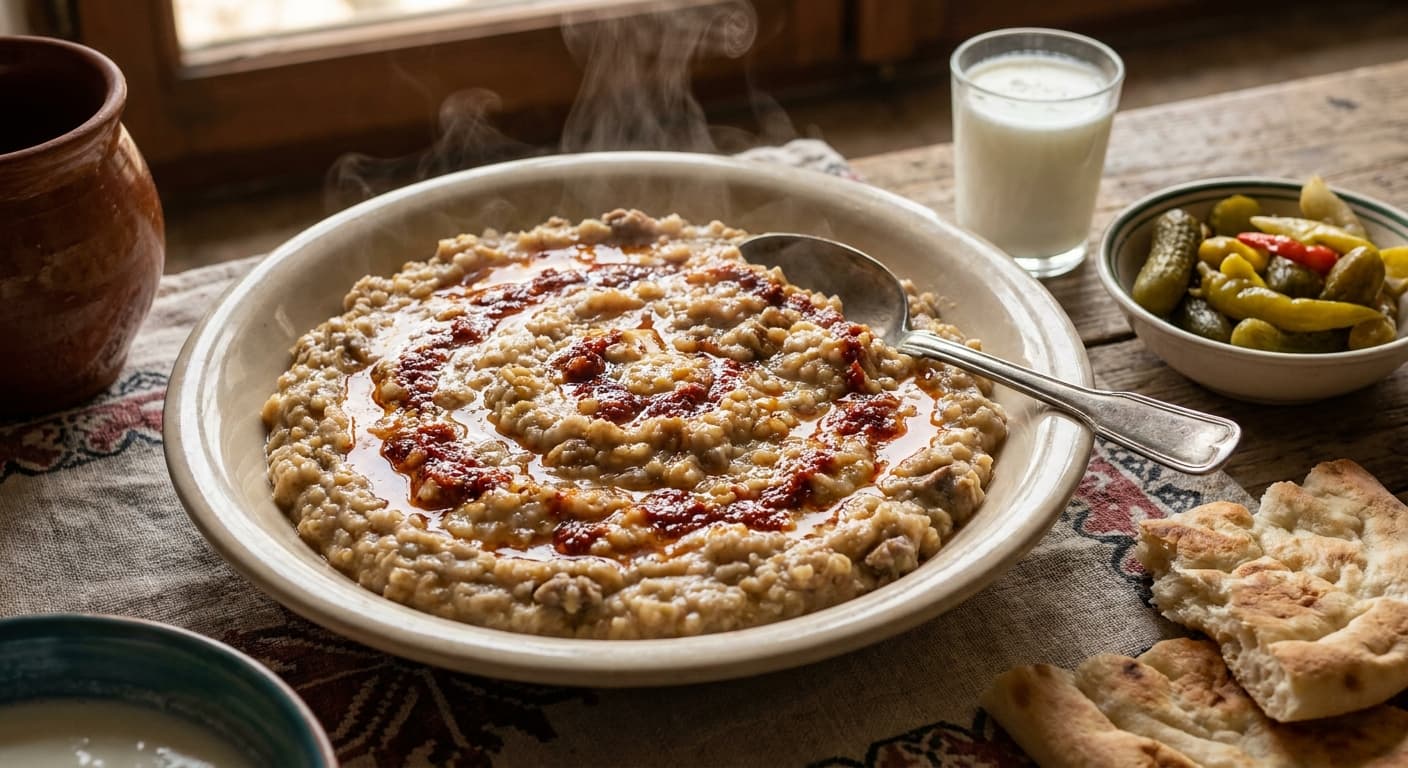
Keshkek (Keşkek) — Creamy Ceremonial Wheat and Lamb Stew
Turkish · Stews · 240 min
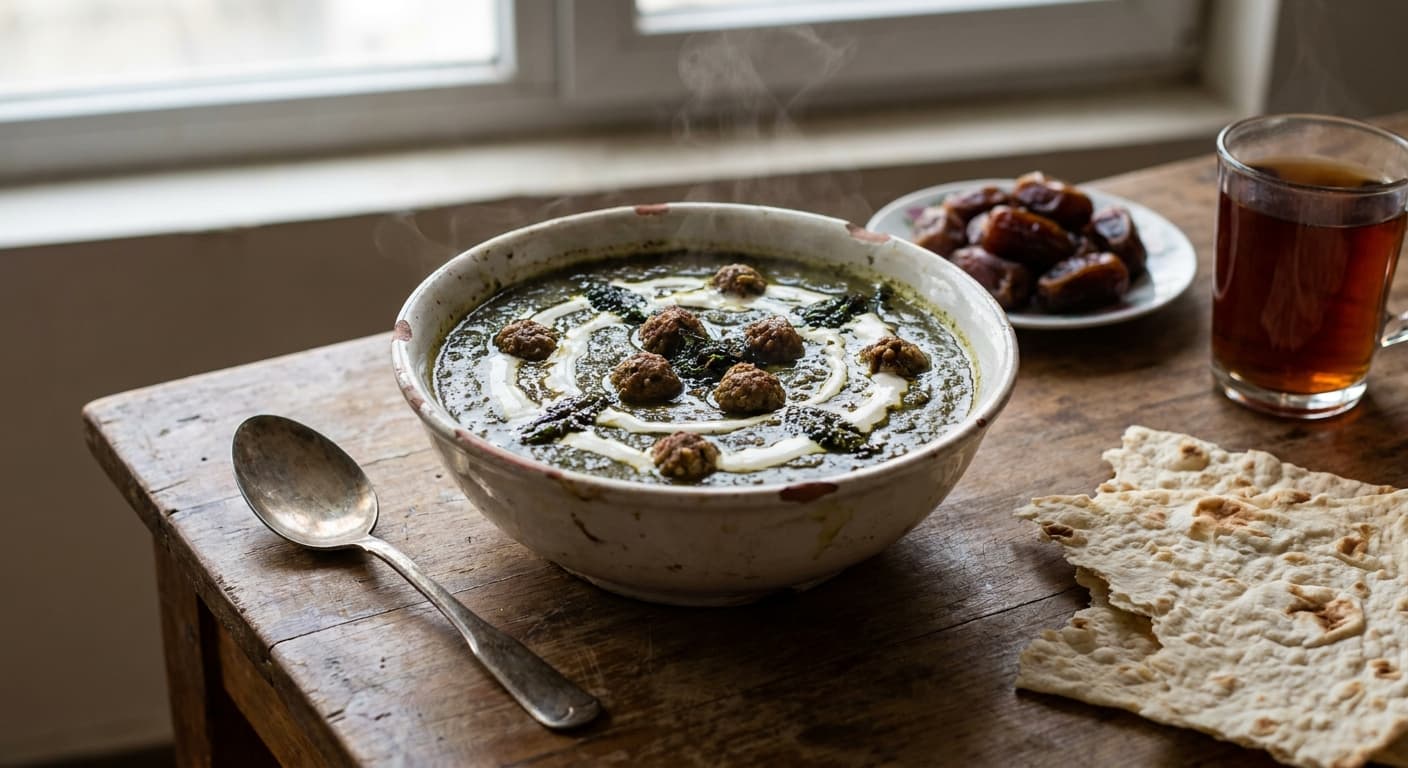
Ash-e Sak (آش ساک) — Golestani Spinach, Legume, and Meatball Soup
Persian · Soups · 175 min
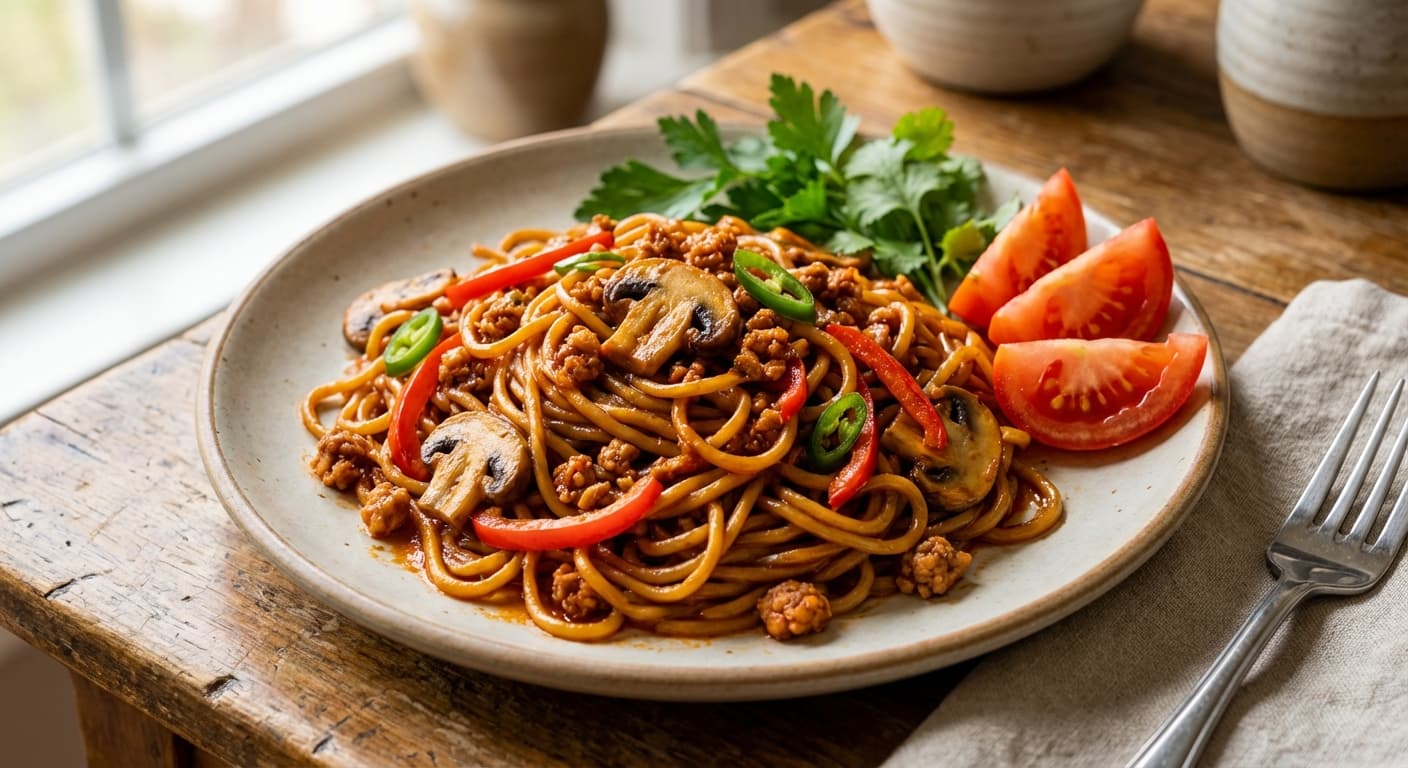
Noodles with Soy and Peppers (نودل با سویا و فلفل) — Persian-Style Spicy Tomato Soy Noodle Stir-Fry
Persian · Main Courses · 40 min
Reviews
Cooked this recipe?
Tap the stars to rate it — that's all it takes. A few words are welcome but optional.
No ratings yet. Cooked this one? Be the first to rate it — it takes one tap.