Bibikkan (බිබික්කන්) — Sri Lankan Coconut and Jaggery Cake
Bibikkan is a dense Sri Lankan coconut cake enriched with kithul jaggery, dried fruit and fragrant spices. Freshly grated coconut and Ceylon cinnamon give this festive teatime cake its characteristic richness and warmth.
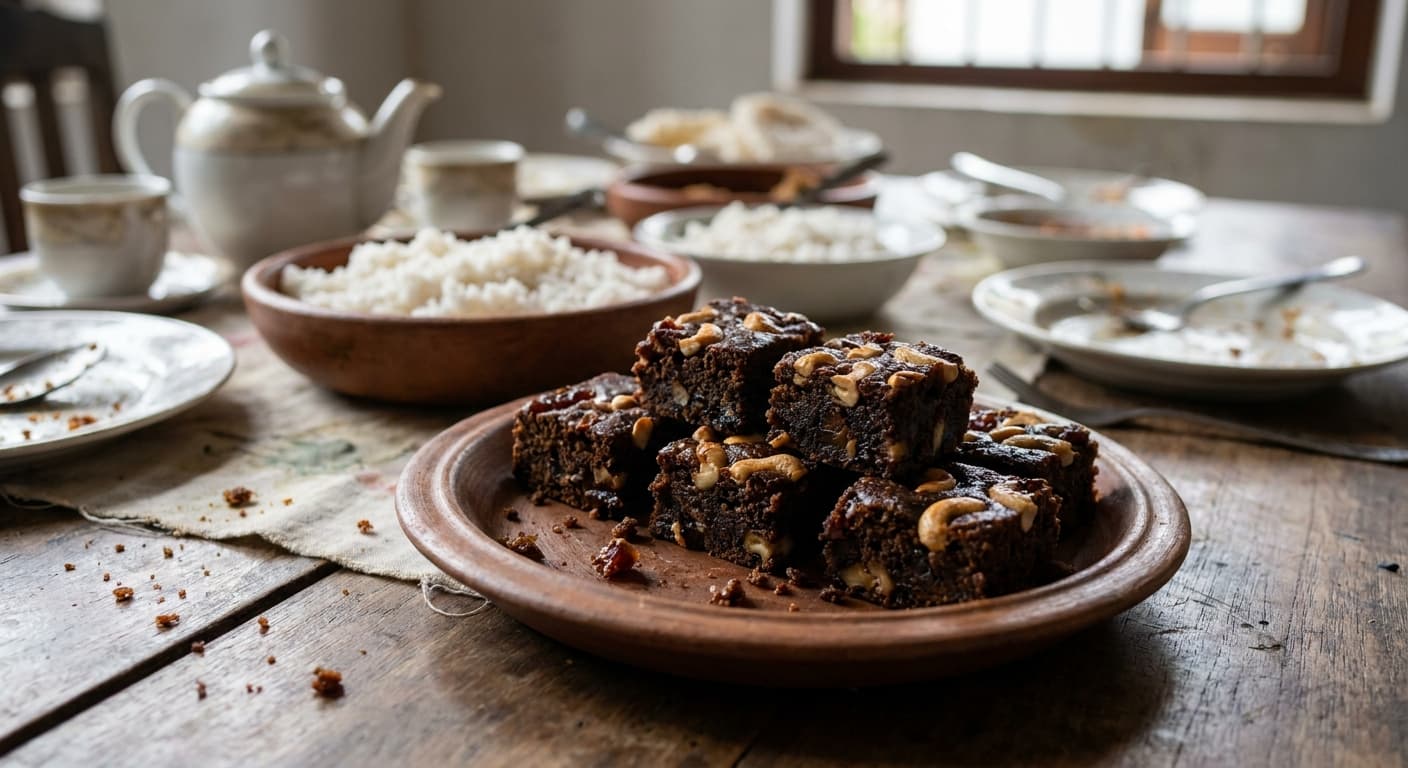
Printable Recipe Card
Servings: 16 · Total: 120 min · Difficulty: medium
Ingredients (quick list)
- 400 g freshly grated mature coconut (Grate finely; exclude the hard shell.)
- 300 g kithul jaggery (Chop finely; dark palm jaggery gives the characteristic flavor.)
- 150 ml water
- 150 g fine semolina
- 75 g white rice flour (Use ordinary rice flour, not glutinous rice flour.)
- 2 large eggs (Approximately 100 g without shells, at room temperature.)
- 1 tsp baking powder
- 0.5 tsp fine salt
- 100 g pitted dates (Chop into 5 mm dice.)
- 50 g raisins
- 50 g raw cashews (Chop coarsely.)
- 75 g Sri Lankan pumpkin preserve (Sweet preserved pumpkin or ash gourd; drain off loose syrup, then chop finely.)
+ 6 more in the full ingredients section below.
Steps (summary)
- Heat the oven to 170°C conventional or 150°C fan. Grease a 20 cm square cake pan at least 5 cm deep with the coconut oil, then…
- Place the semolina in a dry frying pan over medium-low heat. Stir continuously for 4–5 minutes, until fragrant and very lightly…
- Combine the jaggery and 150 ml water in a heavy saucepan and heat gently for 4–5 minutes, stirring until dissolved. Pour the sy…
- Add the grated coconut to the syrup and cook over medium-low heat for 8–10 minutes, stirring frequently. Stop when the coconut…
- Remove the saucepan from the heat and stir in the dates, raisins, cashews, pumpkin preserve and crystallized ginger. Add the Ce…
- Whisk the eggs in a separate bowl until evenly combined, then stir them thoroughly into the cooled coconut mixture. Mix the toa…
+ 2 more steps in the full instructions section below.
Cultural Background
Bibikkan belongs to Sri Lanka's coconut-and-jaggery sweet tradition and appears at Sinhala and Tamil New Year tables as well as teatime. Charmaine Solomon's The Complete Asian Cookbook provides broader context for Sri Lankan cooking; household cake formulas vary.
Equipment
💡 Tips
- Use mature coconut rather than tender young coconut; its firm flesh provides the cake's characteristic chew.
- Cool the cooked coconut mixture below 40°C before adding the eggs so they do not coagulate on contact.
- For cleaner slices and a more integrated spice flavor, refrigerate the cooled, wrapped cake overnight and bring individual portions to room temperature before serving.
⚠️ Common Mistakes
❌ Cooking the coconut mixture until it becomes dry or candy-like.
✅ Fix: Stop as soon as the loose syrup has been absorbed and the coconut remains moist. Excessive reduction makes the finished cake hard.
❌ Adding eggs while the coconut mixture is hot.
✅ Fix: Spread the mixture in a wide bowl and cool below 40°C before incorporating the beaten eggs.
❌ Expecting a clean, dry skewer like a sponge cake.
✅ Fix: Look for a set center and no wet batter. Moist coconut crumbs or a smear from a date are normal.
❌ Cutting the cake while warm.
✅ Fix: Cool completely before slicing. The coconut, fruit and flour need time to settle into a cohesive crumb.
🧊 How to Store
Cool completely before storing airtight. Because this cake contains fresh coconut, refrigerate for up to 5 days or freeze individually wrapped squares for up to 2 months. Thaw overnight in the refrigerator and bring to room temperature for 30 minutes before serving.
📅 Make Ahead
Chop the fruit and cashews and grind the spices up to 2 days ahead, storing them separately airtight. Bake the cake 1 day before serving, cool fully and refrigerate wrapped to let its flavor develop.
🍽️ Pairs Well With
- Ceylon black tea
- Sri Lankan milk tea
- Unsweetened coffee
Regional Variations
- Sri Lankan household versions vary in their use of rice flour, wheat flour and toasted semolina; this version combines rice flour with semolina.
- Eggless household versions also exist, producing a different texture from this egg-enriched cake.
- Preserved pumpkin, dates, raisins, cashews and candied peel appear in different combinations according to family preference and availability.
Ingredients
- 400 gfreshly grated mature coconut (Grate finely; exclude the hard shell.)
- 300 gkithul jaggery (Chop finely; dark palm jaggery gives the characteristic flavor.)
- 150 mlwater
- 150 gfine semolina
- 75 gwhite rice flour (Use ordinary rice flour, not glutinous rice flour.)
- 2large eggs (Approximately 100 g without shells, at room temperature.)
- 1 tspbaking powder
- 0.5 tspfine salt
- 100 gpitted dates (Chop into 5 mm dice.)
- 50 graisins
- 50 graw cashews (Chop coarsely.)
- 75 gSri Lankan pumpkin preserve (Sweet preserved pumpkin or ash gourd; drain off loose syrup, then chop finely.)
- 25 gcrystallized ginger (Chop finely.)
- 0.5 tspground Ceylon cinnamon
- 4 podgreen cardamom (Remove the husks and finely grind the seeds.)
- 0.5 tspfennel seeds (Grind finely.)
- 0.13 tspground cloves
- 1 tspcoconut oil
🔄 Substitutions
- kithul jaggery→ 300 g dark coconut-palm jaggery
- freshly grated mature coconut→ 400 g frozen grated mature coconut
- Sri Lankan pumpkin preserve→ 75 g candied citrus peel
Instructions
- 1
Heat the oven to 170°C conventional or 150°C fan. Grease a 20 cm square cake pan at least 5 cm deep with the coconut oil, then line the base and sides with baking parchment.
- 2
Place the semolina in a dry frying pan over medium-low heat. Stir continuously for 4–5 minutes, until fragrant and very lightly golden, then transfer to a bowl to cool.
- 3
Combine the jaggery and 150 ml water in a heavy saucepan and heat gently for 4–5 minutes, stirring until dissolved. Pour the syrup through a fine sieve into a heatproof bowl to remove any grit, then return it to the cleaned saucepan.
- 4
Add the grated coconut to the syrup and cook over medium-low heat for 8–10 minutes, stirring frequently. Stop when the coconut is evenly darkened and moist, with no separate pool of syrup remaining; do not cook it into a dry, sticky confection.
- 5
Remove the saucepan from the heat and stir in the dates, raisins, cashews, pumpkin preserve and crystallized ginger. Add the Ceylon cinnamon, ground cardamom seeds, fennel and cloves, then spread the mixture in a large mixing bowl and cool for approximately 20 minutes, until below 40°C.
- 6
Whisk the eggs in a separate bowl until evenly combined, then stir them thoroughly into the cooled coconut mixture. Mix the toasted semolina, rice flour, baking powder and salt together, then fold them into the coconut mixture to make a thick, evenly distributed batter.
- 7
Scrape the batter into the prepared pan and level the surface with a spatula. Bake on the middle shelf for 55–65 minutes, until the top is deep brown, the center feels set and a skewer inserted away from a fruit pocket emerges without wet batter; loosely cover with foil after 40 minutes if the surface is darkening too quickly.
- 8
Cool the cake in its pan for 30 minutes, then lift it onto a rack using the parchment and leave for at least 2 hours, until completely cool. Cut into 16 squares with a sharp knife, wiping the blade between cuts; expect a moist, close-textured cake rather than a light sponge.
🪪 Recipe Passport
Cultural Background
Bibikkan belongs to Sri Lanka's coconut-and-jaggery sweet tradition and appears at Sinhala and Tamil New Year tables as well as teatime. Charmaine Solomon's The Complete Asian Cookbook provides broader context for Sri Lankan cooking; household cake formulas vary.
Regional Variations
Researched from multiple sources and validated by the Zaffaron editorial team. Every recipe is tested for accuracy, measurements, and cultural authenticity.
📚 Sources & Cultural References
- Charmaine Solomon — The Complete Asian Cookbook — (1976)
Sources cited by the Zaffaron editorial team during recipe research. Cultural and culinary references supporting authenticity claims.
Nutrition per serving
Pairs well with
If you enjoyed this recipe, here are a few related Zaffaron recipes to try next.
Does your family make this differently?
Every family has their own version. Maybe your grandmother adds a secret ingredient, or your aunt has a completely different technique. Preserve your family's version — with their name on it, forever.
You Might Also Like
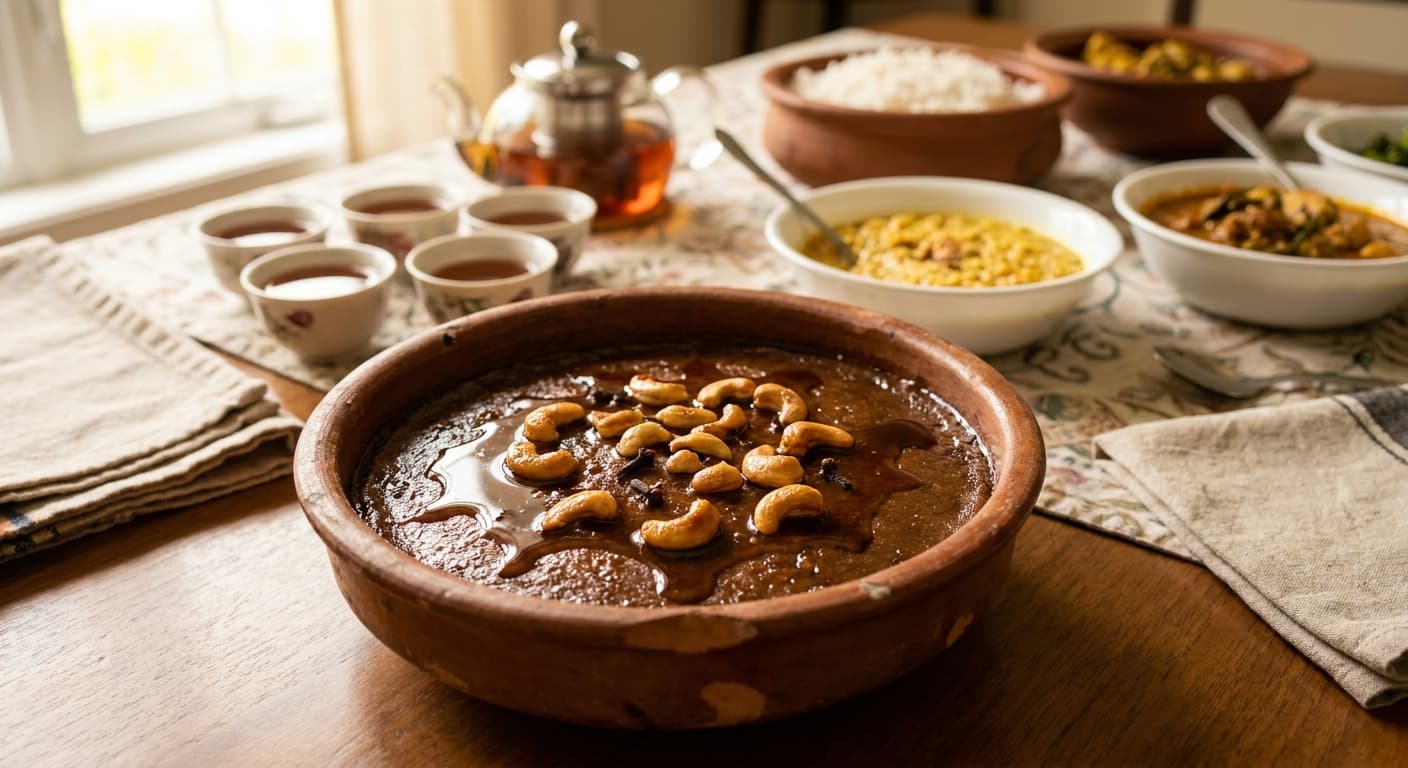
Watalappan (වටලප්පන්) — Sri Lankan Coconut Jaggery Custard
Sri lankan · Desserts · 70 min
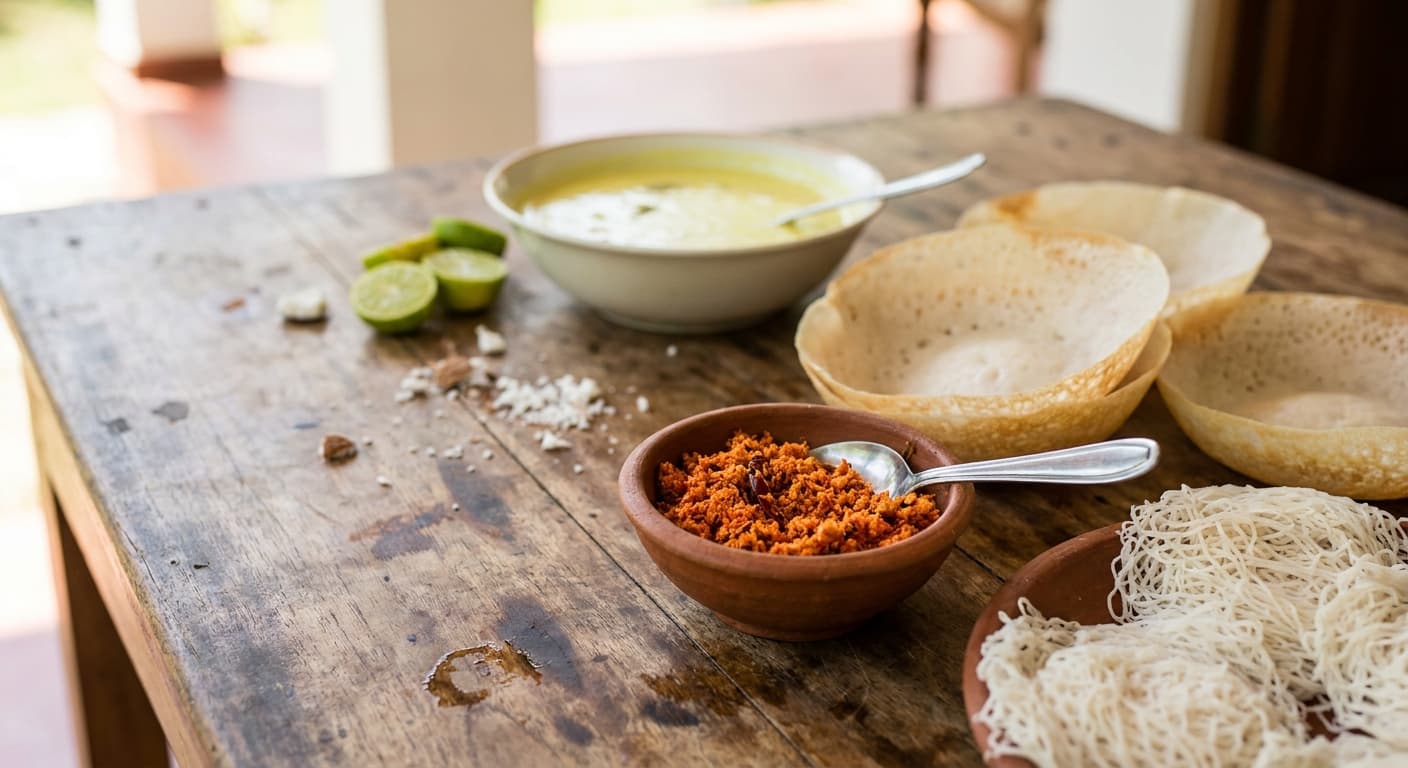
Pol Sambol (පොල් සම්බෝල) — Sri Lankan Coconut Chili Relish
Sri lankan · Side Dishes · 15 min
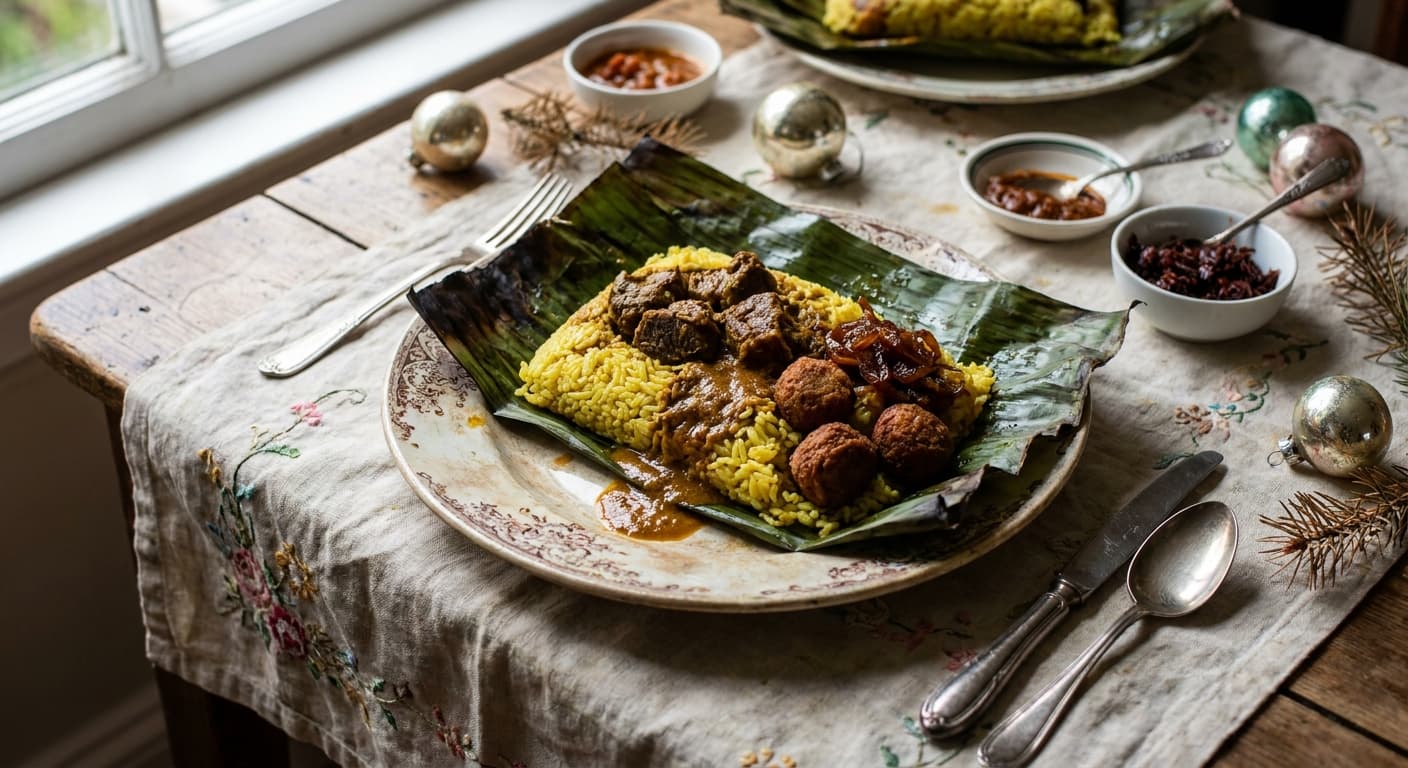
Lamprais (ලම්ප්රයිස්) — Banana-Leaf Burgher Rice Parcel
Sri lankan · Main Courses · 240 min
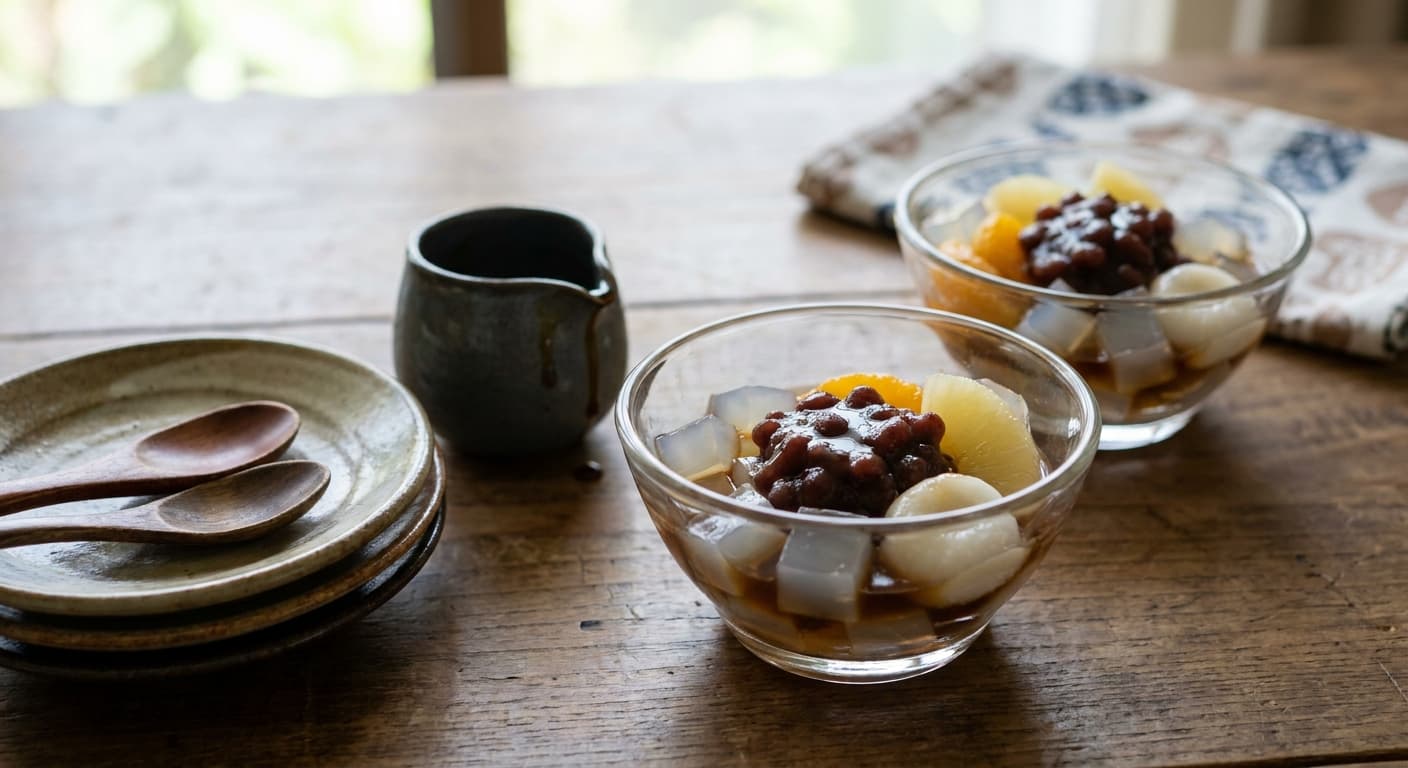
Anmitsu (あんみつ) — Kanten Jelly Dessert with Red Bean Paste
Japanese · Desserts · 55 min

Kakigori (かき氷) — Japanese Shaved Ice with Strawberry Syrup
Japanese · Desserts · 50 min
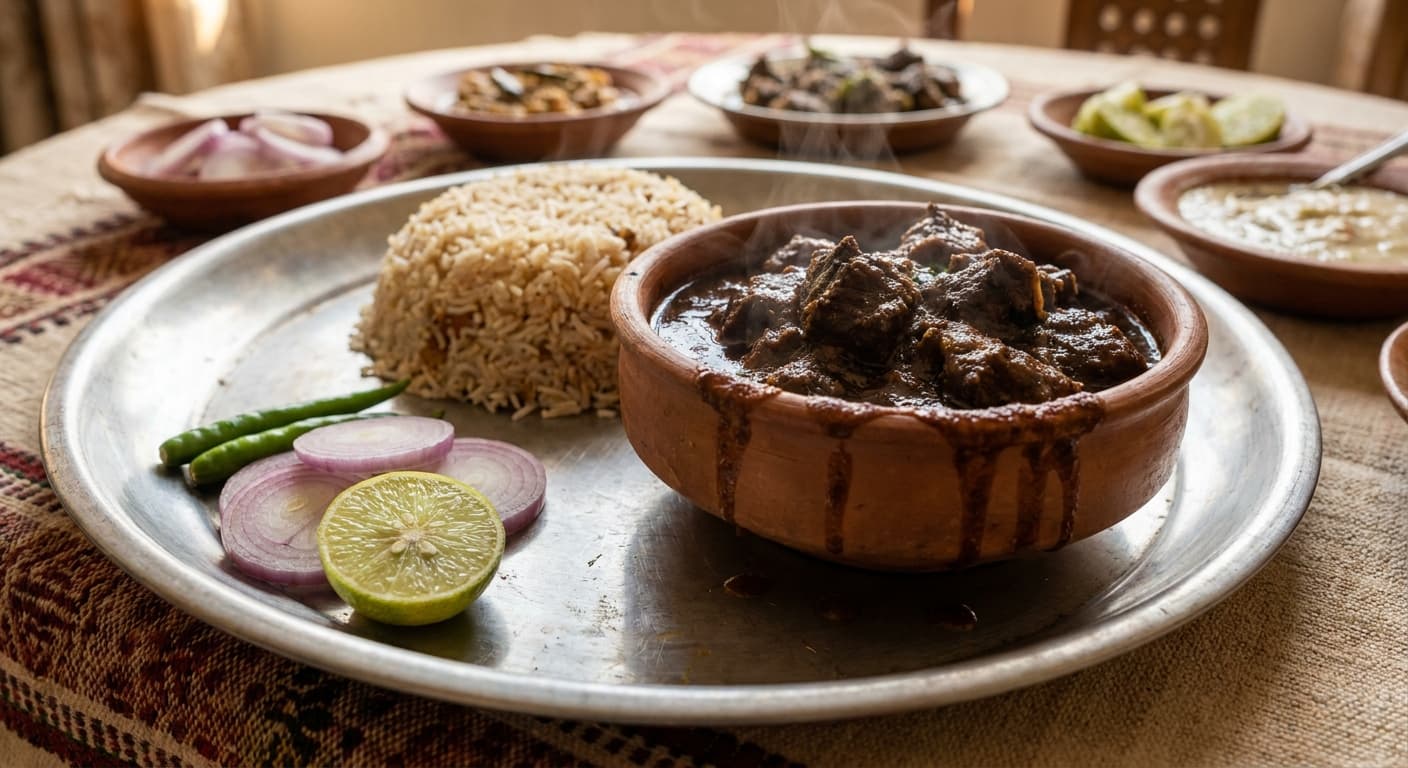
Kala Bhuna (কালা ভুনা) — Chittagong Dark Beef Bhuna
Bangladeshi · Main Courses · 175 min
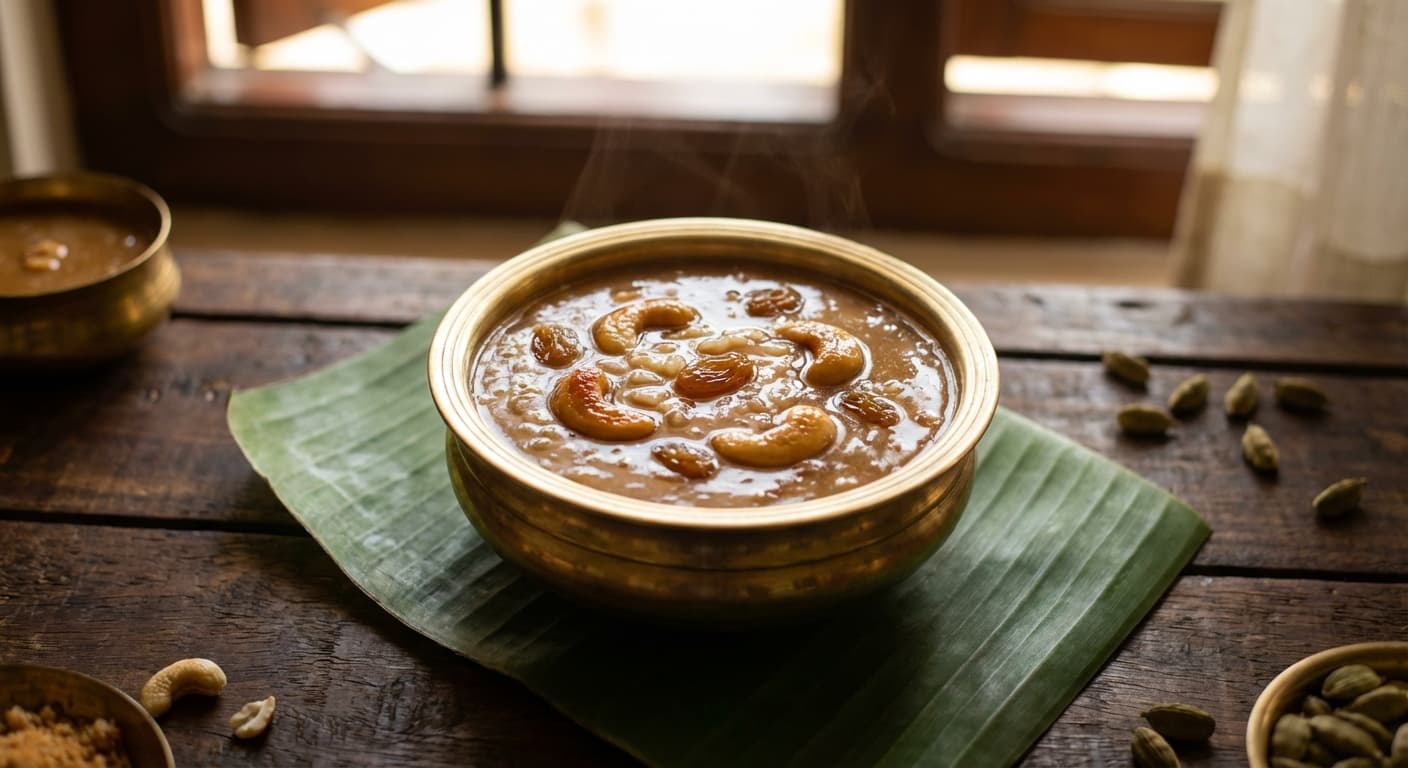
Jaggery Payasam (പായസം) — South Indian milk dessert with ghee and cardamom
Indian · Desserts · 45 min
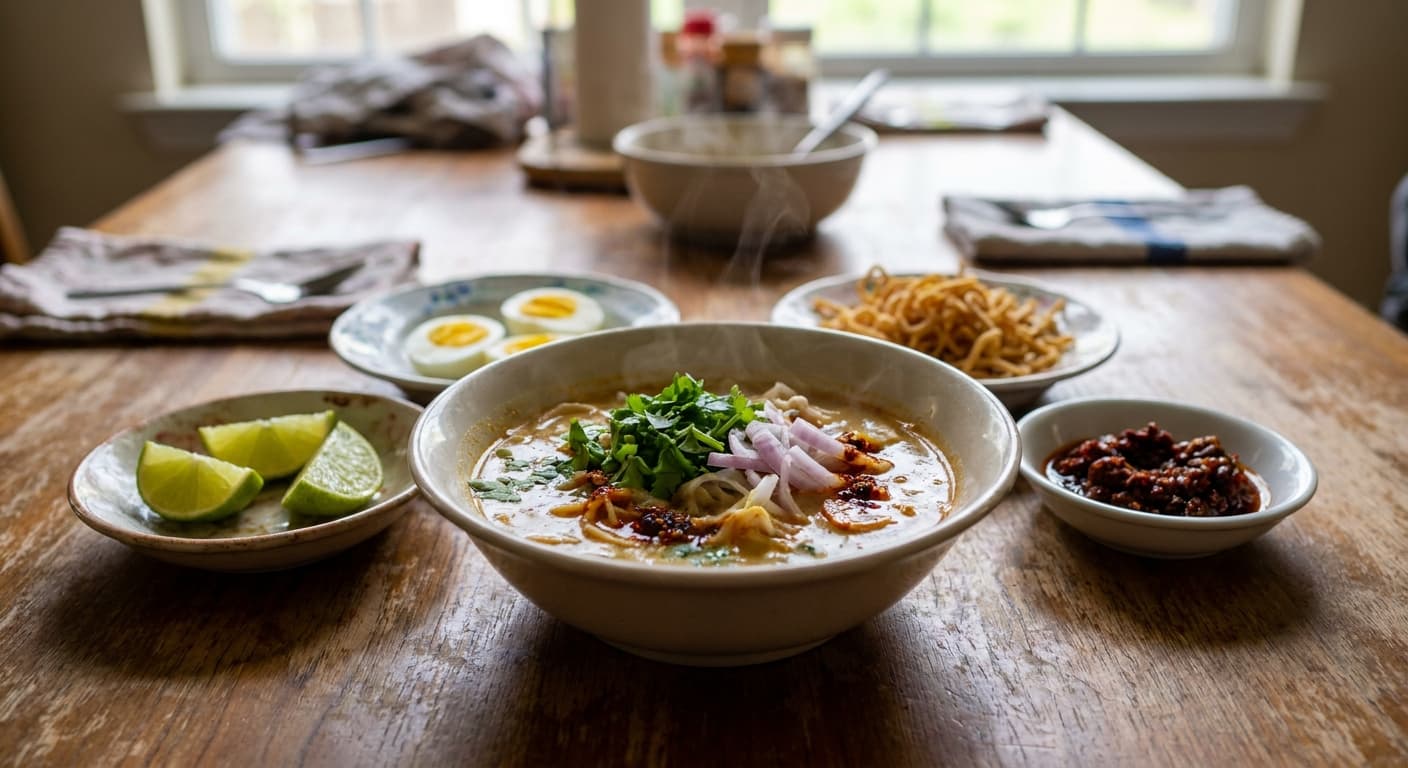
Ohn No Khao Swe (အုန်းနို့ခေါက်ဆွဲ) — Burmese Coconut Chicken Noodles
Burmese · Main Courses · 75 min
Reviews
Cooked this recipe?
Tap the stars to rate it — that's all it takes. A few words are welcome but optional.
No ratings yet. Cooked this one? Be the first to rate it — it takes one tap.