Kurumi Shiruko (くるみ汁粉) — Sendai-Style Sweet Walnut Azuki Soup with Mochi
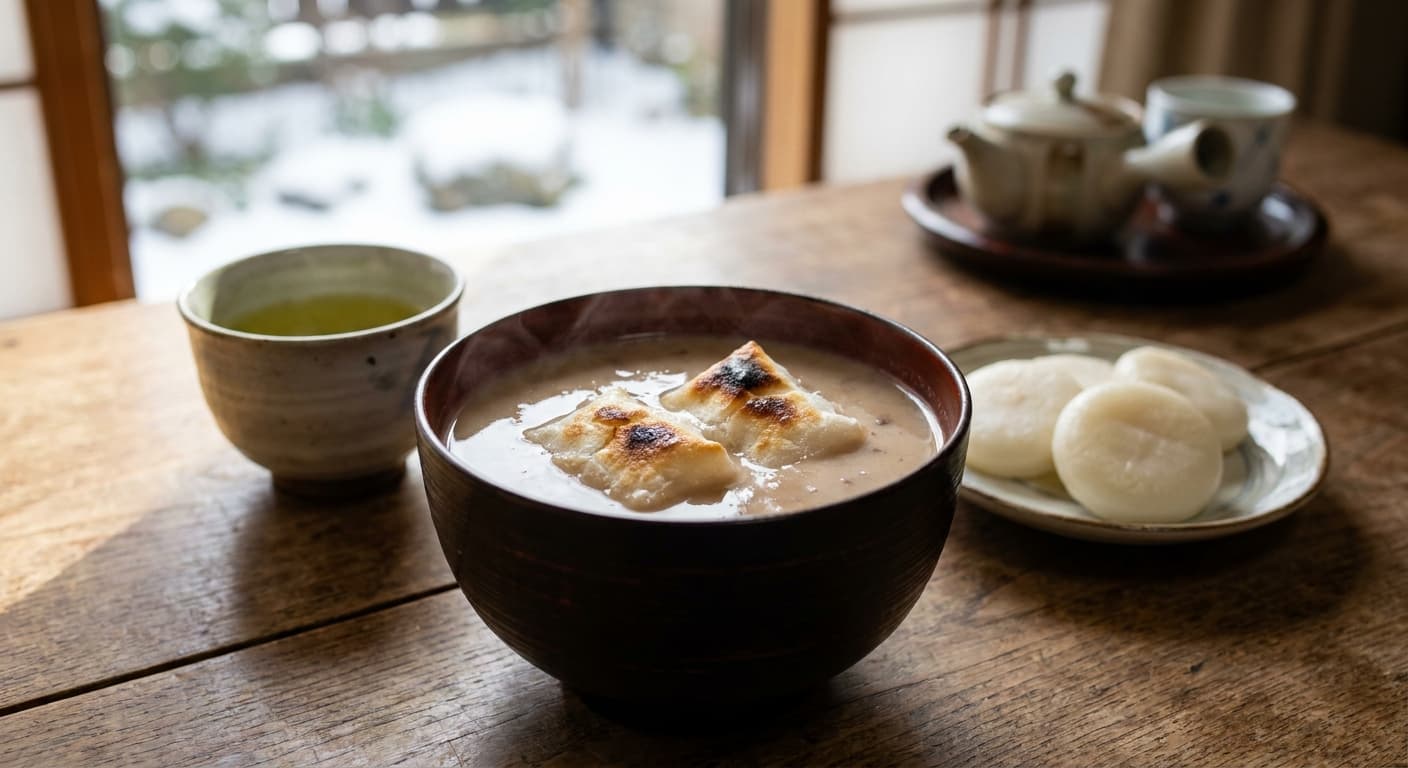
Kurumi shiruko is a winter sweet from the Tohoku and Sendai area, where roasted walnuts are ground into a rich paste and folded into warm azuki bean soup. Toasted mochi makes it hearty, fragrant, and deeply regional.
Printable Recipe Card
Servings: 4 · Total: 120 min · Difficulty: medium
Ingredients (quick list)
- 180 g dried azuki beans
- 1000 ml water (for the first blanching boil)
- 120 g granulated sugar
- 2 g fine sea salt
- 100 g raw walnuts
- 240 ml hot water
- 4 kirimochi mochi blocks (about 50 g each)
- 20 g toasted chopped walnuts
Steps (summary)
- Sort the azuki beans carefully and discard any small stones, cracked beans, or discolored beans. Rinse them under cold running…
- Bring the beans to a full boil over medium-high heat and boil for 5 minutes to remove harsh tannins. Drain the beans through a…
- Add 1400 ml fresh water to the drained beans and bring to a gentle boil. Reduce the heat to low, partially cover the pan, and s…
- Stir 120 g sugar into the softened beans in three 40 g additions, simmering for 3 minutes after each addition so the beans abso…
- While the beans cook, toast the raw walnuts in a 160 C oven for 10 minutes, shaking the tray once halfway through. Cool them fo…
- Blend 500 ml of the cooked azuki soup until smooth, then return it to the pan to give the shiruko body while leaving many beans…
+ 1 more steps in the full instructions section below.
Cultural Background
In Miyagi and the wider Tohoku region, walnuts are used in sweets and mochi dishes because they store well through cold winters. Kurumi shiruko reflects that northern pantry tradition by enriching familiar azuki soup with roasted nut paste.
Equipment
💡 Tips
- Do not add sugar until the azuki beans are fully tender, because early sugar can firm the bean skins and lengthen the cooking time.
- Grind the walnuts while they are still faintly warm for a smoother paste and a fuller roasted aroma.
- Keep the final simmer gentle, because walnut paste can separate or scorch if the soup boils hard.
⚠️ Common Mistakes
❌ Adding sugar before the beans are tender.
✅ Fix: Simmer the azuki until they crush easily between your fingers, then add the sugar in measured additions.
❌ Leaving the walnut paste coarse and gritty.
✅ Fix: Grind the toasted walnuts with hot water for at least 2 minutes in a food processor, or work them thoroughly in a suribachi.
❌ Boiling the soup hard after the walnut paste is added.
✅ Fix: Use low heat and stir frequently so the walnut solids stay suspended and do not scorch.
🧊 How to Store
Store leftover soup without mochi in an airtight container in the refrigerator for up to 3 days. Reheat gently over low heat with 30 ml water per serving, stirring often. Toast fresh mochi just before serving.
📅 Make Ahead
Cook the azuki soup and prepare the walnut paste 1 day ahead, then refrigerate them separately. Combine and simmer them together just before serving, and toast the mochi at the last minute.
🍽️ Pairs Well With
- Hot green tea
- hojicha
- pickled ume
- fresh mandarin segments.
Regional Variations
- Some Sendai home versions use a smoother strained azuki base so the walnut flavor is more prominent.
- In parts of Tohoku, a thicker walnut sauce is served over mochi rather than thinned into a soup.
- Households that prefer a rustic texture leave most of the azuki beans whole and grind the walnuts slightly coarser.
Ingredients
- 180 gdried azuki beans
- 1000 mlwater (for the first blanching boil)
- 120 ggranulated sugar
- 2 gfine sea salt
- 100 graw walnuts
- 240 mlhot water
- 4kirimochi mochi blocks (about 50 g each)
- 20 gtoasted chopped walnuts
🔄 Substitutions
- raw walnuts→ 100 g unsalted roasted walnuts
- dried azuki beans→ 400 g prepared tsubu-an plus 500 ml water
- kirimochi mochi blocks→ 200 g plain fresh mochi cut into 4 equal portions
Instructions
- 1
Sort the azuki beans carefully and discard any small stones, cracked beans, or discolored beans. Rinse them under cold running water until the water runs clear, then place them in a saucepan with 1000 ml water.
- 2
Bring the beans to a full boil over medium-high heat and boil for 5 minutes to remove harsh tannins. Drain the beans through a fine-mesh sieve, rinse the saucepan, and return the beans to the clean pan.
- 3
Add 1400 ml fresh water to the drained beans and bring to a gentle boil. Reduce the heat to low, partially cover the pan, and simmer for 60 to 75 minutes, stirring every 15 minutes, until the beans are soft enough to crush easily between two fingers.
- 4
Stir 120 g sugar into the softened beans in three 40 g additions, simmering for 3 minutes after each addition so the beans absorb the sweetness without tightening. Add 2 g fine sea salt and simmer for 5 minutes more, keeping the soup loose and spoonable.
- 5
While the beans cook, toast the raw walnuts in a 160 C oven for 10 minutes, shaking the tray once halfway through. Cool them for 5 minutes, then grind them with 240 ml hot water and 25 g sugar in a food processor or suribachi until the paste is as smooth as possible.
- 6
Blend 500 ml of the cooked azuki soup until smooth, then return it to the pan to give the shiruko body while leaving many beans whole. Stir in the walnut paste and 200 ml water, then simmer over low heat for 8 minutes, stirring often so the walnut solids do not catch on the bottom.
- 7
Toast the kirimochi in a toaster oven at 220 C for 6 to 8 minutes, until puffed, lightly blistered, and golden in spots. Ladle the hot walnut-azuki soup into 4 bowls, place 1 toasted mochi block in each bowl, and sprinkle each serving with 5 g toasted chopped walnuts.
🪪 Recipe Passport
Cultural Background
In Miyagi and the wider Tohoku region, walnuts are used in sweets and mochi dishes because they store well through cold winters. Kurumi shiruko reflects that northern pantry tradition by enriching familiar azuki soup with roasted nut paste.
Regional Variations
Researched from multiple sources and validated by the Zaffaron editorial team. Every recipe is tested for accuracy, measurements, and cultural authenticity.
📚 Sources & Cultural References
- Shizuo Tsuji — Japanese Cooking: A Simple Art — (1980)
Sources cited by the Zaffaron editorial team during recipe research. Cultural and culinary references supporting authenticity claims.
Nutrition per serving
Pairs well with
If you enjoyed this recipe, here are a few related Zaffaron recipes to try next.
Does your family make this differently?
Every family has their own version. Maybe your grandmother adds a secret ingredient, or your aunt has a completely different technique. Preserve your family's version — with their name on it, forever.
You Might Also Like
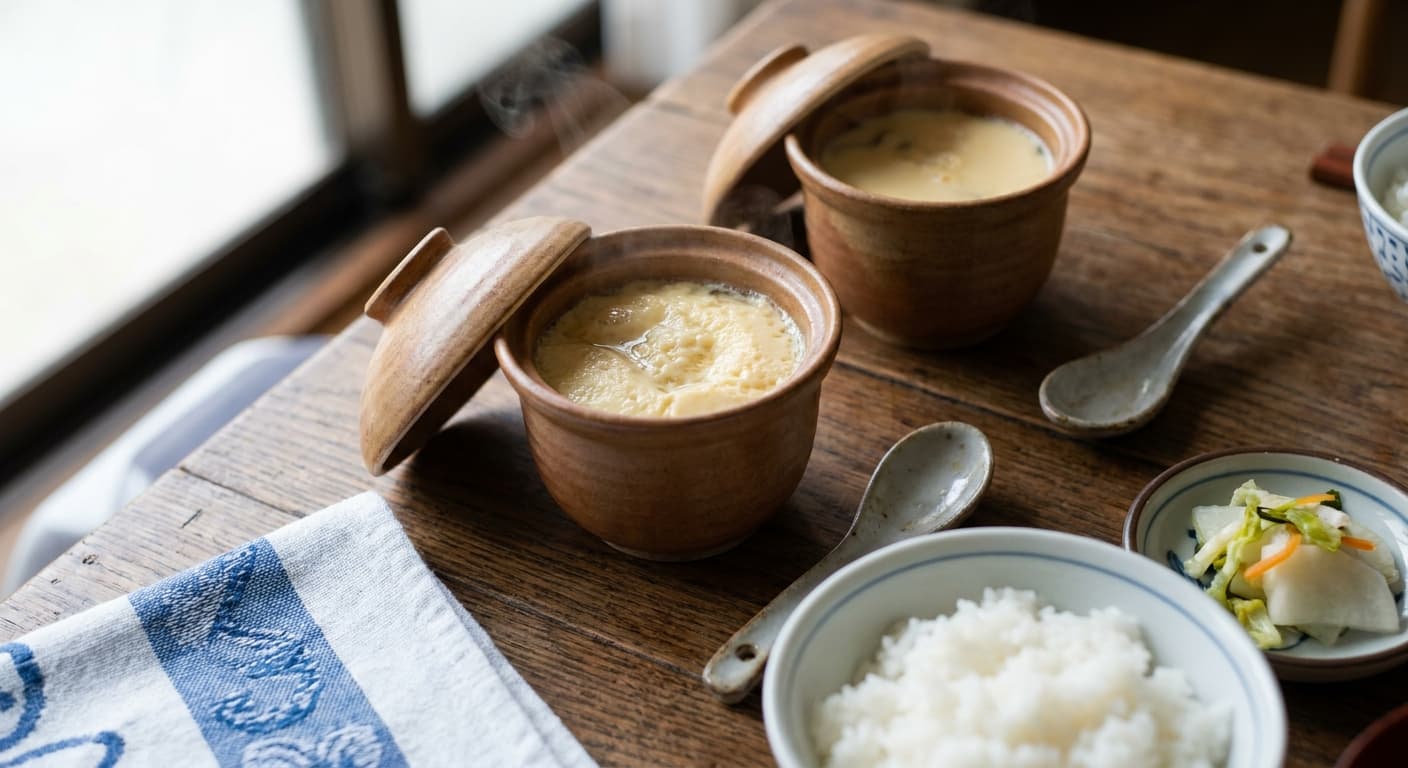
Chawanmushi (茶碗蒸し) — Silky Japanese Savory Egg Custard
Japanese · Appetizers · 43 min
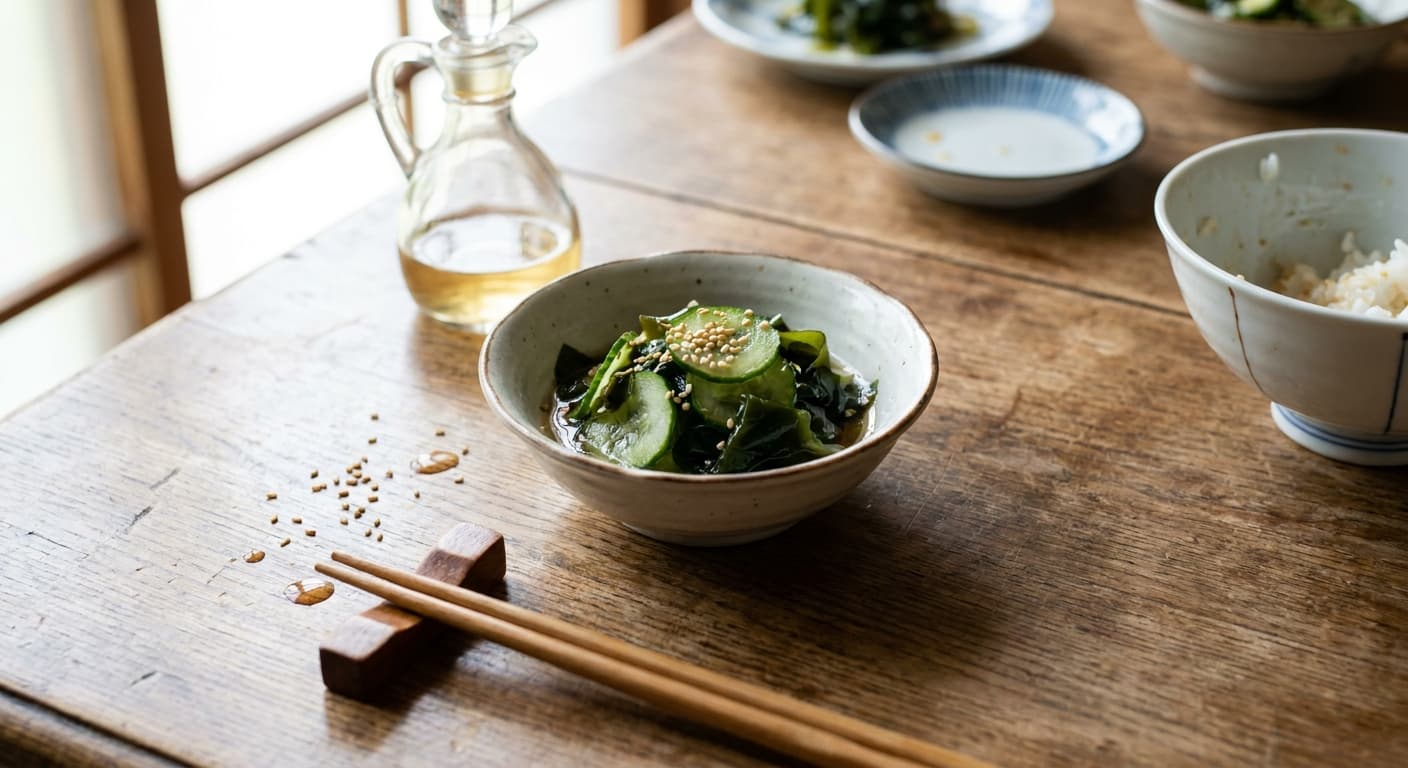
Sunomono (酢の物) — Japanese Vinegared Cucumber and Wakame Salad
Japanese · Salads · 20 min
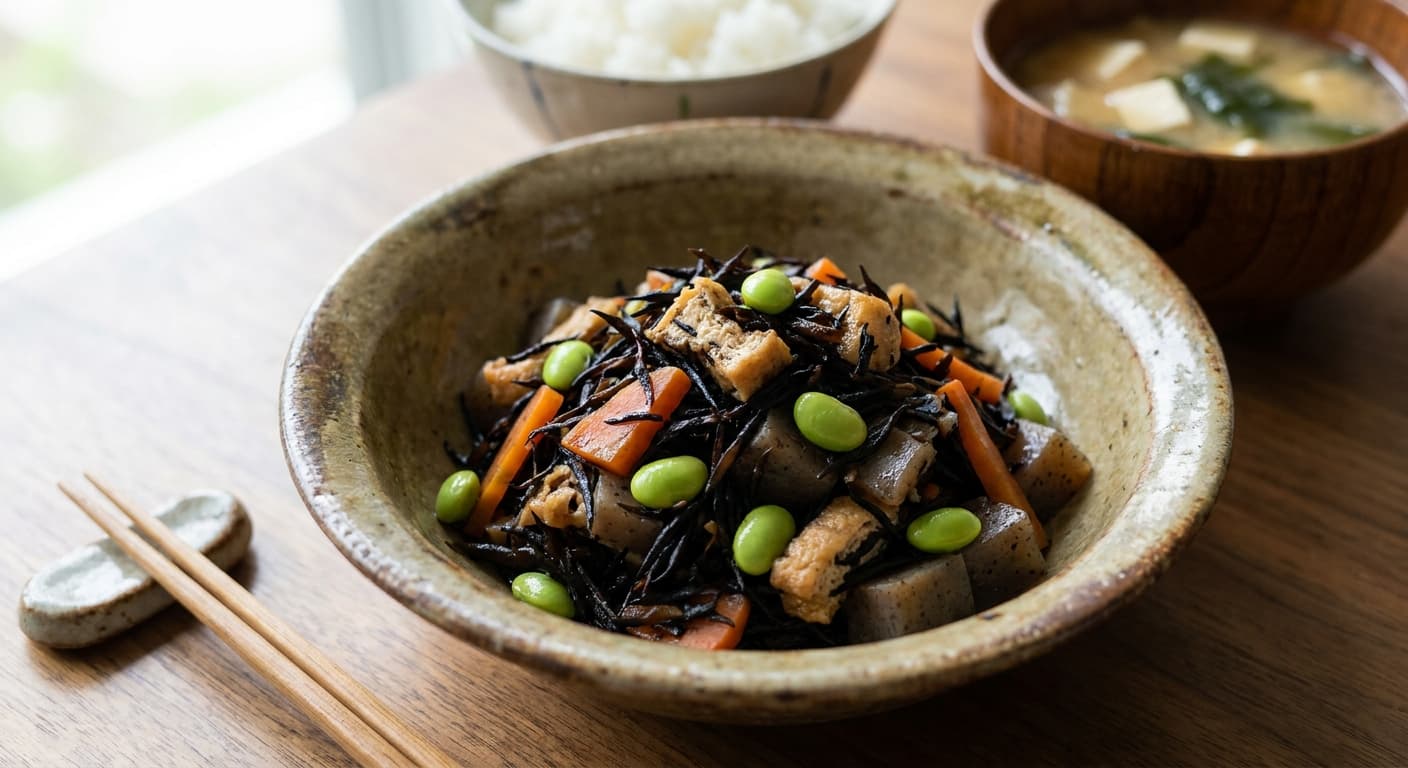
Hijiki no Nimono (ひじきの煮物) — Savory Simmered Hijiki Seaweed
Japanese · Side Dishes · 43 min

Tiramisu (Tiramisù) — Classic Coffee-Mascarpone Layered Dessert
Italian · Desserts · 35 min
Greek Semolina Halva (Χαλβάς σιμιγδαλένιος) — Toasted semolina pudding with cinnamon and raisins
Greek · Desserts · 35 min
Lion's Head Meatballs (狮子头) — Braised Huaiyang Pork Meatballs
Chinese · Main Courses · 110 min
Wonton Soup (雲吞湯) — Cantonese Pork and Shrimp Dumpling Broth
Chinese · Soups · 70 min
Sekihan (赤飯) — Japanese Red Bean Celebration Rice
Japanese · Main Courses · 105 min
Reviews
Cooked this recipe?
Tap the stars to rate it — that's all it takes. A few words are welcome but optional.
No ratings yet. Cooked this one? Be the first to rate it — it takes one tap.