Lavashana (لواشانا) — Azerbaijani Tart Fruit Leather for Snacks and Cooking
Lavashana is an Azerbaijani-style tart fruit leather, traditionally made from sour plums or other sharp fruits. It’s eaten as a chewy snack and also used to sour soups, stews, and sauces with a deep, fruity tang.
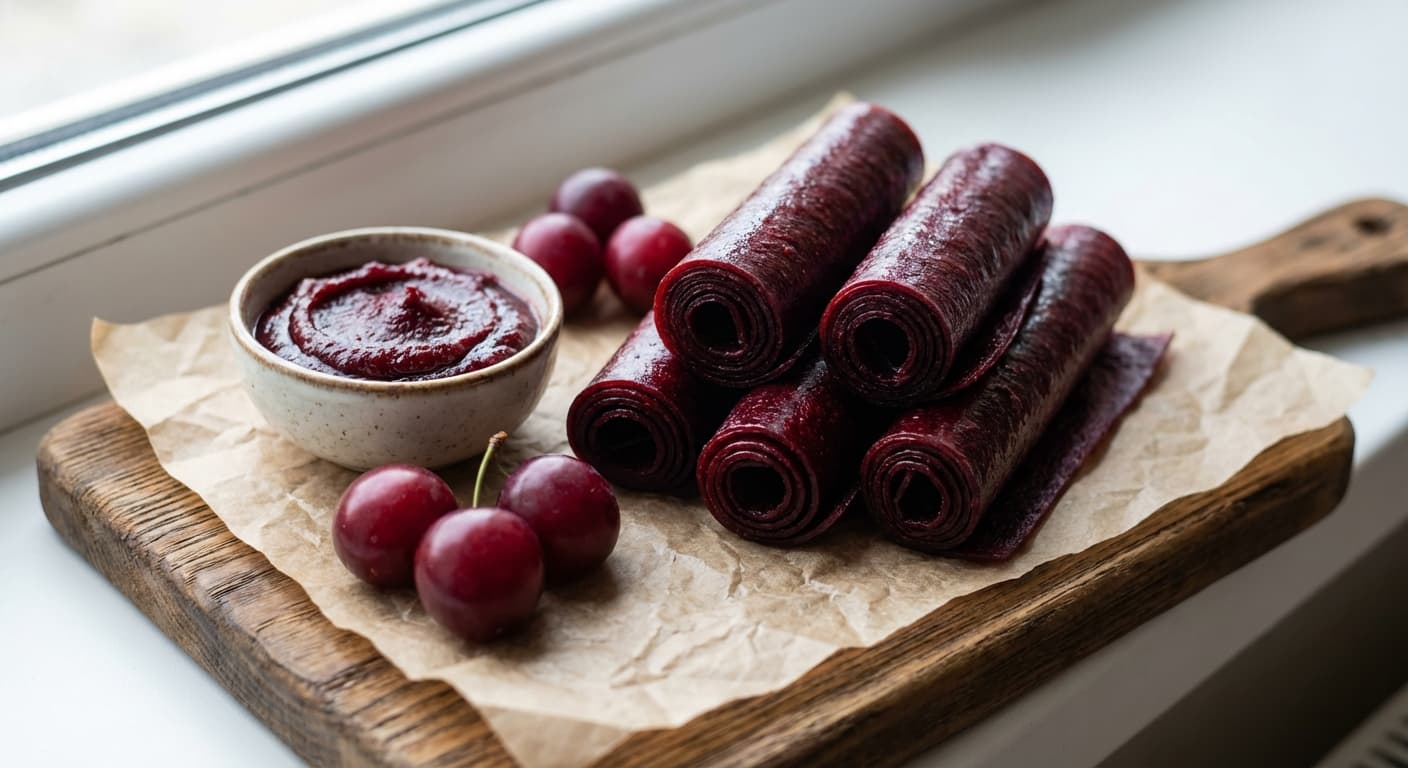
Printable Recipe Card
Servings: 20 · Total: 90 min · Difficulty: medium
Ingredients (quick list)
- 1500 g Sour plums (cherry plums) (washed, stems removed)
- 250 ml Water
- 2 g Fine salt (about 1/3 tsp)
- 30 g Granulated sugar (optional, reduces sharpness without making it sweet)
Steps (summary)
- Add the sour plums and water to a wide pot and set it over medium heat. Bring to a gentle simmer, then reduce to medium-low and…
- Remove the pot from the heat and let the fruit cool for 10 minutes so it is safer to handle. Pass the cooked plums through a fo…
- Return the puree to the pot and stir in the salt and the sugar (if using). Simmer over low heat for 25–35 minutes, stirring fre…
- Preheat the oven to 80°C and line two rimmed baking sheets with silicone mats or parchment paper. Divide the puree between the…
- Dry the puree in the oven for 3 to 4 hours, rotating the trays halfway through for even drying. The lavashana is ready when it…
- Cool the sheets completely at room temperature for 30 minutes to prevent condensation during storage. Peel the fruit leather of…
Cultural Background
Lavashana is a pantry staple across Azerbaijan and neighboring regions, made in late summer when sour fruits are abundant. Families dry it for winter to add a clean, fruity sourness to everyday meals and to pack as a travel-friendly snack.
Equipment
💡 Tips
- For the cleanest tart flavor, use very sour cherry plums; sweeter plums will need 10 g extra salt and 10–20 g less sugar to keep the classic sharpness.
- Spread the puree to a measured thickness (2–3 mm); thicker layers stay sticky in the center while the edges overdry and crack.
- To use as a cooking base, dissolve 20 g lavashana in 120 ml hot water to make a quick souring paste for soups and stews.
⚠️ Common Mistakes
❌ Spreading the puree too thick, leaving the center sticky and under-dried.
✅ Fix: Spread to 2–3 mm and dry longer; if needed, peel up and flip the sheet for the final 20–30 minutes.
❌ Cooking the puree too hard, causing scorching and bitter notes.
✅ Fix: Keep the heat low and stir often, especially once it thickens; use a wider pot to reduce faster with less risk.
❌ Storing before fully cooled, leading to condensation and mold.
✅ Fix: Cool completely, then wrap in parchment and seal airtight; if any tackiness appears, re-dry 15–25 minutes.
🧊 How to Store
Store rolled lavashana tightly wrapped in parchment, then sealed in an airtight container. Keep at cool room temperature up to 2 weeks or refrigerate up to 2 months; bring to room temp before unrolling. For cooking, snip and soak in hot water 10 minutes to soften.
📅 Make Ahead
Cook and sieve the fruit puree up to 2 days ahead and refrigerate it in a sealed container. Rewarm gently to loosen, then spread and dry when you have oven or dehydrator time.
🍽️ Pairs Well With
- Black tea
- walnuts
- fresh herbs
- ash (soup)
- lamb stew
- rice pilaf.
Regional Variations
- Plum lavashana is the most common, but some households blend in a small portion of quince for a firmer set and floral aroma.
- In some regions, a pinch of ground coriander seed is added to the puree for a subtle citrusy spice that pairs well with lamb dishes.
- Mixed-fruit lavashana (plum plus sour apple) is used specifically as a stew souring agent because it dissolves quickly.
Ingredients
- 1500 gSour plums (cherry plums) (washed, stems removed)
- 250 mlWater
- 2 gFine salt (about 1/3 tsp)
- 30 gGranulated sugar (optional, reduces sharpness without making it sweet)
🔄 Substitutions
- Sour plums (cherry plums)→ Sour apricots or sour cherries
- Oven drying at 80°C→ Dehydrator at 60°C
- Granulated sugar→ Honey
Instructions
- 1
Add the sour plums and water to a wide pot and set it over medium heat. Bring to a gentle simmer, then reduce to medium-low and cook for 25 minutes, stirring every 5 minutes, until the skins split and the flesh is very soft.
- 2
Remove the pot from the heat and let the fruit cool for 10 minutes so it is safer to handle. Pass the cooked plums through a food mill or a fine sieve, pressing firmly, until you have a smooth, thick puree and only pits and tough skins remain.
- 3
Return the puree to the pot and stir in the salt and the sugar (if using). Simmer over low heat for 25–35 minutes, stirring frequently and scraping the bottom, until the puree is glossy, darker, and thick enough that a spatula leaves a trail that slowly closes.
- 4
Preheat the oven to 80°C and line two rimmed baking sheets with silicone mats or parchment paper. Divide the puree between the sheets and spread it into an even layer about 2–3 mm thick, smoothing the surface so it dries uniformly.
- 5
Dry the puree in the oven for 3 to 4 hours, rotating the trays halfway through for even drying. The lavashana is ready when it feels dry to the touch, peels up in one sheet, and is pliable rather than brittle.
- 6
Cool the sheets completely at room temperature for 30 minutes to prevent condensation during storage. Peel the fruit leather off the lining, cut into 4 cm strips, and roll tightly; if it feels tacky, return it to the oven for 20 more minutes.
🪪 Recipe Passport
Cultural Background
Lavashana is a pantry staple across Azerbaijan and neighboring regions, made in late summer when sour fruits are abundant. Families dry it for winter to add a clean, fruity sourness to everyday meals and to pack as a travel-friendly snack.
Regional Variations
Researched from multiple sources and validated by the Zaffaron editorial team. Every recipe is tested for accuracy, measurements, and cultural authenticity.
Nutrition per serving
Pairs well with
If you enjoyed this recipe, here are a few related Zaffaron recipes to try next.
Does your family make this differently?
Every family has their own version. Maybe your grandmother adds a secret ingredient, or your aunt has a completely different technique. Preserve your family's version — with their name on it, forever.
You Might Also Like
Hot Dovgha (دوغا) — Azerbaijani Warm Yogurt-Herb Soup with Rice and Chickpeas
Azerbaijani · Soups · 55 min
Khash (خاش) — Azerbaijani Long-simmered Trotters Breakfast Soup
Azerbaijani · Soups · 525 min
Jiz-Biz (جیزبیز) — Azerbaijani Sautéed Lamb Offal with Onions and Spices
Azerbaijani · Main Courses · 45 min
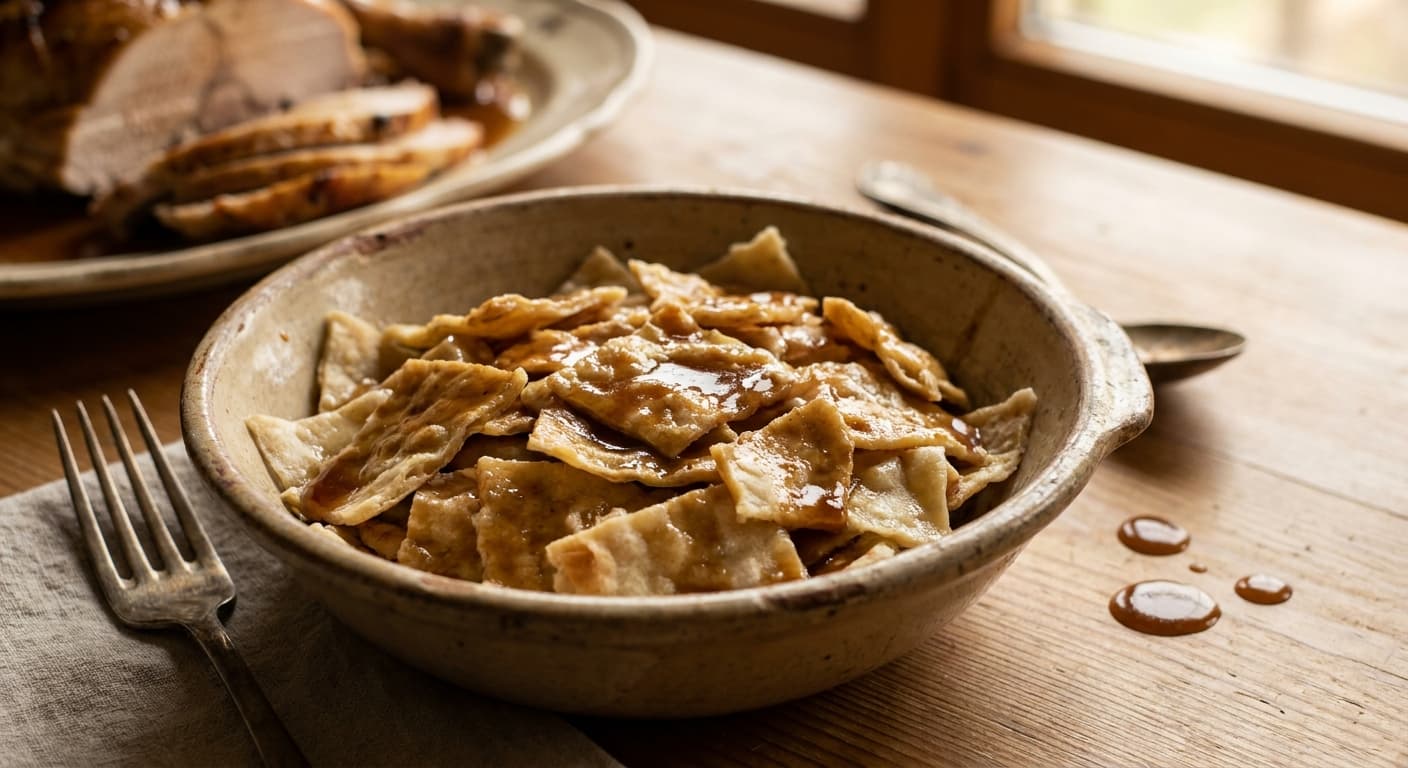
Zagorje Mlinci (Zagorski mlinci) — Thin Baked Flatbread for Roast Juices
Croatian · Side Dishes · 73 min
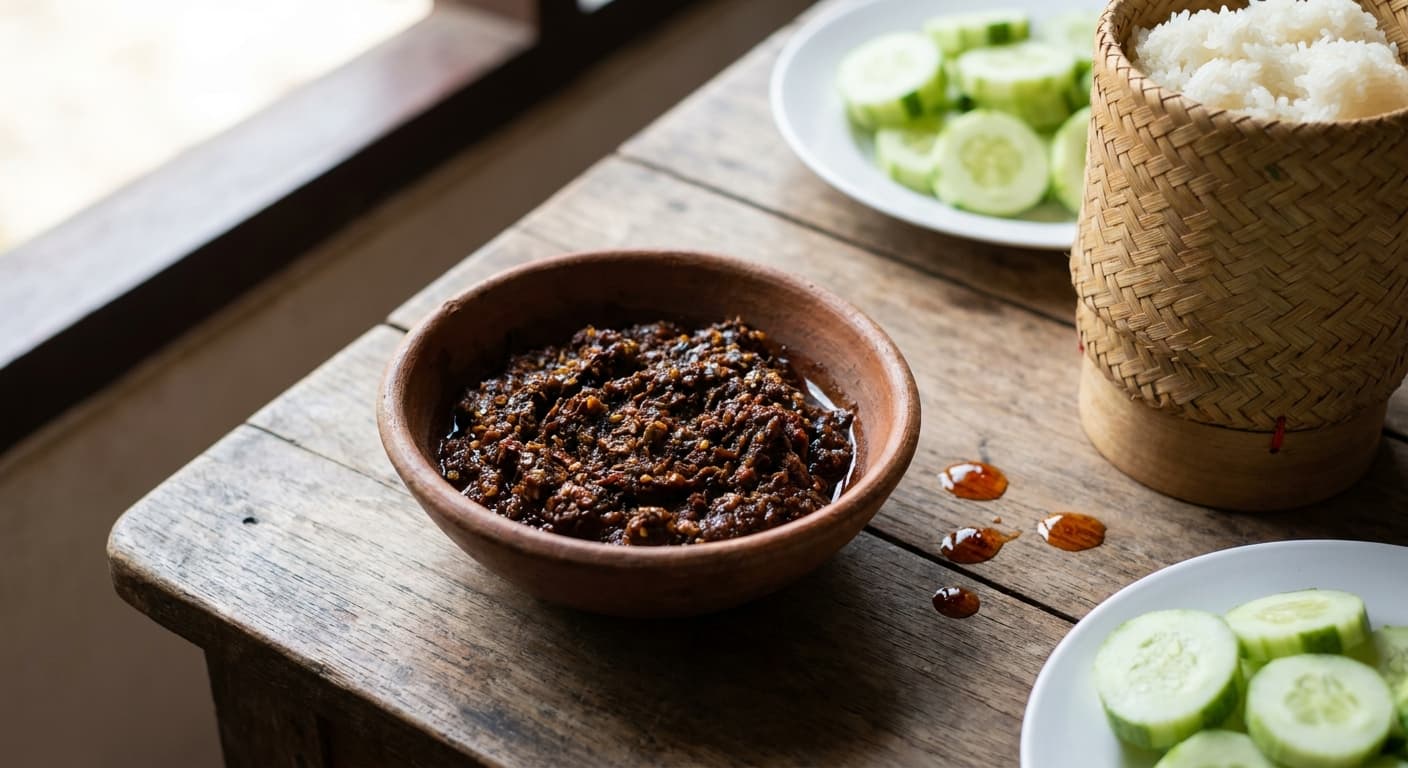
Jeow Bong (ແຈ່ວບອງ) — Lao Chili Paste Relish
Laotian · Side Dishes · 60 min
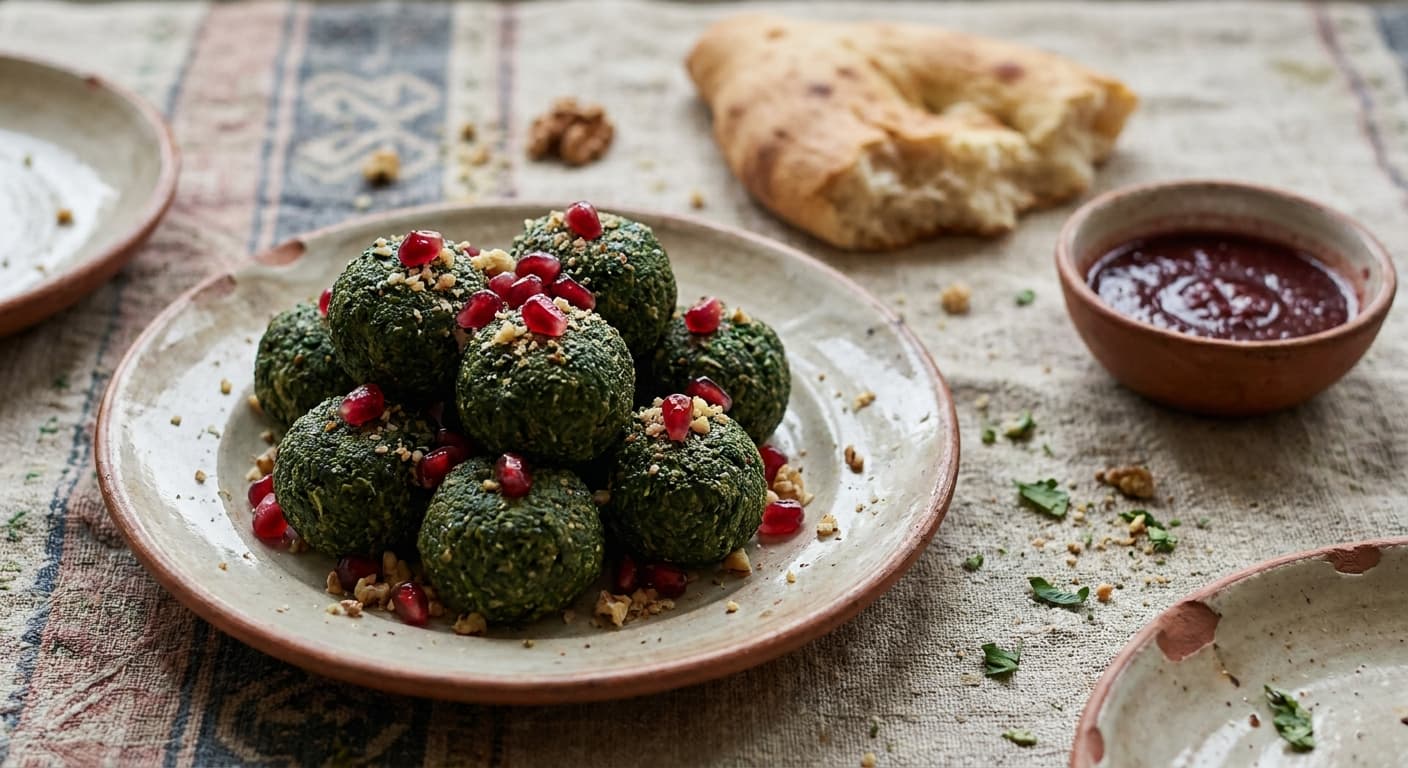
Pkhali (ფხალი) — Georgian Spinach-Walnut Appetizer
Georgian · Appetizers · 35 min
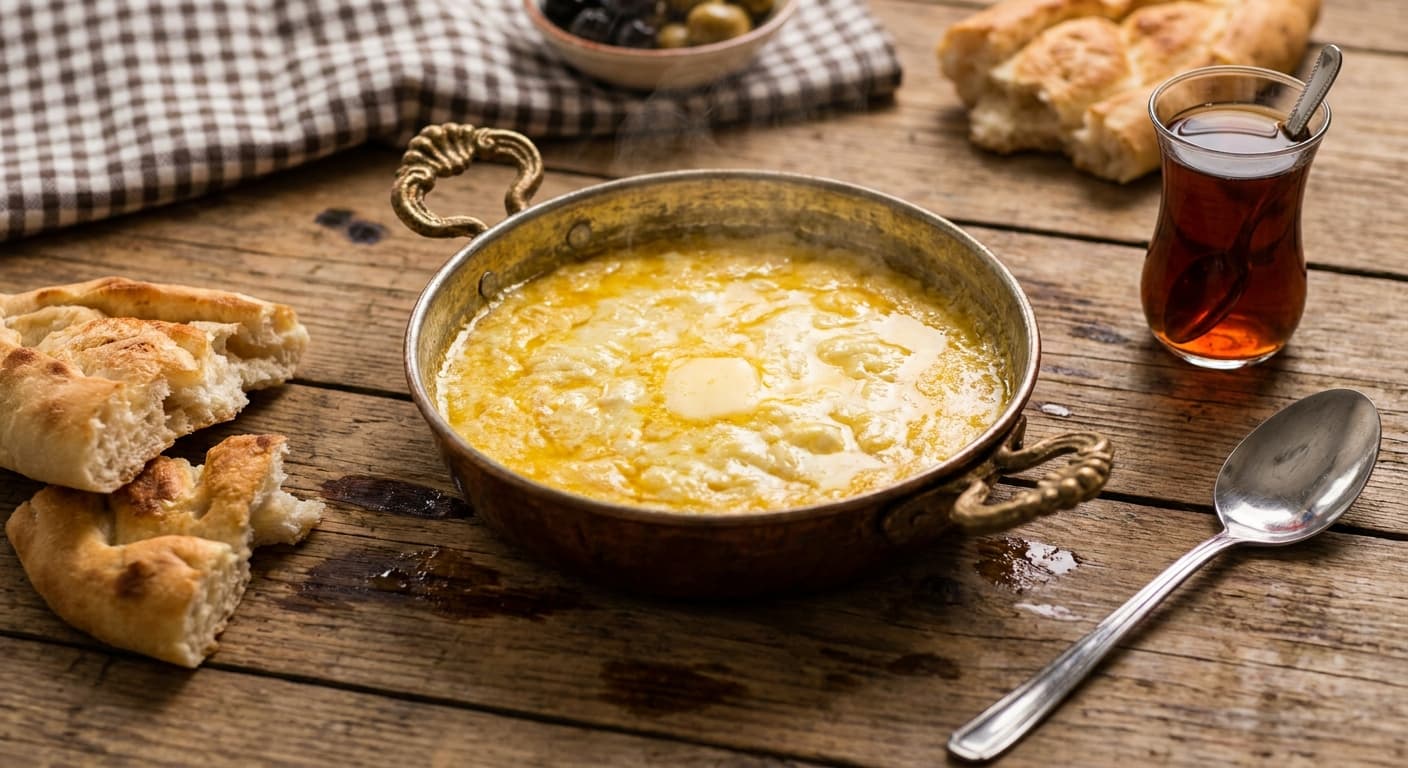
Mıhlama (Mıhlama) — Black Sea Cornmeal and Cheese Skillet
Turkish · Main Courses · 25 min
Kharcho (ხარჩო) — Georgian Beef, Walnut, and Sour Plum Soup
Georgian · Soups · 145 min
Reviews
Cooked this recipe?
Tap the stars to rate it — that's all it takes. A few words are welcome but optional.
No ratings yet. Cooked this one? Be the first to rate it — it takes one tap.