Loobia Polo ba Fileh Morgh (لوبیا پلو با فیله مرغ) — Saffron Green Bean Rice with Chicken
Loobia Polo is a cherished Persian comfort dish where fragrant basmati rice is layered with sautéed green beans and warmly spiced chicken. Finished with saffron, it’s a family-style meal often served for gatherings and everyday lunches alike.
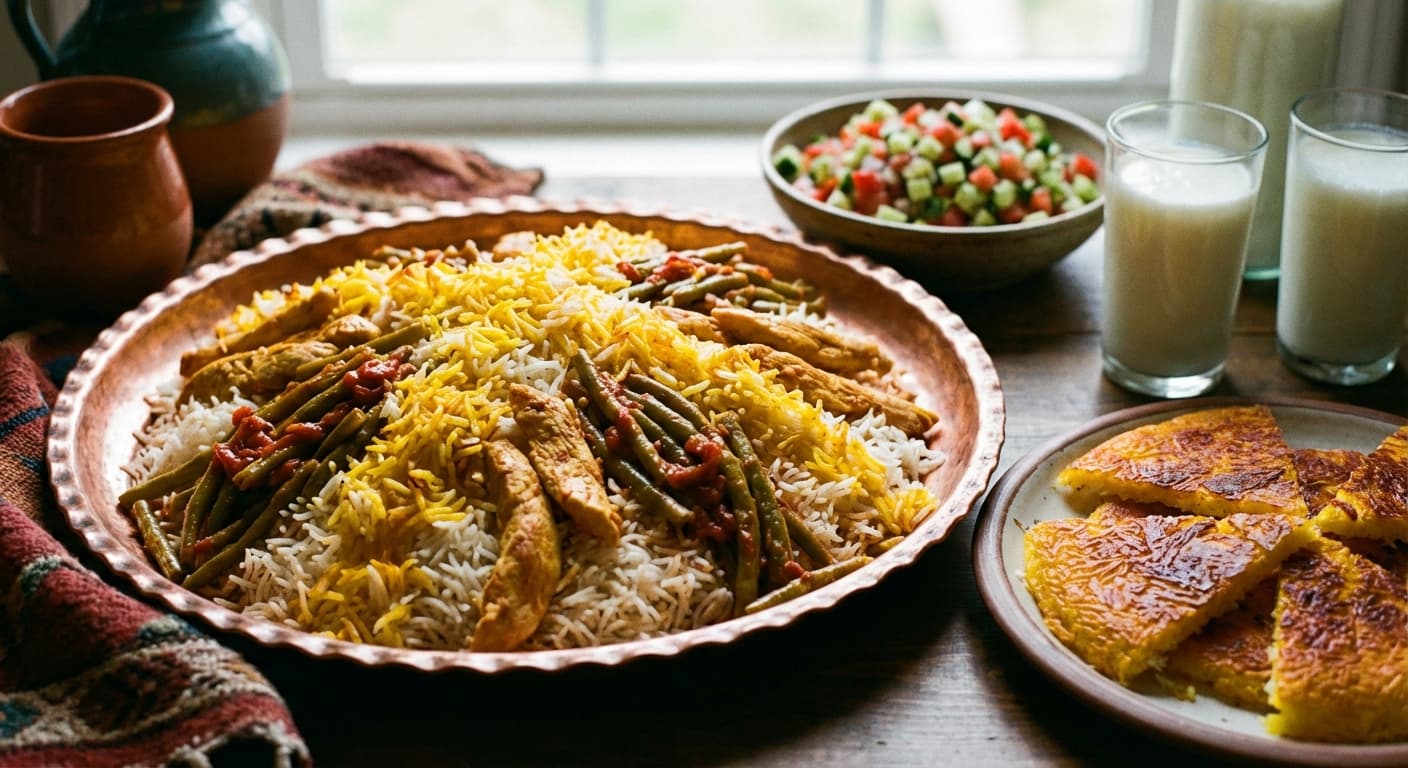
Printable Recipe Card
Servings: 6 · Total: 100 min · Difficulty: medium
Ingredients (quick list)
- 450 g Basmati rice
- 18 g Sea salt (For soaking and boiling water; most is discarded with the water)
- 400 g Green beans (Trimmed and cut into 2 cm pieces)
- 220 g Onion (Thinly sliced)
- 60 ml Vegetable oil (Plus 15 ml for the pot)
- 700 g Chicken fillets (Cut into 3–4 cm strips)
- 2 tsp Black pepper
- 2 tsp Persian spice mix (Advieh) (Typically includes cinnamon, cardamom, cumin, and rose petals)
- 30 g Tomato paste (Helps color and deepen flavor)
- 120 ml Water (To gently braise the beans and chicken)
- 0.25 tsp Saffron threads (Finely crushed)
- 45 ml Hot water (For blooming saffron)
+ 3 more in the full ingredients section below.
Steps (summary)
- Rinse the basmati rice in several changes of cold water until the water runs mostly clear. Soak it in plenty of water with 10 g…
- Bloom the saffron by crushing the threads to a powder and mixing with 45 ml hot water in a small cup. Cover and let it steep fo…
- Heat 45 ml of the vegetable oil in a wide pan over medium heat and add the sliced onion. Cook for 10–12 minutes, stirring often…
- Add the chicken fillet strips to the onions and raise the heat slightly. Cook for 6–8 minutes, turning, until the chicken is op…
- Stir in the black pepper, advieh, and 8 g of the sea salt, coating the chicken evenly. Add the tomato paste and cook for 2 minu…
- Add the green beans and toss to combine so they pick up the spiced oil and tomato. Pour in 120 ml water, reduce to medium-low,…
+ 8 more steps in the full instructions section below.
Cultural Background
Loobia Polo is a staple of Persian home cooking, valued for its comforting balance of rice, vegetables, and warm spices. It’s commonly made for family lunches and shared gatherings, where saffron and tahdig turn a simple meal into something celebratory.
Equipment
💡 Tips
- Cut green beans to a consistent 2 cm so they cook evenly and stay intact during layering.
- Cook the tomato paste for a full 2 minutes in oil to remove raw acidity and deepen the dish’s color.
- If your pot runs hot, place a heat diffuser under it during the low-heat steaming stage to prevent burning the tahdig.
⚠️ Common Mistakes
❌ Overboiling the rice until fully cooked before steaming
✅ Fix: Parboil only until the grain is soft outside but firm in the center, then finish by steaming for distinct, fluffy grains.
❌ Watery bean mixture that makes the rice soggy
✅ Fix: Simmer uncovered for 2–3 minutes at the end to evaporate excess liquid; the mixture should be moist but not soupy.
❌ Burnt tahdig or undercooked top rice
✅ Fix: Use medium heat for 10 minutes to build steam, then low heat for the remainder; a diffuser helps if your stove runs hot.
🧊 How to Store
Cool leftovers within 1 hour, then refrigerate in an airtight container for up to 3 days. Reheat covered with 30 ml water in a pot over low heat for 12–15 minutes, or microwave covered at 700W for 3–4 minutes; keep tahdig separate and re-crisp in a dry pan.
📅 Make Ahead
Cook the green bean and chicken mixture up to 2 days ahead and refrigerate airtight. On cooking day, parboil the rice and layer immediately, then steam as directed for the freshest aroma and best tahdig.
🍽️ Pairs Well With
- Shirazi salad
- mast-o-khiar
- torshi
- pickled garlic
- doogh
Regional Variations
- Tehran-style versions often include small cubes of potato in the tahdig instead of yogurt.
- Some northern Iranian households add a pinch of dried lime powder for a subtle tang alongside the saffron.
- A lighter modern variation uses more green beans (up to 600 g) and less rice for a higher-vegetable ratio.
Ingredients
- 450 gBasmati rice
- 18 gSea salt (For soaking and boiling water; most is discarded with the water)
- 400 gGreen beans (Trimmed and cut into 2 cm pieces)
- 220 gOnion (Thinly sliced)
- 60 mlVegetable oil (Plus 15 ml for the pot)
- 700 gChicken fillets (Cut into 3–4 cm strips)
- 2 tspBlack pepper
- 2 tspPersian spice mix (Advieh) (Typically includes cinnamon, cardamom, cumin, and rose petals)
- 30 gTomato paste (Helps color and deepen flavor)
- 120 mlWater (To gently braise the beans and chicken)
- 0.25 tspSaffron threads (Finely crushed)
- 45 mlHot water (For blooming saffron)
- 120 gPlain yogurt (For a crisp yogurt tahdig base)
- 1Egg yolk (Optional but improves tahdig cohesion)
- 15 mlBrewed saffron water (From the bloomed saffron above)
🔄 Substitutions
- Chicken fillets→ Chicken thighs, boneless and skinless
- Vegetable oil→ Ghee
- Persian spice mix (Advieh)→ 1 tsp ground cumin + 1/2 tsp cinnamon + 1/2 tsp ground cardamom
Instructions
- 1
Rinse the basmati rice in several changes of cold water until the water runs mostly clear. Soak it in plenty of water with 10 g of the sea salt for 20 minutes, which helps the grains cook long and separate.
- 2
Bloom the saffron by crushing the threads to a powder and mixing with 45 ml hot water in a small cup. Cover and let it steep for at least 15 minutes so the color and aroma fully develop.
- 3
Heat 45 ml of the vegetable oil in a wide pan over medium heat and add the sliced onion. Cook for 10–12 minutes, stirring often, until the onion is deeply golden because that sweetness is a key part of authentic Loobia Polo.
- 4
Add the chicken fillet strips to the onions and raise the heat slightly. Cook for 6–8 minutes, turning, until the chicken is opaque on the outside and lightly browned in spots for better flavor.
- 5
Stir in the black pepper, advieh, and 8 g of the sea salt, coating the chicken evenly. Add the tomato paste and cook for 2 minutes, stirring constantly, until it darkens slightly and loses its raw taste.
- 6
Add the green beans and toss to combine so they pick up the spiced oil and tomato. Pour in 120 ml water, reduce to medium-low, cover, and simmer for 12–15 minutes until the beans are tender-crisp and the chicken is cooked through.
- 7
Bring a large pot of water to a rolling boil and add the remaining 8 g sea salt. Drain the soaked rice and boil it for 6–8 minutes, stirring gently once or twice, until the grains are softened on the outside but still firm in the center.
- 8
Drain the rice in a colander and rinse quickly with 250 ml cold water to stop the cooking and wash off excess surface starch. Let it drain well for 3–4 minutes, because extra water can soften the tahdig and make the rice clump.
- 9
For a yogurt tahdig, whisk the yogurt with the egg yolk and 15 ml brewed saffron water in a bowl, then stir in 120 g of the parboiled rice to make a thick mixture. If you prefer a simpler tahdig, skip this and use plain oil in the pot instead.
- 10
Add the remaining 15 ml vegetable oil to a nonstick pot (about 24–26 cm wide) and heat over medium. Spread the yogurt-rice mixture over the bottom in an even layer, or if skipping, add 2–3 ladles of plain parboiled rice to form the base.
- 11
Layer the dish by adding a layer of rice, then a layer of the green bean and chicken mixture, repeating until everything is used and finishing with rice on top. Use the handle of a spoon to poke 5–6 holes down to the bottom so steam can circulate and cook the rice evenly.
- 12
Drizzle the remaining brewed saffron water over the top layer of rice for a fragrant, golden finish. Wrap the lid in a clean kitchen towel, cover the pot, and cook on medium heat for 10 minutes to build steam and set the tahdig.
- 13
Reduce the heat to low and steam for 45 minutes until the rice is fully tender and aromatic and the tahdig is crisp. Rest the pot off the heat for 5 minutes before serving, which helps the crust release more cleanly.
- 14
Spoon the Loobia Polo onto a platter, mixing lightly so the layers marble together without crushing the grains. Turn out the tahdig onto a separate plate and serve it alongside, because it is traditionally shared and prized at the table.
🪪 Recipe Passport
Cultural Background
Loobia Polo is a staple of Persian home cooking, valued for its comforting balance of rice, vegetables, and warm spices. It’s commonly made for family lunches and shared gatherings, where saffron and tahdig turn a simple meal into something celebratory.
Regional Variations
Researched from multiple sources and validated by the Zaffaron editorial team. Every recipe is tested for accuracy, measurements, and cultural authenticity.
Nutrition per serving
Pairs well with
If you enjoyed this recipe, here are a few related Zaffaron recipes to try next.
- Makaroni Foori ba Sos Makhsoos (ماکارونی فوری با سس مخصوص) — Quick Persian-Style Macaroni
- Makaroni Rangi (ماکارونی رنگی) — Vibrant Persian-Style Pasta Salad
- Loobia Polo ba File Murg (لوبیا پلو با فیله مرغ) — Persian Green Bean Rice with Chicken
- Macaroni ba Sos-e Gherona (ماکارونی با سس غرونا) — Persian Herb Cream Pasta Salad
Does your family make this differently?
Every family has their own version. Maybe your grandmother adds a secret ingredient, or your aunt has a completely different technique. Preserve your family's version — with their name on it, forever.
You Might Also Like
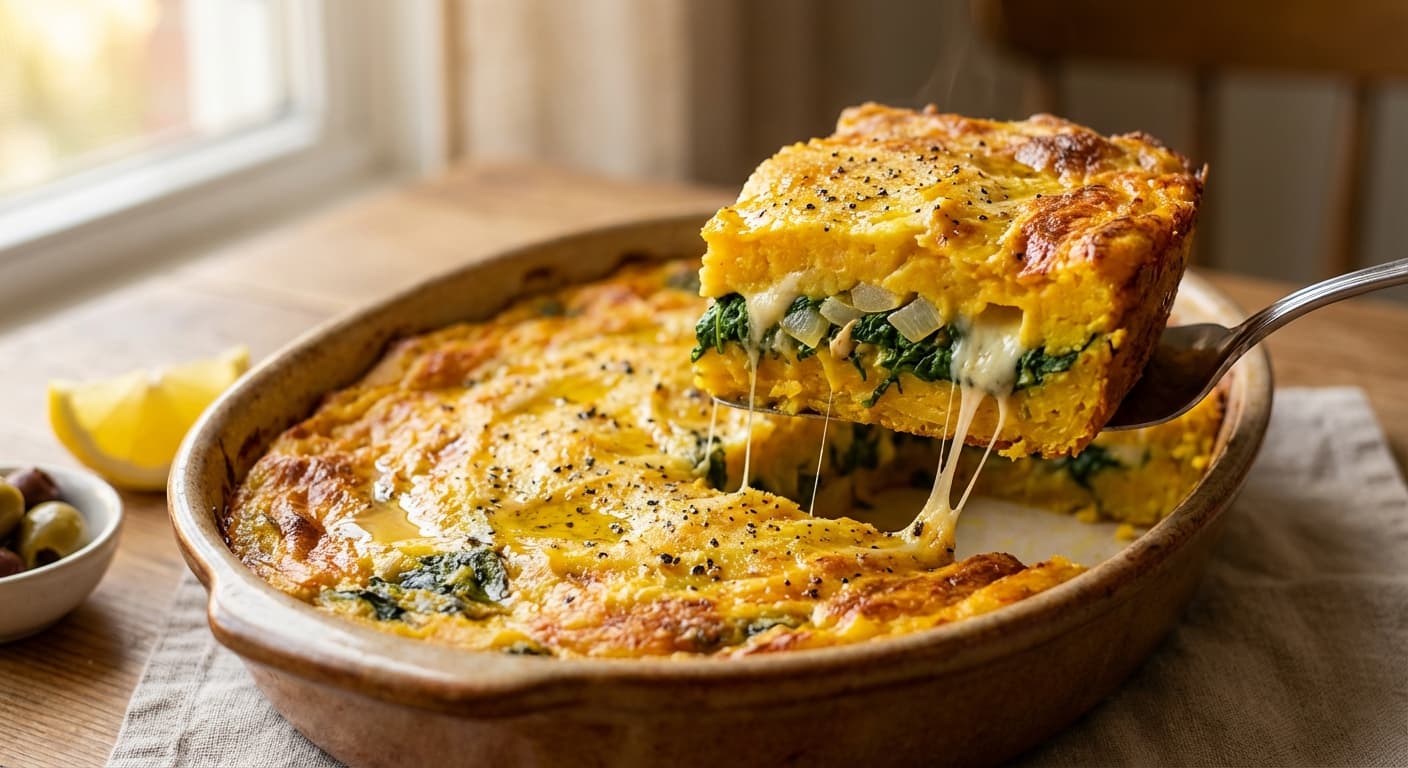
Golden Turmeric Potato and Spinach Casserole (غراتان سیبزمینی و اسفناج) — Mediterranean-Inspired Layered Gratin
Persian · Main Courses · 70 min
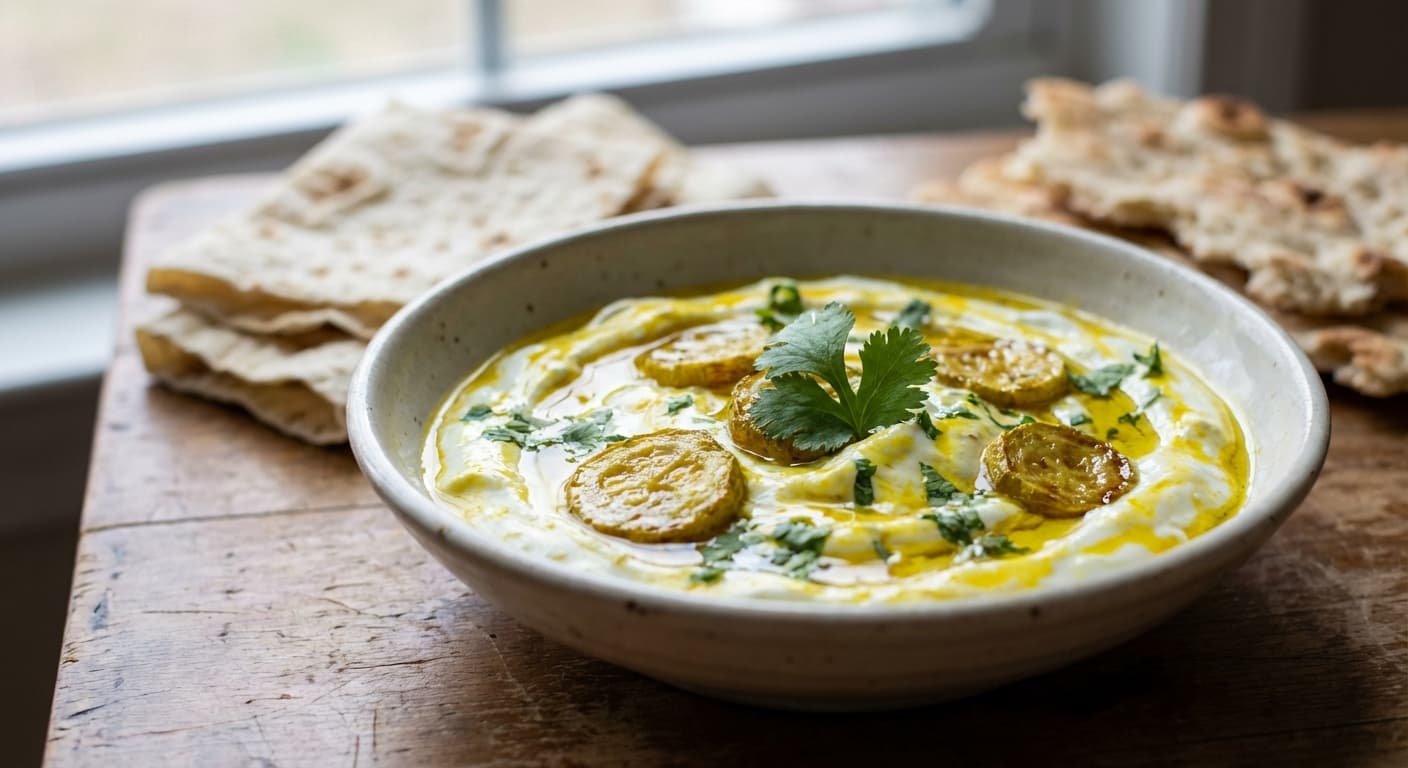
Borani Kadu (بورانی کدو) — Saffron-Infused Zucchini and Yogurt Dip
Persian · Appetizers · 40 min
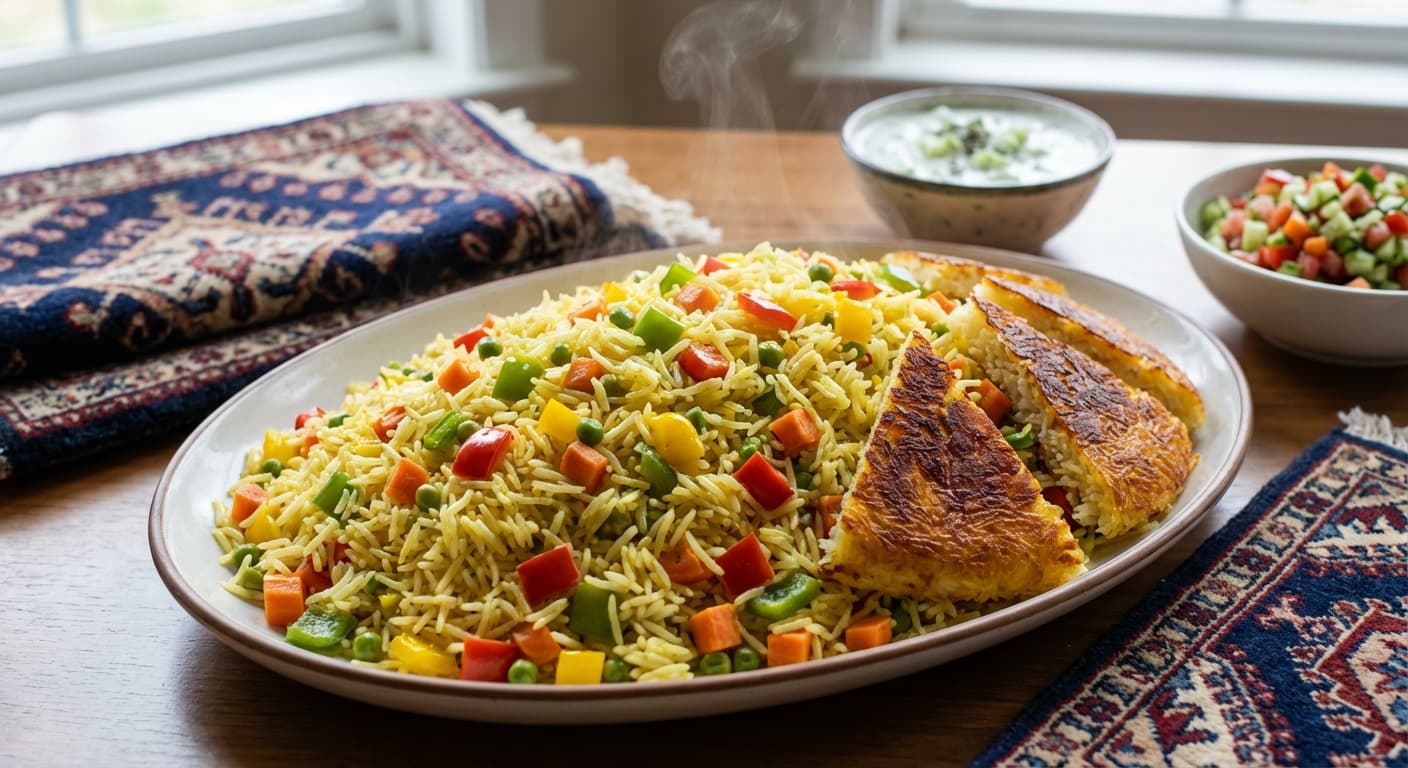
Mixed Vegetable Rice (برنج با مخلوط سبزیجات) — Persian-Style Aromatic Pilaf
Persian · Rice Dishes · 75 min
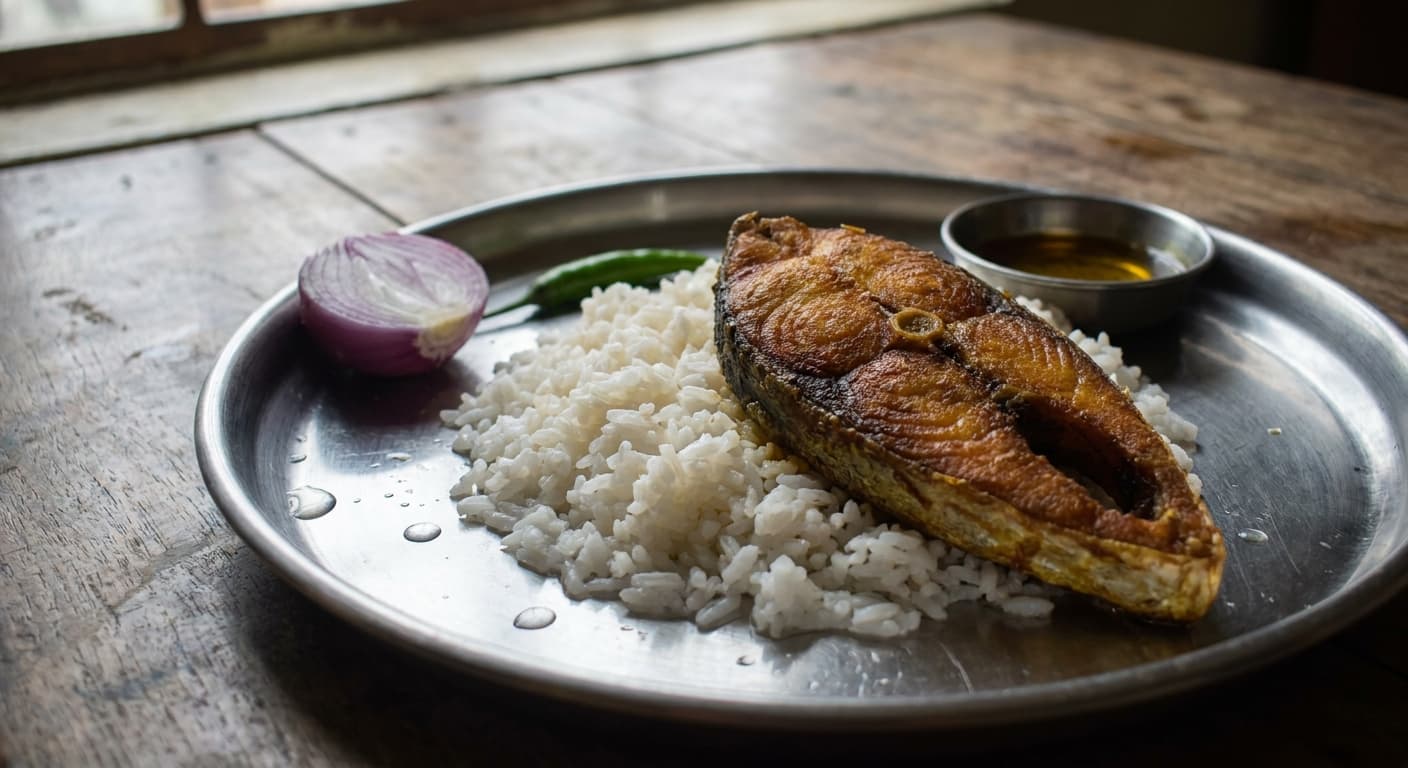
Panta Bhat (পান্তা ভাত) — Overnight Fermented Rice with Fried Ilish
Bangladeshi · Rice Dishes · 35 min
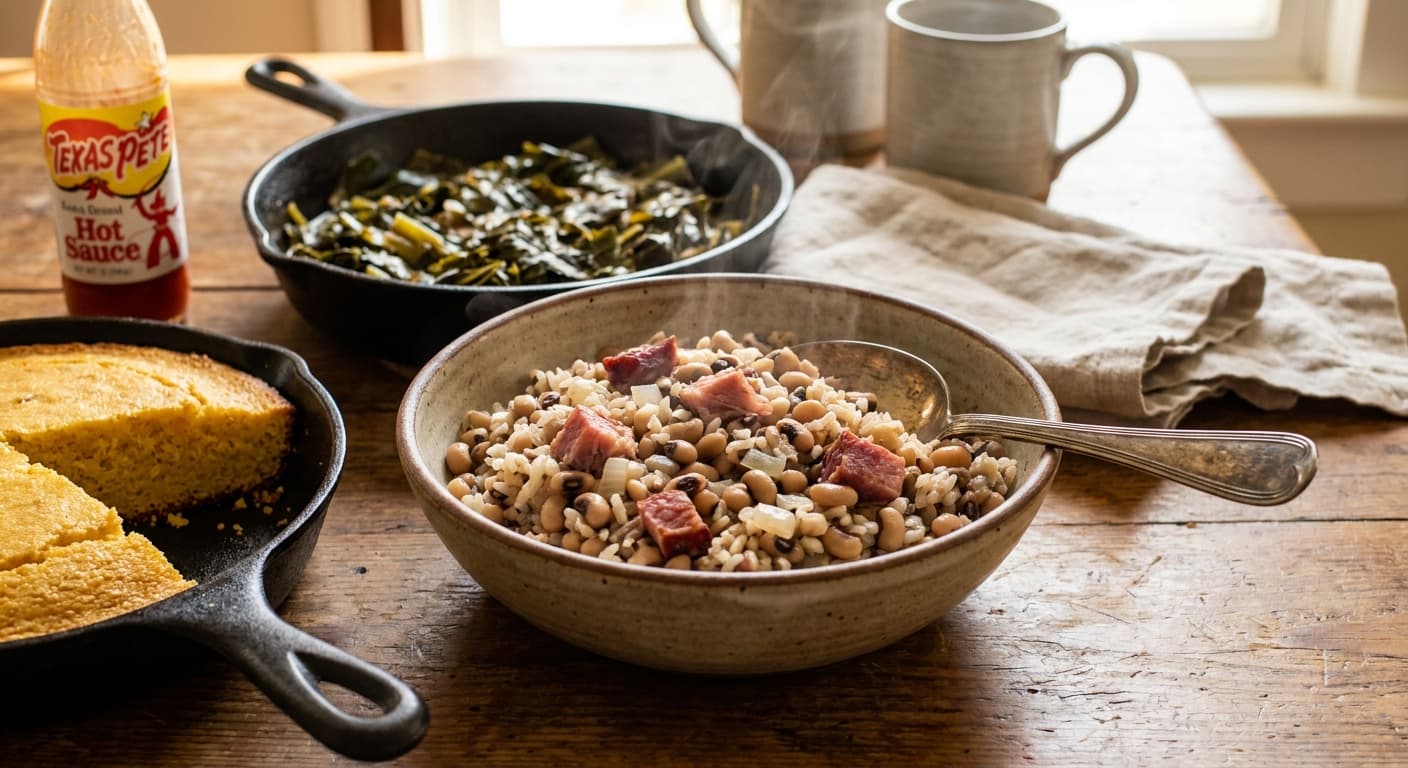
Hoppin' John (Hoppin' John) — Southern Black-Eyed Peas and Rice
American · Rice Dishes · 115 min
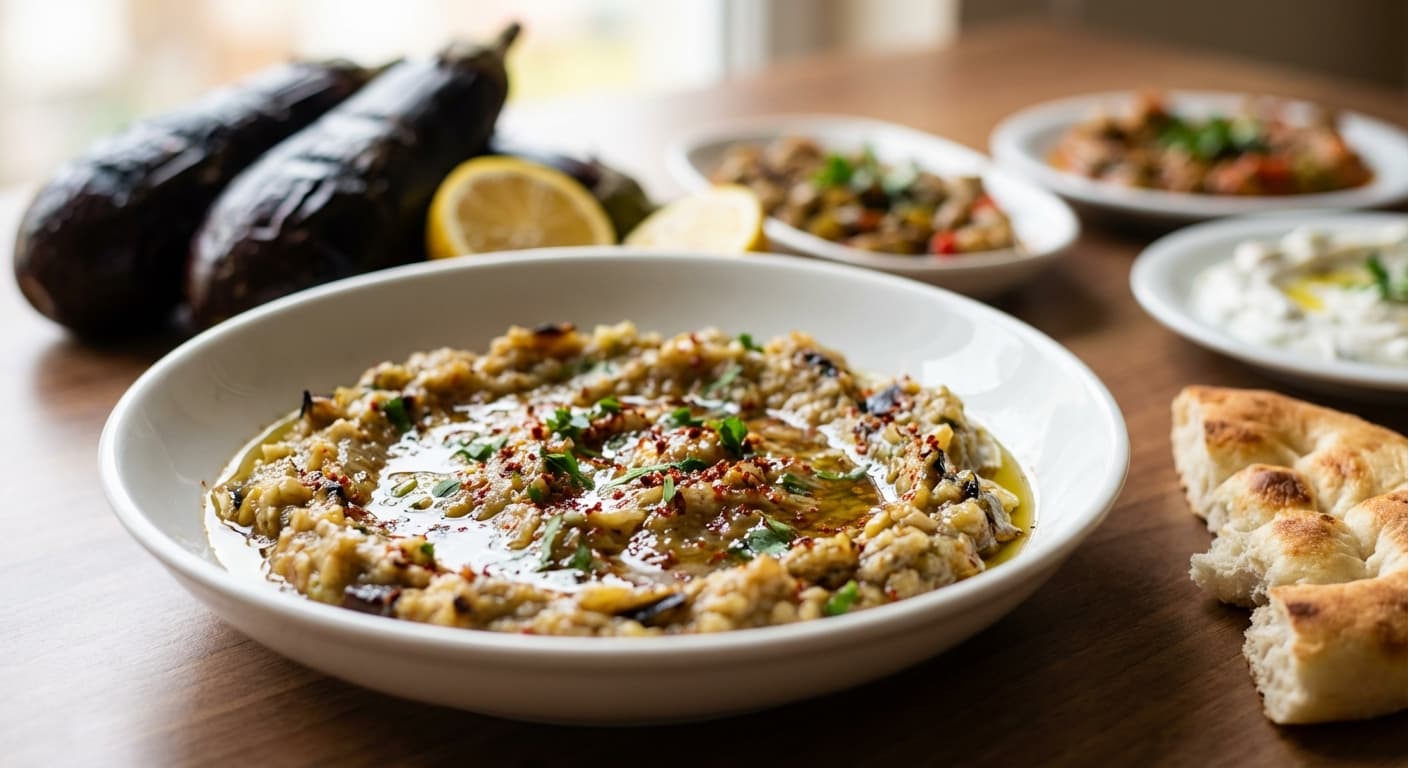
Smoky Eggplant Salad (Patlıcan Salatası) — Turkish charred eggplant with garlic and olive oil
Turkish · Salads · 40 min
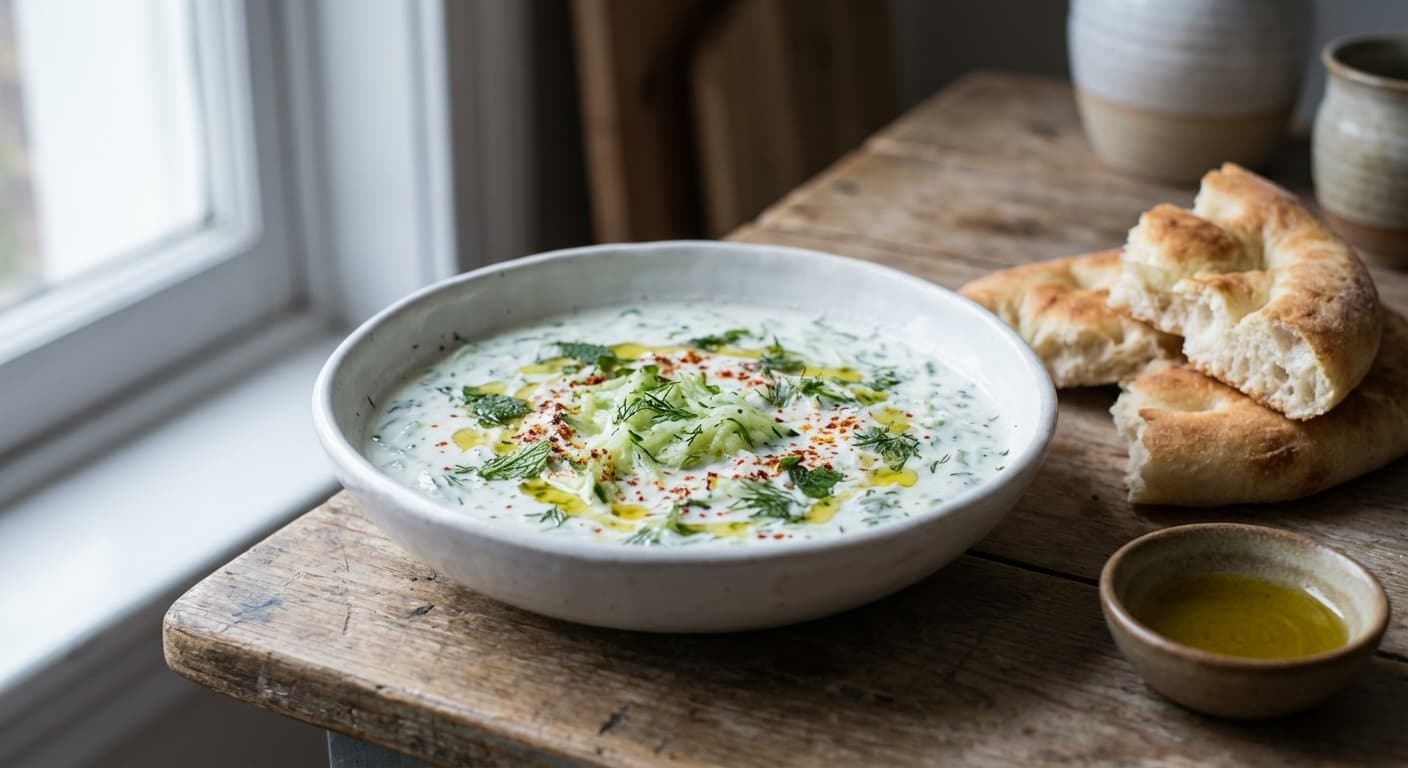
Cacık (Yoğurtlu Salatalık Mezesi) — Chilled Turkish Yogurt, Cucumber & Mint Dip
Turkish · Appetizers · 15 min
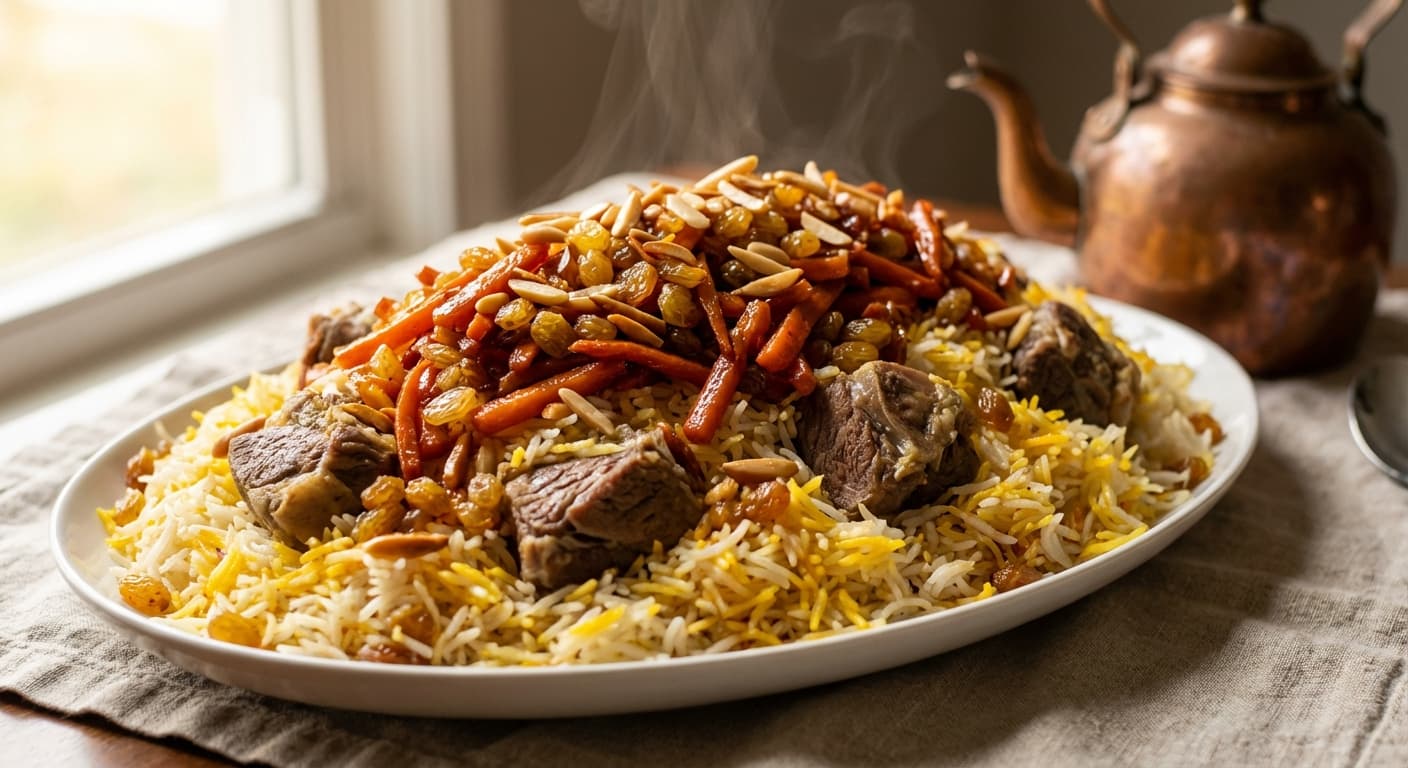
Qabili Gosht (قابلی گوشت) — Afghan Lamb and Rice Pilaf, Aromatic and Hearty
Afghan · Rice Dishes · 130 min
Reviews
Cooked this recipe?
Tap the stars to rate it — that's all it takes. A few words are welcome but optional.
No ratings yet. Cooked this one? Be the first to rate it — it takes one tap.