Lubia Polo (لوبیا پلو) — Persian Green Bean Rice
Lubia Polo is a classic Persian layered rice dish combining tender lamb, sautéed green beans, and a tomato-cinnamon sauce. Finished with butter and steamed to a crisp tahdig, it’s a comforting family-style meal.
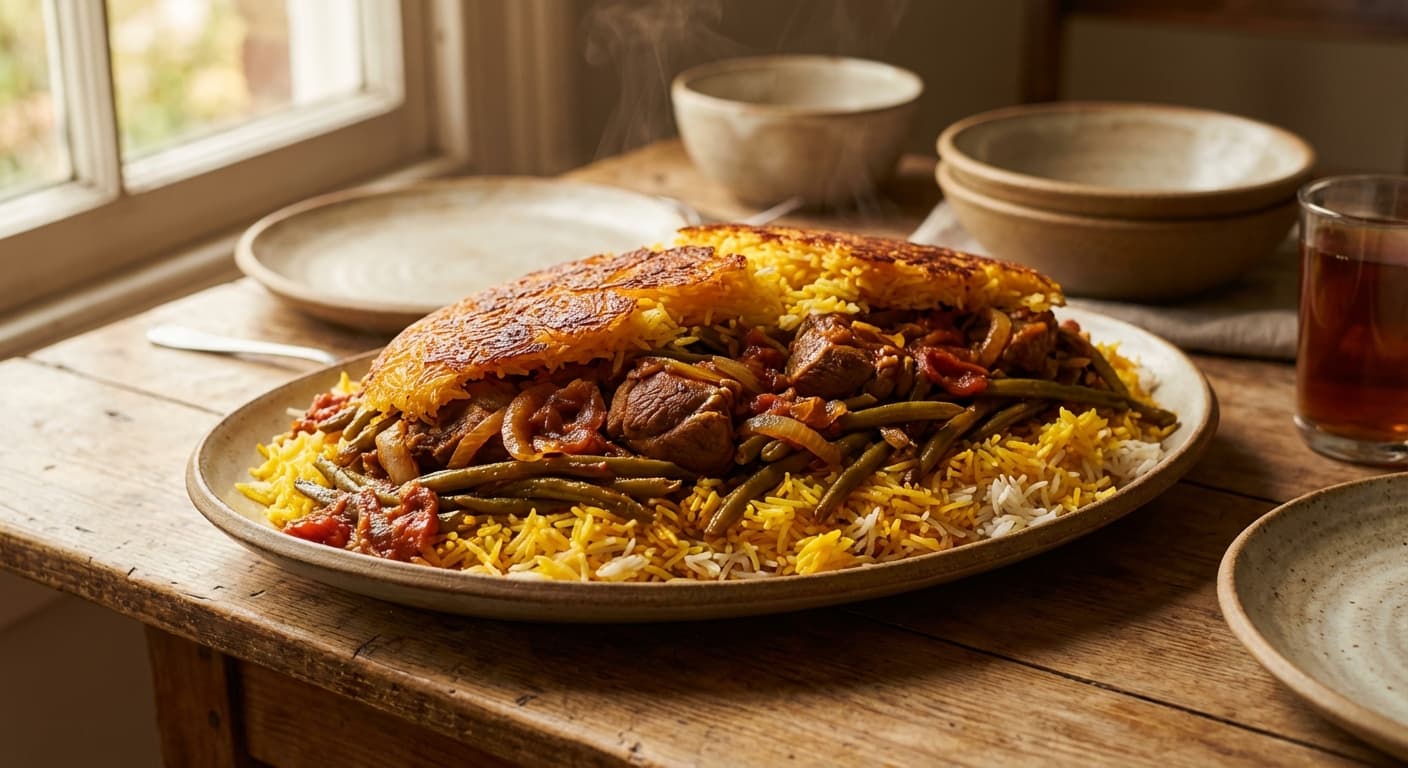
Printable Recipe Card
Servings: 6 · Total: 165 min · Difficulty: medium
Ingredients (quick list)
- 500 g Basmati rice (rinsed until water runs mostly clear, then soaked)
- 2500 ml Water (for soaking and parboiling rice; reserve 60 ml for the stew if needed)
- 24 g Salt (18 g for rice water + 6 g for lamb mixture (adjust to taste))
- 700 g Lamb shoulder (boneless, cut into 2.5 cm cubes; trim excess surface fat)
- 250 g Onion (finely diced)
- 80 g Butter (divided; 40 g for sautéing, 40 g for layering/finishing)
- 450 g Green beans (trimmed and cut into 2.5 cm pieces)
- 70 g Tomato paste (about 4 tablespoons; sauté until brick-red)
- 2 tsp Ground black pepper (freshly ground)
- 1.5 tsp Ground cinnamon (warm, sweet spice note typical for this dish)
Steps (summary)
- Rinse the basmati rice in several changes of cool water until it runs mostly clear. Soak the rice in 1500 ml water mixed with 1…
- While the rice soaks, cook the lamb mixture. Melt 40 g butter in a heavy pot over medium heat. Add the diced onion and sauté 10…
- Stir in tomato paste and cook 2–3 minutes, stirring constantly, until it darkens slightly and smells sweet rather than raw. Add…
- Add the green beans to the lamb pot, stirring to coat in the tomato sauce. If the pot looks dry, add up to 60 ml water. Cover a…
- Parboil the rice: bring 1000 ml water to a rolling boil in a large pot. Drain the soaked rice and add it to the boiling water.…
- Drain the rice in a colander and rinse quickly with 250 ml cool water to stop cooking and remove excess surface starch. Let it…
+ 3 more steps in the full instructions section below.
Cultural Background
Lubia Polo is a widely cooked Persian mixed-rice dish associated with home kitchens and family gatherings. It is often prepared for casual hosting because it feeds a group well and can be paired with simple sides like yogurt and salad. The layered steaming method reflects a broader Persian rice tradition that values fluffy grains and a crisp pot crust.
Equipment
💡 Tips
- Cut green beans to equal lengths so they cook evenly and layer neatly through the rice.
- Sautéing tomato paste until it darkens prevents a raw, metallic taste and deepens the color of the dish.
- If you want a stronger cinnamon aroma, add an extra 0.5 teaspoon at the very end of cooking the lamb mixture, not at the beginning.
- For a crisper tahdig, use a heavier pot and keep the final steaming phase on very low heat for the full time without lifting the lid.
⚠️ Common Mistakes
❌ Boiling the rice too long during parboil
💡 Why: Overcooked grains break and turn sticky during steaming, losing the distinct layered texture.
✅ Fix: Boil only until the outside is tender but the center is still firm (6–8 minutes), then drain immediately.
❌ Leaving the lamb-and-bean mixture watery
💡 Why: Excess liquid makes the rice gummy and prevents proper steaming and tahdig formation.
✅ Fix: Simmer uncovered for a few minutes at the end to thicken; the mixture should be moist, not soupy.
❌ Lifting the lid repeatedly while steaming
💡 Why: Steam escapes, extending cooking time and drying the rice surface unevenly.
✅ Fix: Use a towel-wrapped lid to trap condensation and keep the pot closed for the full steaming time.
❌ Skipping the tomato paste sauté
💡 Why: Raw tomato paste can taste sharp and metallic, and the dish may look pale.
✅ Fix: Cook the paste in fat for 2–3 minutes until it darkens and smells sweet.
🧊 How to Store
Cool leftovers within 2 hours. Refrigerate in an airtight container for up to 4 days. Reheat covered with 1–2 tablespoons water in a pot over low heat for 15–20 minutes, or microwave covered in 2-minute bursts until hot throughout. Freeze up to 2 months; thaw overnight in the refrigerator.
📅 Make Ahead
Cook the lamb-and-green-bean mixture up to 2 days ahead and refrigerate. Rewarm gently with 2–3 tablespoons water before layering with freshly parboiled rice. Fully cooked Lubia Polo can be made 1 day ahead; reheat covered over low heat for 20–25 minutes to revive the aroma and texture.
🍽️ Pairs Well With
- Plain yogurt or strained yogurt
- Shirazi-style cucumber and tomato salad
- Pickled vegetables
- Fresh herbs and radishes
Regional Variations
- Tehran and central IranOften made with a noticeable cinnamon note and a deeper red color from well-sautéed tomato paste; served with yogurt and a simple salad.
- Northern IranSome home cooks use a slightly lighter tomato base and keep green beans more crisp-tender, emphasizing the fresh vegetable texture in the final rice.
- Iranian diaspora (international kitchens)It is common to use beef instead of lamb for availability and cost, and to rely on frozen green beans while keeping the same layered steaming technique.
Ingredients
- 500 gBasmati rice (rinsed until water runs mostly clear, then soaked)
- 2500 mlWater (for soaking and parboiling rice; reserve 60 ml for the stew if needed)
- 24 gSalt (18 g for rice water + 6 g for lamb mixture (adjust to taste))
- 700 gLamb shoulder (boneless, cut into 2.5 cm cubes; trim excess surface fat)
- 250 gOnion (finely diced)
- 80 gButter (divided; 40 g for sautéing, 40 g for layering/finishing)
- 450 gGreen beans (trimmed and cut into 2.5 cm pieces)
- 70 gTomato paste (about 4 tablespoons; sauté until brick-red)
- 2 tspGround black pepper (freshly ground)
- 1.5 tspGround cinnamon (warm, sweet spice note typical for this dish)
🔄 Substitutions
- Lamb shoulder→ Beef chuck
- Butter→ Neutral vegetable oil
- Green beans→ Frozen cut green beans
Instructions
- 1
Rinse the basmati rice in several changes of cool water until it runs mostly clear. Soak the rice in 1500 ml water mixed with 18 g salt for 45 minutes at room temperature. This step seasons the grains and helps them elongate and stay separate during steaming.
- 2
While the rice soaks, cook the lamb mixture. Melt 40 g butter in a heavy pot over medium heat. Add the diced onion and sauté 10–12 minutes until deeply golden. Add lamb cubes and cook 8–10 minutes, turning often, until browned on multiple sides and most moisture evaporates.
- 3
Stir in tomato paste and cook 2–3 minutes, stirring constantly, until it darkens slightly and smells sweet rather than raw. Add black pepper, cinnamon, and 6 g salt. Add 250 ml water, bring to a simmer, then cover and cook on low 45 minutes, stirring once or twice.
- 4
Add the green beans to the lamb pot, stirring to coat in the tomato sauce. If the pot looks dry, add up to 60 ml water. Cover and cook 20–25 minutes on low until beans are tender but not mushy and lamb is fork-tender. The mixture should be moist, not soupy.
- 5
Parboil the rice: bring 1000 ml water to a rolling boil in a large pot. Drain the soaked rice and add it to the boiling water. Boil 6–8 minutes, stirring gently once or twice, until the grains are tender on the outside but still firm in the center.
- 6
Drain the rice in a colander and rinse quickly with 250 ml cool water to stop cooking and remove excess surface starch. Let it drain for 5 minutes. This brief rinse helps keep the final dish fluffy while still allowing the layers to steam together.
- 7
Assemble the layers for steaming. In a nonstick or well-seasoned pot (24–26 cm), melt 20 g butter over medium-low heat. Add a thin layer of parboiled rice to cover the base, then spread a layer of the lamb-and-bean mixture. Repeat layers, ending with rice on top.
- 8
Poke 5–6 holes through the rice with the handle of a wooden spoon to vent steam. Melt the remaining 20 g butter and drizzle evenly over the top. Cover the lid with a clean kitchen towel and seal the pot. Steam 10 minutes over medium heat to build steam.
- 9
Reduce heat to low and continue steaming 45–55 minutes until the rice is fully tender and aromatic. For a deeper crust, keep steaming 10 minutes longer. Rest off heat, covered, for 10 minutes. Then gently mix to distribute layers, or serve partially layered for presentation.
🪪 Recipe Passport
Cultural Background
Lubia Polo is a widely cooked Persian mixed-rice dish associated with home kitchens and family gatherings. It is often prepared for casual hosting because it feeds a group well and can be paired with simple sides like yogurt and salad. The layered steaming method reflects a broader Persian rice tradition that values fluffy grains and a crisp pot crust.
Regional Variations
Researched from multiple sources and validated by the Zaffaron editorial team. Every recipe is tested for accuracy, measurements, and cultural authenticity.
Nutrition per serving
Pairs well with
If you enjoyed this recipe, here are a few related Zaffaron recipes to try next.
- Makaroni Rangarang (ماکارونی رنگارنگ) — Colorful Persian-Style Vegetable Macaroni
- Marinit Gharch (مارینیت قارچ) — Persian-Style Marinated Mushrooms
- Macaroni with Garona Sauce (ماکارونی با سس گارونا)
- Makaroni ba Sosis va Zeytoon (ماکارونی با سوسیس و زیتون) — Persian-Style Pasta with Sausage, Olives, and Creamy Lemon Finish
Does your family make this differently?
Every family has their own version. Maybe your grandmother adds a secret ingredient, or your aunt has a completely different technique. Preserve your family's version — with their name on it, forever.
You Might Also Like

Golden Turmeric Potato and Spinach Casserole (غراتان سیبزمینی و اسفناج) — Mediterranean-Inspired Layered Gratin
Persian · Main Courses · 70 min
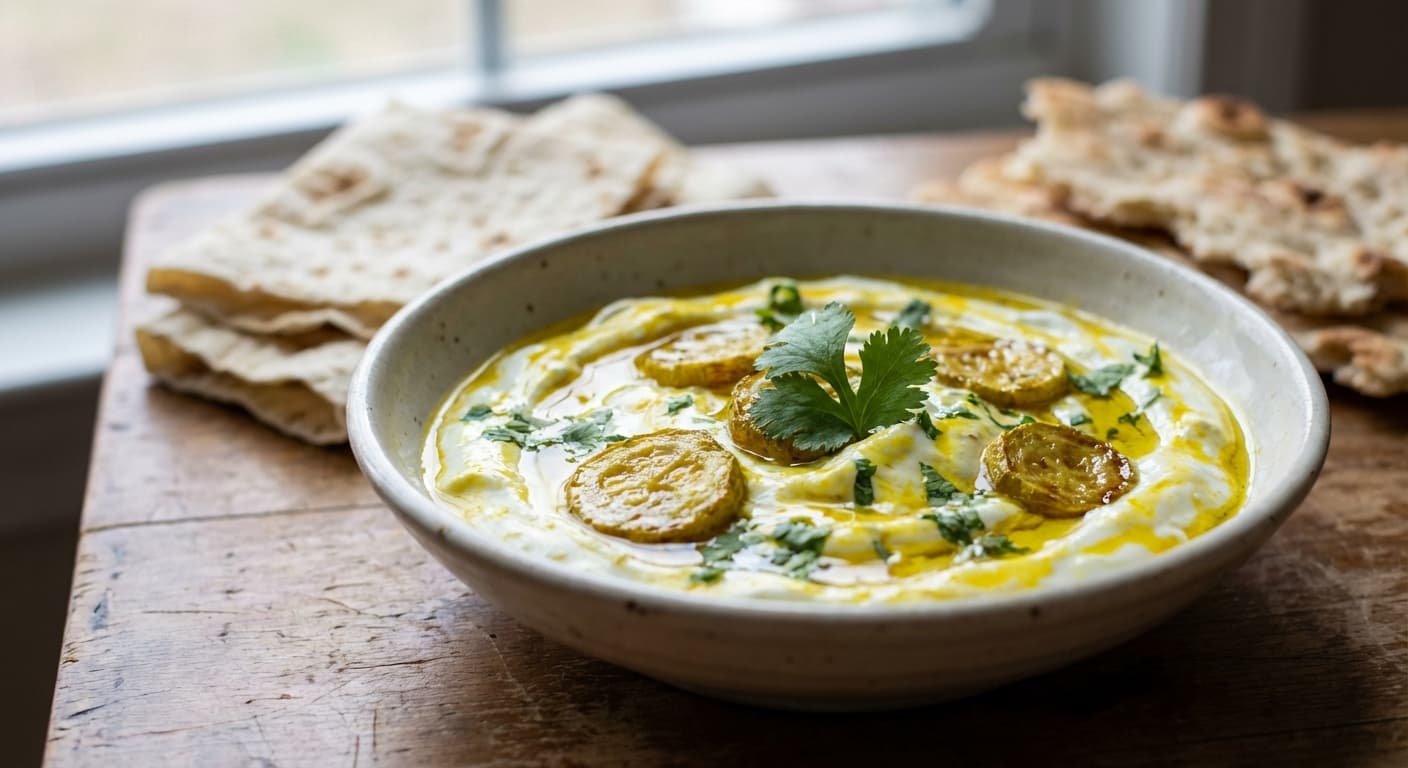
Borani Kadu (بورانی کدو) — Saffron-Infused Zucchini and Yogurt Dip
Persian · Appetizers · 40 min
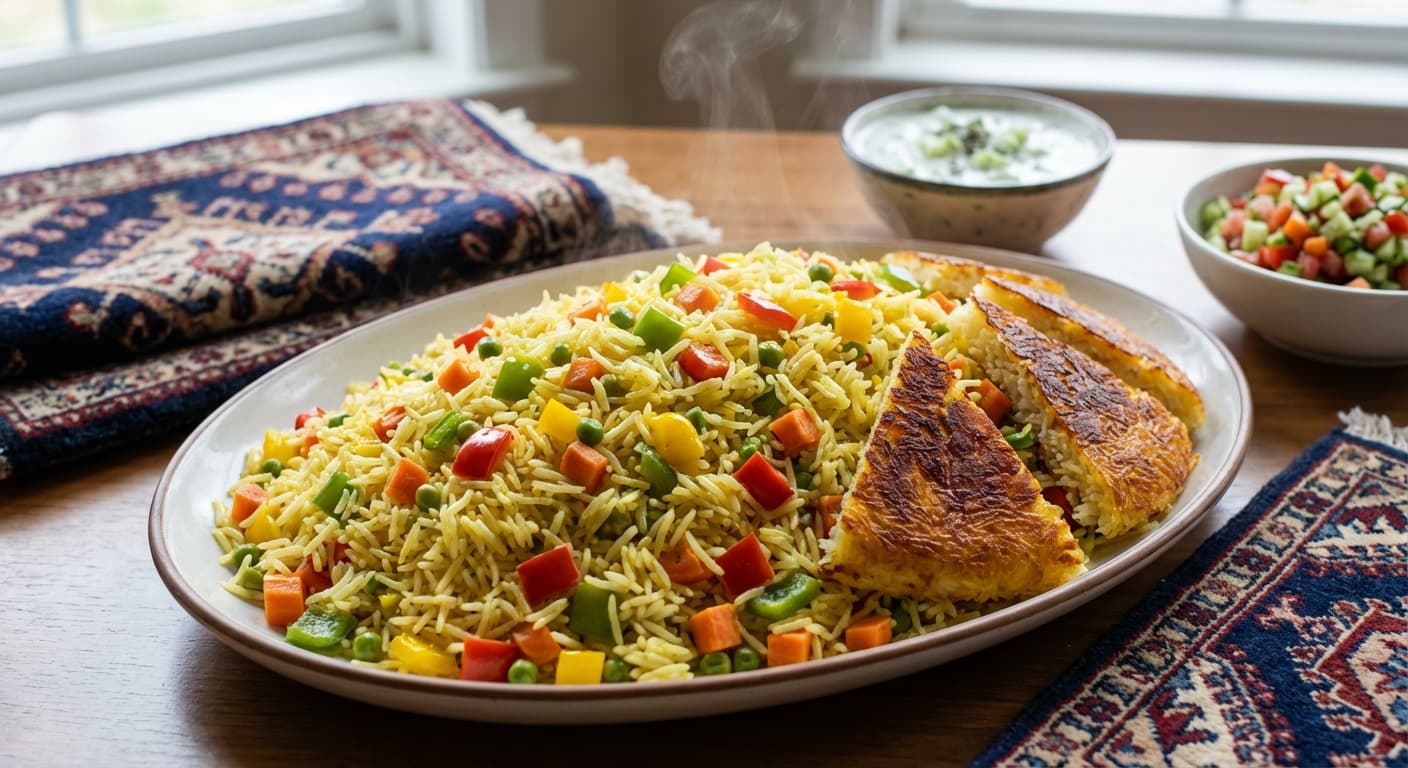
Mixed Vegetable Rice (برنج با مخلوط سبزیجات) — Persian-Style Aromatic Pilaf
Persian · Rice Dishes · 75 min
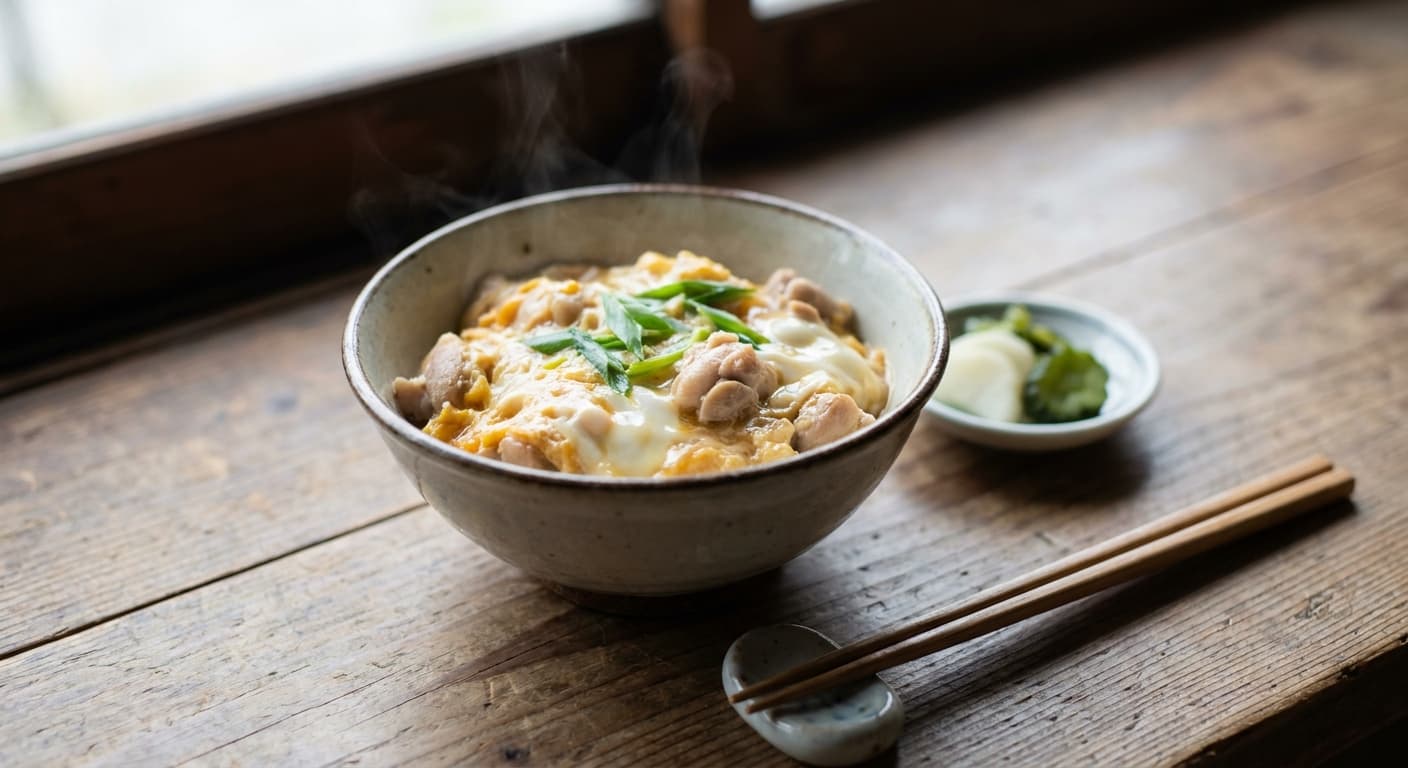
Japanese Oyakodon (親子丼) — Chicken and Egg Rice Bowl
Japanese · Rice Dishes · 29 min
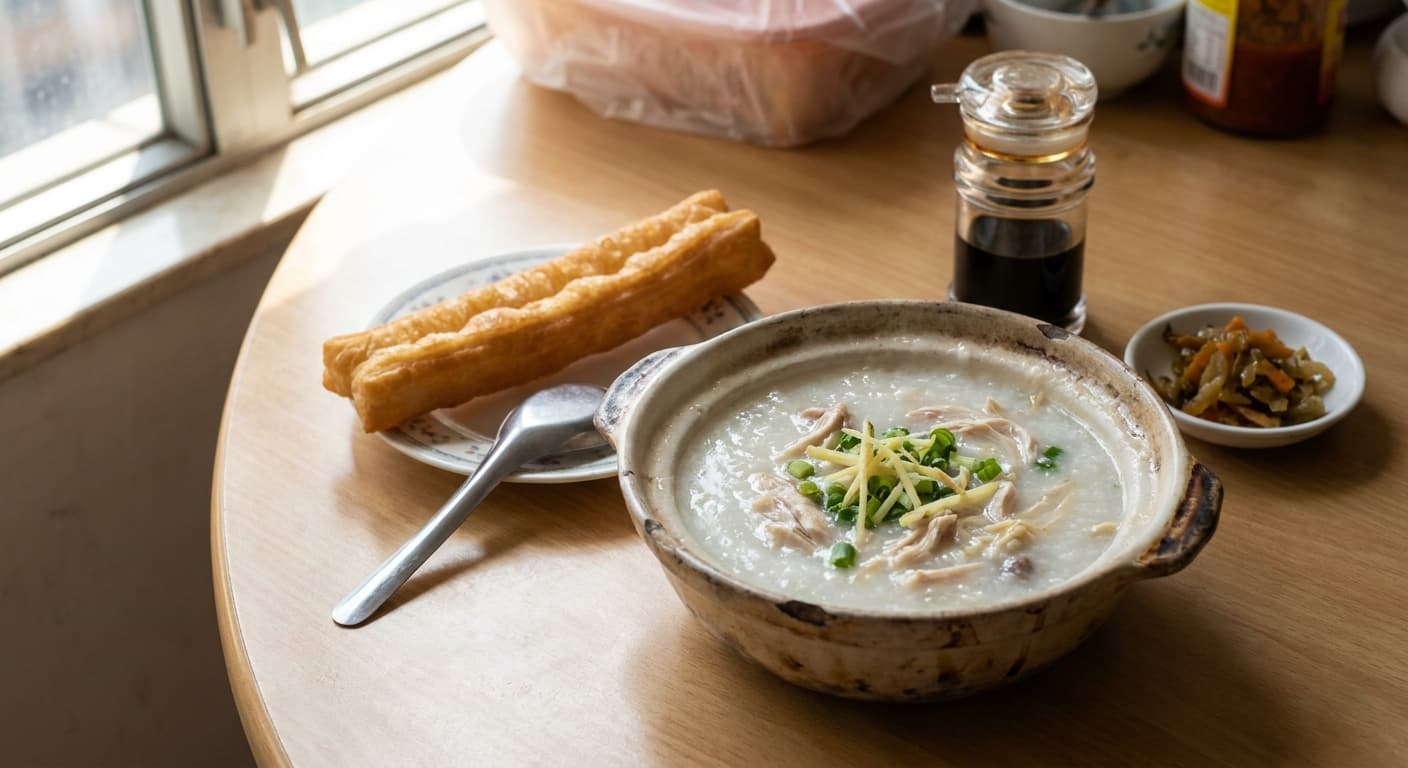
Cantonese Chicken Congee (粵式雞粥) — Silky Rice Porridge with Ginger
Chinese · Rice Dishes · 95 min
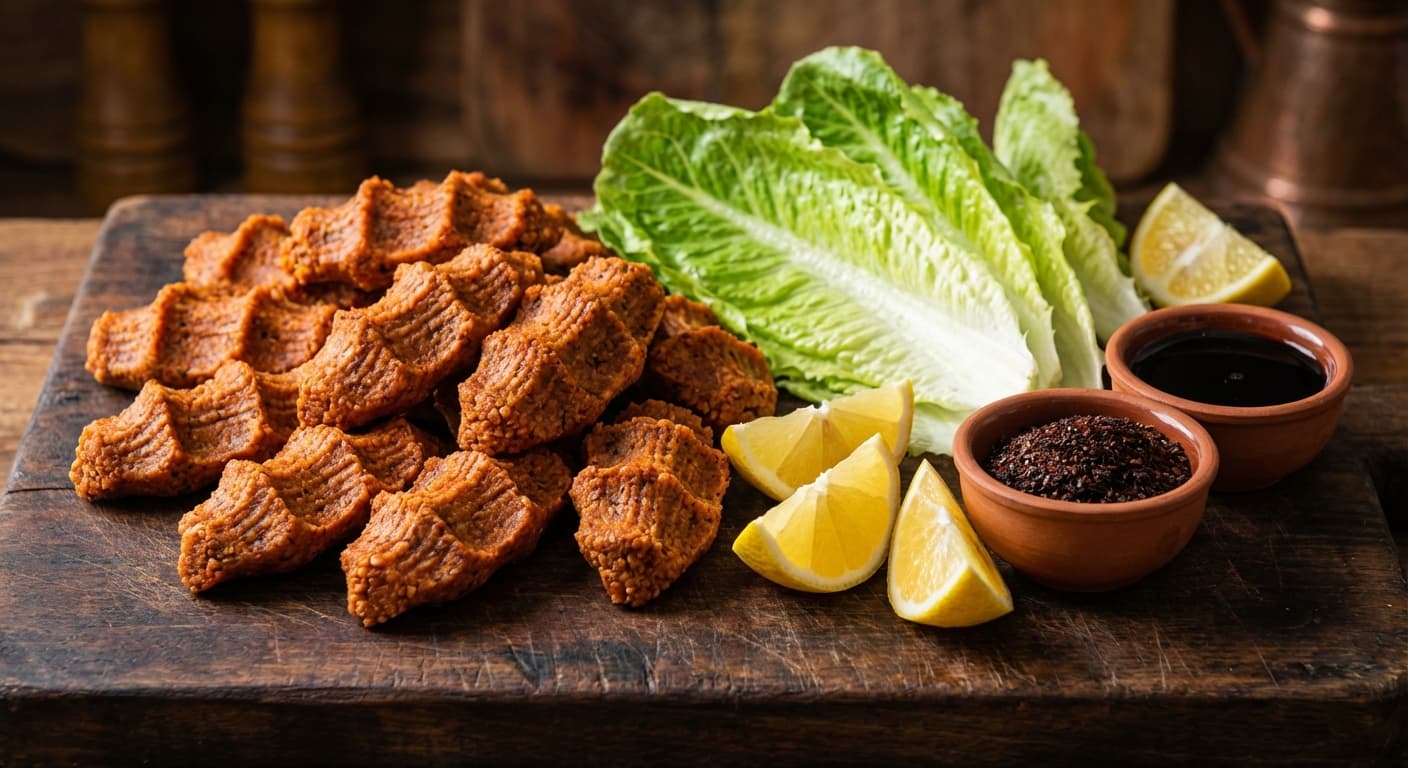
Cig Kofte (Çiğ Köfte) — Isot-kissed bulgur kneaded and served in lettuce
Turkish · Appetizers · 25 min
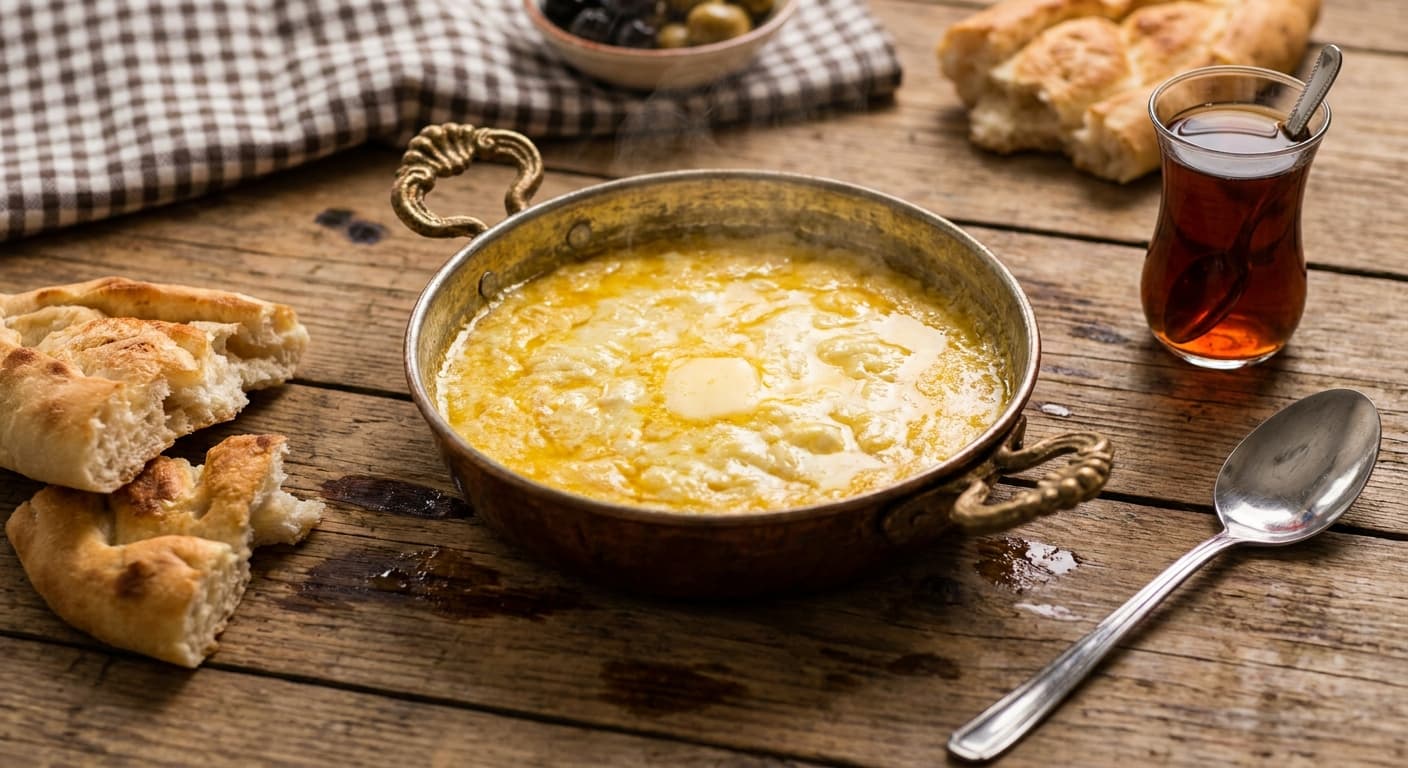
Mıhlama (Mıhlama) — Black Sea Cornmeal and Cheese Skillet
Turkish · Main Courses · 25 min
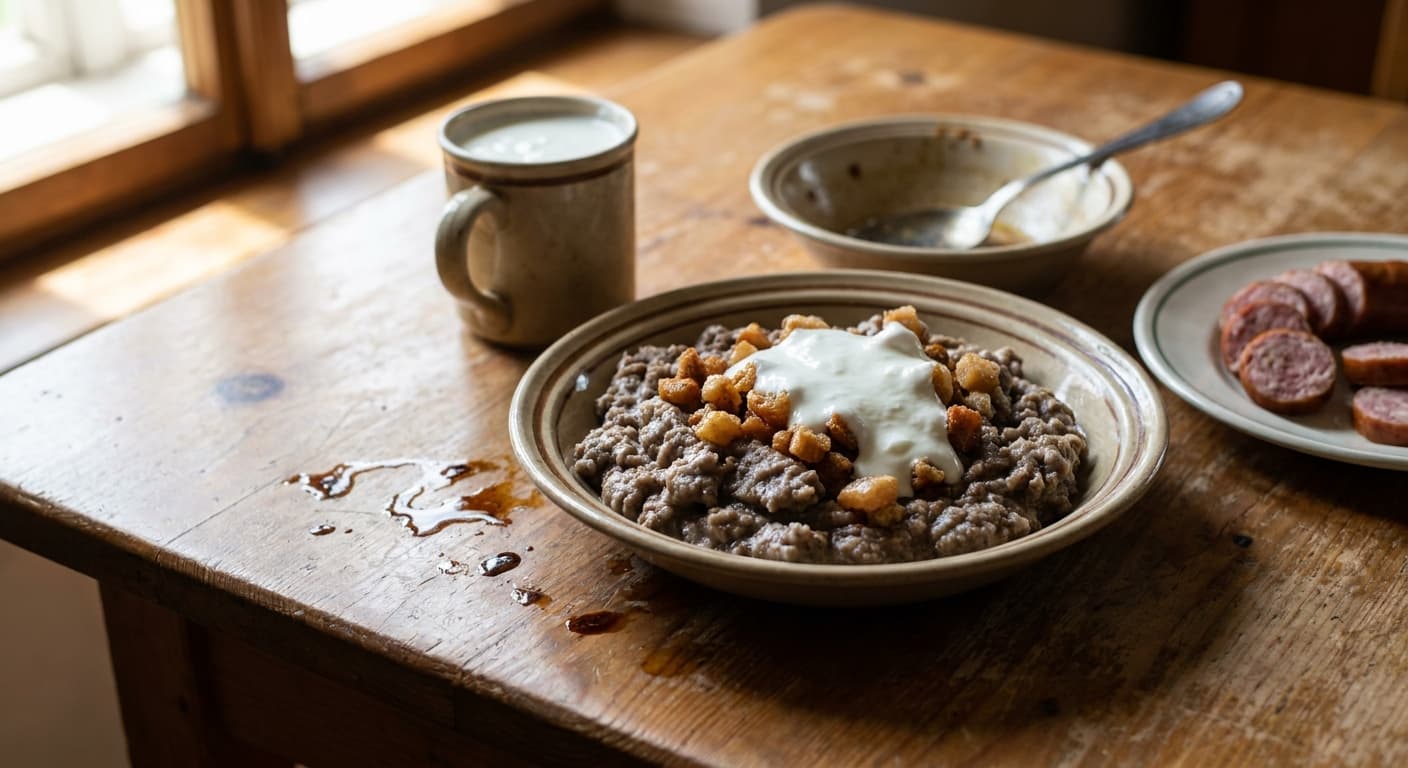
Buckwheat Žganci (Ajdovi žganci) — Slovenian Buckwheat Crumbs with Cracklings
Slovenian · Side Dishes · 45 min
Reviews
Cooked this recipe?
Tap the stars to rate it — that's all it takes. A few words are welcome but optional.
No ratings yet. Cooked this one? Be the first to rate it — it takes one tap.