Makki di Roti (ਮੱਕੀ ਦੀ ਰੋਟੀ) — Indian Cornmeal Flatbread, Rustic and Slightly Crisp
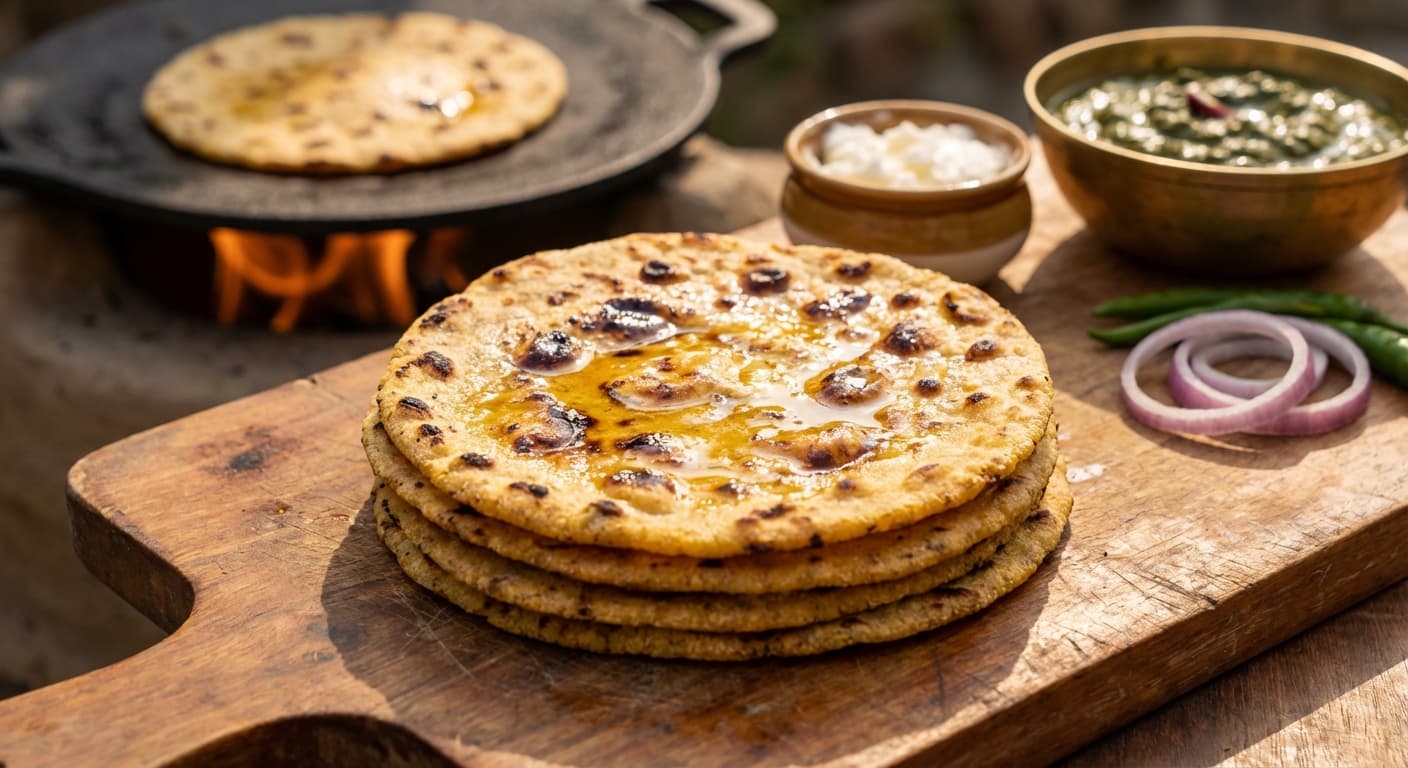
Makki di Roti is a beloved Punjabi winter flatbread made from maize flour, traditionally paired with sarson da saag. Its rustic texture and lightly crisp edges reflect North India’s hearty, field-to-table cooking.
Printable Recipe Card
Servings: 6 · Total: 40 min · Difficulty: medium
Ingredients (quick list)
- 300 g maize flour (makki ka atta) (fine to medium grind for easier shaping)
- 6 g salt (about 1 tsp fine salt)
- 2 g carom seeds (ajwain) (about 1 tsp; optional but traditional)
- 240 ml hot water (90–95°C; add in small increments as needed)
- 30 g ghee (about 2 tbsp, for cooking (5 g per roti))
Steps (summary)
- Mix the maize flour, salt, and carom seeds in a wide bowl so the seasoning is evenly distributed. Pour in 200 ml of hot water a…
- When the dough is cool enough to handle, knead it firmly for 2–3 minutes to hydrate the flour and bring it together. Add the re…
- Divide the dough into 6 equal portions (about 90 g each) and roll each into a smooth ball by pressing and rotating between your…
- Place one dough ball between two sheets of parchment (or a cut-open zip bag) and flatten it with your palm into a thick disc. P…
- Heat a tawa or cast-iron skillet over medium-high heat for 3 minutes until evenly hot. Carefully peel the top sheet away, inver…
- Cook the first side for 60–90 seconds until the surface looks drier and small cracks appear, then flip with a spatula. Cook the…
+ 1 more steps in the full instructions section below.
Cultural Background
A signature Punjabi winter bread, Makki di Roti is traditionally cooked on a hot tawa and served with sarson da saag during cold months. It reflects agrarian North India, where maize and mustard greens are seasonal staples and meals are built for warmth and energy.
Equipment
💡 Tips
- Use truly hot water (90–95°C) to hydrate maize flour; it reduces crumbling and makes the dough easier to pat out.
- Pat between parchment instead of rolling with a pin for the most authentic texture and fewer cracks.
- Keep the tawa at medium-high; too low dries the roti before it sets, and too high burns the cornmeal.
⚠️ Common Mistakes
❌ Dough crumbles and won’t hold together.
✅ Fix: Knead longer and add 10–20 ml more hot water, then rest 10 minutes to let the flour hydrate fully.
❌ Roti cracks heavily while shaping.
✅ Fix: Pat between parchment and smooth cracks by pinching; also ensure the dough is soft and covered so it doesn’t dry out.
❌ Roti turns hard and dry.
✅ Fix: Cook on medium-high for shorter time and store hot rotis covered with a towel; brush with measured ghee during reheating.
🧊 How to Store
Cool completely, then store rotis airtight with parchment between layers for up to 2 days refrigerated. Reheat on a hot tawa 45–60 seconds per side, brushing each with 2–3 g ghee or 5 ml oil to restore softness and crisp edges.
📅 Make Ahead
Mix and knead the dough up to 2 hours ahead and keep it covered at room temperature with a damp towel to prevent drying. Shape each roti just before cooking for the best texture and fewer cracks.
🍽️ Pairs Well With
- Sarson da saag
- white butter
- jaggery (gur)
- thick plain yogurt
- sliced red onion
- achar (pickle).
Regional Variations
- Some Punjabi homes add 10–15 g grated radish or 10 g chopped methi leaves to the dough for a seasonal twist.
- In parts of Haryana, a slightly thicker roti is preferred and cooked longer for a more pronounced crisp edge.
- A few cooks mix 30–40 g whole-wheat flour into the maize flour for easier handling, though it becomes less traditional.
Ingredients
- 300 gmaize flour (makki ka atta) (fine to medium grind for easier shaping)
- 6 gsalt (about 1 tsp fine salt)
- 2 gcarom seeds (ajwain) (about 1 tsp; optional but traditional)
- 240 mlhot water (90–95°C; add in small increments as needed)
- 30 gghee (about 2 tbsp, for cooking (5 g per roti))
🔄 Substitutions
- ghee→ neutral oil
- carom seeds (ajwain)→ cumin seeds
Instructions
- 1
Mix the maize flour, salt, and carom seeds in a wide bowl so the seasoning is evenly distributed. Pour in 200 ml of hot water and stir with a spoon until the mixture looks like damp crumbs and starts to clump.
- 2
When the dough is cool enough to handle, knead it firmly for 2–3 minutes to hydrate the flour and bring it together. Add the remaining 40 ml hot water gradually only if the dough feels dry; the final dough should be soft, cohesive, and slightly tacky, not wet.
- 3
Divide the dough into 6 equal portions (about 90 g each) and roll each into a smooth ball by pressing and rotating between your palms. Cover the balls with a damp towel for 10 minutes so the maize flour fully absorbs moisture and cracks less during shaping.
- 4
Place one dough ball between two sheets of parchment (or a cut-open zip bag) and flatten it with your palm into a thick disc. Press and pat it out to a 14–15 cm circle, about 4–5 mm thick, smoothing any edge cracks by pinching and pressing them back together.
- 5
Heat a tawa or cast-iron skillet over medium-high heat for 3 minutes until evenly hot. Carefully peel the top sheet away, invert the roti onto your palm, and lay it on the tawa; if it sticks, dust with up to 3 g of the reserved flour to release it cleanly.
- 6
Cook the first side for 60–90 seconds until the surface looks drier and small cracks appear, then flip with a spatula. Cook the second side for 60–90 seconds, then drizzle 5 g ghee around the edges and on top; flip once more and press gently with a cloth or spatula to encourage light browning and a slightly crisp rim.
- 7
Transfer the roti to a covered container lined with a clean towel to keep it warm without turning soggy. Repeat shaping and cooking with the remaining dough balls, adjusting heat so the roti browns in spots without burning.
🪪 Recipe Passport
Cultural Background
A signature Punjabi winter bread, Makki di Roti is traditionally cooked on a hot tawa and served with sarson da saag during cold months. It reflects agrarian North India, where maize and mustard greens are seasonal staples and meals are built for warmth and energy.
Regional Variations
Researched from multiple sources and validated by the Zaffaron editorial team. Every recipe is tested for accuracy, measurements, and cultural authenticity.
Nutrition per serving
Pairs well with
If you enjoyed this recipe, here are a few related Zaffaron recipes to try next.
Does your family make this differently?
Every family has their own version. Maybe your grandmother adds a secret ingredient, or your aunt has a completely different technique. Preserve your family's version — with their name on it, forever.
You Might Also Like
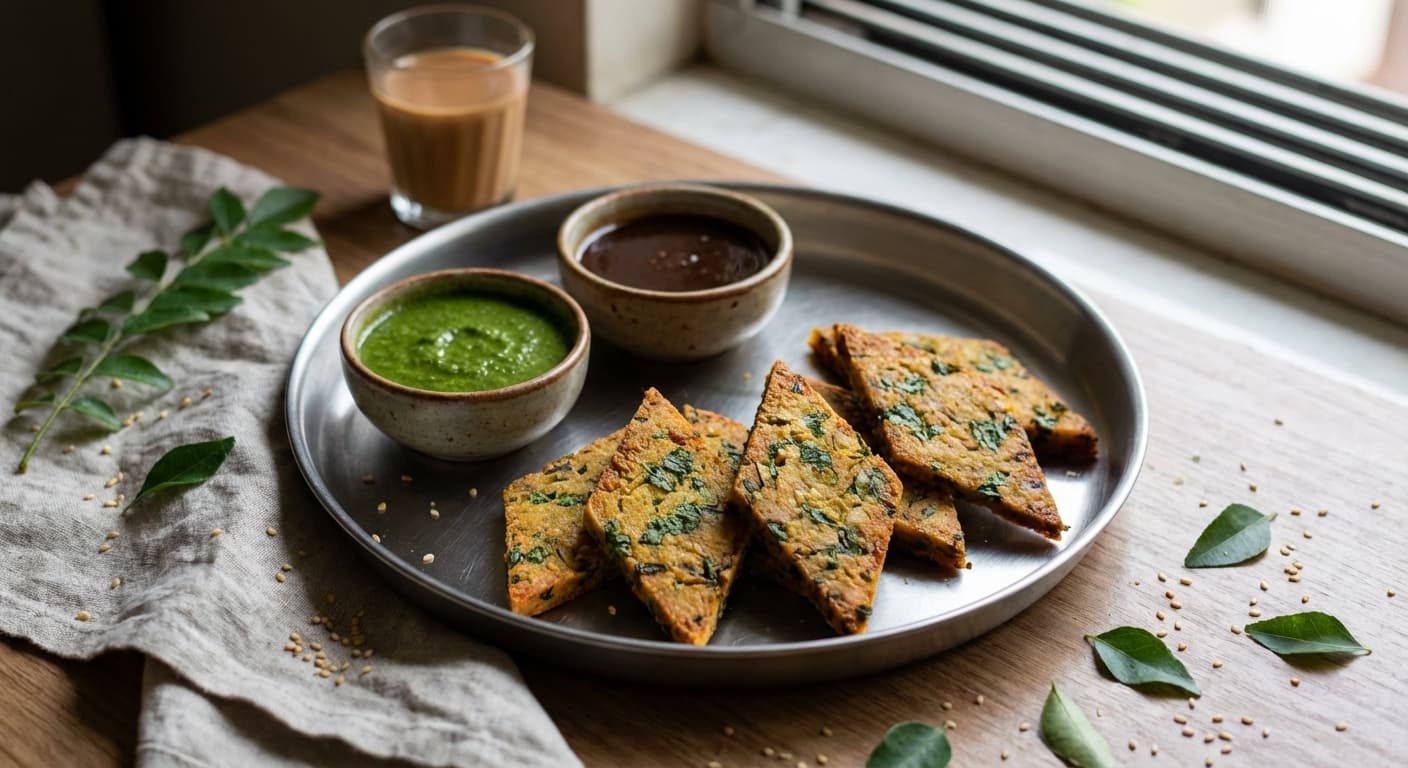
Kothimbir Vadi (कोथिंबीर वडी) — Steamed coriander-gram cakes, pan-fried crisp
Indian · Appetizers · 50 min
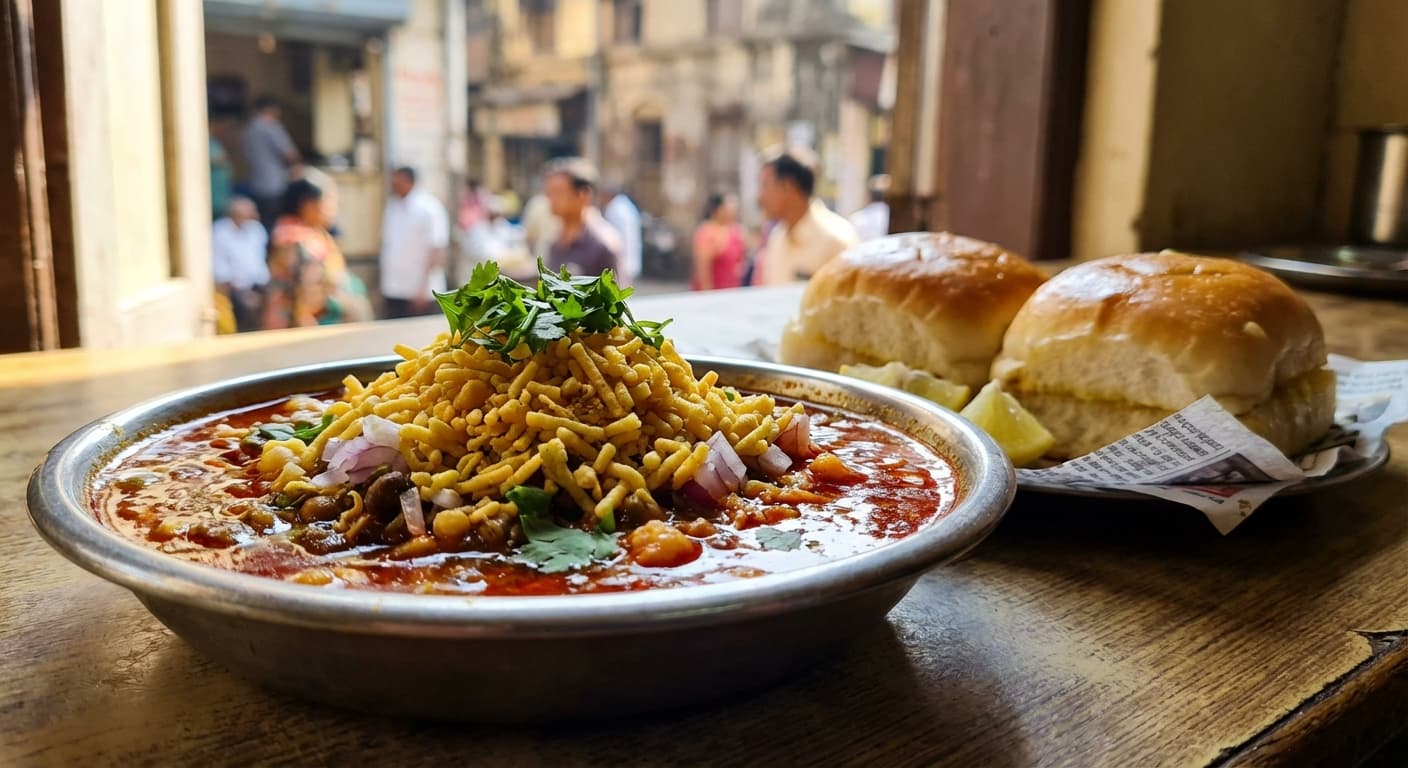
Misal Pav (मिसळ पाव) — Spicy sprouted moth bean curry with farsan
Indian · Main Courses · 70 min
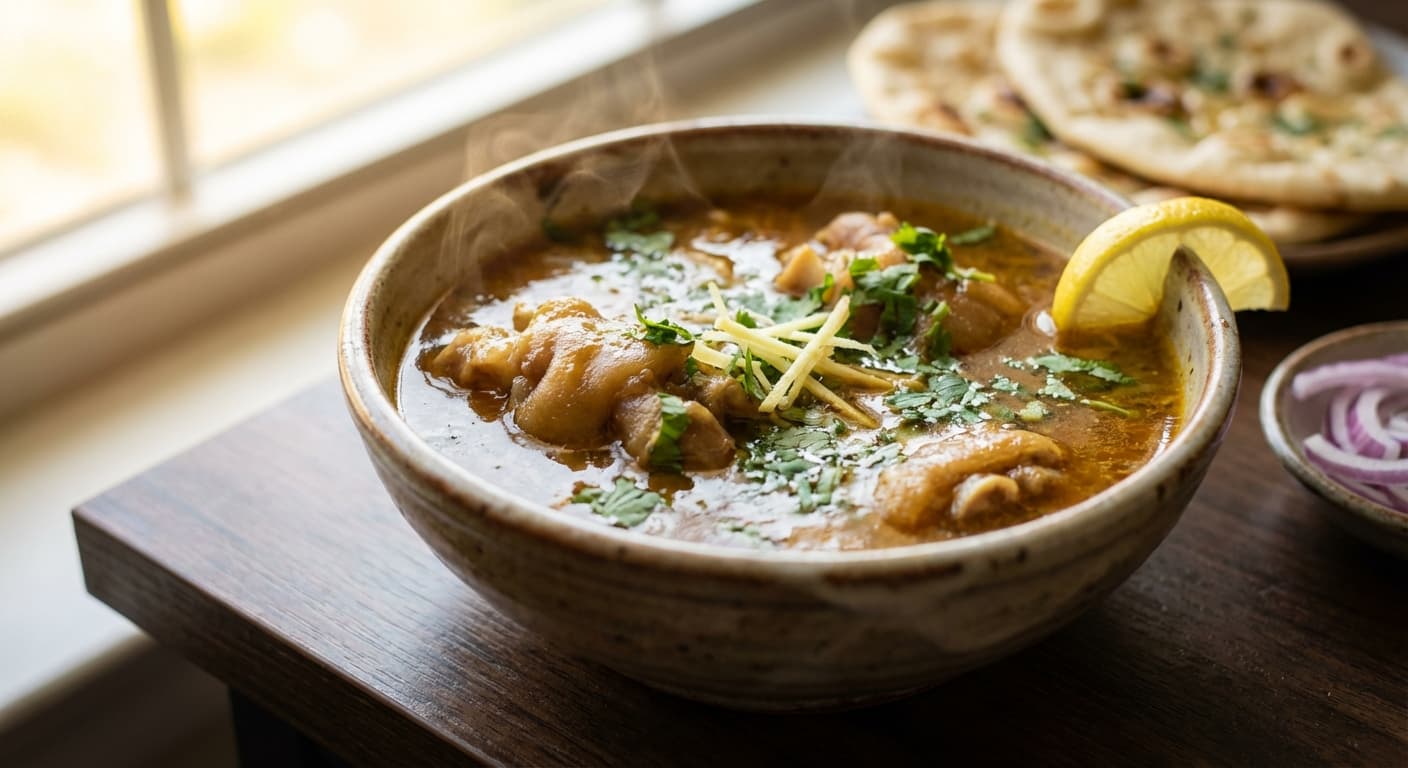
Paya Soup (پایا) — Indian Trotter Broth with Ginger and Garam Masala
Indian · Soups · 235 min
Sheermal (شیرمال) — Afghan Saffron Milk Bread with a Gentle Sweetness
Afghan · Breads · 43 min
Cornbread (Cornbread) — Classic Cast-Iron American Quick Bread
American · Breads · 40 min
Lawang (لاونگ) — Afghan Stuffed Chicken with Raisins, Nuts, and Warm Spices
Afghan · Main Courses · 120 min
Panta Bhat (পান্তা ভাত) — Overnight Fermented Rice with Fried Ilish
Bangladeshi · Rice Dishes · 35 min
Chettinad Chicken (செட்டிநாடு கோழி குழம்பு) — Peppery roasted-spice chicken curry from Tamil Nadu
Indian · Main Courses · 65 min
Reviews
Cooked this recipe?
Tap the stars to rate it — that's all it takes. A few words are welcome but optional.
No ratings yet. Cooked this one? Be the first to rate it — it takes one tap.