Mango Pickle (आम का अचार) — Indian Spiced Raw Mango Pickle in Mustard Oil
Aam ka achar is a classic North Indian-style raw mango pickle preserved with salt, spices, and pungent mustard oil. It’s traditionally sun-cured to deepen flavor and keep for months, served in tiny amounts alongside everyday meals.
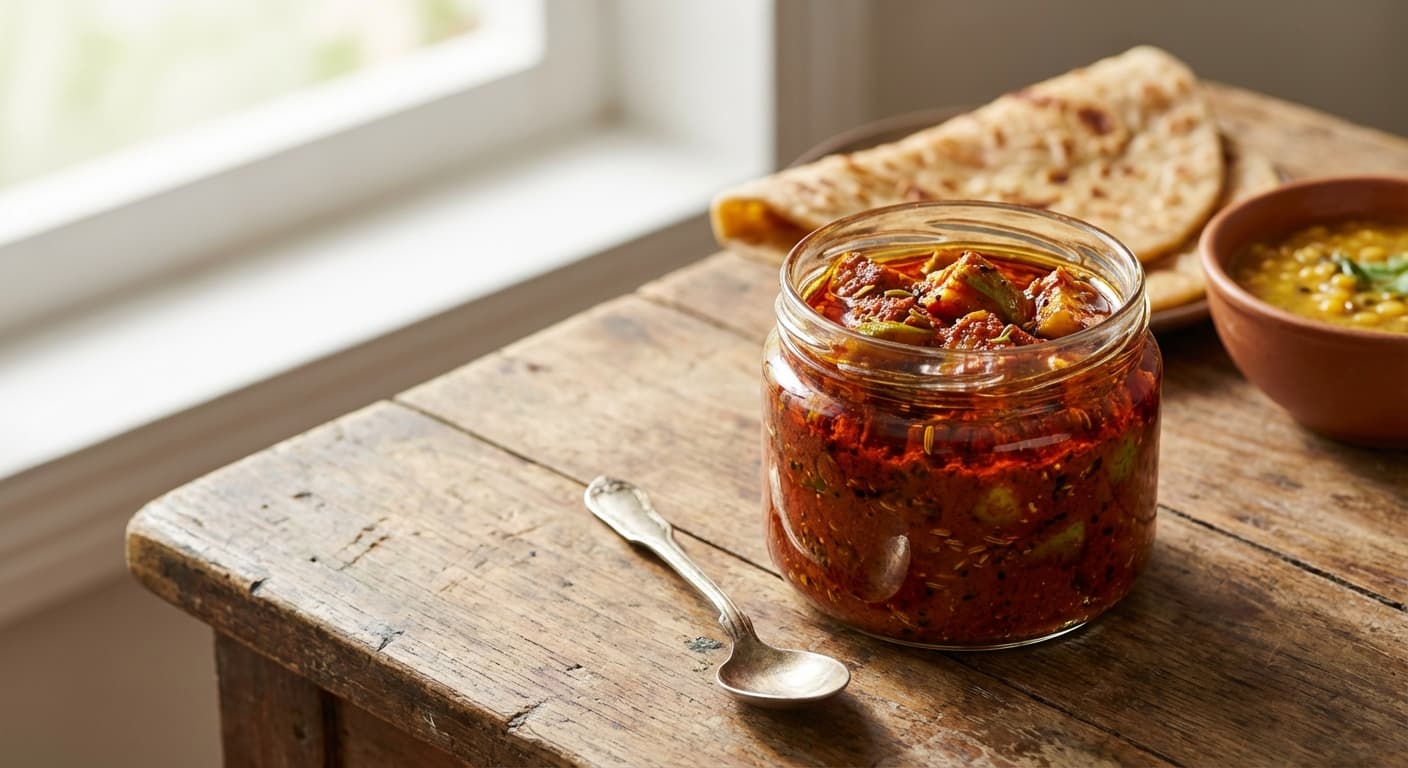
Printable Recipe Card
Servings: 32 · Total: 55 min · Difficulty: medium
Ingredients (quick list)
- 1000 g Raw green mango, firm (washed, completely dried, cut into 2 cm pieces) (Choose sour, unripe mangoes; moisture causes spoilage.)
- 30 g Fine sea salt (About 3% of mango weight for safe curing.)
- 6 tsp Turmeric powder (Divided; helps color and preservation.)
- 4 tbsp Kashmiri red chili powder (For color and mild heat.)
- 2 tsp Hot red chili powder (Optional but traditional for a sharper bite.)
- 4 tbsp Mustard seeds, yellow or black (Coarsely ground; do not make a fine powder.)
- 2 tbsp Fenugreek seeds (Lightly roasted and coarsely ground to reduce bitterness.)
- 2 tbsp Fennel seeds (Adds sweet-anise aroma.)
- 2 tsp Nigella seeds (kalonji) (Classic pickle fragrance.)
- 1 tsp Asafoetida (hing) powder (Use gluten-free hing if needed.)
- 375 ml Mustard oil (Must be smoked (heated) to mellow raw pungency.)
- 30 ml White vinegar (Optional acidity boost for extra safety in humid climates.)
Steps (summary)
- Sterilize a 1.5–2 liter glass jar and its lid by washing with hot soapy water, then rinsing well and drying completely. Leave t…
- Wash the raw mangoes and wipe them dry, then air-dry for 30 minutes so no surface moisture remains. Cut into 2 cm chunks, disca…
- In a large non-reactive bowl, toss the mango pieces with 30 g salt and 2 tsp turmeric until every piece is coated. Cover and re…
- Lightly roast the fenugreek seeds in a dry pan over medium heat for 2 minutes, stirring constantly, until fragrant but not dark…
- Add Kashmiri chili powder, hot chili powder, fennel seeds, nigella seeds, asafoetida, and the remaining 4 tsp turmeric to the d…
- Pour mustard oil into a small saucepan and heat until it just begins to smoke (about 180°C), then immediately turn off the heat…
+ 3 more steps in the full instructions section below.
Cultural Background
Raw mango pickle is a summer ritual across India, made when green mangoes are at peak sourness and preserved for the months ahead. Families often sun-cure jars on rooftops or balconies, creating a signature achar that varies by region and household.
Equipment
💡 Tips
- Dryness is non-negotiable: after washing mangoes, wait 30 minutes and wipe the cutting board and knife completely dry before chopping.
- Keep fenugreek lightly roasted (2 minutes) to avoid bitterness while still getting its signature pickle aroma.
- Always ensure a visible oil layer covers the mango; if needed, top up with 30 ml additional smoked mustard oil to prevent mold.
⚠️ Common Mistakes
❌ Mold forming on the surface after a few days
✅ Fix: Remove any exposed pieces, top up with 30 ml smoked mustard oil, and ensure all utensils are dry; keep mango fully submerged under oil.
❌ Pickle tastes bitter
✅ Fix: Roast fenugreek only 2 minutes and grind it coarsely; over-roasting or fine grinding concentrates bitterness.
❌ Spices taste burnt or harsh
✅ Fix: Cool the smoked mustard oil for 10 minutes before mixing so it is warm, not hot, and do not fry the powdered spices.
🧊 How to Store
Store the jar in a cool, dark cupboard for up to 3 months, or refrigerate for 6 months for best color and crunch. Always use a clean, dry spoon and keep mango pieces under oil; if the oil level drops, top up with 15–30 ml smoked mustard oil.
📅 Make Ahead
You can cut and salt-cure the mangoes up to 12 hours ahead, then drain and mix with spices the next day. The spice blend can be measured and ground 2 days in advance and stored airtight to speed up assembly.
🍽️ Pairs Well With
- Dal and rice
- paratha
- khichdi
- curd rice
- stuffed flatbreads
- simple vegetable sabzi.
Regional Variations
- Punjabi-style: heavier on coarsely ground mustard and chili, with a sharper mustard-oil punch.
- Rajasthani-style: often includes more fennel and sometimes a pinch of ajwain for a brighter, aromatic profile.
- South Indian-style (different method): uses sesame oil and may include more chili and a tempering, producing a softer, less mustard-forward pickle.
Ingredients
- 1000 gRaw green mango, firm (washed, completely dried, cut into 2 cm pieces) (Choose sour, unripe mangoes; moisture causes spoilage.)
- 30 gFine sea salt (About 3% of mango weight for safe curing.)
- 6 tspTurmeric powder (Divided; helps color and preservation.)
- 4 tbspKashmiri red chili powder (For color and mild heat.)
- 2 tspHot red chili powder (Optional but traditional for a sharper bite.)
- 4 tbspMustard seeds, yellow or black (Coarsely ground; do not make a fine powder.)
- 2 tbspFenugreek seeds (Lightly roasted and coarsely ground to reduce bitterness.)
- 2 tbspFennel seeds (Adds sweet-anise aroma.)
- 2 tspNigella seeds (kalonji) (Classic pickle fragrance.)
- 1 tspAsafoetida (hing) powder (Use gluten-free hing if needed.)
- 375 mlMustard oil (Must be smoked (heated) to mellow raw pungency.)
- 30 mlWhite vinegar (Optional acidity boost for extra safety in humid climates.)
🔄 Substitutions
- Mustard oil→ Neutral oil (sunflower or canola) + 2 tbsp mustard seeds, lightly crushed
- Asafoetida (hing) powder→ 2 tsp garlic powder
- Nigella seeds (kalonji)→ Cumin seeds
Instructions
- 1
Sterilize a 1.5–2 liter glass jar and its lid by washing with hot soapy water, then rinsing well and drying completely. Leave the jar in direct sun for 30 minutes or in a 110°C oven for 15 minutes, and cool fully before filling.
- 2
Wash the raw mangoes and wipe them dry, then air-dry for 30 minutes so no surface moisture remains. Cut into 2 cm chunks, discarding the stem end, and keep the pieces as uniform as possible for even curing.
- 3
In a large non-reactive bowl, toss the mango pieces with 30 g salt and 2 tsp turmeric until every piece is coated. Cover and rest for 8 hours at cool room temperature (or 12 hours in the refrigerator), then drain off the brine that collects.
- 4
Lightly roast the fenugreek seeds in a dry pan over medium heat for 2 minutes, stirring constantly, until fragrant but not dark. Cool completely, then coarsely grind the fenugreek and mustard seeds together so the texture stays slightly gritty.
- 5
Add Kashmiri chili powder, hot chili powder, fennel seeds, nigella seeds, asafoetida, and the remaining 4 tsp turmeric to the drained mangoes. Mix thoroughly for 2 full minutes, scraping the bowl, so the spice blend clings evenly to every piece.
- 6
Pour mustard oil into a small saucepan and heat until it just begins to smoke (about 180°C), then immediately turn off the heat. Cool the oil for 10 minutes until warm but not hot, because very hot oil can scorch spices and turn them bitter.
- 7
Stir the warm mustard oil into the spiced mango mixture and mix until glossy and well-coated. If using vinegar, add 30 ml now and mix again for 30 seconds to distribute it evenly.
- 8
Pack the pickle tightly into the sterilized jar, pressing down with a clean spoon to remove air pockets. Pour any remaining oil and spice sediment from the bowl on top, ensuring the mango pieces are fully submerged under at least 5 mm of oil.
- 9
Close the lid and place the jar in direct sunlight for 3 days, bringing it indoors at night, and shake the jar once daily to redistribute spices. After sun-curing, rest the pickle for 7 more days at room temperature to mature, and always use a clean, dry spoon when serving.
🪪 Recipe Passport
Cultural Background
Raw mango pickle is a summer ritual across India, made when green mangoes are at peak sourness and preserved for the months ahead. Families often sun-cure jars on rooftops or balconies, creating a signature achar that varies by region and household.
Regional Variations
Researched with AI assistance from culinary references and checked by Zaffaron's automated quality pipeline. Recipes are not individually kitchen-tested; see our editorial policy.
Nutrition per serving
Pairs well with
If you enjoyed this recipe, here are a few related Zaffaron recipes to try next.
Does your family make this differently?
Every family has their own version. Maybe your grandmother adds a secret ingredient, or your aunt has a completely different technique. Preserve your family's version — with their name on it, forever.
You Might Also Like
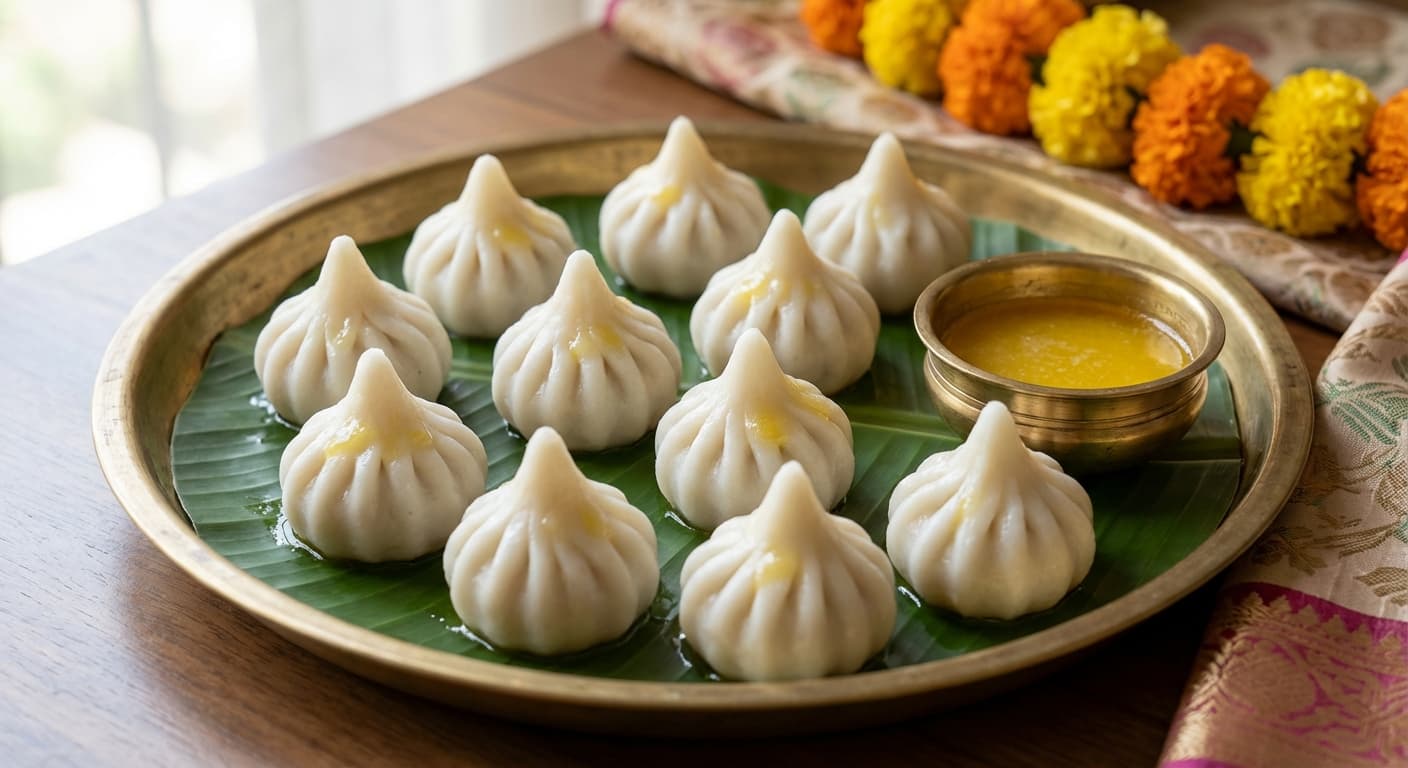
Modak (मोदक) — Steamed coconut-jaggery sweet dumplings for Ganesh Chaturthi
Indian · Desserts · 60 min
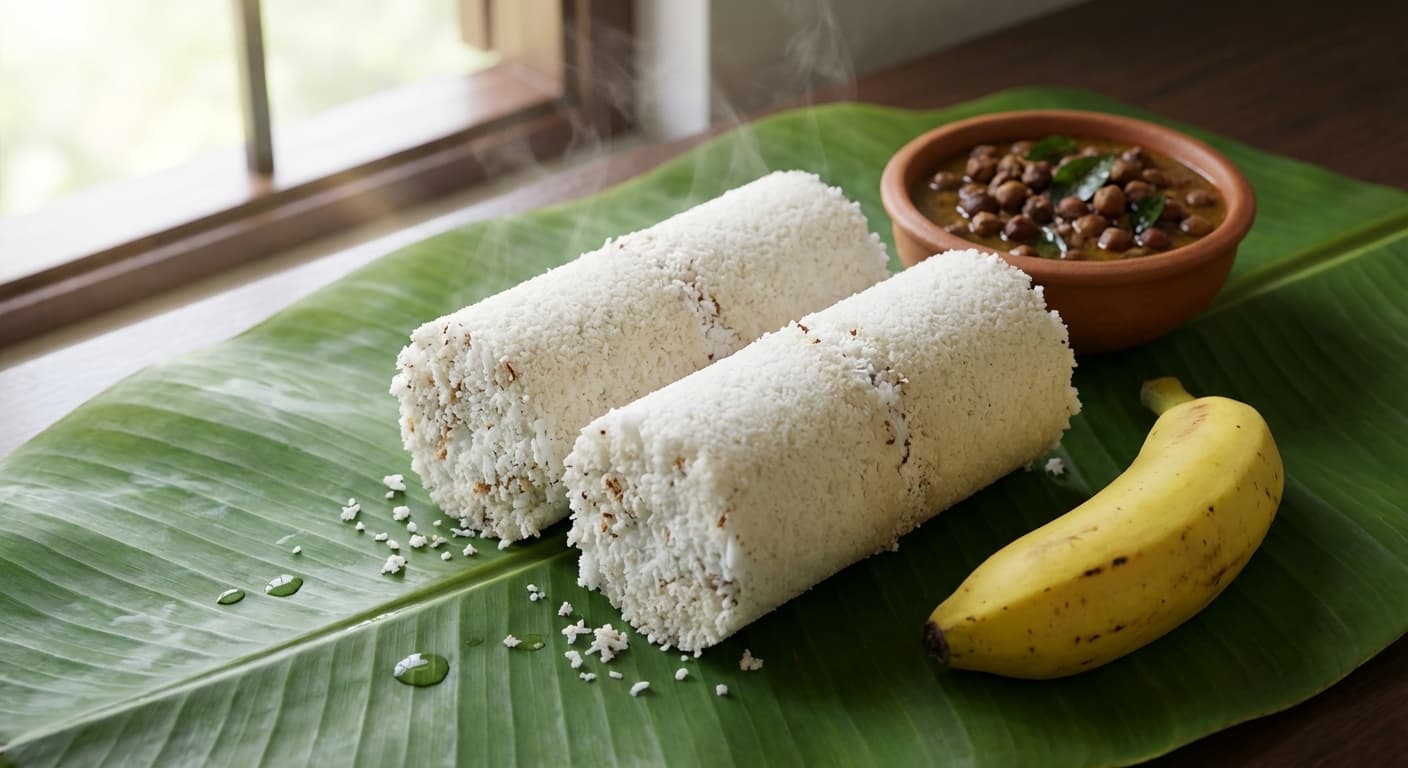
Puttu (പുട്ട്) — Steamed rice flour cylinders layered with coconut
Indian · Breads · 35 min
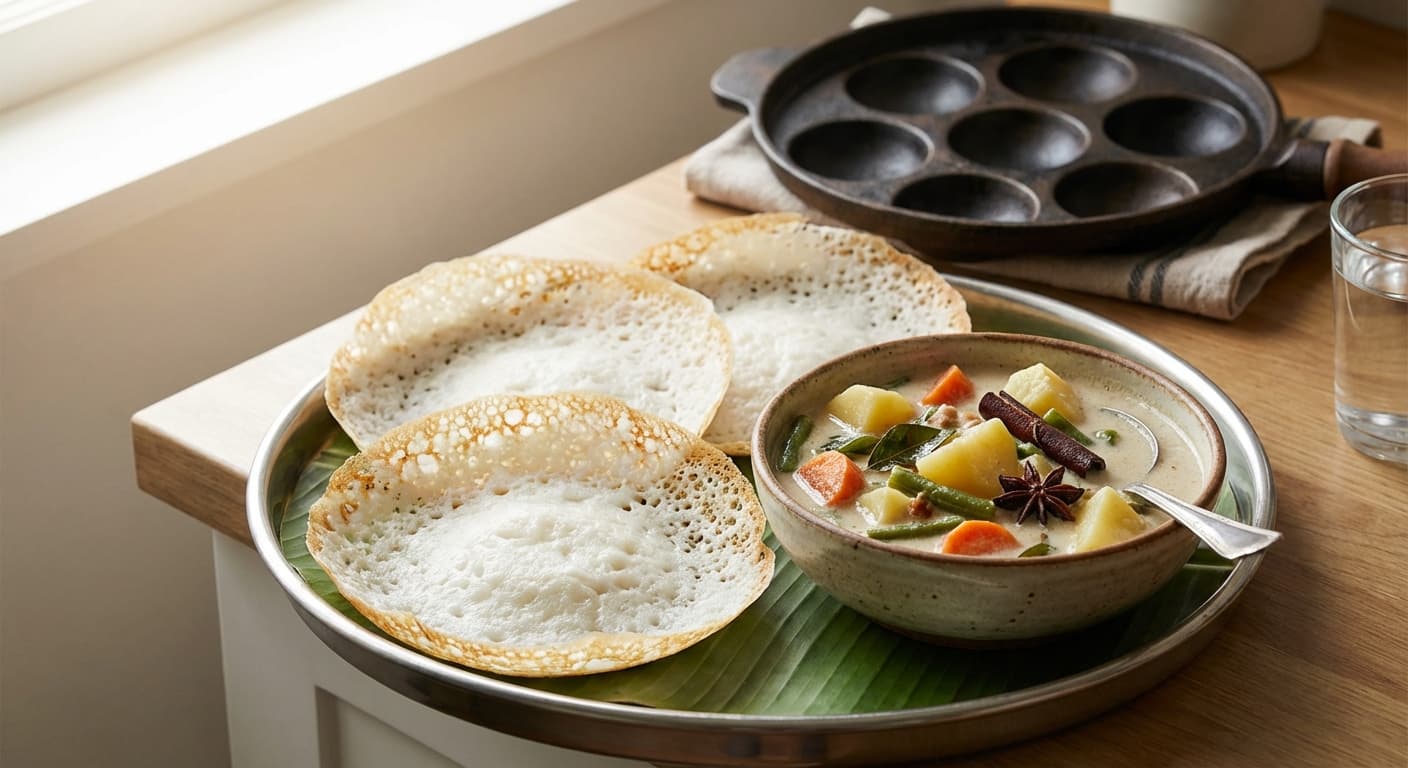
Appam with Stew (അപ്പം & ഇഷ്ടു) — Lacy rice pancakes with coconut vegetable curry
Indian · Main Courses · 80 min
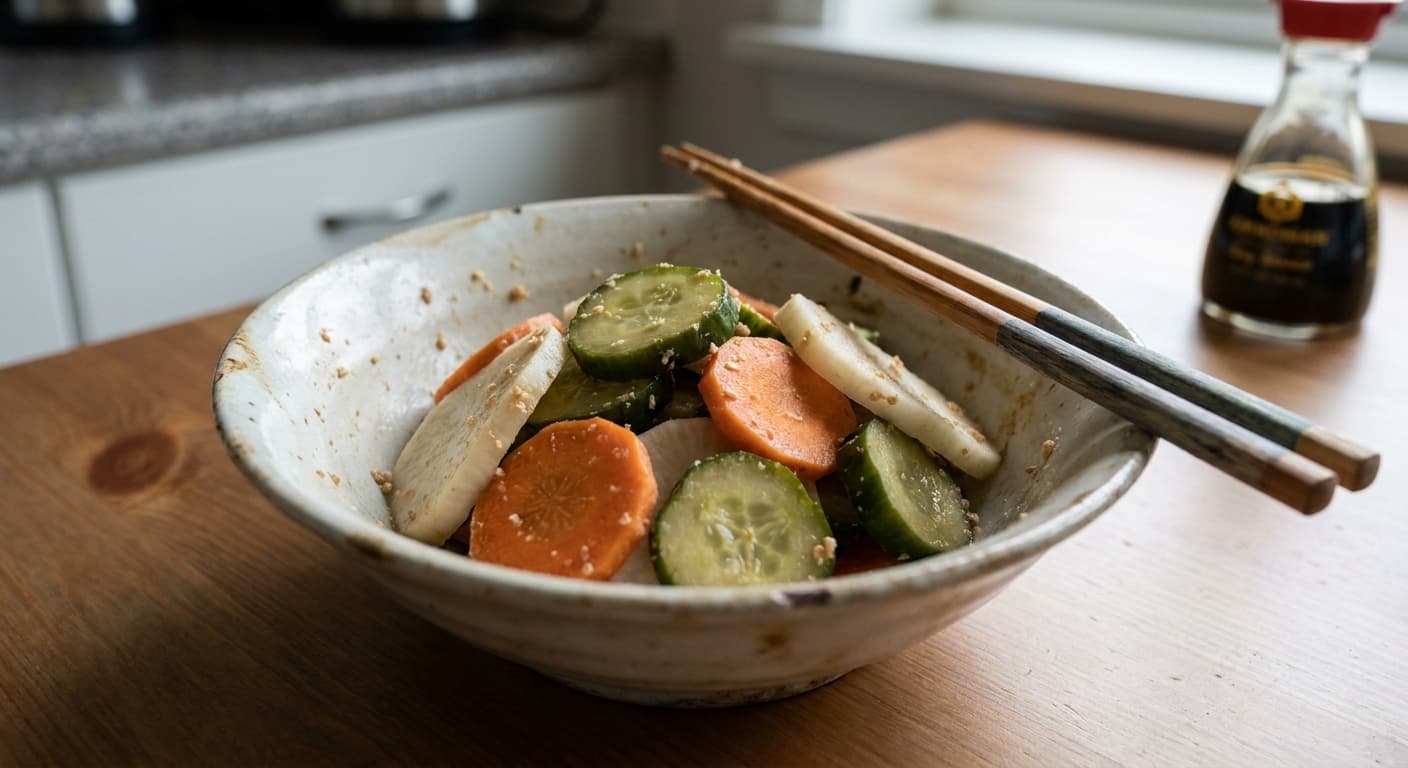
Nukazuke (糠漬け) — Japanese Rice Bran Pickles
Japanese · Side Dishes · 40 min
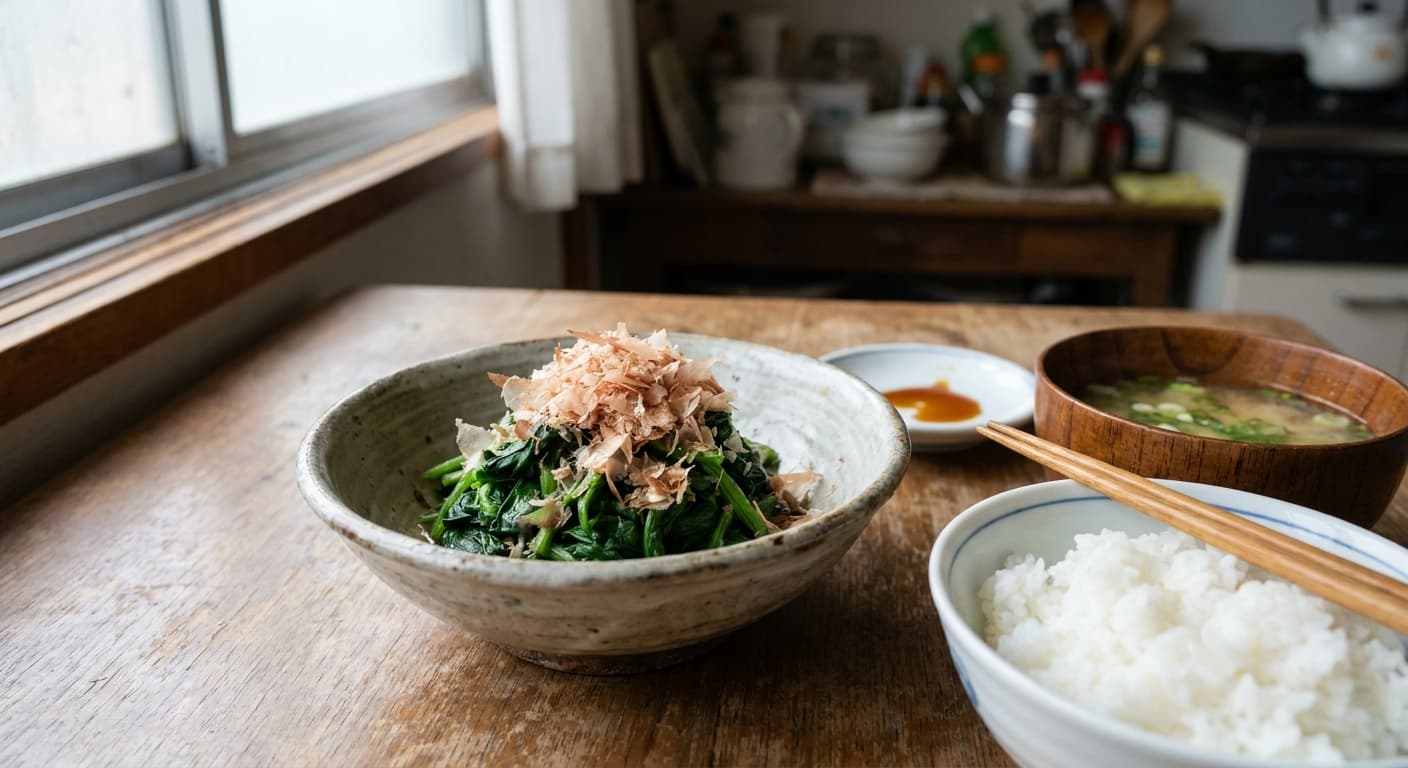
Ohitashi (お浸し) — Japanese Dashi-Soaked Greens
Japanese · Side Dishes · 20 min
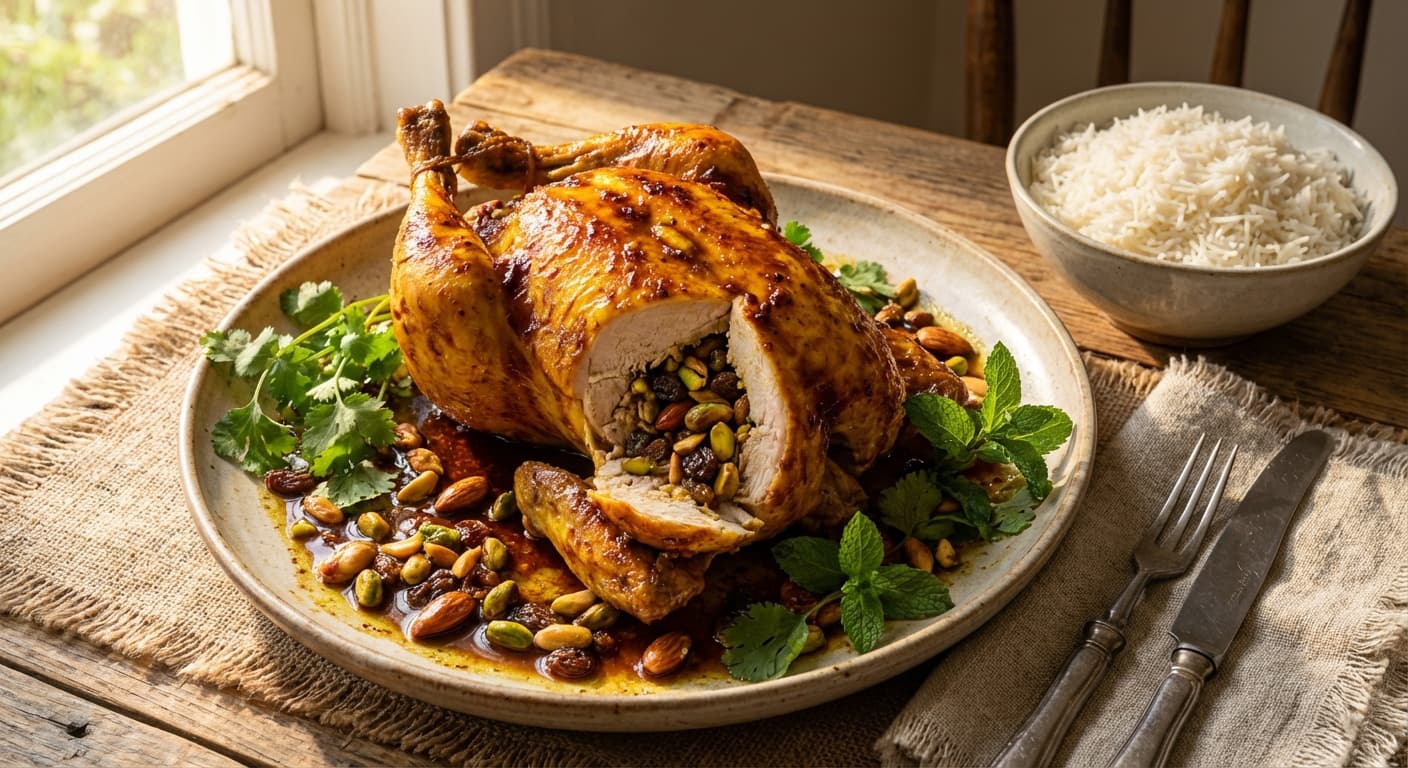
Lawang (لاونگ) — Afghan Stuffed Chicken with Raisins, Nuts, and Warm Spices
Afghan · Main Courses · 120 min
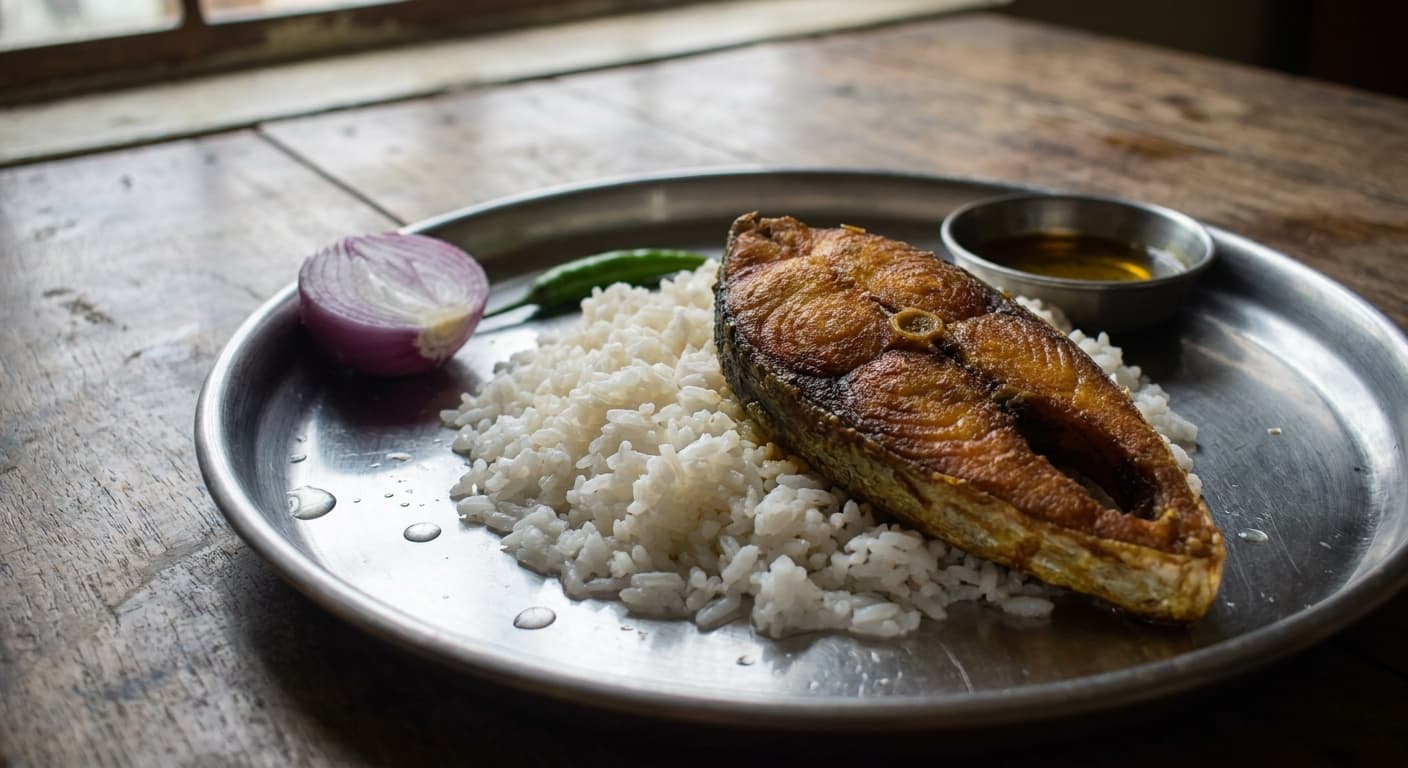
Panta Bhat (পান্তা ভাত) — Overnight Fermented Rice with Fried Ilish
Bangladeshi · Rice Dishes · 35 min
Norwegian Lamb and Cabbage Stew (Fårikål) — Peppery Autumn National Dish
Norwegian · Stews · 170 min
Reviews
Cooked this recipe?
Tap the stars to rate it — that's all it takes. A few words are welcome but optional.
No ratings yet. Cooked this one? Be the first to rate it — it takes one tap.