Ohitashi (お浸し) — Japanese Dashi-Soaked Greens
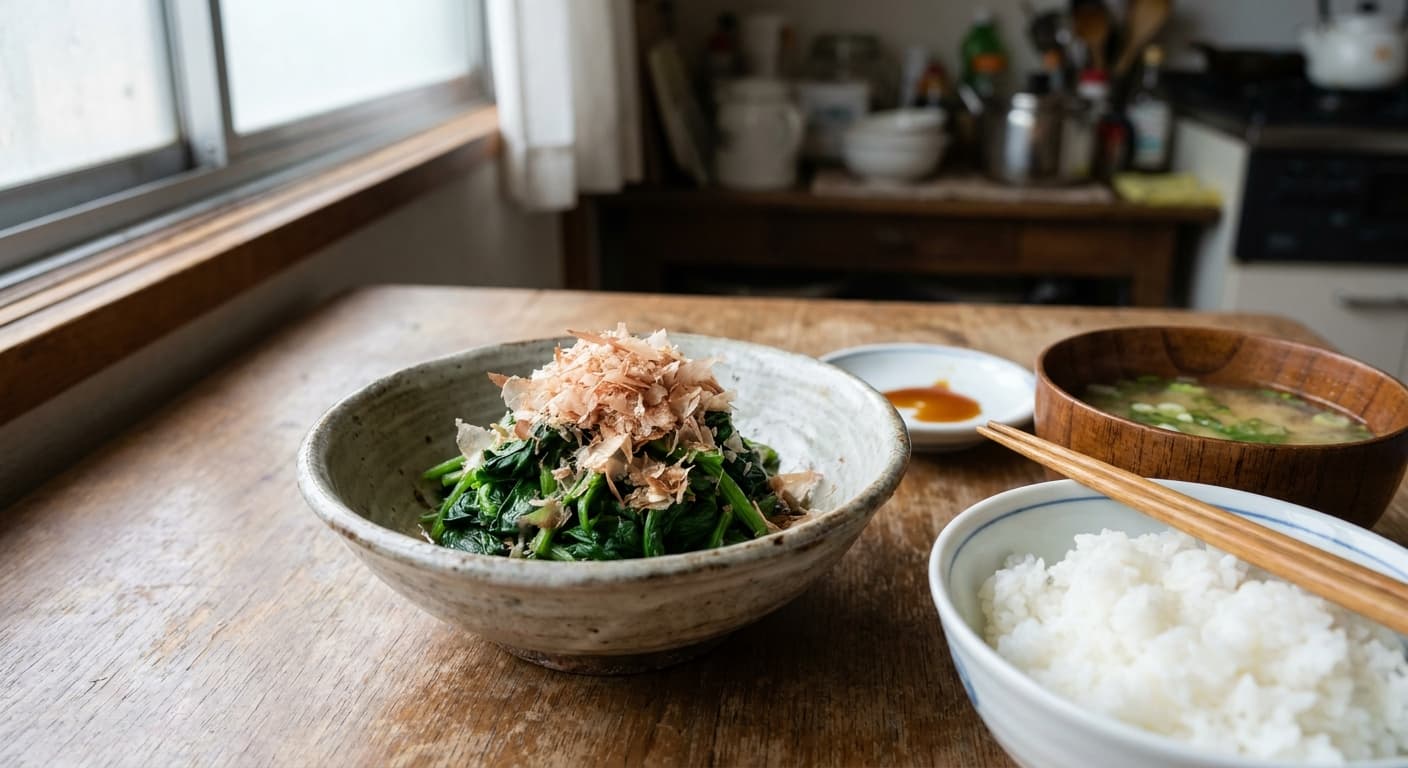
Ohitashi is a classic Japanese side dish of blanched greens gently steeped in seasoned dashi. This version uses spinach, soy sauce, mirin, and katsuobushi for a clean, savory washoku flavor.
Printable Recipe Card
Servings: 4 · Total: 20 min · Difficulty: easy
Ingredients (quick list)
- 500 g fresh spinach (Japanese horenso spinach is ideal; keep stems attached for blanching)
- 2 l water
- 10 g fine sea salt
- 1 l ice water
- 300 ml awase dashi (kombu and bonito dashi; contains fish)
- 3 tbsp Japanese soy sauce
- 2 tbsp mirin
- 1 tbsp sake
- 6 g katsuobushi (bonito flakes)
Steps (summary)
- Combine the awase dashi, soy sauce, mirin, and sake in a small saucepan. Bring the mixture just to a simmer over medium heat fo…
- Wash the spinach thoroughly, paying special attention to the base of the stems where grit can hide. Keep the bunches aligned wi…
- Bring 2 l water to a full boil in a wide pot and stir in 10 g fine sea salt. Hold the spinach by the leaves and lower only the…
- Immediately transfer the spinach to 1 l ice water to stop the cooking and preserve the green color. Let it cool for 2 minutes,…
- Lay the squeezed spinach on a cutting board and trim away any tough root ends. Cut the spinach into 5 cm lengths, keeping the p…
- Place the cut spinach in a shallow container and pour the cooled seasoned dashi over it. Press the greens lightly so they are s…
+ 1 more steps in the full instructions section below.
Cultural Background
Ohitashi reflects the washoku principle of letting seasonal vegetables speak through restrained seasoning. It is a staple of everyday Japanese meals, bento, and ichiju-sansai menus, where balance matters more than richness.
Equipment
💡 Tips
- Blanch the stems before the leaves so the whole bunch becomes evenly tender without overcooking the delicate leaf tips.
- Do not wring the spinach aggressively; a gentle squeeze keeps the leaves intact and leaves enough moisture for the dashi flavor to penetrate.
- Serve ohitashi chilled or at cool room temperature, ideally within 24 hours, when the color and clean dashi aroma are at their best.
⚠️ Common Mistakes
❌ Overblanching the spinach until it turns dull and limp.
✅ Fix: Blanch stems for 30 seconds and leaves for only 20 seconds, then shock immediately in ice water.
❌ Skipping the squeeze after chilling the greens.
✅ Fix: Gently squeeze from stem to tip so the watery blanching liquid does not dilute the seasoned dashi.
❌ Soaking the greens in hot broth.
✅ Fix: Cool the seasoned dashi to room temperature before adding it so the spinach stays bright and tender.
🧊 How to Store
Store leftovers in an airtight container with a few spoonfuls of the soaking broth for up to 2 days in the refrigerator. Serve cold or let stand at room temperature for 15 minutes; reheating is not recommended because the greens lose color and texture.
📅 Make Ahead
Prepare the seasoned awase dashi up to 2 days ahead and refrigerate it. The spinach can be blanched and soaked up to 24 hours before serving for the best color and flavor.
🍽️ Pairs Well With
- Steamed Japanese rice
- miso soup
- grilled salmon
- tamagoyaki
- pickled daikon.
Regional Variations
- Komatsuna ohitashi is common in Tokyo home cooking and has a slightly firmer stem texture than spinach.
- Kyoto-style versions may use lighter-colored usukuchi soy sauce to preserve the green color and keep the seasoning delicate.
- Some households garnish with toasted sesame seeds instead of katsuobushi for a nuttier finish.
Ingredients
- 500 gfresh spinach (Japanese horenso spinach is ideal; keep stems attached for blanching)
- 2 lwater
- 10 gfine sea salt
- 1 lice water
- 300 mlawase dashi (kombu and bonito dashi; contains fish)
- 3 tbspJapanese soy sauce
- 2 tbspmirin
- 1 tbspsake
- 6 gkatsuobushi (bonito flakes)
🔄 Substitutions
- fresh spinach→ komatsuna or Swiss chard
- Japanese soy sauce→ gluten-free tamari
- awase dashi and katsuobushi→ kombu-shiitake dashi and toasted sesame seeds
Instructions
- 1
Combine the awase dashi, soy sauce, mirin, and sake in a small saucepan. Bring the mixture just to a simmer over medium heat for 60 seconds to mellow the alcohol, then remove it from the heat and let it cool to room temperature.
- 2
Wash the spinach thoroughly, paying special attention to the base of the stems where grit can hide. Keep the bunches aligned with stems in one direction, because this makes blanching, squeezing, and cutting much cleaner.
- 3
Bring 2 l water to a full boil in a wide pot and stir in 10 g fine sea salt. Hold the spinach by the leaves and lower only the stems into the boiling water for 30 seconds, then submerge the leaves and blanch the whole bunch for another 20 seconds.
- 4
Immediately transfer the spinach to 1 l ice water to stop the cooking and preserve the green color. Let it cool for 2 minutes, then gather the stems together and gently squeeze from stem to tip to remove excess water without crushing the leaves.
- 5
Lay the squeezed spinach on a cutting board and trim away any tough root ends. Cut the spinach into 5 cm lengths, keeping the pieces aligned so the finished dish has the neat bundled look common in Japanese home cooking.
- 6
Place the cut spinach in a shallow container and pour the cooled seasoned dashi over it. Press the greens lightly so they are submerged, cover the container, and refrigerate for 30 minutes to let the flavor soak in.
- 7
Lift the spinach from the soaking broth and arrange it in small mounded portions in individual bowls. Spoon 1 tbsp of the soaking broth over each serving and finish with 1.5 g katsuobushi per bowl just before serving.
🪪 Recipe Passport
Cultural Background
Ohitashi reflects the washoku principle of letting seasonal vegetables speak through restrained seasoning. It is a staple of everyday Japanese meals, bento, and ichiju-sansai menus, where balance matters more than richness.
Regional Variations
Researched from multiple sources and validated by the Zaffaron editorial team. Every recipe is tested for accuracy, measurements, and cultural authenticity.
📚 Sources & Cultural References
- Shizuo Tsuji — Japanese Cooking: A Simple Art — (1980)
- Elizabeth Andoh — Washoku: Recipes from the Japanese Home Kitchen — (2005)
Sources cited by the Zaffaron editorial team during recipe research. Cultural and culinary references supporting authenticity claims.
Nutrition per serving
Pairs well with
If you enjoyed this recipe, here are a few related Zaffaron recipes to try next.
Does your family make this differently?
Every family has their own version. Maybe your grandmother adds a secret ingredient, or your aunt has a completely different technique. Preserve your family's version — with their name on it, forever.
You Might Also Like
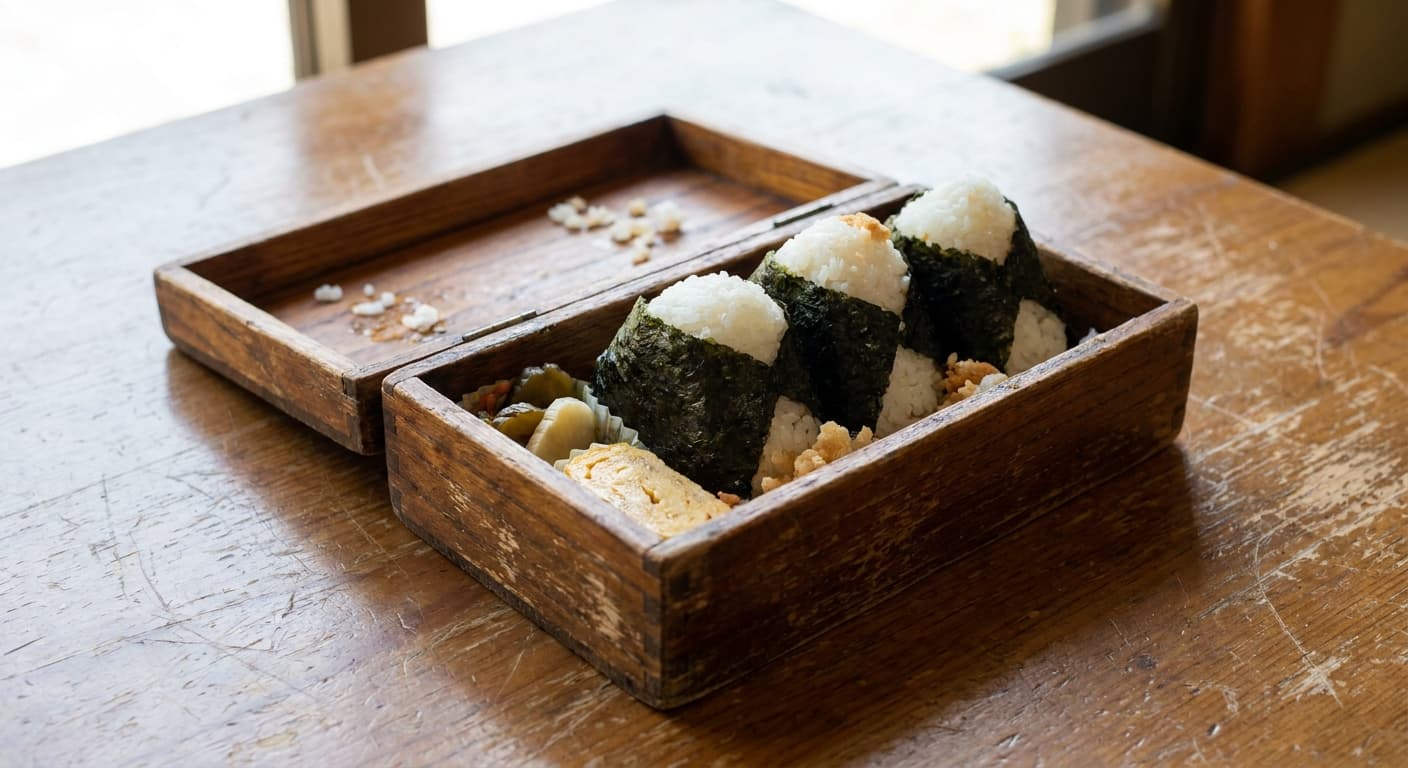
Filled Onigiri (具入りおにぎり) — Japanese Rice Balls with Classic Fillings
Japanese · Rice Dishes · 60 min
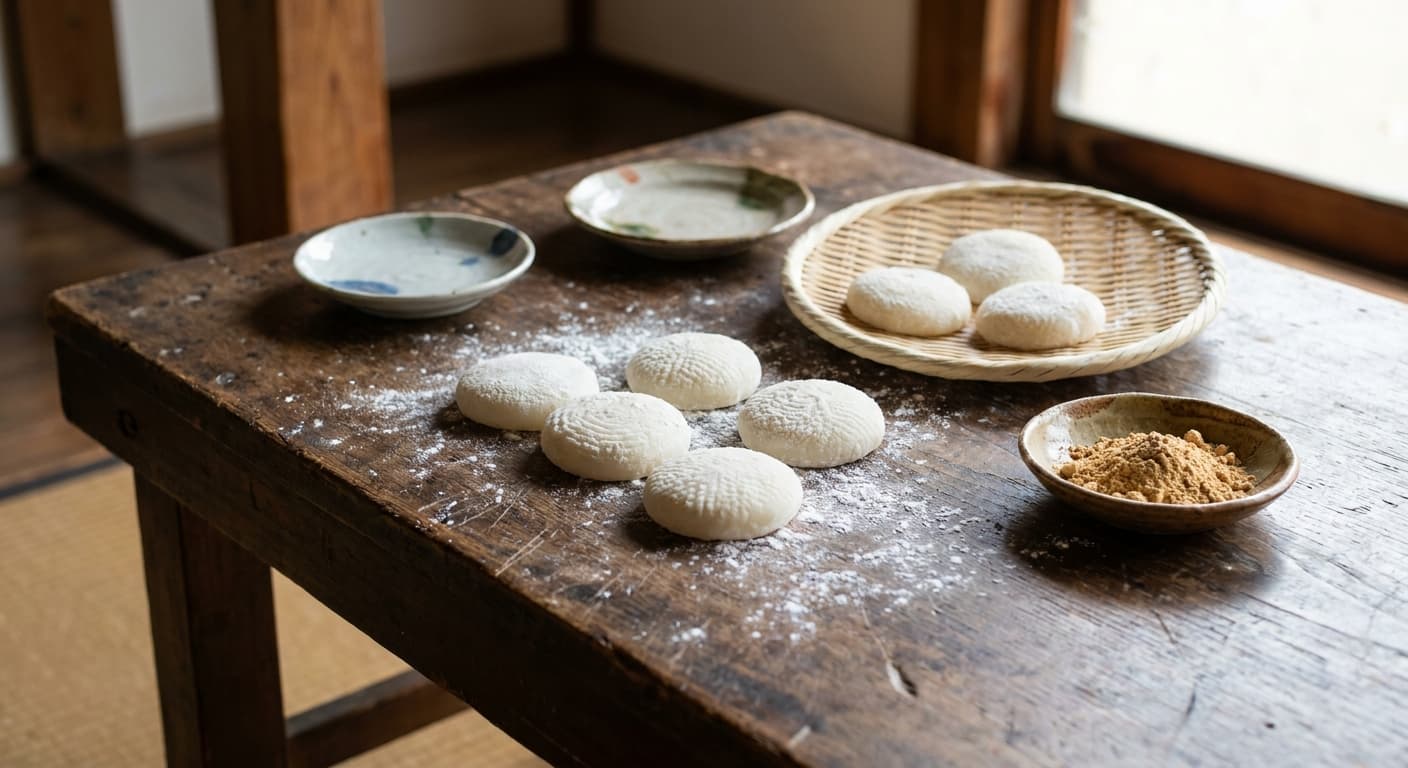
Mochi (餅) — Traditional Pounded Glutinous Rice Cakes
Japanese · Side Dishes · 100 min
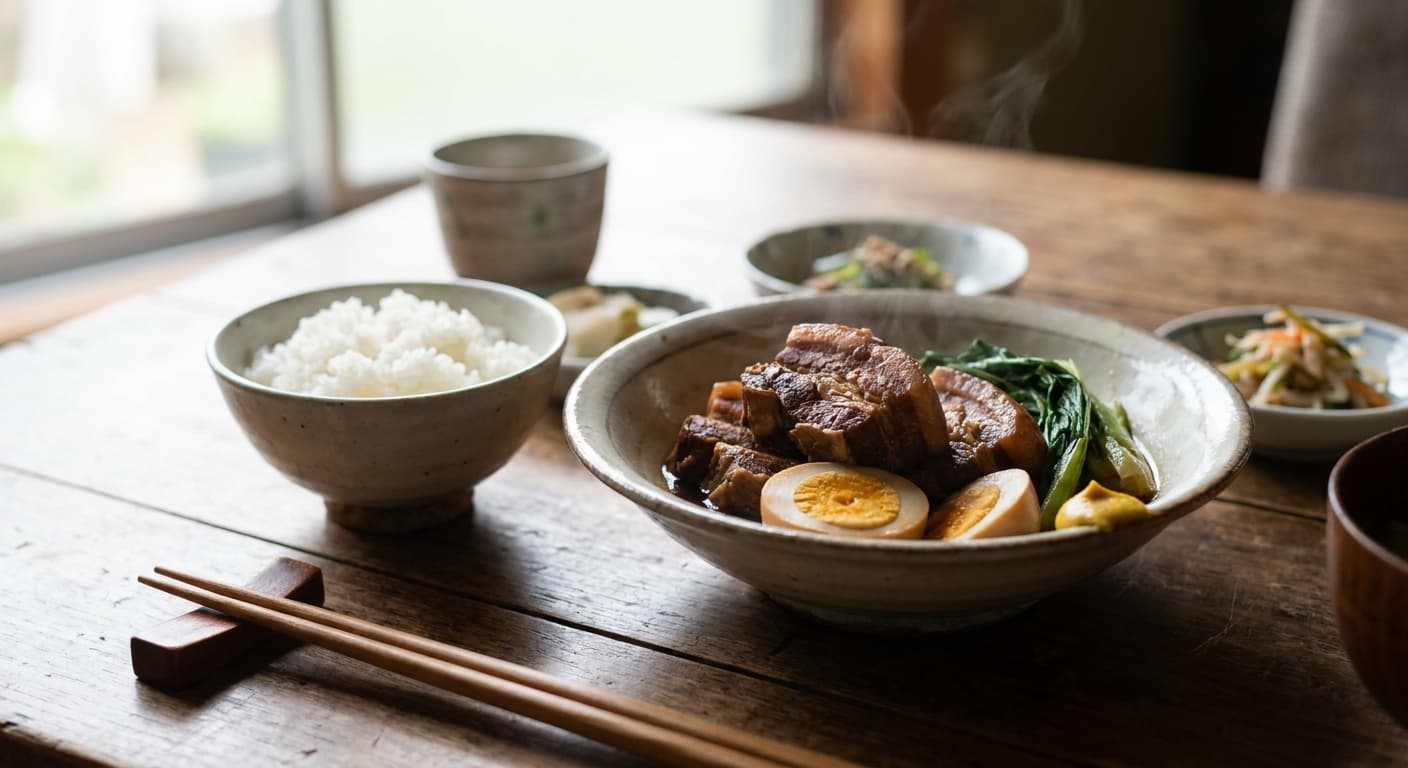
Buta no Kakuni (豚の角煮) — Japanese Soy-Braised Pork Belly
Japanese · Main Courses · 190 min
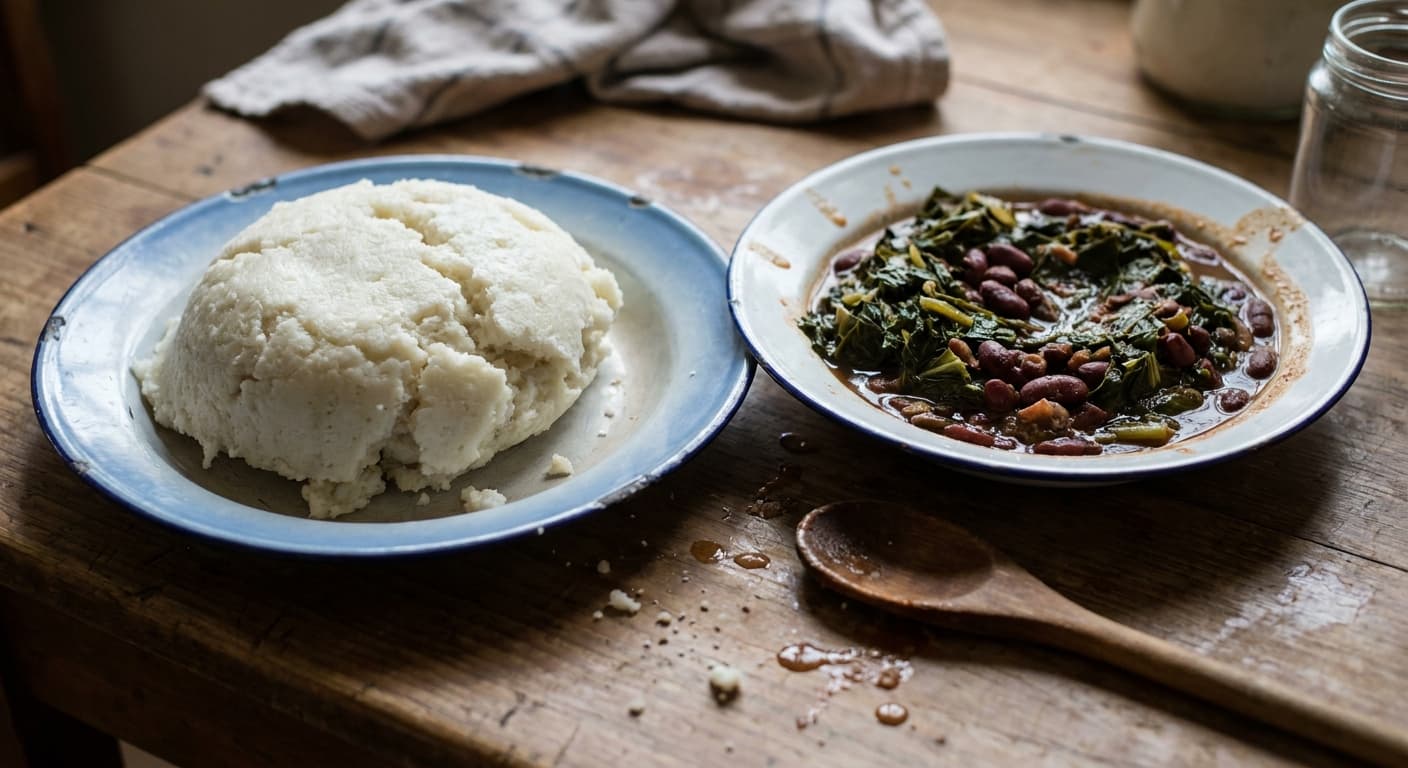
Tanzanian Ugali (Ugali) — Firm Cornmeal Porridge
Tanzanian · Side Dishes · 23 min
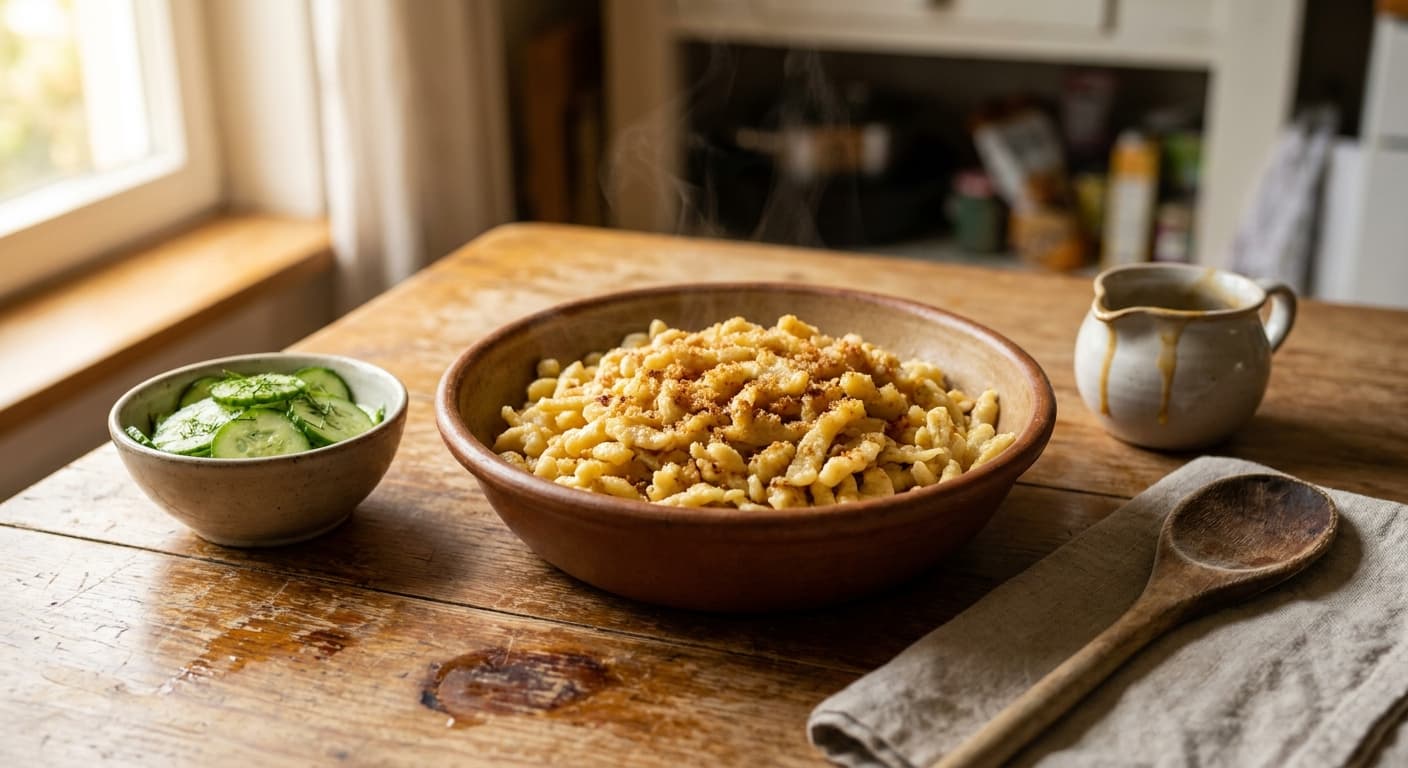
Spaetzle (Spätzle) — Tender German Egg Noodles
German · Side Dishes · 30 min
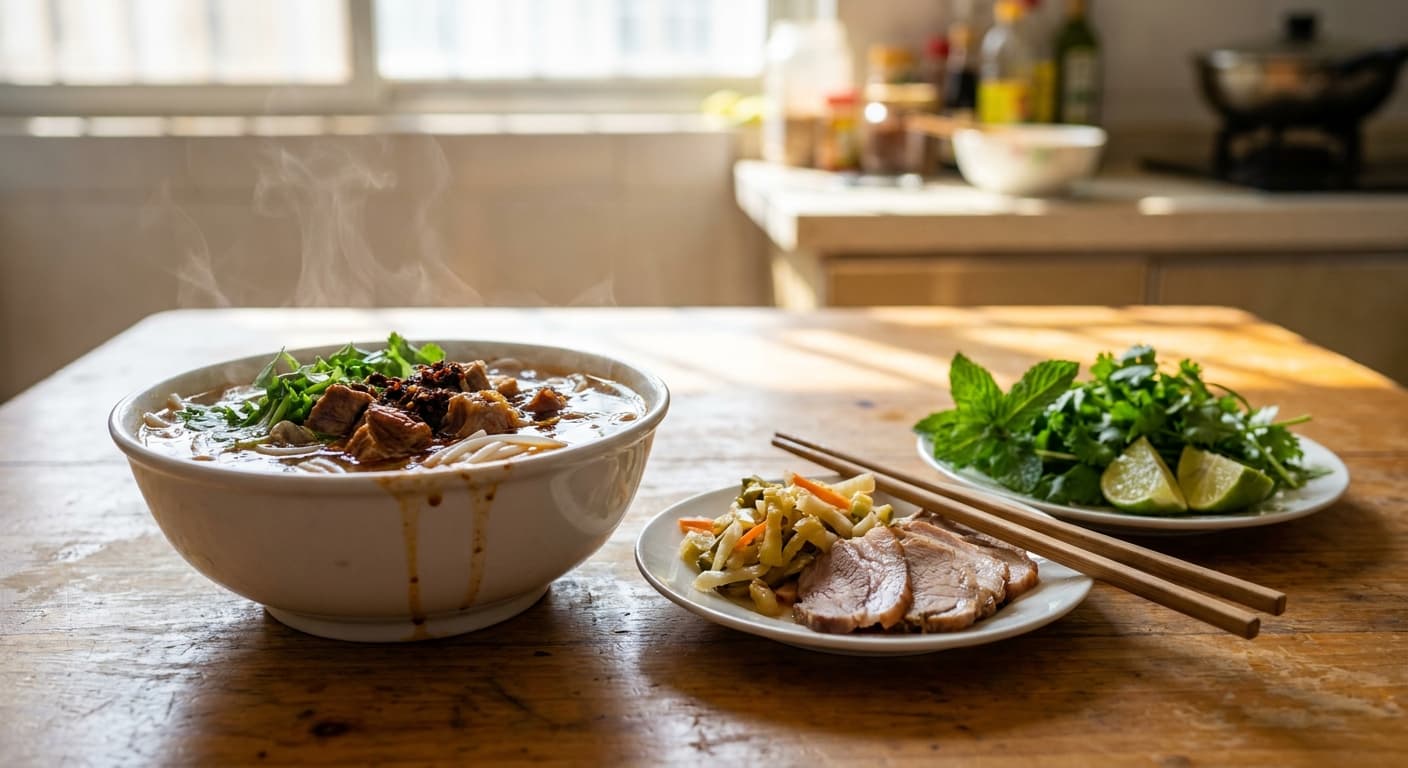
Crossing-the-Bridge Rice Noodles (过桥米线) — Yunnan Hot Broth Noodle Soup
Chinese · Soups · 195 min
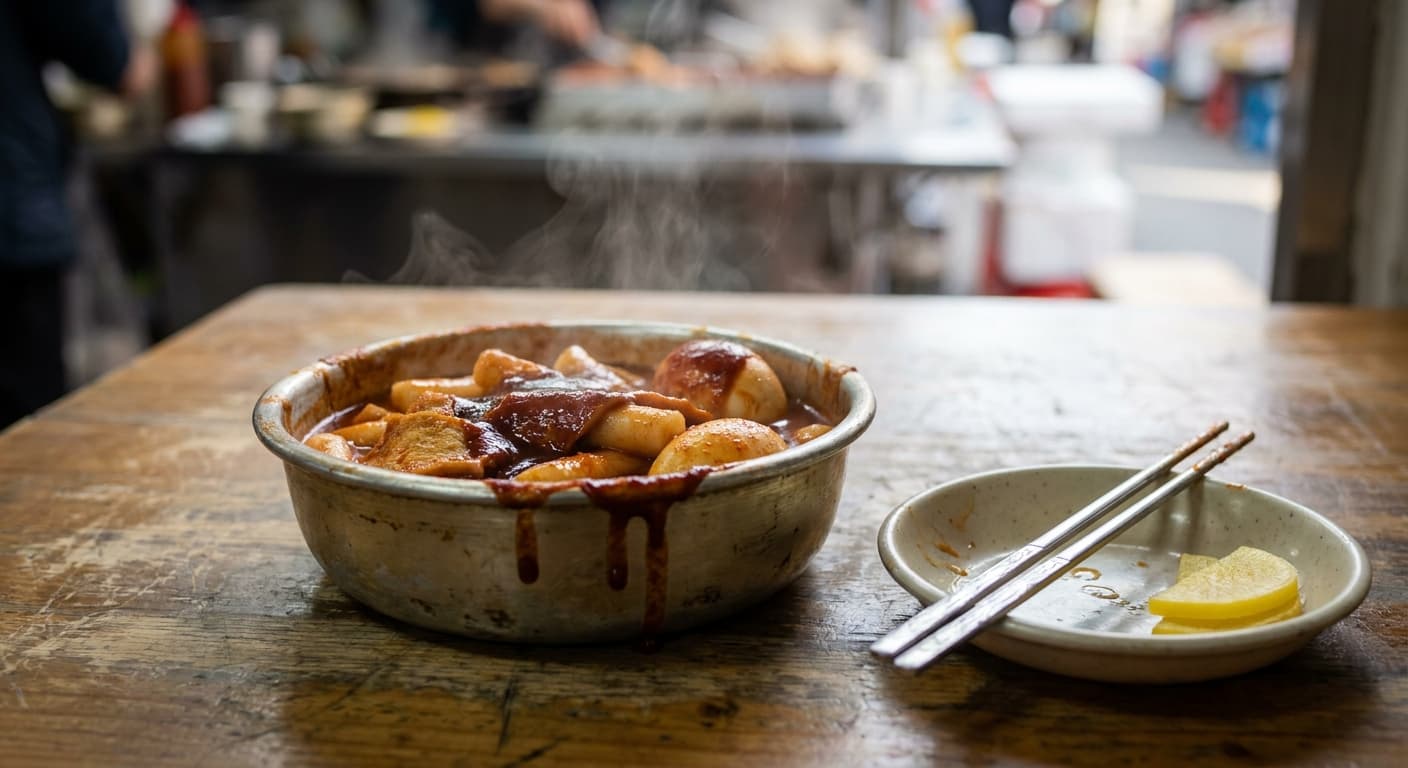
Tteokbokki (떡볶이) — Spicy Korean Rice Cakes
Korean · Main Courses · 45 min
Swabian Stuffed Pasta (Maultaschen) — Spinach-Meat Dumplings in Broth
German · Main Courses · 105 min
Reviews
Cooked this recipe?
Tap the stars to rate it — that's all it takes. A few words are welcome but optional.
No ratings yet. Cooked this one? Be the first to rate it — it takes one tap.