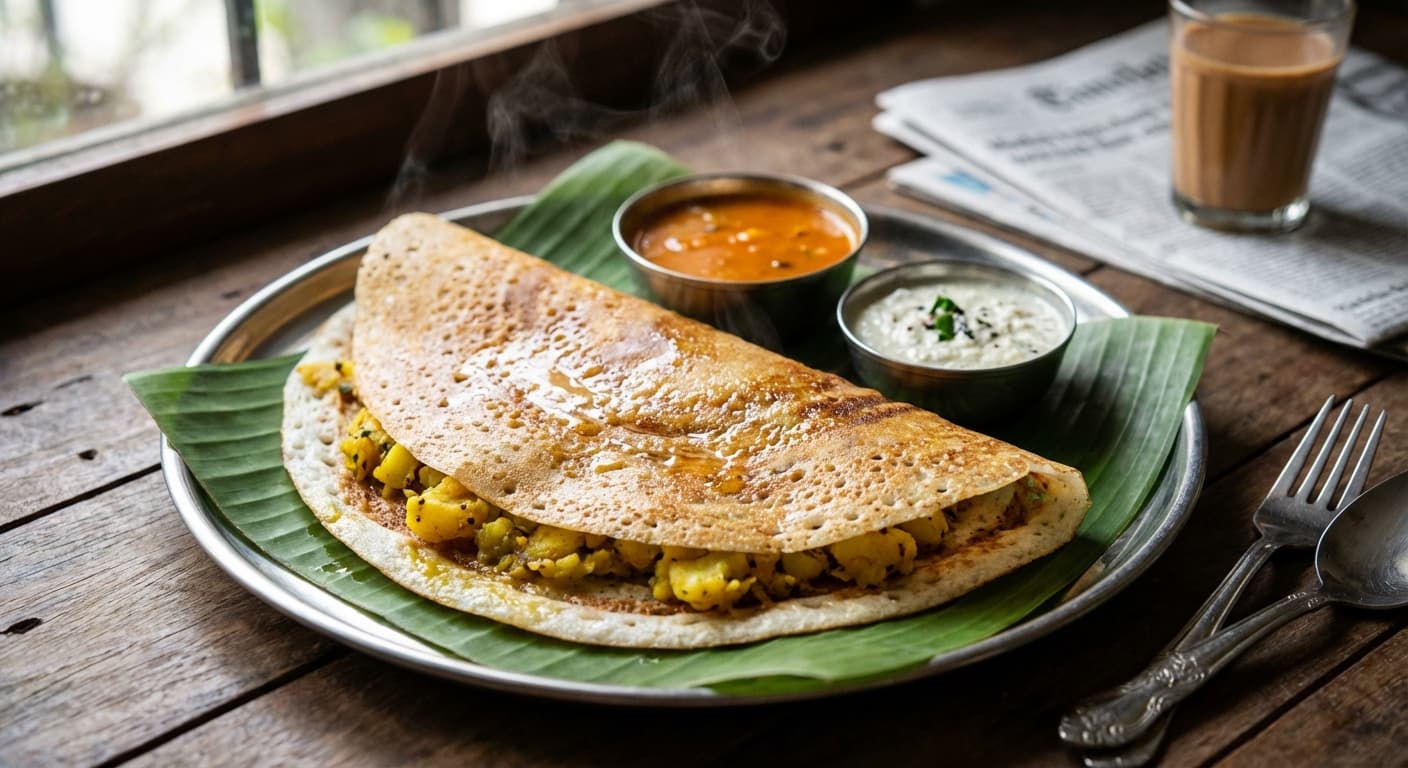
Masala Dosa (मसाला डोसा) — Crispy Fermented Rice Crepe with Spiced Potato
Masala dosa is a South Indian classic: a lacy, crisp fermented rice-and-lentil crepe wrapped around warmly spiced potatoes. It’s a beloved breakfast and street-food staple, traditionally served with sambar and coconut chutney.
Printable Recipe Card
Servings: 6 · Total: 960 min · Difficulty: hard
Ingredients (quick list)
- 300 g idli rice (parboiled rice)
- 100 g urad dal (split black gram, skinned)
- 20 g poha (flattened rice) (Helps tenderness and browning.)
- 3 g fenugreek seeds (About 1 tsp.)
- 520 ml water (For grinding; adjust by ±50 ml to reach pourable consistency.)
- 10 g fine sea salt (Added after fermentation.)
- 1 g baking soda (Optional; use only if batter is slow to brown.)
- 700 g russet potatoes (peeled)
- 200 g yellow onion (thinly sliced)
- 12 g fresh ginger (grated)
- 10 g green chilies (finely chopped) (About 2 small chilies.)
- 3 g mustard seeds (About 1 tsp.)
+ 8 more in the full ingredients section below.
Steps (summary)
- Rinse the idli rice until the water runs mostly clear, then soak it in plenty of water for 6 hours. In a separate bowl, rinse t…
- Soak the poha in water for 10 minutes right before grinding, then drain well. Keeping the rice, dal, and poha separate at this…
- Grind the soaked urad dal and fenugreek first, adding part of the measured water gradually, until the batter is very smooth and…
- Grind the soaked rice with the drained poha, adding the remaining water as needed, until it becomes a fine, pourable batter wit…
- Cover the bowl and ferment the batter in a warm spot (about 28–32°C) for 8–12 hours, until it rises and smells pleasantly tangy…
- Boil the potatoes in lightly salted water until fully tender, about 18–22 minutes, then drain and cool for 5 minutes. Roughly m…
+ 6 more steps in the full instructions section below.
Cultural Background
Masala dosa grew from South India’s long tradition of fermenting rice and lentils for light, digestible batters. Popularized by Udupi restaurants, it became a pan-Indian icon of breakfast culture and bustling street-side tiffin meals.
Equipment
💡 Tips
- For maximum crispness, keep the batter slightly thinner: aim for a consistency like heavy cream and rest it 10 minutes after stirring in salt.
- If the dosa sticks, the pan is either underheated or too greasy; heat the tawa well and wipe excess oil before the next ladle of batter.
- To keep dosas hot for a crowd, hold them on a wire rack in a 110°C oven for up to 20 minutes so steam doesn’t soften the crust.
⚠️ Common Mistakes
❌ Batter won’t spread and forms a thick pancake.
✅ Fix: Thin the batter with 15–30 ml water and ensure the tawa is hot; wipe the surface with a lightly oiled cloth before pouring.
❌ Dosa turns pale and soft instead of crisp.
✅ Fix: Cook on medium-high and use a small measured amount of ghee/oil around the edges; if batter is very fresh, ferment longer or add the optional 1 g baking soda.
❌ Potato filling tastes flat or dry.
✅ Fix: Simmer the masala with the full 180 ml water and finish with 15 ml lemon juice; moisture and acidity lift the spices and keep it spoonable.
🧊 How to Store
Refrigerate leftover potato masala in an airtight container for up to 3 days and reheat with 30–60 ml water to loosen. Fermented batter keeps 3 days chilled; stir well before use. Cooked dosas are best fresh, but can be recrisped 1–2 minutes per side on a dry hot tawa.
📅 Make Ahead
Soak and grind the batter up to 24 hours before cooking, then ferment overnight and refrigerate. The potato masala can be made 1 day ahead and reheated with a measured splash of water to restore its soft, scoopable texture.
🍽️ Pairs Well With
- Sambar
- coconut chutney
- tomato chutney
- gunpowder podi with ghee
- filter coffee.
Regional Variations
- Mysore masala dosa: spread 20–25 g spicy red chutney on the dosa before adding potato masala, then fold for a hotter, deeper flavor.
- Paper roast dosa: spread the batter extra thin (about 80 ml per dosa) and cook longer for an ultra-crisp, large crepe.
- Onion masala dosa: add 120 g finely chopped onions to the potato masala and sauté until sweet for a richer filling.
Ingredients
- 300 gidli rice (parboiled rice)
- 100 gurad dal (split black gram, skinned)
- 20 gpoha (flattened rice) (Helps tenderness and browning.)
- 3 gfenugreek seeds (About 1 tsp.)
- 520 mlwater (For grinding; adjust by ±50 ml to reach pourable consistency.)
- 10 gfine sea salt (Added after fermentation.)
- 1 gbaking soda (Optional; use only if batter is slow to brown.)
- 700 grusset potatoes (peeled)
- 200 gyellow onion (thinly sliced)
- 12 gfresh ginger (grated)
- 10 ggreen chilies (finely chopped) (About 2 small chilies.)
- 3 gmustard seeds (About 1 tsp.)
- 2 gcumin seeds (About 1 tsp.)
- 10 gchana dal (split chickpeas) (About 1 tbsp; for tempering crunch.)
- 2 gcurry leaves (About 12 leaves.)
- 2 gground turmeric (About 1 tsp.)
- 15 gfresh cilantro (chopped)
- 15 mllemon juice (About 1 tbsp.)
- 30 gghee (About 2 tbsp; can be replaced with neutral oil.)
- 30 mlneutral oil (For pan seasoning and extra crisping.)
🔄 Substitutions
- idli rice (parboiled rice)→ short-grain parboiled rice
- ghee→ neutral oil
- curry leaves→ 1 g lime zest
Instructions
- 1
Rinse the idli rice until the water runs mostly clear, then soak it in plenty of water for 6 hours. In a separate bowl, rinse the urad dal and fenugreek seeds, then soak them together for 4 hours so the dal softens and grinds fluffy.
- 2
Soak the poha in water for 10 minutes right before grinding, then drain well. Keeping the rice, dal, and poha separate at this stage helps you control texture and achieve a crisp yet tender dosa.
- 3
Grind the soaked urad dal and fenugreek first, adding part of the measured water gradually, until the batter is very smooth and aerated. The texture should look glossy and feel light between your fingers, which helps fermentation and creates lacy edges.
- 4
Grind the soaked rice with the drained poha, adding the remaining water as needed, until it becomes a fine, pourable batter with a slight grain. Combine the rice batter with the urad batter and mix vigorously for 1 minute to incorporate air and even out fermentation.
- 5
Cover the bowl and ferment the batter in a warm spot (about 28–32°C) for 8–12 hours, until it rises and smells pleasantly tangy. After fermentation, stir in the salt and, only if needed for browning, dissolve the baking soda in 5 ml water and mix it in evenly.
- 6
Boil the potatoes in lightly salted water until fully tender, about 18–22 minutes, then drain and cool for 5 minutes. Roughly mash them so you keep some small chunks, which gives the filling a satisfying bite inside the crisp dosa.
- 7
Heat a wide pan over medium heat and add 30 ml neutral oil for the tempering base, then add mustard seeds and let them pop for 20–30 seconds. Add cumin seeds, chana dal, and urad dal, and stir for 1–2 minutes until the dals turn golden and nutty.
- 8
Add onions with 2 g salt from the filling portion and sauté for 6–8 minutes until soft and lightly golden. Stir in ginger, green chilies, curry leaves, and turmeric, and cook for 60 seconds so the aromatics bloom without burning.
- 9
Add the mashed potatoes and 180 ml water, then fold and simmer for 3–4 minutes until the masala looks moist but not soupy. Turn off the heat and mix in cilantro and lemon juice, then taste and adjust with the remaining filling salt so it’s bright and well-seasoned.
- 10
Heat a cast-iron tawa or heavy nonstick skillet over medium-high for 3 minutes, then lightly wipe with a thin film of oil. The pan is ready when a few drops of water sizzle and evaporate within 2 seconds, which helps the batter spread thinly.
- 11
Ladle 90–100 ml batter into the center and quickly spread it outward in a spiral using the back of the ladle to form a 28–30 cm circle. Drizzle 5 g ghee (or 5 ml oil) around the edges and a few drops in the center, then cook 2–3 minutes until the surface dries and the edges lift.
- 12
Continue cooking until the underside is deep golden and crisp, about 60–90 seconds more, then loosen with a flat spatula. Spoon 120–140 g potato masala onto one side, fold the dosa over, and serve immediately so the crepe stays crackly.
🪪 Recipe Passport
Cultural Background
Masala dosa grew from South India’s long tradition of fermenting rice and lentils for light, digestible batters. Popularized by Udupi restaurants, it became a pan-Indian icon of breakfast culture and bustling street-side tiffin meals.
Regional Variations
Researched from multiple sources and validated by the Zaffaron editorial team. Every recipe is tested for accuracy, measurements, and cultural authenticity.
Nutrition per serving
Pairs well with
If you enjoyed this recipe, here are a few related Zaffaron recipes to try next.
Does your family make this differently?
Every family has their own version. Maybe your grandmother adds a secret ingredient, or your aunt has a completely different technique. Preserve your family's version — with their name on it, forever.
You Might Also Like
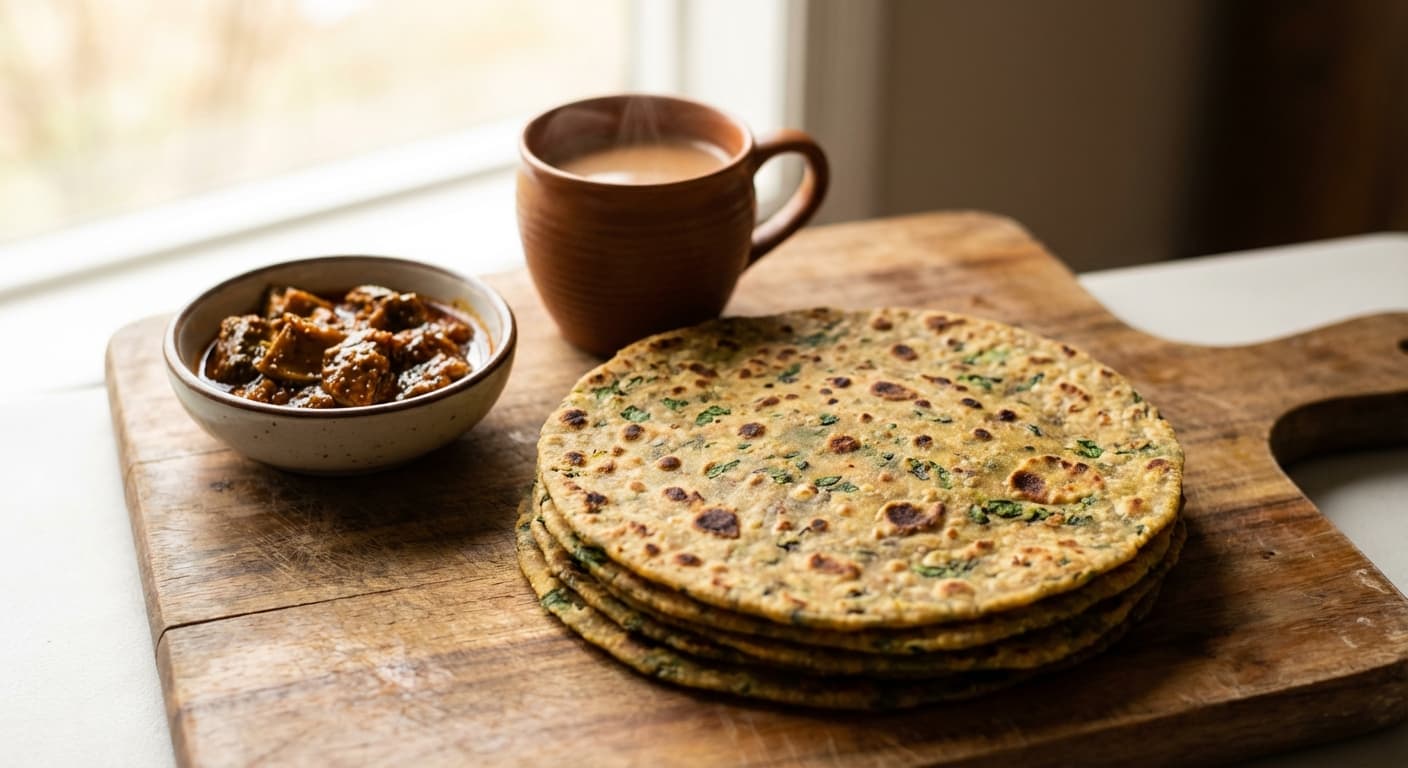
Thepla (थेपला) — Indian Fenugreek-Spiced Flatbread, Soft and Travel-Friendly
Indian · Breads · 45 min
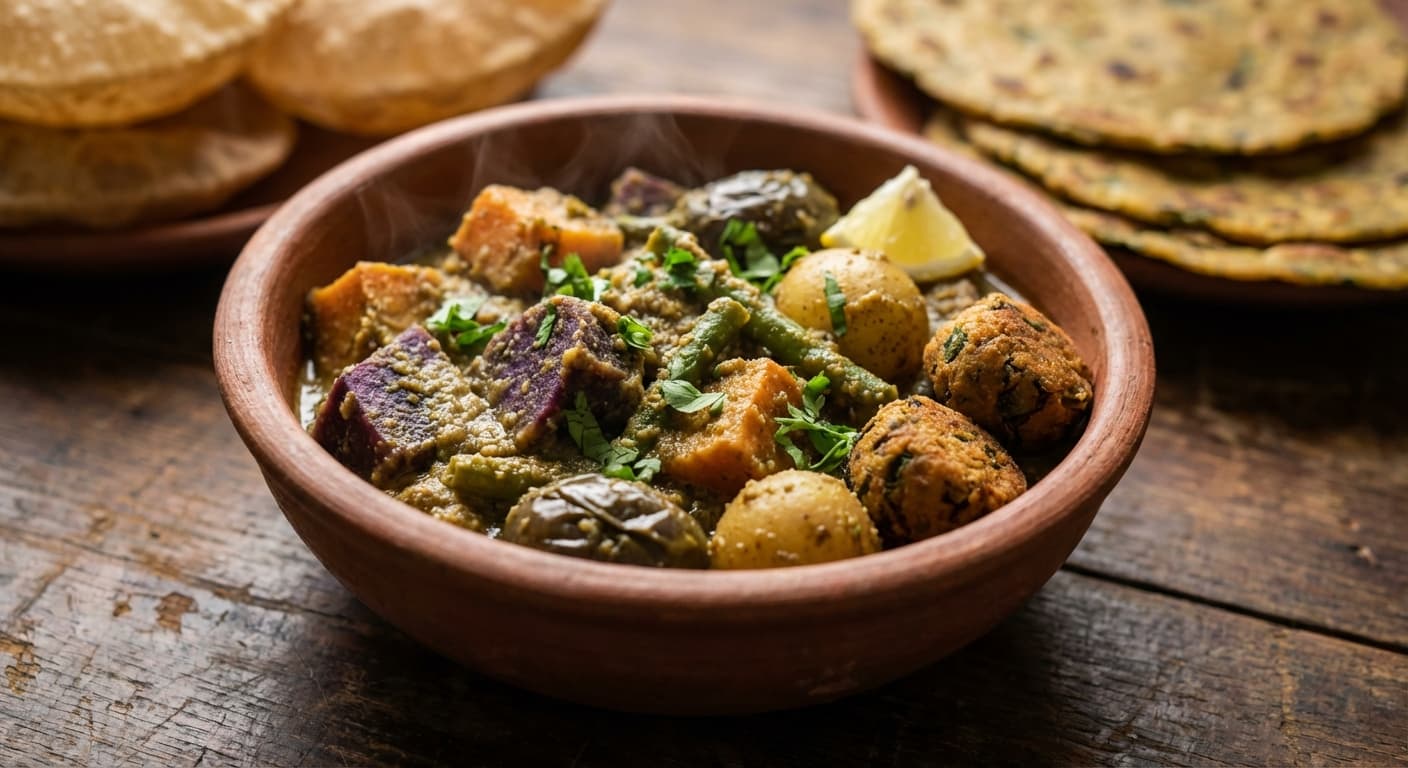
Undhiyu (ઉંધિયું) — Gujarati winter mixed-vegetable curry with methi muthia
Indian · Main Courses · 115 min
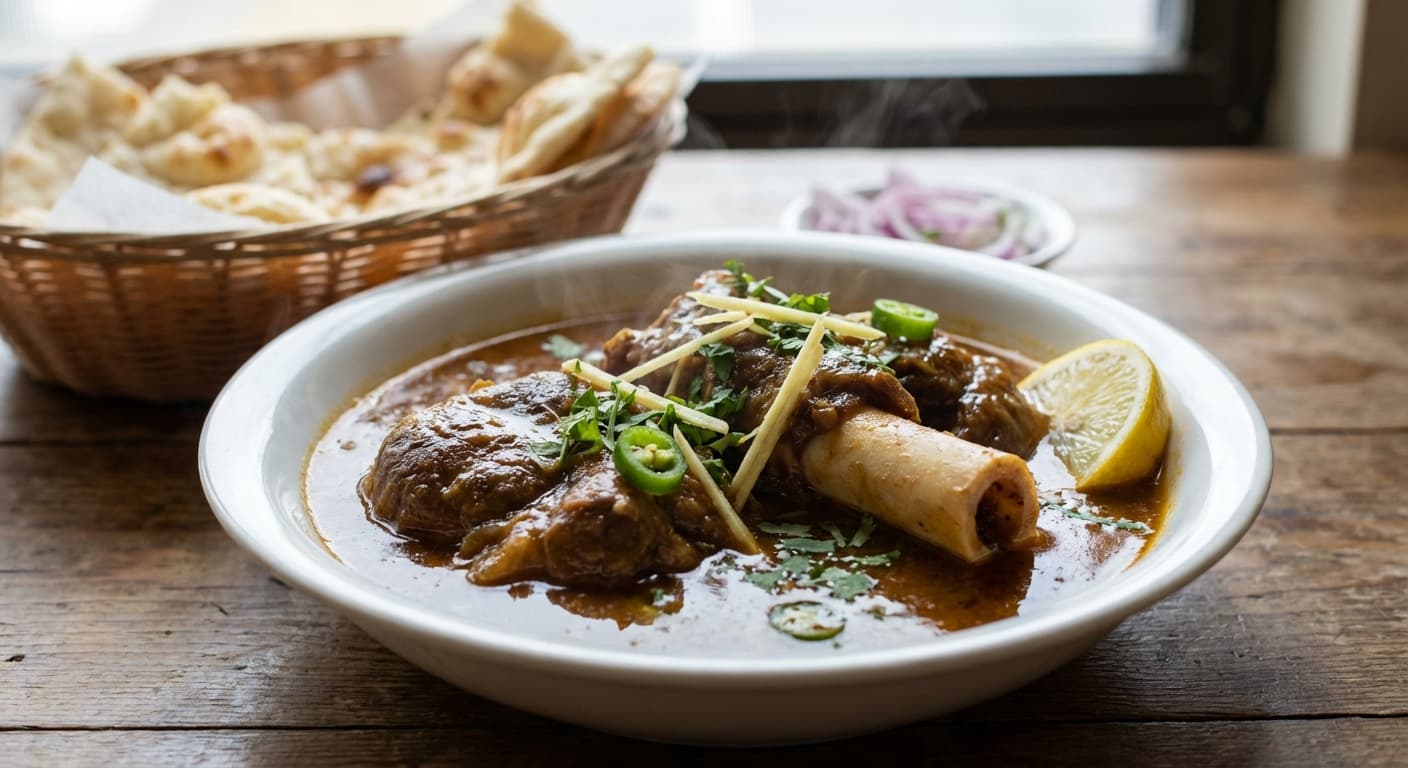
Nihari (نہاری) — Indian Overnight-Cooked Beef Stew with Warming Spices
Indian · Stews · 275 min
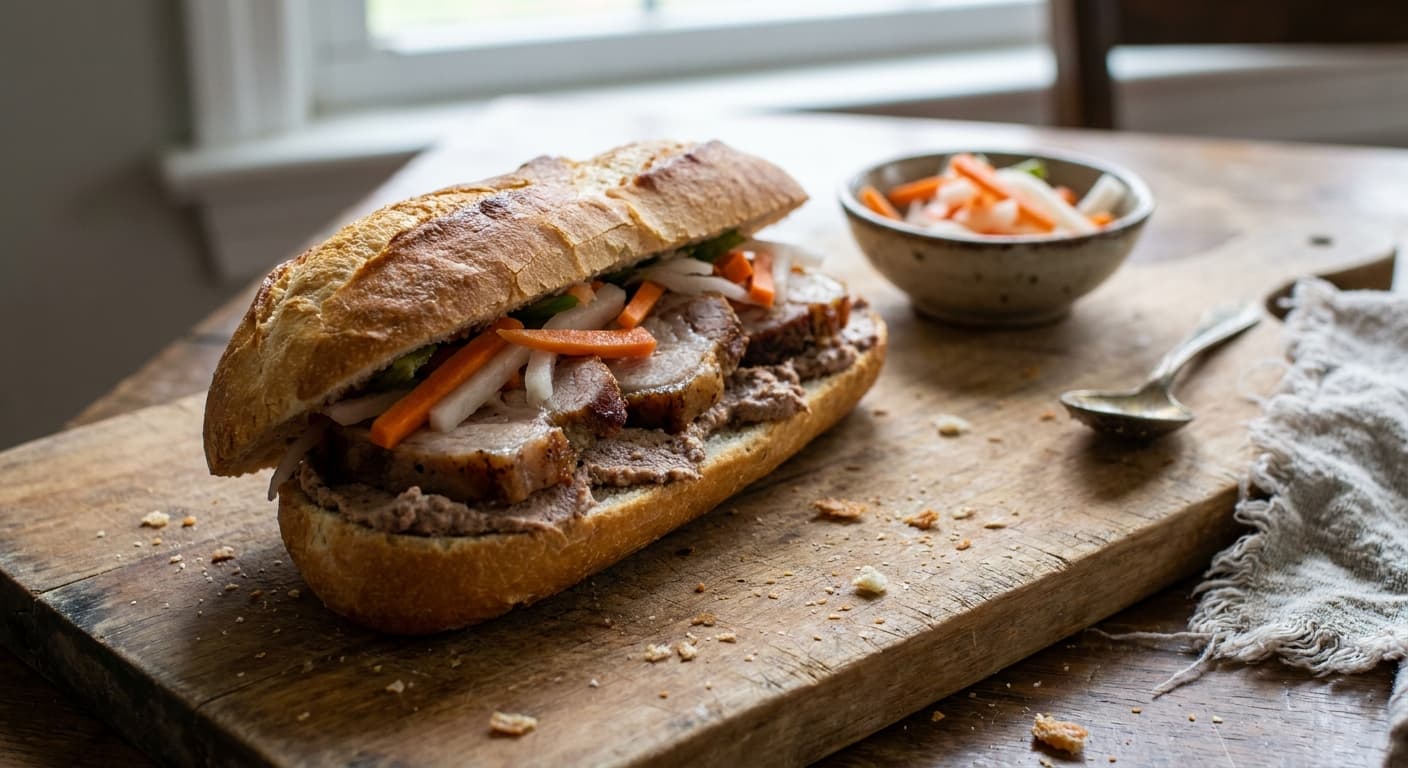
Num Pang Pate (នំប៉័ងប៉ាតេ) — Cambodian Baguette with Pate and Pickles
Cambodian · Main Courses · 60 min
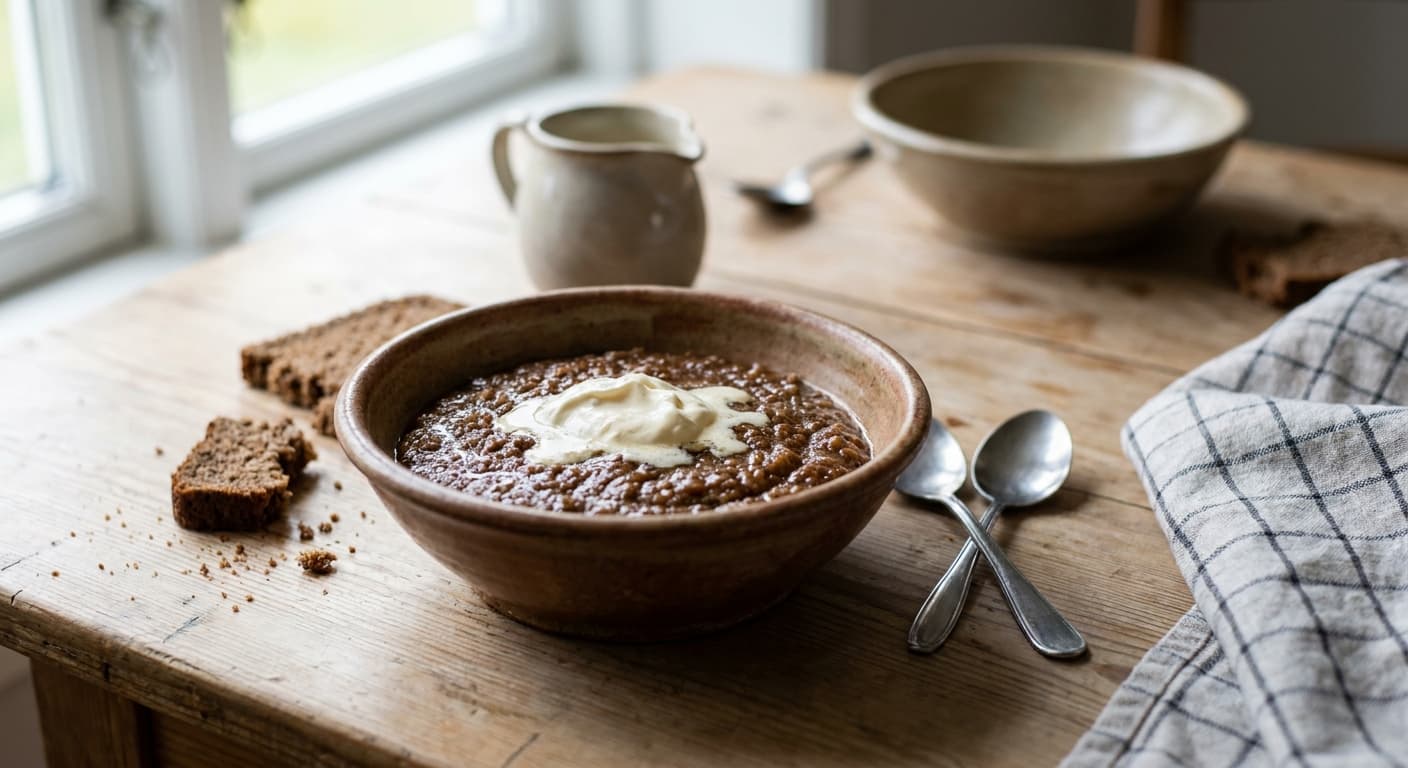
Rye Bread and Beer Porridge (Øllebrød) — Traditional Danish Breakfast
Danish · Main Courses · 65 min
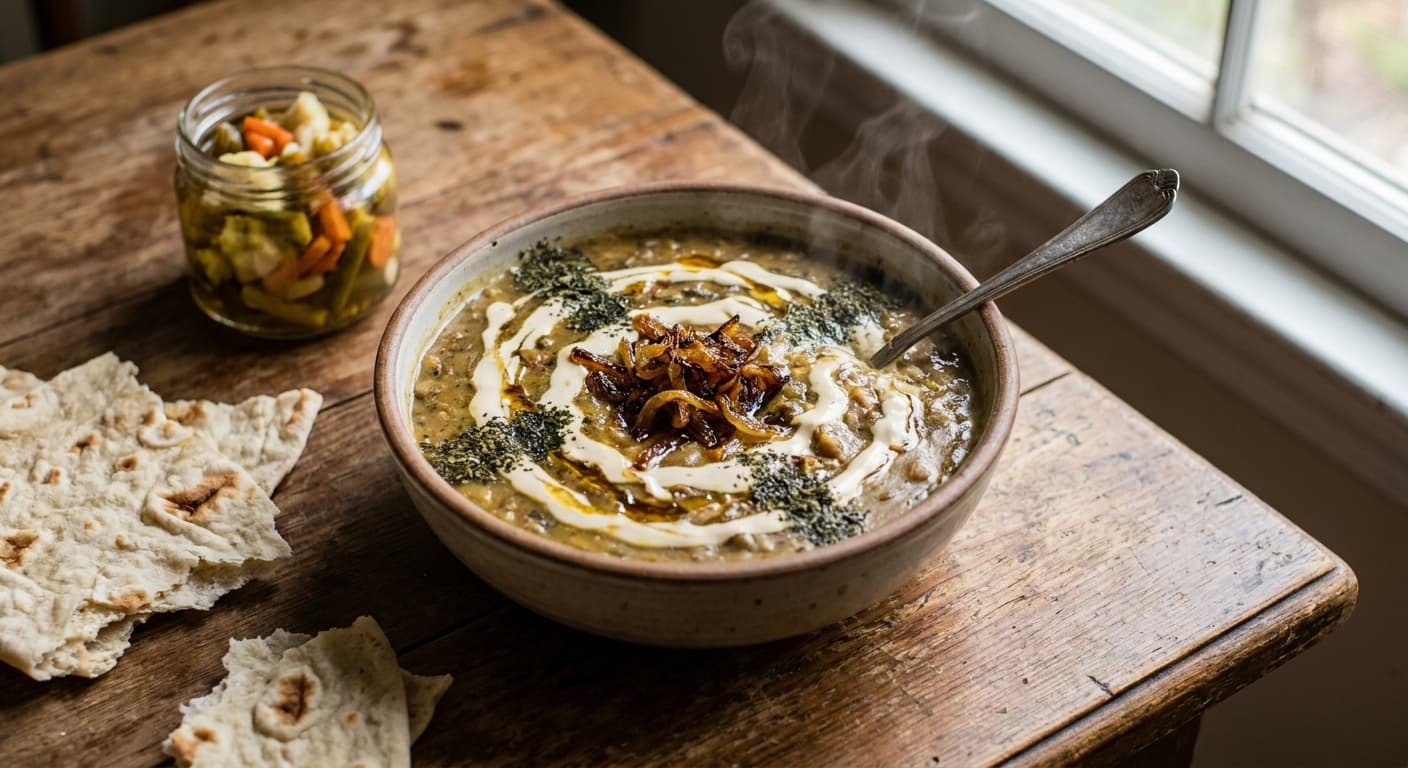
Ash-e Sak (آش ساک) — Gorgani Spinach and Lamb Ash
Persian · Soups · 175 min
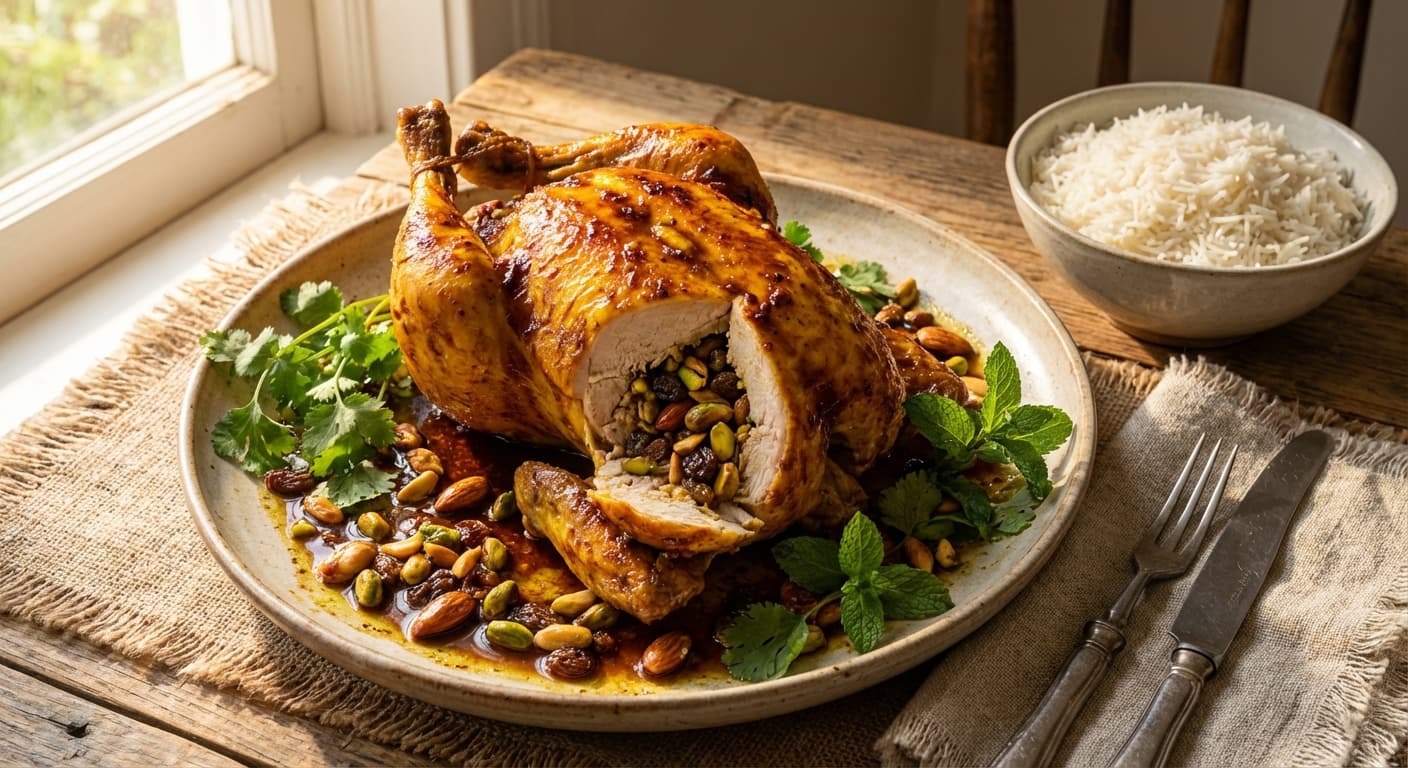
Lawang (لاونگ) — Afghan Stuffed Chicken with Raisins, Nuts, and Warm Spices
Afghan · Main Courses · 120 min
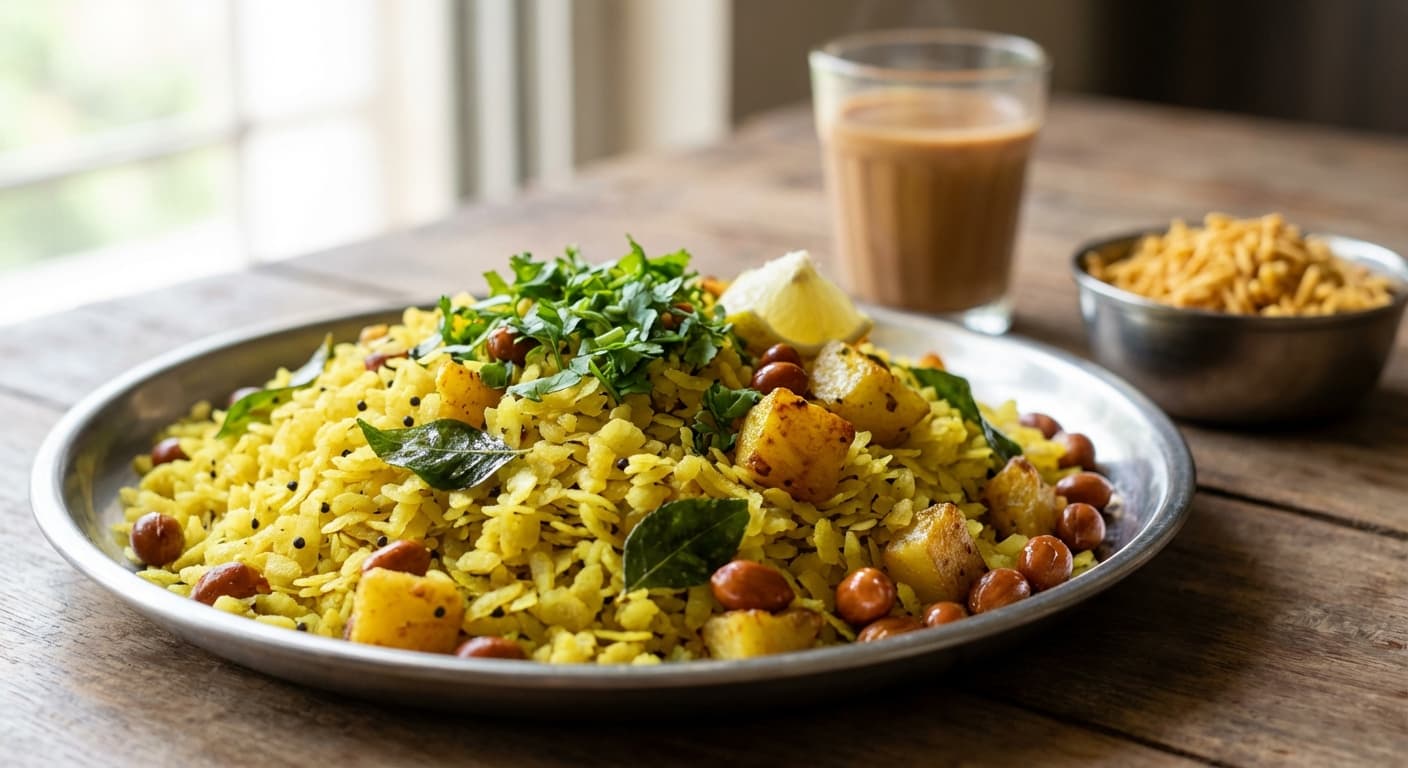
Poha (पोहा) — Indian Turmeric-Scented Flattened Rice with Peanuts
Indian · Main Courses · 24 min
Reviews
Cooked this recipe?
Tap the stars to rate it — that's all it takes. A few words are welcome but optional.
No ratings yet. Cooked this one? Be the first to rate it — it takes one tap.