Pav Bhaji (पाव भाजी) — Mumbai-Style Spiced Mashed Vegetable Curry with Buttered Rolls
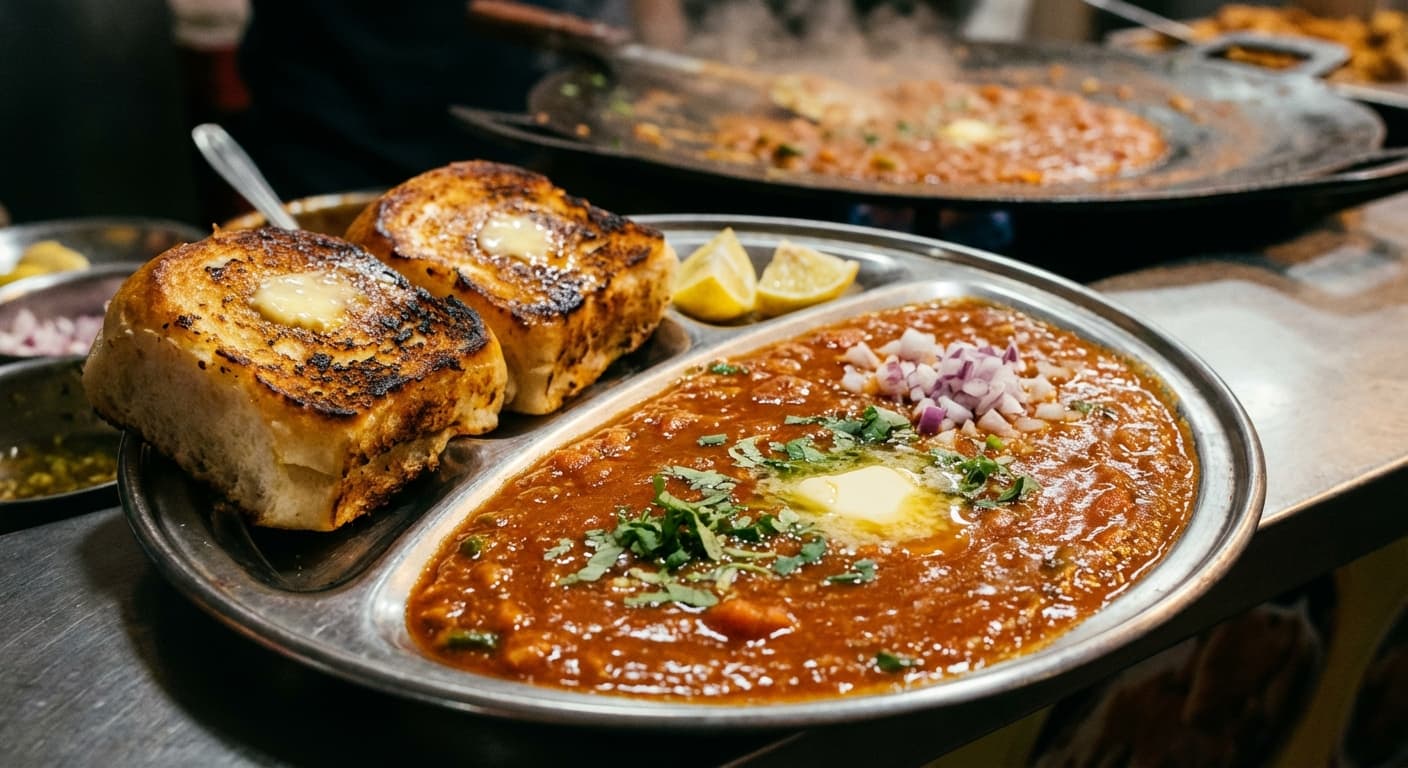
Pav Bhaji is a beloved Mumbai street-food classic: a buttery, tangy mash of mixed vegetables cooked with warming spices and served with toasted pav rolls. It’s festive, filling, and designed for sharing straight from the tawa.
Printable Recipe Card
Servings: 4 · Total: 55 min · Difficulty: medium
Ingredients (quick list)
- 350 g Potatoes, peeled and diced
- 200 g Cauliflower florets
- 120 g Green peas (fresh or frozen)
- 120 g Carrots, peeled and diced
- 120 g Green bell pepper, finely chopped
- 300 ml Water (for pressure-cooking vegetables)
- 60 g Unsalted butter (plus extra for toasting pav)
- 15 ml Neutral oil (helps prevent butter from burning)
- 200 g Onion, finely chopped
- 20 g Ginger-garlic paste
- 300 g Tomatoes, finely chopped
- 20 g Tomato paste (boosts street-style color and tang)
+ 12 more in the full ingredients section below.
Steps (summary)
- Cook the vegetables until very soft so they mash smoothly. Add potatoes, cauliflower, peas, carrots, bell pepper, and 300 ml wa…
- Build the bhaji base on a wide pan or tawa for maximum flavor. Heat 60 g butter with 15 ml oil over medium heat, then add the c…
- Cook the tomatoes down until they turn jammy and the fat begins to separate. Add chopped tomatoes and 20 g tomato paste, then c…
- Bloom the spices so the bhaji tastes rounded rather than raw. Add pav bhaji masala, Kashmiri chili powder, turmeric, cumin, and…
- Mash the vegetables directly into the masala for the classic street-style texture. Add the cooked vegetables along with 150 ml…
- Finish with butter and citrus for the signature pav bhaji punch. Stir in lemon juice and half the cilantro, then simmer 1 minut…
+ 2 more steps in the full instructions section below.
Cultural Background
Born in Mumbai’s textile-mill canteens and perfected by street vendors, pav bhaji became a fast, hearty meal for workers and late-night crowds. The tawa-cooked mash and butter-toasted pav reflect the city’s bold, communal street-food culture.
Equipment
💡 Tips
- For a true street-style finish, melt 10 g extra butter on top of the bhaji right before serving and swirl it in at the table.
- Mash while simmering: the bhaji thickens as starch releases, so add water in 30 ml increments to keep it glossy, not pasty.
- If your pav bhaji masala is very strong, start with 10 g and add the remaining 2 g after simmering to avoid bitterness.
⚠️ Common Mistakes
❌ Undercooking the vegetables so the bhaji stays lumpy and watery.
✅ Fix: Cook until the potatoes and cauliflower crush easily between fingers, then mash while simmering to evaporate excess moisture.
❌ Adding spices to a wet tomato base and not frying them, leaving a raw taste.
✅ Fix: Cook tomatoes until thick and glossy, then fry spices for 45–60 seconds in the fat before adding vegetables.
❌ Toasting pav on high heat so the butter burns and the bread dries out.
✅ Fix: Toast on medium heat with enough butter to coat the surface, aiming for golden color in 60–90 seconds.
🧊 How to Store
Cool bhaji to room temperature within 1 hour, then refrigerate in an airtight container for up to 3 days. Reheat in a pan with 30–60 ml water per batch, stirring until steaming hot; toast pav fresh for best texture. Bhaji freezes well for 2 months; thaw overnight and reheat gently.
📅 Make Ahead
Cook the bhaji up to 2 days ahead and refrigerate; flavors deepen overnight. Reheat with a splash of water and finish with fresh lemon juice and cilantro right before serving. Chop onions and cilantro up to 12 hours ahead and keep chilled.
🍽️ Pairs Well With
- Toasted pav
- chopped onions
- lemon wedges
- extra butter
- cucumber salad.
Regional Variations
- Jain pav bhaji: omit onion, garlic, and sometimes potatoes; increase cauliflower and add extra bell pepper for body.
- Cheese pav bhaji: top each serving with 20 g grated mild cheese and let it melt into the hot bhaji.
- Kolhapuri-style spicy bhaji: increase chili powder by 2 g and add 2 g garam masala for a hotter, deeper finish.
Ingredients
- 350 gPotatoes, peeled and diced
- 200 gCauliflower florets
- 120 gGreen peas (fresh or frozen)
- 120 gCarrots, peeled and diced
- 120 gGreen bell pepper, finely chopped
- 300 mlWater (for pressure-cooking vegetables)
- 60 gUnsalted butter (plus extra for toasting pav)
- 15 mlNeutral oil (helps prevent butter from burning)
- 200 gOnion, finely chopped
- 20 gGinger-garlic paste
- 300 gTomatoes, finely chopped
- 20 gTomato paste (boosts street-style color and tang)
- 12 gPav bhaji masala
- 4 gKashmiri red chili powder (for color with mild heat)
- 1 gGround turmeric
- 2 gGround cumin
- 8 gFine salt
- 200 mlWater (to adjust consistency while mashing)
- 20 mlLemon juice
- 10 gFresh cilantro, finely chopped
- 8Pav rolls (split horizontally)
- 30 gButter (for toasting pav)
- 80 gRed onion, finely chopped (optional topping)
- 4 wedgeLemon wedges
🔄 Substitutions
- Pav rolls→ Soft dinner rolls or brioche-style buns
- Cauliflower florets→ Cabbage, finely shredded
- Unsalted butter→ Ghee
Instructions
- 1
Cook the vegetables until very soft so they mash smoothly. Add potatoes, cauliflower, peas, carrots, bell pepper, and 300 ml water to a pressure cooker and cook for 3 whistles (about 10 minutes) or until the potatoes break easily. Let the pressure release naturally for 5 minutes, then open and set aside; do not discard the cooking liquid.
- 2
Build the bhaji base on a wide pan or tawa for maximum flavor. Heat 60 g butter with 15 ml oil over medium heat, then add the chopped onion and cook for 8–10 minutes until deep golden and sweet. Stir in the ginger-garlic paste and cook for 60–90 seconds, scraping the pan so it does not stick or scorch.
- 3
Cook the tomatoes down until they turn jammy and the fat begins to separate. Add chopped tomatoes and 20 g tomato paste, then cook for 6–8 minutes, stirring often to concentrate the tang and color. If the mixture dries too quickly, add 30–50 ml water to keep it moving while still reducing.
- 4
Bloom the spices so the bhaji tastes rounded rather than raw. Add pav bhaji masala, Kashmiri chili powder, turmeric, cumin, and salt, and cook for 45–60 seconds while stirring continuously. This short fry deepens aroma and prevents a chalky spice finish.
- 5
Mash the vegetables directly into the masala for the classic street-style texture. Add the cooked vegetables along with 150 ml of their cooking liquid, then use a potato masher to mash and fold until mostly smooth with a few small chunks. Add up to 200 ml additional water as needed and simmer 8–10 minutes, stirring and mashing occasionally, until thick, glossy, and spoonable.
- 6
Finish with butter and citrus for the signature pav bhaji punch. Stir in lemon juice and half the cilantro, then simmer 1 minute to marry flavors without dulling freshness. Taste and adjust only with an additional 1 g salt if needed, keeping the bhaji tangy and buttery rather than overly salty.
- 7
Toast the pav so they are crisp at the edges and soft inside. Heat a skillet or tawa over medium, melt 30 g butter, and place split pav cut-side down to toast for 60–90 seconds until golden. Flip briefly for 10–15 seconds on the other side, then remove and keep warm.
- 8
Serve immediately while the bhaji is hot and the pav is buttery. Ladle bhaji onto plates, top with remaining cilantro and 20 g of chopped onion per serving if using, and add a lemon wedge. Serve 2 pav per person and encourage squeezing lemon over the bhaji right before eating for brightness.
🪪 Recipe Passport
Cultural Background
Born in Mumbai’s textile-mill canteens and perfected by street vendors, pav bhaji became a fast, hearty meal for workers and late-night crowds. The tawa-cooked mash and butter-toasted pav reflect the city’s bold, communal street-food culture.
Regional Variations
Researched from multiple sources and validated by the Zaffaron editorial team. Every recipe is tested for accuracy, measurements, and cultural authenticity.
Nutrition per serving
Pairs well with
If you enjoyed this recipe, here are a few related Zaffaron recipes to try next.
Does your family make this differently?
Every family has their own version. Maybe your grandmother adds a secret ingredient, or your aunt has a completely different technique. Preserve your family's version — with their name on it, forever.
You Might Also Like
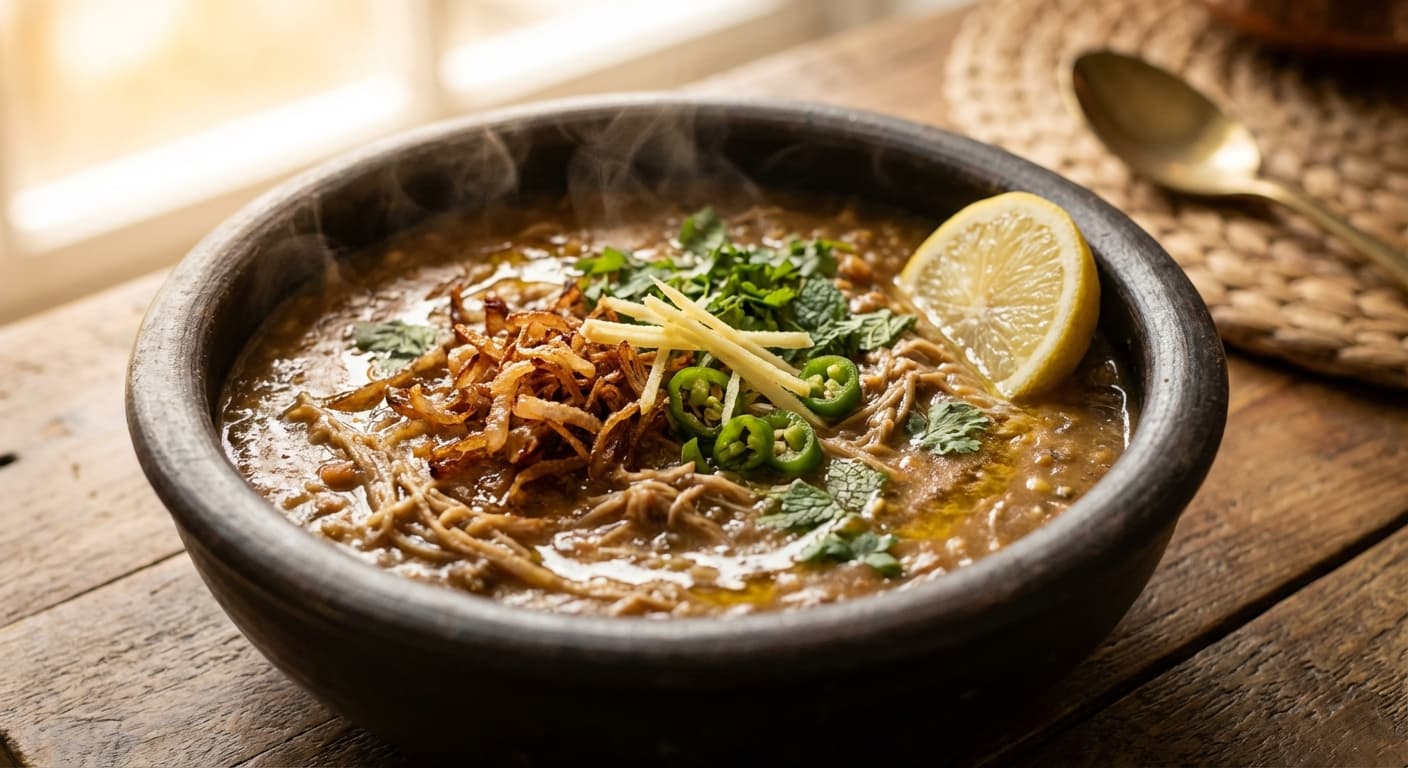
Haleem (حلیم) — Indian Slow-simmered wheat-lentil-meat porridge, spiced
Indian · Main Courses · 250 min
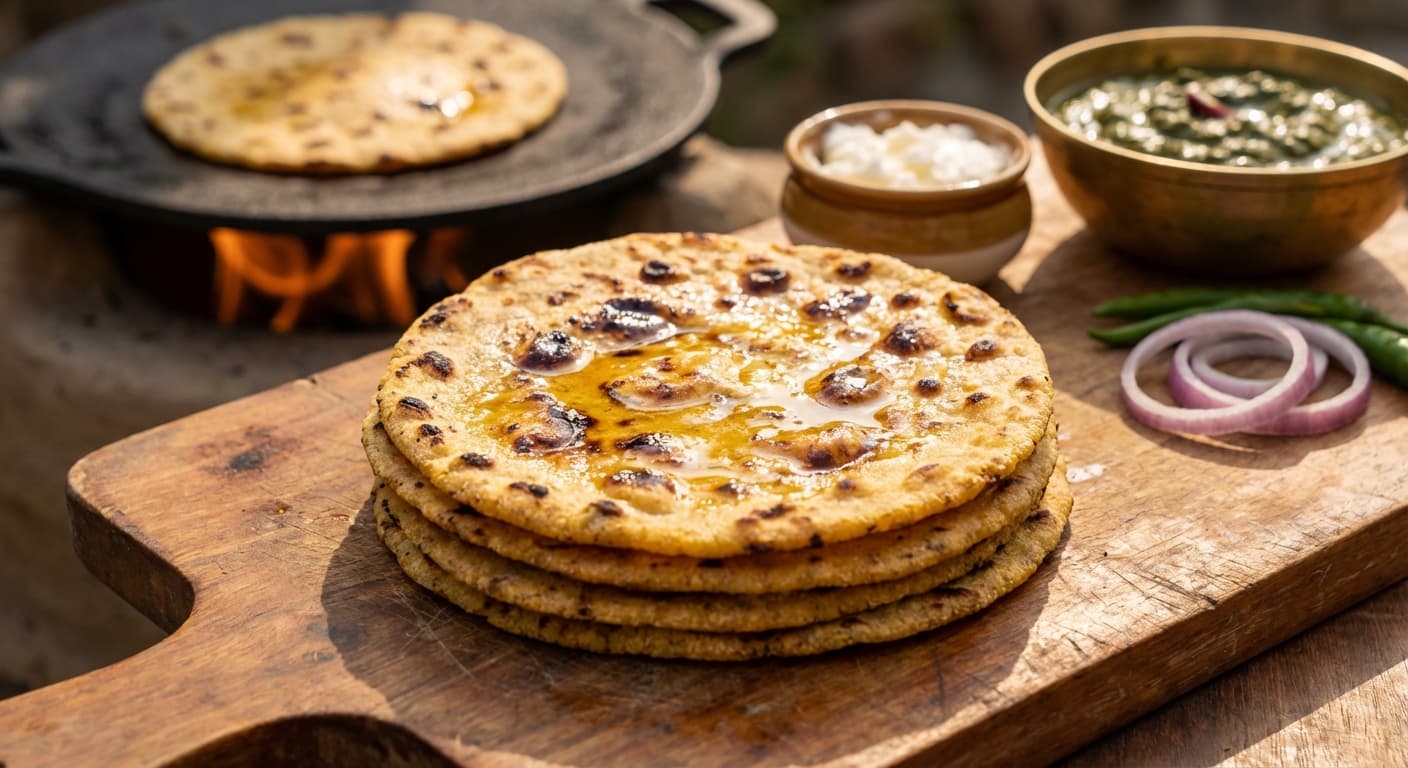
Makki di Roti (ਮੱਕੀ ਦੀ ਰੋਟੀ) — Indian Cornmeal Flatbread, Rustic and Slightly Crisp
Indian · Breads · 40 min

Bisi Bele Bath (ಬಿಸಿ ಬೇಳೆ ಬಾತ್) — Indian Spiced Rice-Lentil Stew with Vegetables
Indian · Main Courses · 65 min
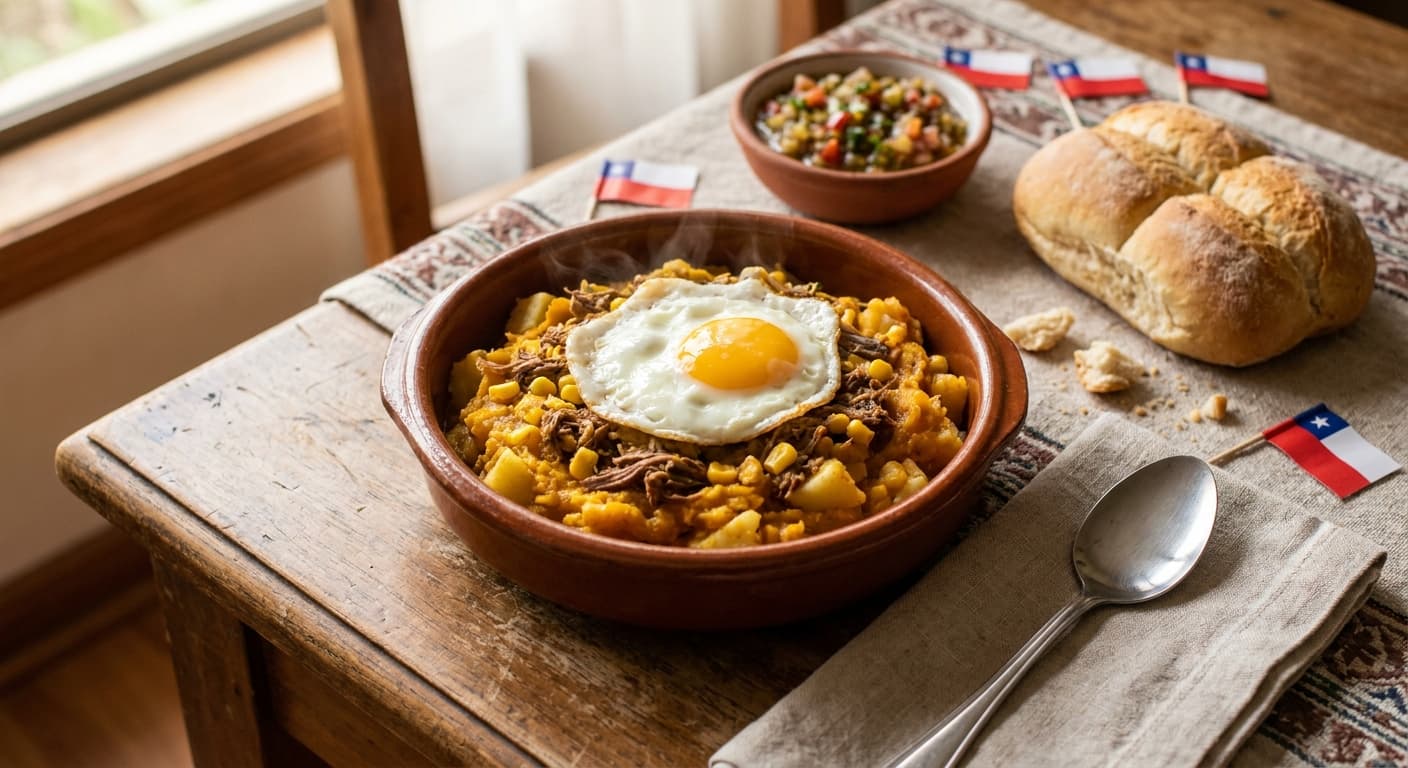
Charquicán (Charquicán) — Chilean Beef and Vegetable Hash
Chilean · Main Courses · 70 min
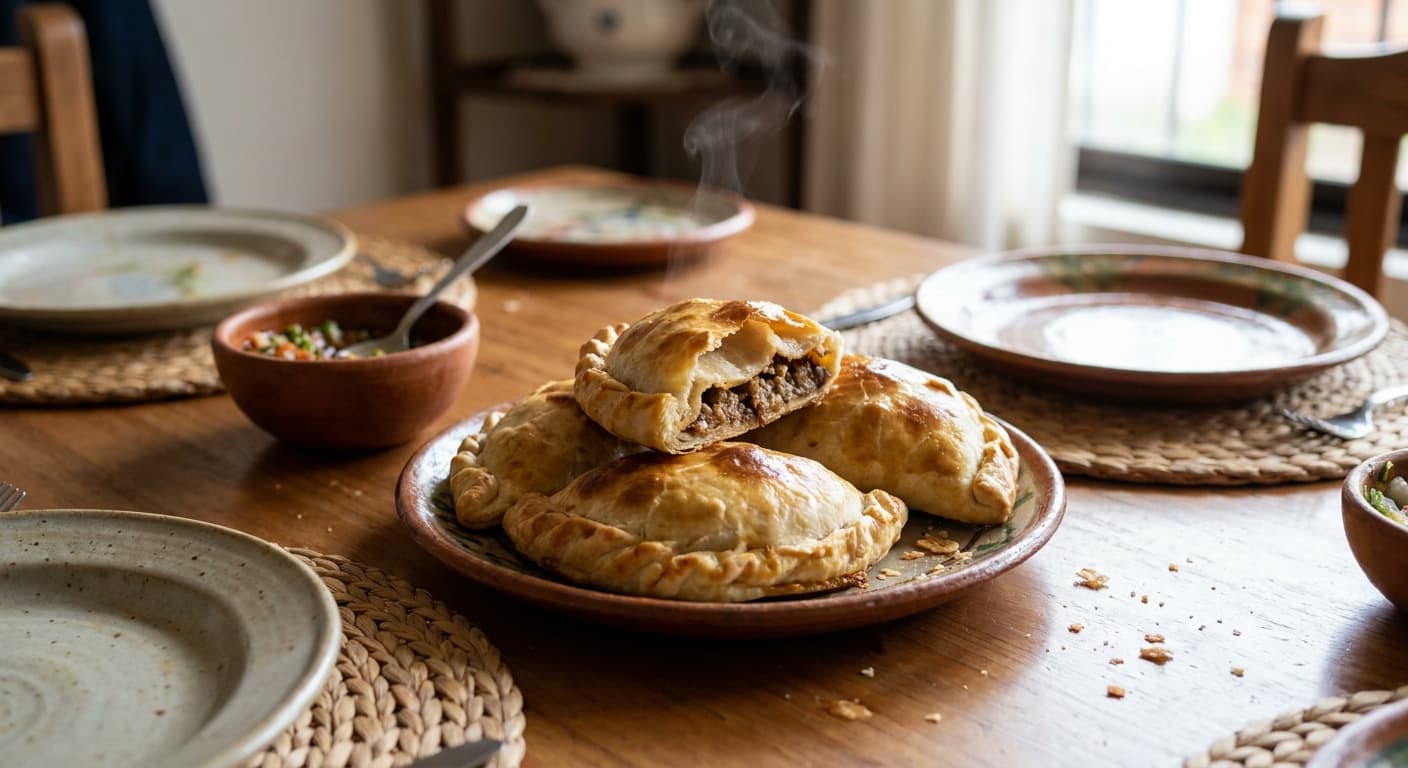
Chilean Beef Empanada (Empanada de pino) — Baked pastry filled with beef, onion, egg, olive, and raisins
Chilean · Main Courses · 125 min
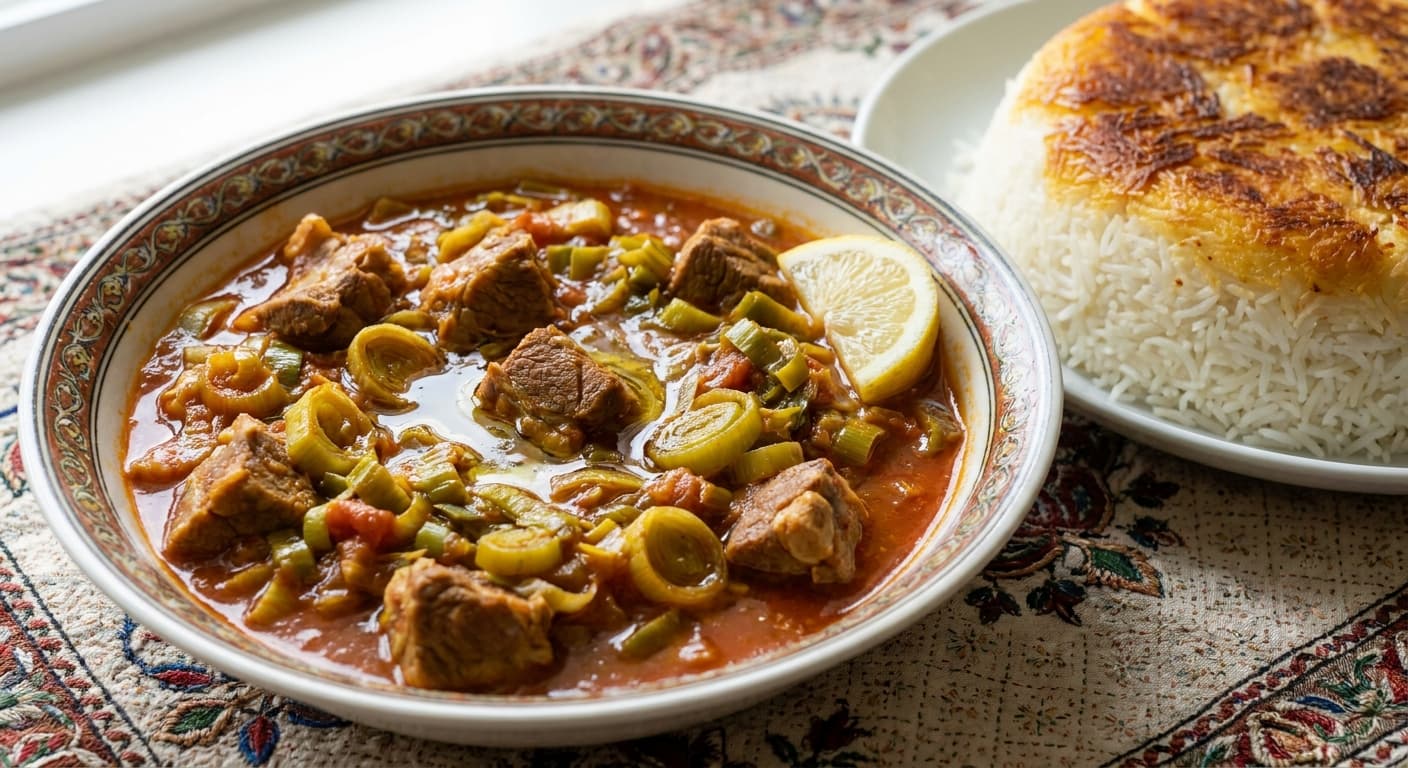
Khoresh Tareh Farangi (خورش تره فرنگی) — Persian Leek and Lamb Stew
Persian · Stews · 130 min
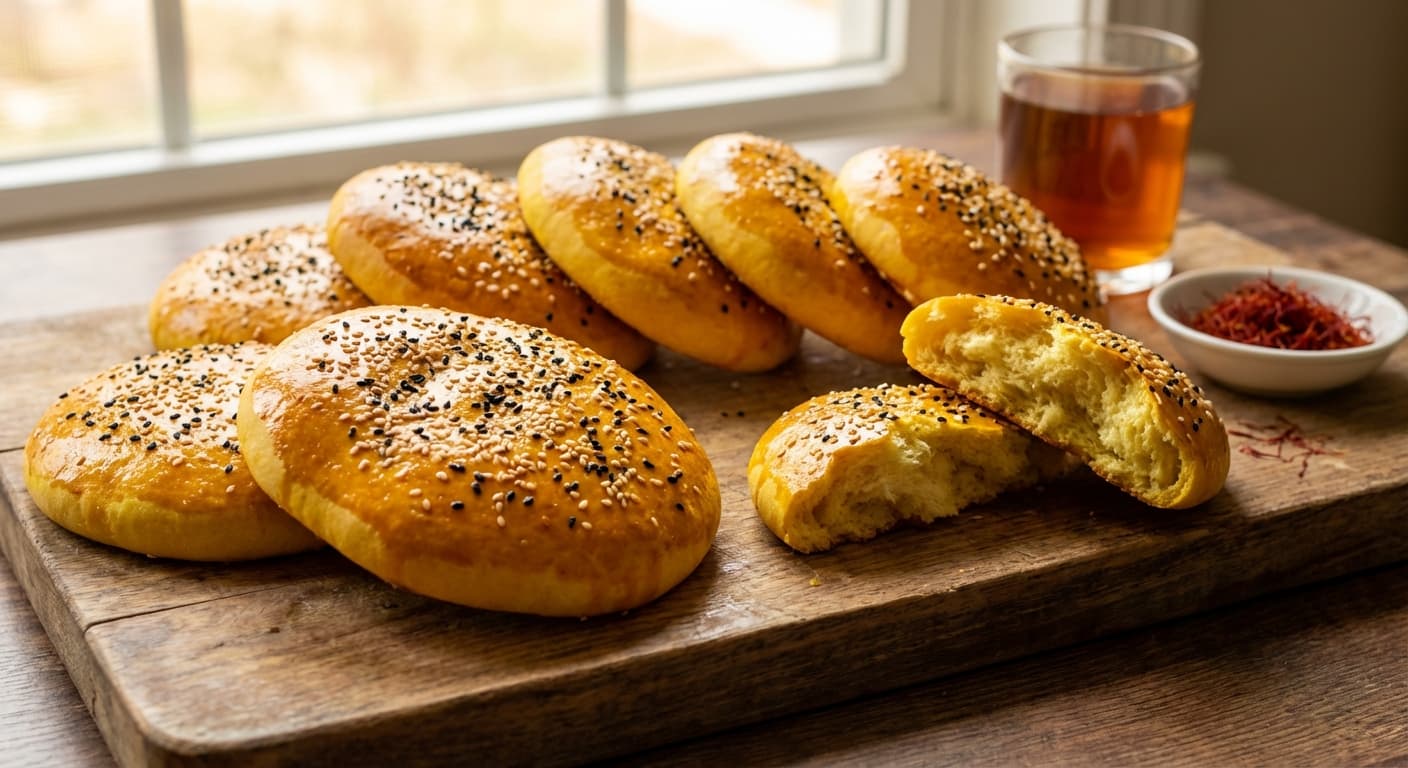
Sheermal (شیرمال) — Afghan Saffron Milk Bread with a Gentle Sweetness
Afghan · Breads · 43 min
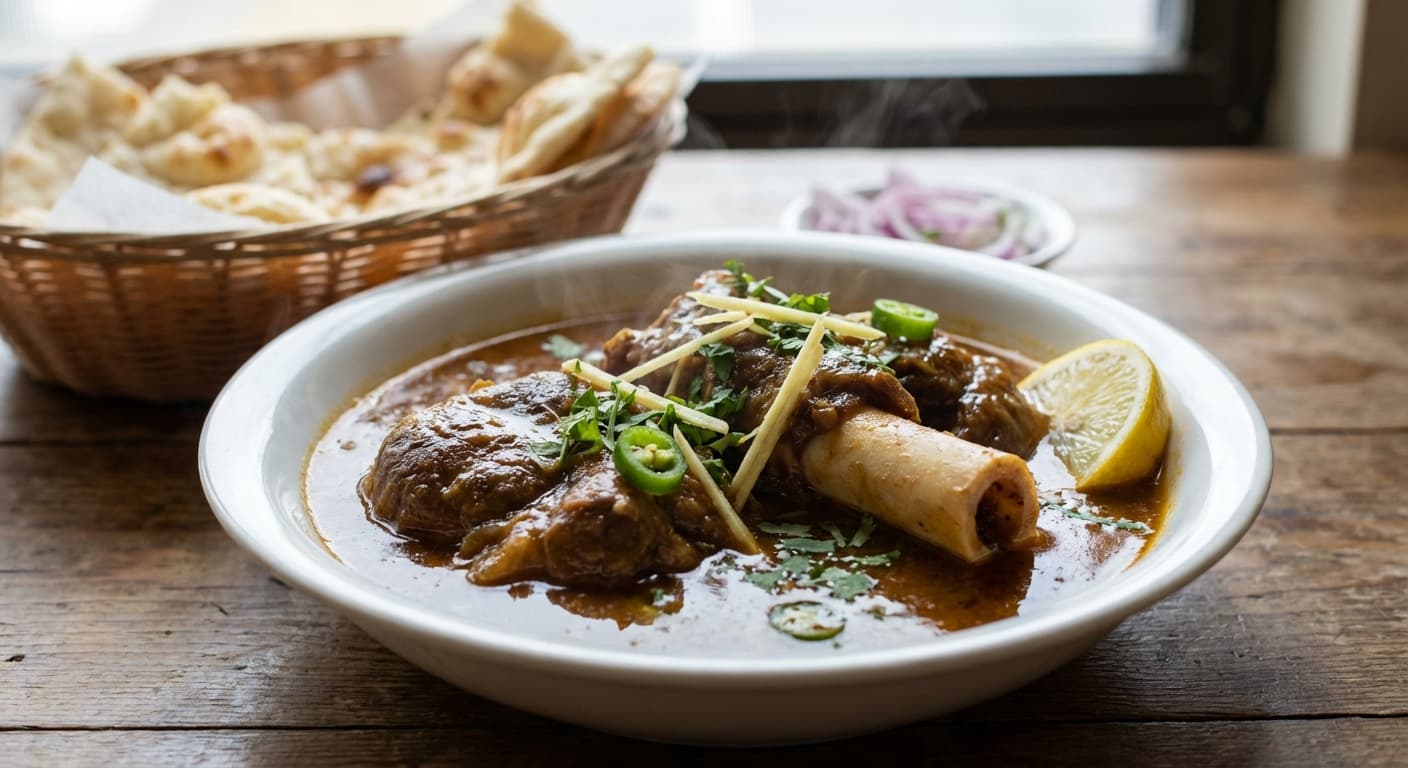
Nihari (نہاری) — Indian Overnight-Cooked Beef Stew with Warming Spices
Indian · Stews · 275 min
Reviews
Cooked this recipe?
Tap the stars to rate it — that's all it takes. A few words are welcome but optional.
No ratings yet. Cooked this one? Be the first to rate it — it takes one tap.