Mtori (Mtori) — Tanzanian Banana-Beef Soup
Mtori is a nourishing Chagga soup from Tanzania’s Kilimanjaro region, made by simmering beef with ndizi mbichi, or green cooking bananas. The bananas are mashed into the broth until the soup turns creamy, savory, and deeply comforting.
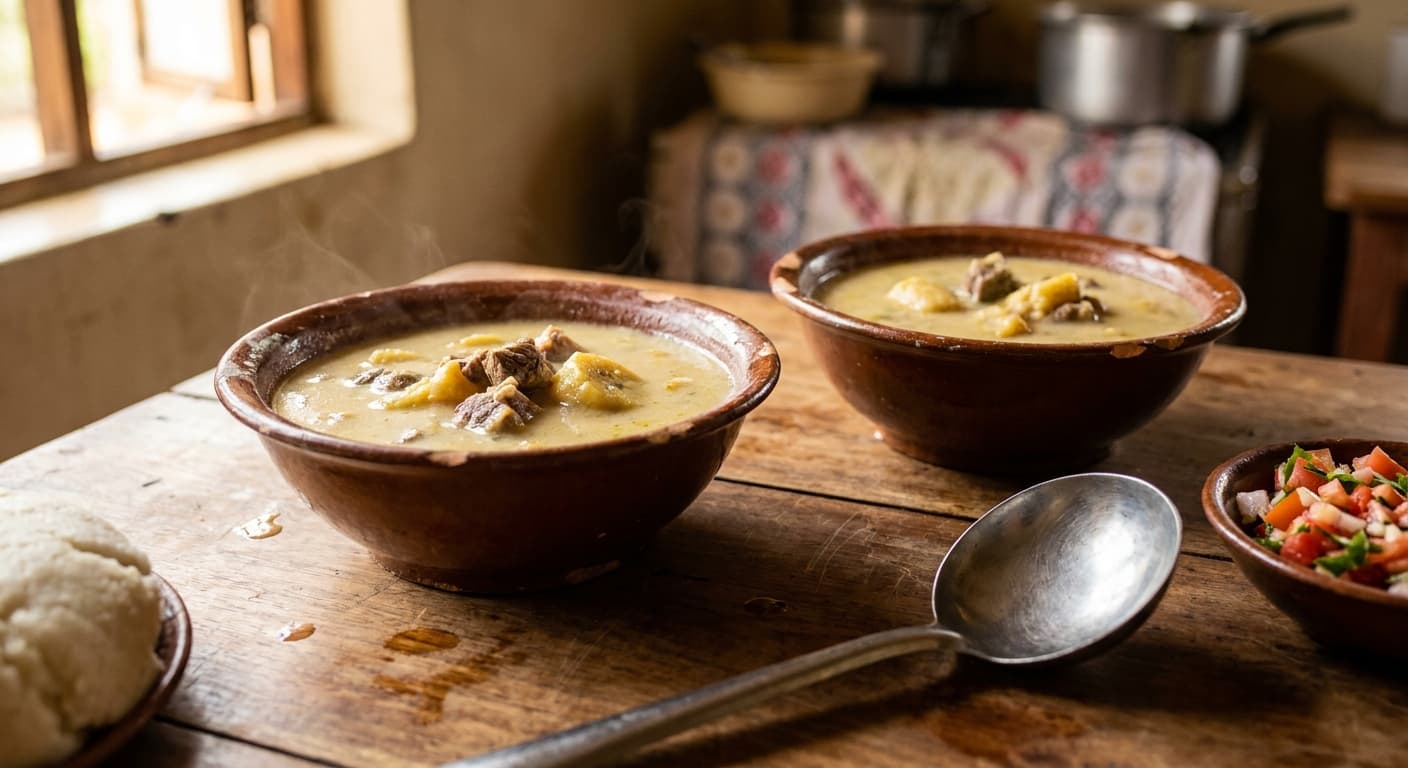
Printable Recipe Card
Servings: 6 · Total: 175 min · Difficulty: medium
Ingredients (quick list)
- 900 g beef shank, bone-in
- 450 g beef marrow bones (adds body to the mtori broth)
- 2.4 l water
- 8 green cooking bananas (ndizi mbichi, peeled just before cooking)
- 2 medium potatoes
- 1 large onion
- 2 tomatoes
- 3 clove garlic
- 1 inch fresh ginger
- 2 tbsp neutral cooking oil
- 2 tsp fine sea salt
- 0.5 tsp ground black pepper
+ 2 more in the full ingredients section below.
Steps (summary)
- Rinse the beef shank and marrow bones under cold running water, then place them in a heavy soup pot with 2.4 l water and 1 tsp…
- Cover the pot with the lid slightly ajar and simmer the beef for 1 hour 45 minutes, or until the meat is tender enough to pull…
- While the broth cooks, finely chop the onion, tomatoes, garlic, and ginger. Peel the ndizi mbichi and potatoes, then cut them i…
- Lift the cooked beef and bones onto a tray and strain the broth through a fine sieve into a bowl. Pull the meat into bite-size…
- Wipe the pot clean, add the oil, and warm it over medium heat for 1 minute. Add the onion and cook for 6 minutes until soft, th…
- Stir in the tomatoes, the remaining 1 tsp salt, and the black pepper, then cook for 8 minutes until the tomatoes collapse into…
+ 3 more steps in the full instructions section below.
Cultural Background
Mtori is closely associated with Chagga cooking around Kilimanjaro, where beef and ndizi create a sustaining soup for family tables and gatherings. Pendo Kway and Hawa Hassan help place such Tanzanian home dishes within a living, regional food tradition.
Equipment
💡 Tips
- Use firm green cooking bananas rather than ripe sweet bananas; ripe bananas make the mtori too sweet and loose.
- A gentle simmer gives a clearer, richer broth than a hard boil, especially when cooking marrow bones.
- Mash the bananas in stages so the soup stays creamy while still keeping a few hearty pieces.
⚠️ Common Mistakes
❌ Using ripe bananas instead of green cooking bananas
✅ Fix: Choose hard green ndizi mbichi or green plantains so the soup tastes savory and thickens properly.
❌ Boiling the beef too aggressively
✅ Fix: Keep the broth at a gentle simmer and skim early so the flavor stays clean and the meat becomes tender.
❌ Blending the soup completely smooth
✅ Fix: Mash by hand and leave some banana and beef pieces intact for the rustic texture typical of mtori.
🧊 How to Store
Cool leftovers within 2 hours and refrigerate in airtight containers for up to 3 days. Reheat gently on the stove with 60 ml water per serving because the mashed ndizi thickens the soup as it rests.
📅 Make Ahead
Cook the beef broth and shred the meat up to 2 days ahead, then refrigerate them together. Add and mash the ndizi on the day of serving for the best texture.
🍽️ Pairs Well With
- Ugali
- kachumbari
- chapati
- steamed greens
- sliced avocado.
Regional Variations
- In parts of Kilimanjaro, mtori is made very thick with extra ndizi and served as a substantial breakfast soup.
- Some home cooks add a small amount of carrot or green pepper, though the classic flavor remains beef, banana, and simple aromatics.
- A richer version keeps the marrow in the pot and mashes it into the broth with the softened bananas.
Ingredients
- 900 gbeef shank, bone-in
- 450 gbeef marrow bones (adds body to the mtori broth)
- 2.4 lwater
- 8green cooking bananas (ndizi mbichi, peeled just before cooking)
- 2medium potatoes
- 1large onion
- 2tomatoes
- 3 clovegarlic
- 1 inchfresh ginger
- 2 tbspneutral cooking oil
- 2 tspfine sea salt
- 0.5 tspground black pepper
- 20 mlfresh lemon juice
- 8 sprigfresh cilantro
🔄 Substitutions
- beef shank, bone-in→ beef short ribs
- green cooking bananas→ green plantains
- fresh cilantro→ flat-leaf parsley
Instructions
- 1
Rinse the beef shank and marrow bones under cold running water, then place them in a heavy soup pot with 2.4 l water and 1 tsp salt. Bring to a steady boil over medium-high heat, skim off the gray foam for 10 minutes, then reduce the heat to a gentle simmer.
- 2
Cover the pot with the lid slightly ajar and simmer the beef for 1 hour 45 minutes, or until the meat is tender enough to pull from the bone. Add 300 ml hot water during cooking if the liquid drops below the level of the bones.
- 3
While the broth cooks, finely chop the onion, tomatoes, garlic, and ginger. Peel the ndizi mbichi and potatoes, then cut them into 3 cm chunks so they soften evenly in the mtori.
- 4
Lift the cooked beef and bones onto a tray and strain the broth through a fine sieve into a bowl. Pull the meat into bite-size pieces, discard small bone fragments, and keep the marrow if you enjoy its rich flavor.
- 5
Wipe the pot clean, add the oil, and warm it over medium heat for 1 minute. Add the onion and cook for 6 minutes until soft, then add the garlic and ginger and cook for 1 minute more without letting them brown.
- 6
Stir in the tomatoes, the remaining 1 tsp salt, and the black pepper, then cook for 8 minutes until the tomatoes collapse into a thick base. Return the strained beef broth to the pot and scrape the bottom so the aromatics dissolve into the soup.
- 7
Add the green bananas and potatoes, bring the soup back to a simmer, and cook uncovered for 25 minutes. The ndizi should be completely tender and easy to crush against the side of the pot with a spoon.
- 8
Mash about two-thirds of the bananas and potatoes directly in the pot with a wooden spoon or potato masher, leaving some pieces whole for texture. Return the shredded beef and marrow to the soup and simmer for 10 minutes so the mtori becomes creamy and cohesive.
- 9
Stir in the lemon juice and chopped cilantro, then simmer for 2 minutes to brighten the broth. Taste the soup for balance, keeping the measured seasoning as written, and serve hot in deep bowls.
🪪 Recipe Passport
Cultural Background
Mtori is closely associated with Chagga cooking around Kilimanjaro, where beef and ndizi create a sustaining soup for family tables and gatherings. Pendo Kway and Hawa Hassan help place such Tanzanian home dishes within a living, regional food tradition.
Regional Variations
Researched from multiple sources and validated by the Zaffaron editorial team. Every recipe is tested for accuracy, measurements, and cultural authenticity.
📚 Sources & Cultural References
- Pendo Kway — Tanzanian Cuisine
- Hawa Hassan — In Bibi's Kitchen — (2020)
Sources cited by the Zaffaron editorial team during recipe research. Cultural and culinary references supporting authenticity claims.
Nutrition per serving
Pairs well with
If you enjoyed this recipe, here are a few related Zaffaron recipes to try next.
Does your family make this differently?
Every family has their own version. Maybe your grandmother adds a secret ingredient, or your aunt has a completely different technique. Preserve your family's version — with their name on it, forever.
You Might Also Like
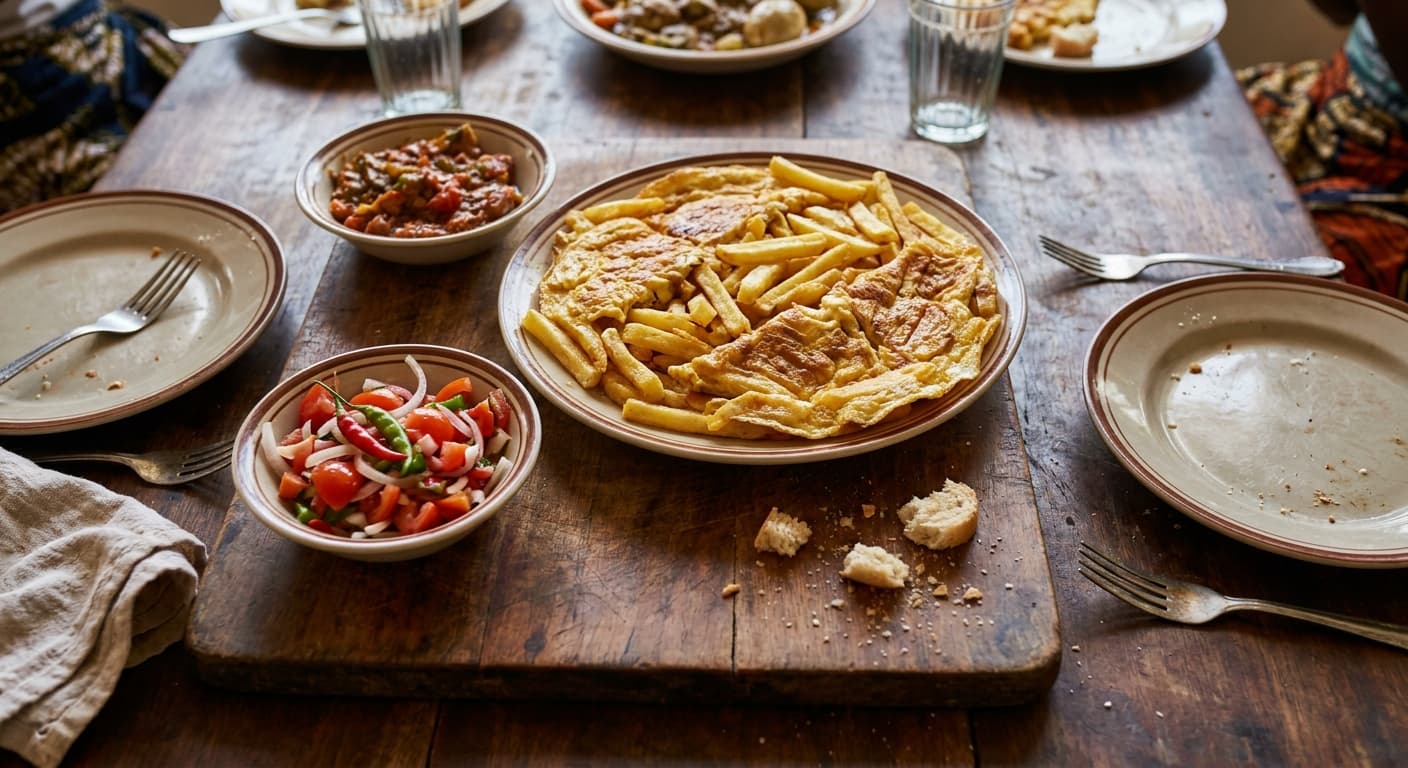
Chips and Egg Omelet (Chipsi Mayai) — Tanzanian Street-Food Classic
Tanzanian · Main Courses · 50 min
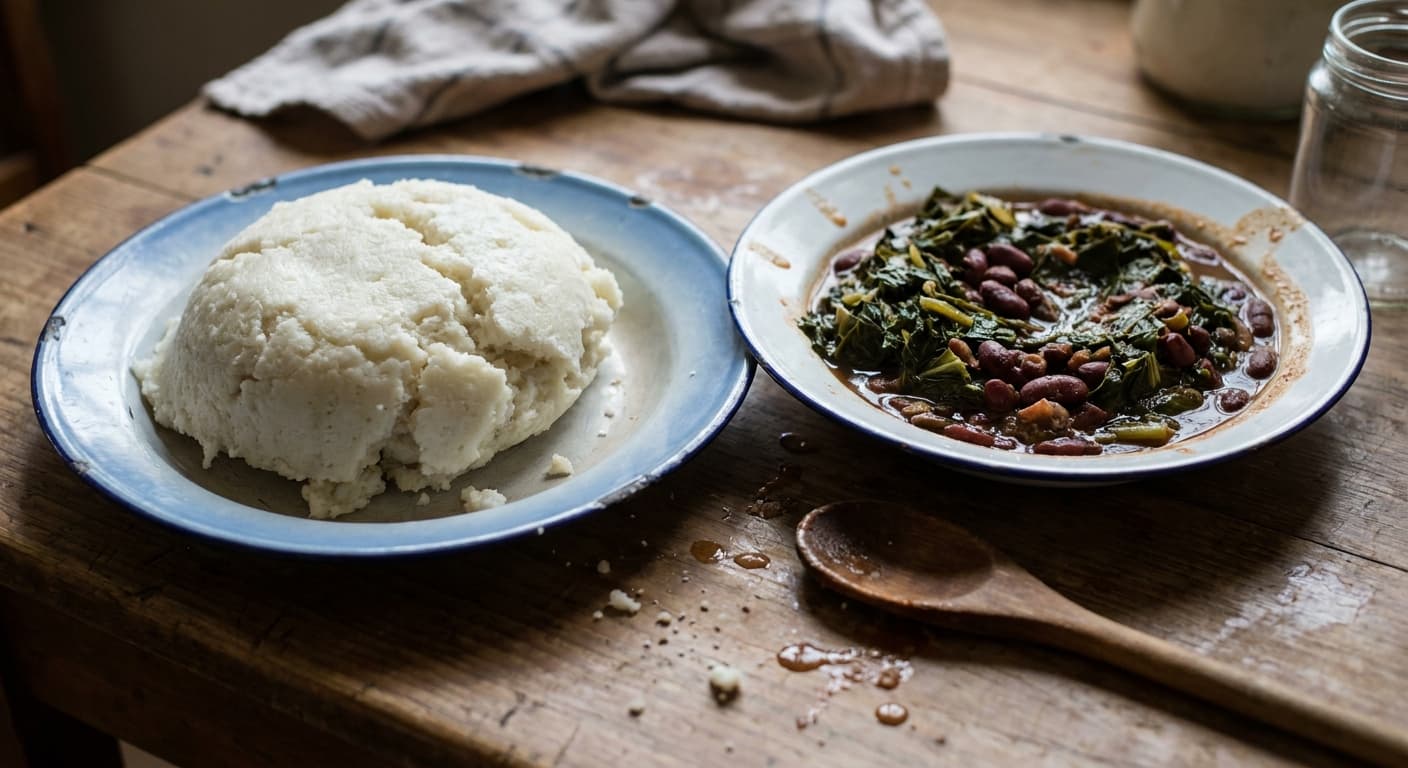
Tanzanian Ugali (Ugali) — Firm Cornmeal Porridge
Tanzanian · Side Dishes · 23 min
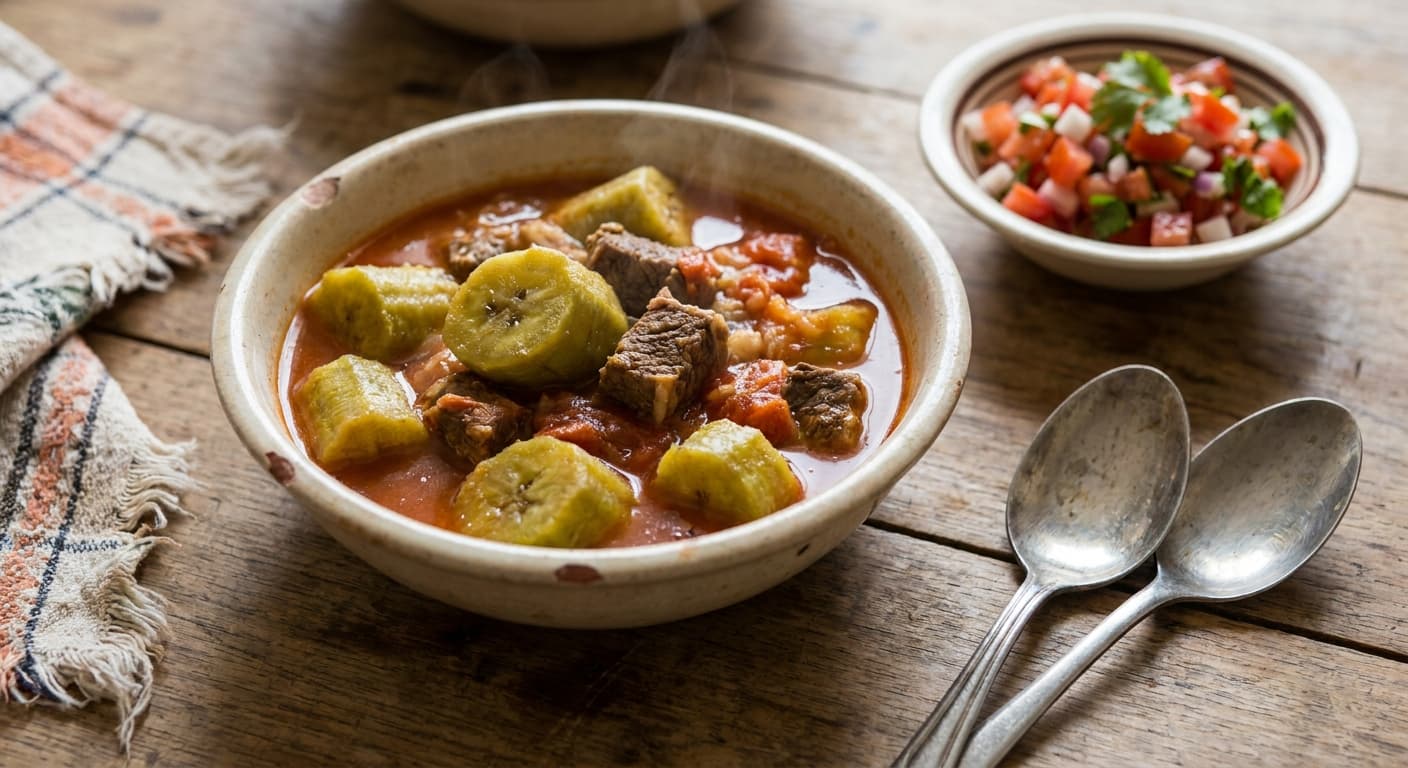
Matoke (Matoke) — Tanzanian Green Banana and Beef Stew
Tanzanian · Stews · 135 min
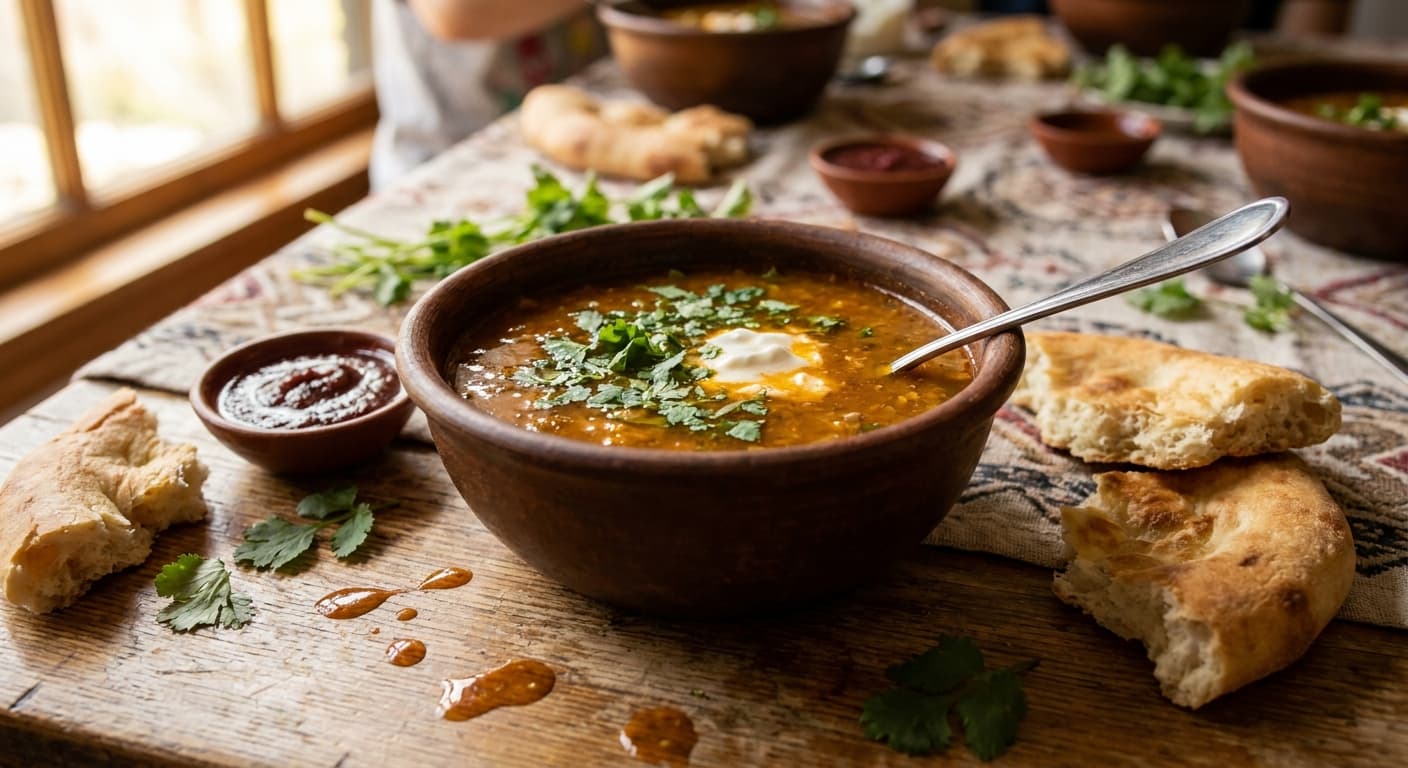
Kharcho (ხარჩო) — Georgian Beef, Walnut, and Sour Plum Soup
Georgian · Soups · 145 min
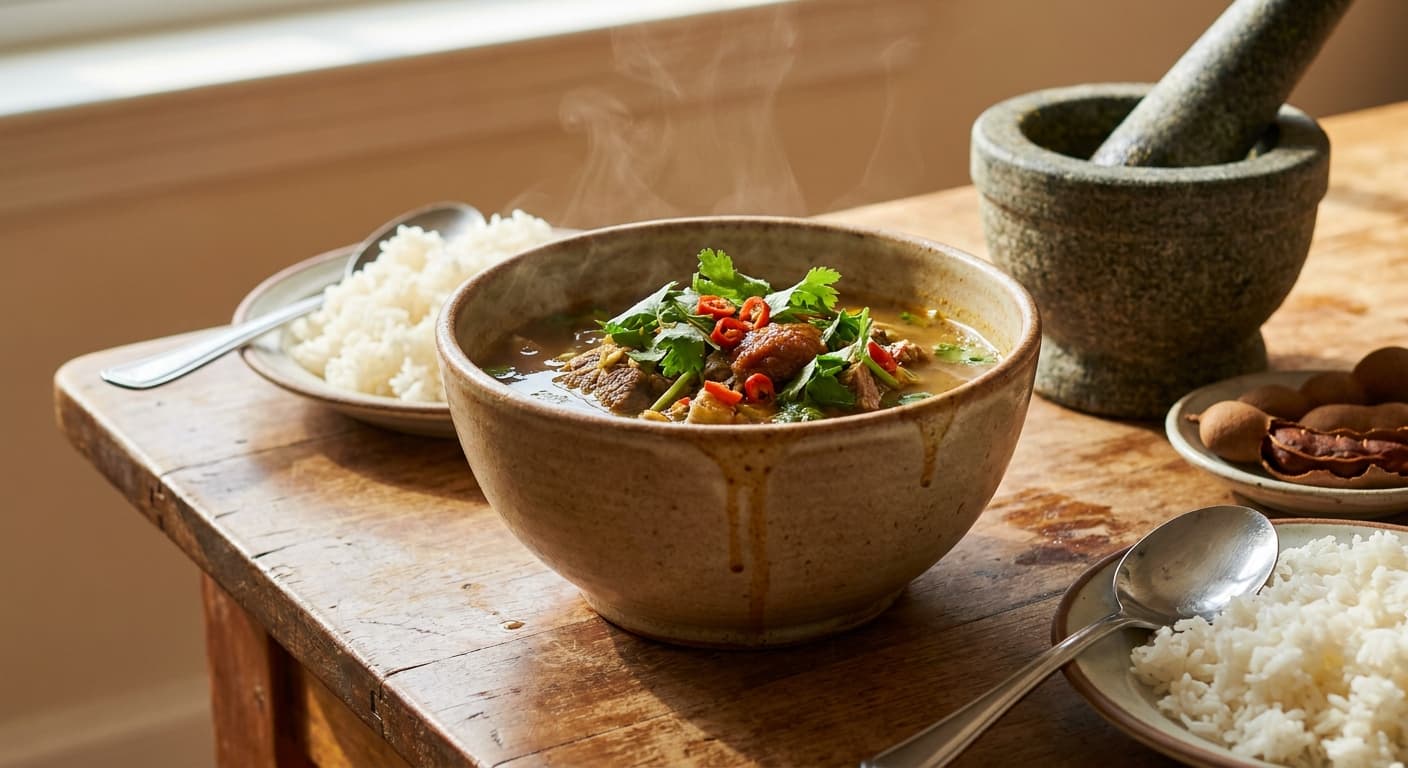
Samlor Machu Kroeung (សម្លម្ជូរគ្រឿង) — Cambodian Sour Kroeung Beef Soup
Cambodian · Soups · 130 min
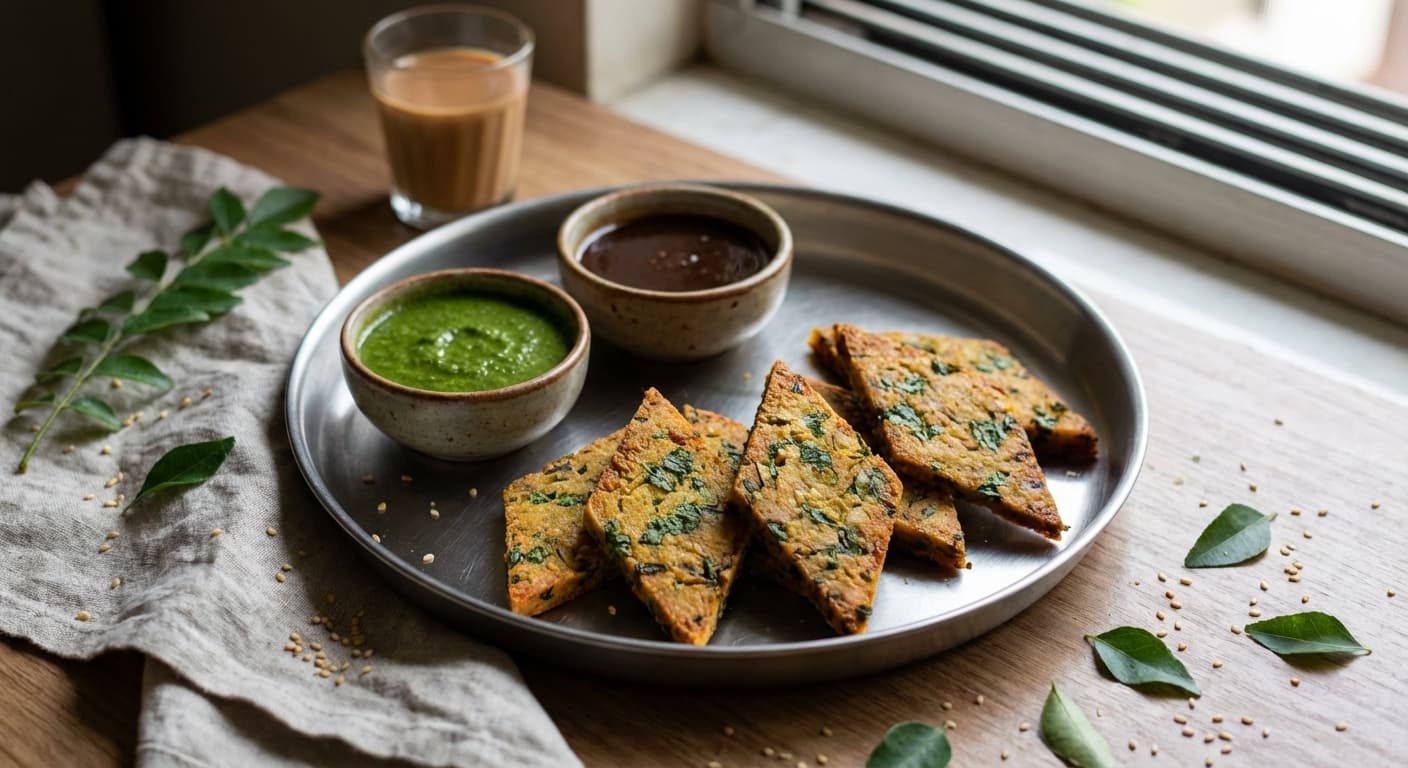
Kothimbir Vadi (कोथिंबीर वडी) — Steamed coriander-gram cakes, pan-fried crisp
Indian · Appetizers · 50 min
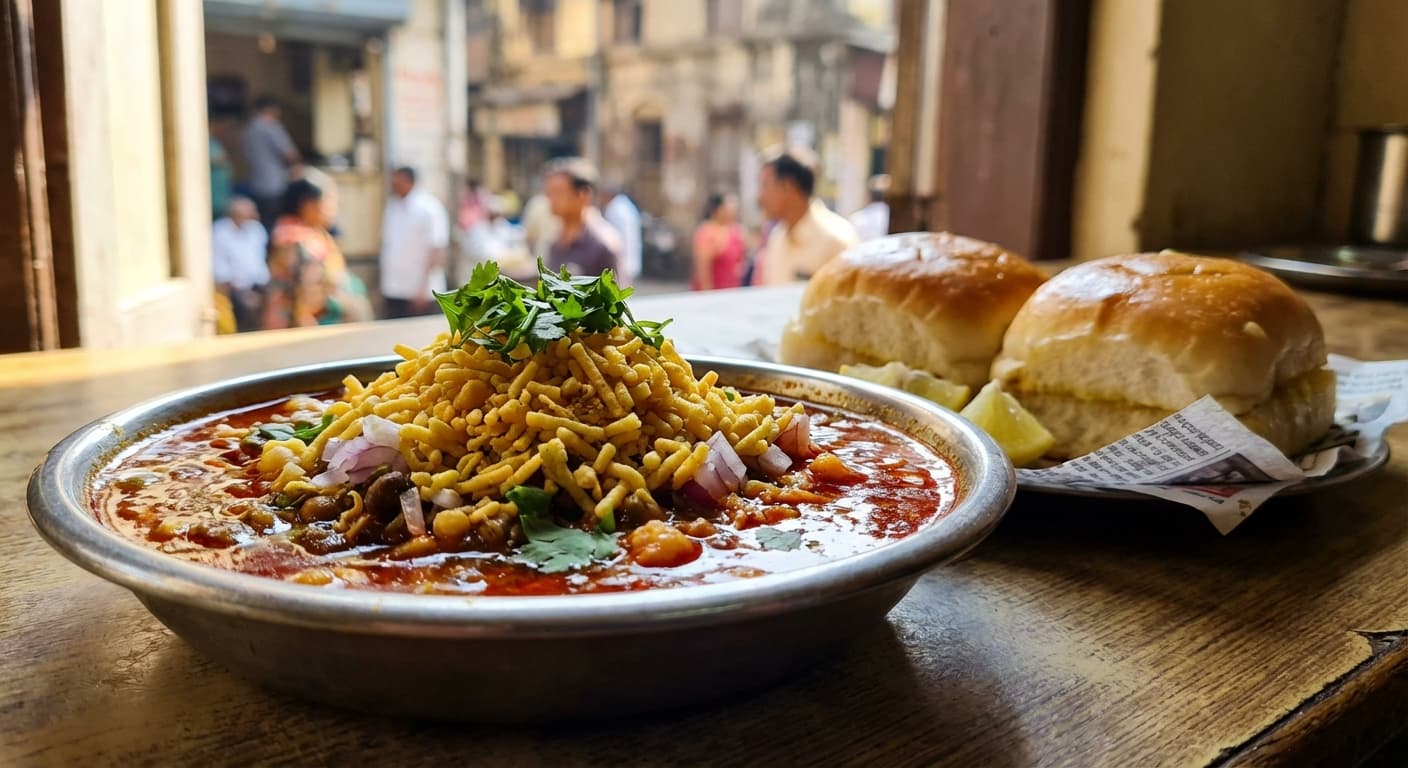
Misal Pav (मिसळ पाव) — Spicy sprouted moth bean curry with farsan
Indian · Main Courses · 70 min
Filipino Chicken Adobo (Adobong Manok) — Vinegar-Soy Braised Chicken
Filipino · Main Courses · 70 min
Reviews
Cooked this recipe?
Tap the stars to rate it — that's all it takes. A few words are welcome but optional.
No ratings yet. Cooked this one? Be the first to rate it — it takes one tap.