Barbari Bread (نان بربری)
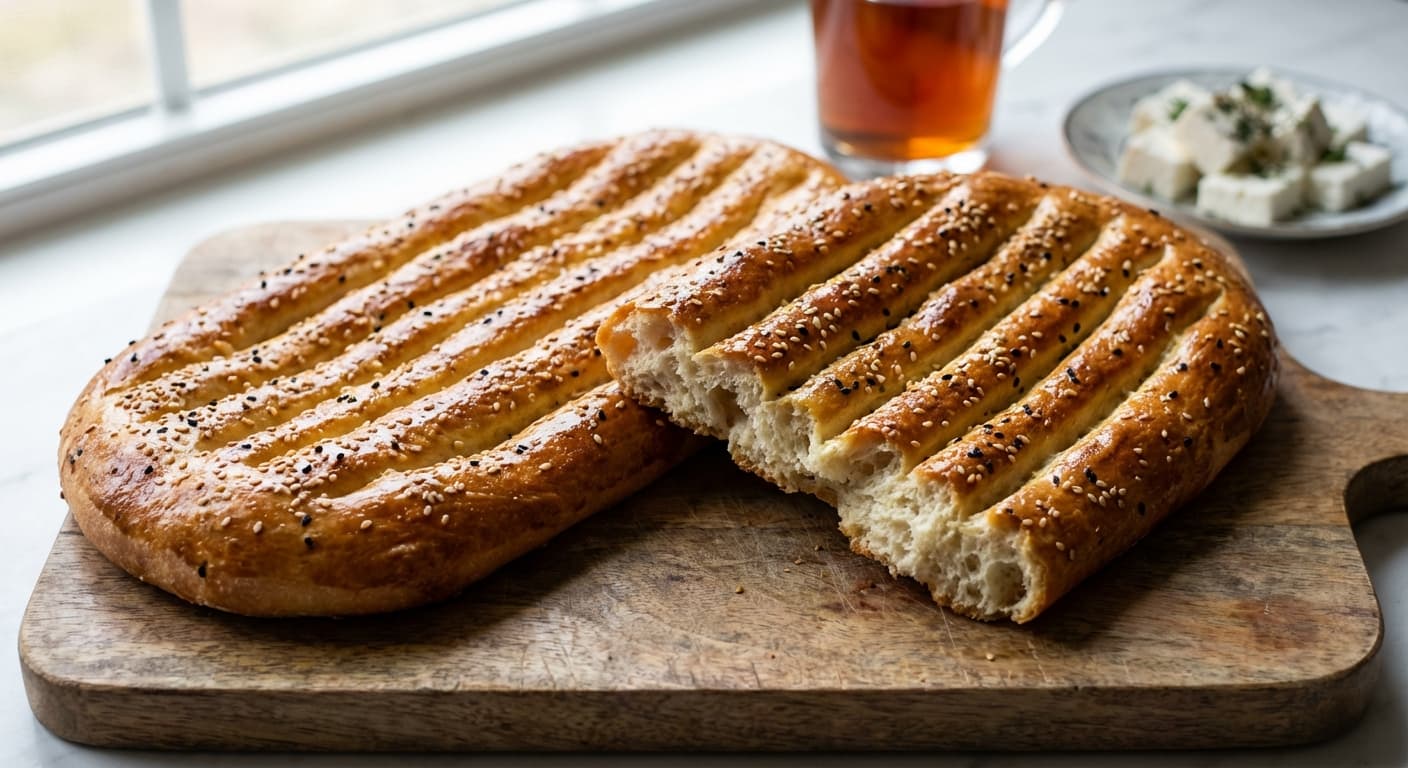
Nan-e Barbari is Tehran’s iconic thick Persian flatbread with deep ridges, a glossy romal glaze, and a sesame-crusted top. This detailed method delivers a chewy interior and crisp, golden edges—perfect for breakfast with feta, herbs, and tea.
Printable Recipe Card
Servings: 8 · Total: 164 min · Difficulty: medium
Ingredients (quick list)
- 600 g Bread flour (plus 20 g extra for bench flour if needed)
- 420 g Warm water (38–40°C)
- 7 g Instant yeast (about 2 1/4 tsp)
- 10 g Granulated sugar (about 2 tsp)
- 12 g Fine sea salt (about 2 tsp)
- 30 g Neutral oil (2 tbsp, for dough and bowl)
- 30 g All-purpose flour (for the glaze slurry)
- 240 g Water (1 cup, for the glaze slurry)
- 2 g Baking soda (1/2 tsp)
- 24 g Sesame seeds (3 tbsp)
- 6 g Nigella seeds (black cumin) (1 tbsp, optional)
Steps (summary)
- In a large bowl, whisk warm water (38–40°C) with sugar and instant yeast for 30 seconds. Rest 5 minutes until lightly foamy. Ad…
- Knead for 10–12 minutes by hand (or 8 minutes on medium-low in a mixer) until smooth, elastic, and slightly tacky but not wet.…
- Cover the bowl and let the dough rise at 24–26°C for 75–90 minutes, until doubled. For better flavor, you may refrigerate 8–12…
- Make the romal glaze: whisk flour and water in a small saucepan until smooth, then cook over medium heat, stirring constantly,…
- Place a baking steel or inverted heavy sheet pan on the middle rack and preheat the oven to 260°C (500°F) for 30 minutes. If us…
- Turn out the dough and divide into 2 equal pieces (about 525 g each). Shape each into a tight ball, cover with a towel, and res…
+ 3 more steps in the full instructions section below.
Cultural Background
Nan-e Barbari is one of Iran’s most beloved bakery breads, traditionally bought fresh in the morning from neighborhood nanvaei. Its signature ridges and romal glaze create the glossy, golden crust associated with classic Tehran-style barbari served with panir and sabzi khordan.
Equipment
💡 Tips
- Keep your hands lightly oiled (not floured) while shaping; excess flour can prevent the ridges from sealing and makes the crust dull.
- Romal should be warm and thick enough to coat; if it becomes too thick, whisk in 15–30 g water and rewarm briefly.
- A baking steel gives the best oven spring and browned base; if using a thin pan, expect slightly less lift and add 1–2 minutes bake time.
⚠️ Common Mistakes
❌ Using water that is too hot for the yeast
💡 Why: Water above about 46°C (115°F) can weaken or kill yeast, leading to poor rise and dense bread.
✅ Fix: Use 38–40°C water and check with a thermometer; it should feel warm, not hot.
❌ Skipping the romal or applying it too thinly
💡 Why: Without a proper glaze, barbari bakes up pale and the topping won’t adhere well, losing the classic shiny crust.
✅ Fix: Cook the flour-water slurry until thickened, cool briefly, then brush a generous, even coat right before ridging and topping.
❌ Not preheating the baking surface long enough
💡 Why: A lukewarm steel/stone prevents oven spring and can leave the bottom blond and tough instead of crisp.
✅ Fix: Preheat a steel for at least 30 minutes (stone 45 minutes) at 260°C, and bake directly on the fully heated surface.
🧊 How to Store
Cool completely, then store in an airtight bag at room temperature up to 24 hours. For longer storage, freeze tightly wrapped for up to 2 months. Thaw at room temperature 45–60 minutes, then reheat at 200°C (392°F) for 5–7 minutes directly on the rack to refresh the crust.
📅 Make Ahead
After kneading, refrigerate the covered dough 8–12 hours for slow fermentation. The next day, let it sit at room temperature 60 minutes, then divide, rest 15 minutes, shape, glaze, and bake. Romal can be made up to 2 days ahead and refrigerated; rewarm gently and whisk smooth before brushing.
🍽️ Pairs Well With
- Serve with panir (feta)
- fresh herbs (sabzi khordan)
- walnuts
- honey or grape molasses
- and hot Persian tea. It’s also excellent for sandwiches with kotlet
- kuku sabzi
- or egg and tomato (nimeh-omlet).
Regional Variations
- Tehran (bakery style)Often made very long and wide with pronounced finger ridges, a glossy romal, and a generous sesame topping; baked hot for a crisp base and chewy interior.
- Tabriz/Azerbaijan-influenced homesCommonly topped with a heavier mix of sesame and nigella and shaped slightly thicker; home ovens may bake it on a preheated tray, producing a softer bottom and more bread-like crumb.
Ingredients
- 600 gBread flour (plus 20 g extra for bench flour if needed)
- 420 gWarm water (38–40°C)
- 7 gInstant yeast (about 2 1/4 tsp)
- 10 gGranulated sugar (about 2 tsp)
- 12 gFine sea salt (about 2 tsp)
- 30 gNeutral oil (2 tbsp, for dough and bowl)
- 30 gAll-purpose flour (for the glaze slurry)
- 240 gWater (1 cup, for the glaze slurry)
- 2 gBaking soda (1/2 tsp)
- 24 gSesame seeds (3 tbsp)
- 6 gNigella seeds (black cumin) (1 tbsp, optional)
🔄 Substitutions
- Bread flour→ All-purpose flour
- Instant yeast→ Active dry yeast
- Nigella seeds→ Sesame seeds only
Instructions
- 1
In a large bowl, whisk warm water (38–40°C) with sugar and instant yeast for 30 seconds. Rest 5 minutes until lightly foamy. Add bread flour and salt, then mix with a sturdy spoon until a shaggy dough forms. Drizzle in neutral oil and mix 1 minute more, scraping the bowl to hydrate all flour.
- 2
Knead for 10–12 minutes by hand (or 8 minutes on medium-low in a mixer) until smooth, elastic, and slightly tacky but not wet. If the dough is very sticky, add up to 20 g extra flour total, 5 g at a time. Shape into a ball, oil the bowl lightly, and turn dough to coat.
- 3
Cover the bowl and let the dough rise at 24–26°C for 75–90 minutes, until doubled. For better flavor, you may refrigerate 8–12 hours after 30 minutes at room temperature; then bring back to room temperature for 60 minutes before shaping. Proper fermentation helps the crumb stay chewy rather than dense.
- 4
Make the romal glaze: whisk flour and water in a small saucepan until smooth, then cook over medium heat, stirring constantly, for 3–5 minutes until it thickens to a loose pudding consistency. Remove from heat and whisk in baking soda. Cool 10 minutes; it should be warm and brushable, not hot.
- 5
Place a baking steel or inverted heavy sheet pan on the middle rack and preheat the oven to 260°C (500°F) for 30 minutes. If using a stone, preheat 45 minutes. Prepare two sheets of parchment (about 35×45 cm). Lightly oil your hands and a clean work surface to prevent sticking without toughening the dough.
- 6
Turn out the dough and divide into 2 equal pieces (about 525 g each). Shape each into a tight ball, cover with a towel, and rest 15 minutes to relax gluten. Transfer one piece onto parchment. With oiled fingertips, press and stretch into an oval about 30×12 cm, keeping edges slightly thicker.
- 7
Brush a generous layer of warm romal over the surface (about 2–3 tbsp per loaf). Using your fingertips, make 5–7 deep lengthwise ridges, pressing firmly to create channels without tearing through. Sprinkle sesame and optional nigella evenly, then gently press seeds so they adhere to the glaze.
- 8
Slide the parchment with the shaped barbari onto the hot steel/sheet pan. Bake at 260°C (500°F) for 10 minutes, then rotate and bake 2–4 minutes more until deeply golden with browned ridges. For extra color, broil on high for 30–60 seconds, watching constantly to avoid burning.
- 9
Remove bread to a rack and cool at least 20 minutes before slicing to prevent a gummy crumb. Repeat shaping and baking with the second piece of dough. Serve warm or room temperature. For crisp edges, reheat at 200°C (392°F) for 5 minutes; for softer bread, wrap in foil while reheating.
🪪 Recipe Passport
Cultural Background
Nan-e Barbari is one of Iran’s most beloved bakery breads, traditionally bought fresh in the morning from neighborhood nanvaei. Its signature ridges and romal glaze create the glossy, golden crust associated with classic Tehran-style barbari served with panir and sabzi khordan.
Regional Variations
Researched from multiple sources and validated by the Zaffaron editorial team. Every recipe is tested for accuracy, measurements, and cultural authenticity.
Nutrition per serving
Pairs well with
If you enjoyed this recipe, here are a few related Zaffaron recipes to try next.
Does your family make this differently?
Every family has their own version. Maybe your grandmother adds a secret ingredient, or your aunt has a completely different technique. Preserve your family's version — with their name on it, forever.
You Might Also Like
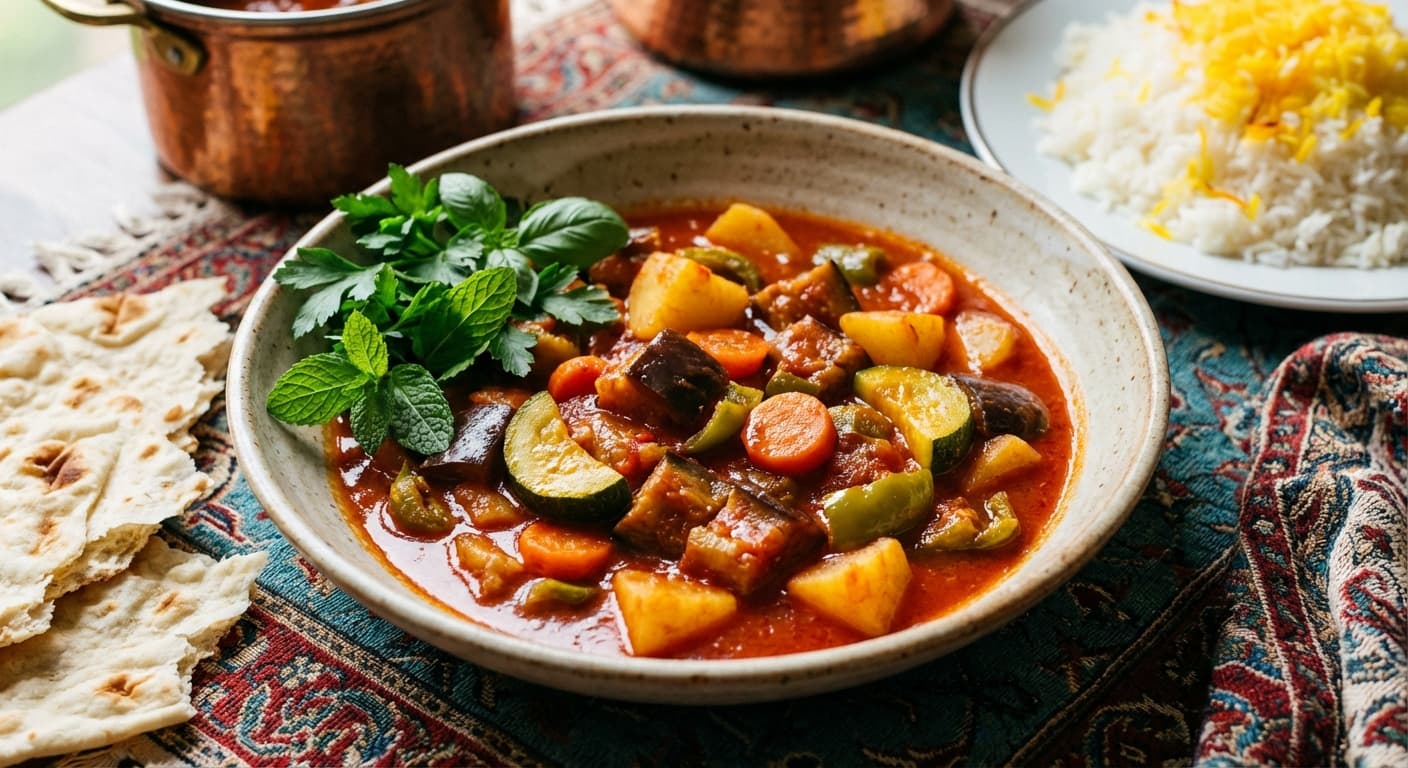
Yatimcheh (یتیمچه) — Persian Slow-Cooked Summer Vegetable Stew
Persian · Stews · 100 min
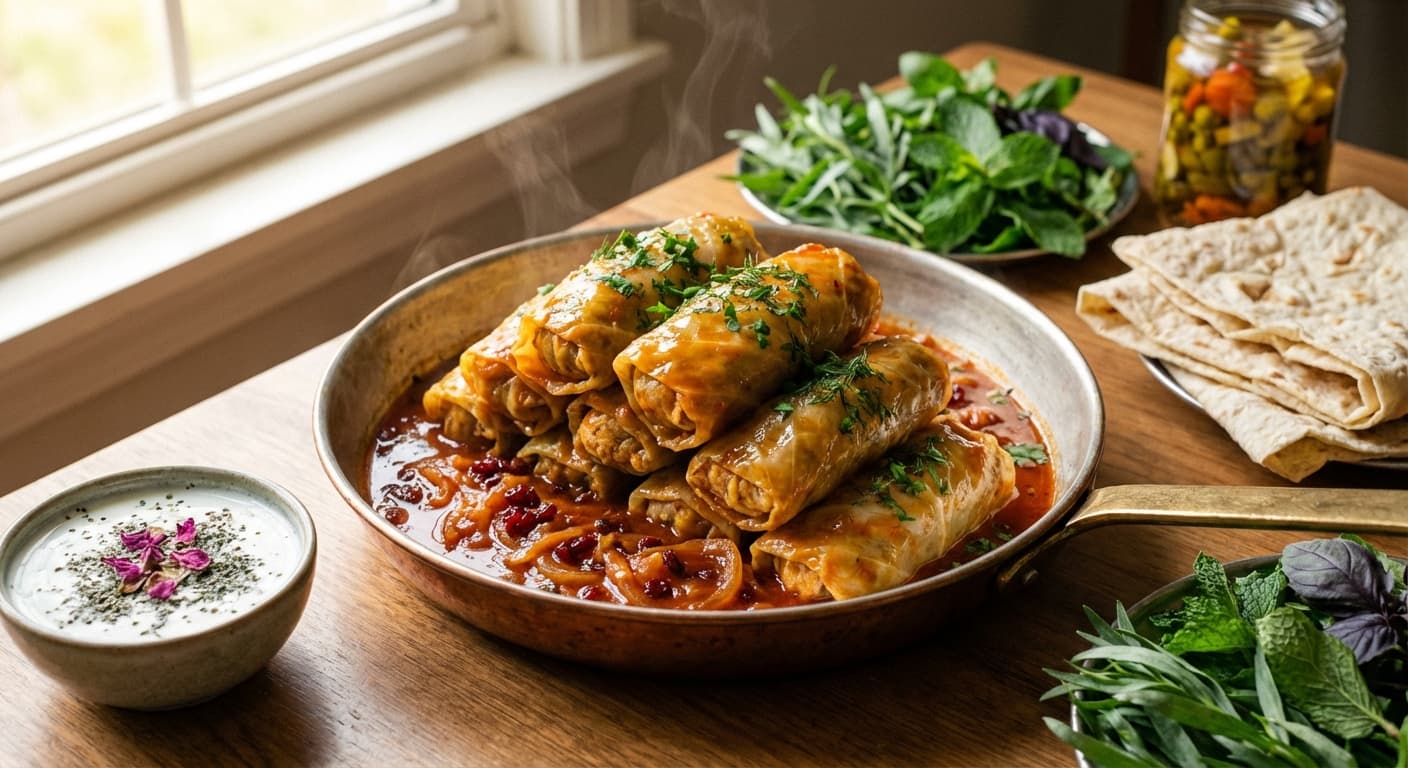
Chicken Stuffed Cabbage Rolls (دلمه کلم با مرغ) — Herb-Scented Persian Dolmeh in Tomato Saffron Sauce
Persian · Main Courses · 90 min
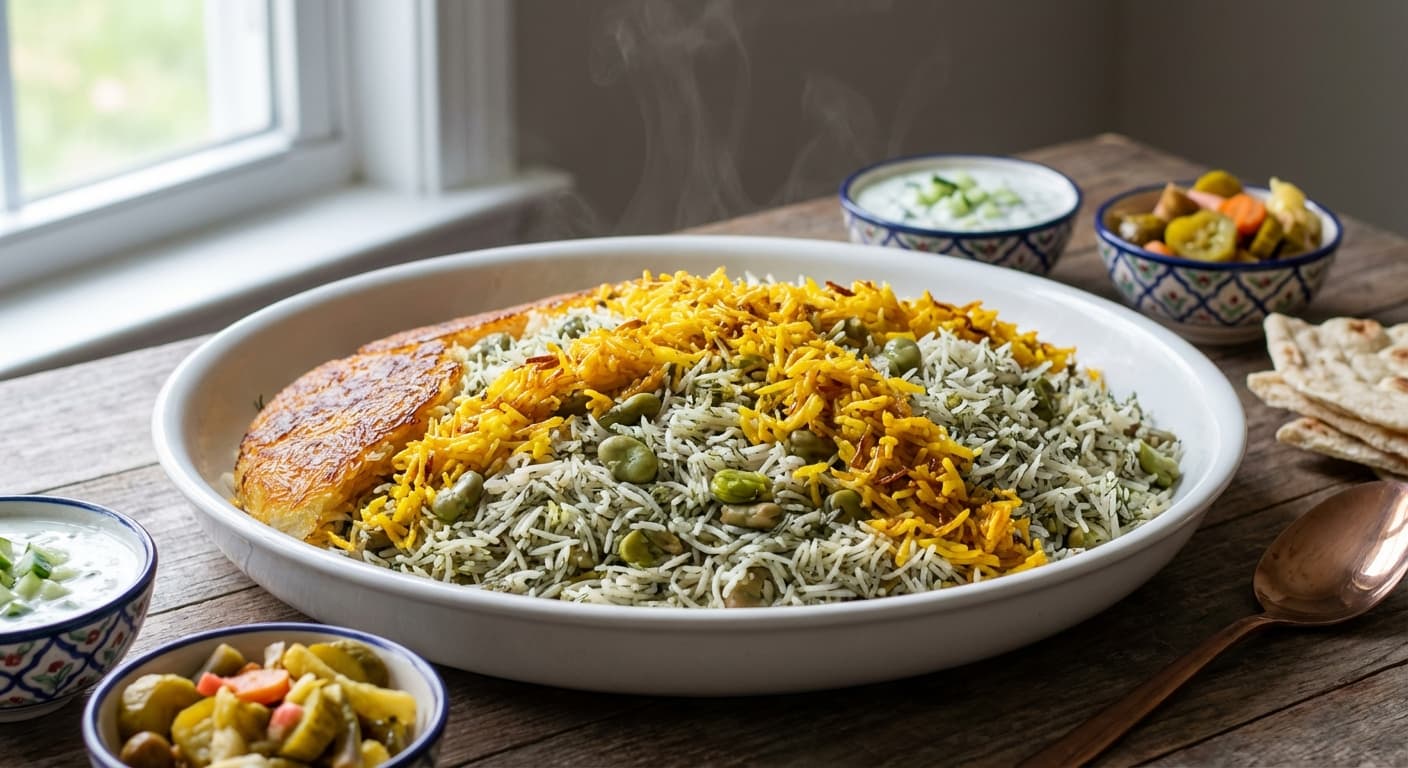
Baghali Polo (باقالی پلو) — Persian Dill and Fava Bean Rice with Saffron
Persian · Rice Dishes · 95 min
Colombian Cheese Arepas (Arepas de Queso) — Golden Corn Cakes Filled with Melted Cheese
Colombian · Breads · 38 min
Georgian Khachapuri Adjaruli (აჭარული ხაჭაპური) — Boat-Shaped Cheese Bread
Georgian · Breads · 53 min
Azerbaijani Milk-Rice Porridge (Südlü Sıyıq) — Creamy Breakfast Rice with Saffron
Azerbaijani · Rice Dishes · 50 min
Mıhlama (Mıhlama) — Black Sea Cornmeal and Cheese Skillet
Turkish · Main Courses · 25 min
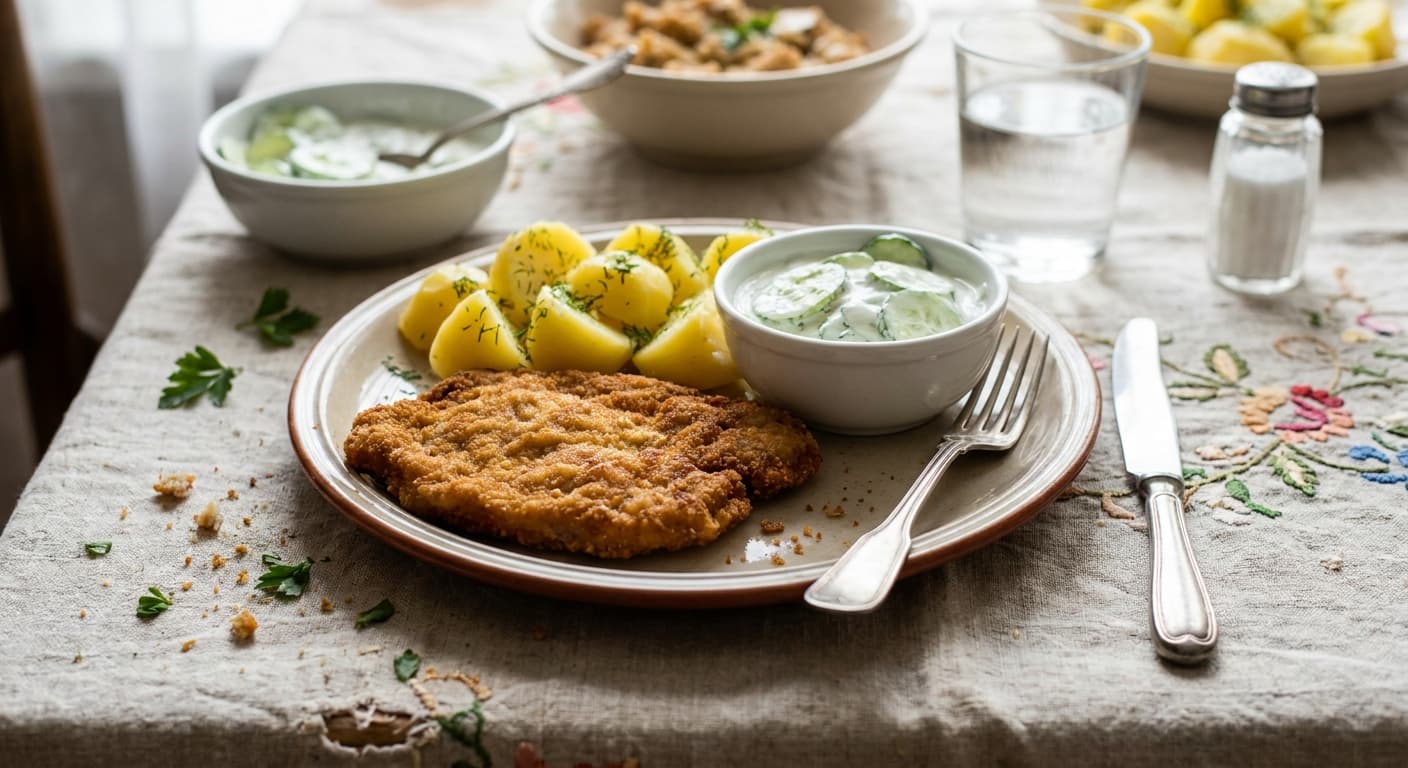
Polish Pork Cutlet (Kotlet schabowy) — Crisp Breaded Sunday Pork Chop
Polish · Main Courses · 43 min
Reviews
Cooked this recipe?
Tap the stars to rate it — that's all it takes. A few words are welcome but optional.
No ratings yet. Cooked this one? Be the first to rate it — it takes one tap.