Nauryz Kozhe (Наурыз көже) — Seven-Ingredient Kazakh Spring Soup
Nauryz kozhe is the ceremonial Kazakh soup of Nauryz, built around seven symbolic elements for abundance and renewal. This version uses rich sorpa, kazy, grains, and tangy dairy for a festive spring table.
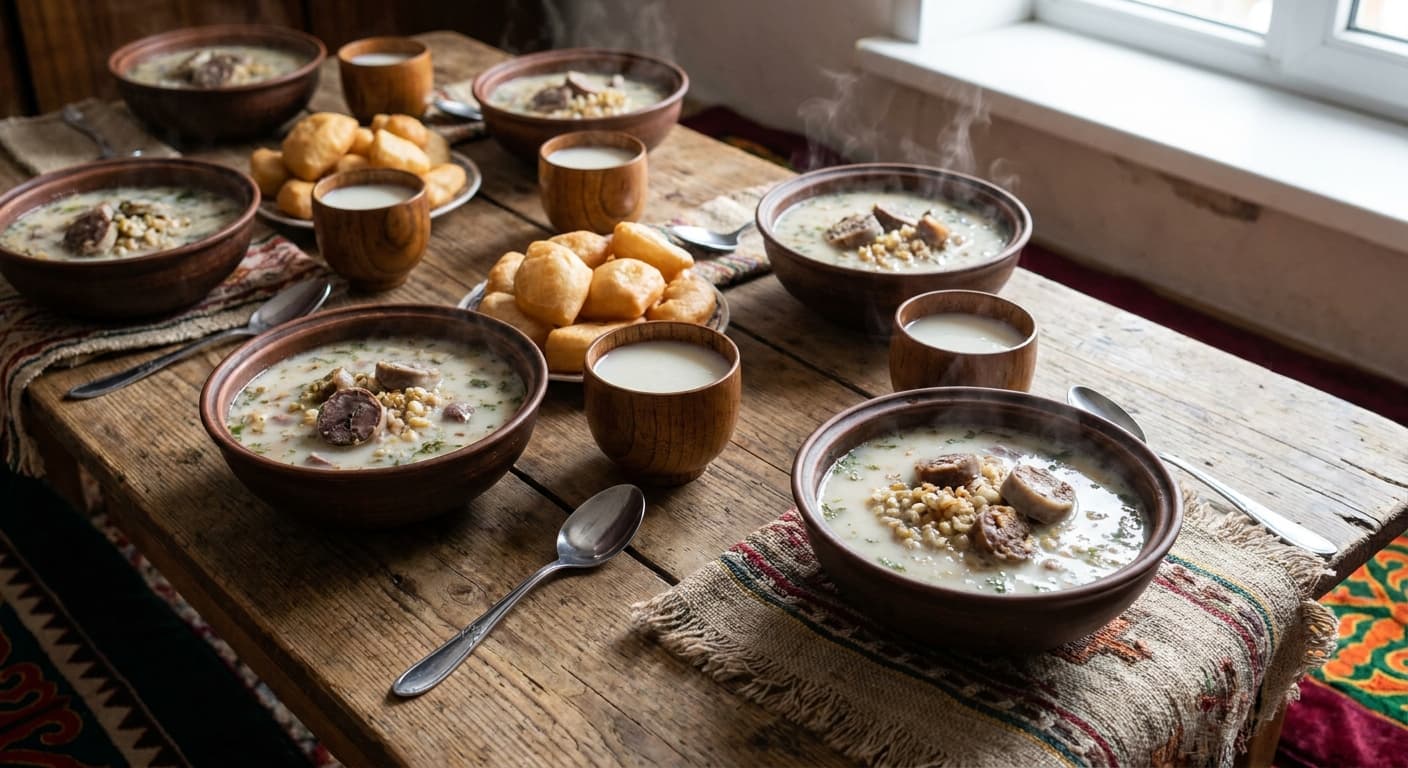
Printable Recipe Card
Servings: 6 · Total: 175 min · Difficulty: medium
Ingredients (quick list)
- 700 g bone-in beef shank (or bone-in horse meat where available)
- 250 g halal kazy horse sausage
- 2.5 l cold water
- 1 yellow onion (peeled and halved)
- 2 leaf bay leaves
- 8 black peppercorns
- 1.5 tsp fine sea salt
- 120 g pearl barley
- 70 g short-grain rice
- 60 g millet
- 500 ml plain kefir (katyk may be used if available)
- 250 ml whole milk
Steps (summary)
- Rinse the beef shank under cold water and place it in a large heavy pot with the cold water. Bring it slowly to a bare simmer o…
- Add the halved onion, bay leaves, peppercorns, and 1 teaspoon of the salt to the pot. Lower the heat, cover the pot partly, and…
- Rinse the kazy under cool water, prick the casing in 3 places with a toothpick, and add it to the simmering sorpa. Cook for 30…
- Strain the sorpa through a fine sieve into a clean pot, discarding the onion, bay leaves, and peppercorns. Measure the strained…
- Rinse the pearl barley, rice, and millet separately until the water runs mostly clear. Add the barley to the simmering sorpa fi…
- While the grains cook, remove the beef from the bone and cut it into 1.5 cm pieces. Slice the kazy into 5 mm rounds, then cut t…
+ 3 more steps in the full instructions section below.
Cultural Background
As Glenn R. Mack and Asele Surina describe Central Asian food culture, Kazakh festive hospitality centers on shared meat, dairy, and grain. Nauryz kozhe embodies that renewal with seven elements for health, luck, and plenty.
Equipment
💡 Tips
- Keep the broth below a hard boil; gentle simmering gives clearer sorpa and more tender meat.
- Temper the kefir with warm broth before adding it to the pot, because cold fermented dairy can curdle in hot soup.
- Nauryz kozhe thickens as it stands, so loosen leftovers with 60 ml water or milk per serving when reheating.
⚠️ Common Mistakes
❌ Boiling the soup after adding kefir
✅ Fix: Turn off the heat before adding the tempered dairy and warm only gently afterward to prevent curdling.
❌ Adding all grains at the same time
✅ Fix: Start barley first, then add rice and millet later so the textures finish together.
❌ Using bland boxed broth instead of cooking sorpa
✅ Fix: Simmer bone-in meat with kazy to build the distinctive Kazakh broth flavor that defines the dish.
🧊 How to Store
Cool nauryz kozhe within 2 hours and refrigerate in an airtight container for up to 3 days. Reheat gently over low heat without boiling, adding 60 ml water or milk per serving to loosen the grains.
📅 Make Ahead
Cook the sorpa and meat 1 day ahead, then chill and skim the fat. Reheat the broth, cook the grains fresh, and add the tempered dairy shortly before serving.
🍽️ Pairs Well With
- Baursak
- sliced kazy
- fresh cucumbers
- black tea
- kymyz for a traditional Nauryz table.
Regional Variations
- Some Kazakh families use horse meat with kazy for a richer, more traditional Nauryz kozhe.
- In western regions, tangy shubat may appear at the table or be used in small amounts alongside cultured dairy.
- Other households add homemade noodles or wheat berries, keeping the symbolic idea of seven nourishing components.
Ingredients
- 700 gbone-in beef shank (or bone-in horse meat where available)
- 250 ghalal kazy horse sausage
- 2.5 lcold water
- 1yellow onion (peeled and halved)
- 2 leafbay leaves
- 8black peppercorns
- 1.5 tspfine sea salt
- 120 gpearl barley
- 70 gshort-grain rice
- 60 gmillet
- 500 mlplain kefir (katyk may be used if available)
- 250 mlwhole milk
🔄 Substitutions
- halal kazy horse sausage→ halal smoked beef sausage
- plain kefir→ plain katyk or plain whole-milk yogurt thinned with 100 ml water
- bone-in beef shank→ bone-in lamb shoulder
Instructions
- 1
Rinse the beef shank under cold water and place it in a large heavy pot with the cold water. Bring it slowly to a bare simmer over medium heat, then skim the foam carefully for 10 minutes so the sorpa stays clear and clean-tasting.
- 2
Add the halved onion, bay leaves, peppercorns, and 1 teaspoon of the salt to the pot. Lower the heat, cover the pot partly, and simmer gently for 90 minutes, keeping the liquid at a quiet bubble rather than a rolling boil.
- 3
Rinse the kazy under cool water, prick the casing in 3 places with a toothpick, and add it to the simmering sorpa. Cook for 30 minutes more, then lift out the kazy and beef shank and set them on a plate until cool enough to handle.
- 4
Strain the sorpa through a fine sieve into a clean pot, discarding the onion, bay leaves, and peppercorns. Measure the strained liquid and add enough water to return it to 2 liters, because the grains need generous broth to cook evenly.
- 5
Rinse the pearl barley, rice, and millet separately until the water runs mostly clear. Add the barley to the simmering sorpa first and cook for 25 minutes, then add the rice and millet and cook for 18 minutes more until all the grains are tender but not mushy.
- 6
While the grains cook, remove the beef from the bone and cut it into 1.5 cm pieces. Slice the kazy into 5 mm rounds, then cut the larger rounds in half so each bowl receives visible pieces of meat and sausage.
- 7
Return the beef and kazy to the pot and simmer for 5 minutes to warm them through. Stir in the remaining 0.5 teaspoon salt, then turn off the heat and let the soup cool for 10 minutes so the dairy will not split.
- 8
Whisk the kefir and whole milk together in a bowl until smooth, then ladle in 250 ml of warm sorpa while whisking constantly. Pour the tempered dairy mixture back into the pot in a thin stream, stirring steadily until the nauryz kozhe turns pale, creamy, and lightly tangy.
- 9
Warm the soup very gently for 2 minutes if needed, but do not let it boil after the kefir has been added. Serve it warm or at room temperature in deep bowls, making sure every portion includes grain, beef, and kazy.
🪪 Recipe Passport
Cultural Background
As Glenn R. Mack and Asele Surina describe Central Asian food culture, Kazakh festive hospitality centers on shared meat, dairy, and grain. Nauryz kozhe embodies that renewal with seven elements for health, luck, and plenty.
Regional Variations
Researched from multiple sources and validated by the Zaffaron editorial team. Every recipe is tested for accuracy, measurements, and cultural authenticity.
📚 Sources & Cultural References
- Glenn R. Mack and Asele Surina — Food Culture in Russia and Central Asia — (2005)
- UNESCO Intangible Cultural Heritage — Nowruz, Novruz, Nowrouz, Nowrouz, Nawrouz, Nauryz, Nooruz, Nowruz, Navruz, Nevruz — (2016)
Sources cited by the Zaffaron editorial team during recipe research. Cultural and culinary references supporting authenticity claims.
Nutrition per serving
Pairs well with
If you enjoyed this recipe, here are a few related Zaffaron recipes to try next.
Does your family make this differently?
Every family has their own version. Maybe your grandmother adds a secret ingredient, or your aunt has a completely different technique. Preserve your family's version — with their name on it, forever.
You Might Also Like
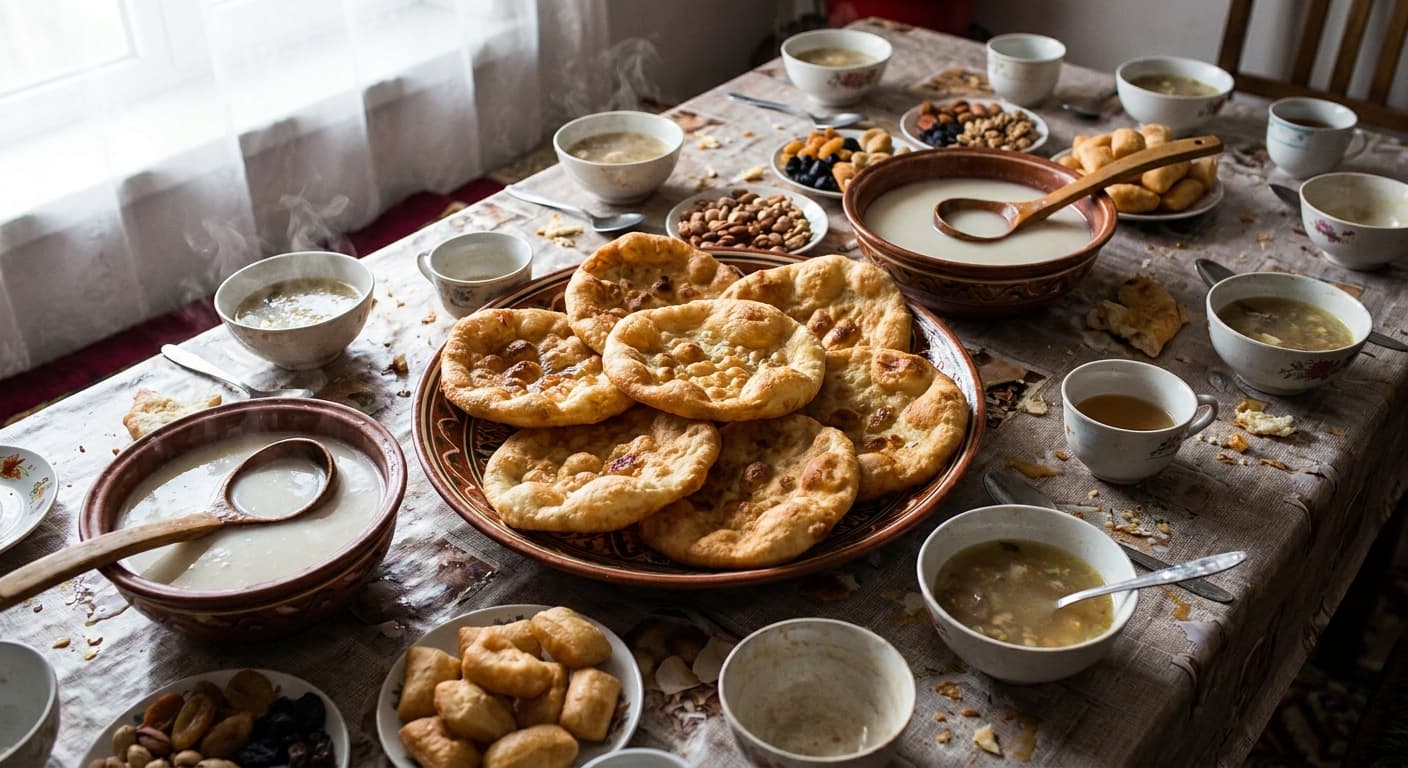
Shelpek (Шелпек) — Kazakh Fried Flatbread
Kazakh · Breads · 63 min
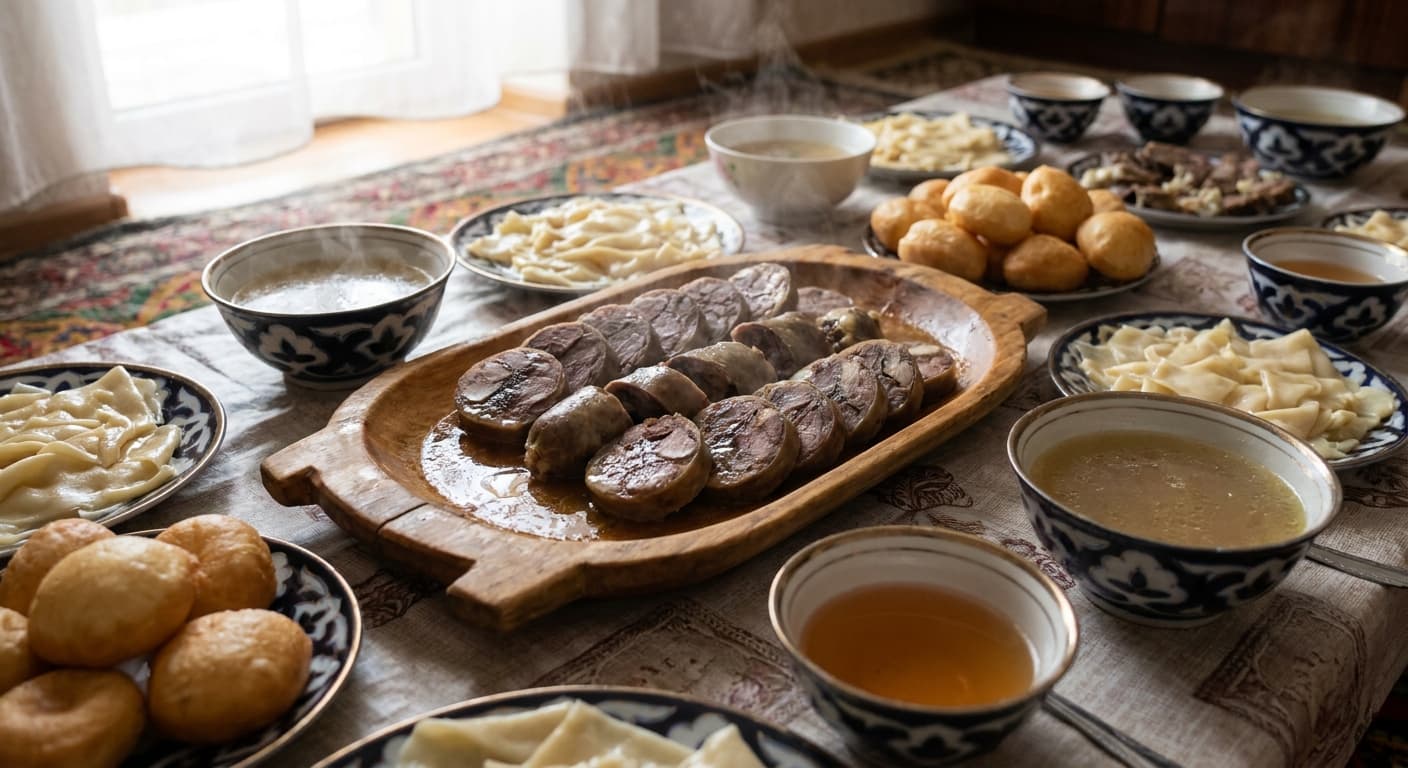
Kazy (Қазы) — Kazakh Horsemeat Rib Sausage
Kazakh · Appetizers · 240 min
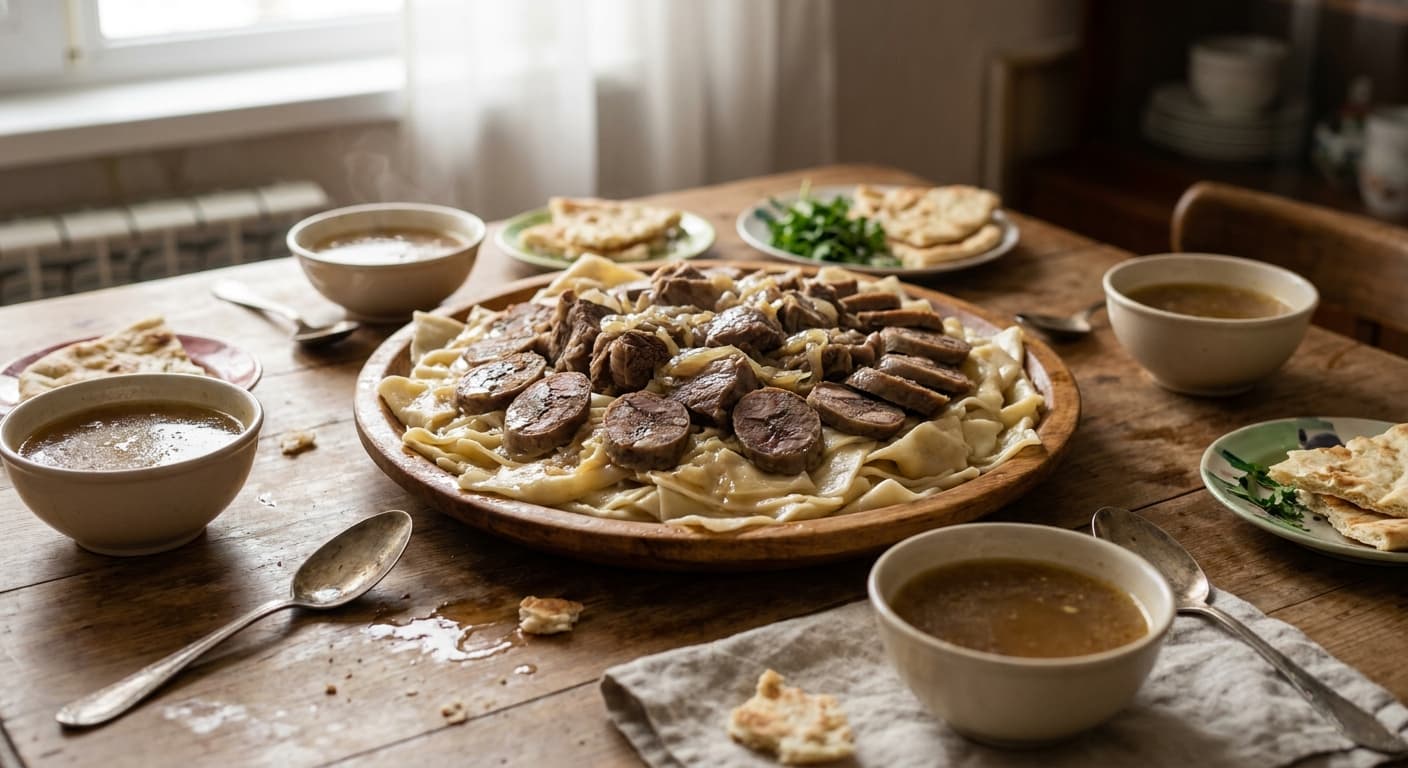
Kazakh Beshbarmak (Бешбармақ) — Boiled Meat and Noodles in Onion Broth
Kazakh · Main Courses · 210 min
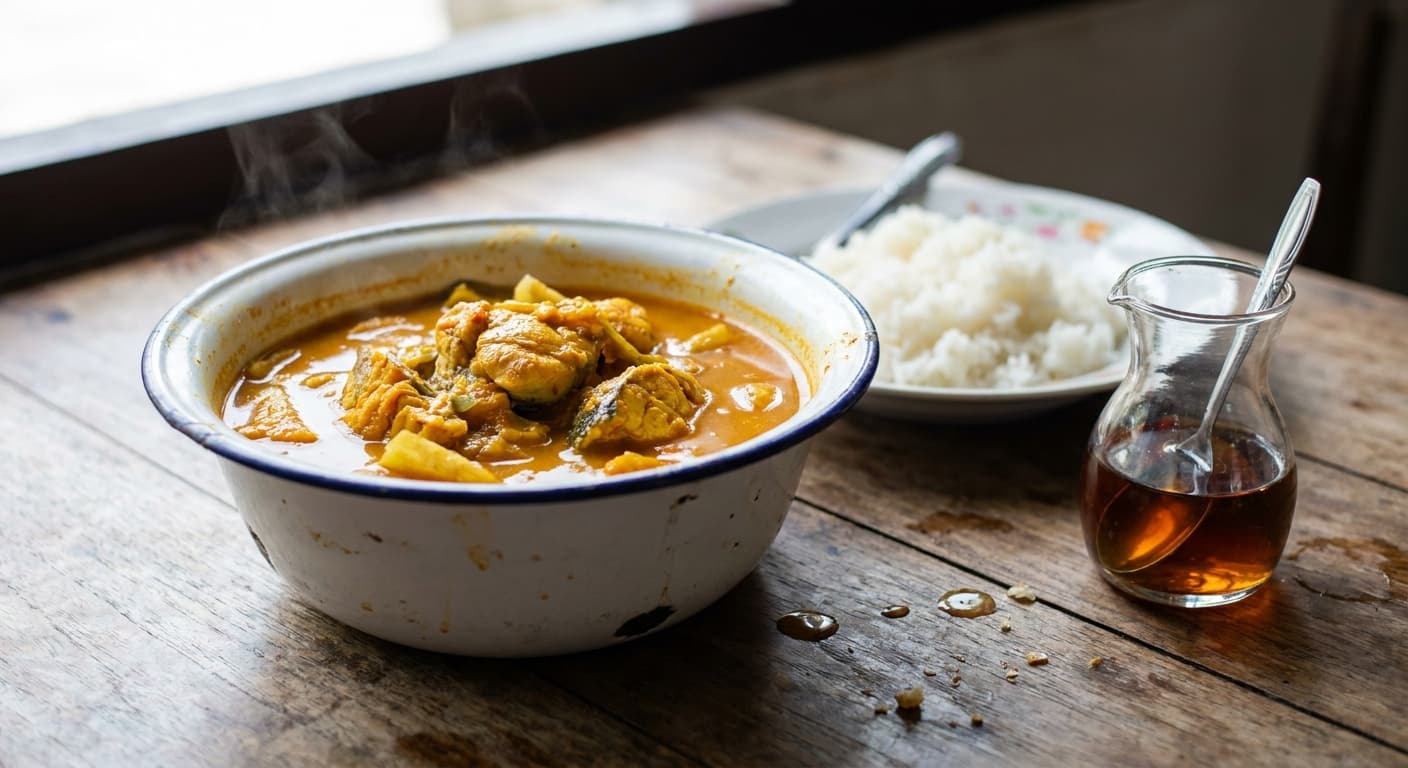
Gaeng Som (แกงส้ม) — Thai Sour Curry with Fish and Vegetables
Thai · Soups · 60 min
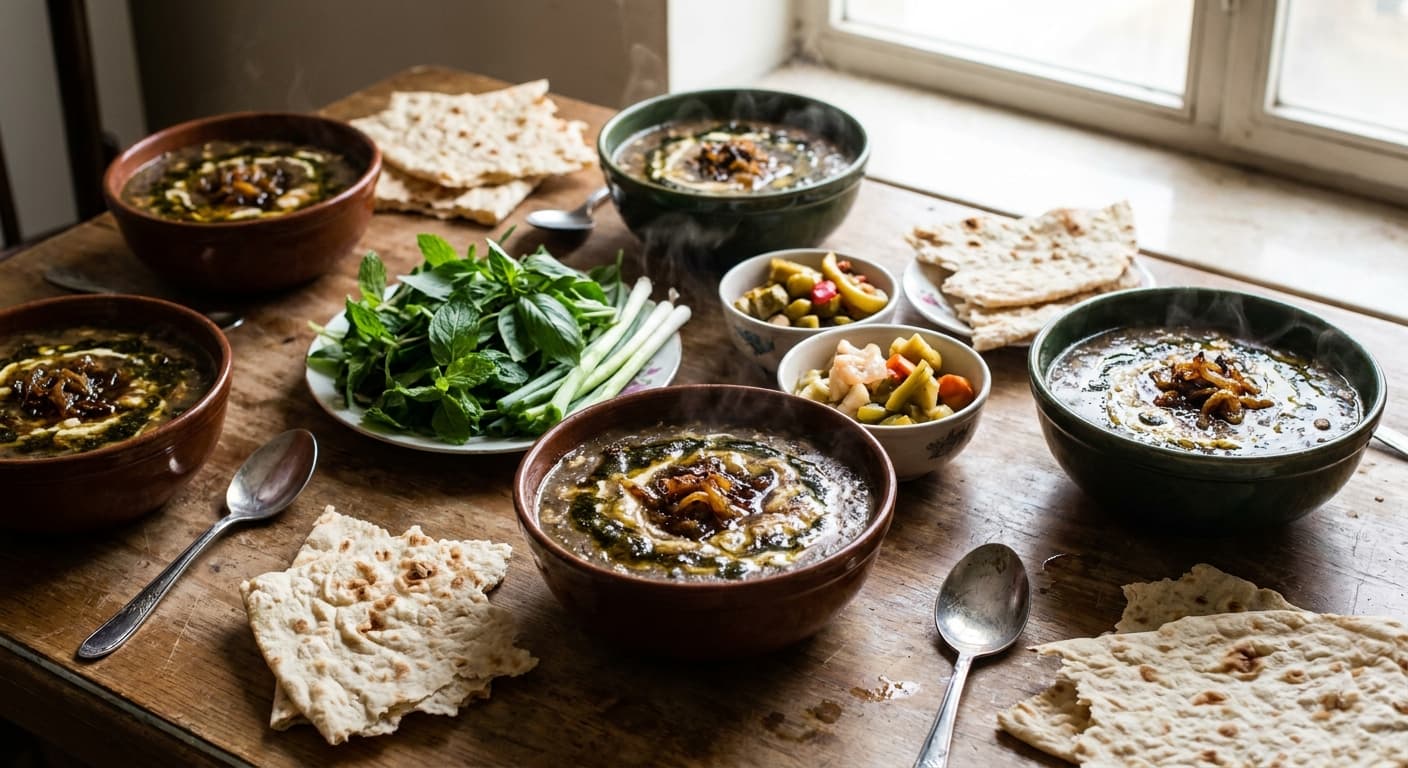
Ash-e Torsh (آش ترش) — Sour Herb and Legume Soup
Persian · Soups · 145 min
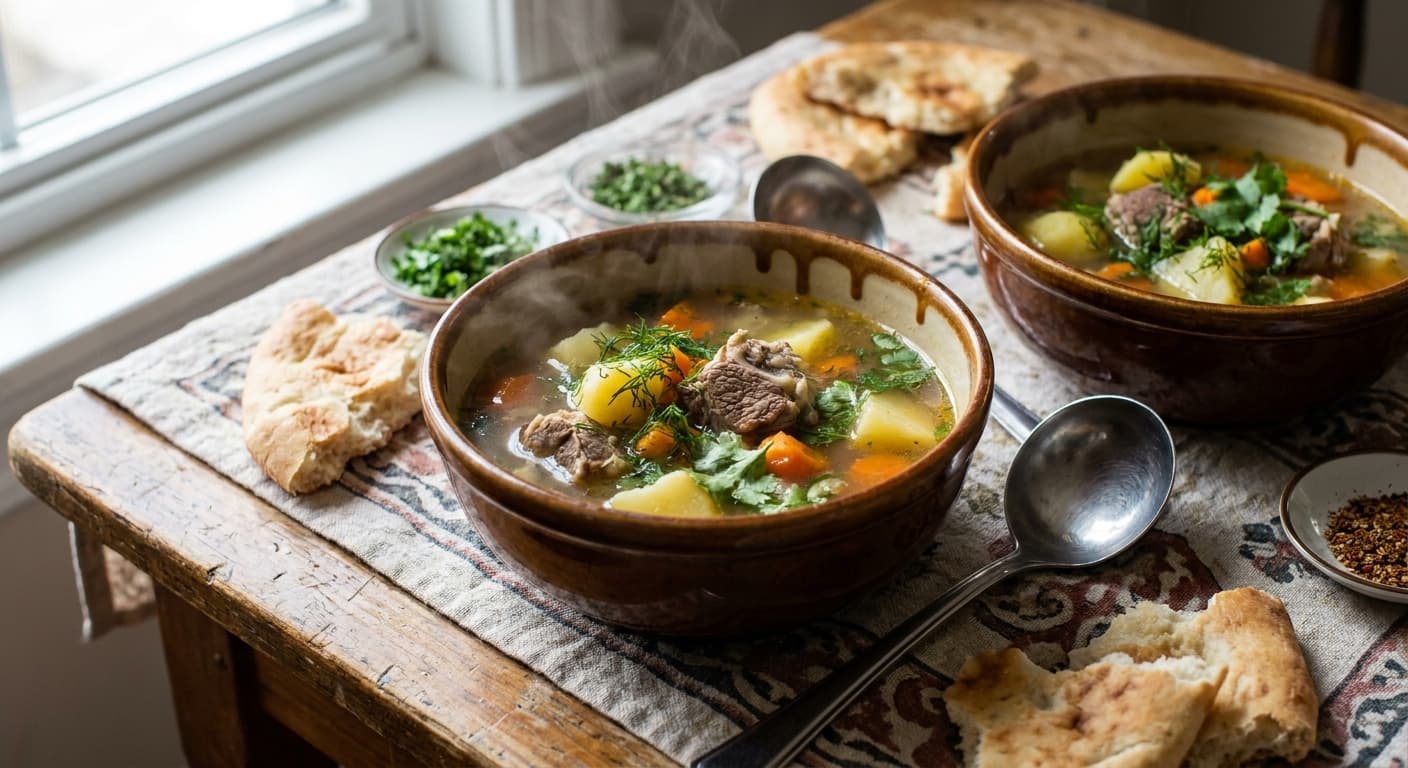
Uzbek Shurpa (Шўрпа) — Lamb and Vegetable Soup
Uzbek · Soups · 160 min
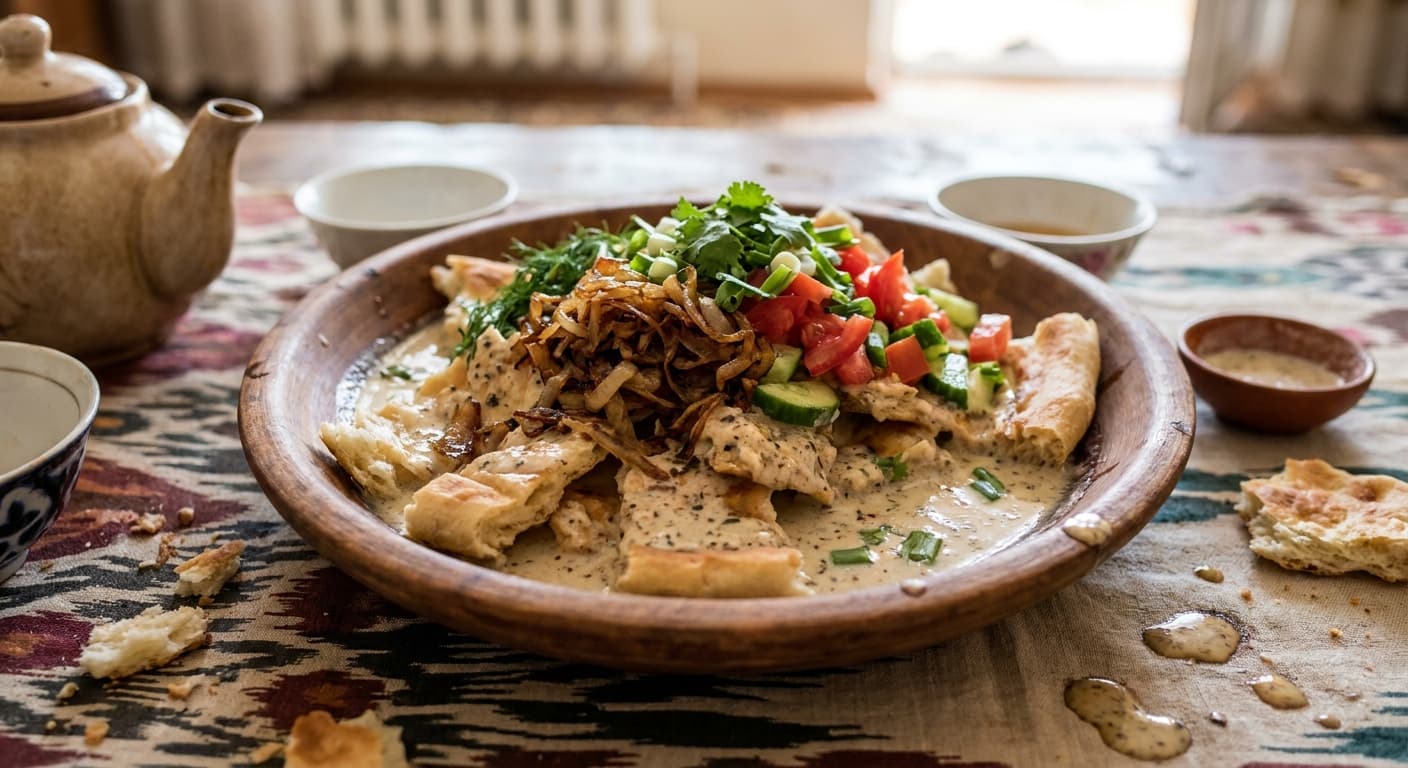
Tajik Qurutob (Қурутоб) — Tangy Bread Salad with Qurut and Fried Onions
Tajik · Main Courses · 40 min
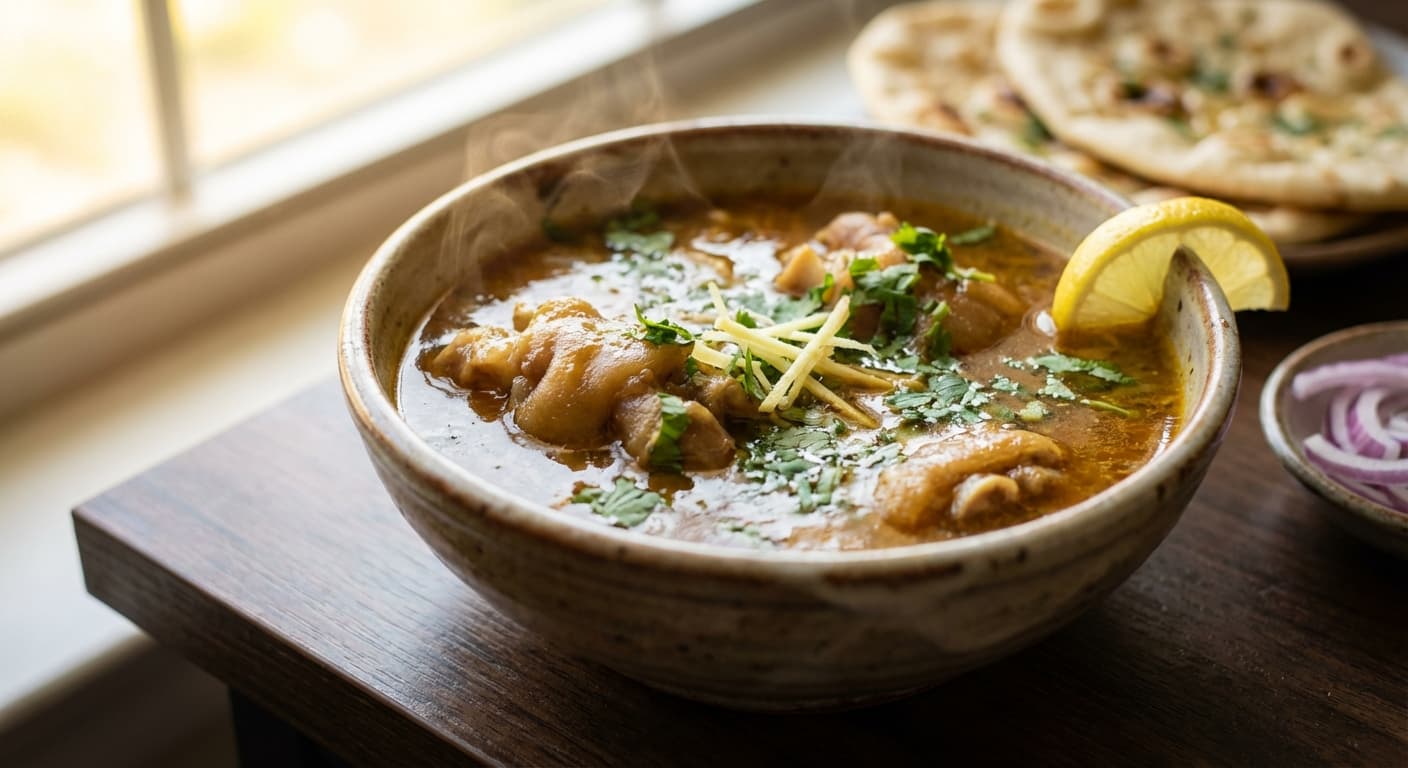
Paya Soup (پایا) — Indian Trotter Broth with Ginger and Garam Masala
Indian · Soups · 235 min
Reviews
Cooked this recipe?
Tap the stars to rate it — that's all it takes. A few words are welcome but optional.
No ratings yet. Cooked this one? Be the first to rate it — it takes one tap.