Rakfisk (Rakfisk) — Norwegian Fermented Trout with Lefse and Potatoes
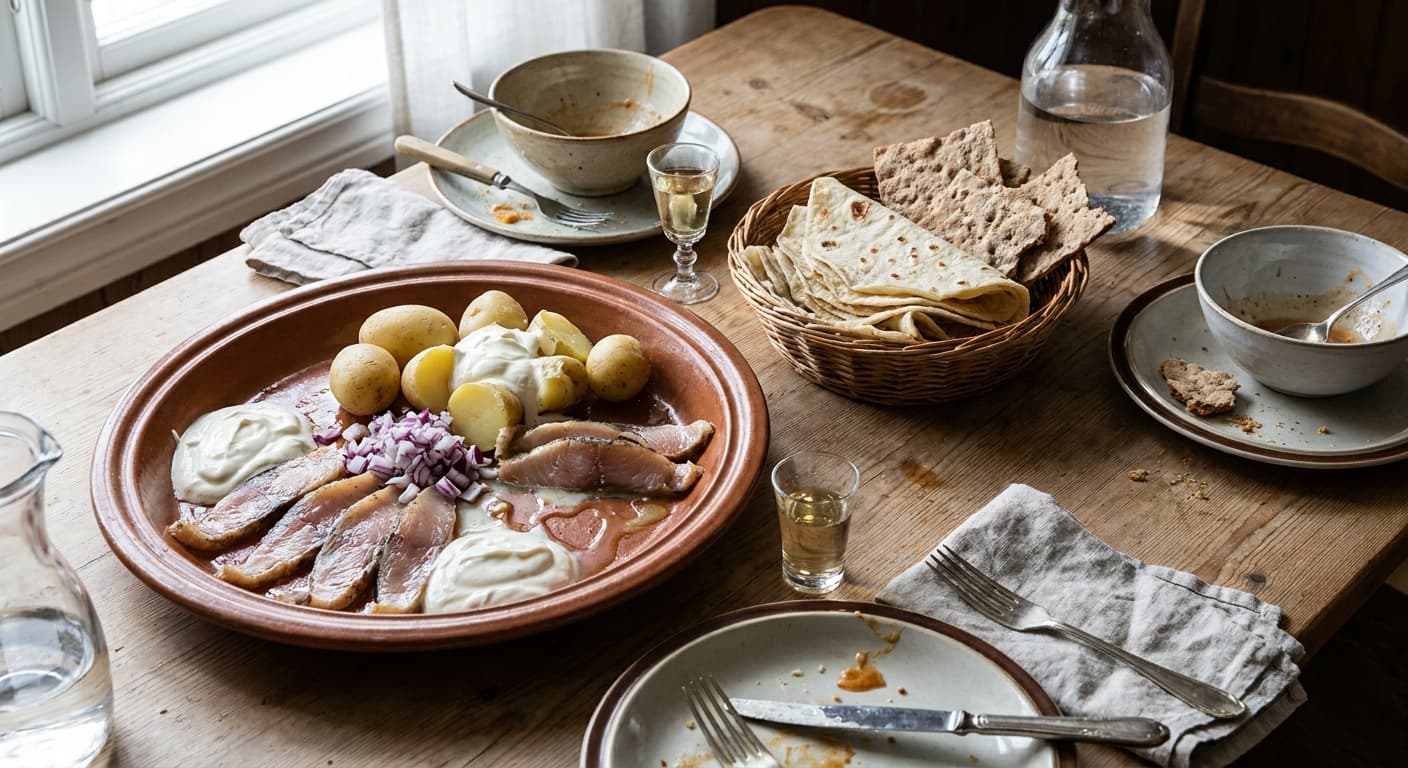
Rakfisk is Norway's pungent fermented trout, served uncooked after controlled maturation rather than cooked like lutefisk. At a rakfisklag it is eaten with hot almond potatoes, sour cream, onion, and soft lefse.
Printable Recipe Card
Servings: 4 · Total: 45 min · Difficulty: easy
Ingredients (quick list)
- 600 g food-safe prepared rakfisk fillet (commercially produced, skin removed if preferred)
- 800 g small almond potatoes (or other small waxy potatoes)
- 12 g fine sea salt
- 200 g sour cream (Norwegian seterrømme-style sour cream if available)
- 120 g red onion (finely diced)
- 10 g fresh chives (finely sliced)
- 4 lefse (about 25 cm each)
- 80 g flatbrød (Norwegian crispbread)
- 40 g unsalted butter (softened, for the lefse)
- 2 g freshly ground black pepper
Steps (summary)
- Keep the prepared rakfisk refrigerated at 0-4°C until the moment you assemble the meal. Because rakfisk is fermented and eaten…
- Put the almond potatoes in a saucepan with 1.5 l cold water and 12 g fine sea salt. Bring to a gentle boil, then cook for 15-20…
- While the potatoes cook, finely dice the red onion and slice the chives. Place the sour cream, onion, chives, softened butter,…
- Drain the potatoes thoroughly and let them steam-dry in the hot pan for 2 minutes. Cover the pan with a clean kitchen towel and…
- Open the rakfisk package just before serving and check for the clean, strong, lactic-fermented aroma typical of the dish. Cut t…
- Warm the lefse briefly in a dry skillet for 15 seconds per side, just until flexible, then spread each with 10 g softened butte…
+ 1 more steps in the full instructions section below.
Cultural Background
Rakfisk is a mountain-valley preservation tradition, especially associated with Valdres and autumn rakfisklag gatherings. Magnus Nilsson records it as part of the broader Nordic fermented-fish heritage.
Equipment
💡 Tips
- Serve rakfisk very cold and the potatoes very hot; the contrast is central to the dish.
- Open the package shortly before eating to keep the aroma lively but controlled at the table.
- Choose a mild rakfisk for first-time guests and a longer-matured, stronger style for experienced eaters.
⚠️ Common Mistakes
❌ Trying to ferment fresh trout at home without controlled temperature, salt, and hygiene.
✅ Fix: Buy certified commercial rakfisk unless you have professional fermentation training and validated food-safety controls.
❌ Serving the fish warm.
✅ Fix: Keep rakfisk cold and warm only the potatoes and lefse, preserving the clean texture of the fermented fish.
❌ Overloading the plate with strong condiments.
✅ Fix: Use measured onion, sour cream, and chives so the fermented trout remains the central flavor.
🧊 How to Store
Keep unopened rakfisk refrigerated according to the producer's date label. Once opened, cover tightly, refrigerate at 0-4°C, and eat within 2 days; store potatoes and accompaniments separately and reheat only the potatoes.
📅 Make Ahead
Dice the onion, slice the chives, portion the sour cream, and set the table up to 6 hours ahead. Boil potatoes and slice the rakfisk only shortly before serving.
🍽️ Pairs Well With
- Boiled almond potatoes
- buttered lefse
- flatbrød
- sour cream
- red onion
- chives
- aquavit
- Norwegian beer.
Regional Variations
- Valdres-style rakfisk is often trout-based and may range from mild to well-matured depending on the producer.
- Some Norwegian tables serve rakfisk with mandelpoteter, raw onion, sour cream, butter, lefse, and flatbrød as separate accompaniments.
- Modern servings may add beetroot or mustard sauce, though the classic rakfisklag plate remains simpler.
Ingredients
- 600 gfood-safe prepared rakfisk fillet (commercially produced, skin removed if preferred)
- 800 gsmall almond potatoes (or other small waxy potatoes)
- 12 gfine sea salt
- 200 gsour cream (Norwegian seterrømme-style sour cream if available)
- 120 gred onion (finely diced)
- 10 gfresh chives (finely sliced)
- 4lefse (about 25 cm each)
- 80 gflatbrød (Norwegian crispbread)
- 40 gunsalted butter (softened, for the lefse)
- 2 gfreshly ground black pepper
🔄 Substitutions
- prepared rakfisk fillet→ gravlaks
- lefse→ thin potato flatbread
- seterrømme-style sour cream→ full-fat sour cream
Instructions
- 1
Keep the prepared rakfisk refrigerated at 0-4°C until the moment you assemble the meal. Because rakfisk is fermented and eaten uncooked, use only certified food-safe rakfisk from a reputable producer and do not attempt uncontrolled home fermentation.
- 2
Put the almond potatoes in a saucepan with 1.5 l cold water and 12 g fine sea salt. Bring to a gentle boil, then cook for 15-20 minutes until a small knife slides through the potatoes without breaking them apart.
- 3
While the potatoes cook, finely dice the red onion and slice the chives. Place the sour cream, onion, chives, softened butter, lefse, and flatbrød in separate small serving dishes so each person can build their own rakfisk plate.
- 4
Drain the potatoes thoroughly and let them steam-dry in the hot pan for 2 minutes. Cover the pan with a clean kitchen towel and lid so the potatoes stay warm without becoming wet.
- 5
Open the rakfisk package just before serving and check for the clean, strong, lactic-fermented aroma typical of the dish. Cut the fillet into 1 cm thick slices, keeping the pieces neat so the soft fish does not smear.
- 6
Warm the lefse briefly in a dry skillet for 15 seconds per side, just until flexible, then spread each with 10 g softened butter. Do not heat the rakfisk itself, because warmth intensifies the aroma and can make the texture unpleasantly oily.
- 7
Serve the sliced rakfisk with the hot potatoes, buttered lefse, flatbrød, sour cream, red onion, chives, and black pepper. The traditional way at a rakfisklag is to eat a little fish with potato and sour cream, or to roll it in lefse with onion and herbs.
🪪 Recipe Passport
Cultural Background
Rakfisk is a mountain-valley preservation tradition, especially associated with Valdres and autumn rakfisklag gatherings. Magnus Nilsson records it as part of the broader Nordic fermented-fish heritage.
Regional Variations
Researched from multiple sources and validated by the Zaffaron editorial team. Every recipe is tested for accuracy, measurements, and cultural authenticity.
📚 Sources & Cultural References
- Magnus Nilsson — The Nordic Cookbook — (2015)
Sources cited by the Zaffaron editorial team during recipe research. Cultural and culinary references supporting authenticity claims.
Nutrition per serving
Pairs well with
If you enjoyed this recipe, here are a few related Zaffaron recipes to try next.
- Norwegian Sour Cream Porridge (Rømmegrøt) — Festive Dairy Porridge with Cinnamon Sugar
- Norwegian Lamb and Cabbage Stew (Fårikål) — Peppery Autumn National Dish
- Norwegian Fish Balls (Fiskeboller) — Tender whitefish dumplings in curry cream sauce
- Lutefisk (lutefisk) — Lye-Cured Cod with Potatoes and Pea Stew
Does your family make this differently?
Every family has their own version. Maybe your grandmother adds a secret ingredient, or your aunt has a completely different technique. Preserve your family's version — with their name on it, forever.
You Might Also Like
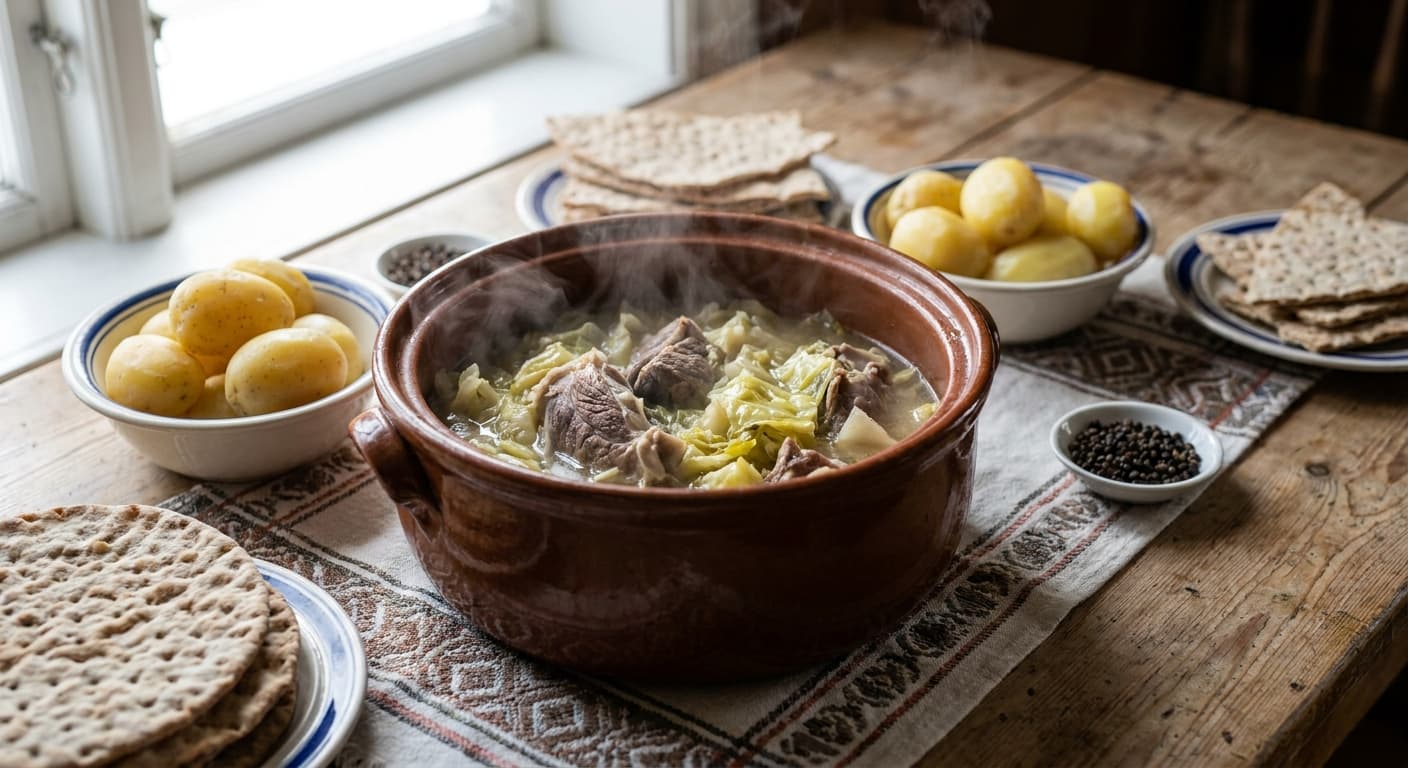
Norwegian Lamb and Cabbage Stew (Fårikål) — Peppery Autumn National Dish
Norwegian · Stews · 170 min
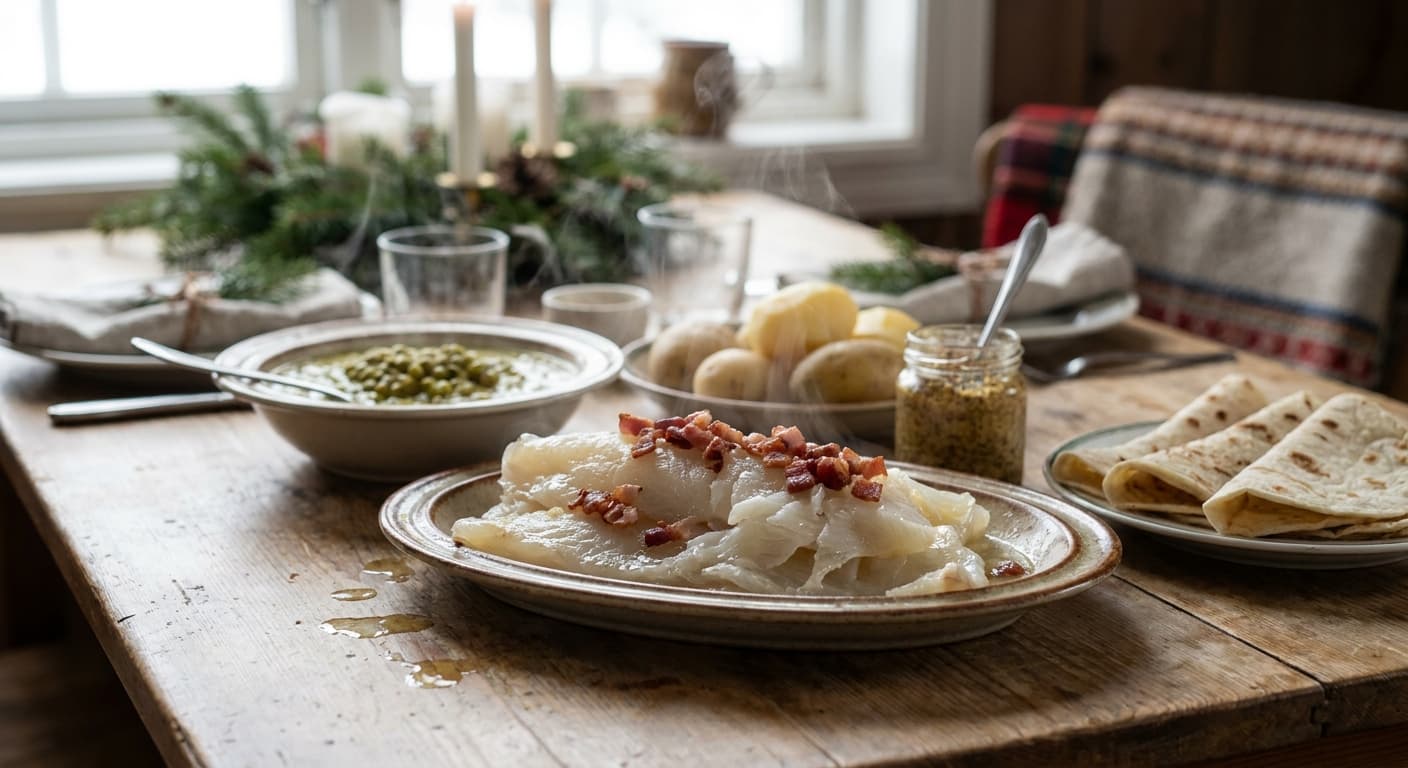
Lutefisk (lutefisk) — Lye-Cured Cod with Potatoes and Pea Stew
Norwegian · Main Courses · 90 min
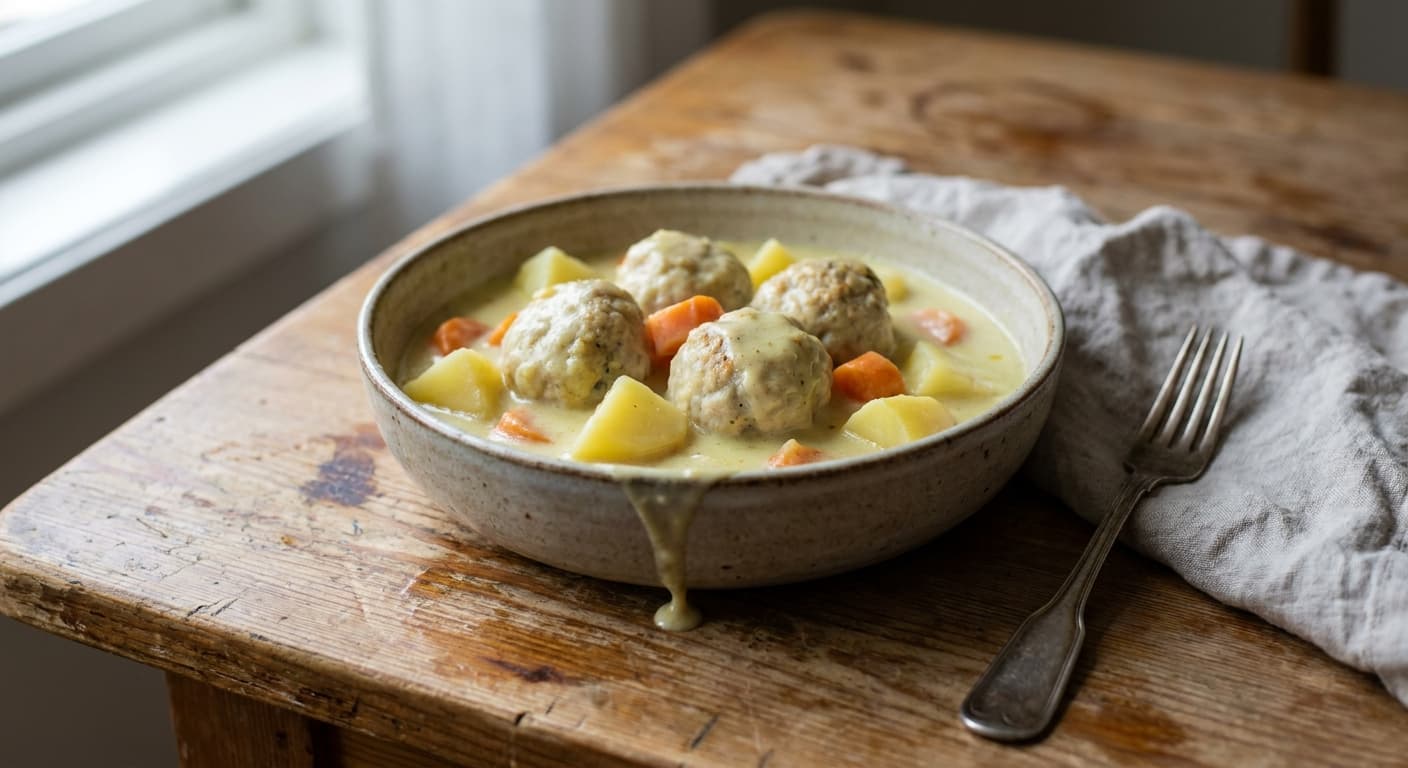
Norwegian Fish Balls (Fiskeboller) — Tender whitefish dumplings in curry cream sauce
Norwegian · Main Courses · 70 min
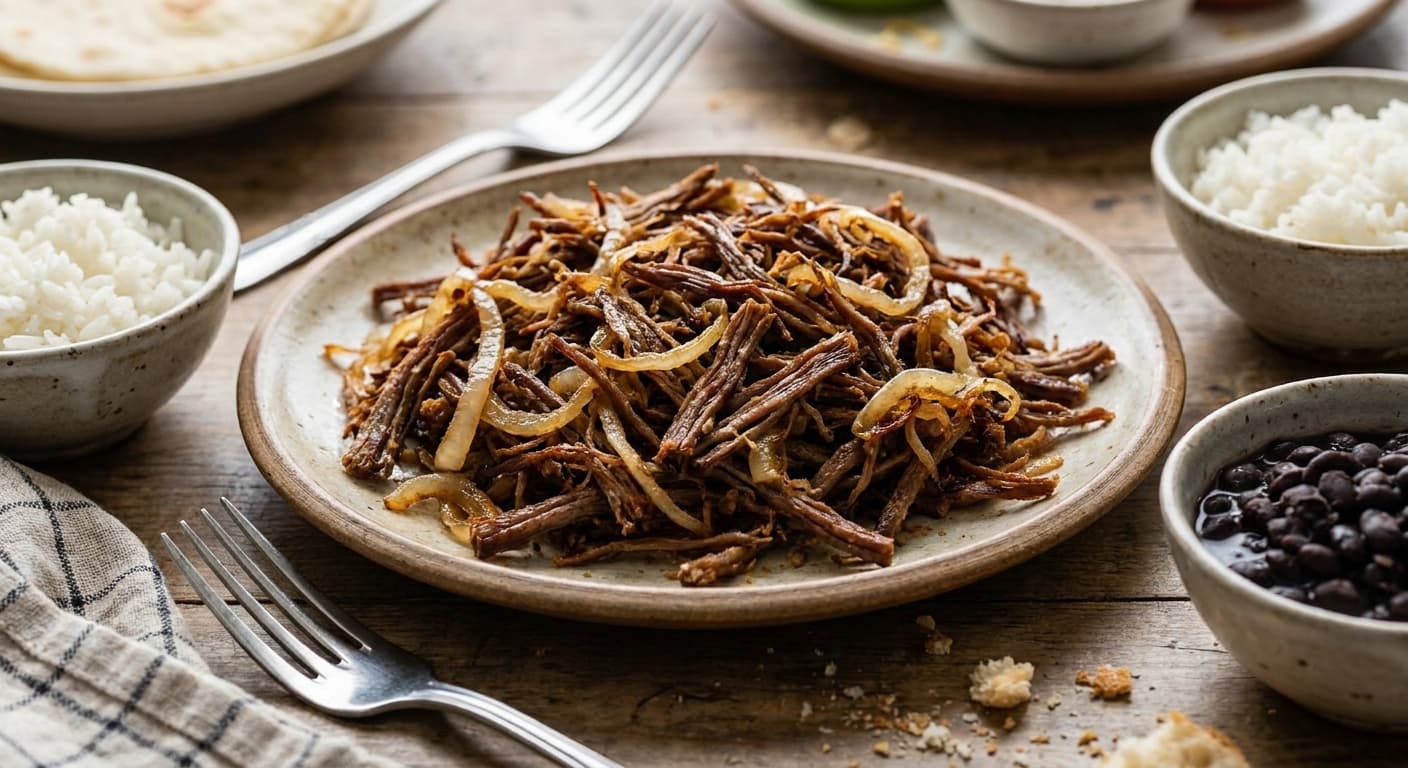
Cuban Crispy Shredded Beef (Vaca Frita) — Garlic and Citrus
Cuban · Main Courses · 140 min
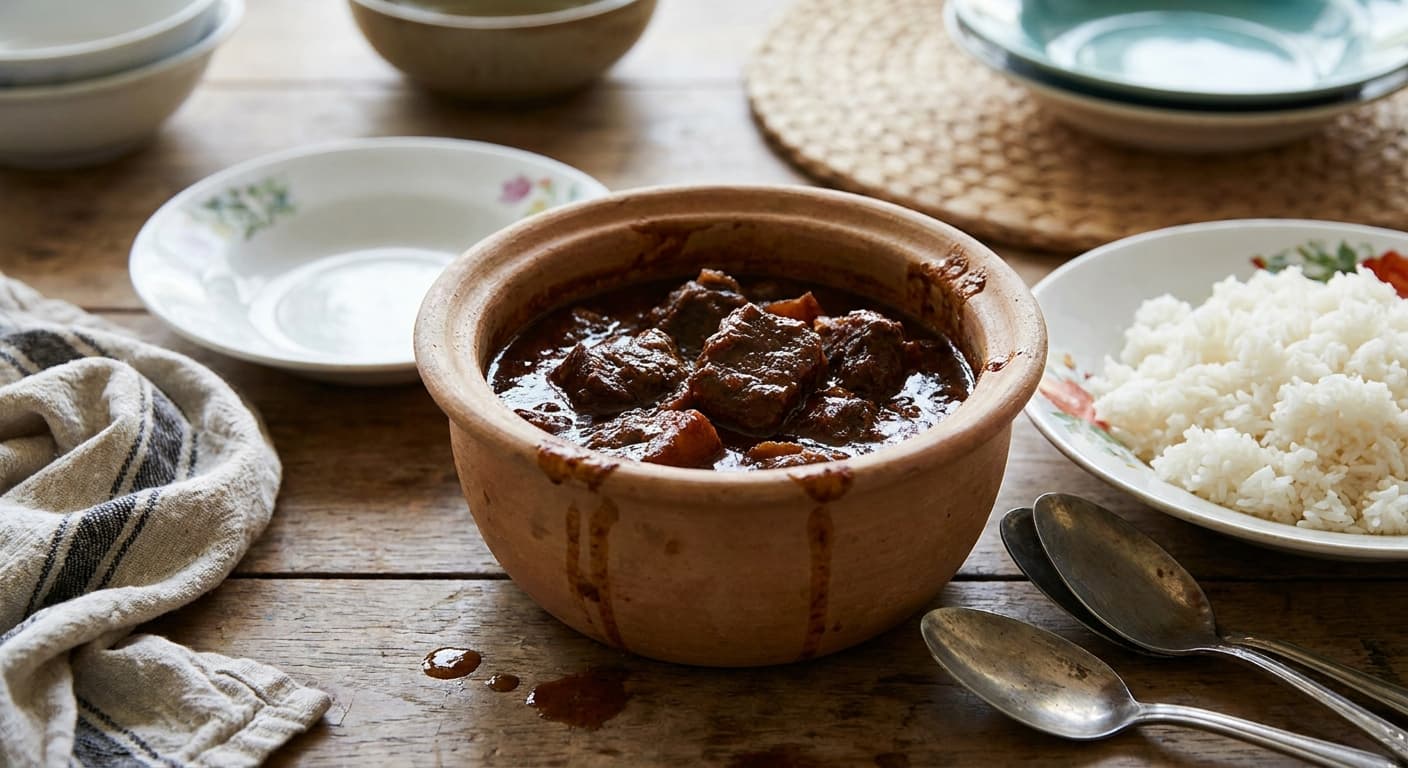
Pone Yay Gyi Curry (ပုန်းရည်ကြီးဟင်း) — Burmese Pork and Fermented Bean Paste
Burmese · Main Courses · 115 min
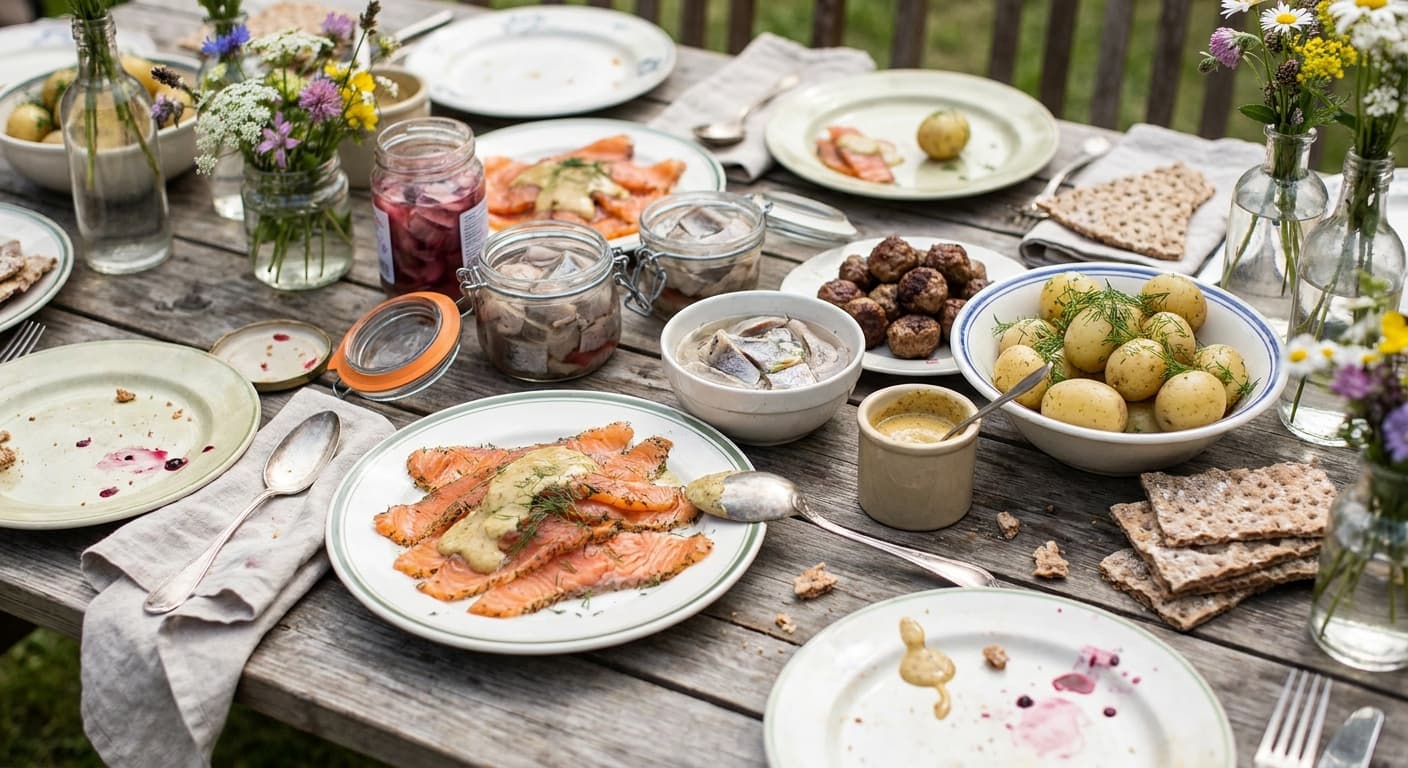
Swedish Smörgåsbord (Smörgåsbord) — Classic Buffet with Gravlax, Sill, and Köttbullar
Swedish · Main Courses · 115 min
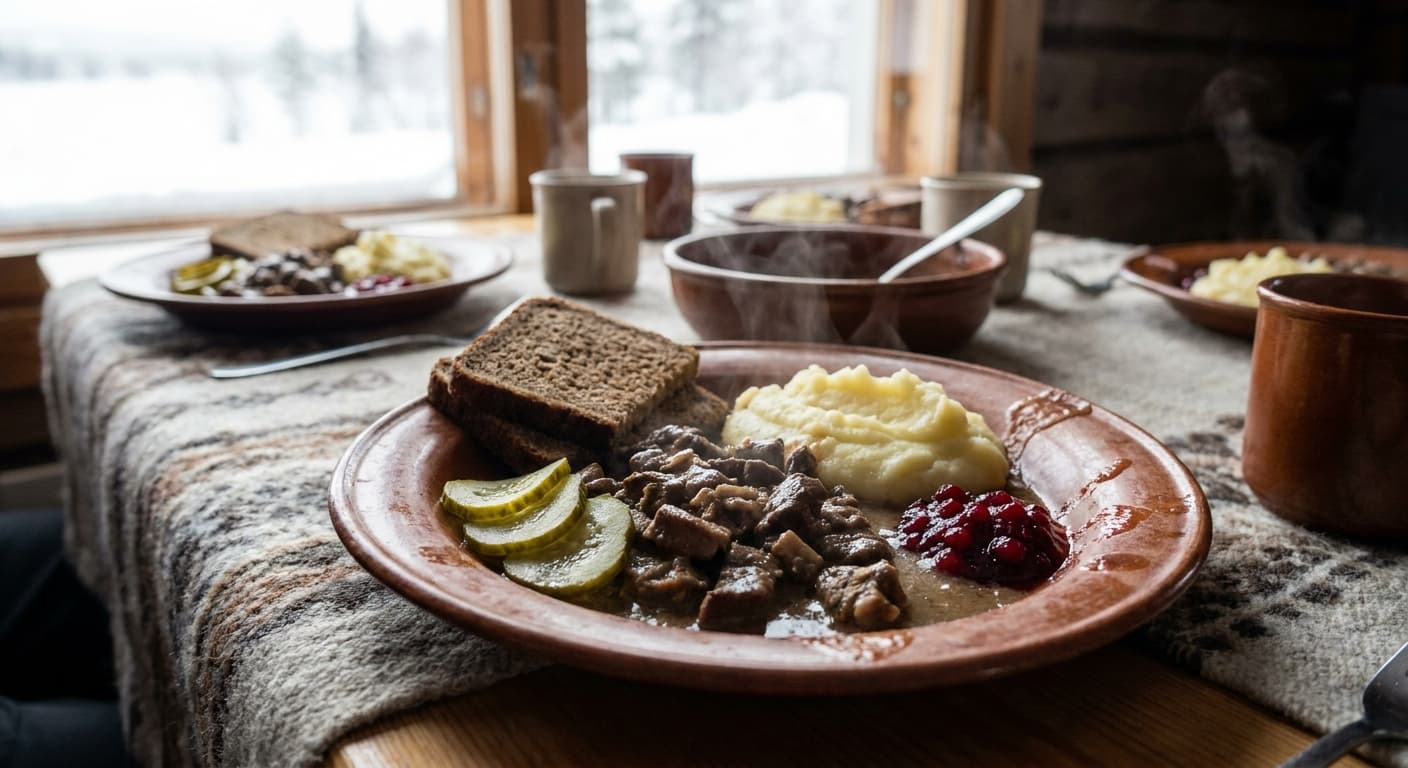
Sautéed Reindeer (Poronkäristys) — Finnish Lapland Comfort Plate
Finnish · Main Courses · 70 min
Bangladeshi Steamed Hilsa (ইলিশ ভাপা) — Mustard-Steamed River Fish
Bangladeshi · Main Courses · 45 min
Reviews
Cooked this recipe?
Tap the stars to rate it — that's all it takes. A few words are welcome but optional.
No ratings yet. Cooked this one? Be the first to rate it — it takes one tap.