Pad Thai (ผัดไทย) — Tamarind Rice Noodles with Shrimp
Pad Thai is Thailand’s iconic stir-fried rice noodle dish, prized for its balance of sour tamarind, salty fish sauce, palm sugar, egg, tofu, shrimp, peanuts, and fresh herbs. It is a classic street-food meal and home wok dish.
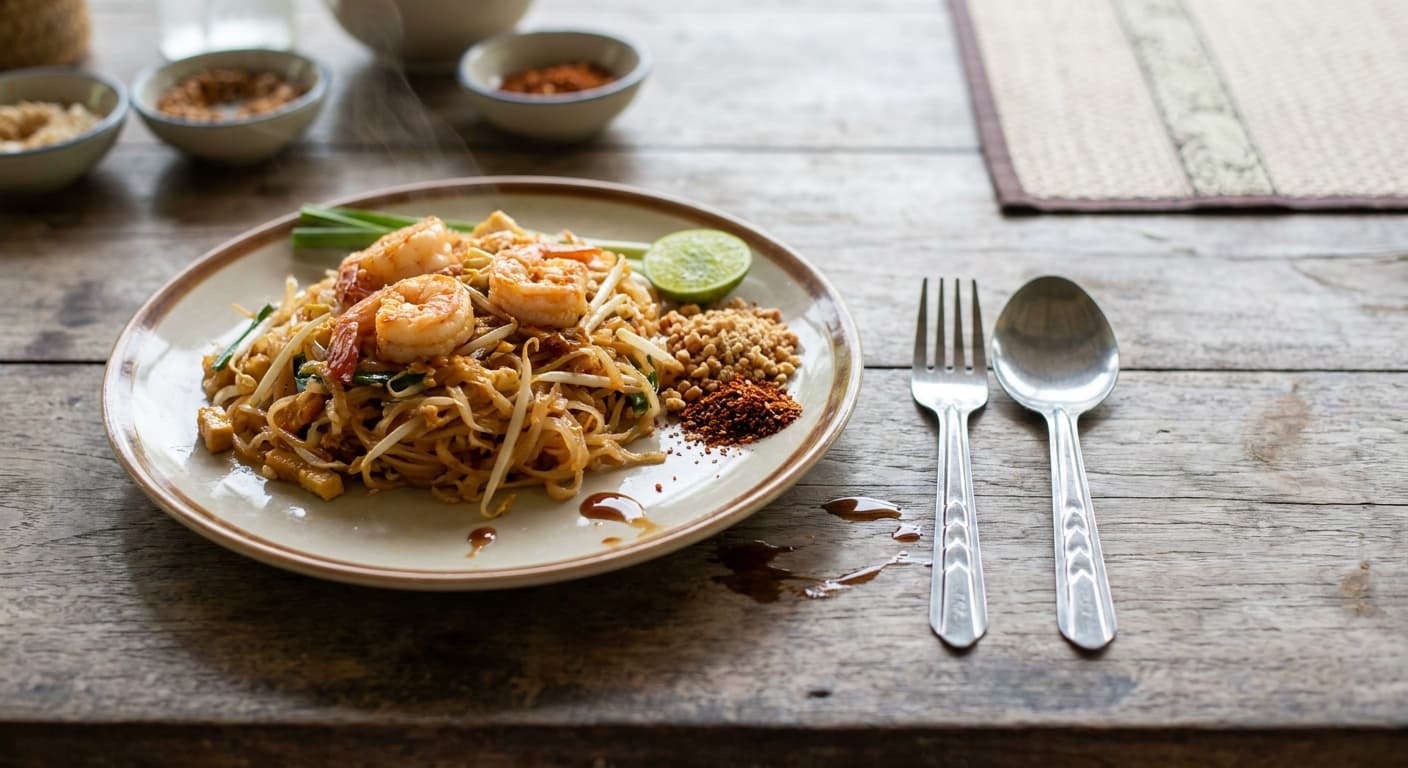
Printable Recipe Card
Servings: 4 · Total: 40 min · Difficulty: medium
Ingredients (quick list)
- 225 g dried flat rice noodles (3 to 5 mm wide)
- 1.5 l warm water (for soaking noodles)
- 4 tbsp tamarind concentrate (unsweetened)
- 4 tbsp fish sauce
- 55 g palm sugar (finely chopped or grated)
- 2 tbsp water
- 4 tbsp neutral oil (rice bran, peanut, or canola oil)
- 4 clove garlic (finely chopped)
- 45 g shallot (thinly sliced)
- 150 g firm tofu (pressed dry and cut into 1 cm cubes)
- 20 g dried shrimp (rinsed and finely chopped)
- 35 g preserved sweet radish (rinsed, drained, and chopped)
+ 7 more in the full ingredients section below.
Steps (summary)
- Place the dried rice noodles in a wide bowl and cover them with 1.5 liters of warm water for 20 to 30 minutes, until they are f…
- Combine the tamarind concentrate, fish sauce, palm sugar, and 2 tablespoons of water in a small saucepan. Warm over low heat fo…
- Arrange every ingredient beside the stove before cooking because Pad Thai moves quickly once the wok is hot. Pat the tofu and s…
- Heat a large carbon-steel wok or heavy skillet over high heat until a drop of water evaporates almost instantly. Add 2 tablespo…
- Add the fresh shrimp and stir-fry for 1 to 2 minutes, just until the shrimp begin to turn pink but are not fully cooked. Push e…
- Add the drained noodles and the prepared tamarind sauce to the wok. Toss, lift, and fold continuously for 3 to 4 minutes, letti…
+ 2 more steps in the full instructions section below.
Cultural Background
Pad Thai became a national symbol of Thai street cooking in the twentieth century, combining Chinese-style noodle stir-frying with Thai seasonings such as tamarind, fish sauce, palm sugar, lime, and fresh herbs.
Equipment
💡 Tips
- Use soaked, not boiled, rice noodles; boiling makes them fragile and prone to breaking in the wok.
- Cook in 2 smaller batches if your wok is under 35 cm wide, because overcrowding steams the noodles instead of stir-frying them.
- The sauce should taste more intense than a finished bite because the noodles, egg, tofu, and sprouts dilute its seasoning.
⚠️ Common Mistakes
❌ Boiling the rice noodles before stir-frying.
✅ Fix: Soak them in warm water until pliable but firm, then finish their cooking in the sauce inside the wok.
❌ Adding all the bean sprouts too early.
✅ Fix: Fold most of them in at the end and keep some raw for garnish so the finished dish has crunch.
❌ Using low heat or an overcrowded pan.
✅ Fix: Use high heat and cook in smaller batches if needed so the noodles fry and absorb sauce instead of steaming.
🧊 How to Store
Store leftovers in an airtight container in the refrigerator for up to 2 days. Reheat in a hot skillet with 1 tbsp water per serving, tossing gently until steaming; add fresh lime and sprouts after reheating.
📅 Make Ahead
The sauce can be cooked and refrigerated for up to 5 days, and the tofu, radish, chives, peanuts, and aromatics can be prepped 1 day ahead. Soak noodles only shortly before cooking.
🍽️ Pairs Well With
- Thai cucumber relish
- clear broth
- extra lime wedges
- roasted peanuts
- Thai chile flakes.
Regional Variations
- Pad Thai goong uses shrimp as the main protein and is one of the most familiar street-stall versions.
- Pad Thai khai om wraps the finished noodles in a thin egg omelet for a more formal presentation.
- Vegetarian Thai versions omit shrimp and fish sauce, using extra tofu and soy-based seasoning, though the flavor differs from the traditional dish.
Ingredients
- 225 gdried flat rice noodles (3 to 5 mm wide)
- 1.5 lwarm water (for soaking noodles)
- 4 tbsptamarind concentrate (unsweetened)
- 4 tbspfish sauce
- 55 gpalm sugar (finely chopped or grated)
- 2 tbspwater
- 4 tbspneutral oil (rice bran, peanut, or canola oil)
- 4 clovegarlic (finely chopped)
- 45 gshallot (thinly sliced)
- 150 gfirm tofu (pressed dry and cut into 1 cm cubes)
- 20 gdried shrimp (rinsed and finely chopped)
- 35 gpreserved sweet radish (rinsed, drained, and chopped)
- 12large shrimp (peeled and deveined)
- 2eggs (lightly beaten)
- 180 gmung bean sprouts
- 60 gChinese chives (cut into 5 cm lengths)
- 60 groasted unsalted peanuts (coarsely crushed)
- 2lime (cut into wedges)
- 2 tspThai chile flakes
🔄 Substitutions
- large shrimp→ boneless chicken thigh, 280 g, thinly sliced
- Chinese chives→ scallions, 60 g, cut into 5 cm lengths
- palm sugar→ light brown sugar, 50 g
Instructions
- 1
Place the dried rice noodles in a wide bowl and cover them with 1.5 liters of warm water for 20 to 30 minutes, until they are flexible but still firm at the center. Drain thoroughly and keep them loosely covered so they do not dry out before they hit the wok.
- 2
Combine the tamarind concentrate, fish sauce, palm sugar, and 2 tablespoons of water in a small saucepan. Warm over low heat for 2 to 3 minutes, stirring until the sugar dissolves, then remove from the heat; the sauce should taste strongly sour, salty, and sweet because it will season all the noodles.
- 3
Arrange every ingredient beside the stove before cooking because Pad Thai moves quickly once the wok is hot. Pat the tofu and shrimp dry, separate the bean sprouts and chives, and keep the beaten eggs in a small bowl ready to pour.
- 4
Heat a large carbon-steel wok or heavy skillet over high heat until a drop of water evaporates almost instantly. Add 2 tablespoons of oil, then stir-fry the garlic, shallot, tofu, dried shrimp, and preserved radish for 2 minutes, until fragrant and lightly golden at the edges.
- 5
Add the fresh shrimp and stir-fry for 1 to 2 minutes, just until the shrimp begin to turn pink but are not fully cooked. Push everything to one side of the wok, add 1 tablespoon of oil to the empty side, pour in the eggs, and scramble them into soft curds.
- 6
Add the drained noodles and the prepared tamarind sauce to the wok. Toss, lift, and fold continuously for 3 to 4 minutes, letting the noodles absorb the sauce and soften while staying springy rather than mushy.
- 7
Add the remaining 1 tablespoon of oil only if the noodles begin to stick heavily to the wok. Fold in 120 g of the bean sprouts and 45 g of the Chinese chives, tossing for 30 to 45 seconds so they stay crisp and bright.
- 8
Divide the Pad Thai among 4 plates while it is hot. Garnish each serving with crushed peanuts, the remaining raw bean sprouts and chives, lime wedges, and Thai chile flakes so each diner can adjust crunch, acidity, and heat.
🪪 Recipe Passport
Cultural Background
Pad Thai became a national symbol of Thai street cooking in the twentieth century, combining Chinese-style noodle stir-frying with Thai seasonings such as tamarind, fish sauce, palm sugar, lime, and fresh herbs.
Regional Variations
Researched from multiple sources and validated by the Zaffaron editorial team. Every recipe is tested for accuracy, measurements, and cultural authenticity.
📚 Sources & Cultural References
- David Thompson — Thai Food — (2002)
- Leela Punyaratabandhu — Bangkok: Recipes and Stories from the Heart of Thailand — (2017)
Sources cited by the Zaffaron editorial team during recipe research. Cultural and culinary references supporting authenticity claims.
Nutrition per serving
Pairs well with
If you enjoyed this recipe, here are a few related Zaffaron recipes to try next.
Does your family make this differently?
Every family has their own version. Maybe your grandmother adds a secret ingredient, or your aunt has a completely different technique. Preserve your family's version — with their name on it, forever.
You Might Also Like
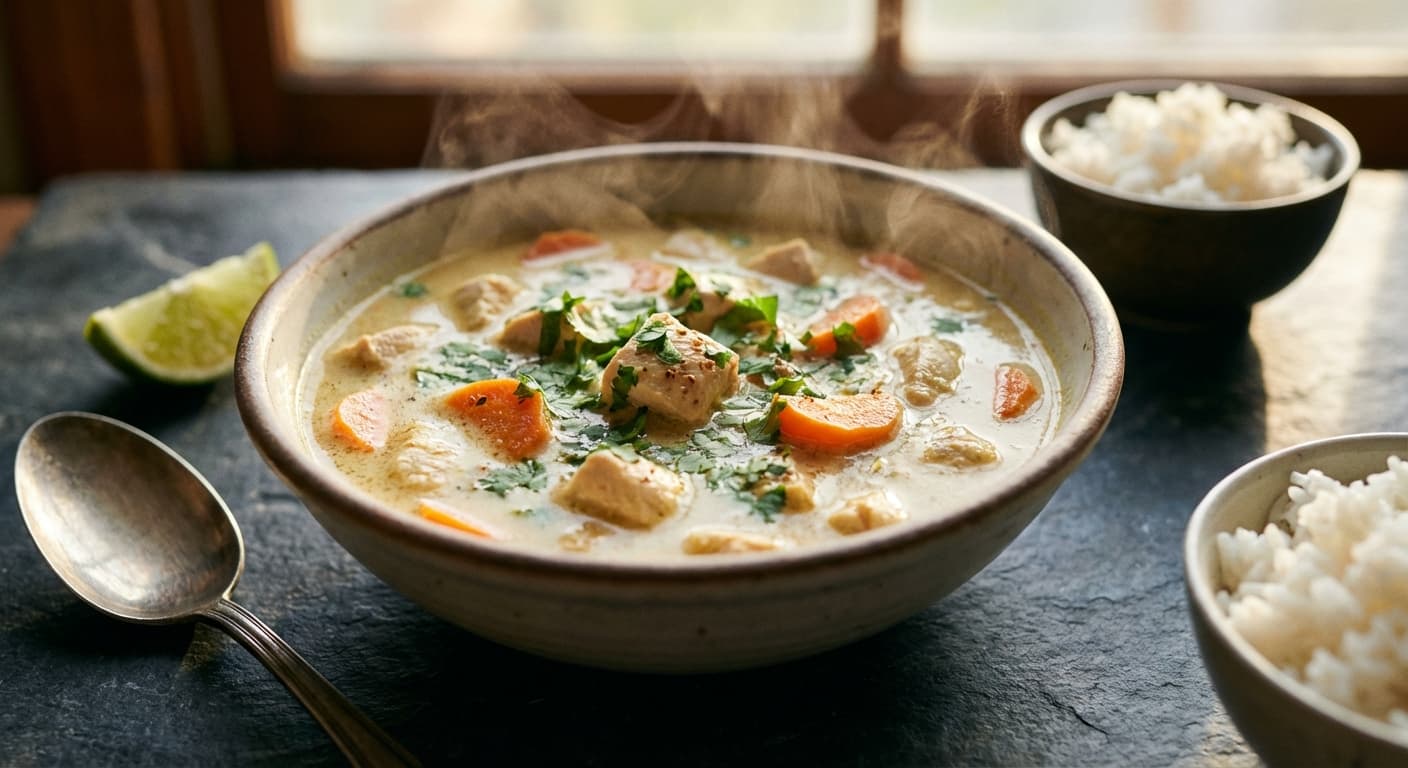
Aromatic Coconut Chicken Curry Soup (سوپ کاری مرغ با نارگیل) — Velvety coastal-style coconut curry broth
Thai · Soups · 45 min
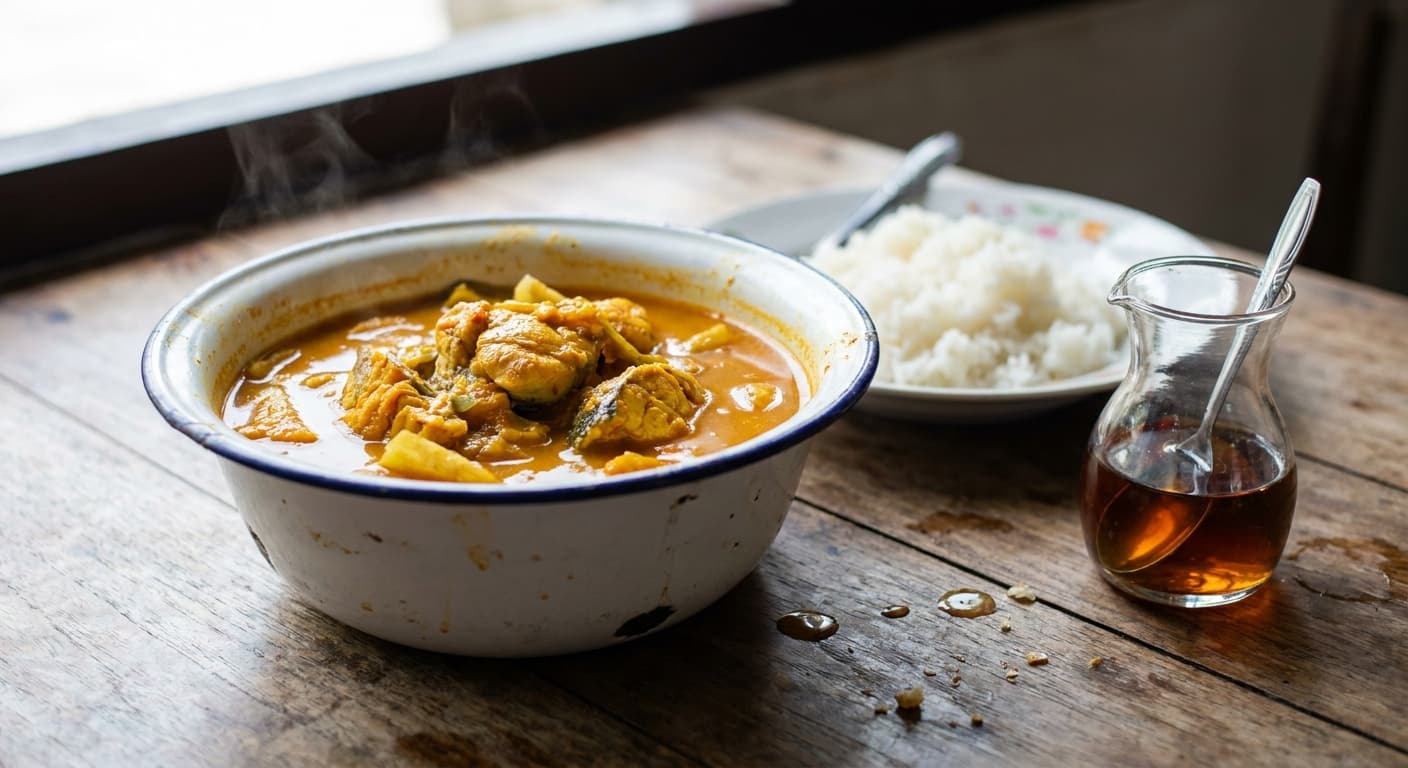
Gaeng Som (แกงส้ม) — Thai Sour Curry with Fish and Vegetables
Thai · Soups · 60 min
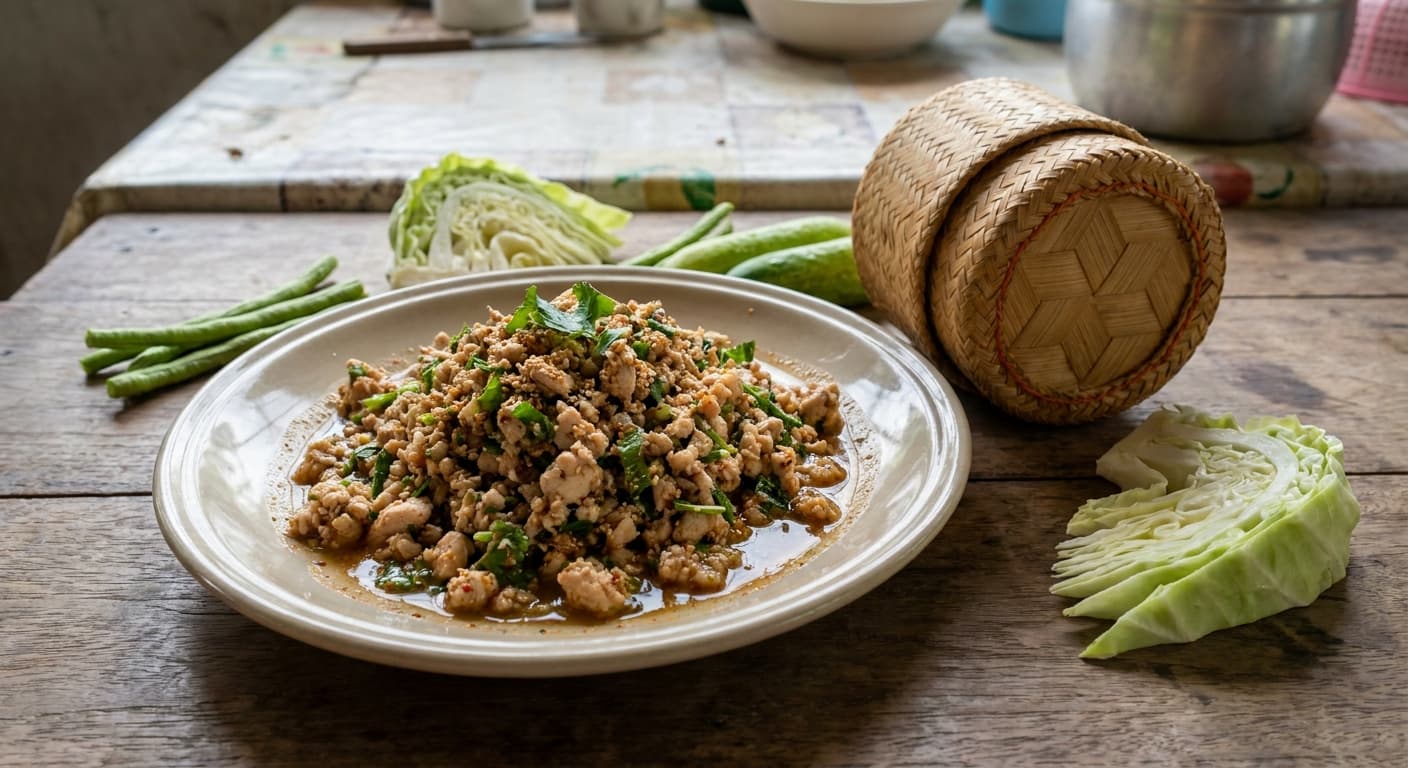
Larb Gai (ลาบไก่) — Thai Minced Chicken Herb Salad
Thai · Salads · 30 min
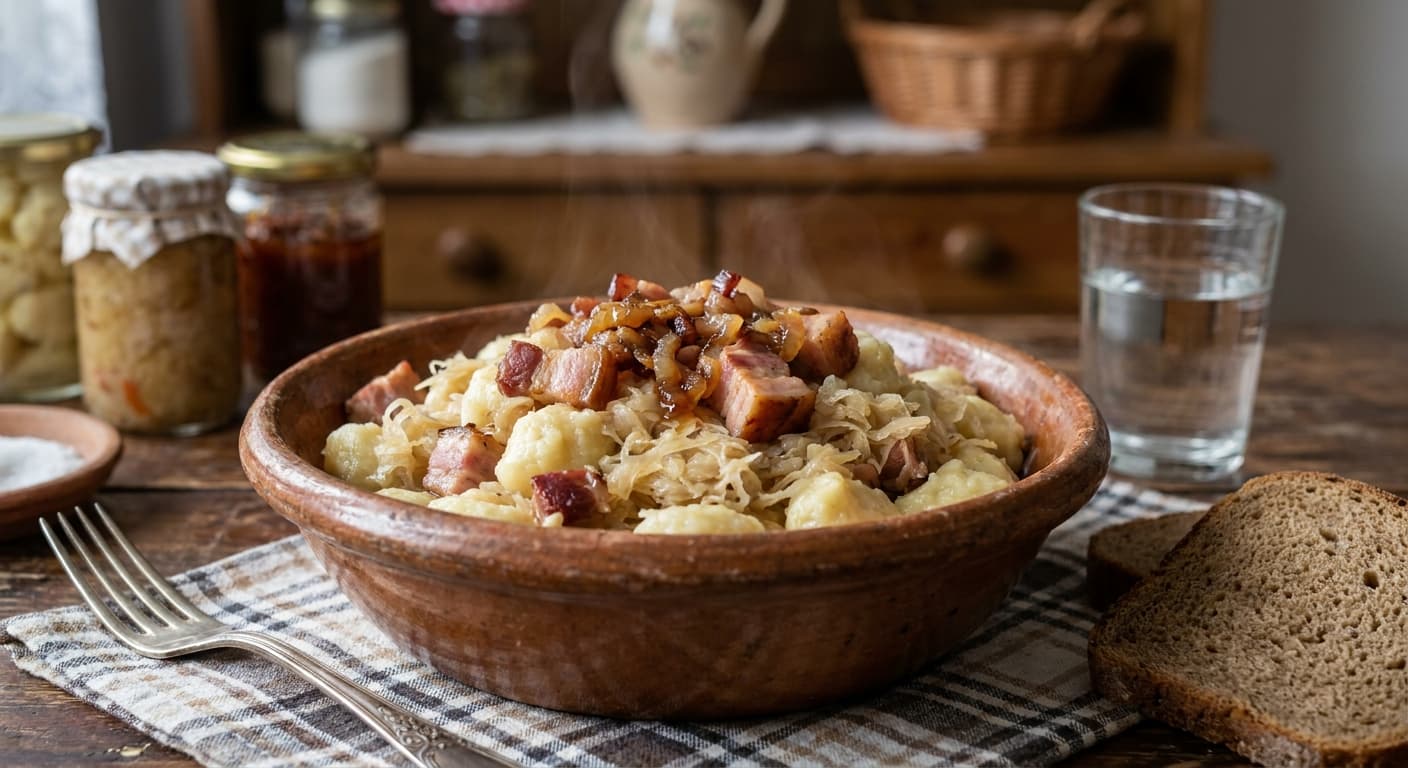
Potato Dumplings with Smoked Meat (Strapačky s údeným mäsom) — Rustic Slovak Halušky with Sauerkraut
Slovak · Main Courses · 70 min
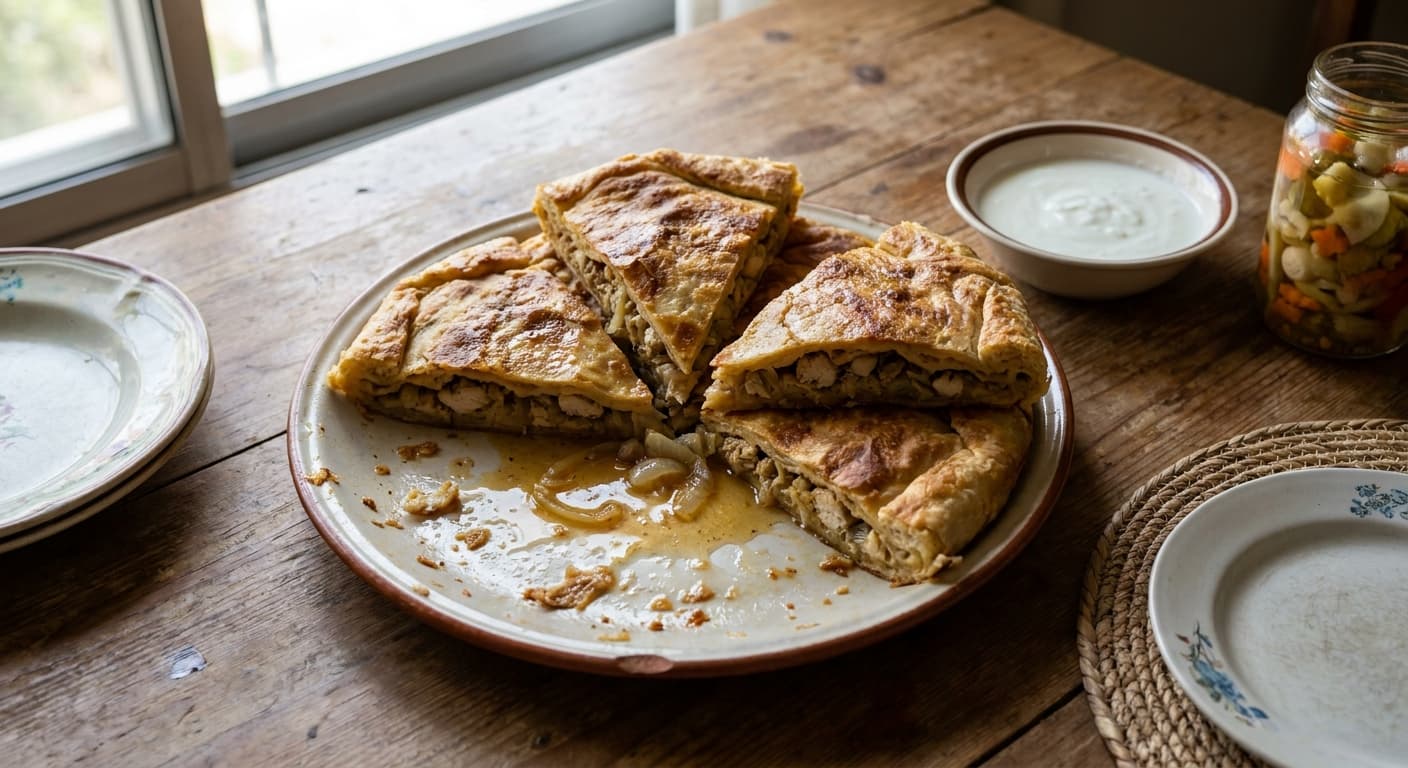
Makmoura (مكمورة) — Jordanian Layered Chicken Bread Pie
Jordanian · Main Courses · 185 min
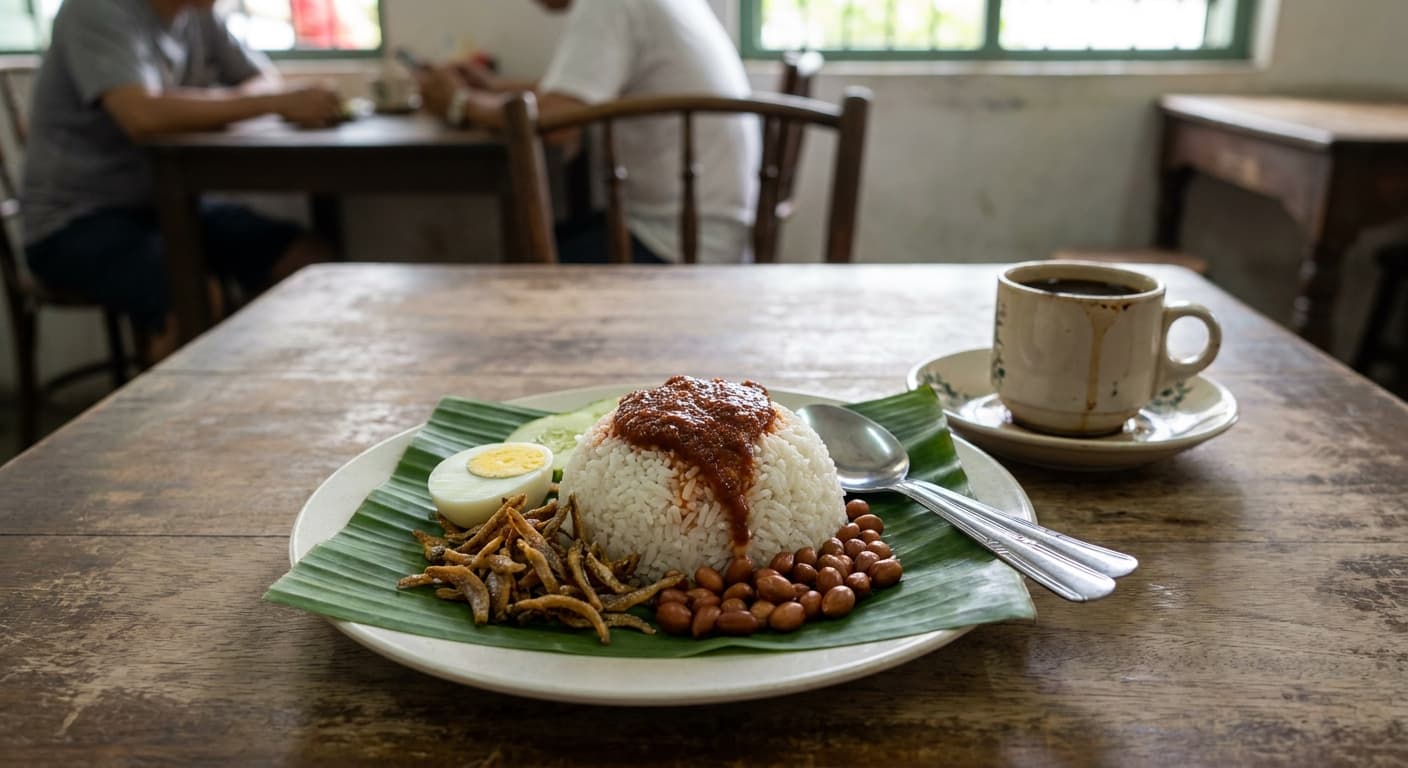
Nasi Lemak (Nasi Lemak) — Coconut Rice with Sambal and Classic Garnishes
Malaysian · Rice Dishes · 90 min
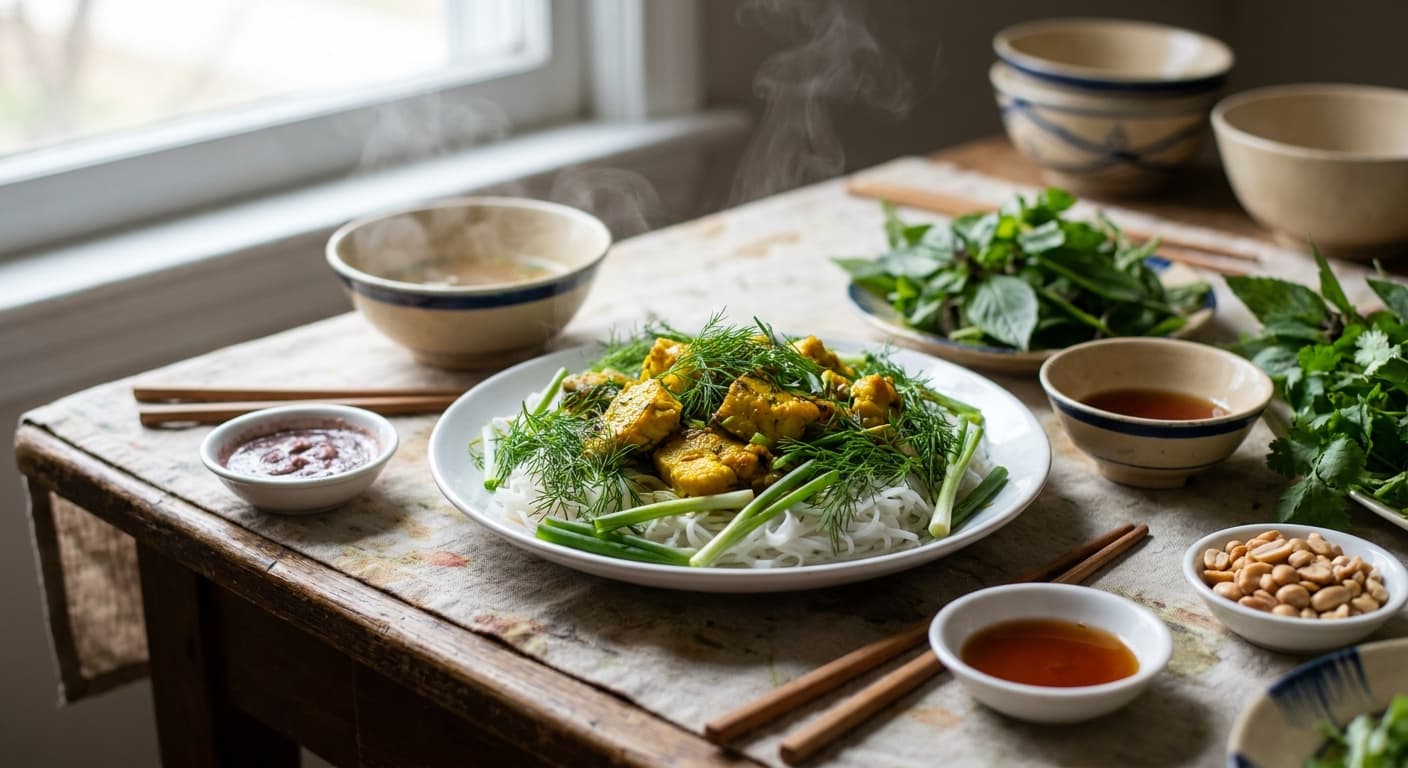
Hanoi Turmeric Fish with Dill (Chả Cá Lã Vọng) — Sizzling Fish with Rice Noodles
Vietnamese · Main Courses · 47 min
Khorak Goosht-e Bareh (خوراک گوشت بره) — Persian Clay-Pot Lamb and Vegetable Stew
Persian · Stews · 165 min
Reviews
Cooked this recipe?
Tap the stars to rate it — that's all it takes. A few words are welcome but optional.
No ratings yet. Cooked this one? Be the first to rate it — it takes one tap.