Larb Gai (ลาบไก่) — Thai Minced Chicken Herb Salad
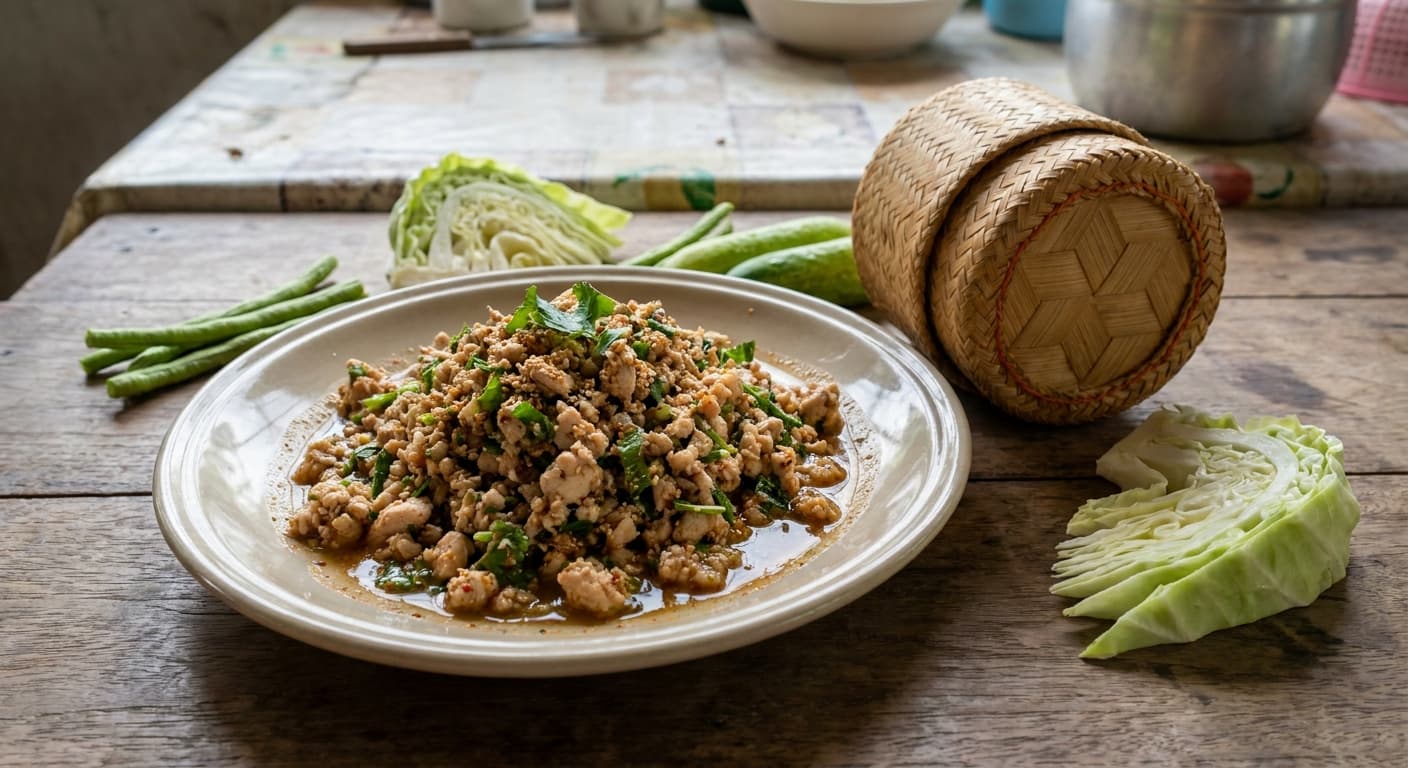
Larb gai is a bright minced chicken salad from Laos and Thailand's Isan region, prized for lime, fish sauce, toasted rice powder, chile, and fresh herbs. It is often served with sticky rice and raw vegetables as a shared family dish.
Printable Recipe Card
Servings: 4 · Total: 30 min · Difficulty: easy
Ingredients (quick list)
- 25 g glutinous rice (uncooked; also called sticky rice)
- 500 g skinless boneless chicken thighs (hand-chopped or coarsely minced)
- 60 ml water
- 3 shallots (thinly sliced)
- 3 scallions (thinly sliced)
- 20 g fresh mint (leaves picked)
- 10 sprig cilantro (leaves and tender stems chopped)
- 12 g sawtooth coriander (thinly sliced; optional but traditional in Isan-style versions)
- 45 ml fish sauce
- 60 ml fresh lime juice
- 8 g palm sugar (finely grated)
- 2 tsp Thai roasted chile flakes
+ 3 more in the full ingredients section below.
Steps (summary)
- Toast the glutinous rice in a dry skillet over medium heat for 8 to 10 minutes, shaking the pan often, until the grains are dee…
- Place the minced chicken and water in a wok or skillet over medium heat. Stir constantly for 5 to 6 minutes, breaking up clumps…
- Remove the pan from the heat before adding the seasonings, because larb should taste fresh rather than fried. Stir in the fish…
- Add 2 tbsp of the toasted rice powder and stir well, letting it thicken the warm juices around the chicken. Taste the balance c…
- Fold in the shallots, scallions, mint, cilantro, and sawtooth coriander while the chicken is warm but not steaming hot. Mixing…
- Transfer the larb gai to a shallow serving plate and sprinkle with the remaining toasted rice powder. Serve immediately with ca…
Cultural Background
Larb is central to Lao and Isan table culture, where minced meat salads are eaten with sticky rice and raw vegetables. The toasted rice powder, herbs, lime, and fish sauce express the region's preference for bold, fresh balance.
Equipment
💡 Tips
- Hand-chopping chicken thighs gives a juicier, more traditional texture than very fine machine-ground chicken.
- Do not brown the chicken; larb gai is gently cooked in its own juices so the dressing stays clean and bright.
- Add the herbs only after the pan is off the heat to preserve their fragrance and color.
⚠️ Common Mistakes
❌ Grinding the toasted rice into a fine flour.
✅ Fix: Stop grinding while the powder is still slightly coarse so it adds aroma and a subtle sandy crunch.
❌ Frying or browning the chicken.
✅ Fix: Cook the mince gently with measured water and stir constantly until just opaque and juicy.
❌ Adding herbs while the pan is very hot.
✅ Fix: Remove the pan from the heat and wait 2 minutes before folding in mint, cilantro, and scallions.
🧊 How to Store
Refrigerate leftovers in an airtight container for up to 2 days. Reheat the chicken gently to 60°C only if desired, then add extra fresh mint and 10 ml lime juice because herbs and acidity fade after chilling.
📅 Make Ahead
Toast and grind the rice powder up to 1 week ahead and store it airtight. Slice the shallots and wash the herbs up to 6 hours ahead, but cook and dress the chicken just before serving.
🍽️ Pairs Well With
- Sticky rice
- raw cabbage leaves
- long beans
- cucumber wedges
- Thai omelet
- grilled chicken.
Regional Variations
- In Isan, larb gai is usually sharp with lime, fish sauce, chile, and roasted rice, then served with sticky rice and raw vegetables.
- Lao versions may use padaek, a fermented fish sauce, for a deeper and more pungent flavor.
- Northern Thai laap can be darker, more spice-paste driven, and less lime-forward than the northeastern style.
Ingredients
- 25 gglutinous rice (uncooked; also called sticky rice)
- 500 gskinless boneless chicken thighs (hand-chopped or coarsely minced)
- 60 mlwater
- 3shallots (thinly sliced)
- 3scallions (thinly sliced)
- 20 gfresh mint (leaves picked)
- 10 sprigcilantro (leaves and tender stems chopped)
- 12 gsawtooth coriander (thinly sliced; optional but traditional in Isan-style versions)
- 45 mlfish sauce
- 60 mlfresh lime juice
- 8 gpalm sugar (finely grated)
- 2 tspThai roasted chile flakes
- 8green cabbage leaves
- 8long beans (cut into 10 cm lengths)
- 2cucumbers (cut into wedges)
🔄 Substitutions
- skinless boneless chicken thighs→ skinless boneless chicken breast
- sawtooth coriander→ additional cilantro
- palm sugar→ light brown sugar
Instructions
- 1
Toast the glutinous rice in a dry skillet over medium heat for 8 to 10 minutes, shaking the pan often, until the grains are deep golden and smell nutty. Cool for 5 minutes, then grind in a mortar or spice grinder to a coarse powder with a little texture, not a fine flour.
- 2
Place the minced chicken and water in a wok or skillet over medium heat. Stir constantly for 5 to 6 minutes, breaking up clumps, until the chicken is just cooked through and still juicy with a small amount of cooking liquid remaining.
- 3
Remove the pan from the heat before adding the seasonings, because larb should taste fresh rather than fried. Stir in the fish sauce, lime juice, palm sugar, and roasted chile flakes until the sugar dissolves and the meat is evenly coated.
- 4
Add 2 tbsp of the toasted rice powder and stir well, letting it thicken the warm juices around the chicken. Taste the balance carefully: it should be salty, sour, aromatic, and gently hot, with the toasted rice clearly present.
- 5
Fold in the shallots, scallions, mint, cilantro, and sawtooth coriander while the chicken is warm but not steaming hot. Mixing off the heat keeps the herbs bright and prevents the shallots from turning limp.
- 6
Transfer the larb gai to a shallow serving plate and sprinkle with the remaining toasted rice powder. Serve immediately with cabbage leaves, long beans, cucumber wedges, and warm sticky rice so diners can scoop the salad by hand or with a spoon.
🪪 Recipe Passport
Cultural Background
Larb is central to Lao and Isan table culture, where minced meat salads are eaten with sticky rice and raw vegetables. The toasted rice powder, herbs, lime, and fish sauce express the region's preference for bold, fresh balance.
Regional Variations
Researched from multiple sources and validated by the Zaffaron editorial team. Every recipe is tested for accuracy, measurements, and cultural authenticity.
📚 Sources & Cultural References
- David Thompson — Thai Food — (2002)
- Jeffrey Alford and Naomi Duguid — Hot Sour Salty Sweet — (2000)
Sources cited by the Zaffaron editorial team during recipe research. Cultural and culinary references supporting authenticity claims.
Nutrition per serving
Pairs well with
If you enjoyed this recipe, here are a few related Zaffaron recipes to try next.
Does your family make this differently?
Every family has their own version. Maybe your grandmother adds a secret ingredient, or your aunt has a completely different technique. Preserve your family's version — with their name on it, forever.
You Might Also Like
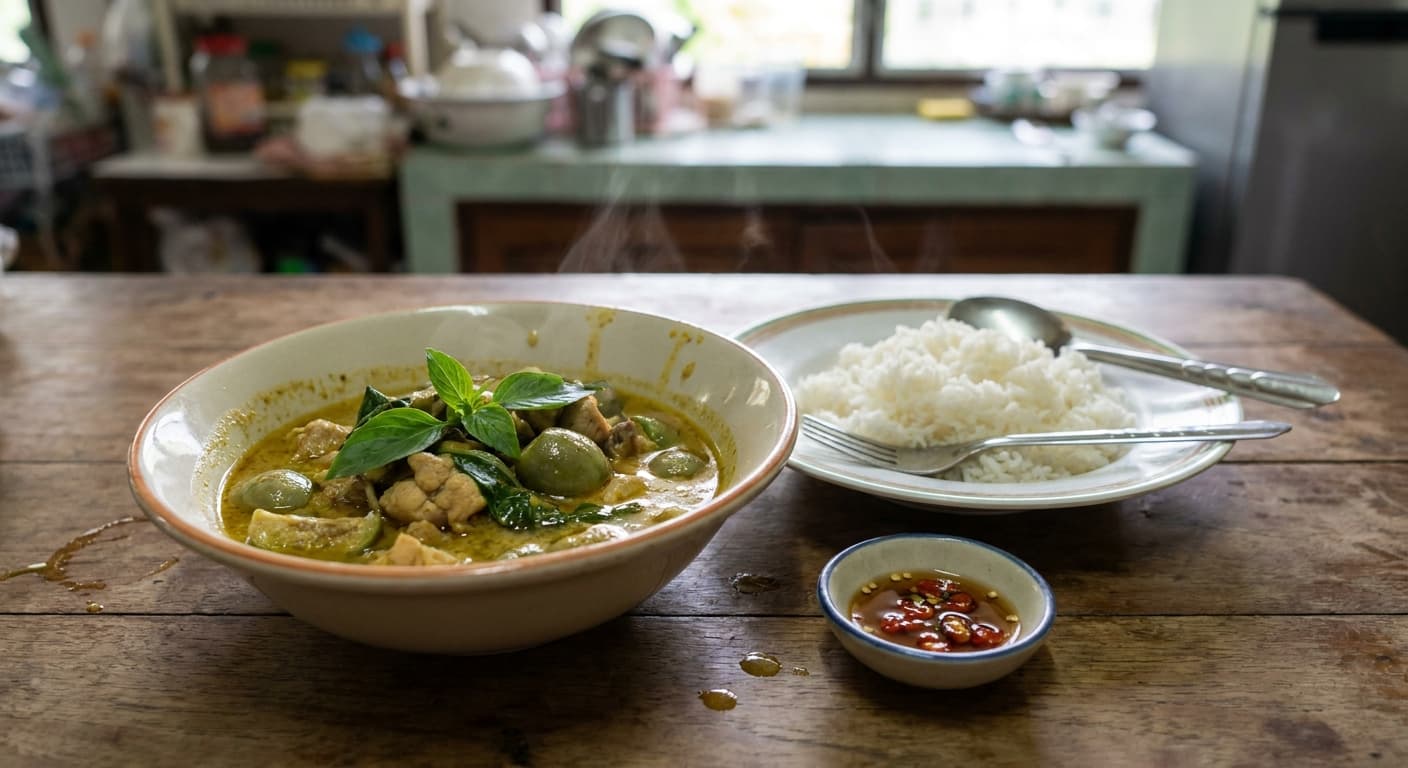
Thai Green Curry (แกงเขียวหวาน) — Fragrant Coconut Chicken Curry
Thai · Stews · 60 min
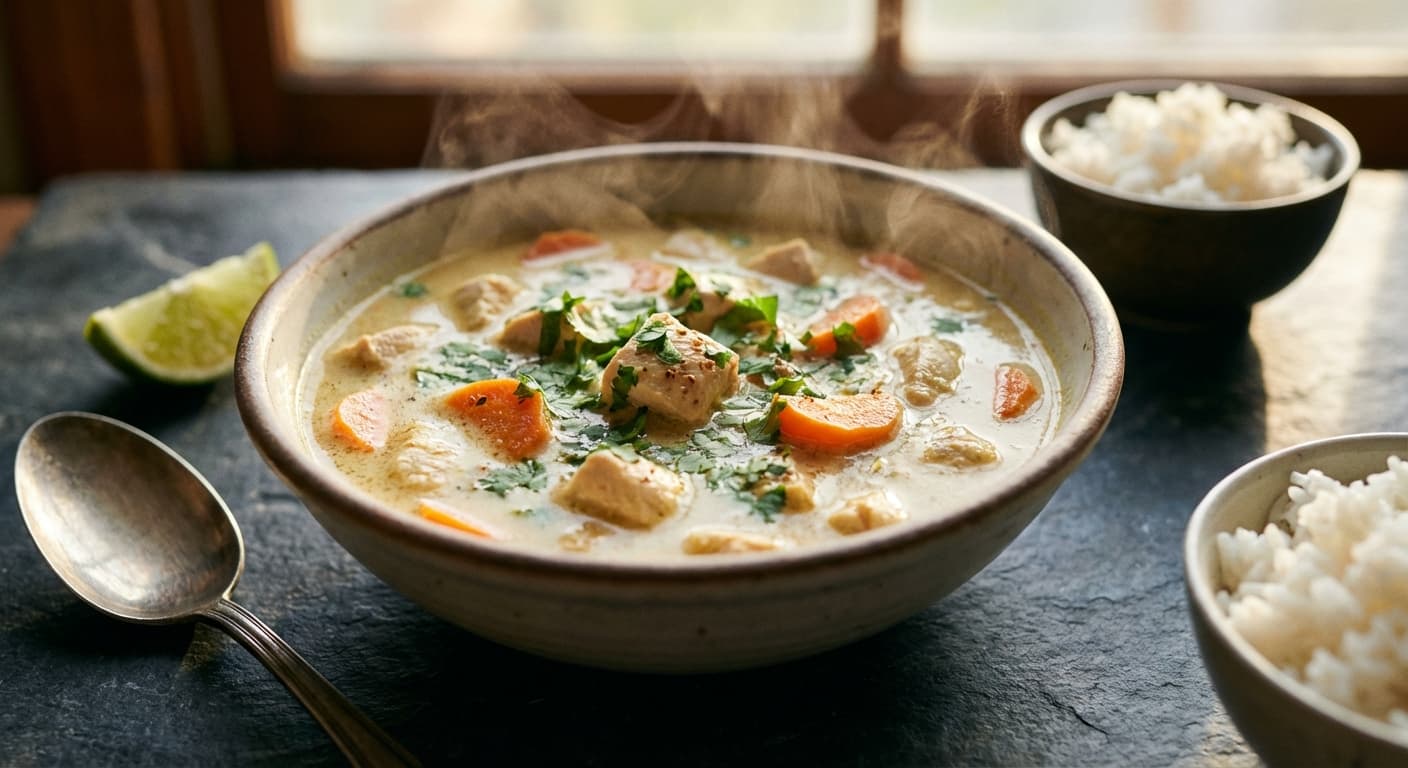
Aromatic Coconut Chicken Curry Soup (سوپ کاری مرغ با نارگیل) — Velvety coastal-style coconut curry broth
Thai · Soups · 45 min
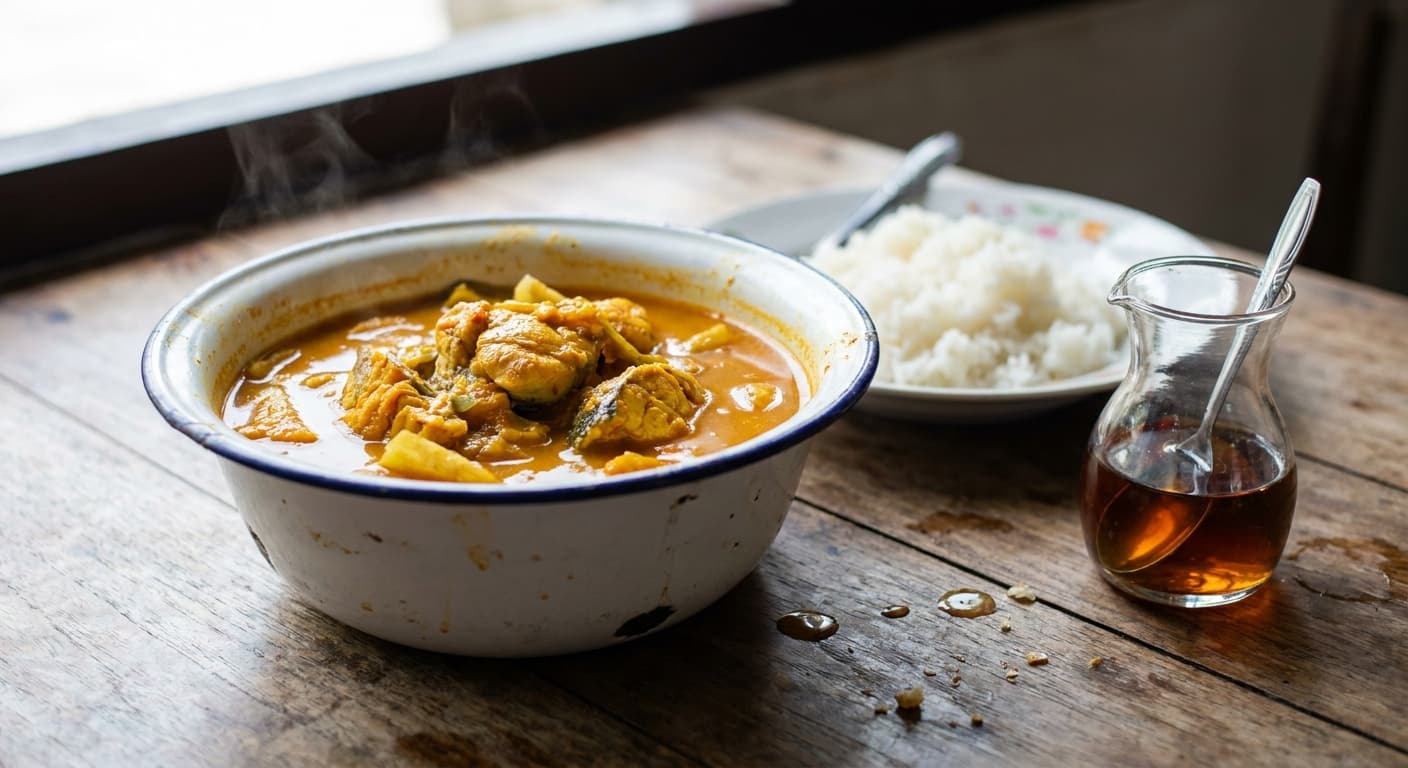
Gaeng Som (แกงส้ม) — Thai Sour Curry with Fish and Vegetables
Thai · Soups · 60 min
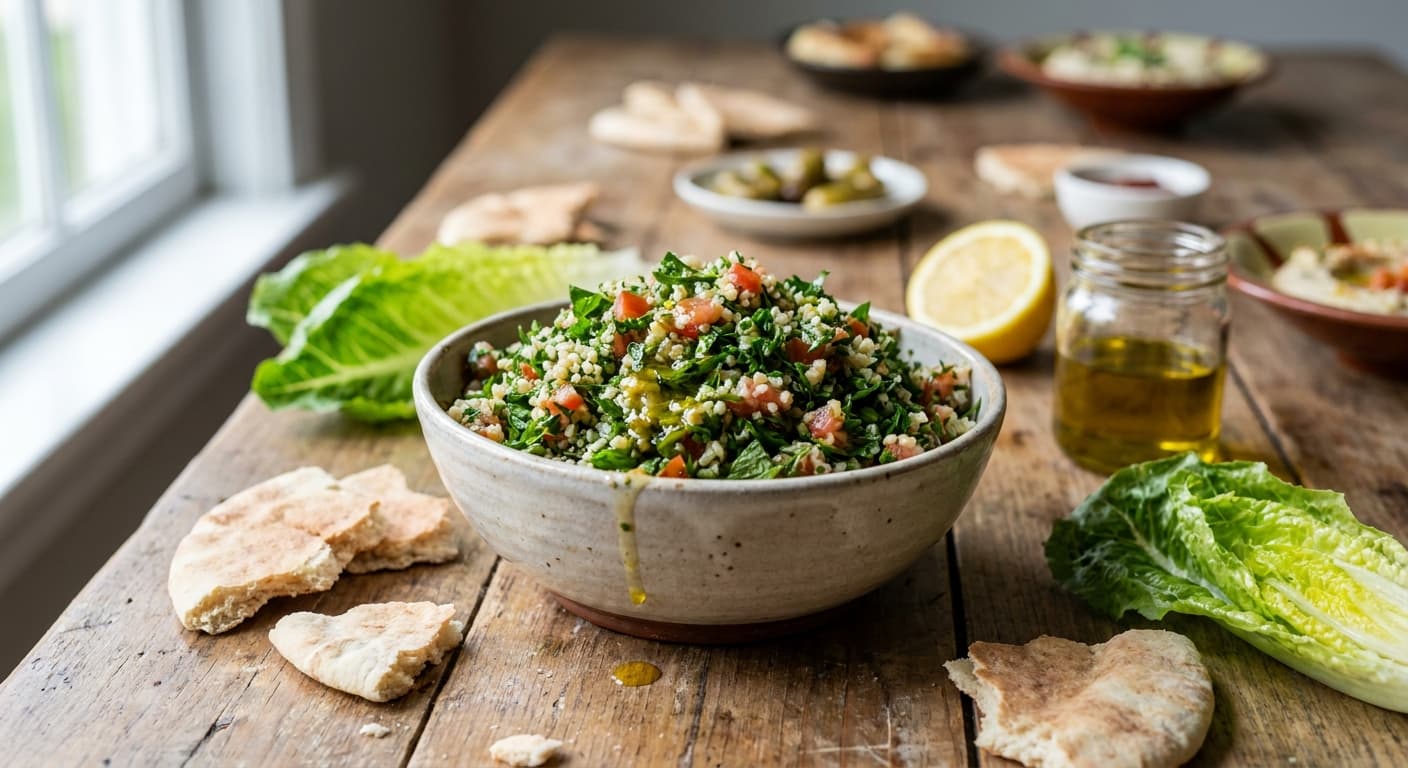
Lebanese Tabbouleh (تبولة لبنانية) — Parsley Bulgur Herb Salad
Lebanese · Salads · 35 min
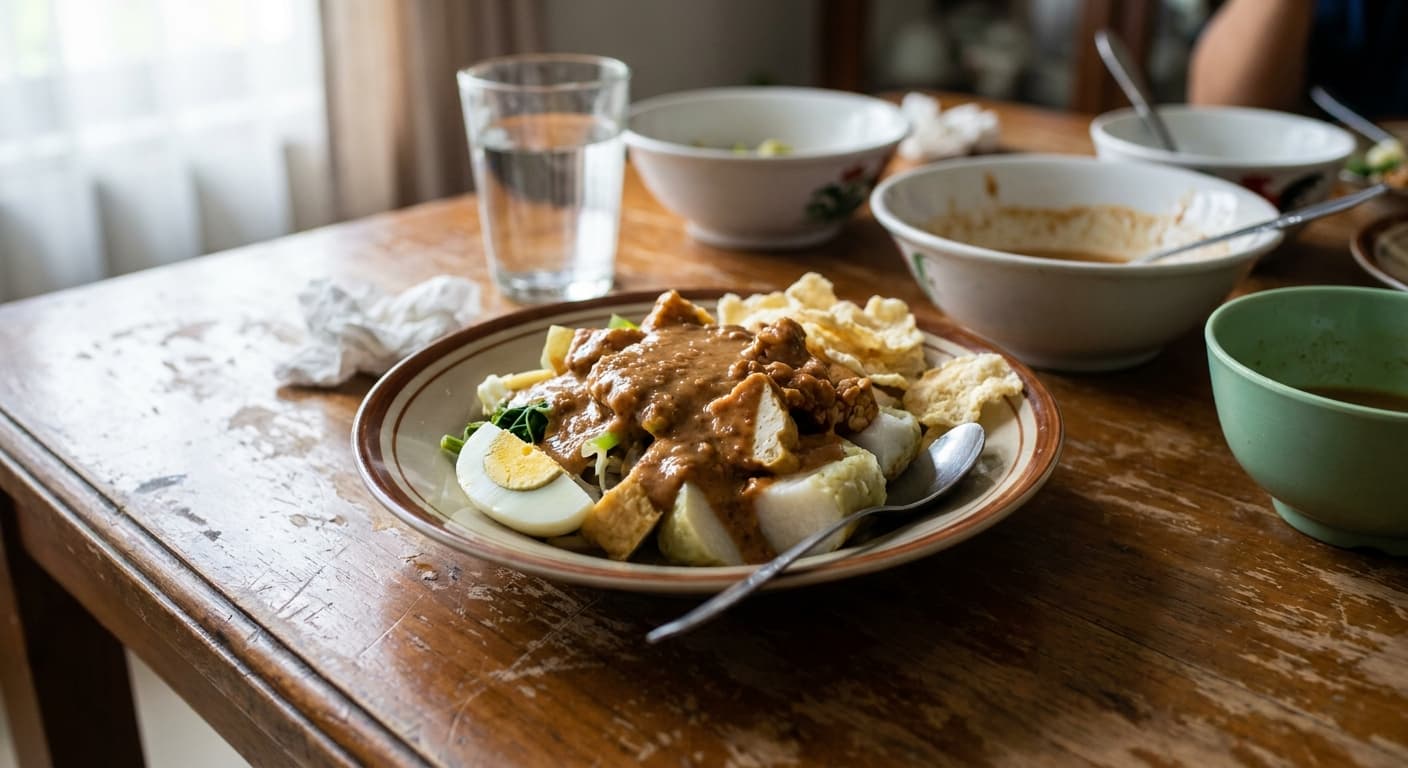
Gado-Gado (Gado-Gado) — Indonesian Salad with Peanut Sauce
Indonesian · Salads · 60 min
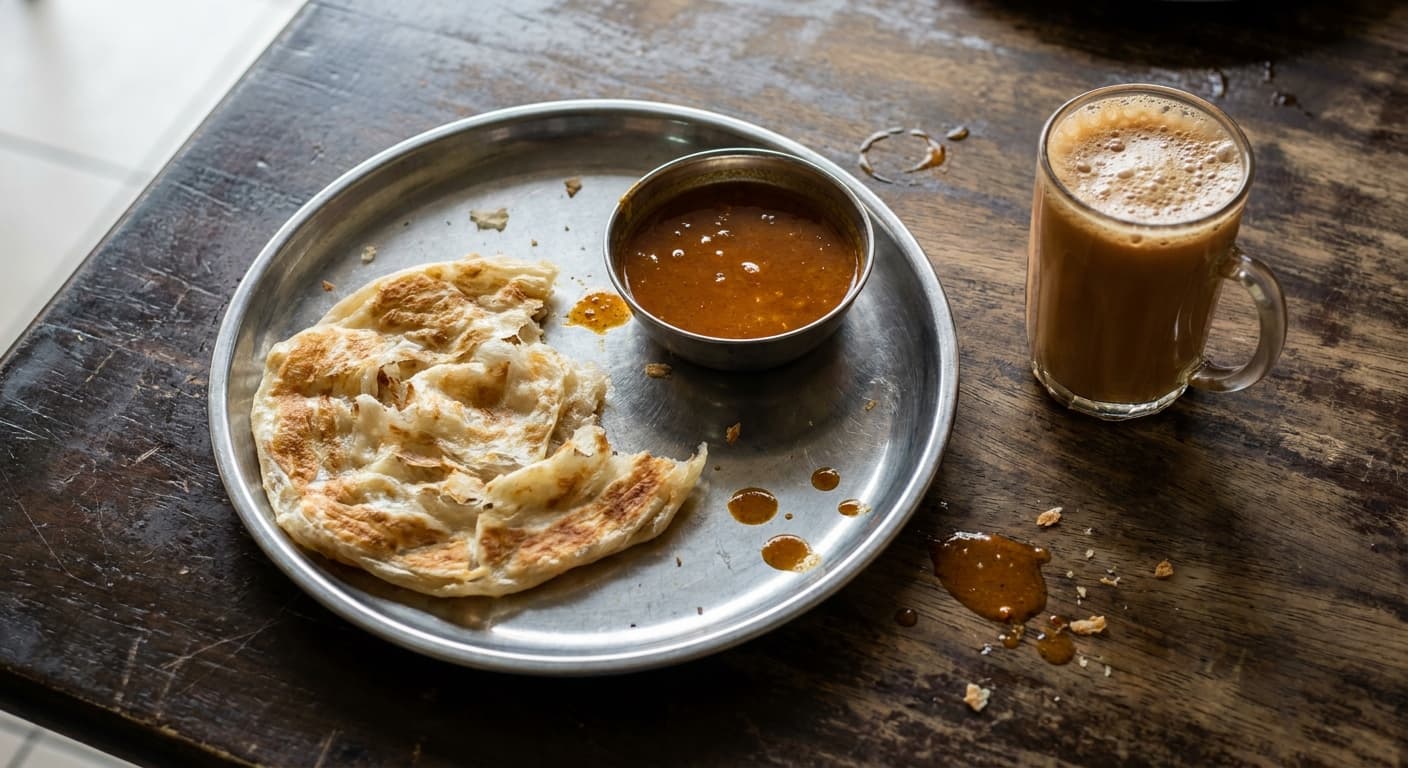
Roti Canai (Roti Canai) — Flaky Malaysian Griddle Flatbread
Malaysian · Breads · 330 min
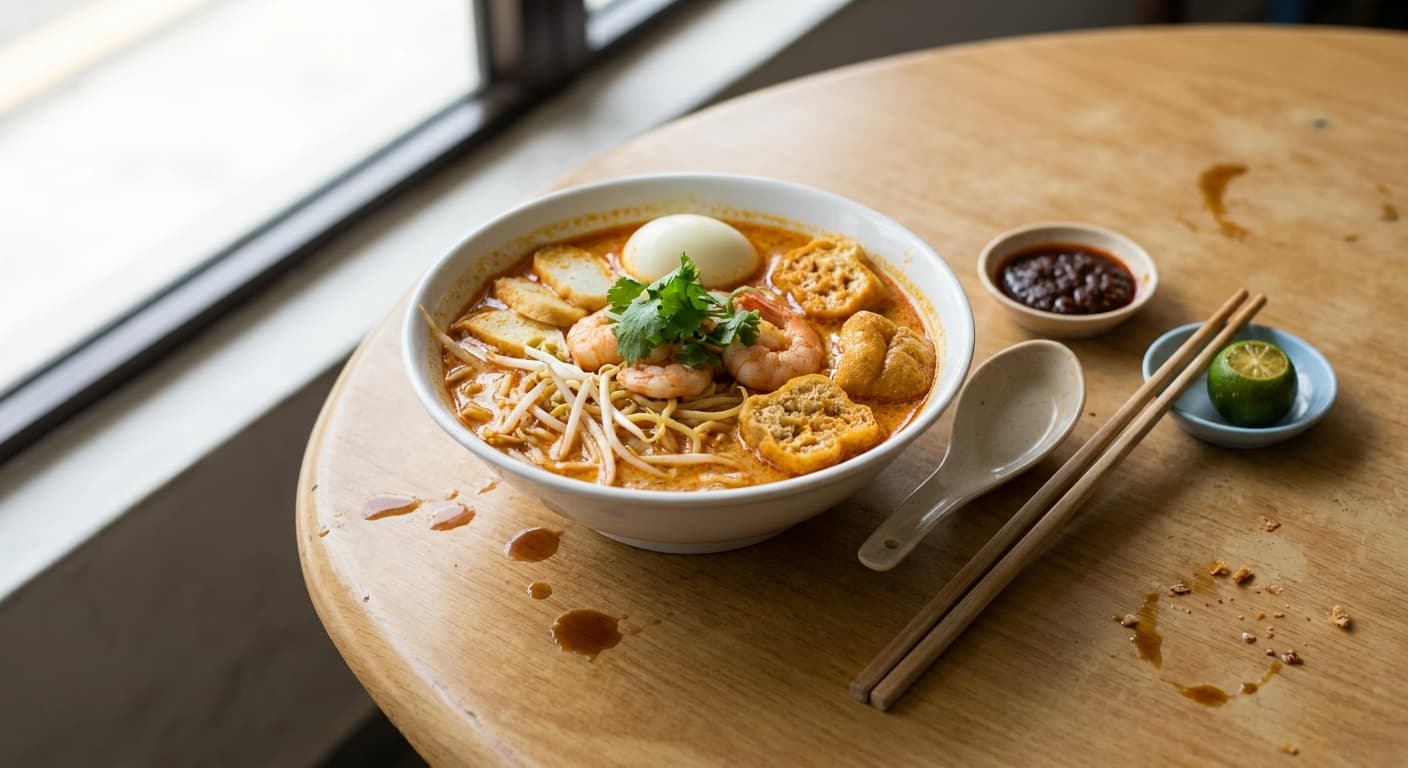
Curry Laksa (Kari Laksa) — Malaysian Coconut Noodle Soup
Malaysian · Soups · 75 min
Buckwheat Žganci (Ajdovi žganci) — Slovenian Buckwheat Crumbs with Cracklings
Slovenian · Side Dishes · 45 min
Reviews
Cooked this recipe?
Tap the stars to rate it — that's all it takes. A few words are welcome but optional.
No ratings yet. Cooked this one? Be the first to rate it — it takes one tap.