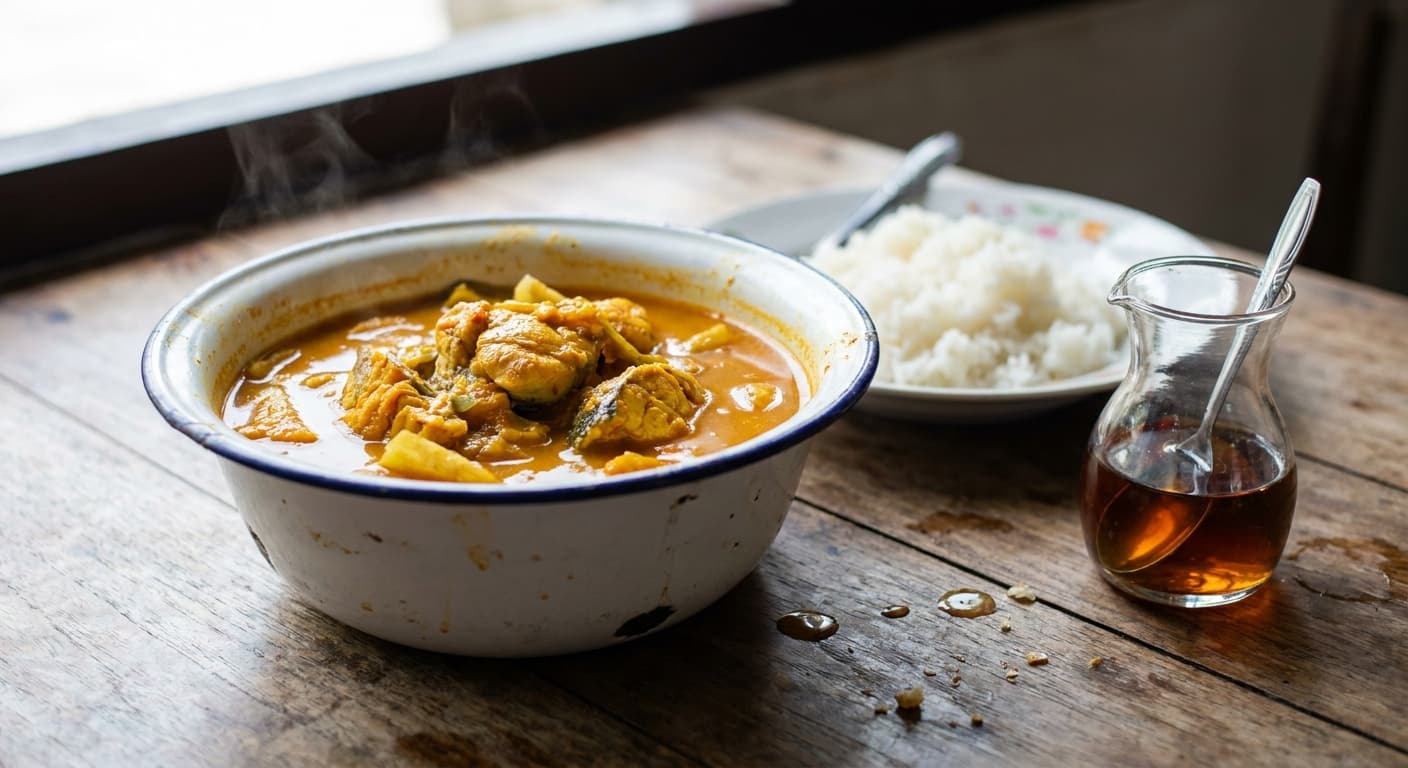
Gaeng Som (แกงส้ม) — Thai Sour Curry with Fish and Vegetables
Gaeng Som is a bright, coconut-free Thai sour curry built on pounded curry paste, tamarind, fish sauce, and palm sugar. This central Thai version uses fish and crisp vegetables for a light, sharp, deeply savory family meal.
Printable Recipe Card
Servings: 4 · Total: 60 min · Difficulty: medium
Ingredients (quick list)
- 14 g dried red Thai chilies (seeds shaken out for medium heat)
- 3 g fine sea salt
- 70 g shallots (peeled and sliced)
- 4 clove garlic (peeled)
- 25 g fresh fingerroot (scraped and thinly sliced)
- 10 g shrimp paste
- 120 g firm white fish fillet (such as sea bass, snapper, or cod)
- 900 ml water
- 55 g tamarind pulp (seedless wet pulp)
- 120 ml warm water (for extracting tamarind)
- 45 ml fish sauce
- 18 g palm sugar (finely shaved)
+ 5 more in the full ingredients section below.
Steps (summary)
- Place the dried red Thai chilies in a small bowl and cover them with hot water for 15 minutes. Drain them well, then chop them…
- Bring 900 ml water to a gentle simmer in a saucepan and add the 120 g fish fillet reserved for the paste. Poach it for 4 minute…
- Pound the soaked chilies with the fine sea salt in a granite mortar until the skins break down into a coarse paste. Add the sha…
- Flake the poached fish and pound it into the curry paste until fully incorporated. This is a classic Gaeng Som technique that t…
- Massage the tamarind pulp with 120 ml warm water for 1 minute, then press it through a fine sieve into a bowl. Discard the fibe…
- Return the reserved fish cooking liquid to a simmer and whisk in the pounded curry paste until it disperses evenly. Simmer for…
+ 5 more steps in the full instructions section below.
Cultural Background
David Thompson describes Thai cooking through balance and regional logic, and Gaeng Som is a clear example: sour tamarind, salty fish sauce, and pounded curry paste create a daily Thai curry without coconut richness.
Equipment
💡 Tips
- Do not add coconut milk; Gaeng Som is prized for its clean, sour, broth-like character.
- Pounding cooked fish into the curry paste gives the broth body and is more authentic than thickening it with starch.
- Balance the curry so tamarind leads, fish sauce supports, and palm sugar rounds the edges without making the soup sweet.
⚠️ Common Mistakes
❌ Boiling the fish aggressively after adding it.
✅ Fix: Keep the curry at a gentle simmer and spoon broth over the fish so it cooks evenly without breaking apart.
❌ Making the curry sweet like a restaurant-style red curry.
✅ Fix: Use palm sugar only to round the tamarind, not to dominate the broth.
❌ Using a blender with too much water for the paste.
✅ Fix: Pound the paste in a mortar, or blend with only 30 ml of broth and simmer longer to cook off the raw edge.
🧊 How to Store
Refrigerate leftovers in a covered container for up to 2 days. Reheat gently over medium-low heat until steaming, avoiding a hard boil so the fish stays intact and the vegetables do not become mushy.
📅 Make Ahead
The curry paste can be pounded 2 days ahead and refrigerated in an airtight container. Tamarind liquid can be strained 1 day ahead, but cook the fish and vegetables just before serving.
🍽️ Pairs Well With
- Jasmine rice
- Thai omelet
- fresh cucumber
- crisp fried fish
- blanched morning glory.
Regional Variations
- Central Thai Gaeng Som often uses tamarind, fish, and vegetables such as daikon, green papaya, or cabbage.
- Southern Thai versions may include turmeric and are often hotter, sharper, and more intensely colored.
- Some Thai households serve Gaeng Som with cha-om omelet pieces, which soak up the sour curry broth.
Ingredients
- 14 gdried red Thai chilies (seeds shaken out for medium heat)
- 3 gfine sea salt
- 70 gshallots (peeled and sliced)
- 4 clovegarlic (peeled)
- 25 gfresh fingerroot (scraped and thinly sliced)
- 10 gshrimp paste
- 120 gfirm white fish fillet (such as sea bass, snapper, or cod)
- 900 mlwater
- 55 gtamarind pulp (seedless wet pulp)
- 120 mlwarm water (for extracting tamarind)
- 45 mlfish sauce
- 18 gpalm sugar (finely shaved)
- 180 gdaikon radish (peeled and cut into 5 mm half-moons)
- 160 ggreen papaya (peeled, seeded, and cut into thin wedges)
- 120 glong beans (cut into 5 cm lengths)
- 160 gChinese cabbage (cut into wide ribbons)
- 2Thai bird's eye chilies (lightly bruised, optional for extra heat)
🔄 Substitutions
- fresh fingerroot→ fresh galangal
- green papaya→ chayote
- firm white fish fillet→ peeled raw shrimp
Instructions
- 1
Place the dried red Thai chilies in a small bowl and cover them with hot water for 15 minutes. Drain them well, then chop them roughly so they pound smoothly into the curry paste.
- 2
Bring 900 ml water to a gentle simmer in a saucepan and add the 120 g fish fillet reserved for the paste. Poach it for 4 minutes, then lift it out and reserve the cooking liquid for the curry broth.
- 3
Pound the soaked chilies with the fine sea salt in a granite mortar until the skins break down into a coarse paste. Add the shallots, garlic, fingerroot, and shrimp paste, pounding after each addition until the paste is moist, aromatic, and mostly smooth.
- 4
Flake the poached fish and pound it into the curry paste until fully incorporated. This is a classic Gaeng Som technique that thickens the broth and gives the curry a savory fish depth without using coconut milk.
- 5
Massage the tamarind pulp with 120 ml warm water for 1 minute, then press it through a fine sieve into a bowl. Discard the fibers and seeds, and keep the strained tamarind liquid ready near the stove.
- 6
Return the reserved fish cooking liquid to a simmer and whisk in the pounded curry paste until it disperses evenly. Simmer for 5 minutes so the chilies, shrimp paste, shallots, and fingerroot season the broth thoroughly.
- 7
Stir in the tamarind liquid, fish sauce, and palm sugar. Simmer for 3 minutes, then check that the flavor is sharply sour first, salty second, and only faintly sweet in the background.
- 8
Add the daikon and green papaya and simmer for 6 minutes, or until they are just beginning to turn tender. Keep the heat moderate, because a rolling boil can make the curry muddy and break up the fish later.
- 9
Add the long beans and Chinese cabbage, then simmer for 3 minutes until the vegetables remain bright and slightly crisp. The vegetables should taste seasoned but not collapse into the broth.
- 10
Slide in the 480 g fish pieces and the bruised Thai bird's eye chilies, if using. Simmer gently for 4 to 5 minutes without stirring hard, spooning broth over the fish until it is opaque and just cooked through.
- 11
Remove the pot from the heat and let the curry stand for 2 minutes before serving. Serve hot with jasmine rice, allowing the rice to soften the curry's tamarind acidity and chile heat.
🪪 Recipe Passport
Cultural Background
David Thompson describes Thai cooking through balance and regional logic, and Gaeng Som is a clear example: sour tamarind, salty fish sauce, and pounded curry paste create a daily Thai curry without coconut richness.
Regional Variations
Researched from multiple sources and validated by the Zaffaron editorial team. Every recipe is tested for accuracy, measurements, and cultural authenticity.
📚 Sources & Cultural References
- David Thompson — Thai Food — (2002)
- Kasma Loha-unchit — It Rains Fishes — (1995)
Sources cited by the Zaffaron editorial team during recipe research. Cultural and culinary references supporting authenticity claims.
Nutrition per serving
Pairs well with
If you enjoyed this recipe, here are a few related Zaffaron recipes to try next.
Does your family make this differently?
Every family has their own version. Maybe your grandmother adds a secret ingredient, or your aunt has a completely different technique. Preserve your family's version — with their name on it, forever.
You Might Also Like

Som Tum (ส้มตำ) — Thai Green Papaya Salad
Thai · Salads · 25 min

Massaman Curry (แกงมัสมั่น) — Thai Muslim Beef Curry with Potatoes and Peanuts
Thai · Main Courses · 160 min
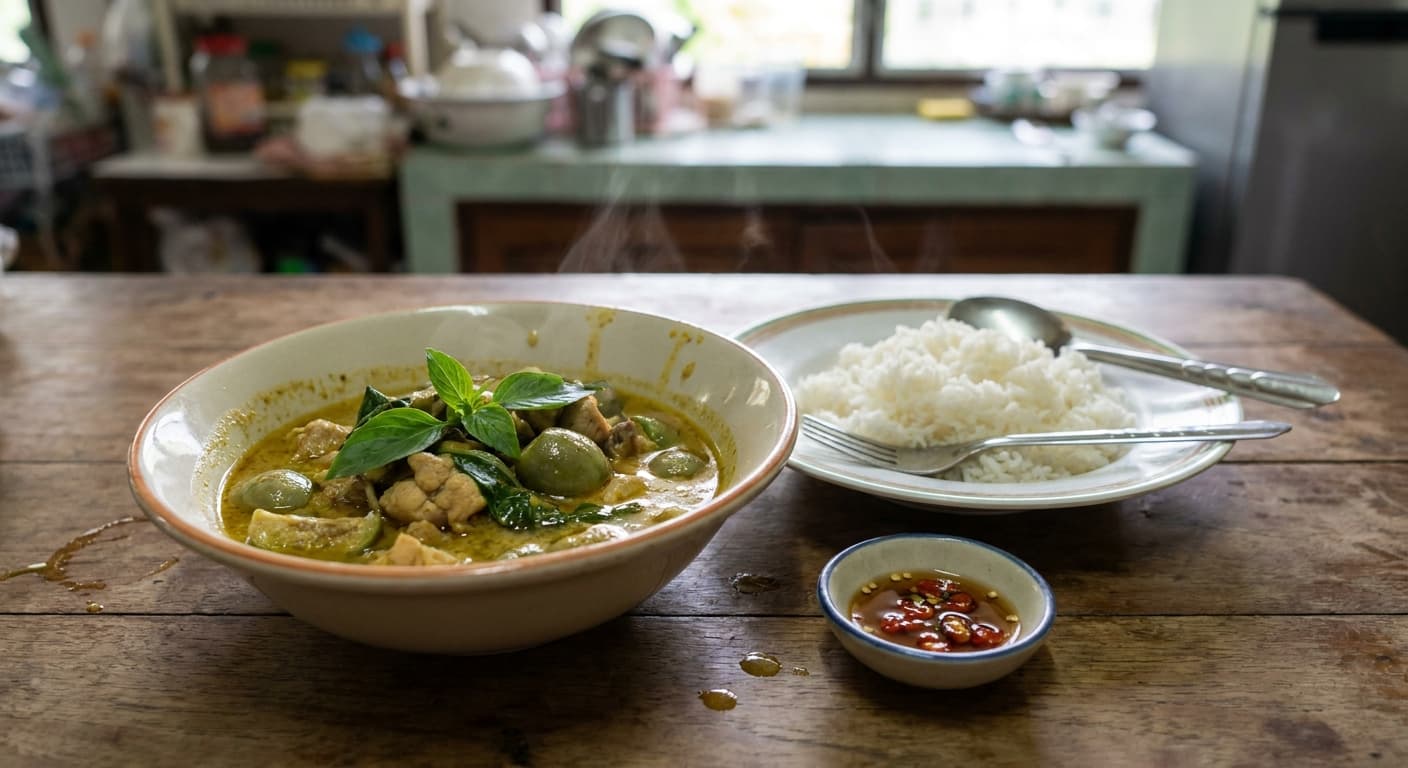
Thai Green Curry (แกงเขียวหวาน) — Fragrant Coconut Chicken Curry
Thai · Stews · 60 min
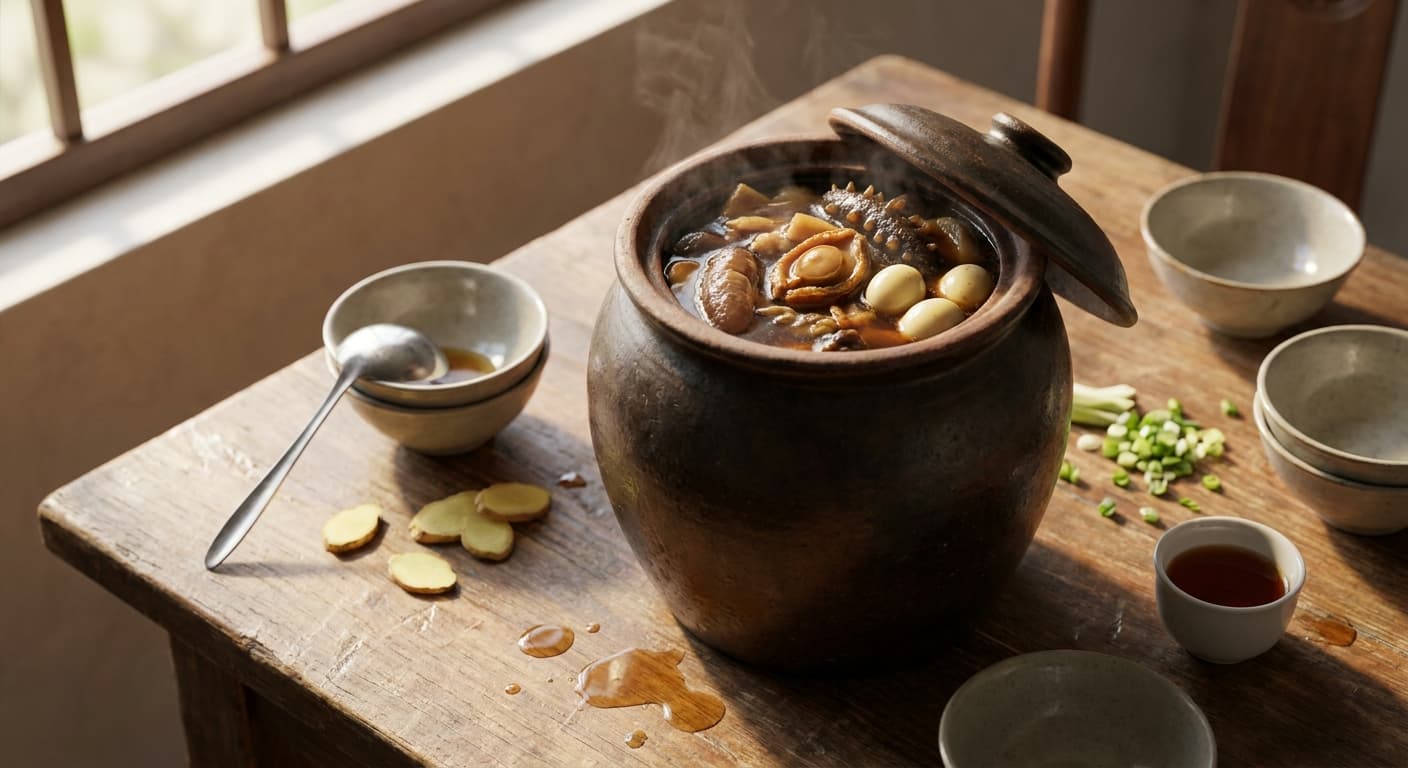
Buddha Jumps Over the Wall (佛跳墙) — Fujian Banquet Treasure Soup
Chinese · Soups · 540 min
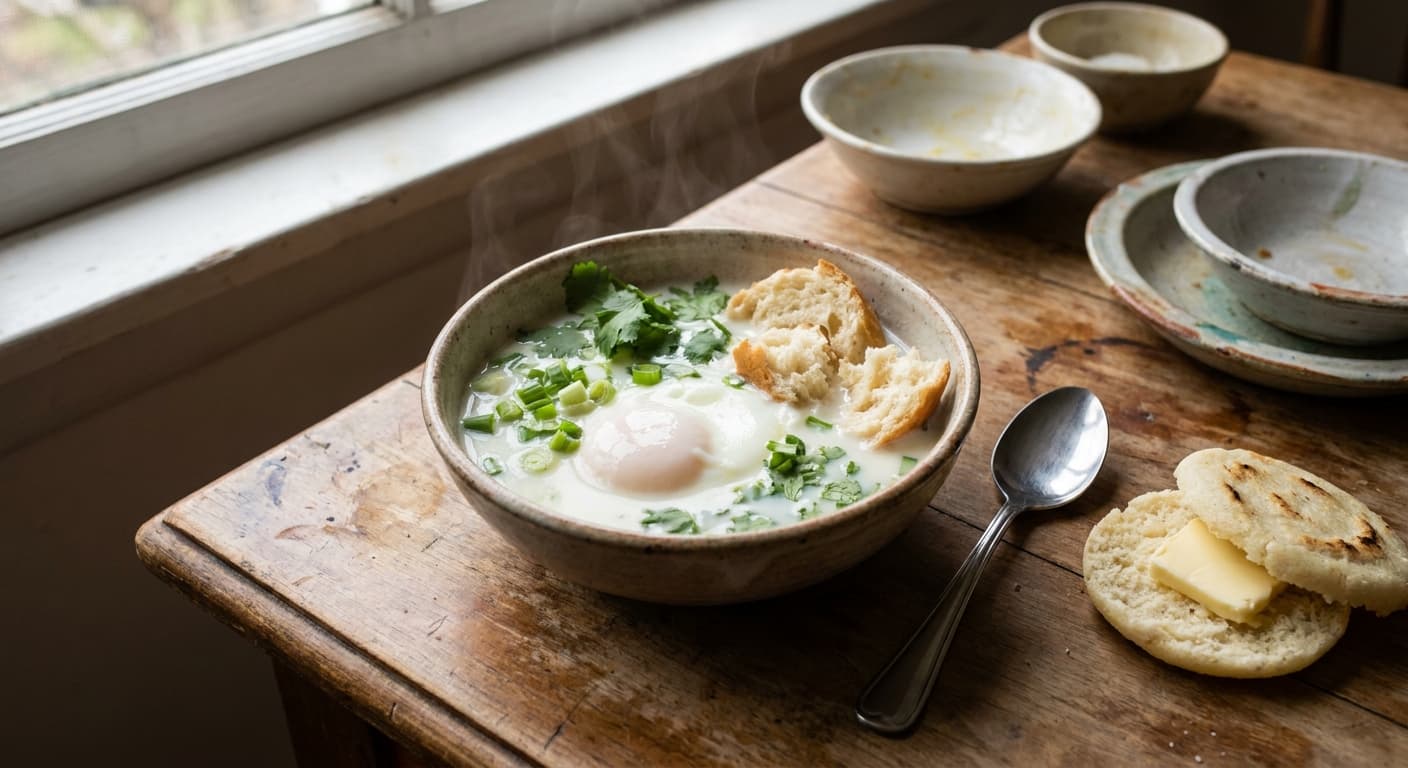
Changua (Changua) — Colombian Milk-and-Egg Breakfast Soup
Colombian · Soups · 25 min
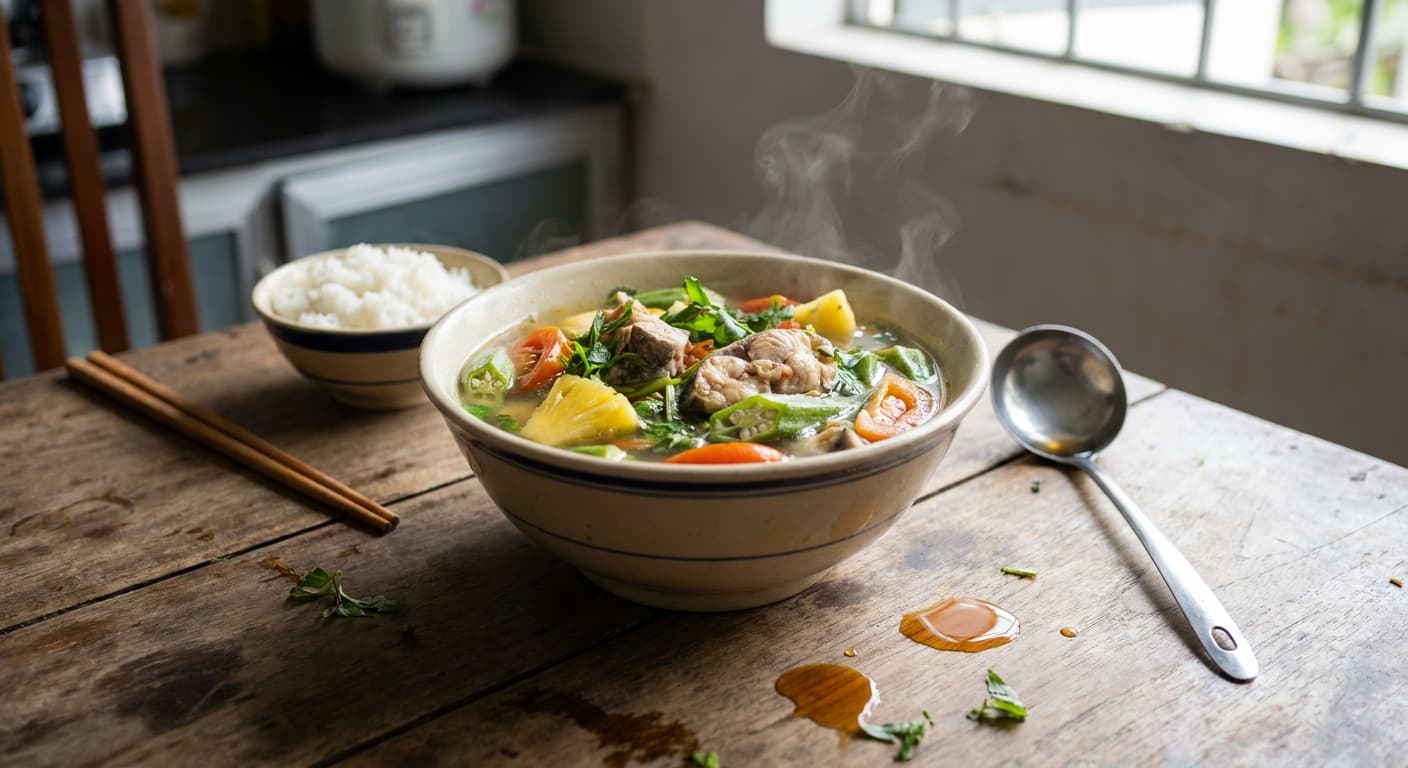
Vietnamese Sour Fish Soup (Canh Chua Cá) — Tamarind-Scented Mekong Soup
Vietnamese · Soups · 45 min
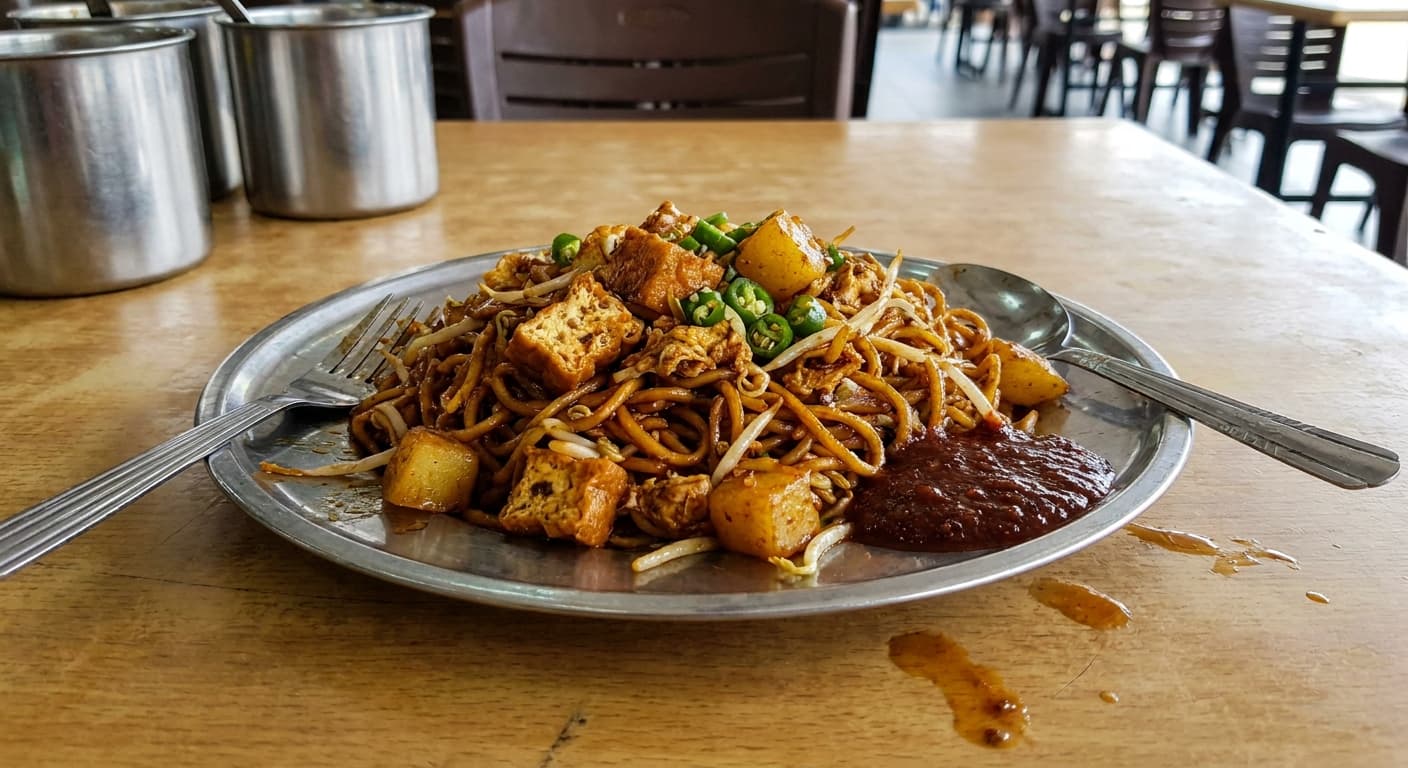
Mamak Fried Noodles (Mee Goreng Mamak) — Malaysian Indian Street-Stall Noodles
Malaysian · Main Courses · 40 min
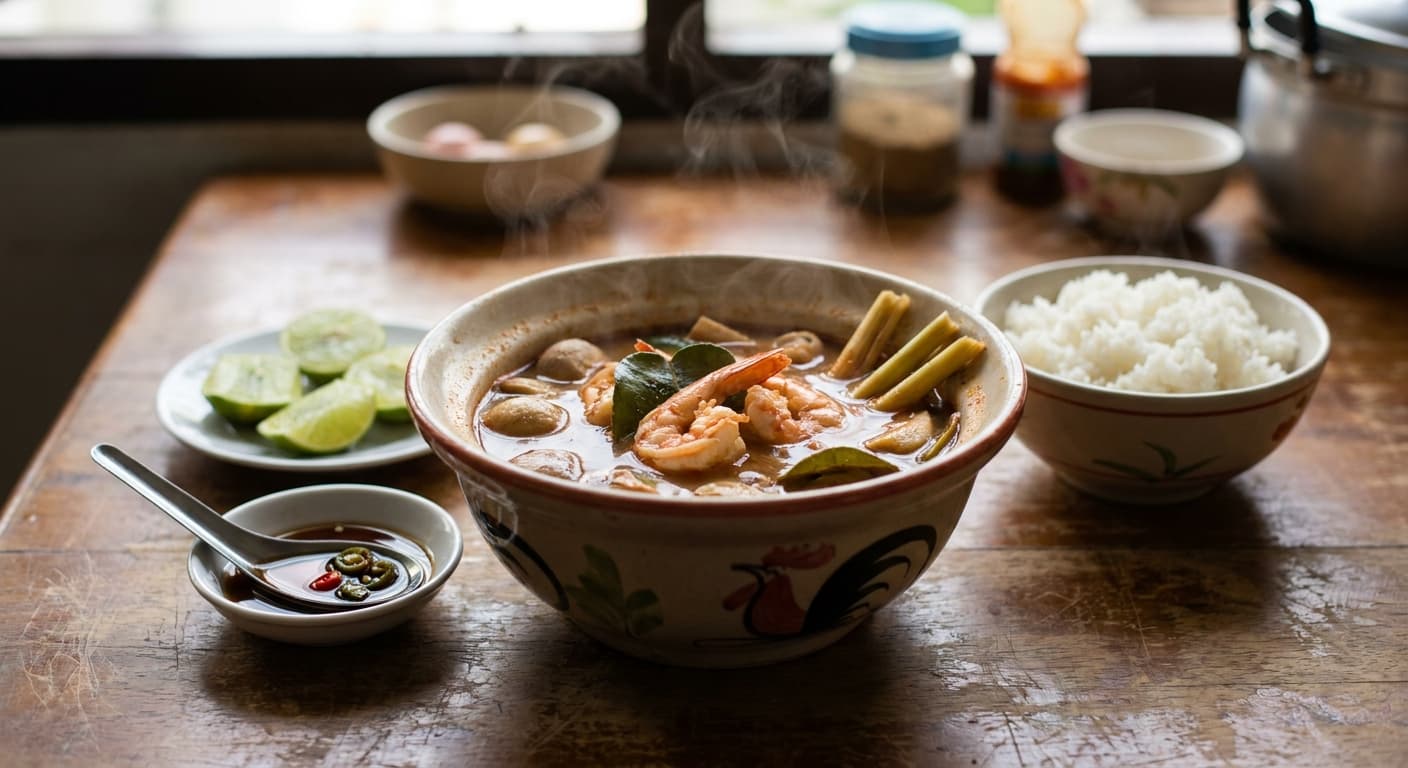
Tom Yum Goong (ต้มยำกุ้ง) — Hot-and-Sour Thai Shrimp Soup
Thai · Soups · 45 min
Reviews
Cooked this recipe?
Tap the stars to rate it — that's all it takes. A few words are welcome but optional.
No ratings yet. Cooked this one? Be the first to rate it — it takes one tap.