Pancit Bihon (Pancit Bihon) — Filipino Rice Noodles with Chicken and Shrimp
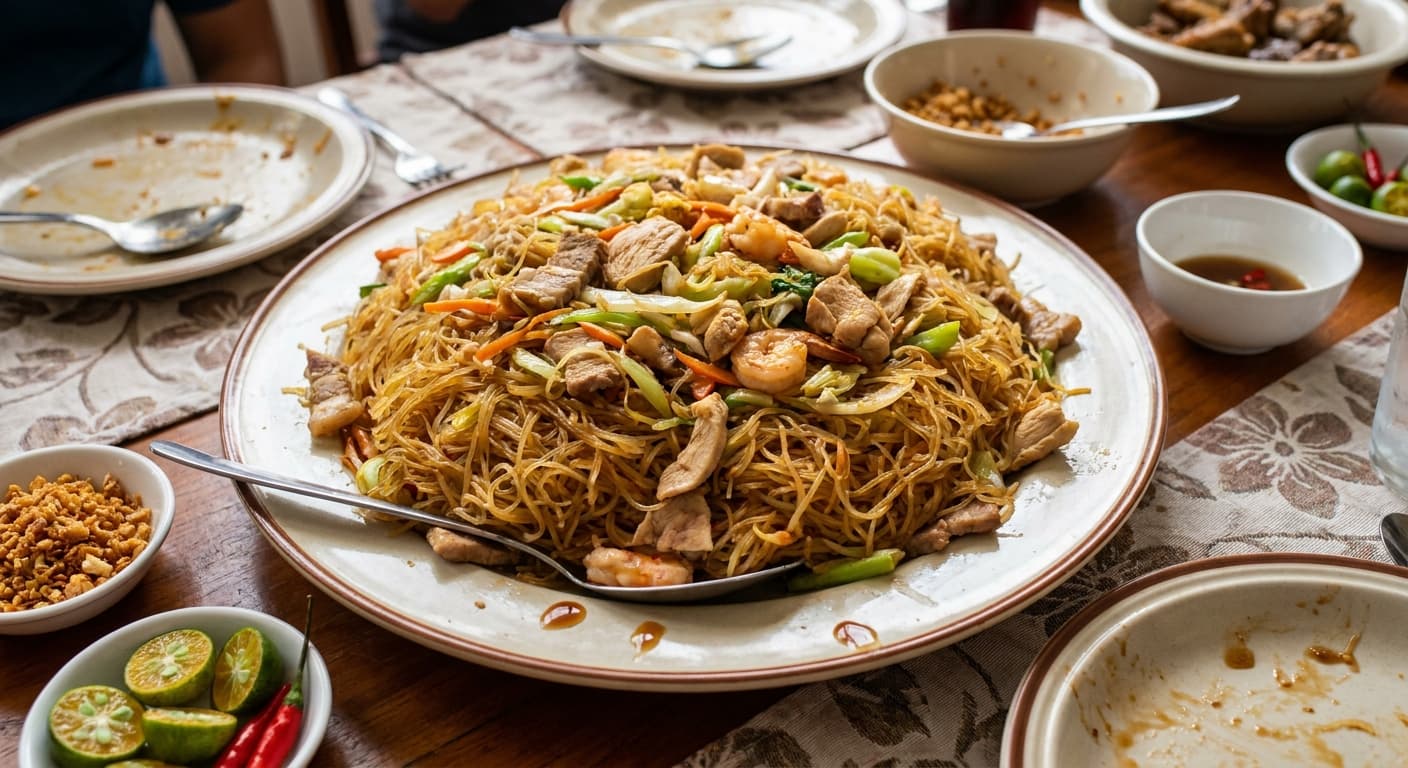
Pancit Bihon is a Filipino stir-fried rice noodle dish shaped by Chinese-Filipino cooking and served at birthdays, fiestas, and family meals. Thin noodles are tossed with chicken, shrimp, vegetables, soy sauce, and citrus.
Printable Recipe Card
Servings: 6 · Total: 50 min · Difficulty: medium
Ingredients (quick list)
- 340 g bihon rice vermicelli
- 720 ml warm chicken stock
- 60 ml Filipino soy sauce
- 1 tbsp fish sauce
- 0.75 tsp ground black pepper
- 3 tbsp neutral cooking oil
- 450 g boneless skinless chicken thighs (sliced into thin bite-size strips)
- 225 g raw shrimp (peeled and deveined)
- 1 yellow onion (thinly sliced)
- 5 clove garlic (minced)
- 2 carrots (cut into thin matchsticks)
- 120 g green beans (trimmed and sliced on the bias)
+ 4 more in the full ingredients section below.
Steps (summary)
- Place the bihon rice vermicelli in a wide bowl and cover it with room-temperature water for 8 minutes, just until pliable but n…
- Stir together the warm chicken stock, Filipino soy sauce, fish sauce, and black pepper in a measuring jug. Keep this mixture ne…
- Heat 1 tablespoon of the oil in a large wok or deep skillet over medium-high heat. Add the chicken strips and cook for 4 to 5 m…
- Add the shrimp to the same pan and cook for 1 to 2 minutes, only until they turn pink and curl lightly. Transfer the chicken an…
- Add the remaining 2 tablespoons of oil to the wok, then add the onion and cook for 2 minutes until slightly softened. Stir in t…
- Add the carrots, green beans, cabbage, and celery, then stir-fry for 3 to 4 minutes until the vegetables brighten and soften sl…
+ 4 more steps in the full instructions section below.
Cultural Background
Pancit dishes reflect centuries of Chinese-Filipino influence and are closely tied to gatherings where noodles symbolize long life. Bihon is among the most familiar versions, common at birthdays, fiestas, and home celebrations.
Equipment
💡 Tips
- Do not soak bihon in hot water, because it can turn mushy before the stir-fry begins.
- Use a wide wok or the largest skillet you own so the noodles can absorb sauce without steaming into a sticky mass.
- Keep the vegetables slightly crisp, as pancit bihon is best when the noodles are tender but the cabbage and carrots still have texture.
⚠️ Common Mistakes
❌ Soaking the bihon until fully soft before cooking.
✅ Fix: Soak only until pliable, then let the noodles finish cooking by absorbing the seasoned stock in the wok.
❌ Adding all ingredients at once.
✅ Fix: Cook the proteins first, stir-fry the vegetables separately, and return everything after the noodles have begun absorbing the sauce.
❌ Letting the noodles sit unstirred in the pan.
✅ Fix: Lift and turn the noodles continuously with tongs so the sauce distributes evenly and the bottom does not scorch.
🧊 How to Store
Refrigerate leftovers in an airtight container for up to 3 days. Reheat in a covered skillet with 30 ml water per serving, tossing gently until hot; microwaving works but can make the noodles softer.
📅 Make Ahead
Slice the vegetables, mix the sauce, and cut the chicken up to 1 day ahead. Soak the bihon only shortly before cooking so the noodles keep their springy texture.
🍽️ Pairs Well With
- Calamansi halves
- lumpiang shanghai
- chicken adobo
- cucumber-tomato salad
- banana ketchup.
Regional Variations
- Pancit Bihon Guisado often includes pork slices or Chinese sausage in addition to chicken and shrimp.
- Some home cooks mix bihon with canton wheat noodles for a heartier pancit bihon-canton.
- In coastal households, extra shrimp, squid, or fish balls may be added for a seafood-forward version.
Ingredients
- 340 gbihon rice vermicelli
- 720 mlwarm chicken stock
- 60 mlFilipino soy sauce
- 1 tbspfish sauce
- 0.75 tspground black pepper
- 3 tbspneutral cooking oil
- 450 gboneless skinless chicken thighs (sliced into thin bite-size strips)
- 225 graw shrimp (peeled and deveined)
- 1yellow onion (thinly sliced)
- 5 clovegarlic (minced)
- 2carrots (cut into thin matchsticks)
- 120 ggreen beans (trimmed and sliced on the bias)
- 300 ggreen cabbage (thinly shredded)
- 2celery stalks (thinly sliced)
- 4scallions (sliced)
- 6calamansi (halved; use lemon wedges if unavailable)
🔄 Substitutions
- calamansi→ lemon wedges
- chicken thighs→ chicken breast
- Filipino soy sauce→ light soy sauce
Instructions
- 1
Place the bihon rice vermicelli in a wide bowl and cover it with room-temperature water for 8 minutes, just until pliable but not soft. Drain thoroughly in a colander and cut the noodle mass once or twice with kitchen scissors so it will toss evenly in the wok.
- 2
Stir together the warm chicken stock, Filipino soy sauce, fish sauce, and black pepper in a measuring jug. Keep this mixture near the stove because the noodles absorb liquid quickly once they enter the pan.
- 3
Heat 1 tablespoon of the oil in a large wok or deep skillet over medium-high heat. Add the chicken strips and cook for 4 to 5 minutes, stirring often, until the pieces are opaque and lightly browned at the edges.
- 4
Add the shrimp to the same pan and cook for 1 to 2 minutes, only until they turn pink and curl lightly. Transfer the chicken and shrimp to a plate, leaving the flavorful oil and browned bits in the wok.
- 5
Add the remaining 2 tablespoons of oil to the wok, then add the onion and cook for 2 minutes until slightly softened. Stir in the garlic and cook for 30 seconds, watching carefully so it becomes fragrant without browning harshly.
- 6
Add the carrots, green beans, cabbage, and celery, then stir-fry for 3 to 4 minutes until the vegetables brighten and soften slightly. They should remain crisp-tender because they will continue cooking after the noodles are added.
- 7
Pour in the prepared stock mixture and bring it to a strong simmer. Add the drained bihon noodles, lifting and turning them with tongs so they absorb the seasoned liquid evenly without clumping.
- 8
Return the chicken and shrimp to the wok and continue tossing for 4 to 6 minutes, until the noodles are tender and most of the liquid has been absorbed. If the pan looks dry before the noodles are cooked, add 60 ml of hot water and keep tossing.
- 9
Fold in half of the scallions and cook for 30 seconds so their flavor softens into the noodles. Transfer the pancit bihon to a large serving platter and garnish with the remaining scallions and halved calamansi.
- 10
Serve immediately while the noodles are glossy, springy, and hot. Squeeze 1 calamansi half over each serving at the table to add the bright citrus finish that balances the soy-savored noodles.
🪪 Recipe Passport
Cultural Background
Pancit dishes reflect centuries of Chinese-Filipino influence and are closely tied to gatherings where noodles symbolize long life. Bihon is among the most familiar versions, common at birthdays, fiestas, and home celebrations.
Regional Variations
Researched from multiple sources and validated by the Zaffaron editorial team. Every recipe is tested for accuracy, measurements, and cultural authenticity.
📚 Sources & Cultural References
- Reynaldo G. Alejandro — The Philippine Cookbook — (1985)
- Amy Besa and Romy Dorotan — Memories of Philippine Kitchens — (2006)
Sources cited by the Zaffaron editorial team during recipe research. Cultural and culinary references supporting authenticity claims.
Nutrition per serving
Pairs well with
If you enjoyed this recipe, here are a few related Zaffaron recipes to try next.
Does your family make this differently?
Every family has their own version. Maybe your grandmother adds a secret ingredient, or your aunt has a completely different technique. Preserve your family's version — with their name on it, forever.
You Might Also Like
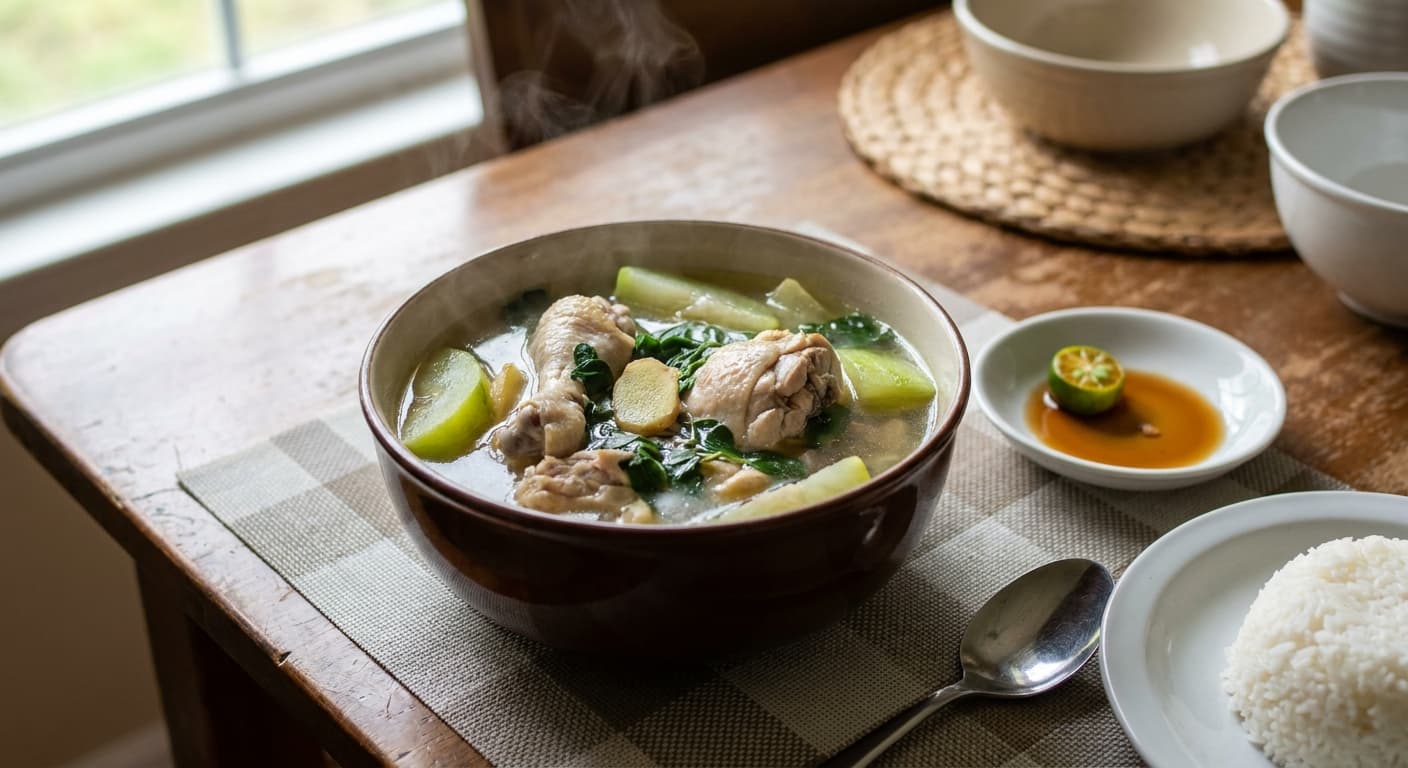
Tinolang Manok (Tinolang Manok) — Filipino Ginger Chicken Soup
Filipino · Soups · 65 min
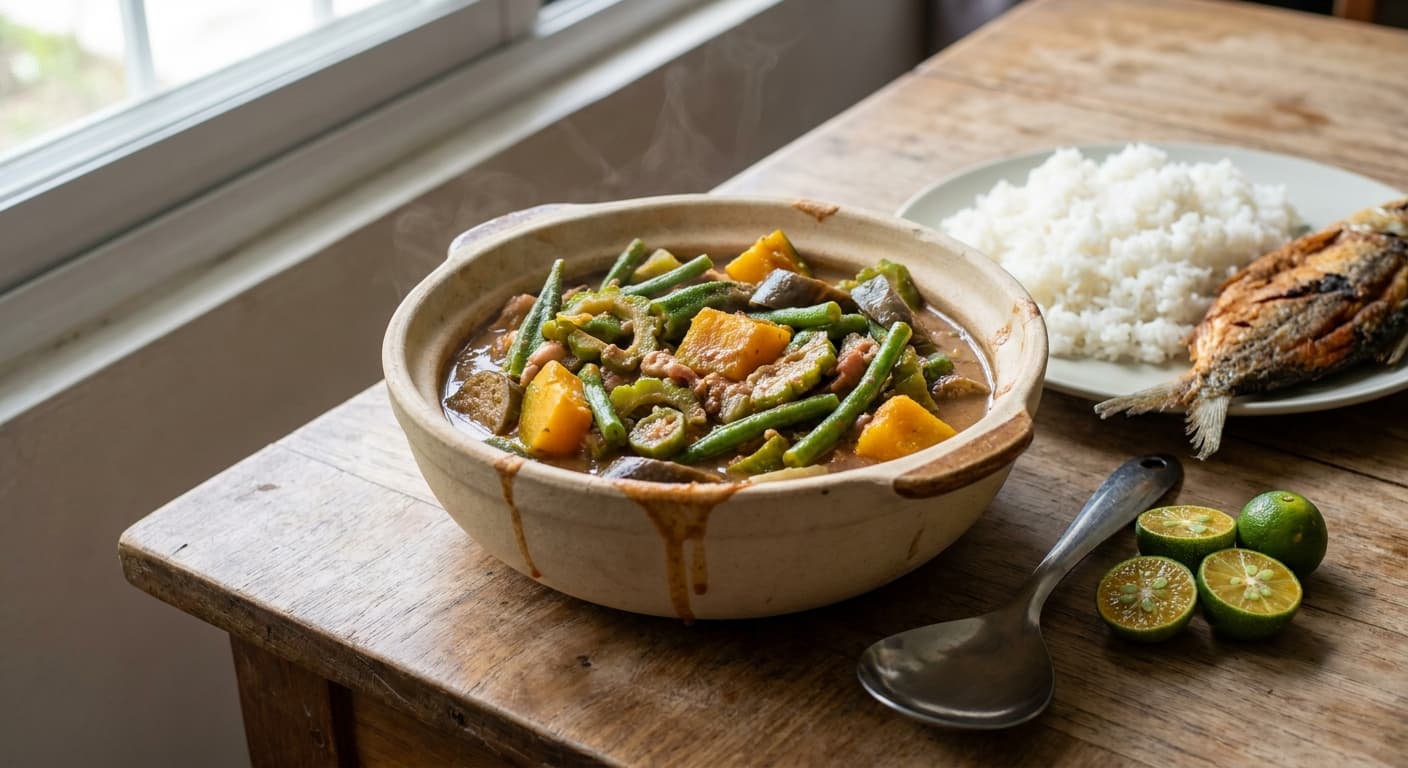
Pinakbet (Pinakbet) — Ilocano Vegetable Stew with Bagoong
Filipino · Stews · 60 min
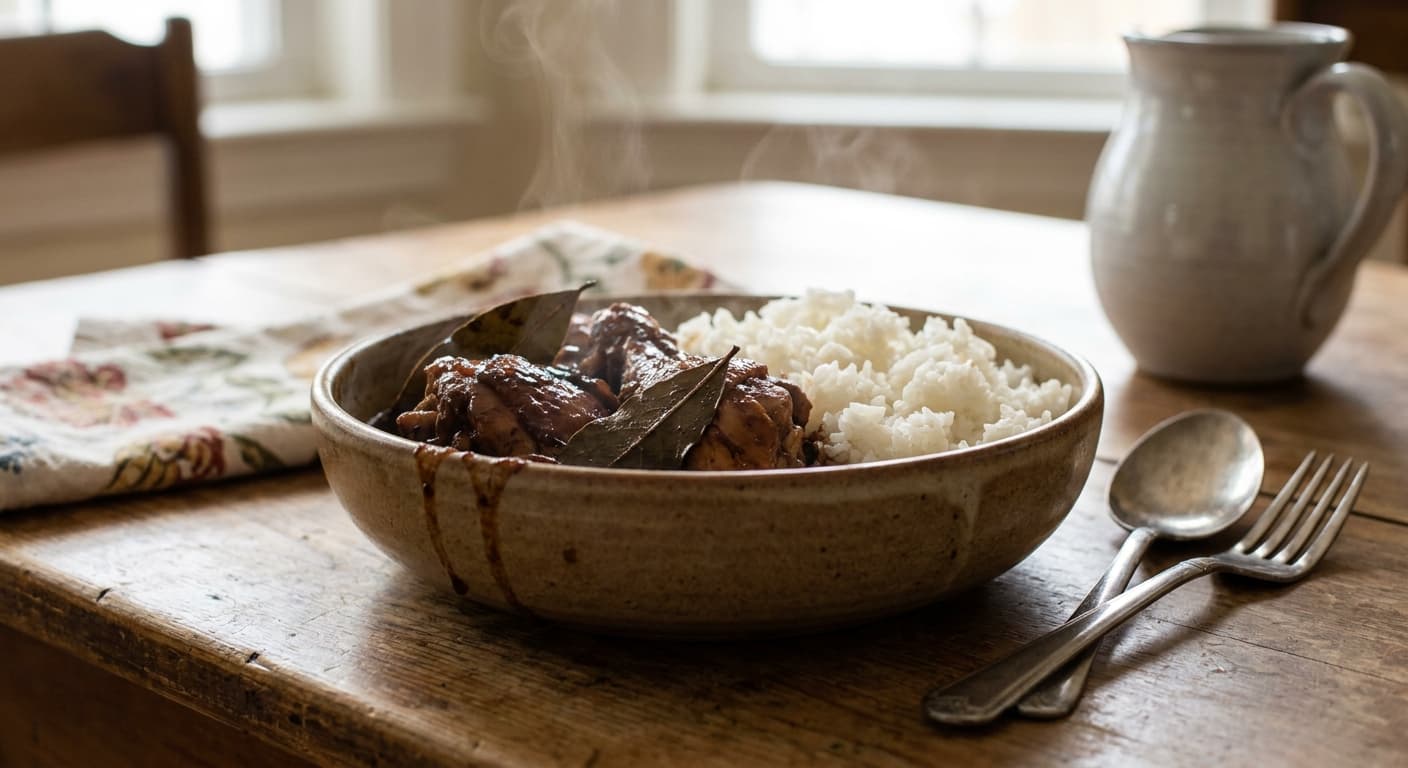
Filipino Chicken Adobo (Adobong Manok) — Vinegar-Soy Braised Chicken
Filipino · Main Courses · 70 min
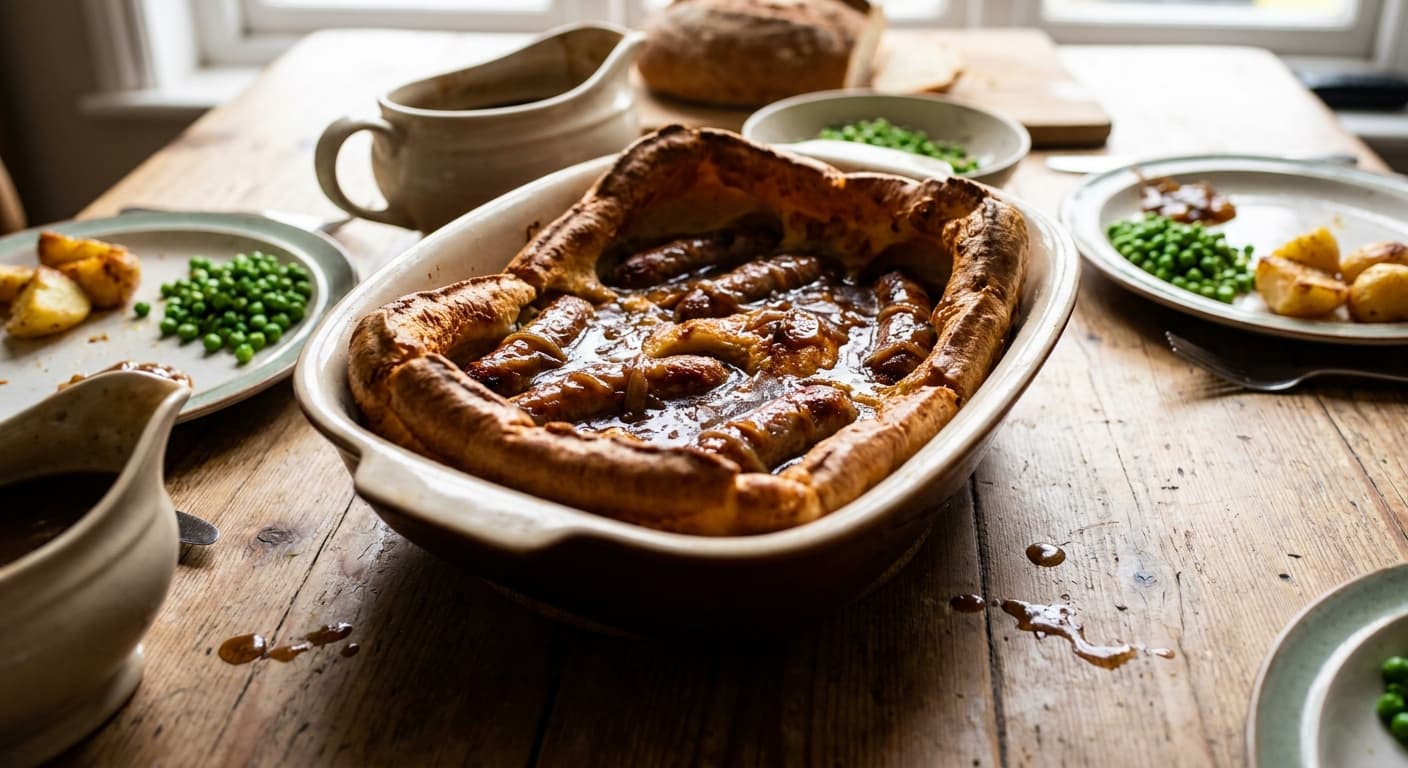
Toad in the Hole (Toad in the Hole) — Sausages Baked in Yorkshire Pudding Batter
British · Main Courses · 65 min
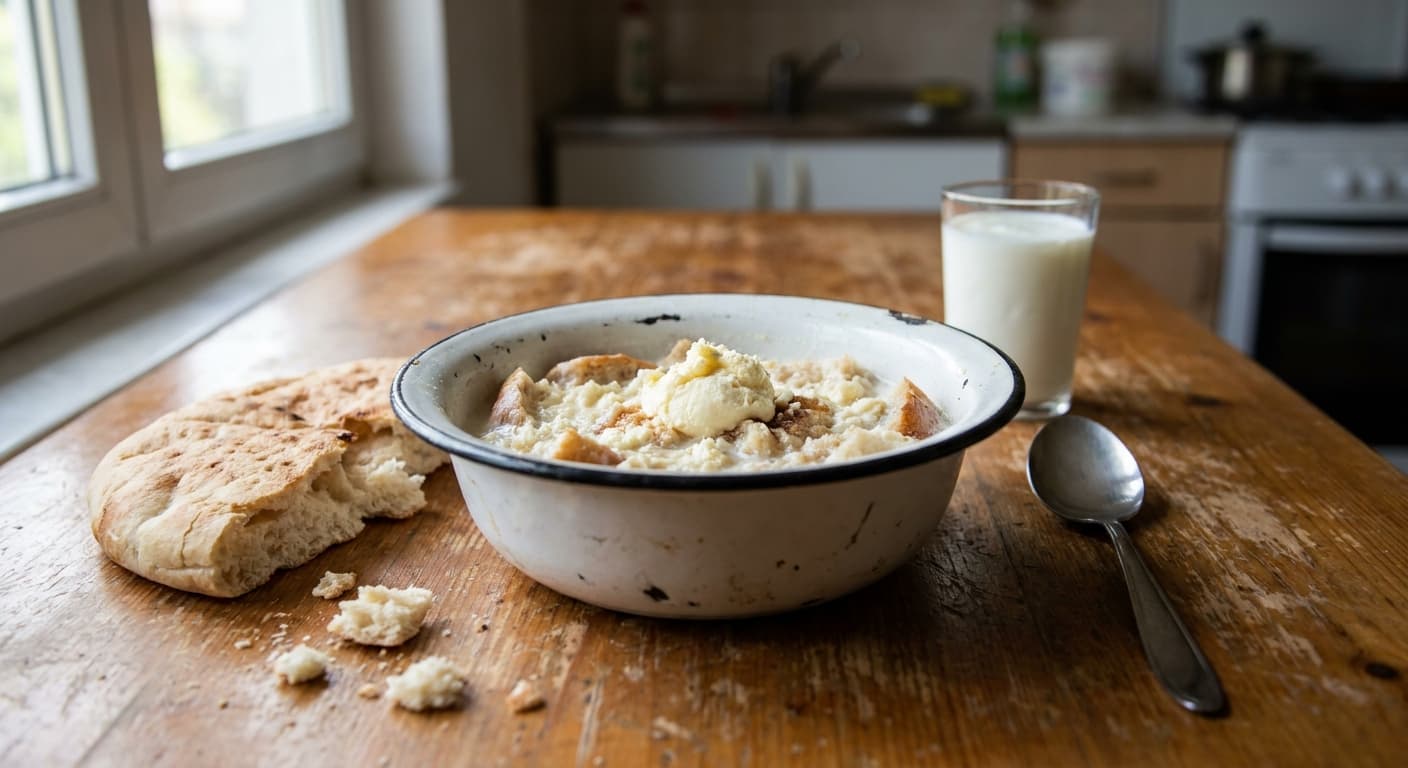
Bosnian Popara (Попара) — Bread Porridge with Kaymak
Bosnian · Main Courses · 22 min
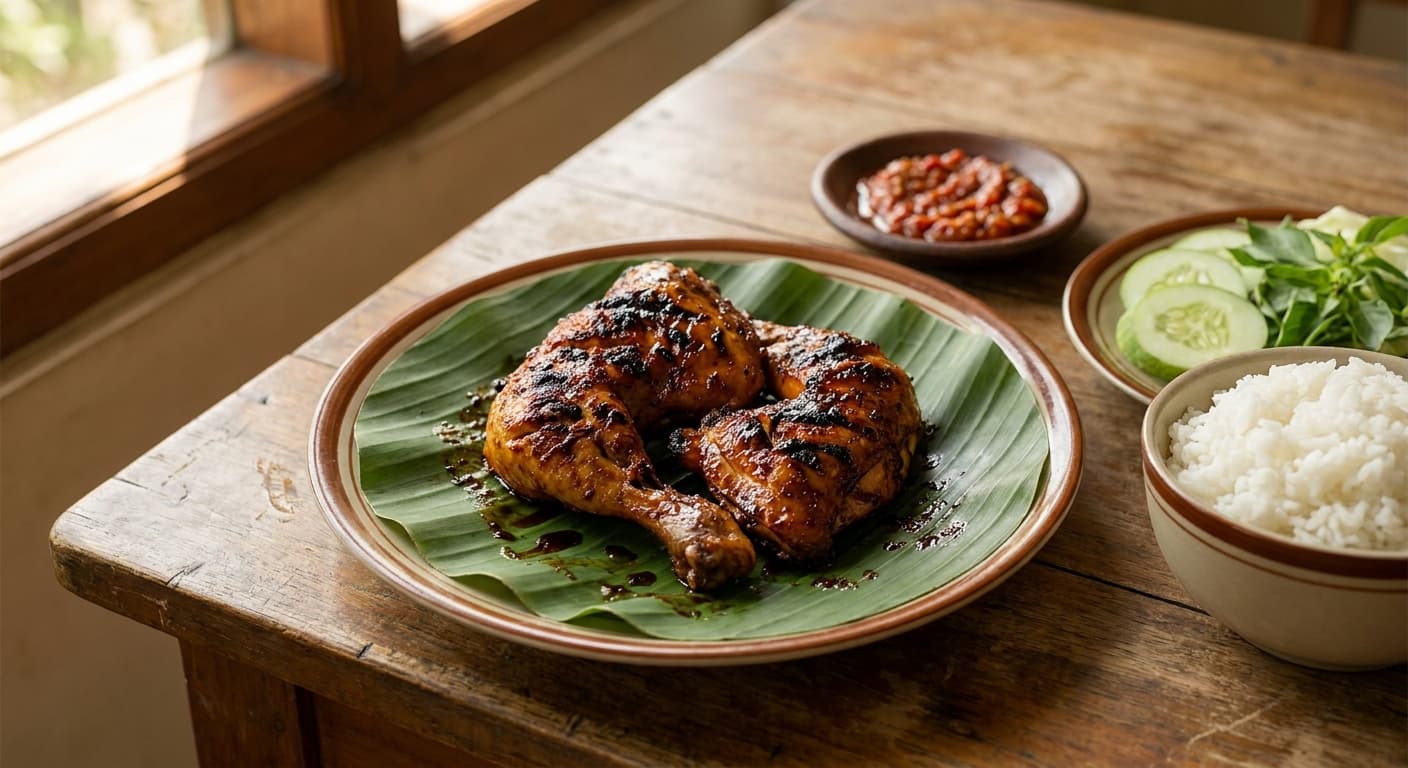
Indonesian Grilled Chicken (Ayam Bakar) — Sweet Soy-Spiced Charred Chicken
Indonesian · Main Courses · 85 min
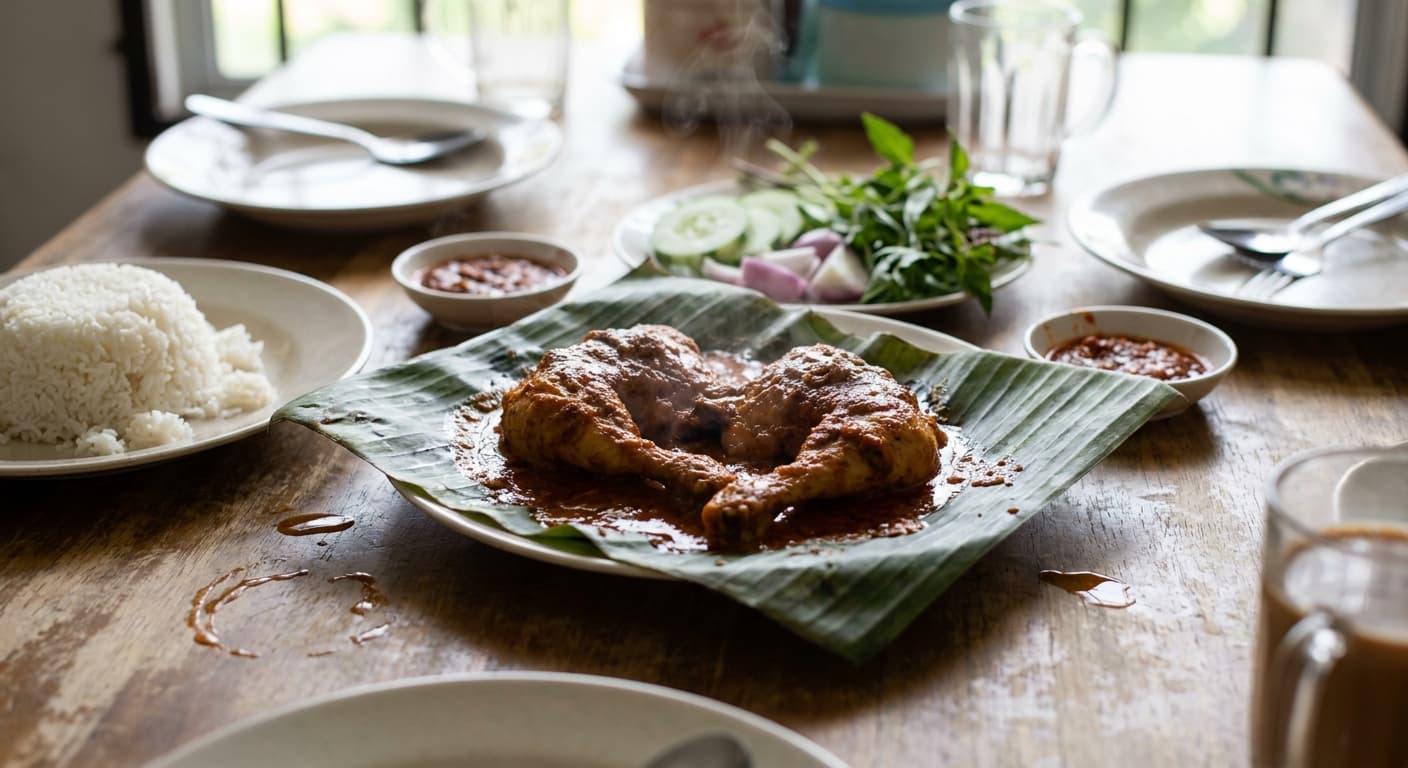
Ayam Percik (Ayam Percik) — Malaysian Coconut-Glazed Grilled Chicken
Malaysian · Main Courses · 80 min

Halo-Halo (Halo-Halo) — Filipino Shaved Ice Dessert
Filipino · Desserts · 40 min
Reviews
Cooked this recipe?
Tap the stars to rate it — that's all it takes. A few words are welcome but optional.
No ratings yet. Cooked this one? Be the first to rate it — it takes one tap.