Tinolang Manok (Tinolang Manok) — Filipino Ginger Chicken Soup
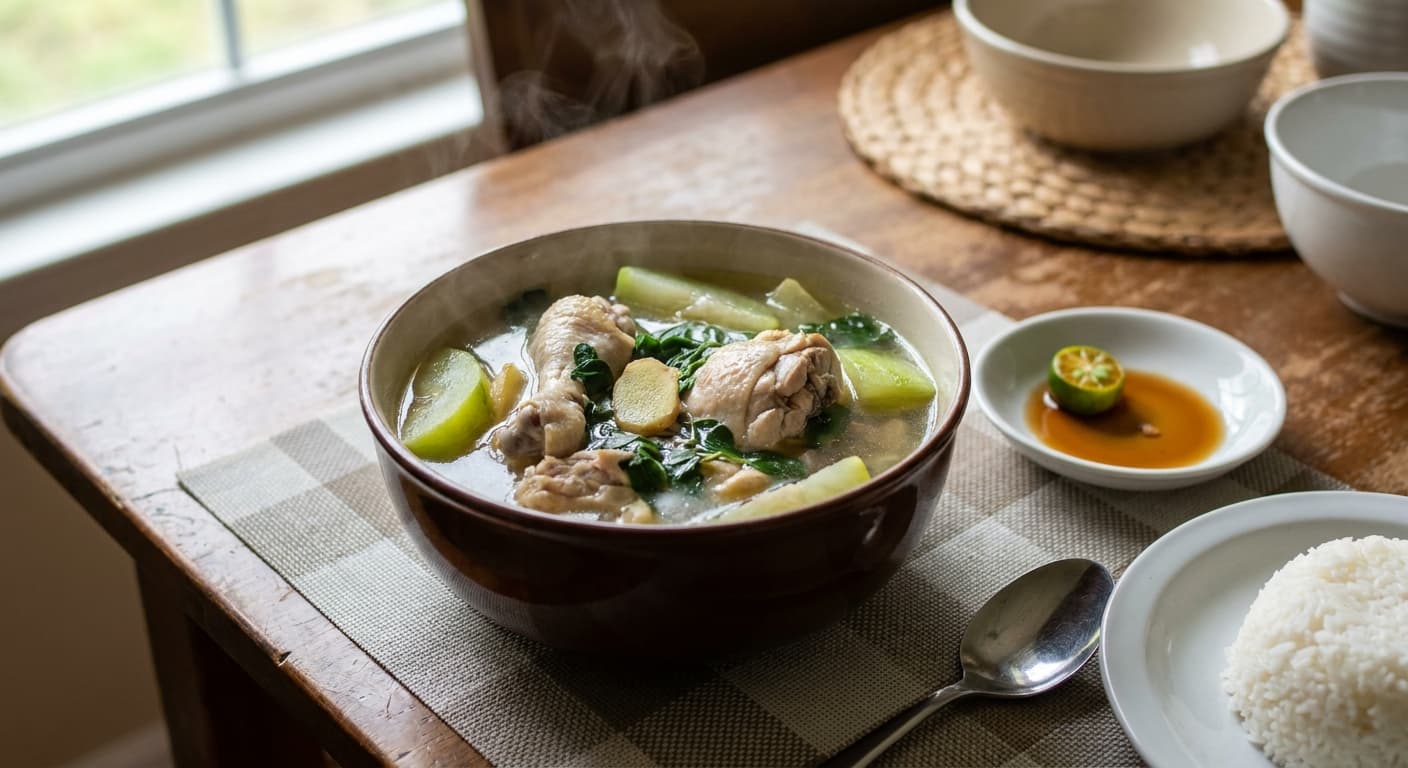
Tinolang Manok is a Filipino home-style chicken soup scented with ginger, garlic, onion, and patis. Unlike sour sinigang, it is gentle and brothy, with green papaya and malunggay leaves for a clean, nourishing finish.
Printable Recipe Card
Servings: 6 · Total: 65 min · Difficulty: easy
Ingredients (quick list)
- 6 bone-in skin-on chicken thighs (about 1.2 kg total, excess fat trimmed)
- 2 tbsp neutral cooking oil
- 1 large yellow onion (thinly sliced)
- 5 clove garlic (smashed and minced)
- 2 inch fresh ginger (peeled and cut into fine matchsticks, about 30 g)
- 3 tbsp patis Filipino fish sauce (choose a gluten-free brand if needed)
- 1.6 l rice washing water (second rice rinse, or substitute plain water)
- 0.5 tsp ground black pepper
- 450 g green papaya (peeled, seeded, and cut into 2.5 cm wedges)
- 2 siling haba green chiles (left whole for aroma and mild heat)
- 60 g malunggay leaves (stems removed)
- 4 calamansi (halved for squeezing at the table)
Steps (summary)
- Pat the chicken thighs dry with paper towels and trim any large hanging pieces of fat. Drying the surface helps the chicken sau…
- Warm the neutral oil in a heavy pot over medium heat for 2 minutes. Add the sliced onion and cook for 4 minutes, stirring often…
- Add the garlic and ginger matchsticks to the pot and cook for 2 minutes. Stir constantly so the garlic does not scorch, because…
- Add the chicken thighs skin side down and cook for 5 minutes, turning once halfway through. Pour in the patis and continue cook…
- Pour in the rice washing water and scrape the bottom of the pot to release any browned bits. Bring the liquid to a boil, skim o…
- Add the black pepper, green papaya wedges, and whole siling haba chiles. Simmer for 12 minutes, or until the papaya is tender w…
+ 2 more steps in the full instructions section below.
Cultural Background
Tinolang Manok is everyday Filipino comfort food, valued for its restorative ginger broth and simple home ingredients. Nicole Ponseca’s work highlights this kind of family cooking as central to Filipino identity and hospitality.
Equipment
💡 Tips
- Use bone-in chicken because the bones enrich the broth during the short simmer.
- Second rice washing water gives the soup a traditional, lightly rounded body without making it heavy.
- Add malunggay at the end only; long boiling dulls its color and makes the leaves taste grassy.
⚠️ Common Mistakes
❌ Boiling the soup hard after adding the chicken
✅ Fix: Keep the broth at a gentle simmer so the chicken stays tender and the soup remains clear.
❌ Adding malunggay too early
✅ Fix: Stir the leaves in during the final minute so they stay green and fresh-tasting.
❌ Using ripe papaya
✅ Fix: Choose firm green papaya; ripe papaya becomes sweet and mushy in the broth.
🧊 How to Store
Cool leftovers within 2 hours, then refrigerate in an airtight container for up to 3 days. Reheat gently in a covered saucepan over medium-low heat until the broth simmers and the chicken is hot throughout.
📅 Make Ahead
Slice the onion, garlic, ginger, and green papaya up to 1 day ahead and refrigerate them separately. Add the malunggay only when reheating or finishing the soup.
🍽️ Pairs Well With
- Steamed jasmine rice
- patis with calamansi dipping sauce
- sliced fresh tomatoes
- simple cucumber salad.
Regional Variations
- Many households use chayote instead of green papaya, especially where papaya is less available.
- Some cooks use chili leaves instead of malunggay for a more peppery herbal note.
- A few home versions start with rice washing water for body, while others use plain water for a clearer broth.
Ingredients
- 6bone-in skin-on chicken thighs (about 1.2 kg total, excess fat trimmed)
- 2 tbspneutral cooking oil
- 1large yellow onion (thinly sliced)
- 5 clovegarlic (smashed and minced)
- 2 inchfresh ginger (peeled and cut into fine matchsticks, about 30 g)
- 3 tbsppatis Filipino fish sauce (choose a gluten-free brand if needed)
- 1.6 lrice washing water (second rice rinse, or substitute plain water)
- 0.5 tspground black pepper
- 450 ggreen papaya (peeled, seeded, and cut into 2.5 cm wedges)
- 2siling haba green chiles (left whole for aroma and mild heat)
- 60 gmalunggay leaves (stems removed)
- 4calamansi (halved for squeezing at the table)
🔄 Substitutions
- green papaya→ chayote
- malunggay leaves→ fresh spinach
- siling haba green chiles→ 1 small mild green chile
Instructions
- 1
Pat the chicken thighs dry with paper towels and trim any large hanging pieces of fat. Drying the surface helps the chicken sauté rather than steam, which gives the broth a deeper savory base.
- 2
Warm the neutral oil in a heavy pot over medium heat for 2 minutes. Add the sliced onion and cook for 4 minutes, stirring often, until softened but not browned.
- 3
Add the garlic and ginger matchsticks to the pot and cook for 2 minutes. Stir constantly so the garlic does not scorch, because burnt garlic can make Tinolang Manok taste bitter.
- 4
Add the chicken thighs skin side down and cook for 5 minutes, turning once halfway through. Pour in the patis and continue cooking for 2 minutes so the fish sauce seasons the meat and loses its raw edge.
- 5
Pour in the rice washing water and scrape the bottom of the pot to release any browned bits. Bring the liquid to a boil, skim off the foam for 3 minutes, then reduce the heat to low and simmer partially covered for 25 minutes.
- 6
Add the black pepper, green papaya wedges, and whole siling haba chiles. Simmer for 12 minutes, or until the papaya is tender when pierced with a knife and the chicken reaches 74°C at the thickest part.
- 7
Stir in the malunggay leaves and cook for 1 minute only. Turn off the heat immediately so the leaves stay green and the broth keeps its fresh, ginger-forward aroma.
- 8
Ladle the Tinolang Manok into deep bowls with one chicken piece, papaya, greens, and plenty of broth in each serving. Serve hot with steamed rice and calamansi halves, allowing diners to add a measured squeeze of citrus at the table.
🪪 Recipe Passport
Cultural Background
Tinolang Manok is everyday Filipino comfort food, valued for its restorative ginger broth and simple home ingredients. Nicole Ponseca’s work highlights this kind of family cooking as central to Filipino identity and hospitality.
Regional Variations
Researched from multiple sources and validated by the Zaffaron editorial team. Every recipe is tested for accuracy, measurements, and cultural authenticity.
📚 Sources & Cultural References
- Nicole Ponseca and Miguel Trinidad — I Am a Filipino: And This Is How We Cook — (2018)
- Amy Besa and Romy Dorotan — Memories of Philippine Kitchens — (2006)
Sources cited by the Zaffaron editorial team during recipe research. Cultural and culinary references supporting authenticity claims.
Nutrition per serving
Pairs well with
If you enjoyed this recipe, here are a few related Zaffaron recipes to try next.
Does your family make this differently?
Every family has their own version. Maybe your grandmother adds a secret ingredient, or your aunt has a completely different technique. Preserve your family's version — with their name on it, forever.
You Might Also Like
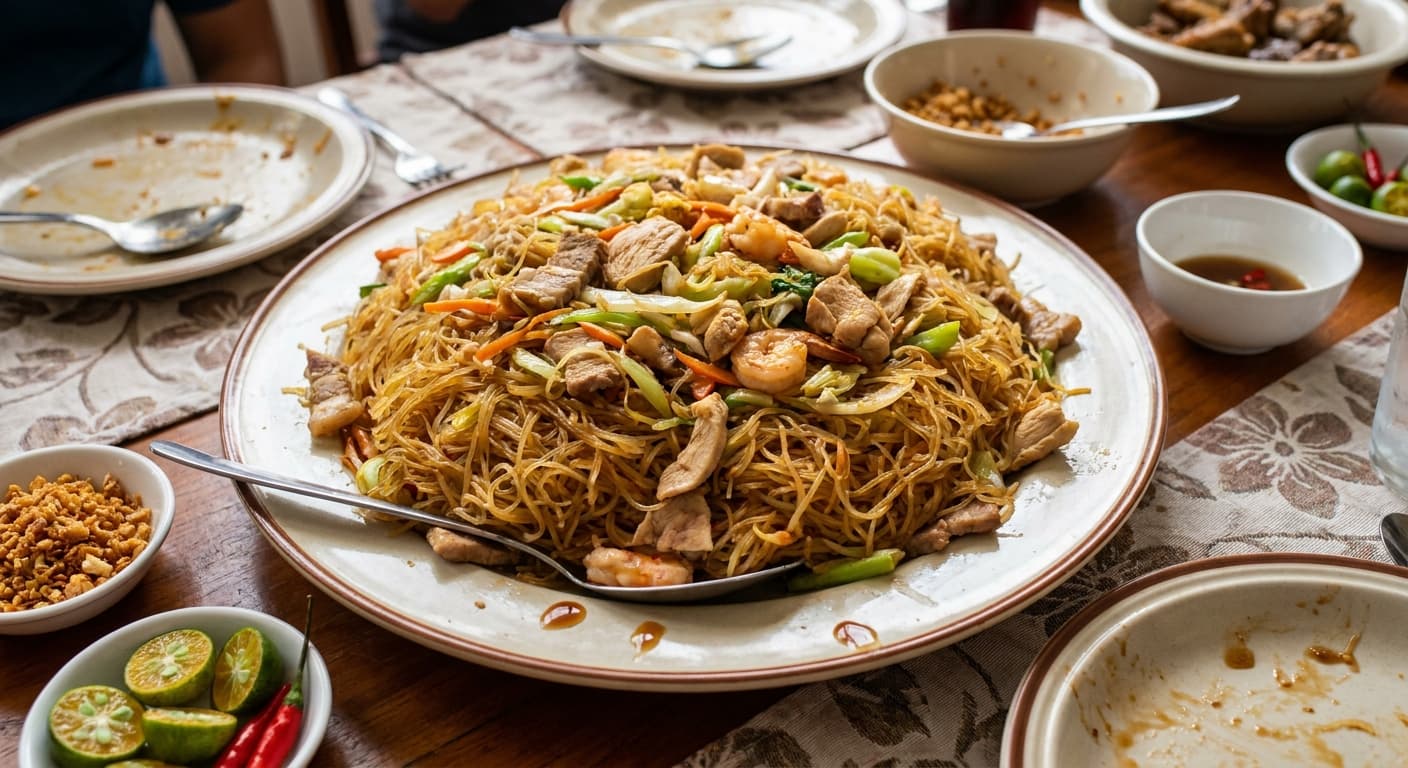
Pancit Bihon (Pancit Bihon) — Filipino Rice Noodles with Chicken and Shrimp
Filipino · Main Courses · 50 min

Halo-Halo (Halo-Halo) — Filipino Shaved Ice Dessert
Filipino · Desserts · 40 min
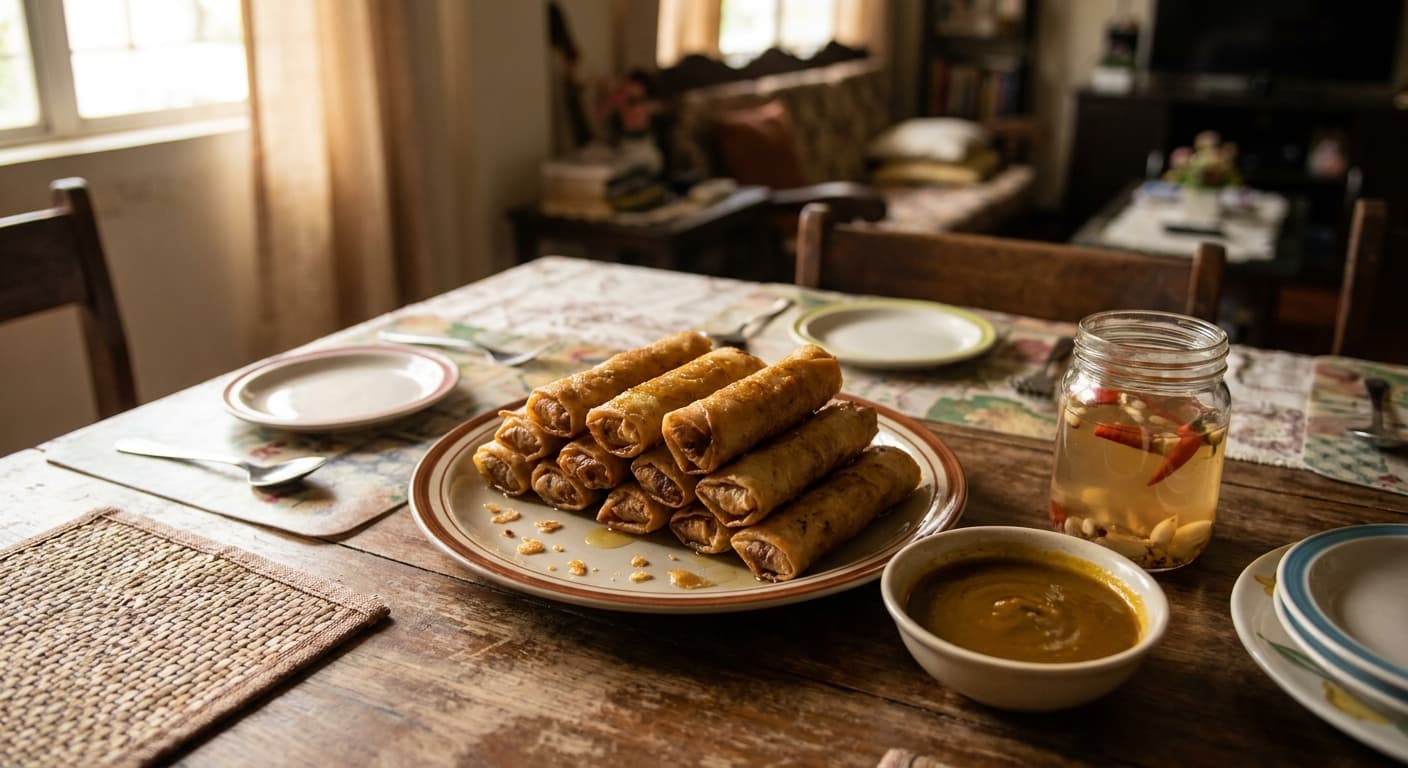
Lumpia Shanghai (Lumpiang Shanghai) — Crispy Filipino Pork Spring Rolls
Filipino · Appetizers · 65 min
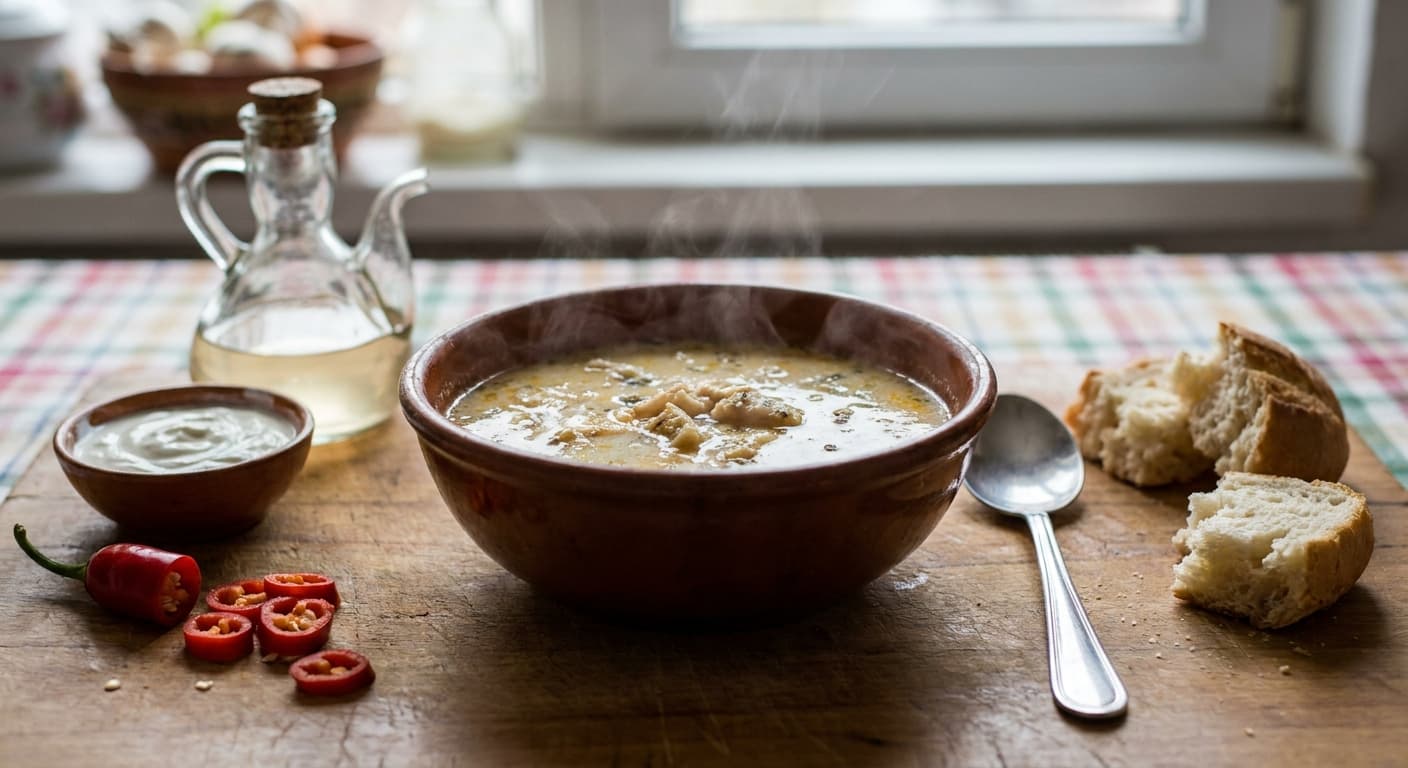
Romanian Tripe Soup (Ciorbă de burtă) — Creamy Sour Beef Tripe Soup
Romanian · Soups · 270 min
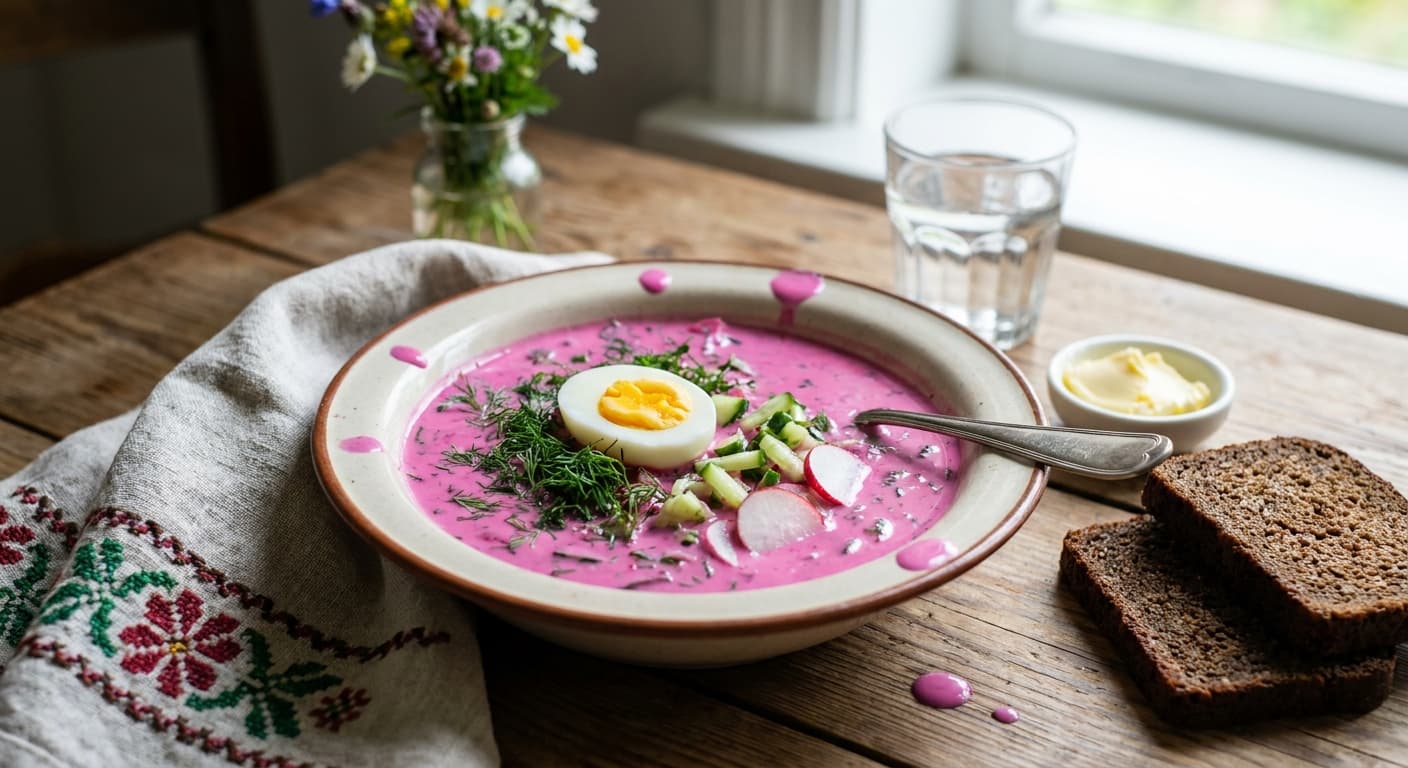
Cold Beet Soup (Aukstā zupa) — Latvian Kefir Beet Summer Soup
Latvian · Soups · 45 min
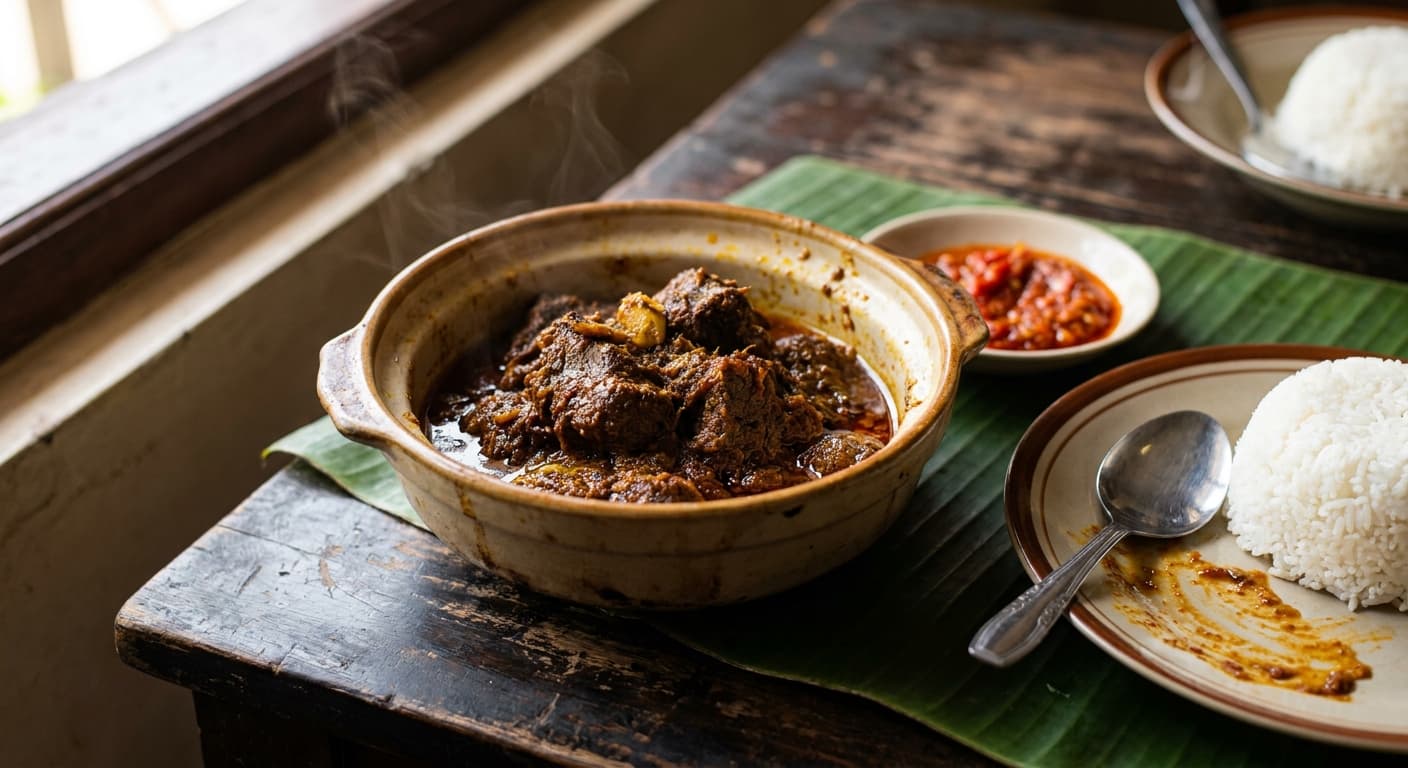
Beef Rendang (Rendang Daging) — Slow-Braised Coconut Beef
Indonesian · Main Courses · 245 min
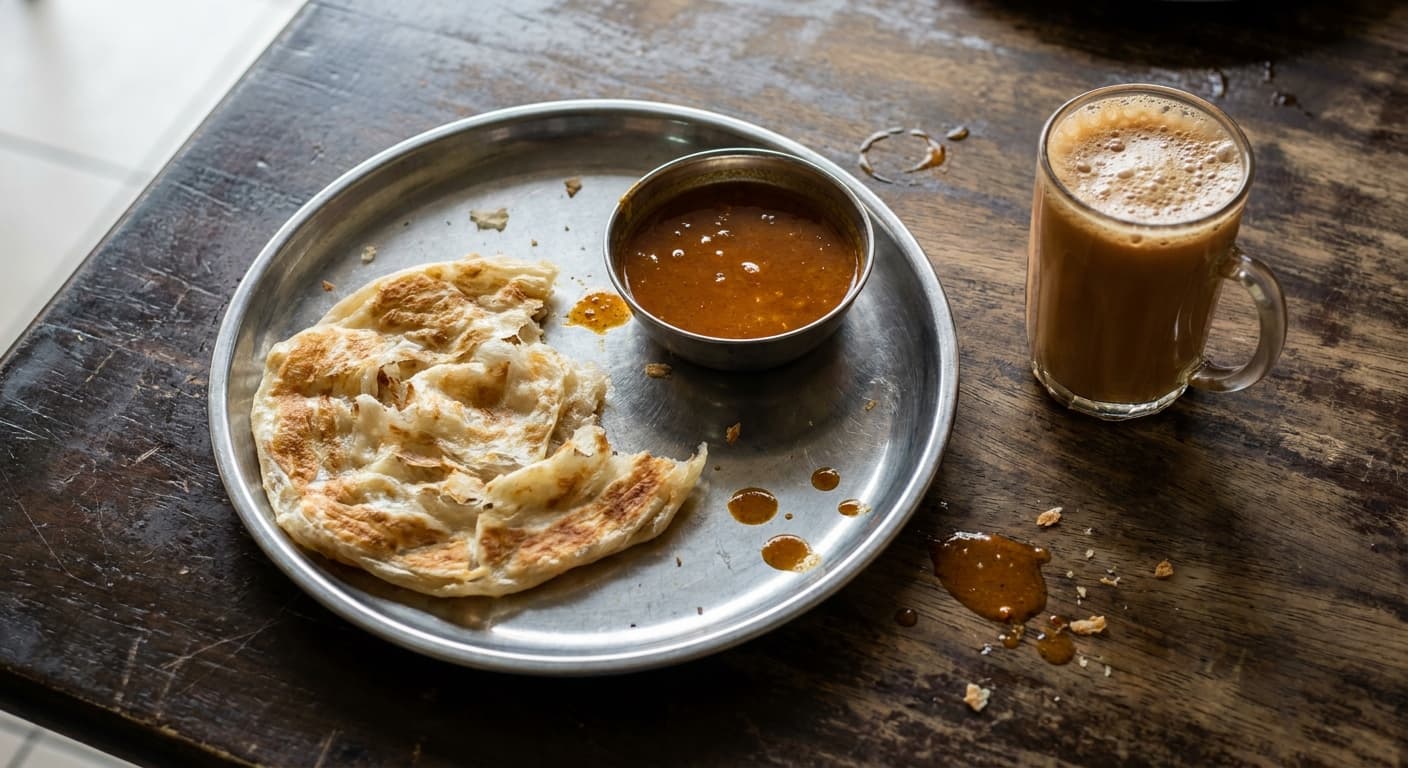
Roti Canai (Roti Canai) — Flaky Malaysian Griddle Flatbread
Malaysian · Breads · 330 min
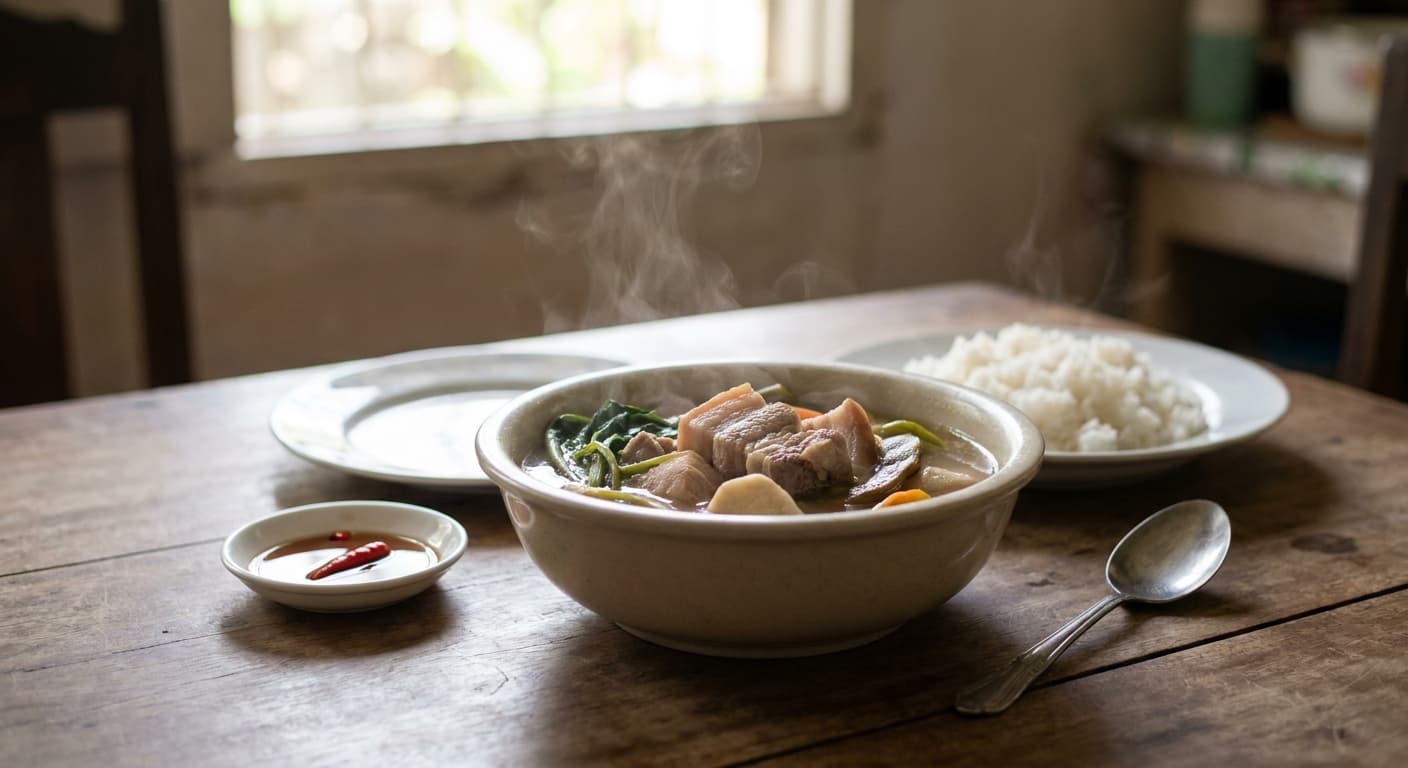
Pork Sinigang (Sinigang na Baboy) — Filipino Tamarind-Sour Pork Soup
Filipino · Soups · 120 min
Reviews
Cooked this recipe?
Tap the stars to rate it — that's all it takes. A few words are welcome but optional.
No ratings yet. Cooked this one? Be the first to rate it — it takes one tap.