Paratha (पराठा) — Flaky Indian Layered Whole Wheat Flatbread
Paratha is a beloved North Indian flatbread known for its crisp, flaky layers and hearty whole-wheat flavor. Traditionally cooked on a tawa with ghee, it’s served for breakfast or dinner alongside yogurt, pickles, and curries.
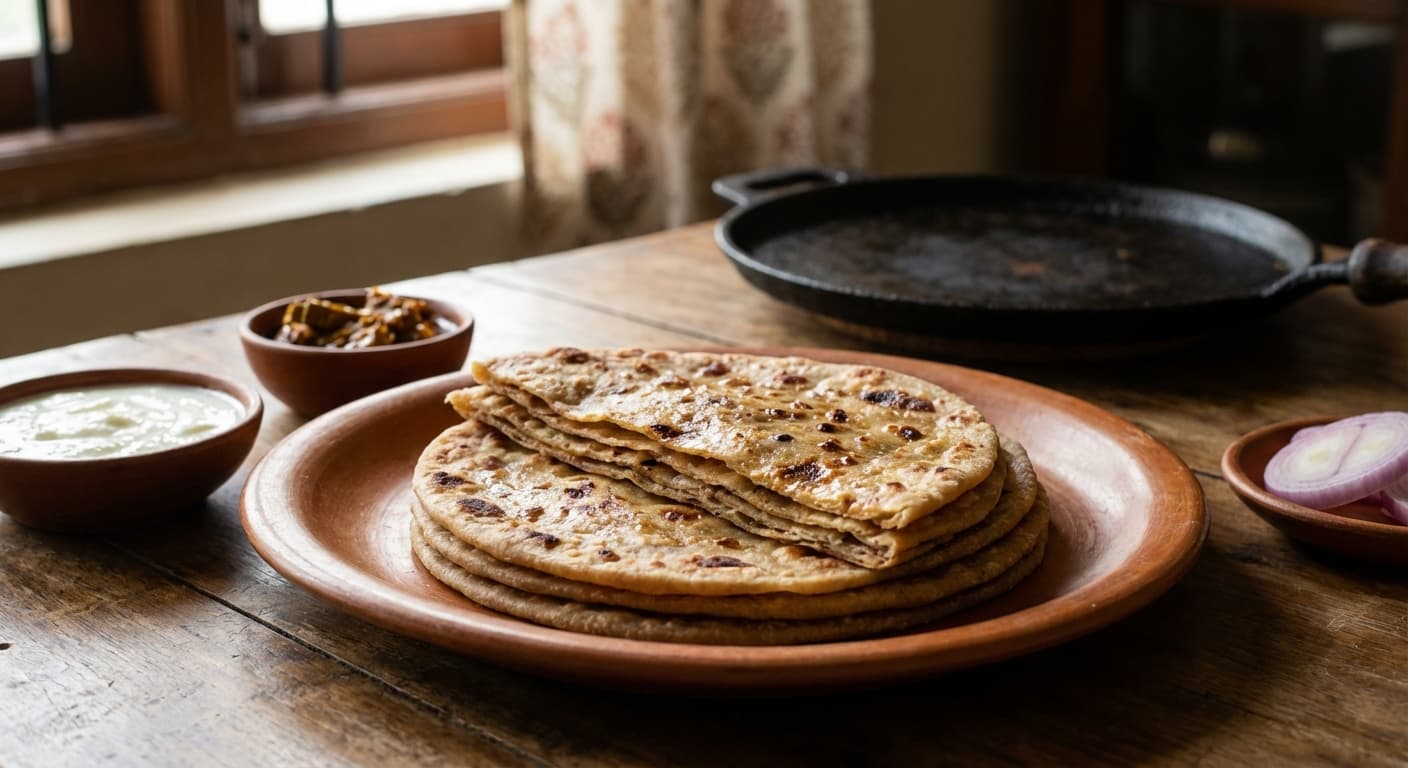
Printable Recipe Card
Servings: 6 · Total: 50 min · Difficulty: medium
Ingredients (quick list)
- 300 g whole wheat flour (atta)
- 6 g fine sea salt (about 1 tsp)
- 15 ml neutral oil (about 1 tbsp)
- 180 ml water (warm, about 3/4 cup)
- 45 g ghee (about 3 tbsp, divided)
Steps (summary)
- Make the dough by mixing the whole wheat flour and salt in a wide bowl until evenly combined. Add the oil, then pour in the war…
- Knead the dough for 6–8 minutes until smooth, elastic, and only slightly tacky. Cover the bowl and rest the dough for 20 minute…
- Divide the rested dough into 6 equal portions (about 83–85 g each) and roll each into a smooth ball. Keep them covered to preve…
- Shape the first paratha by dusting a ball lightly with flour and rolling it into a thin circle about 18–20 cm wide. Brush or sm…
- Create layers by folding the circle into a long strip like a fan (accordion folds) about 2–2.5 cm wide. Coil the strip into a t…
- Roll the coiled dough gently into a round paratha about 16–18 cm wide, dusting with flour only as needed to prevent sticking. K…
+ 3 more steps in the full instructions section below.
Cultural Background
Paratha is a staple across North India and Punjab, valued for its portability and satisfying richness. From home tiffins to roadside dhabas, layered parathas are a symbol of comfort food and everyday hospitality.
Equipment
💡 Tips
- Resting the dough for 20 minutes improves extensibility and reduces cracking when rolling.
- Keep the pan at medium-high; if it’s too cool the paratha dries out, and if too hot it browns before cooking through.
- Use measured flour for layering (about 5 g per paratha) to help distinct flakes without making the bread chalky.
⚠️ Common Mistakes
❌ Dough feels tight and parathas shrink while rolling.
✅ Fix: Rest the dough 10 more minutes and keep portions covered; avoid adding excess dry flour during rolling.
❌ Paratha turns hard and dry instead of flaky.
✅ Fix: Increase pan heat slightly and shorten cook time; use the measured ghee on both sides and avoid overcooking.
❌ Layers disappear and the paratha cooks like a plain roti.
✅ Fix: Apply the ghee and dusted flour evenly before folding, and roll the final disc gently without pressing too hard.
🧊 How to Store
Cool completely, then store parathas airtight for up to 3 days in the fridge. Reheat on a dry tawa over medium heat for 45–60 seconds per side, adding 2–3 g ghee per paratha if desired; for longer storage, freeze up to 2 months and reheat from frozen.
📅 Make Ahead
Knead the dough up to 24 hours ahead and refrigerate tightly covered; bring to room temperature for 30 minutes before shaping. You can also shape coils and refrigerate them covered for up to 8 hours, then roll and cook fresh.
🍽️ Pairs Well With
- Plain yogurt
- mango pickle
- masala chai
- chana masala
- aloo sabzi.
Regional Variations
- Triangle paratha: fold the ghee-brushed circle into a semicircle, then into a triangle before rolling for a classic home-style shape.
- Lachha-style paratha: roll thinner, fan-fold more tightly, and coil for extra fine, ribbon-like layers.
- Ajwain paratha: add 2 g carom seeds to the dough for a fragrant, digestive-friendly aroma.
Ingredients
- 300 gwhole wheat flour (atta)
- 6 gfine sea salt (about 1 tsp)
- 15 mlneutral oil (about 1 tbsp)
- 180 mlwater (warm, about 3/4 cup)
- 45 gghee (about 3 tbsp, divided)
🔄 Substitutions
- ghee→ neutral oil
- whole wheat flour (atta)→ 50% all-purpose flour + 50% whole wheat flour
Instructions
- 1
Make the dough by mixing the whole wheat flour and salt in a wide bowl until evenly combined. Add the oil, then pour in the warm water and mix until a shaggy dough forms and no dry flour remains.
- 2
Knead the dough for 6–8 minutes until smooth, elastic, and only slightly tacky. Cover the bowl and rest the dough for 20 minutes so the bran hydrates and rolling becomes easier.
- 3
Divide the rested dough into 6 equal portions (about 83–85 g each) and roll each into a smooth ball. Keep them covered to prevent drying while you shape the parathas.
- 4
Shape the first paratha by dusting a ball lightly with flour and rolling it into a thin circle about 18–20 cm wide. Brush or smear about 1 tsp (5 g) ghee over the surface, then sprinkle about 1 tsp (5 g) flour evenly to help define layers.
- 5
Create layers by folding the circle into a long strip like a fan (accordion folds) about 2–2.5 cm wide. Coil the strip into a tight spiral (like a cinnamon roll), tuck the end underneath, then rest it for 5 minutes to relax the gluten before rolling again.
- 6
Roll the coiled dough gently into a round paratha about 16–18 cm wide, dusting with flour only as needed to prevent sticking. Keep the pressure even so the layers stay intact and the bread doesn’t tear.
- 7
Heat a tawa or cast-iron skillet over medium-high heat for 3 minutes until properly hot. Place the rolled paratha on the dry pan and cook for 35–45 seconds until small bubbles appear and the underside shows light brown spots.
- 8
Flip the paratha and spread about 1 tsp (5 g) ghee on the cooked side while the second side cooks for 35–45 seconds. Flip again, spread another 1 tsp (5 g) ghee on the second side, and cook 20–30 seconds per side more, pressing gently with a spatula to encourage puffing and crisp layers.
- 9
Transfer the paratha to a plate and lightly crush it between your palms (carefully, it’s hot) to separate the layers and enhance flakiness. Repeat shaping and cooking with the remaining dough balls, keeping cooked parathas wrapped in a clean towel to stay warm.
🪪 Recipe Passport
Cultural Background
Paratha is a staple across North India and Punjab, valued for its portability and satisfying richness. From home tiffins to roadside dhabas, layered parathas are a symbol of comfort food and everyday hospitality.
Regional Variations
Researched from multiple sources and validated by the Zaffaron editorial team. Every recipe is tested for accuracy, measurements, and cultural authenticity.
Nutrition per serving
Pairs well with
If you enjoyed this recipe, here are a few related Zaffaron recipes to try next.
Does your family make this differently?
Every family has their own version. Maybe your grandmother adds a secret ingredient, or your aunt has a completely different technique. Preserve your family's version — with their name on it, forever.
You Might Also Like
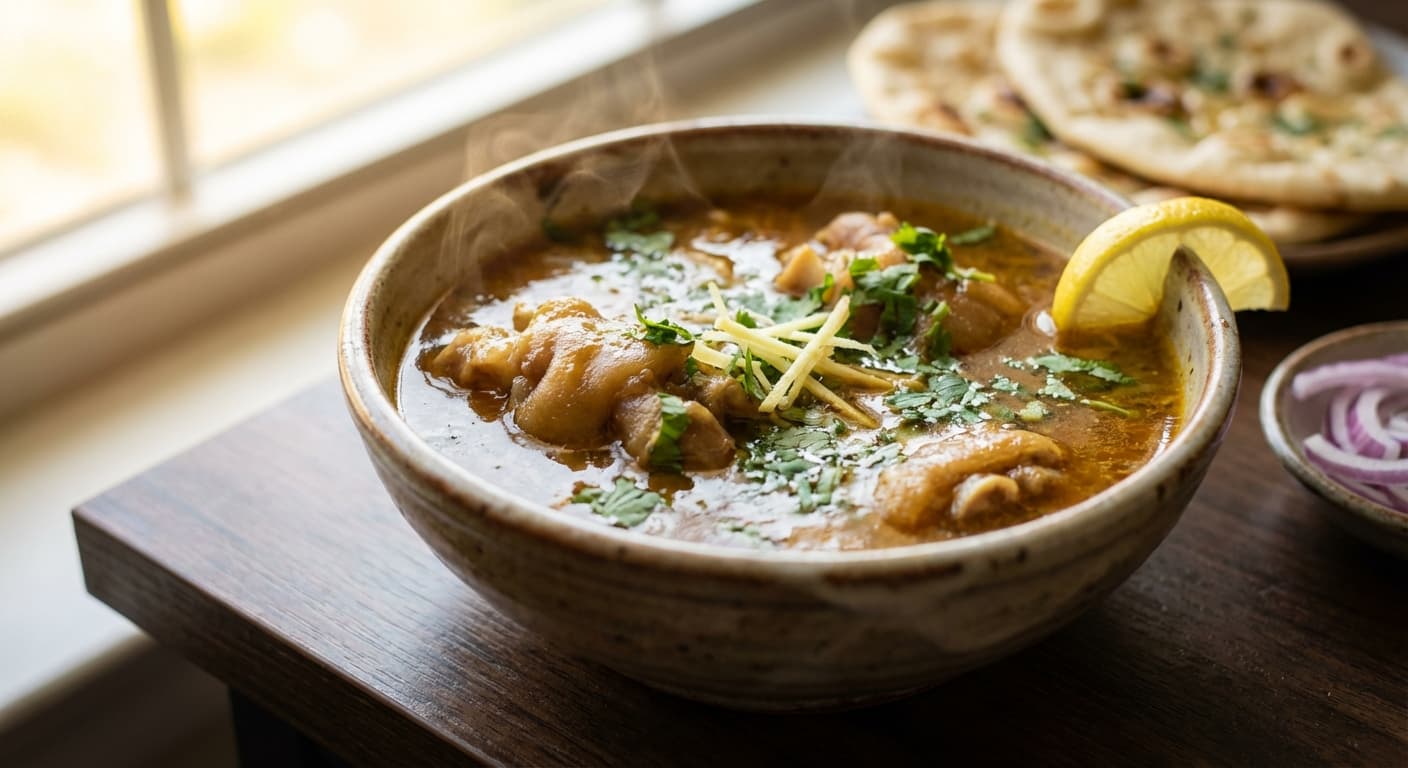
Paya Soup (پایا) — Indian Trotter Broth with Ginger and Garam Masala
Indian · Soups · 235 min
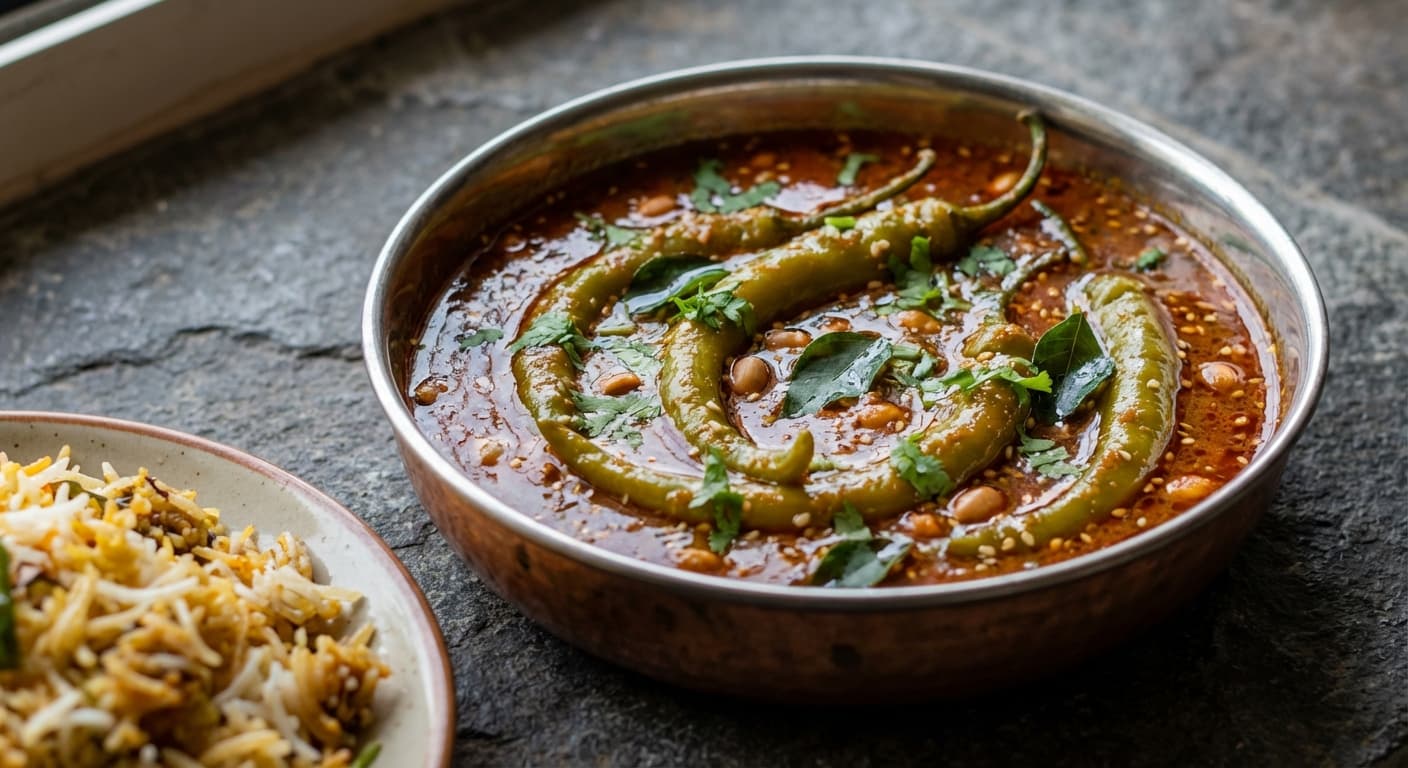
Mirchi ka Salan (مرچی کا سالن) — Hyderabadi peanut-sesame chili curry
Indian · Side Dishes · 55 min
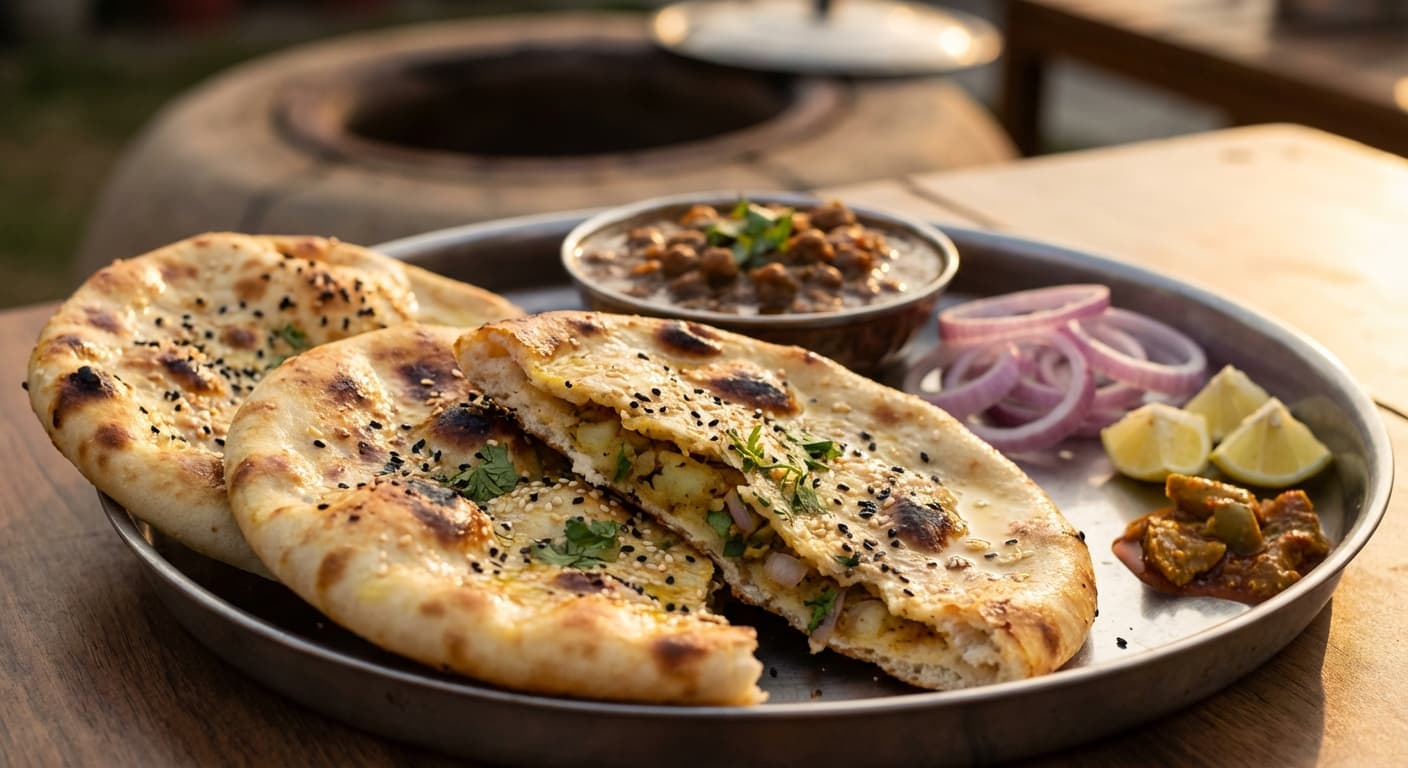
Amritsari Kulcha (अमृतसरी कुलचा) — Tandoor-Baked Stuffed Leavened Bread
Indian · Breads · 65 min
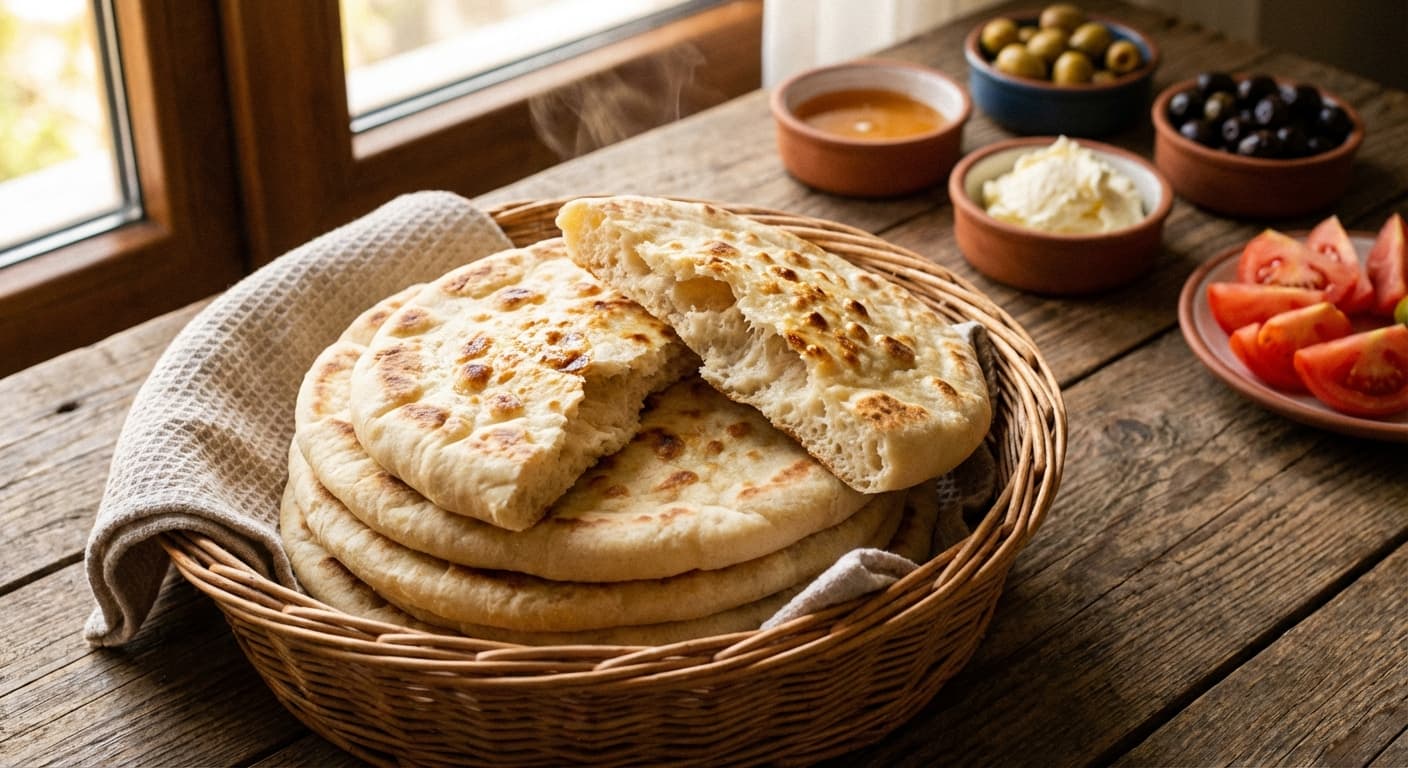
Bazlama (بازلاما) — Puffy Turkish Village Flatbread Cooked on a Saj
Turkish · Breads · 38 min
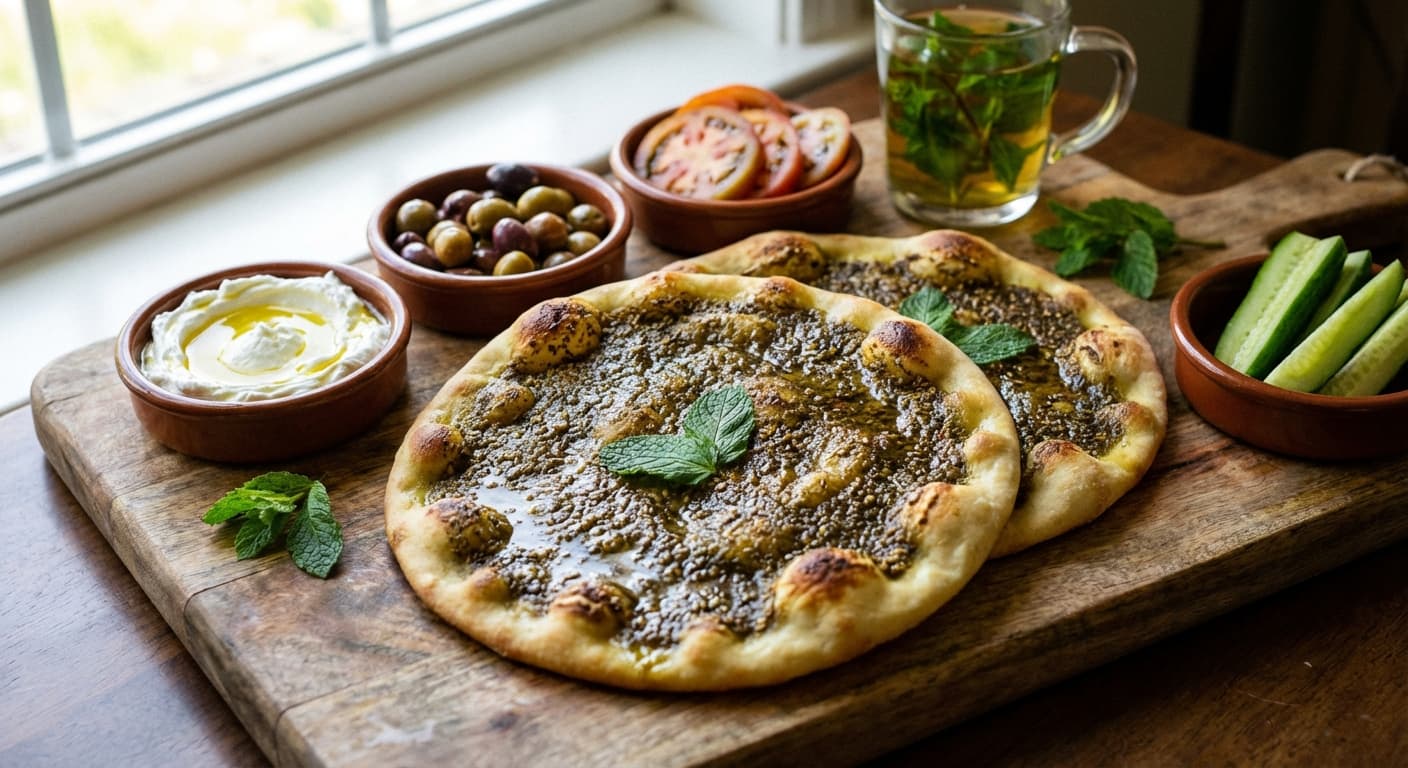
Man’oushe Za’atar (منقوشة زعتر) — Lebanese Za’atar Flatbread
Lebanese · Breads · 37 min
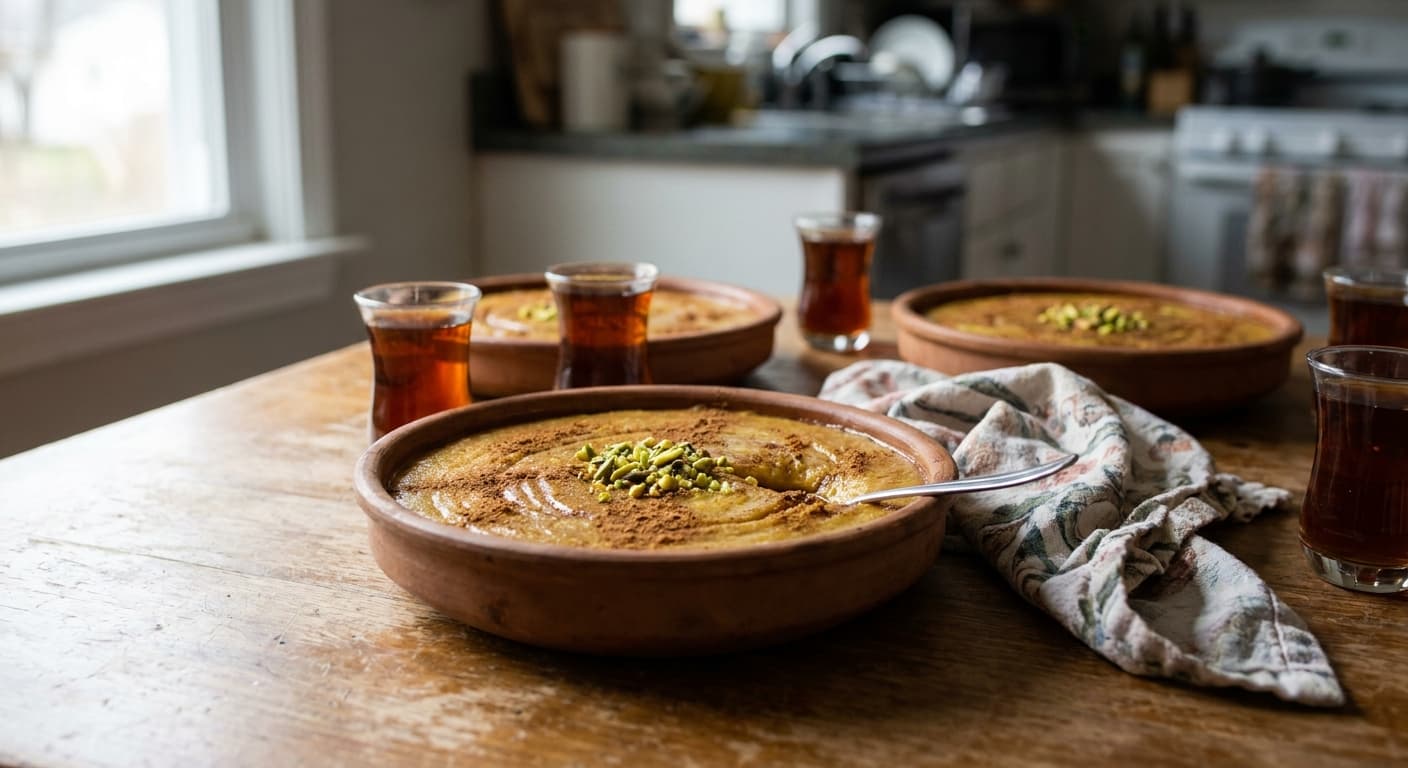
Persian Kachi (کاچی) — Saffron Rosewater Pudding
Persian · Desserts · 45 min
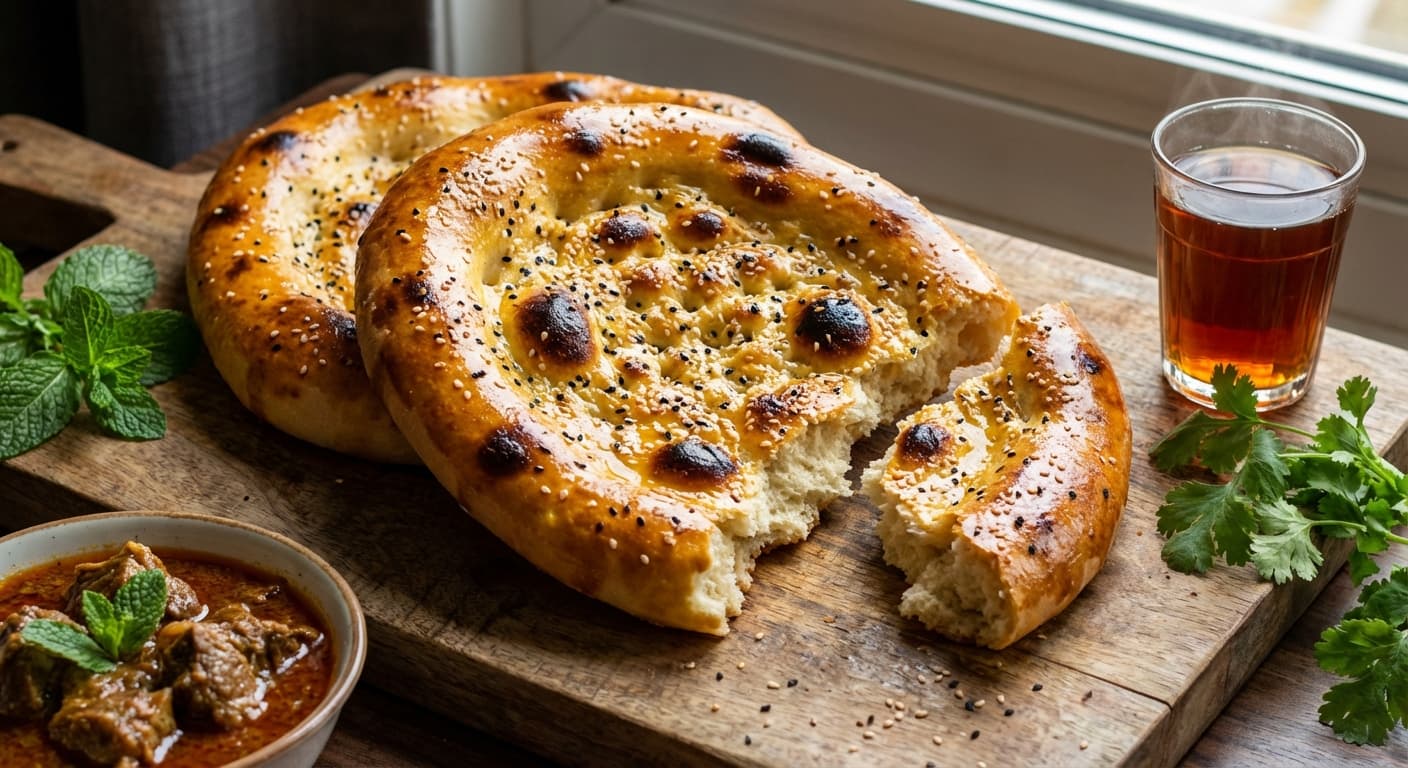
Kulcha-e Kandahari (کلچهٔ کندهاری) — Afghan Thick naan, Kandahar-style bakery bread
Afghan · Breads · 43 min
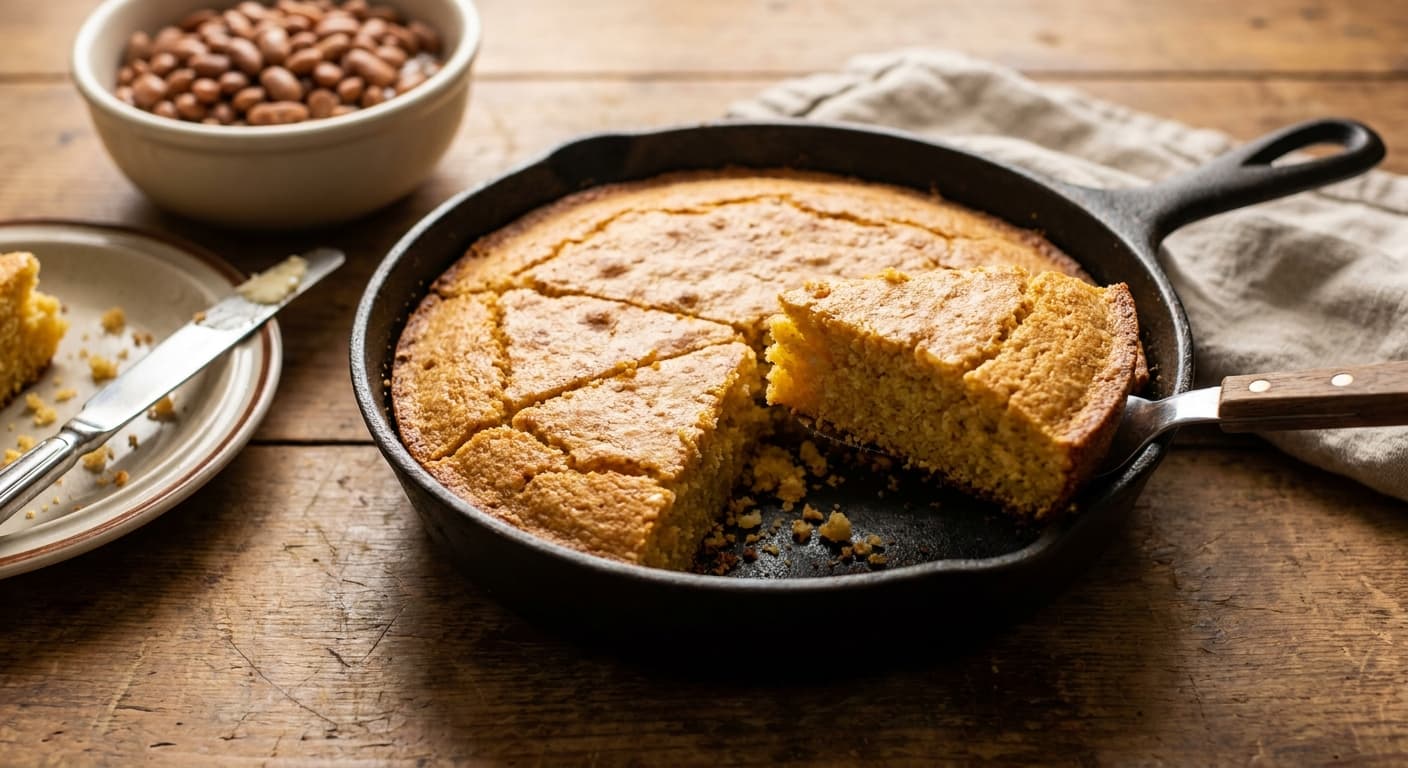
Cornbread (Cornbread) — Classic Cast-Iron American Quick Bread
American · Breads · 40 min
Reviews
Cooked this recipe?
Tap the stars to rate it — that's all it takes. A few words are welcome but optional.
No ratings yet. Cooked this one? Be the first to rate it — it takes one tap.