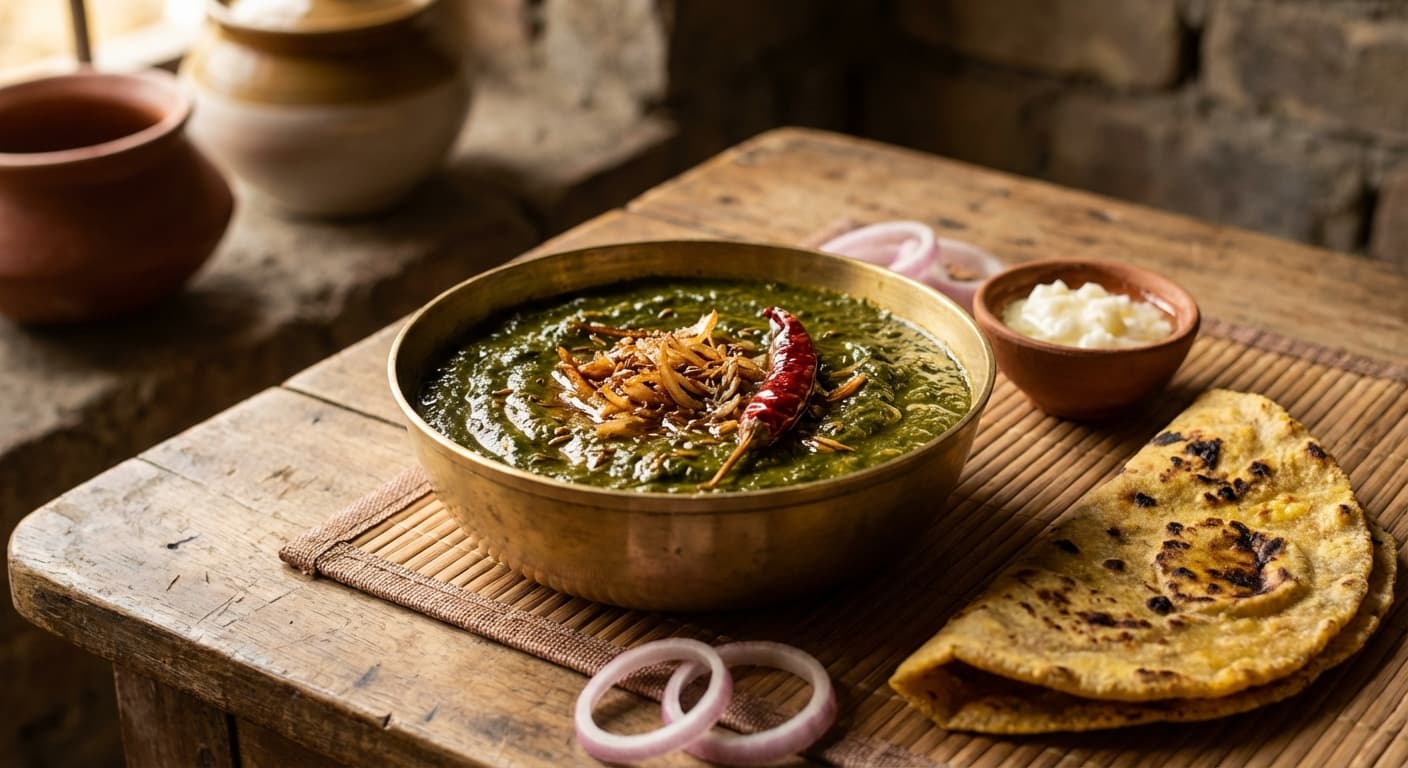
Sarson da Saag (ਸਰਸੋਂ ਦਾ ਸਾਗ) — Punjabi mustard greens curry finished with ghee
A winter staple from Punjab, Sarson da Saag blends mustard greens with spinach and bathua for a velvety, rustic curry. Traditionally thickened with makki ka atta and finished with ghee for a deep, buttery aroma.
Printable Recipe Card
Servings: 6 · Total: 95 min · Difficulty: medium
Ingredients (quick list)
- 700 g Mustard greens (sarson), stems trimmed
- 250 g Spinach, stems trimmed
- 150 g Bathua (lamb's quarters), stems trimmed (If unavailable, increase spinach by 150 g)
- 600 ml Water
- 20 g Ginger, peeled and chopped
- 18 g Garlic cloves, chopped
- 12 g Green chilies, chopped (About 2 medium chilies)
- 180 g Onion, finely chopped
- 30 g Ghee (For finishing and aroma)
- 15 ml Neutral oil (sunflower or canola) (Helps prevent ghee from browning too fast)
- 2 tsp Cumin seeds
- 2 Dried red chili
+ 8 more in the full ingredients section below.
Steps (summary)
- Wash the mustard greens, spinach, and bathua thoroughly in 2–3 changes of water, then drain well. Roughly chop everything so it…
- Add mustard greens, spinach, bathua, 600 ml water, ginger, garlic, and green chilies to a heavy pot. Bring to a boil over high…
- Turn off the heat and let the greens cool for 5 minutes so blending is safer and the color stays brighter. Using an immersion b…
- Whisk the makki ka atta with 120 ml water until perfectly smooth and lump-free. Pour the slurry into the pot while stirring con…
- Stir in turmeric, coriander powder, Kashmiri chili powder, salt, and garam masala, then simmer for 8 minutes to meld the spices…
- In a small pan, heat the oil and ghee together over medium heat until the ghee is fully melted and shimmering. Add cumin seeds…
+ 1 more steps in the full instructions section below.
Cultural Background
Sarson da Saag is a beloved Punjabi winter dish, traditionally cooked slowly from mixed greens when mustard is at its best. Served with makki di roti and a ghee finish, it reflects North India’s seasonal, farm-driven comfort food culture.
Equipment
💡 Tips
- Keep the blend coarse rather than silky; a little texture is traditional and prevents the saag from tasting like a puréed soup.
- Cook the makki ka atta for at least 10 minutes after adding it, or the saag can taste chalky and feel gritty.
- For a deeper Punjabi-style finish, reserve 10 g of the ghee and drizzle it on each bowl right before serving.
⚠️ Common Mistakes
❌ Blending the greens completely smooth
✅ Fix: Pulse in short bursts and stop while the saag still has small flecks and a rustic texture.
❌ Adding makki ka atta directly to the pot
✅ Fix: Always whisk it with measured water into a smooth slurry first to avoid stubborn lumps.
❌ Burning the tadka spices
✅ Fix: Keep the heat at medium and add onions quickly after the cumin blooms; if it darkens too fast, lower the heat and add 15 ml water.
🧊 How to Store
Cool to room temperature within 1 hour, then refrigerate in an airtight container for up to 4 days. Reheat gently on the stove with 60–90 ml water, stirring often; finish with 5 g ghee per serving to refresh the aroma.
📅 Make Ahead
Cook and blend the greens up to 2 days ahead and refrigerate. Reheat, then add the makki ka atta slurry and cook it through on the day of serving; prepare the tadka fresh for the best aroma.
🍽️ Pairs Well With
- Makki di roti
- tandoori roti
- basmati rice
- sliced red onion
- jaggery
- salted lassi.
Regional Variations
- Haryana-style: higher proportion of mustard greens and a slightly looser simmer, often finished with extra ghee at the table.
- Dhaba-style: more garlic and a hotter tadka, sometimes with a pinch (0.5 tsp) of dried fenugreek leaves added near the end.
- Home-style mild: fewer chilies and a longer simmer after thickening for a sweeter, rounder flavor.
Ingredients
- 700 gMustard greens (sarson), stems trimmed
- 250 gSpinach, stems trimmed
- 150 gBathua (lamb's quarters), stems trimmed (If unavailable, increase spinach by 150 g)
- 600 mlWater
- 20 gGinger, peeled and chopped
- 18 gGarlic cloves, chopped
- 12 gGreen chilies, chopped (About 2 medium chilies)
- 180 gOnion, finely chopped
- 30 gGhee (For finishing and aroma)
- 15 mlNeutral oil (sunflower or canola) (Helps prevent ghee from browning too fast)
- 2 tspCumin seeds
- 2Dried red chili
- 1 tspTurmeric powder
- 1 tspRed chili powder (Kashmiri) (Mild heat, good color)
- 2 tspCoriander powder
- 0.5 tspGaram masala
- 30 gMakki ka atta (fine cornmeal) (About 3 tbsp; traditional thickener)
- 120 mlWater (to slurry the makki ka atta)
- 10 gSalt (About 1 3/4 tsp fine salt)
- 15 mlLemon juice (About 1 tbsp)
🔄 Substitutions
- Bathua (lamb's quarters)→ Spinach (additional 150 g)
- Makki ka atta (fine cornmeal)→ Fine polenta (30 g)
- Ghee→ Unsalted butter (30 g)
Instructions
- 1
Wash the mustard greens, spinach, and bathua thoroughly in 2–3 changes of water, then drain well. Roughly chop everything so it cooks evenly, keeping the piles separate only if your pot is small.
- 2
Add mustard greens, spinach, bathua, 600 ml water, ginger, garlic, and green chilies to a heavy pot. Bring to a boil over high heat, then reduce to a steady simmer, cover, and cook for 35 minutes until the mustard stems are completely tender.
- 3
Turn off the heat and let the greens cool for 5 minutes so blending is safer and the color stays brighter. Using an immersion blender, pulse to a coarse purée, leaving some texture; if using a countertop blender, blend in batches and return to the pot.
- 4
Whisk the makki ka atta with 120 ml water until perfectly smooth and lump-free. Pour the slurry into the pot while stirring continuously, then simmer uncovered for 12 minutes, stirring every 1–2 minutes to prevent sticking and to cook out the raw corn flavor.
- 5
Stir in turmeric, coriander powder, Kashmiri chili powder, salt, and garam masala, then simmer for 8 minutes to meld the spices. The saag should look glossy and thick enough to mound slightly on a spoon; if it becomes too thick, add 60–120 ml water and simmer 2 minutes more.
- 6
In a small pan, heat the oil and ghee together over medium heat until the ghee is fully melted and shimmering. Add cumin seeds and dried red chilies and cook for 30–40 seconds until fragrant, then add the chopped onion and sauté for 8–10 minutes until deep golden.
- 7
Pour the hot tadka into the saag and stir well, scraping any browned bits from the tadka pan into the pot for maximum flavor. Simmer for 3 minutes, then turn off the heat and stir in the lemon juice; rest the saag for 5 minutes before serving so the texture settles.
🪪 Recipe Passport
Cultural Background
Sarson da Saag is a beloved Punjabi winter dish, traditionally cooked slowly from mixed greens when mustard is at its best. Served with makki di roti and a ghee finish, it reflects North India’s seasonal, farm-driven comfort food culture.
Regional Variations
Researched from multiple sources and validated by the Zaffaron editorial team. Every recipe is tested for accuracy, measurements, and cultural authenticity.
Nutrition per serving
Pairs well with
If you enjoyed this recipe, here are a few related Zaffaron recipes to try next.
- Traditional Bihari Litti Chokha (लिट्टी चोखा) — Roasted sattu-stuffed wheat balls with smoky mash
- Authentic Kashmiri Lamb Rogan Josh (روغن جوش) — Wazwan-style red lamb curry
- Chicken Korma (कुरमा) — Indian Mild Yogurt-Cashew Chicken Curry
- Gatte ki Sabzi (गट्टे की सब्ज़ी) — Indian Gram Flour Dumplings in Yogurt-Spice Gravy
Does your family make this differently?
Every family has their own version. Maybe your grandmother adds a secret ingredient, or your aunt has a completely different technique. Preserve your family's version — with their name on it, forever.
You Might Also Like
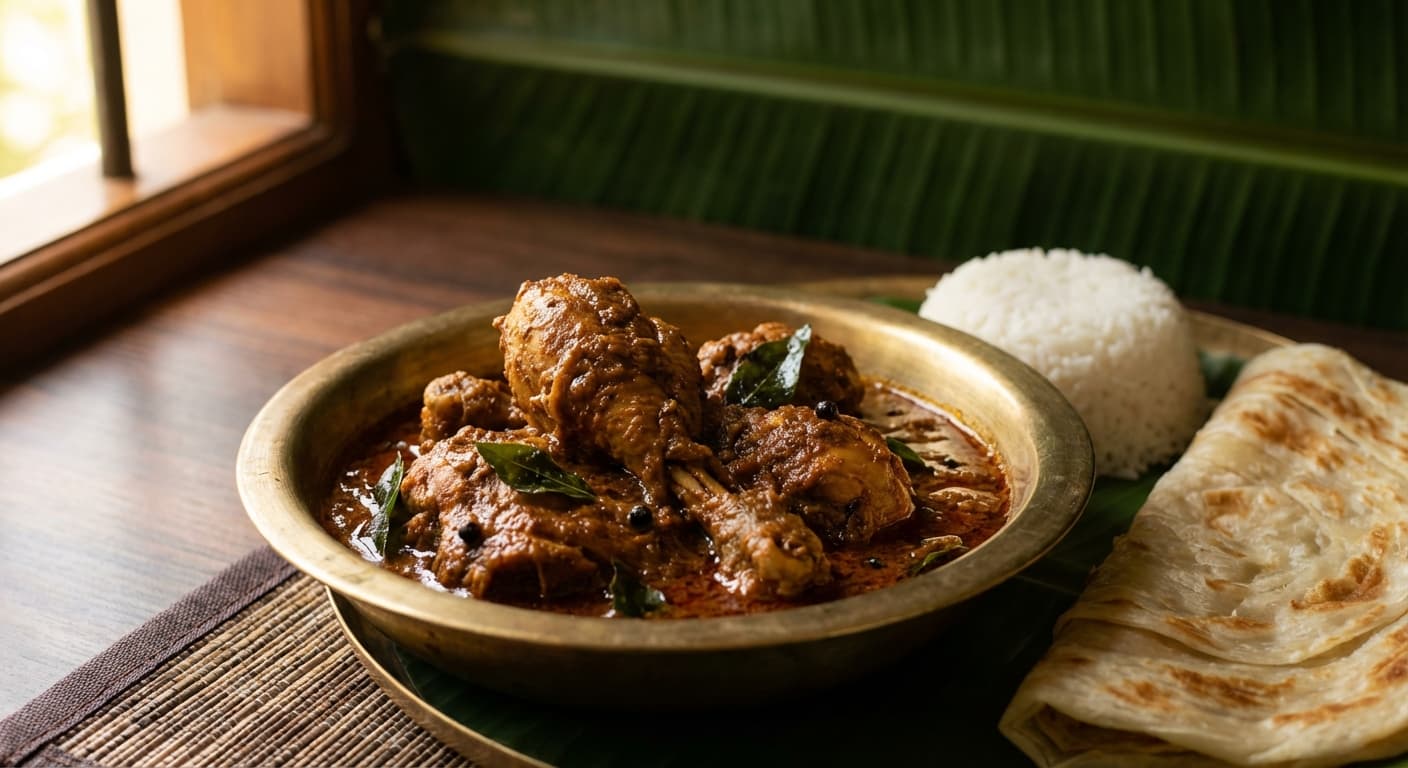
Chettinad Chicken (செட்டிநாடு கோழி குழம்பு) — Peppery roasted-spice chicken curry from Tamil Nadu
Indian · Main Courses · 65 min
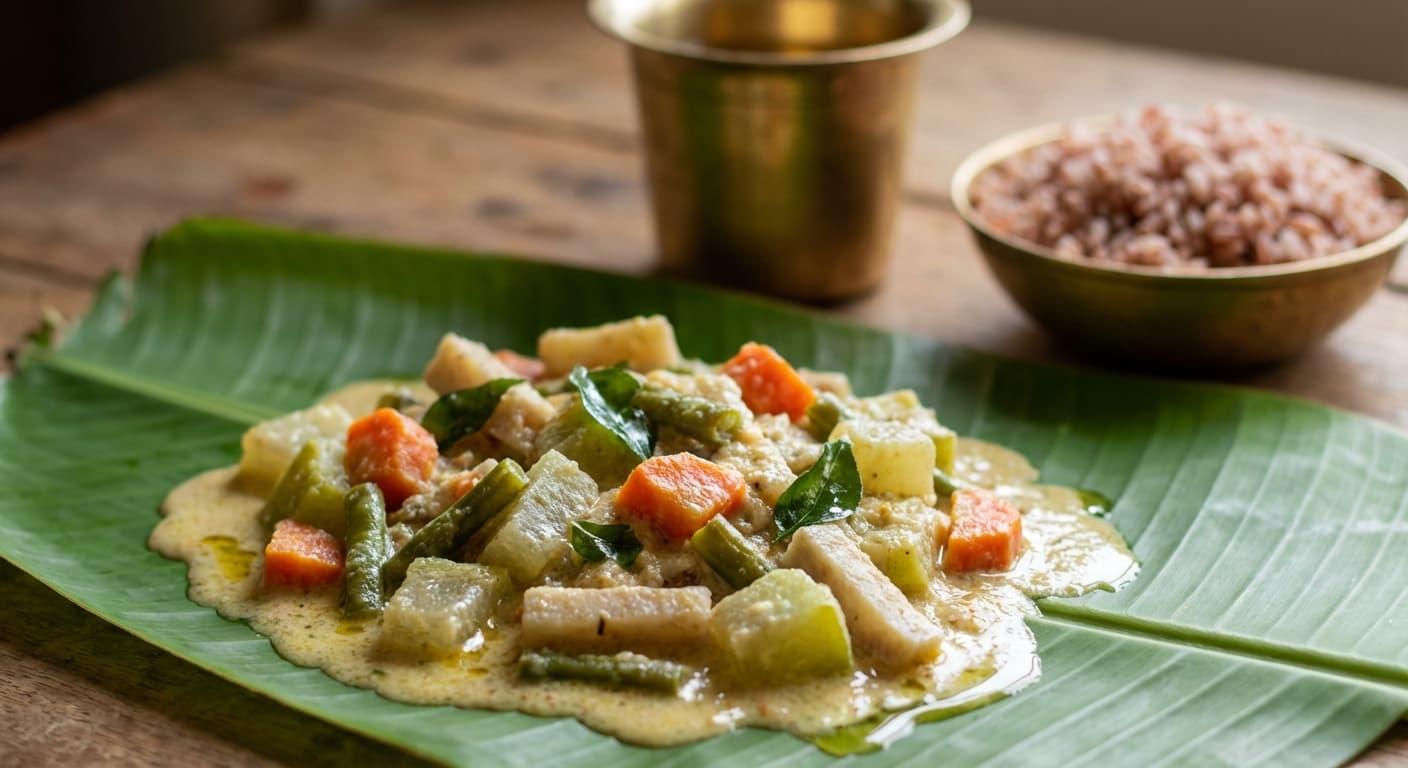
Avial (അവിയൽ) — Kerala mixed vegetables in coconut-yogurt gravy
Indian · Main Courses · 50 min

Modak (मोदक) — Steamed coconut-jaggery sweet dumplings for Ganesh Chaturthi
Indian · Desserts · 60 min
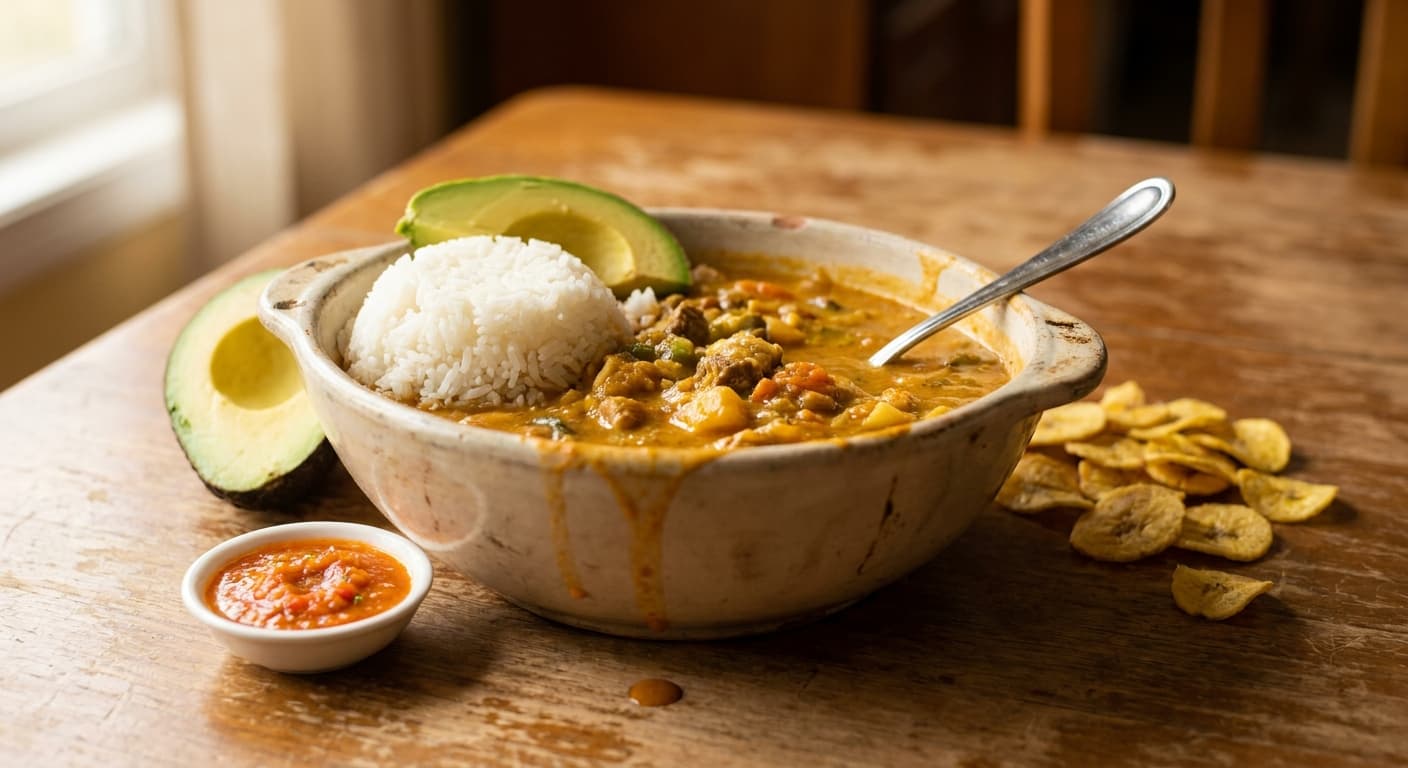
Ecuadorian Peanut Tripe Stew (Guatita) — Creamy Potato and Peanut Stew
Ecuadorian · Stews · 180 min
Chilean Fresh Bean Stew (Porotos granados) — Summer Corn and Squash Bean Stew
Chilean · Stews · 80 min
Bhapa Pitha (ভাপা পিঠা) — Steamed Rice Cakes with Coconut and Date Palm Jaggery
Bangladeshi · Desserts · 67 min
Ash-e Sak (آش ساک) — Gorgani Spinach and Lamb Ash
Persian · Soups · 175 min
Mici (Mititei) — Romanian Grilled Garlic Sausages
Romanian · Kebabs · 47 min
Reviews
Cooked this recipe?
Tap the stars to rate it — that's all it takes. A few words are welcome but optional.
No ratings yet. Cooked this one? Be the first to rate it — it takes one tap.