Rasam (ரசம்) — South Indian Tangy Tomato and Tamarind Broth
Rasam is a classic South Indian broth made with tamarind, tomato, and warming spices, often served with rice or sipped as a restorative soup. Its bright tang and peppery aroma reflect everyday home cooking across Tamil Nadu and beyond.
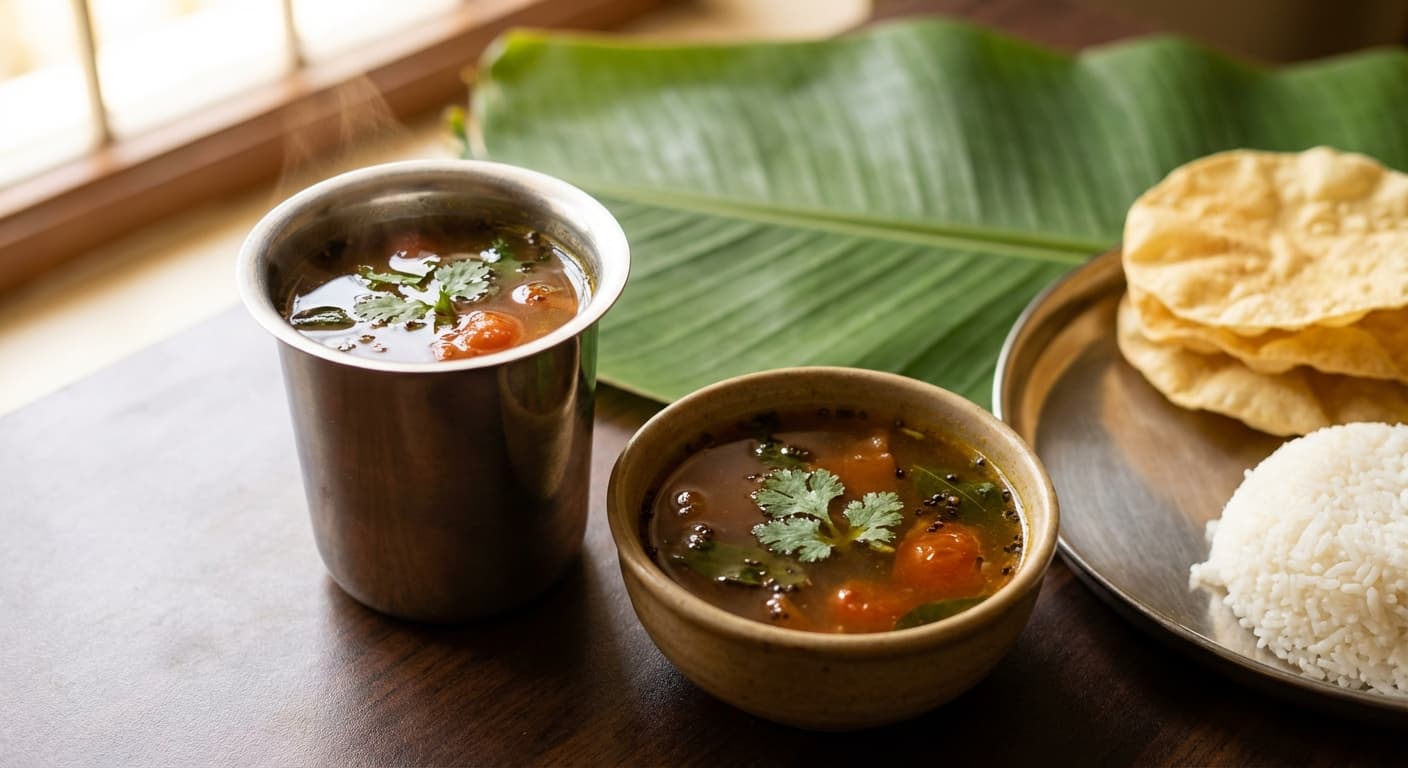
Printable Recipe Card
Servings: 4 · Total: 35 min · Difficulty: easy
Ingredients (quick list)
- 25 g tamarind pulp (seedless, compressed)
- 300 ml hot water
- 250 g tomatoes (ripe, chopped)
- 700 ml water
- 10 g rasam powder (about 2 tsp)
- 1 tsp ground turmeric
- 1 tsp black pepper (freshly ground)
- 1 tsp cumin seeds
- 6 clove garlic (cloves, lightly crushed)
- 1 bunch curry leaves (about 20 leaves)
- 15 g fresh cilantro (chopped)
- 5 g jaggery (about 1 tsp, optional but traditional)
+ 5 more in the full ingredients section below.
Steps (summary)
- Make the tamarind extract by soaking the tamarind pulp in 300 ml hot water for 10 minutes. Squeeze and strain well to yield a s…
- Add chopped tomatoes to a pot with 700 ml water, turmeric, black pepper, cumin seeds, crushed garlic, curry leaves, jaggery, an…
- Pour in the strained tamarind extract and stir in the rasam powder until fully dissolved. Simmer for 5 minutes, keeping the hea…
- Watch for the rasam to become slightly frothy at the edges and smell peppery; do not let it boil hard. Turn off the heat and re…
- Prepare the tempering by heating ghee in a small pan over medium heat until it shimmers. Add mustard seeds and let them pop, th…
- Immediately pour the hot tempering into the rasam and cover the pot for 1 minute to trap the aroma. Stir in chopped cilantro, t…
Cultural Background
Rasam is a daily staple in many South Indian homes, valued for its digestive, warming character and its ability to make simple rice meals feel complete. It is also commonly served during festivals and family lunches as a bright, palate-cleansing course.
Equipment
💡 Tips
- For a clearer, more traditional rasam, lightly mash the cooked tomatoes in the pot and strain once before tempering, then return the liquid to the pot.
- Keep rasam at a gentle simmer after adding tamarind; a rolling boil can make the tang taste sharp and slightly bitter.
- For extra peppery heat, crush 1 tsp black pepper with 1 tsp cumin seeds and add it in the last 2 minutes of simmering.
⚠️ Common Mistakes
❌ Boiling the rasam vigorously after adding tamarind.
✅ Fix: Keep it at a gentle simmer and turn off the heat as soon as it turns aromatic and lightly frothy at the edges.
❌ Adding tempering too early and leaving it uncovered.
✅ Fix: Pour tempering in at the end and cover for 1 minute to lock in mustard, chili, and curry leaf aroma.
❌ Using under-ripe tomatoes, resulting in flat flavor.
✅ Fix: Choose ripe tomatoes and simmer until softened; add the measured jaggery to round out acidity if needed.
🧊 How to Store
Cool rasam to room temperature within 1 hour, then refrigerate in an airtight container for up to 3 days. Reheat gently until steaming (do not hard-boil) to preserve the fresh tamarind and pepper notes; add 30–60 ml water if it thickens.
📅 Make Ahead
Prepare tamarind extract up to 2 days ahead and refrigerate it in a sealed jar. You can also pre-mix the dry spices (rasam powder, turmeric, pepper, cumin) so the broth comes together in under 15 minutes.
🍽️ Pairs Well With
- Steamed rice
- ghee rice
- papadum
- potato poriyal
- sambar
- curd rice.
Regional Variations
- Tamil-style pepper rasam: increase black pepper to 2 tsp and reduce rasam powder to 1 tsp for a sharper, pepper-forward broth.
- Mysore-style rasam: add 1 tbsp cooked toor dal water (rasam saaru base) for a slightly fuller body and deeper color.
- Lemon rasam: replace tamarind with 30 ml lemon juice added off-heat for a fresher, brighter tang.
Ingredients
- 25 gtamarind pulp (seedless, compressed)
- 300 mlhot water
- 250 gtomatoes (ripe, chopped)
- 700 mlwater
- 10 grasam powder (about 2 tsp)
- 1 tspground turmeric
- 1 tspblack pepper (freshly ground)
- 1 tspcumin seeds
- 6 clovegarlic (cloves, lightly crushed)
- 1 bunchcurry leaves (about 20 leaves)
- 15 gfresh cilantro (chopped)
- 5 gjaggery (about 1 tsp, optional but traditional)
- 8 gsea salt (about 1 1/4 tsp)
- 10 gghee (about 2 tsp)
- 1 tspmustard seeds
- 2dried red chili (small, broken)
- 0.25 tspasafoetida (hing)
🔄 Substitutions
- ghee→ neutral oil
- jaggery→ brown sugar
- rasam powder→ ground coriander + extra black pepper
Instructions
- 1
Make the tamarind extract by soaking the tamarind pulp in 300 ml hot water for 10 minutes. Squeeze and strain well to yield a smooth, tangy liquid, then discard the solids.
- 2
Add chopped tomatoes to a pot with 700 ml water, turmeric, black pepper, cumin seeds, crushed garlic, curry leaves, jaggery, and salt. Bring to a gentle boil, then simmer for 8 minutes until the tomatoes soften and the broth becomes aromatic.
- 3
Pour in the strained tamarind extract and stir in the rasam powder until fully dissolved. Simmer for 5 minutes, keeping the heat moderate so the tamarind stays bright and does not turn harsh.
- 4
Watch for the rasam to become slightly frothy at the edges and smell peppery; do not let it boil hard. Turn off the heat and rest the pot for 2 minutes so the spices settle and the flavor rounds out.
- 5
Prepare the tempering by heating ghee in a small pan over medium heat until it shimmers. Add mustard seeds and let them pop, then add dried red chilies and asafoetida and cook for 20 seconds until fragrant.
- 6
Immediately pour the hot tempering into the rasam and cover the pot for 1 minute to trap the aroma. Stir in chopped cilantro, then serve hot as a broth or ladled over rice.
🪪 Recipe Passport
Cultural Background
Rasam is a daily staple in many South Indian homes, valued for its digestive, warming character and its ability to make simple rice meals feel complete. It is also commonly served during festivals and family lunches as a bright, palate-cleansing course.
Regional Variations
Researched from multiple sources and validated by the Zaffaron editorial team. Every recipe is tested for accuracy, measurements, and cultural authenticity.
Nutrition per serving
Pairs well with
If you enjoyed this recipe, here are a few related Zaffaron recipes to try next.
Does your family make this differently?
Every family has their own version. Maybe your grandmother adds a secret ingredient, or your aunt has a completely different technique. Preserve your family's version — with their name on it, forever.
You Might Also Like
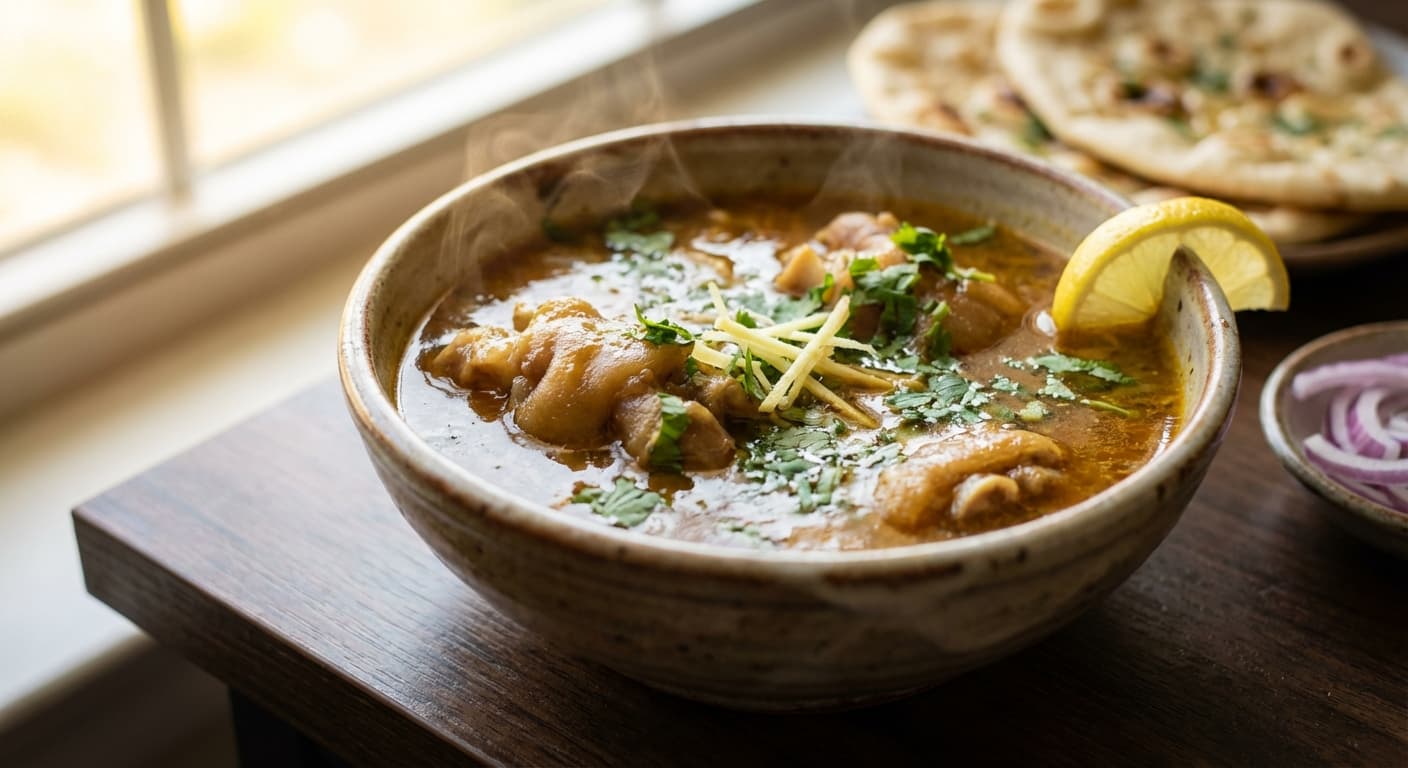
Paya Soup (پایا) — Indian Trotter Broth with Ginger and Garam Masala
Indian · Soups · 235 min
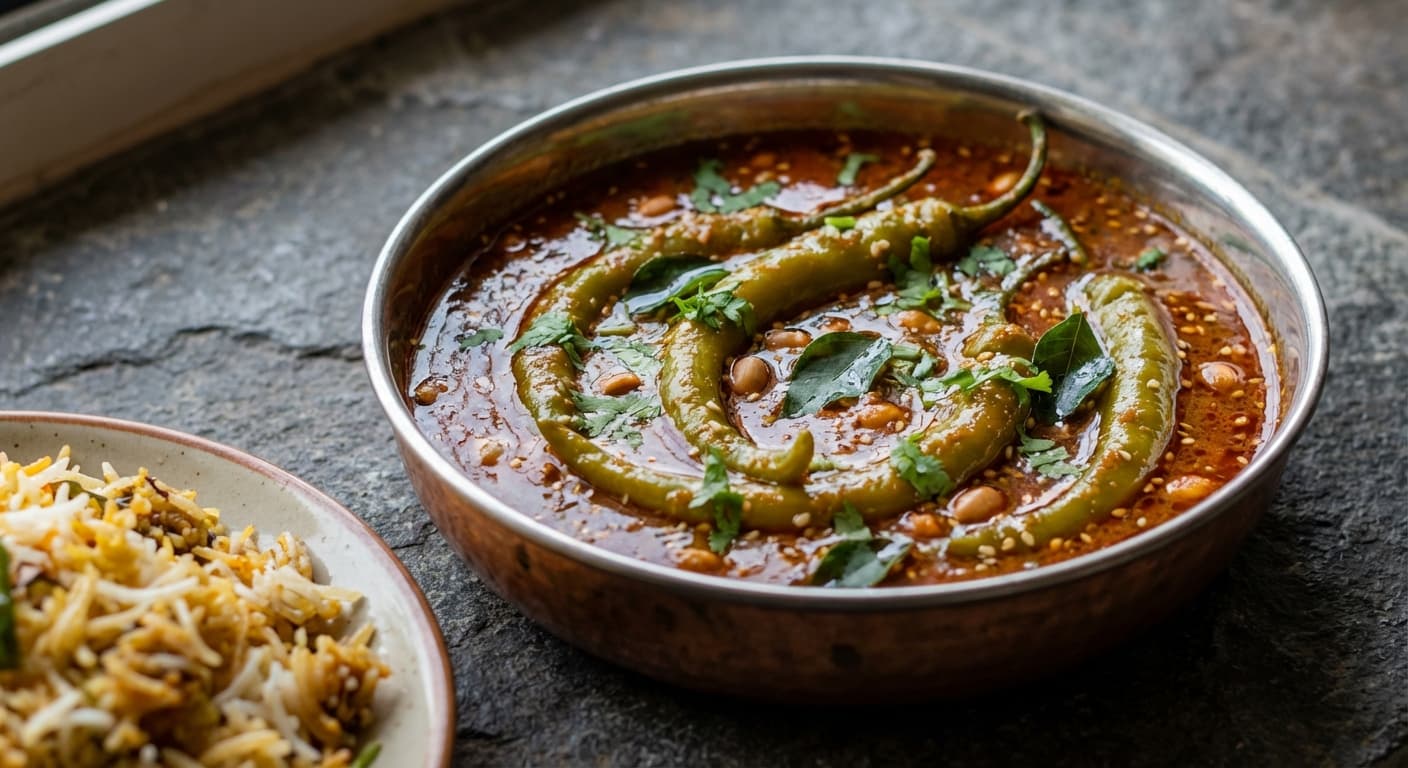
Mirchi ka Salan (مرچی کا سالن) — Hyderabadi peanut-sesame chili curry
Indian · Side Dishes · 55 min

Amritsari Kulcha (अमृतसरी कुलचा) — Tandoor-Baked Stuffed Leavened Bread
Indian · Breads · 65 min
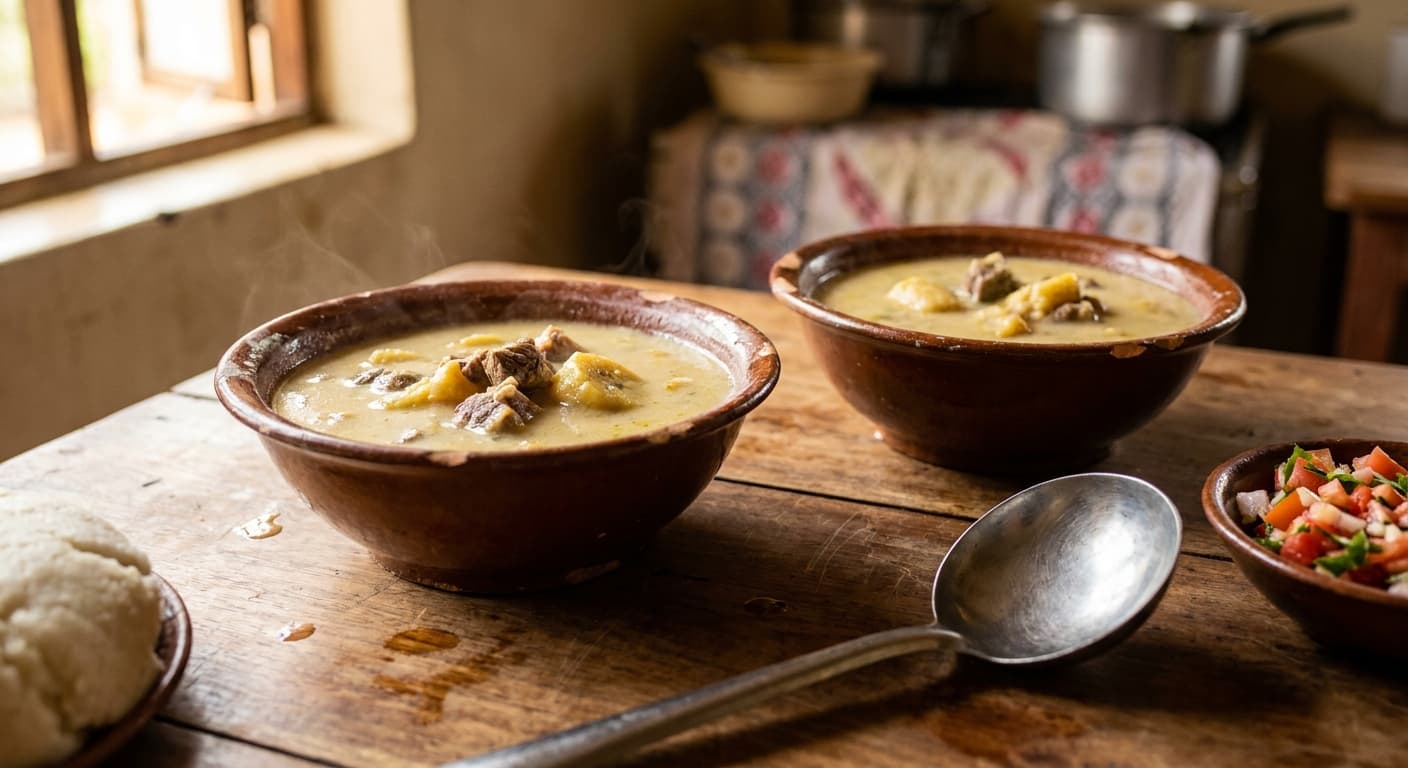
Mtori (Mtori) — Tanzanian Banana-Beef Soup
Tanzanian · Soups · 175 min
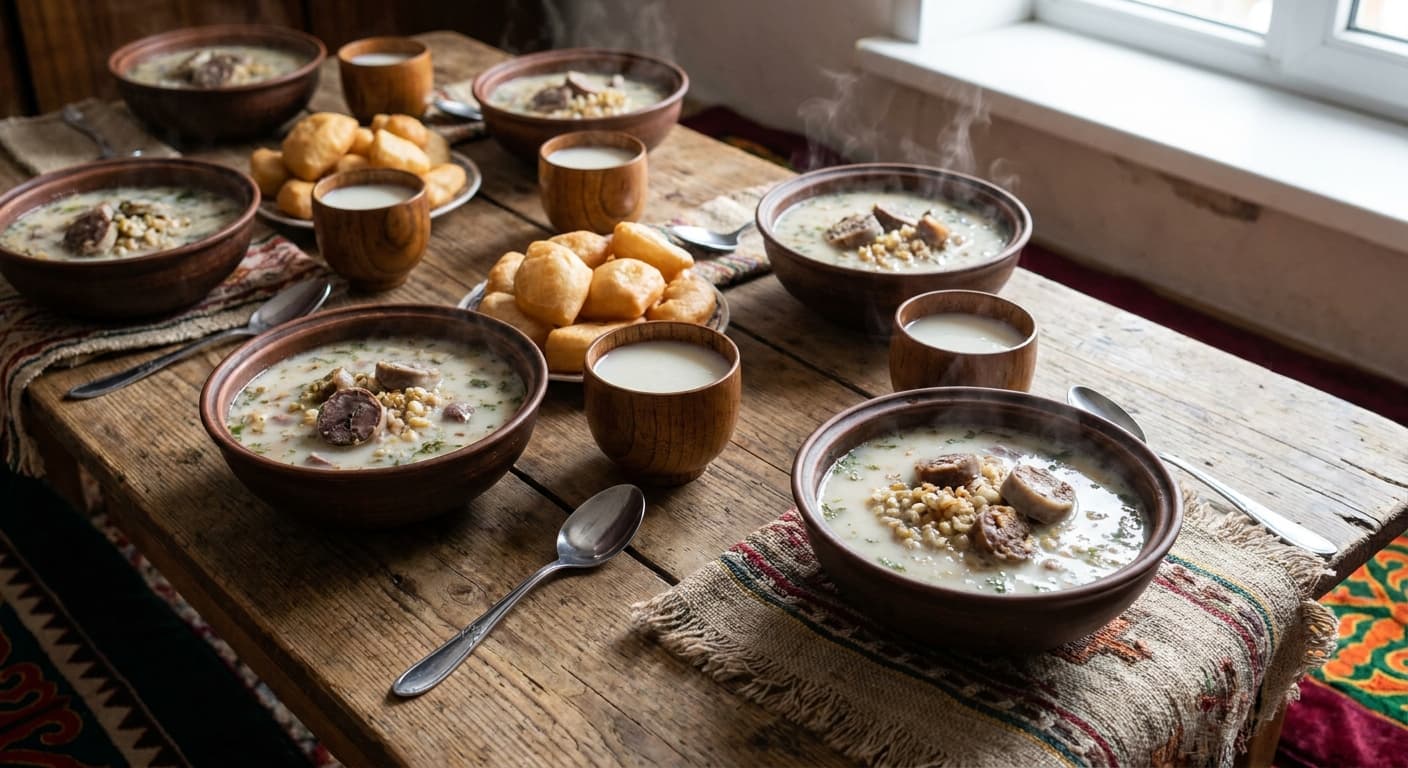
Nauryz Kozhe (Наурыз көже) — Seven-Ingredient Kazakh Spring Soup
Kazakh · Soups · 175 min
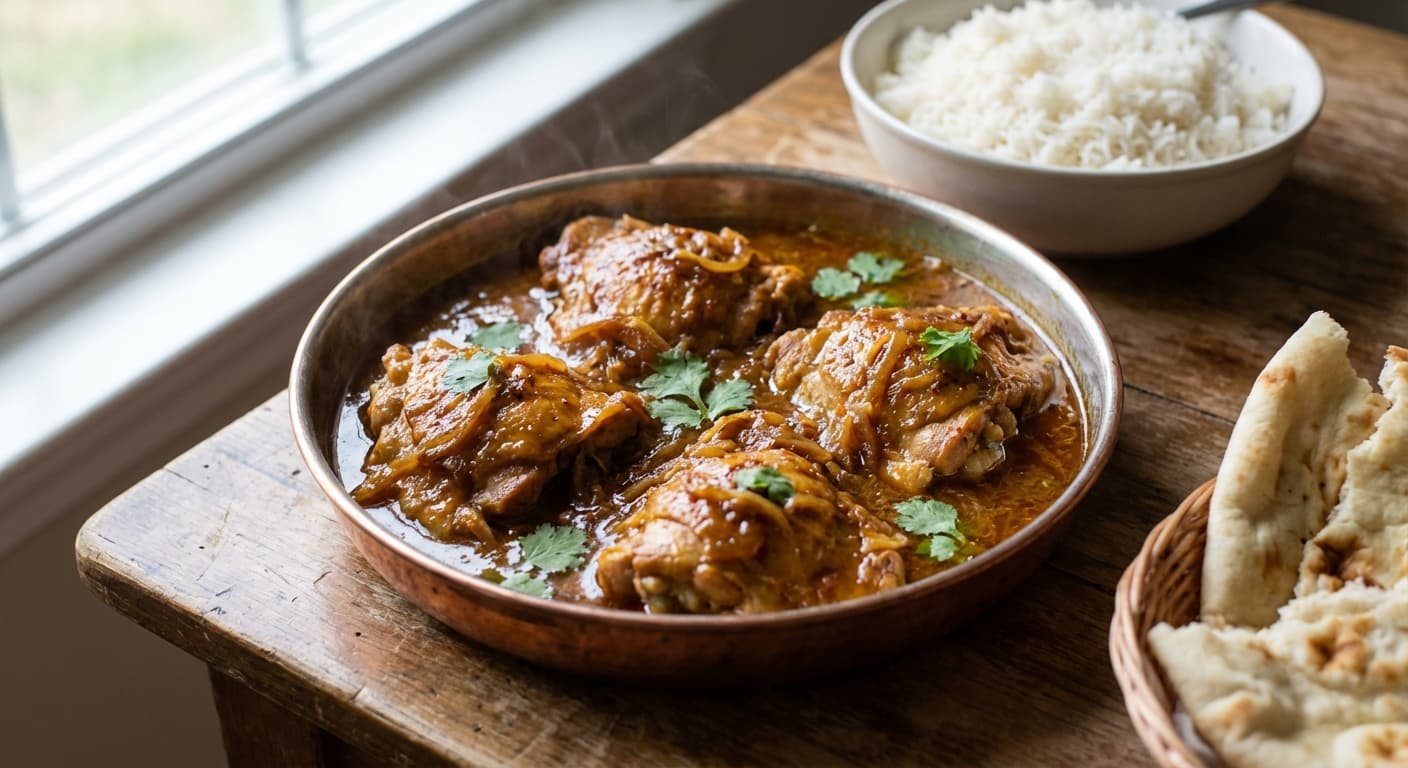
Murgh-e Qorma (مرغ قورمه) — Afghan Chicken in Onion-Tomato Gravy
Afghan · Stews · 95 min

Bhapa Pitha (ভাপা পিঠা) — Steamed Rice Cakes with Coconut and Date Palm Jaggery
Bangladeshi · Desserts · 67 min
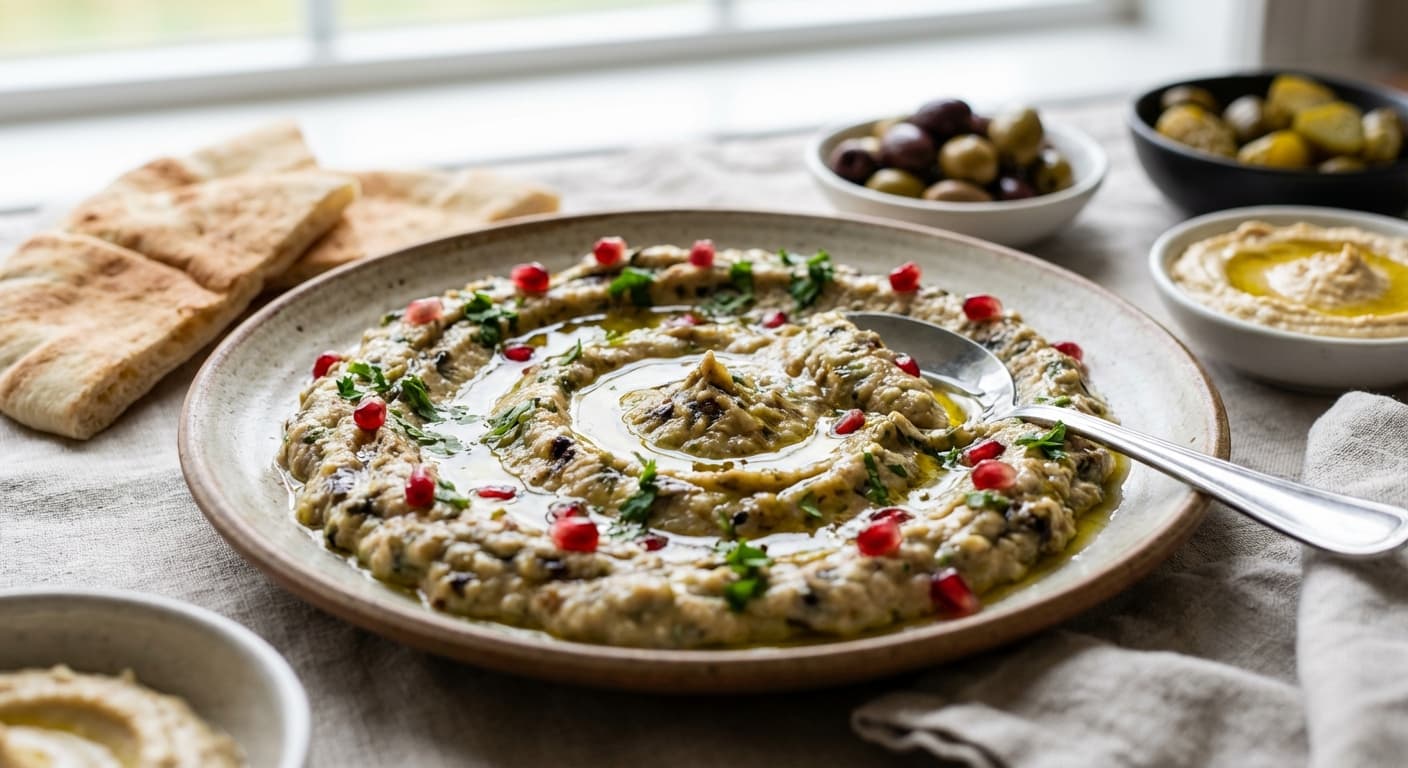
Baba Ghanoush (بابا غنّوج) — Lebanese Smoky Eggplant Dip with Tahini
Lebanese · Appetizers · 50 min
Reviews
Cooked this recipe?
Tap the stars to rate it — that's all it takes. A few words are welcome but optional.
No ratings yet. Cooked this one? Be the first to rate it — it takes one tap.